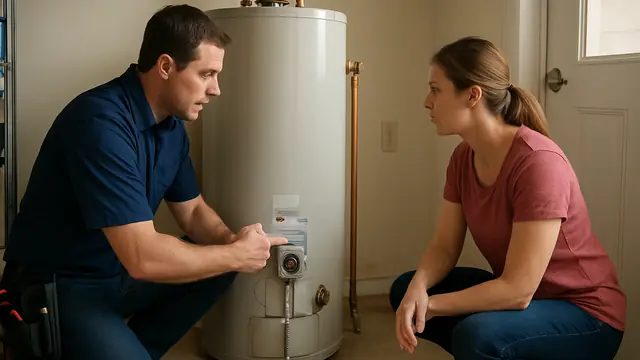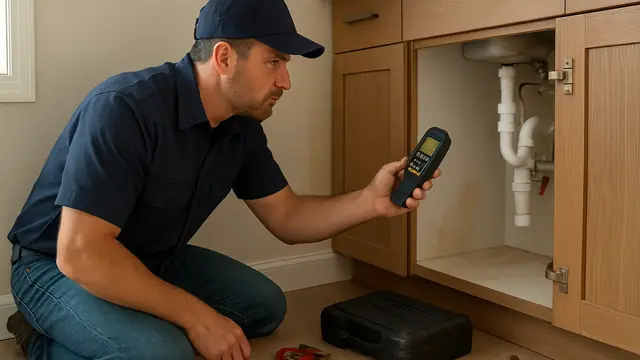
Stop and call for qualified help when plumbing water is near electrical equipment, sewage is entering occupied space, gas or burning odors are present, or a repair would require opening pressurized piping.
Multiple drains backing up in a Crestview home usually means that wastewater is encountering a restriction in a shared portion of the drainage system. The homeowner may notice toilets gurgling, water rising in a bathtub, a shower backing up when laundry drains, or several sinks becoming slow at the same time.
A clog affecting only one sink or tub is often located near that fixture. When toilets, showers, tubs, floor drains, and other fixtures respond together, the blockage may be in a branch drain, the building's main sewer, or the connection to a septic system.
This problem should be addressed quickly. Wastewater can contain harmful microorganisms and household chemicals. It can damage flooring, cabinets, drywall, insulation, furnishings, and electrical equipment. Continuing to use water can make the backup worse.
Crestview properties may be served by municipal sewer or private septic systems. The diagnostic process should account for both possibilities. A licensed plumber can determine whether the problem is a removable obstruction, root intrusion, damaged piping, a septic issue, or another condition.
The Most Common Causes
- A main sewer blockage is a common reason several drains stop working. Paper, waste, grease, and foreign materials can collect until the pipe can no longer carry normal flow.
- Wipes are a frequent contributor. Even when packaging suggests that a wipe can be flushed, the material may remain intact and combine with grease or other debris.
- Grease from kitchen drains can coat the inside of the pipe. The buildup gradually reduces the opening and catches food particles and paper.
Tree roots can enter through damaged joints and cracks. Mature landscaping does not always cause sewer problems, but roots will exploit an existing opening when moisture is available.
Older pipes may corrode, crack, deform, or separate. Cast iron can develop internal scale and rough surfaces. Clay or concrete joints can shift. Orangeburg piping can flatten or deteriorate. PVC can be damaged by poor bedding, movement, or improper installation.
- A belly in the line can hold water and solids. The pipe may appear to work until higher usage overwhelms the reduced capacity.
- Foreign objects can also obstruct the sewer. Small toys, hygiene products, shop materials, excessive paper, and construction debris may enter through toilets or drains.
- If the home uses septic, a full tank, clogged effluent filter, damaged baffle, blocked building sewer, or saturated drain field can cause multiple fixtures to back up.
- Heavy rain may expose drainage or septic problems, but rain alone should not cause sewage to enter a properly functioning plumbing system.
Safe Checks the Homeowner Can Perform
- Stop all water use. Do not flush toilets, run faucets, operate laundry equipment, or use the dishwasher.
- Determine whether the problem is isolated or widespread. Check fixtures without adding water. Observe whether standing water is present in multiple drains.
- Identify the lowest fixture. Main-line backups commonly appear first in a shower, tub, or floor drain.
- Listen for gurgling when a toilet or fixture is used. Gurgling suggests that air is being displaced through the traps because the line is restricted.
If the property has more than one bathroom, note whether both are affected. A problem limited to one bathroom may involve a branch line, while a whole-home backup points toward the main sewer or septic connection.
Look outside for sewage near a cleanout, septic tank area, or drain field. Avoid contact and keep children and animals away.
Check whether neighboring properties are experiencing similar problems if the home is on municipal sewer. A broader utility issue is possible, although most backups are located on the private property side.
If the home has a septic alarm, note whether it is active. Do not enter or open a septic tank.
What the Homeowner Should Not Attempt
- Do not keep flushing toilets. Repeated flushing adds water to a system that cannot drain.
- Avoid chemical drain openers. They rarely correct roots, damaged piping, or septic failures and may remain trapped in the wastewater.
- Do not mix chemical products. Toxic gases and dangerous heat can result.
- Avoid using a small hand auger through multiple fixtures. It may not reach the main line, and cables can become trapped.
- Do not open a sewer cleanout cap when sewage may be pressurized behind it unless you have the proper protective equipment and experience.
- Do not enter a septic tank or lean over an open tank. Septic gases can be deadly, and the structure may be unsafe.
- Do not drive heavy equipment over a suspected sewer or drain field to investigate the problem.
- Professional sewer cables, jetters, and excavation equipment should be operated only by trained personnel.
Signs That Make the Problem Urgent
Immediate service is appropriate when:
- Raw sewage enters the home
- More than one toilet cannot be used
- Wastewater rises through tubs or showers
- Sewage reaches electrical equipment
- Water spreads into bedrooms or living spaces
- The septic alarm sounds while drains are backing up
- Wastewater appears around the septic tank or drain field
- Strong sewer odors make the property difficult to occupy
- The backup affects medically vulnerable occupants
- The problem returns shortly after cleaning
- A large household cannot safely stop using water
Keep people and pets away from contaminated areas and arrange professional service.
How a Licensed Plumber Diagnoses It
The plumber begins by reviewing the sequence of symptoms and determining whether the property is connected to sewer or septic.
Fixtures may be tested selectively while the plumber observes lower drains. The sewer cleanout is located and opened safely to determine whether the building sewer is holding water.
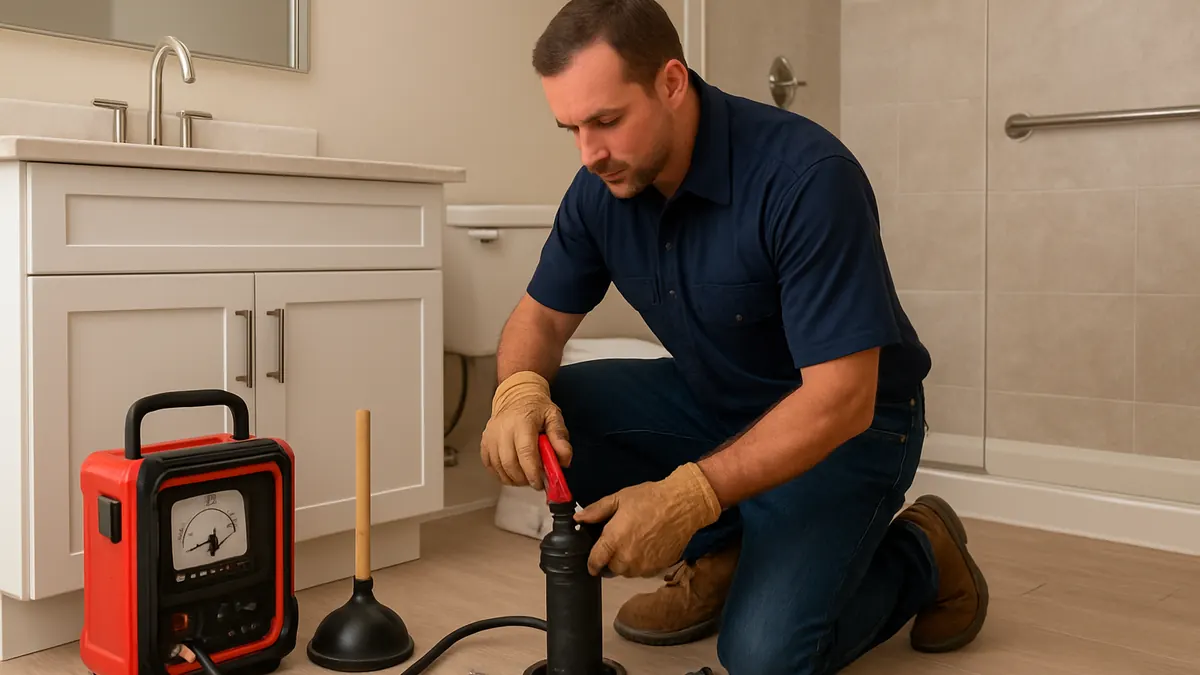
- A professional sewer machine may be used to restore flow. The type of resistance and material recovered can provide clues about the obstruction.
- A camera inspection may follow. Cameras can identify roots, cracks, offsets, bellies, buildup, foreign objects, and pipe collapse.
- A transmitter in the camera head allows the technician to locate damaged areas and determine approximate depth.
For septic systems, diagnosis may require checking the tank level, filter, baffles, pump components, control panel, and connection to the drain field. A full tank does not automatically mean the drain field has failed.
The plumber may also evaluate whether the blockage is on the homeowner's property or within a municipal system.
Repair Options
- Mechanical cabling may restore flow when the obstruction is paper, waste, or a localized blockage.
- Root cutting can reopen a root-filled line, although the damaged entry point may need repair to prevent recurrence.
- Hydro jetting can remove grease, sludge, and buildup from suitable piping. It should not be performed blindly on a pipe that may be collapsed or severely deteriorated.
- Cast-iron descaling may improve the internal opening when the pipe retains adequate structural strength.
- A spot repair can correct one failed section. It may be the most economical structural solution when the remainder of the line is sound.
- Trenchless lining may repair cracks and rough pipe interiors without full-length excavation, provided the line is suitable.
- Pipe bursting may replace an underground sewer through limited access points in some installations.
- Traditional trenching may be required when the line has collapsed, shifted severely, or cannot accept a trenchless repair.
For septic systems, lower-cost solutions may include pumping, filter cleaning, baffle replacement, pump repair, or line cleaning. Drain-field replacement should be considered only after the system is properly evaluated.
Typical Factors Affecting Cost
Factors include:
- Sewer or septic service
- Location of the blockage
- Cleanout accessibility
- Pipe depth and length
- Type of obstruction
- Root intrusion
- Pipe material
- Camera inspection
- Jetting or descaling
- Excavation requirements
- Concrete, driveway, or landscaping removal
- Septic pumping or component repair
- Permits
- Emergency timing
- Contamination cleanup
A removable blockage in an accessible pipe is generally less expensive than a collapsed line or failed drain field.
Prevention and Maintenance Guidance
- Keep grease, fats, and cooking oils out of drains. Scrape plates and wipe cookware before washing.
- Flush only toilet paper and human waste. Keep wipes and hygiene products out of toilets.
- Install drain strainers and clean them regularly.
- Teach children and guests what should not be flushed. Many sewer obstructions begin with foreign materials entering a toilet.
- Know whether the property uses sewer or septic. Keep records of septic pumping and previous sewer repairs.
- Maintain access to the exterior cleanout. Do not bury it beneath landscaping or permanent structures.
- Properties with past root problems should consider periodic camera inspection or preventive cleaning based on the plumber's findings.
- Protect septic drain fields from vehicles, structures, excessive irrigation, and stormwater.
Multiple-drain backups are not simply an inconvenience. They are evidence that a shared drainage path cannot carry wastewater properly. Early diagnosis usually provides more repair choices and can prevent sewage damage.
About this guide: This resource provides general homeowner education, not a remote diagnosis. Actual conditions, code requirements, equipment, and safe repair options must be evaluated at the property.