Stop and call for qualified help when plumbing water is near electrical equipment, sewage is entering occupied space, gas or burning odors are present, or a repair would require opening pressurized piping.
Your Lake Lorraine vacation rental is vacant when a cleaner hears water running. No faucet is open, but one toilet is refilling and the water meter appears to be moving. The cause may be a toilet component, dripping fixture, appliance connection, or concealed leak.
Check beneath sinks, around toilets, near appliances, and around the water heater without moving equipment. Close an accessible fixture shutoff gently if the source is obvious. If water continues with every fixture off, the leak cannot be isolated, or moisture is near electricity, arrange professional service promptly.
The most common plumbing problems for vacation rentals in Lake Lorraine, FL, can develop during occupied and vacant periods. A written inspection routine matters because a small leak may continue when no guest is present to report it.
Most Common Plumbing Problems in Lake Lorraine Vacation Rentals
Silent Toilet Leaks and Continuous Running
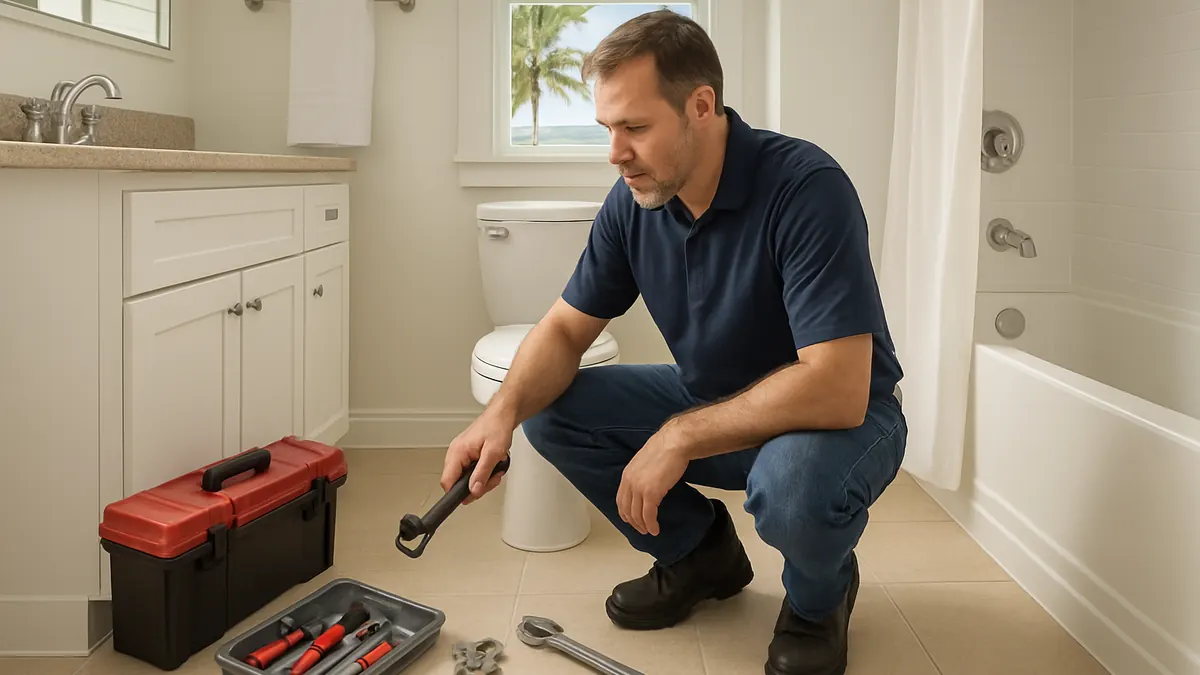
A toilet can leak from the tank into the bowl without creating a puddle. A worn flapper, damaged seal, tangled chain, or failing fill valve may allow water to escape continuously.
The fill valve then turns on to replace the lost water. This creates the familiar sound of a toilet refilling even though no one flushed it. The repair may be simple, but the problem should not be ignored.
Dripping Faucets and Supply Connections
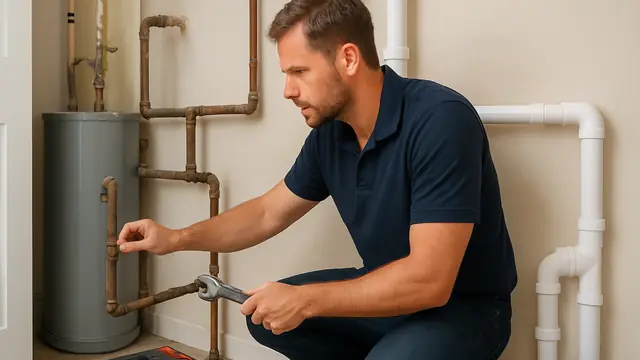
A faucet may drip from the spout because of a worn cartridge, seal, seat, or internal component. Moisture beneath the sink may come from a flexible supply line, shutoff valve, faucet body, drain connection, or trap.
A pressurized supply leak can continue when the faucet is off. A drain-side leak usually appears only when the fixture is used. That timing is useful information for the plumber.
Concealed Water Leaks
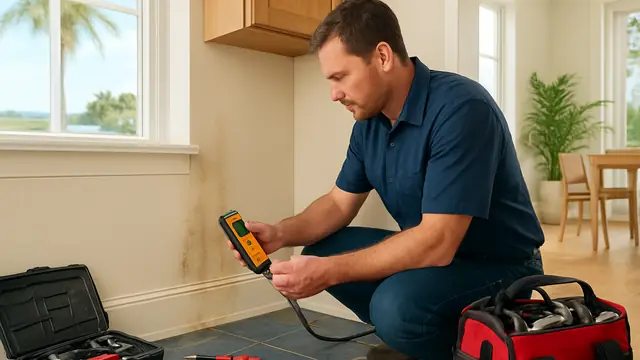
Unexplained water use, damp drywall, warm or discolored flooring, cabinet swelling, or recurring musty odors may indicate a concealed leak. The visible symptom may be several feet from the actual source because water can travel through building materials.
A concealed leak should be diagnosed rather than guessed at. Opening the wrong wall or floor can add unnecessary damage without locating the source.
Slow Drains and Repeated Clogs
Hair, soap residue, grease, food, and debris gradually reduce drain capacity. A sink or shower may appear to work during a quick turnover check but drain slowly during normal guest use.
One slow fixture may have a nearby clog. Several slow drains, gurgling, or water rising in another fixture may indicate a shared-line obstruction.
Toilets That Clog or Overflow
Toilet clogs commonly result from excess paper, wipes, hygiene products, or foreign objects. Continued flushing can cause an overflow and spread contaminated water.
A clog that returns after plunging may not have been fully cleared. Repeated problems may involve a deeper obstruction or an issue with the fixture or drain connection.
Water-Heater Leaks and Performance Problems
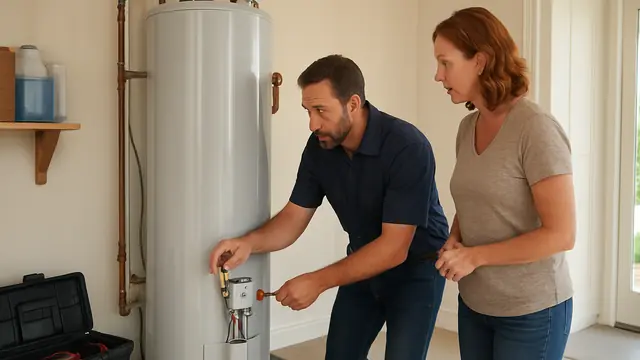
Guests may report no hot water, short hot-water duration, slow recovery, noise, or temperature swings. A vacant-property inspection may instead reveal moisture near the heater, corrosion, or water in the drain pan.
Possible causes include thermostats, heating elements, burners, controls, valves, sediment, supply connections, or tank failure. Leakage from the tank itself usually requires replacement, while some valves and components may be repairable.
Washing-Machine, Dishwasher, and Refrigerator Leaks
Appliance supply and drain connections can loosen, crack, or deteriorate. Some leaks occur only while the appliance is filling or draining, while others continue under pressure even when the appliance is off.
The first clue may be damp flooring, a swollen baseboard, or unexplained water use. Heavy appliances should not be moved by a guest or cleaner when doing so could strain a hose or create an electrical hazard.
Sewer or Drain Odors in Unused Rooms
A drain trap holds water that blocks sewer gas. When a sink, tub, or floor drain is not used for an extended period, the trap can dry out and allow odor into the room.
Running water may refill a dry trap. Persistent odor, gurgling, slow drainage, or moisture around a toilet may indicate a different problem that needs diagnosis.
Safe Checks During an Occupied or Vacant-Property Inspection
Turn off faucets and water-using appliances, listen for running water, and note whether a toilet refills by itself. Check accessible areas without moving appliances or opening walls.
For a running toilet, lift the tank lid and look for a caught chain, raised flapper, or water entering the overflow tube. A dry paper towel can help identify an accessible drip.
Close an easy-to-reach shutoff gently, but never force a stiff or corroded valve. Visible hair may be removed from a stopper, and a plunger may be used for a simple isolated toilet clog when there is no overflow or chemical cleaner.
What Homeowners, Guests, and Cleaners Should Not Attempt
- Do not ask someone to open walls, cut flooring, move appliances, remove a toilet, or service a water heater.
- Do not mix drain chemicals or pour them into standing water. Trapped chemicals can endanger anyone who later opens the drain.
- Do not repeatedly reset breakers or disposals, and do not dismiss unexplained water use because no puddle is visible.
Signs That Make the Problem Urgent
Prompt service is needed when water continues with fixtures off, cannot be isolated, sewage backs up, or moisture spreads into finished surfaces.
Keep people away from a bulging or dripping ceiling. Gas odors, burning smells, repeated breaker trips, water near electrical equipment, or a leaking water-heater tank require immediate attention.
An occupied rental with no usable toilet, safe bathing fixture, or whole-house hot water may need priority service.
How a Licensed Plumber Diagnoses the Cause
A plumber determines whether the problem is continuous, intermittent, fixture-specific, or systemwide. Testing may cover pressure, visible piping, valves, fixture operation, drainage response, and moisture patterns.
Fixtures and equipment can be isolated to narrow unexplained water use. Pressure testing and moisture detection may help locate concealed supply leaks.
Drain diagnosis can include professional clearing, cleanout access, or camera inspection for recurring blockages. Water-heater testing may cover components, controls, valves, recovery, and tank condition.
Repair Options Beginning With the Least Invasive
A focused repair may involve a toilet flapper, fill valve, faucet cartridge, supply line, shutoff valve, drain seal, trap, or appliance connection.
A localized clog may be professionally cleared. Recurring blockages may justify deeper cleaning or camera inspection. A toilet leaking at the base may need a new seal, mounting correction, or flange repair.
Water-heater repairs can include a thermostat, element, valve, ignition component, control, or maintenance. Replacement is reasonable when the tank leaks, safety is compromised, or repair is no longer dependable.
A concealed leak may require limited access and replacement of the damaged section.
Factors That Affect Plumbing Repair Cost
Cost depends on the cause, access, diagnostic time, parts, equipment type, and whether finished surfaces conceal the problem. A visible toilet repair usually requires less work than locating an intermittent leak behind a wall.
Emergency timing, property access, failed shutoff valves, appliance movement, water cleanup, and restoration of opened materials can also affect the total work involved.
Prevention and Maintenance for Vacant and Occupied Rentals
- Inspect plumbing at every turnover and during longer vacancies. Flush toilets, verify that tanks stop filling, run faucets, and confirm normal drainage.
- Check beneath sinks, around toilets, near appliances, and at the water heater for moisture, corrosion, swelling, stains, or unusual sounds.
- Compare water use with occupancy when records are available. Label shutoffs, document the main water valve, and test accessible valves without forcing them.
- Keep a repair log so repeated problems with the same fixture or equipment trigger deeper evaluation.
Protect the Property Between Guest Stays
The most common plumbing problems for vacation rentals in Lake Lorraine, FL, can continue during a vacancy. Inspect consistently, isolate water only when safe, document unusual usage, and arrange licensed diagnosis before a quiet leak or running fixture causes larger damage.
About this guide: This resource provides general homeowner education, not a remote diagnosis. Actual conditions, code requirements, equipment, and safe repair options must be evaluated at the property.