Stop and call for qualified help when plumbing water is near electrical equipment, sewage is entering occupied space, gas or burning odors are present, or a repair would require opening pressurized piping.
You notice unusual water use at your Crestview vacation rental even though it was vacant part of the month. Then a guest reports a toilet refilling by itself and a damp bathroom floor. The cause may be a running toilet, leaking connection, or another problem that continued between stays.
Ask the guest to stop using the fixture and look for visible water without moving equipment. Close an accessible shutoff only if it turns normally. Uncontrolled water, sewage, or moisture near electricity requires prompt service.
The most common plumbing problems for vacation rentals in Crestview, FL, often begin quietly. Intermittent occupancy can leave leaks, slow drains, or equipment failures unnoticed.
Start by Identifying the Symptom
Ask what the guest sees, hears, or smells; whether one or several fixtures are affected; and whether the problem stops when the fixture is off. Specific details help separate a local failure from a larger problem.
Most Common Plumbing Problems for Vacation Rentals in Crestview, FL
Unexplained Water Use and Running Toilets
A toilet may leak silently from tank to bowl, causing the fill valve to activate by itself. A worn flapper, chain problem, or failing fill valve may be responsible.
Other possibilities include dripping faucets, appliance lines, and concealed supply leaks. Higher usage is a warning sign, not a diagnosis.
Low Water Pressure at One or More Fixtures
Low flow at one faucet may involve its aerator, cartridge, valve, or supply line. Whole-property pressure loss may indicate a regulator, valve, active leak, or supply issue.
A sudden whole-property pressure change deserves timely investigation.
Toilets That Clog or Overflow
Wipes, excess paper, hygiene products, or objects can clog toilets. Repeated clogs, gurgling, or water rising in a tub can indicate a deeper obstruction.
Close the toilet valve when safe, keep guests away from contaminated water, and do not keep flushing.
Slow Sinks, Showers, and Tubs
Hair, soap, grease, food, and debris restrict drains. Several slow fixtures may indicate a shared-line problem, so turnover checks should confirm normal drainage.
Water Beneath Appliances or Cabinets
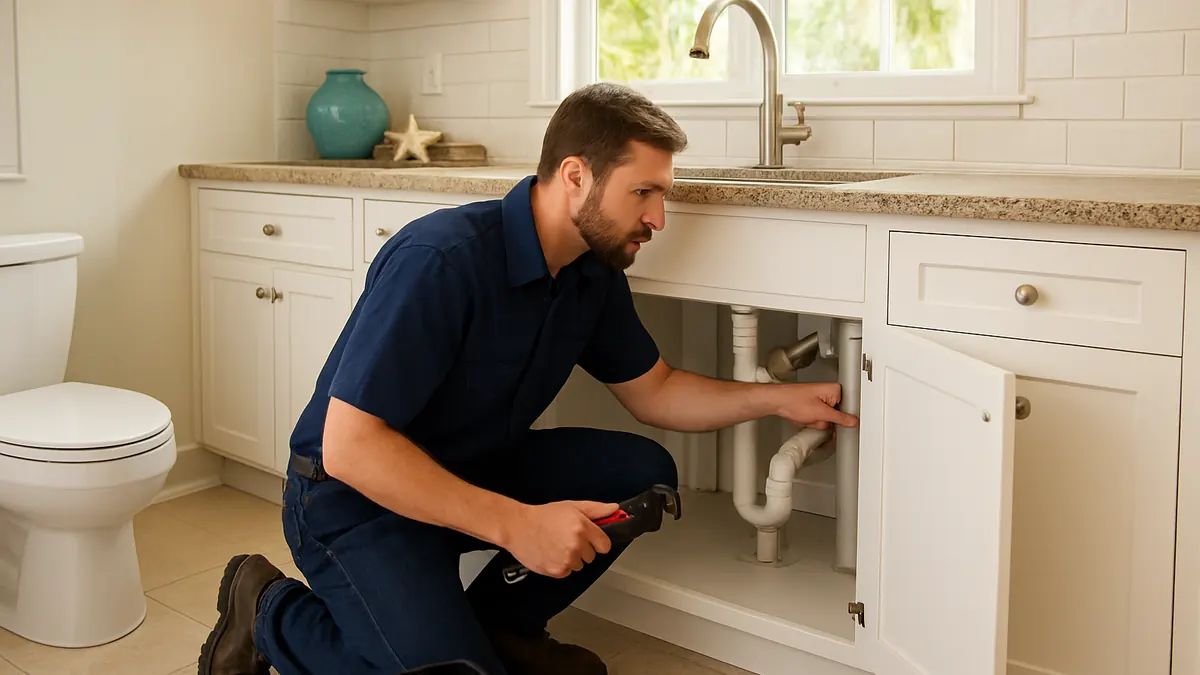
Appliance, faucet, and toilet connections may leak continuously or only during operation.
Dry and observe the area, but leave the fixture off if the source is uncertain. Water can travel from its starting point.
Water-Heater Performance or Leakage
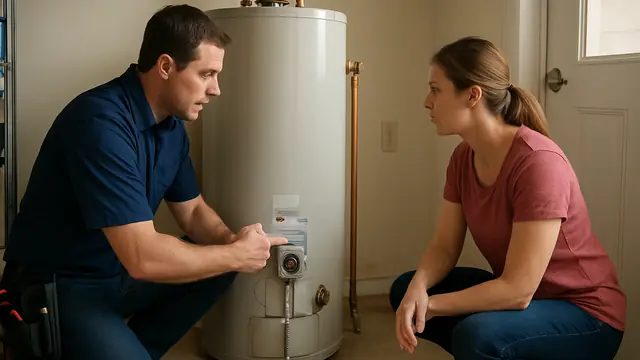
Lukewarm water, slow recovery, noise, discoloration, or leakage may involve elements, thermostats, burners, controls, sediment, valves, or the tank.
Do not open panels or operate gas controls. Leakage from the tank or relief-valve area needs professional guidance.
Sewer or Drain Odors
A dry trap, drain buildup, loose toilet seal, venting trouble, or drainage failure can cause odors. Running water may refill a dry trap, but persistent odor or gurgling needs diagnosis.
Safe Checks a Rental Owner Can Authorize
- Request photographs and ask whether leakage appears during use, drainage, or continuously.
- For a running toilet, check for a tangled chain, raised flapper, or water entering the overflow tube without disassembling parts.
- Remove only accessible stopper debris. A plunger may be used for an isolated toilet clog without overflow or drain chemicals.
- Turn an accessible valve gently; if it resists or leaks, stop. Use the main shutoff only if the person onsite already knows it.
What Guests, Cleaners, and Owners Should Not Do
- Do not use improvised tools inside drains or toilets.
- Do not combine drain chemicals or ask guests to open treated piping. Leave water-heater electrical, gas, thermostat, and relief-valve work to qualified professionals.
- Avoid repeated breaker resets, forced valves, and overtightened fittings.
- Never leave an active leak for the next cleaning.
Warning Signs That Require Faster Action
- Prompt service is needed for multiple backups, sewage, uncontrolled water, ceiling or wall moisture, or loss of every usable toilet or hot-water source.
- Gas odors, burning smells, repeated breaker trips, or water near wiring require immediate caution.
- Recurring leaks or clogs deserve diagnosis because the original cause may remain.
How a Licensed Plumber Diagnoses the Cause
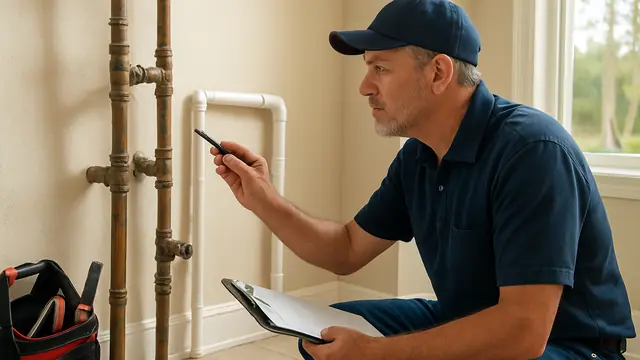
The plumber compares reported symptoms with testing of seals, valves, connections, drainage, mounting, and fixture parts.
Drain diagnosis may include connected-fixture testing, cleanout access, professional clearing, or a camera inspection for recurring problems.
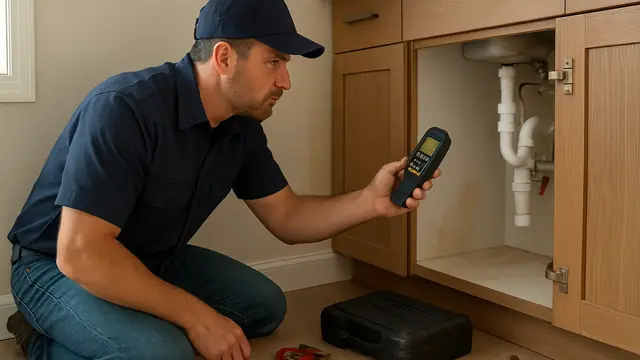
Leak diagnosis may use pressure testing, moisture measurement, fixture isolation, and piping inspection. Water-heater testing covers temperature, recovery, components, valves, venting when applicable, and tank condition.
The diagnosis should explain the failure and whether a focused repair should last.
Repair Options, Beginning With the Least Invasive
Minor repairs may include cleaning an aerator, adjusting a toilet chain, replacing a flapper, fill valve, or supply line, and resealing a drain.
Localized clogs may be professionally cleared. Repeat backups may justify deeper cleaning or camera inspection. Toilet-base leaks may need a seal, flange, or mounting repair.
Water-heater repairs may include a thermostat, element, valve, control, or burner part. Replacement is appropriate when the tank leaks, equipment is unsafe, or repair is impractical.
Concealed leaks may require limited access and section repair; larger replacement should be condition-based.
Factors That Influence the Cost
Cost varies with diagnosis, access, equipment, parts, severity, and concealed conditions. A fixture repair differs greatly from locating a hidden pressurized leak.
Emergency timing, guest coordination, appliance movement, damaged valves, cleanup, and access also affect labor.
Preventing Plumbing Interruptions Between Guests
- At every turnover, flush toilets, confirm they stop filling, run hot and cold water, watch drainage, and inspect cabinets, appliances, and the water heater.
- Arrange periodic checks during vacant periods because plumbing can fail without guests present.
- Give guests brief rules about flushing, grease, disposals, and leak reporting. Label contacts and shutoffs, and record recurring symptoms.
A written response plan should also identify who can authorize service, where the main water shutoff is located, and how a technician will gain entry when the rental is occupied or vacant. Test accessible shutoff valves periodically rather than discovering during a leak that they no longer move. The person performing the check should never force a valve; stiffness or corrosion should be documented for repair.
Review water-use records when available, but compare them with occupancy before assuming a leak. A repeated increase during vacant periods, combined with toilet refilling, damp materials, or meter movement while fixtures are off, gives the plumber more useful evidence. Early documentation can reduce guesswork and help distinguish guest usage from an actual plumbing failure.
Respond Early and Repair the Actual Cause
The most common plumbing problems for vacation rentals in Crestview, FL, are easier to manage when owners act early. Stop water safely, avoid contamination and electrical hazards, document the pattern, and choose diagnosis over repeated temporary fixes.
About this guide: This resource provides general homeowner education, not a remote diagnosis. Actual conditions, code requirements, equipment, and safe repair options must be evaluated at the property.