Stop and call for qualified help when plumbing water is near electrical equipment, sewage is entering occupied space, gas or burning odors are present, or a repair would require opening pressurized piping.
A guest checks into your Destin vacation rental and soon reports that the toilet will not stop running, the kitchen sink is backing up, or the shower has no hot water. You may also face an unhappy guest, a tight turnover window, and avoidable property damage.
First, determine whether water is actively leaking. If it is safe and accessible, close the shutoff valve serving that fixture, move belongings away from the wet area, and stop using it. If sewage is backing up, several drains are affected, or water is near electrical equipment, keep people away and arrange professional service promptly.
Vacation rentals experience concentrated plumbing use. Several guests may use showers, laundry, kitchens, and bathrooms within a short period, while early warning signs go unreported. Knowing the most common plumbing problems for vacation rentals in Destin, FL, helps owners and managers protect the property while restoring service quickly.
Common Plumbing Problems in Destin Vacation Rentals
Clogged Toilets and Recurring Backups
Toilet clogs commonly result from excess paper, wipes, hygiene products, or objects that should not have been flushed. A single-fixture clog may be nearby; gurgling or multiple backups can indicate a deeper blockage.
Slow Kitchen and Bathroom Drains
Grease, food scraps, soap residue, hair, and other debris gradually narrow drain openings. A disposal may still run while its drain is restricted, so slow drainage should be addressed early.
Running or Leaking Toilets
A running toilet may have a worn flapper, failed fill valve, tangled chain, or incorrect water level. Continuous running wastes water and signals parts that may no longer seal.
Water around the toilet base may come from condensation, a loose supply connection, or a failed seal beneath the fixture. The toilet should not be used until the source is identified.
Leaking Supply Lines and Fixture Connections
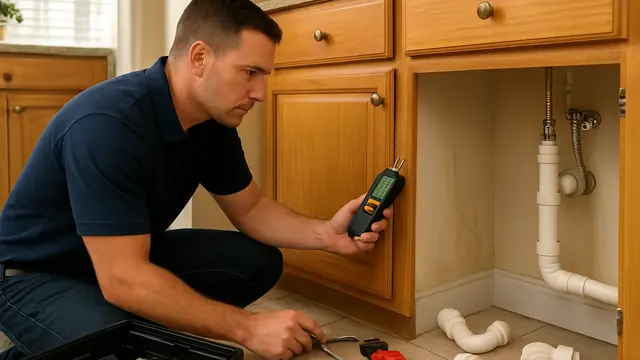
Leaks often develop beneath sinks, behind toilets, near washing machines, or at refrigerator water connections. A loose fitting, deteriorated hose, damaged valve, or failed seal may be responsible.
Water-Heater Complaints
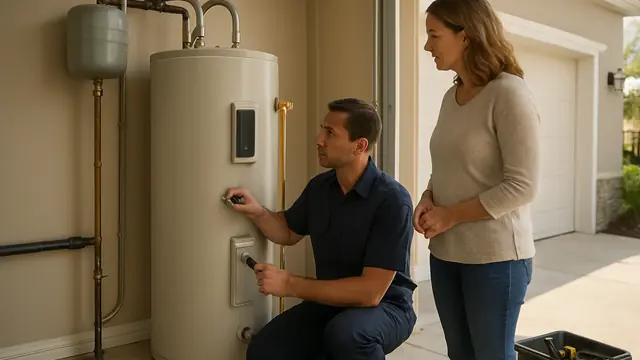
Guests may report no hot water, water that cools too quickly, unusual noises, or water that is too hot. Possible causes include a tripped breaker, failed heating element, thermostat problem, burner or gas-control issue, sediment buildup, or demand that exceeds the equipment's recovery.
These symptoms do not automatically mean replacement is necessary. Diagnosis should determine whether the problem is electrical, mechanical, fuel-related, capacity-related, or limited to one fixture.
Garbage Disposal Jams
Bones, shells, grease, utensils, fibrous food, and excessive waste can jam or damage a disposal. Never instruct a guest to reach inside it. The unit may need a safe reset, professional removal of an obstruction, repair of a drain connection, or replacement if the motor or grinding assembly has failed.
Sewer Odors
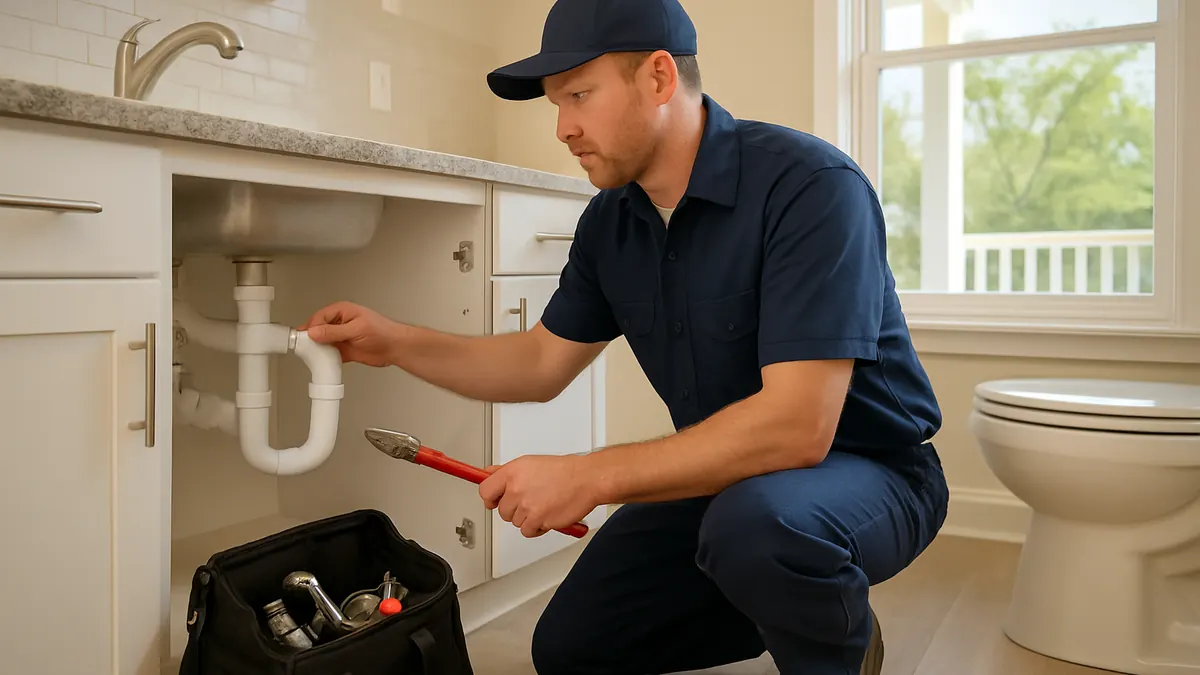
An unused drain can develop a dry trap. The trap is the curved section of pipe that holds water and blocks sewer gas. Odors can also come from a loose toilet seal, drain buildup, venting trouble, or a sewer-line problem.
Safe Checks the Owner, Manager, or Guest Can Perform
Ask which fixture is affected, when the problem began, and whether other drains or toilets are behaving differently. Photos or video can show standing water or the leak location.
For a running toilet, carefully lift the tank lid and check whether the chain is caught or water is flowing into the overflow tube. For a small leak under a sink, an accessible fixture valve may be turned clockwise if it moves normally. Never force a corroded valve.
A tripped GFCI outlet may explain why a disposal has no power. A breaker position can be reported, but repeated resetting is unsafe. Stop all checks if there is a burning smell, damaged wiring, gas odor, or water near electrical equipment.
What Homeowners and Guests Should Not Attempt
Do not ask guests to remove toilets, dismantle drain piping, open water-heater panels, work on gas controls, or repeatedly reset breakers. Do not mix drain chemicals or pour them into a fully blocked line.
Do not continue using a fixture when water is entering a wall, cabinet, ceiling, or floor. A temporary towel is not a repair when the leak remains active.
Signs That Make the Problem Urgent
Prompt service is needed when water cannot be isolated, sewage enters a fixture or room, several drains back up together, a ceiling bulges or drips, or a water heater leaks from the tank. Gas odors, burning smells, repeated breaker trips, and water near electrical components require immediate caution.
The situation is also urgent when guests have no working toilet, no usable shower, or no hot water throughout the property. A recurring problem after a temporary fix deserves diagnosis rather than another quick reset.
How a Licensed Plumber Diagnoses the Problem
A plumber first determines whether the issue is isolated or systemwide. Drain diagnosis may include testing nearby fixtures, inspecting accessible cleanouts, using professional clearing equipment, or recommending a camera inspection for repeated or deeper blockages.
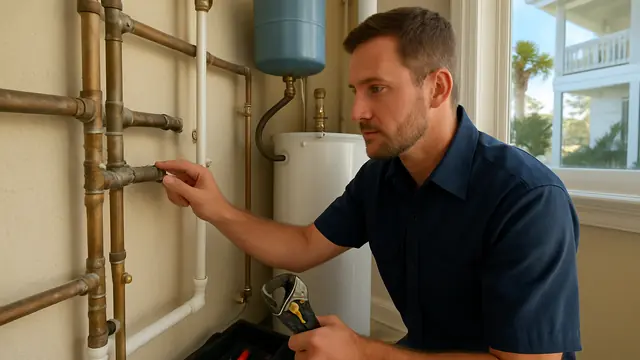
Leak diagnosis includes checking fixture connections, shutoff valves, seals, pressure, visible piping, and moisture patterns. Water-heater testing may involve electrical components, gas operation, temperature controls, recovery, valves, and signs of tank deterioration.
The purpose is to find the cause, not merely silence the symptom until the next guest arrives.
Repair Options From Least Invasive to More Extensive
A minor repair may involve adjusting a toilet chain, replacing a flapper, tightening or replacing a supply connection, cleaning a fixture component, resetting a disposal safely, or clearing a localized clog.
Recurring drain trouble may require professional cable cleaning, hydro jetting when appropriate, or camera inspection. Toilet leaks may call for a fill valve, supply line, tank hardware, or base seal. Water-heater complaints may be resolved with a thermostat, heating element, valve, burner-related repair, or maintenance service.
Replacement becomes reasonable when a component is unsafe, physically failed, badly corroded, repeatedly leaking, or no longer economical to repair. The plumber should explain both repair and replacement choices whenever practical.
Factors That Affect Repair Cost
Cost depends on accessibility, severity, diagnostic time, parts, equipment type, and whether finished surfaces must be opened. After-hours service, occupied-unit coordination, building access, and water damage can add complexity.
A visible fixture repair usually requires less work than a concealed leak or obstruction deep in a drain line. Owners should request a clear diagnosis and available options before approving extensive work when conditions allow.
Prevention and Maintenance Guidance
Use a plumbing checklist during every turnover. Confirm that toilets stop running, faucets shut off, drains empty normally, disposals sound normal, and cabinets are dry.
Post simple guest instructions explaining what cannot be flushed or placed in the disposal. Label accessible shutoff valves for managers and cleaners. Replace worn supply lines based on their condition and manufacturer guidance.
Keep repair records by fixture. Repeated calls involving the same toilet, drain, or water heater may reveal a larger problem that deserves permanent correction.
Take the Next Appropriate Action
The most common plumbing problems for vacation rentals in Destin, FL, can often be repaired without major replacement when they are caught early. Stop active water, avoid unsafe improvisation, document the symptoms, and arrange diagnosis when the cause is uncertain or the problem returns.
About this guide: This resource provides general homeowner education, not a remote diagnosis. Actual conditions, code requirements, equipment, and safe repair options must be evaluated at the property.