Stop and call for qualified help when plumbing water is near electrical equipment, sewage is entering occupied space, gas or burning odors are present, or a repair would require opening pressurized piping.
A guest checks into your Cinco Bayou vacation rental and immediately reports two problems: the kitchen sink drains slowly, and the shower turns cold before everyone has finished bathing. The owner may be tempted to treat both complaints as minor inconveniences, but they can indicate a developing drain obstruction, a water-heater component failure, or demand that the plumbing system is not handling normally.
Ask the guest to stop using any fixture that is backing up or leaking. If water is collecting beneath the sink, an accessible shutoff may be closed gently. Do not ask anyone to open water-heater panels, reset breakers repeatedly, or pour chemicals into the drain. If sewage appears, water reaches electrical equipment, or the water heater is leaking from the tank, arrange professional service promptly.
The most common plumbing problems for vacation rentals in Cinco Bayou, FL, can often be corrected with a focused repair when the symptoms are reported early and diagnosed accurately.
Why Guest Complaints Need Specific Follow-Up Questions
A message saying "the plumbing is not working" does not identify the cause. Ask whether the sink is completely blocked or simply slow, whether other drains are affected, whether hot water is missing everywhere, and whether visible water is spreading.
Most Common Plumbing Problems in Cinco Bayou Vacation Rentals
Kitchen Drain and Garbage Disposal Blockages
Grease, food scraps, coffee grounds, shells, fibrous waste, and small utensils can restrict the kitchen drain or jam the garbage disposal. The disposal may hum without turning, stop suddenly, leak, or operate while the sink remains full.
Hot Water That Runs Out Too Quickly
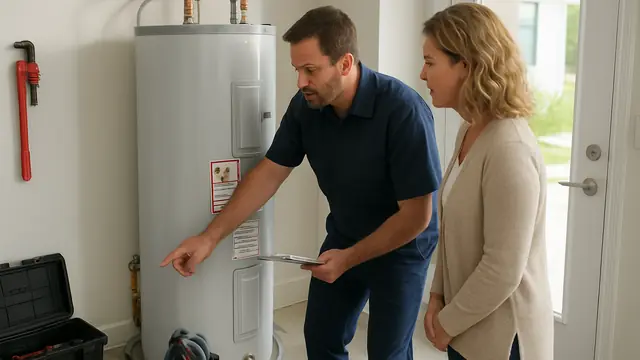
A water heater needs time and energy to heat incoming cold water. When several guests shower, wash dishes, and run laundry close together, hot-water demand may exceed normal recovery.
No Hot Water or Unstable Temperature
If no fixture has hot water, the cause may involve the energy supply, water heater, controls, or safety components. If only one shower changes temperature, the fixture's cartridge or mixing valve may be responsible.
Toilets That Run or Refill by Themselves
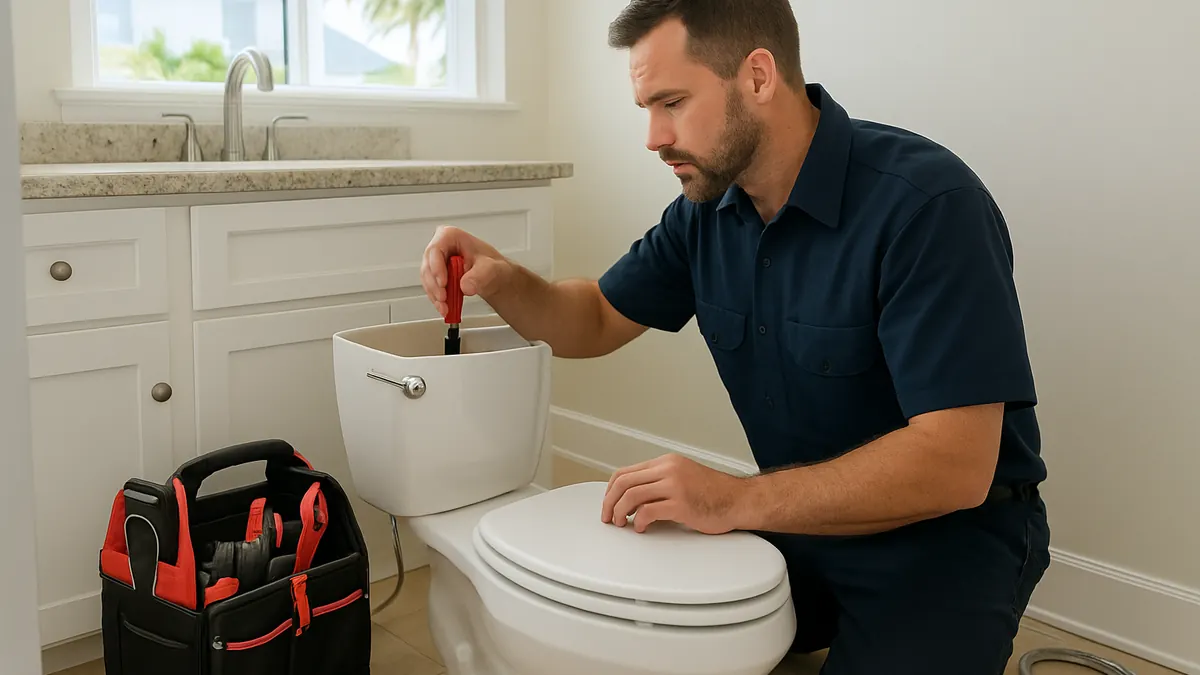
A worn flapper can allow tank water to leak into the bowl. The fill valve then activates to replace it, creating a toilet that seems to refill even when no one used it.
Toilet Clogs and Bathroom Backups
Excess paper, wipes, hygiene products, and foreign objects can clog a toilet. Continued flushing may cause an overflow.
When a toilet bubbles, a tub fills with wastewater, or several drains slow down together, the blockage may be deeper than the fixture. Stop using connected plumbing until the location is determined.
Faucet, Supply-Line, and Shutoff-Valve Leaks
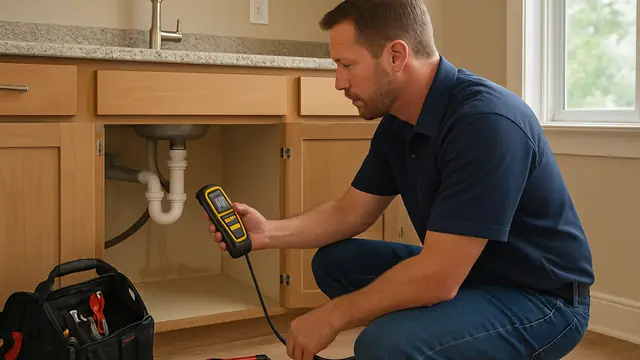
Water beneath a vanity may come from the faucet, flexible supply line, shutoff valve, drain seal, or trap. A supply-side leak can continue while the faucet is off, while a drain leak may appear only during use.
Shower and Tub Drain Problems
Hair, soap residue, and personal-care products collect in bathroom drains. A quick turnover test may not reveal a restriction that becomes obvious during a longer shower.
Appliance Connection Leaks
Dishwashers, washing machines, refrigerators, and ice makers have supply and drain connections that may loosen or deteriorate. Leakage may happen only during a specific appliance cycle.
Drain and Sewer Odors
A dry trap in a rarely used fixture can allow sewer gas into the room. Persistent odor can also result from drain buildup, a loose toilet seal, venting trouble, concealed moisture, or a drainage obstruction.
Safe Checks a Guest or Property Manager Can Perform
- Ask the guest to photograph the fixture, standing water, nearby cabinet, and any visible connection. Confirm which other fixtures work normally.
- For a running toilet, lift the tank lid and check whether the chain is caught, the flapper is raised, or water enters the overflow tube. Do not dismantle the valve.
- A toilet plunger may be used for a simple isolated clog when the bowl is not overflowing and no chemical cleaner is present. Visible hair may be removed from an accessible stopper.
An accessible shutoff may be turned gently. Stop if it is stiff, corroded, or starts to leak. For hot-water trouble, confirm whether every hot fixture is affected, but do not open the water heater.
What Should Not Be Attempted
- Do not mix drain chemicals or pour them into standing water. The product may remain in the line and expose anyone who later opens the piping.
- Do not ask guests to remove toilets, disconnect appliances, loosen drain fittings, service gas components, or open water-heater electrical panels.
- Do not keep operating a leaking appliance or using a fixture that sends water into cabinetry, flooring, walls, or ceilings.
Signs That Make the Problem Urgent
- Prompt service is needed for uncontrolled water, sewage, several backed-up drains, tank leakage, or moisture spreading into finished materials.
- Gas odors, burning smells, repeated breaker trips, and water near outlets or powered equipment require immediate caution.
- The situation may also require priority service when the occupied rental has no usable toilet, no safe bathing fixture, or no hot water throughout the property.
How a Licensed Plumber Diagnoses the Cause
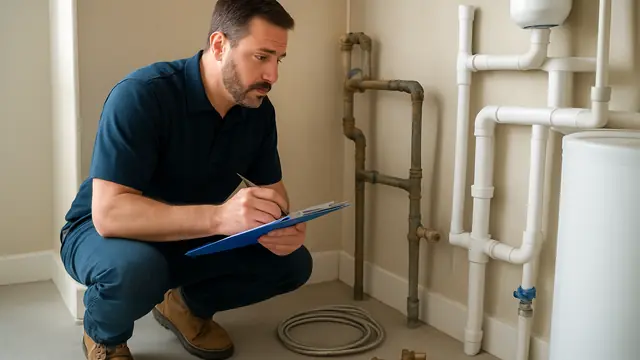
A plumber begins by separating isolated symptoms from connected ones. Fixture operation, drainage response, water pressure, valves, seals, and visible piping may be checked.
For drain problems, diagnosis may include professional cable equipment, cleanout access, flow testing, or a camera inspection when blockages recur. For leaks, the plumber may use fixture isolation, pressure testing, moisture detection, and controlled appliance operation.
Water-heater diagnosis may include the energy supply, thermostats, heating elements, burners, controls, valves, temperature, recovery, and tank condition. Testing determines whether the problem is repairable or whether replacement is justified.
Repair Options Starting With the Least Invasive
A focused repair may involve clearing accessible debris, cleaning an aerator, adjusting a toilet chain, replacing a flapper, fill valve, supply line, faucet cartridge, or drain seal.
A localized clog may be professionally cleared. Recurring or deeper blockages may need more thorough cleaning or camera inspection. A leaking toilet may need tank hardware, a supply repair, a base seal, mounting correction, or flange repair.
A water heater may need a thermostat, element, valve, ignition component, control, or maintenance. Replacement becomes reasonable when the tank leaks, the equipment is unsafe, or repair is no longer dependable.
Factors That Affect Plumbing Repair Cost
Cost depends on the cause, access, diagnostic time, parts, equipment type, and whether finished surfaces block the work. A visible supply-line repair is usually less involved than locating an intermittent concealed leak.
Prevention and Maintenance Guidance
Test plumbing during every turnover. Run the kitchen sink and disposal, confirm that all drains empty normally, flush each toilet, and verify that tanks stop refilling.
Check hot water at more than one fixture and note whether the temperature and recovery appear normal. Inspect beneath sinks, around toilets, near appliances, and at the water heater for moisture or corrosion.
Provide guests with simple rules about flushing, grease, food waste, and immediate leak reporting. Label accessible shutoff valves and document the main shutoff.
Keep a repair history by fixture. Repeated complaints about the same drain, toilet, or water heater should trigger deeper evaluation rather than another temporary fix.
Choose Diagnosis Over Repeated Temporary Fixes
The most common plumbing problems for vacation rentals in Cinco Bayou, FL, are easier to resolve when the owner gathers specific symptoms and takes safe action immediately. Stop using affected fixtures, isolate water only when it can be done safely, and avoid chemicals, repeated resets, and unqualified repairs. A licensed plumber can identify the least invasive reasonable option and explain when more extensive work is truly needed.
About this guide: This resource provides general homeowner education, not a remote diagnosis. Actual conditions, code requirements, equipment, and safe repair options must be evaluated at the property.