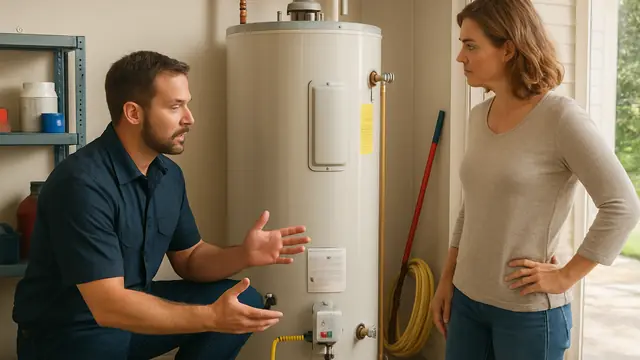
Stop and call for qualified help when plumbing water is near electrical equipment, sewage is entering occupied space, gas or burning odors are present, or a repair would require opening pressurized piping.
A ceiling stain appears beneath an upstairs bathroom, the shower pressure has become inconsistent, and a plumber has already repaired two unrelated leaks. For a homeowner in Lower Grand Lagoon, that combination can raise a difficult question: is another spot repair enough, or are these signs the home may need repiping?
If water is actively leaking, shut off the nearest fixture valve or the home's main water supply when it is safe. Keep away from wet electrical devices and move belongings from the area. Do not cut into the ceiling or wall, and do not attempt to tighten a fitting that is badly corroded. Damaged piping can split when disturbed.
Repiping is not automatically an all-or-nothing project. The appropriate solution may be a small repair, replacement of one branch line, a partial repipe, or a complete replacement of the water-distribution system.
When Repeated Problems Point Beyond a Single Repair
One leak can be isolated. Several leaks in different places suggest a pattern.
You may first have a connection repaired near a bathroom, then discover moisture beneath the kitchen sink, followed by another leak near the water heater. Each failure may be repairable, but repeated problems can indicate that the remaining piping is deteriorating or under excessive stress.
Common Signs Your Home May Need Repiping in Lower Grand Lagoon
Water Pressure Changes Throughout the Day
A faucet may seem normal until someone starts a shower or appliance. Then the flow drops sharply.
This can result from internal pipe restriction, an undersized line, a partially closed valve, a faulty pressure regulator, or a limitation in the incoming supply.
Water Is Frequently Brown, Yellow, or Reddish
Discolored water may come from a water heater, corroding metal pipes, or a temporary disturbance in the incoming supply.
The location and temperature of the water provide clues. Hot-water-only discoloration may involve the water heater or hot-water piping. Discoloration from both hot and cold fixtures in several rooms may point to a wider issue.
Exposed Piping Shows Deterioration
Look beneath sinks, around the water heater, and near washing-machine or refrigerator connections. Warning signs include rust, green staining, white crusted deposits, pitting, dampness, and numerous repair couplings.
Water Sounds Continue After Fixtures Are Off
A faint hiss, drip, or rushing sound inside a wall may indicate a hidden leak. Toilets, ice makers, irrigation, and water treatment equipment can also make water run automatically, so those sources should be considered.
If the sound continues and the water meter records use while fixtures are off, prompt diagnosis is appropriate.
Repairs Are Becoming More Frequent
The decision to repipe is often based less on one dramatic symptom and more on an increasing pattern of repairs.
If each new leak is in a different area, the homeowner should compare the cost and disruption of repeated emergencies with the cost and predictability of planned replacement.
Why Residential Water Lines Deteriorate
- Piping can fail because of corrosion, excessive pressure, movement, poor support, installation errors, or damage from previous work.
- Hot-water lines expand and contract with temperature changes. If the pipe is trapped tightly against framing or lacks proper support, joints can experience repeated stress.
- High pressure places strain on valves, fittings, appliance hoses, and fixture connections. Raising pressure to overcome weak flow can make an existing problem worse.
Renovations may also leave concealed joints, mixed materials, or pipes routed where future access is difficult. A plumber must determine whether the concern is local or system-wide.
Safe Checks Before the Plumbing Appointment
- Write down which fixtures have weak flow, when discoloration appears, and whether hot and cold water behave differently.
- Inspect accessible areas with a flashlight, but do not remove fittings or wall coverings. Look for cabinet swelling, soft flooring, ceiling stains, corrosion, and moisture.
- Turn off known water use and observe the water meter. Continued movement can indicate leakage, although automatic equipment may affect the result.
- Locate the main water shutoff and keep the path clear. Do not force a stuck or heavily corroded valve during a routine check.
What a Homeowner Should Not Attempt
- Do not use tape, putty, epoxy, or a clamp as a permanent repair on pressurized piping.
- Do not open multiple walls in search of a leak. Plumbing may be close to electrical wiring, ductwork, gas lines, and structural components.
- Do not increase the regulator setting or add a booster pump until the cause of poor flow has been identified.
- Do not join different pipe materials without approved fittings and proper installation methods. Improvised transitions can create new leak points.
Signs That Make the Problem Urgent
Shut off the water and seek prompt help when water is spraying, flowing through a ceiling, spreading beneath floors, or reaching electrical equipment.
Other urgent signs include a ceiling that sags, a stain that expands rapidly, warm flooring, swollen cabinets, a fast-moving meter with fixtures off, or sudden loss of water flow throughout the home.
A concealed leak can remain active continuously. Even a small opening can damage drywall, flooring, cabinets, insulation, and personal property over time.
How a Licensed Plumber Diagnoses a Repiping Need
- The plumber begins with the repair history and symptom pattern. Visible pipes, valves, fittings, fixture connections, and the water heater are inspected.
- Pressure may be measured with fixtures off and while several fixtures operate. This helps distinguish a pressure problem from a flow restriction.
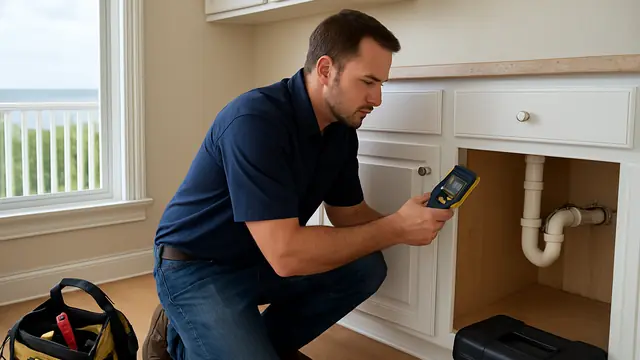
- Moisture meters, thermal imaging, isolation testing, pressure testing, and carefully selected access openings may be used when needed.
- The plumber should explain whether the problem is isolated, limited to one branch, concentrated in hot-water lines, or distributed throughout the home.
Repair Options Beginning With the Least Invasive
- A local repair is appropriate when one valve, connector, fitting, or short pipe section has failed and nearby material is sound.
- A branch-line replacement may solve repeated problems serving one bathroom, kitchen, or appliance area.
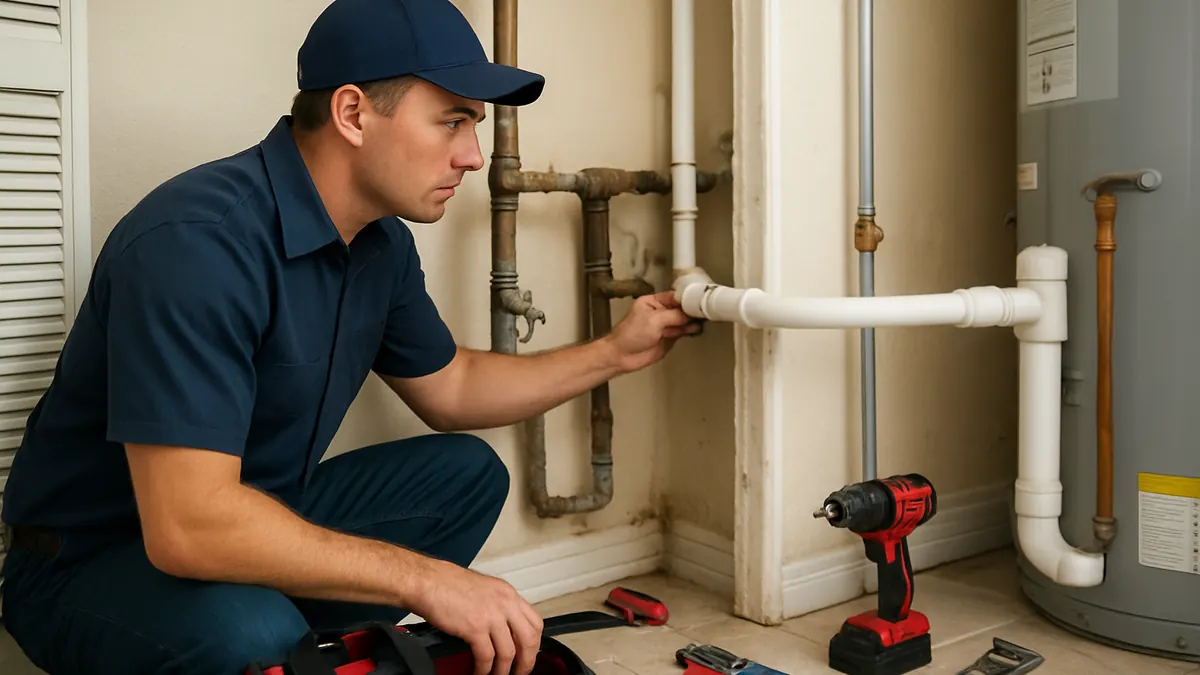
- A partial repipe can replace selected deteriorated sections while preserving dependable piping elsewhere.
- A phased repipe may coordinate replacement with remodeling or restoration. The complete route should be planned first to avoid duplicated work.
Whole-home repiping becomes more reasonable when leaks are widespread, restrictions affect several fixture groups, or repeated repairs no longer provide confidence in the remaining system.
Factors That Affect Cost
Cost depends on the home's layout, number of fixtures, pipe material, routing, accessibility, number of stories, wall and ceiling finishes, permit requirements, and restoration.
Ask whether the scope includes fixture shutoffs, appliance connections, pressure correction, testing, permits when required, access openings, drywall repair, cleanup, and warranties.
A lower proposal may exclude work that another proposal includes, so compare the complete scope rather than only the total.
Prevention and Maintenance Guidance
- Have water pressure checked if valves, hoses, or fittings fail repeatedly. Replace aging appliance supply lines before they rupture.
- Inspect accessible plumbing and cabinet interiors several times a year. Look for corrosion, stains, moisture, and swelling.
- Keep the main shutoff accessible and make sure household members know how to operate it.
- Address small leaks promptly and keep records of every repair. A clear history makes future decisions easier.
Make the Decision From the Whole Pattern
The strongest signs your home may need repiping in Lower Grand Lagoon are repeated leaks, widespread flow loss, recurring discoloration, visible deterioration, and an expanding repair history.
A licensed plumber should determine whether the right next step is a local repair, branch replacement, partial repipe, phased project, or complete replacement.
About this guide: This resource provides general homeowner education, not a remote diagnosis. Actual conditions, code requirements, equipment, and safe repair options must be evaluated at the property.