Stop and call for qualified help when plumbing water is near electrical equipment, sewage is entering occupied space, gas or burning odors are present, or a repair would require opening pressurized piping.
Perhaps you hear water moving behind a wall after every faucet has been turned off. You find a new ceiling stain, even though a different pipe was repaired several months ago. The kitchen has acceptable water flow, but the shower becomes weak whenever another fixture is used. When these problems begin overlapping, a Callaway homeowner may reasonably ask whether the property needs repiping.
If an active leak is sending water into a wall, ceiling, cabinet, or flooring, shut off the main water valve when it is safe to do so. Keep people away from wet electrical outlets, lights, and appliances. Place a container beneath a small accessible drip, but do not loosen fittings or disturb damaged piping.
Repiping should not be recommended simply because a house has one leak. The decision should be based on the condition and performance of the complete water-supply system.
What Does It Mean to Repipe a Home?
Repiping means replacing water-supply lines that carry hot and cold water to faucets, toilets, showers, appliances, and other fixtures.
The work may involve:
- One damaged section
- A branch serving one area
- Only deteriorated hot-water lines
- Several selected sections
- The entire water-distribution system
Drain and sewer pipes are separate from water-supply piping. A slow drain does not normally indicate that the home needs water-line repiping, although a plumber may identify both types of problems during an inspection.
Repeated Pipe Leaks Are a Major Warning Sign
One leak at a supply connector, valve, or fitting may be an isolated failure. Multiple leaks occurring in unrelated locations are more concerning.
Imagine that a pipe near the water heater begins leaking. After that repair, moisture appears inside a bathroom vanity. Later, a ceiling stain develops beneath another fixture. Each leak might be repairable, but the pattern raises an important question: how much dependable piping remains?
Repeated leaks can also create costs beyond plumbing repairs. Drywall, cabinets, flooring, insulation, and personal belongings may be damaged each time a new failure occurs.
A plumber should review the complete repair history instead of examining only the newest leak.
Other Signs Your Home May Need Repiping in Callaway
Unexplained Changes in Water Flow
Restricted or deteriorating pipes may create weak flow at several fixtures. Water pressure can appear normal when one faucet operates but fall sharply when a shower, washing machine, or second faucet is used.
Possible causes include internal pipe restriction, a partially closed valve, a pressure-regulator problem, a service-line limitation, or an issue with the water provider's supply.
Testing is necessary because repiping will not solve a problem caused solely by a defective valve or regulator.
Recurring Brown, Red, or Yellow Water
Discolored water can be caused by corroding metal piping, water-heater sediment, or a temporary supply disturbance.
Check whether the color appears in hot water, cold water, or both. Hot-water-only discoloration may indicate a water-heater or hot-line problem. Discoloration at several hot and cold fixtures suggests that more of the plumbing system should be inspected.
Do not assume that running the water until it clears has solved the underlying issue when the discoloration repeatedly returns.
Corrosion Around Joints and Valves
- Accessible connections can reveal important clues. Examine visible piping beneath sinks, at appliance hookups, and near the water heater.
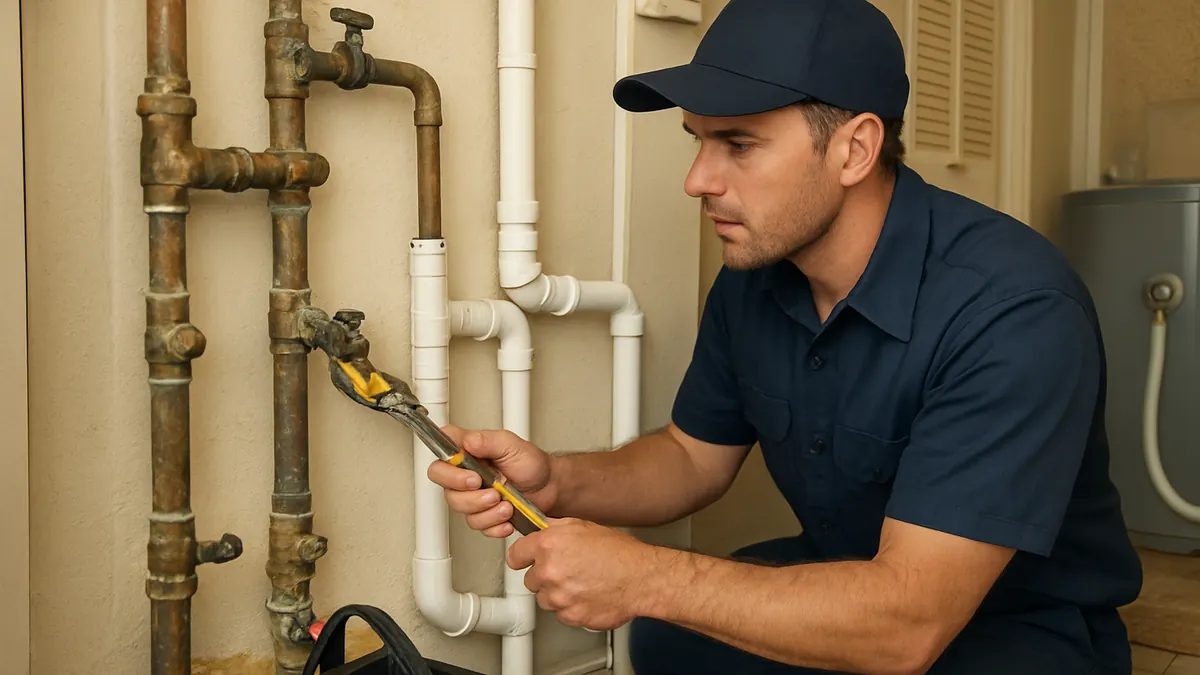
- Rust, pitting, green or white buildup, dampness, and flaking metal can indicate deterioration. A heavily corroded shutoff valve may also fail when someone tries to operate it.
- One stained fitting may require only a small repair. Similar deterioration in several areas suggests a broader condition.
Fluctuating Water Temperature
Changing shower temperature can result from fixture cartridges, water-heater performance, simultaneous water use, or restricted piping.
If temperature changes occur with low flow, discolored hot water, or recurring hot-line leaks, a plumber may need to evaluate the hot-water distribution system.
An Increasing Number of Plumbing Patches
A system containing numerous clamps, couplings, replaced sections, and mismatched materials may have reached a point where continued patching is difficult to justify.
Repairs are not automatically bad. Properly completed repairs can last. The concern is whether each new failure reveals another weak area in the original piping.
Why Pipes Begin Failing
Every piping material has installation and service requirements. Problems can develop from corrosion, high pressure, excessive movement, improper support, damaged fittings, heat exposure, or poorly completed renovations.
Pipes expand and contract as water temperature changes. If piping cannot move properly or is tightly stressed against framing, connections may weaken.
High pressure can shorten the service life of valves, fixture cartridges, appliance hoses, and pipe joints. Conversely, increasing pressure is not a safe solution for pipes that are internally restricted.
Past repairs and remodeling can introduce dissimilar materials or inaccessible fittings. A plumber must distinguish between one faulty alteration and deterioration affecting the broader system.
Safe Checks Before Scheduling Service
Begin by listing the symptoms and when they occur. Record which fixtures lose flow, whether water discoloration affects hot or cold water, and where previous leaks were repaired.
Inspect visible areas without taking anything apart. Check cabinets, appliance connections, the water-heater area, and ceilings beneath bathrooms. Look for dampness, swelling, staining, corrosion, or peeling finishes.
Listen when the house is quiet and all fixtures are off. The sound of flowing or dripping water may indicate a hidden leak. Confirm that dishwashers, washing machines, toilets, irrigation systems, and ice makers are not operating.
Observe the water meter after turning off known water use. Continued registration may indicate leakage, but automatic equipment can produce misleading results.
Locate the main shutoff valve. If it is difficult to reach, blocked, or badly corroded, tell the plumber. Do not force it during a nonemergency test.
What Not to Do
- Do not begin removing drywall in several rooms to search for a leak. Unplanned demolition can damage wiring, ductwork, gas piping, framing, or undamaged plumbing.
- Do not use drain chemicals to address a water-supply leak. Drain cleaners act inside waste piping and will not repair pressurized water lines.
- Avoid tightening a badly corroded fitting. The fitting or nearby pipe may break completely.
- Do not install an oversized pressure booster or adjust a regulator upward until the reason for poor flow is identified.
- Temporary tape, putty, and improvised clamps should not be treated as permanent solutions.
Signs That Require Urgent Attention
Turn off the main water supply and seek prompt help when water is flowing through a ceiling, spreading beneath flooring, entering electrical areas, or causing drywall to bulge.
A sudden pressure loss throughout the home may indicate a major leak or supply problem.
Other urgent conditions include water sounds with all fixtures off, a rapidly moving meter, warm spots on floors, expanding stains, swollen cabinetry, and repeated leaks within a short period.
Even a small leak can become urgent when it is concealed and remains active continuously.
How a Licensed Plumber Determines Whether Repiping Is Needed
The plumber will ask about previous leaks, pressure problems, discoloration, renovations, and repairs. Accessible pipe materials and connections are then inspected.
Pressure may be measured when fixtures are off and while water is flowing. This comparison helps distinguish supply pressure from restricted flow.
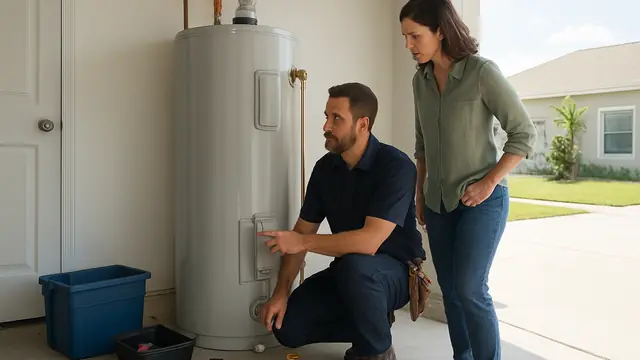
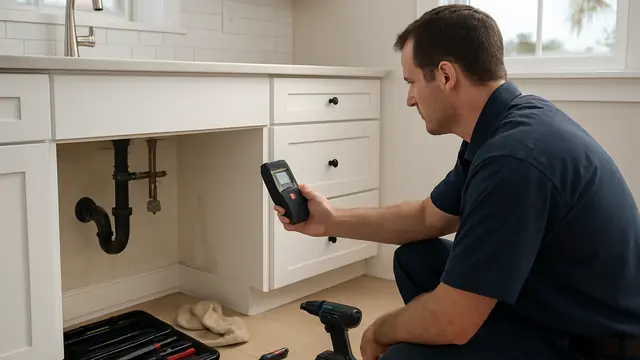
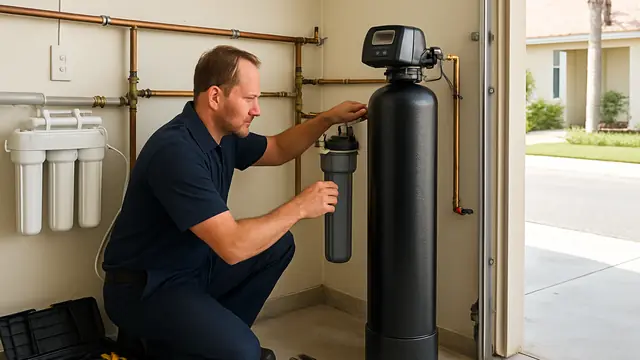
The plumber may inspect the water heater, pressure regulator, main shutoff, fixture valves, and appliance connections. Moisture meters, thermal imaging, isolation testing, and pressure testing may be used when appropriate.
The final recommendation should identify whether the failure is local, limited to a branch, or widespread.
Repair Choices From Smallest to Largest
- A local repair is appropriate when one connector, valve, fitting, or short pipe section has failed and the surrounding system remains sound.
- A targeted branch replacement may correct problems limited to a kitchen, bathroom, or appliance area.
- Selective replacement can address known deteriorated sections while preserving dependable piping.
- A phased repipe may be coordinated with remodeling or restoration work. Each phase should follow a complete plan.
Whole-home repiping may be appropriate when failures are widespread, multiple lines are restricted, questionable materials remain throughout the property, or continued repairs create more disruption than planned replacement.
What Influences Repiping Cost?
Cost is affected by the number of fixtures, home layout, chosen piping material, route accessibility, number of floors, wall and ceiling construction, permitting requirements, and finish restoration.
Moving plumbing fixtures increases the scope compared with replacing existing supply routes.
Review what each proposal includes. Important items may include fixture connections, shutoff valves, pressure correction, permits when applicable, access openings, drywall repair, cleanup, testing, and warranties.
Preventing Future Plumbing Damage
- Have excessive pressure corrected instead of allowing it to stress the new or existing plumbing. Replace worn appliance hoses and inspect shutoff valves periodically.
- Never hang stored items from exposed piping or use pipes as supports.
- Know how to shut off the home's water supply. Consider labeled isolation valves for major plumbing areas when practical.
- After repairs, watch for unexplained usage, pressure changes, stains, and recurring moisture. Addressing a small problem early can prevent a larger emergency.
Deciding What to Do Next
Signs your home may need repiping in Callaway include repeated leaks, widespread flow loss, recurring discoloration, extensive corrosion, and a plumbing system containing numerous previous patches.
These warning signs require investigation, not assumptions. A licensed plumber should identify the cause, explain the remaining system's condition, and present proportionate options ranging from a local repair to complete repiping.
About this guide: This resource provides general homeowner education, not a remote diagnosis. Actual conditions, code requirements, equipment, and safe repair options must be evaluated at the property.