Stop and call for qualified help when plumbing water is near electrical equipment, sewage is entering occupied space, gas or burning odors are present, or a repair would require opening pressurized piping.
You notice that the shower has become weaker over time. A faucet sometimes produces reddish water first thing in the morning, and a recently painted wall has developed a faint stain. None of these symptoms alone proves that your Laguna Beach home needs repiping. When they occur together or keep returning, however, they may indicate that the water-supply system requires more than another temporary repair.
If water is actively leaking, turn off the nearest working fixture valve or the home's main water supply. Keep clear of wet electrical outlets, fixtures, and appliances. Move furniture and belongings away from the area if you can do so safely.
Do not puncture the wall to release water or begin searching for the pipe with a saw. A licensed plumber can locate the affected line while minimizing unnecessary damage.
What Repiping Can and Cannot Solve
Repiping replaces deteriorated pipes that distribute hot and cold water through the home. It can address repeated water-line leaks, internal pipe restriction, unreliable materials, and widespread corrosion.
Repiping will not solve every plumbing symptom. Poor water pressure may come from a closed valve or failed regulator. Discolored hot water may originate in the water heater. A slow sink may be caused by a drain blockage.
Proper diagnosis separates conditions that require pipe replacement from problems that can be solved with a smaller repair.
Recognizing the Signs Your Home May Need Repiping in Laguna Beach
You Have Repaired More Than One Unrelated Leak
A leak at one toilet supply line may have no relationship to the piping behind the walls. Concern increases when leaks develop in different sections of the water-distribution system.
You might repair a pipe serving the laundry area and later find moisture beneath a bathroom. Several months afterward, another connection starts leaking near the kitchen.
Each failure can be repaired individually, but the overall pattern may show that additional piping is approaching failure.
Water Flow Has Gradually Weakened
Homeowners often describe this symptom as low pressure, although the actual issue may be reduced flow.
Corrosion and buildup can narrow the inside of a pipe. Water may still reach every fixture, but the available volume is limited. The restriction becomes obvious when two or more fixtures operate at once.
A plumber should also check the main shutoff, pressure regulator, fixture valves, aerators, and supply conditions. Those components may create similar symptoms without requiring repiping.
Hot and Cold Fixtures Behave Differently
- Perhaps cold water flows normally while hot water comes out slowly. This may indicate a restriction in the water heater, a hot-water valve, or the hot-water piping.
- Hot piping expands and contracts during normal use. Depending on material and installation, temperature-related movement can contribute to wear at joints and fittings.
- A hot-water-only problem does not automatically require replacing the cold-water system. Separate testing can determine whether a limited repair is possible.
Water Discoloration Repeatedly Returns
- Temporary discoloration may follow water-system work or an interruption in service. Persistent brown, yellow, orange, or reddish water can indicate corrosion or sediment.
- Test hot and cold water separately at more than one fixture. Do not drink visibly discolored water while trying to diagnose the source.
- A plumber may need to evaluate the water heater, exposed piping, valves, and incoming supply before deciding whether the problem involves the home's distribution lines.
Pipe Connections Look Wet or Corroded
Inspect accessible connections with a flashlight. Areas beneath sinks, around the water heater, and near appliance hookups can reveal early warning signs.
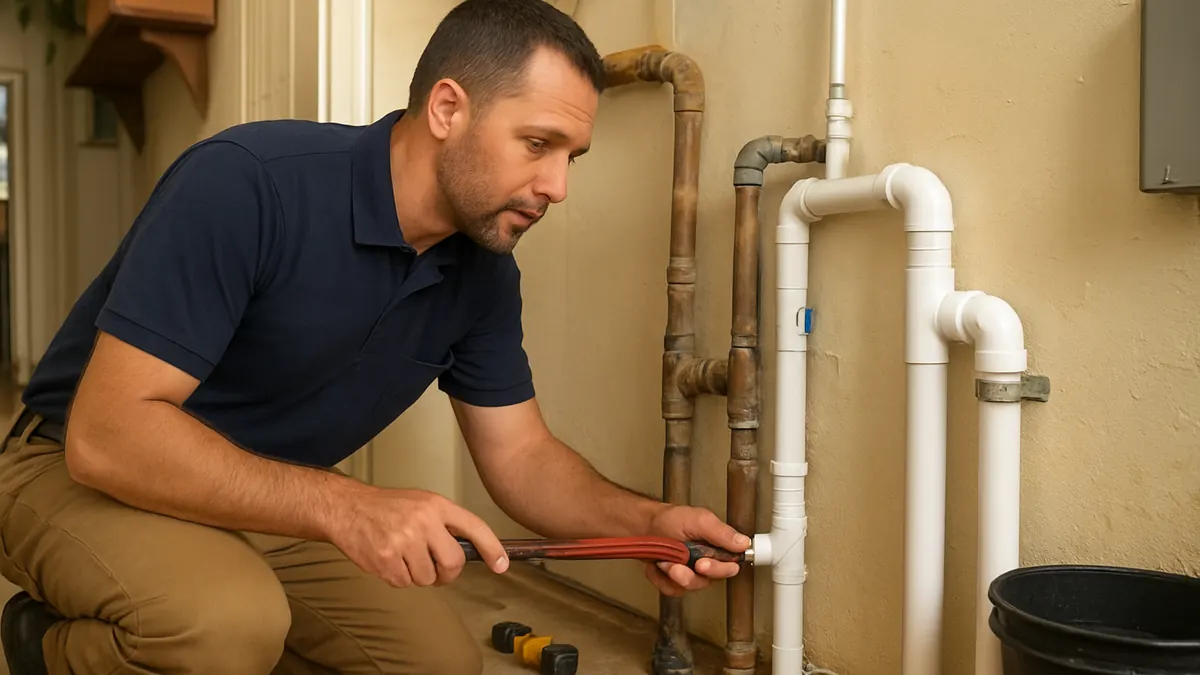
Look for droplets, crusted buildup, rust, green staining, pitting, swollen cabinet materials, or damp flooring. A dry stain may show that a fitting leaks only when the pipe expands, pressure changes, or a fixture is used.
Do not scrape or twist a damaged fitting. Severely corroded material can break when disturbed.
Plumbing Noises Are Becoming More Frequent
Banging, squealing, rattling, and whistling can be caused by water hammer, high pressure, loose supports, restricted passages, or faulty valves.
Noisy plumbing may require a valve replacement or additional pipe support rather than repiping. However, noises combined with recurring leaks or deteriorated piping deserve a complete inspection.
Why Water-Supply Systems Develop Problems
The condition of residential piping is affected by much more than age. Installation quality is critical. Pipes that are unsupported, strained against framing, bent improperly, or connected with unsuitable fittings may fail prematurely.
Excessive water pressure creates unnecessary stress throughout the system. Fixture cartridges, supply hoses, valves, joints, and appliance connections can all be affected.
Renovations sometimes leave concealed connections or abrupt transitions between materials. A fitting hidden behind a finished wall may become a weak point.
Physical damage can also occur when fasteners used for cabinets, flooring, trim, or wall finishes strike concealed plumbing. The resulting leak may appear immediately or develop later.
Checks You Can Safely Complete
Write down when each symptom occurs. Note whether low flow affects the entire home or one fixture. Record whether discoloration appears in hot water, cold water, or both.
Review previous plumbing invoices if available. A history of repairs in different areas is useful diagnostic evidence.
Check visible pipes and fixture connections without disassembling them. Examine cabinet floors, walls behind toilets, ceilings below bathrooms, and the water-heater area for staining or swelling.
Turn off known water use and observe the water meter. A changing meter may indicate a leak, but toilets, irrigation, water treatment equipment, ice makers, and other automatic devices can influence the reading.
Learn where the main shutoff is located. Keep tools, boxes, and stored belongings from blocking it.
What You Should Leave to a Licensed Plumber
- Do not use an open flame to work on piping or attempt soldering near walls, insulation, or combustible materials.
- Do not connect different metals without approved transition methods. Improper connections can encourage deterioration and leakage.
- Do not install piping that is undersized for the fixture demand. A smaller pipe may reduce available flow and create disappointing performance after the repair.
- Do not cover a patched pipe before it has been properly repaired and tested.
- Most importantly, do not assume that the newest leak is the only problem when the home has a history of similar failures.
Urgent Repiping Warning Signs
Some symptoms require immediate action even before the complete repiping decision is made.
Turn off the main water supply when:
- Water is flowing through a wall or ceiling
- A ceiling is sagging or bulging
- Water is near electrical equipment
- Flooring is rapidly becoming saturated
- A pipe has split or separated
- The home suddenly loses substantial water flow
Request prompt diagnosis for unexplained meter movement, warm flooring, persistent water sounds, rapidly expanding stains, or mold-like odors near plumbing areas.
A hidden leak can remain active around the clock, damaging materials even when the visible stain seems small.
How a Professional Repiping Evaluation Works
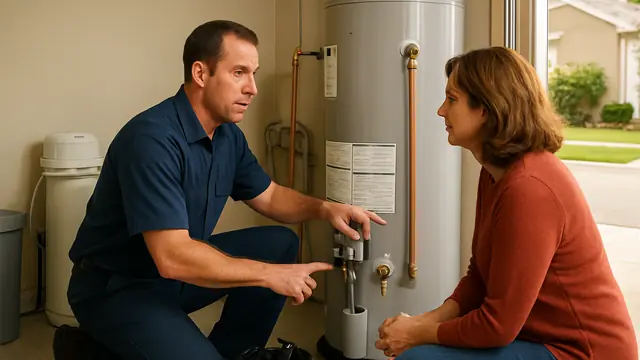
The plumber should first ask about the home's symptoms, repair history, renovations, and recent plumbing changes.
Visible materials and fittings are identified. Pressure and flow can be measured under different operating conditions. Comparing readings when fixtures are closed and open helps identify restrictions and pressure-control problems.
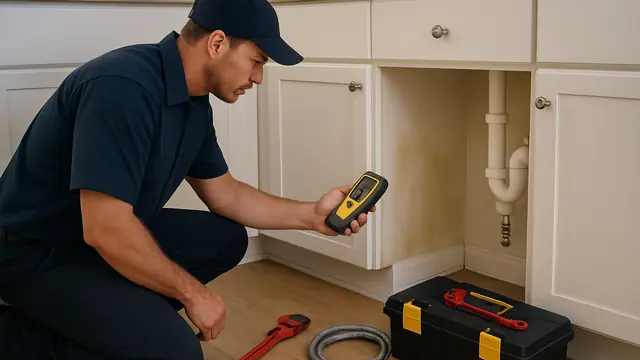
The inspection may also include moisture meters, thermal imaging, isolation testing, pressure testing, or a carefully selected access opening.
Not every pipe must be visible before a useful recommendation can be made. The plumber combines testing, accessible observations, repair history, and symptom patterns to assess the broader system.
Repair Options Before Complete Replacement
- The least invasive reasonable choice is often replacing one connector, valve, fitting, or damaged pipe section.
- A branch replacement can address a problem affecting one bathroom, kitchen, laundry area, or group of fixtures.
- A partial repipe may replace deteriorated hot-water lines while retaining serviceable cold-water piping, or replace one type of problematic material found in specific sections.
- A phased project can coordinate pipe replacement with planned renovations. The entire piping route should still be designed before the first phase begins.
- Complete repiping may be justified when failures are distributed throughout the home, many lines are internally restricted, or continued emergency repairs are no longer practical.
Factors That Determine Project Cost
The cost of repiping depends on the number of fixtures, length of piping, material selected, access conditions, home layout, number of floors, routing options, permit requirements, and finish restoration.
The lowest initial proposal may not include every necessary part of the job. Ask whether the scope includes fixture shutoffs, appliance connections, testing, pressure correction, access openings, permits when required, drywall repair, cleanup, and warranties.
Ask how unexpected conditions will be documented and approved before additional work is performed.
Prevention and Ongoing Maintenance
- Have water pressure tested if pipes bang, valves fail frequently, or appliance hoses develop repeated problems.
- Inspect exposed piping and connections several times a year. Look for stains, dampness, corrosion, and cabinet damage.
- Replace worn appliance supply lines and damaged shutoff valves before they fail. Avoid placing boxes or stored materials where they can strike or place weight on exposed piping.
- After any pipe repair, monitor the water meter and affected area. Early detection can keep a minor leak from becoming extensive damage.
Make the Decision Based on the Entire System
The signs your home may need repiping in Laguna Beach are most meaningful when they form a pattern: unrelated leaks, declining flow, recurring discoloration, damaged connections, and repeated repairs.
A complete inspection does not automatically lead to whole-home replacement. It gives you the evidence needed to choose an isolated repair, branch replacement, partial repipe, phased plan, or complete project.
About this guide: This resource provides general homeowner education, not a remote diagnosis. Actual conditions, code requirements, equipment, and safe repair options must be evaluated at the property.