Stop and call for qualified help when plumbing water is near electrical equipment, sewage is entering occupied space, gas or burning odors are present, or a repair would require opening pressurized piping.
A hurricane is approaching, and your household has already handled batteries, medications, food, and outdoor furniture. Then someone notices that the guest-bath toilet keeps refilling, the water heater has a rusty streak below a connection, or the lowest shower makes a gurgling sound when the washing machine drains.
Those symptoms do not automatically mean a major failure, but they are useful warnings. Stop using the affected fixture, locate the main shutoff, and check for visible water. If water is near electrical equipment, do not enter the area.
This Northwest Florida hurricane plumbing checklist in Niceville helps homeowners decide what to inspect, what to leave alone, when the issue is urgent, and how a plumber determines the correct repair.
Build a Before-the-Storm Plumbing Plan
A good hurricane plan identifies the plumbing components most likely to create damage or interrupt sanitation.
Record the locations of the main shutoff, meter, water heater, cleanout, washing-machine valves, fixture shutoffs, and any pump equipment. Keep the information accessible.
If the property has shared water, drainage, or association-maintained components, confirm which equipment belongs to the homeowner and which should be handled by the responsible property representative.
Common Plumbing Weaknesses That Storms Can Expose
Existing Supply Leaks
An aging connector, loose fitting, damaged valve, or corroded pipe can fail while the home is unattended. Damp cabinetry or intermittent dripping should be investigated.
Partial Drain Blockages
Grease, soap residue, hair, foreign objects, root intrusion, or damaged piping can restrict flow. Heavy household use during storm preparation may reveal a problem that was already developing.
Water-Heater Leaks
Water can escape from connections, valves, fittings, or the tank. A drain pan does not correct the leak.
Exterior Plumbing Damage
Loose objects or falling debris can strike hose bibs, exposed pipes, irrigation components, backflow devices, and cleanout caps.
Pump-Dependent Equipment
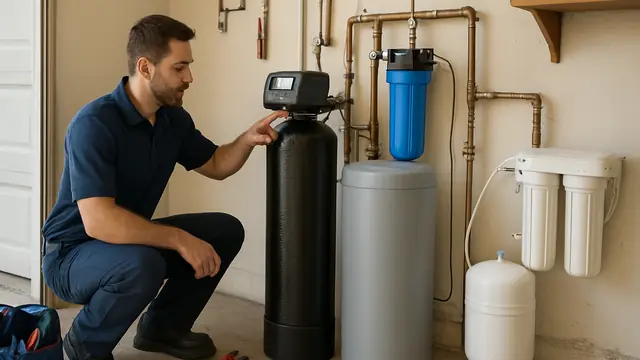
Some homes have equipment that depends on power, including certain wells, sewage ejectors, lift equipment, recirculation systems, or treatment devices. Know which systems will stop during an outage.
Safe Checks to Complete Before Hurricane Conditions Arrive
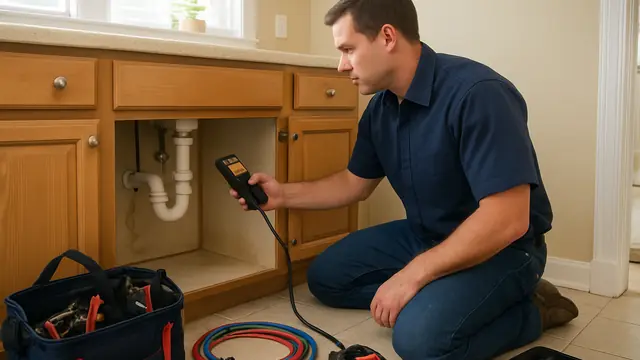
Inspect under sinks, around toilets, behind accessible appliances, and around the water heater. Use a dry cloth to check connections that look suspicious.
Listen after toilets finish flushing. A toilet that continues running may need a flapper, fill valve, or other internal repair.
Run each drain briefly. Notice whether one drain is slow or whether several fixtures are affected. Water rising in a shower when a toilet flushes is more concerning than an isolated slow sink.
With all water uses off, observe the meter if it is safely accessible. Continued movement can indicate a hidden or unnoticed leak.
Outside, disconnect hoses and secure movable objects. Inspect exposed plumbing from the ground without dismantling any device.
What You Should Not Try Yourself
- Do not attempt roof work to inspect a plumbing vent. Do not enter flooded rooms, crawlspaces, or yards to reach plumbing equipment.
- Do not pour chemical drain cleaner into a system that is gurgling or backing up. The product may remain in standing water and may not address the actual cause.
- Do not remove a cleanout cap during a backup. Wastewater can escape under pressure.
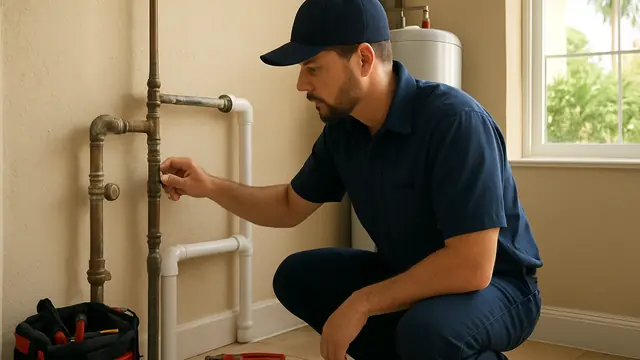
- Do not force a corroded main valve or fixture shutoff. A broken valve can turn a manageable concern into an active leak.
- Do not restart a flooded water heater, well pump, disposal, or other electrical equipment until it has been evaluated appropriately.
Urgent Plumbing Signs Before or After a Hurricane
- Immediate professional attention is appropriate when sewage enters the home, water flows through a ceiling, a pipe splits, or the main valve will not stop an active leak.
- Water near outlets, electrical panels, pumps, or water-heater components creates a potential electrical hazard. Stay out of the area.
- A rapidly moving meter, sudden pressure loss, strong sewer-gas odor, or unexplained water discoloration after an interruption also requires prompt evaluation or official guidance.
- If structural damage, rising water, or electrical danger is present, leave the area and contact emergency services.
How a Licensed Plumber Diagnoses the Cause
The plumber asks which fixtures are affected, when the problem began, whether service was interrupted, and whether flooding reached plumbing components.
A supply-side diagnosis may include checking the meter, pressure, main valve, fixture valves, connectors, regulators, filters, and exposed piping. Isolation testing helps narrow down the source.
For drains, the plumber determines whether the problem is local to one fixture, limited to one branch, or affecting the building drain or sewer line. Professional cleaning equipment may be used. A sewer camera may be recommended when the blockage recurs or structural damage is suspected.
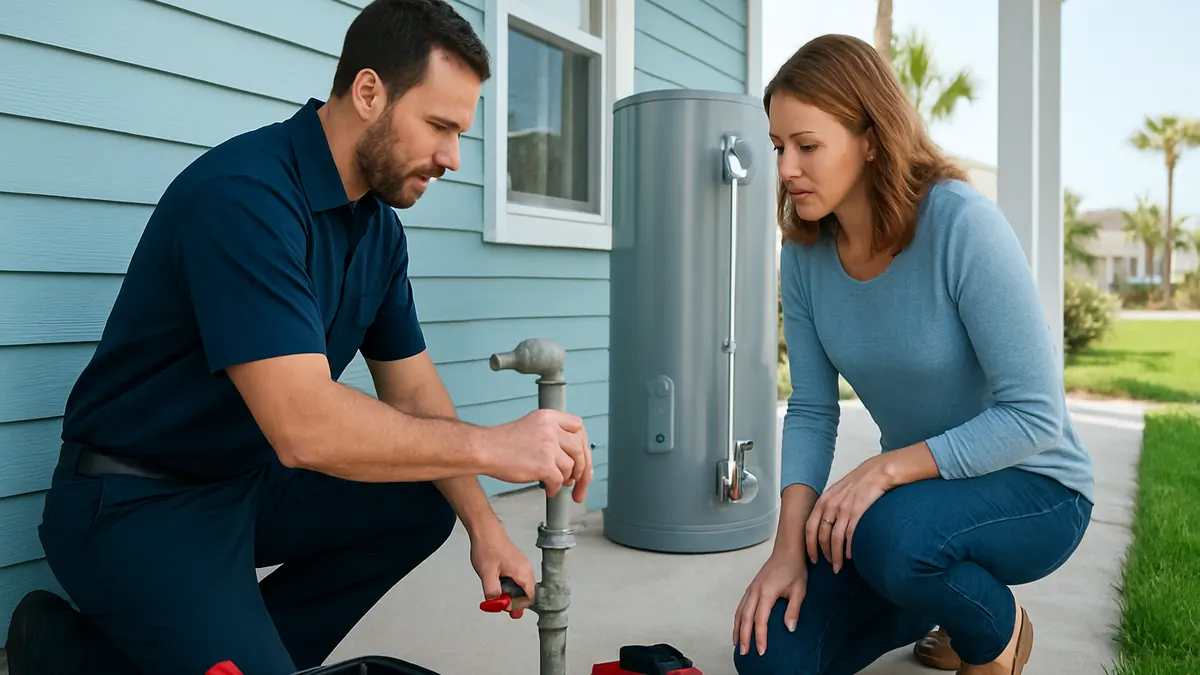
Water-heater inspection may include the tank, connectors, drain pan, valves, venting, controls, and power or fuel source.
Repair Options Beginning With the Least Invasive
A running toilet may need an internal component rather than replacement. A leaking faucet connection, appliance hose, hose bib, or shutoff may be repaired or replaced at that point.
A local clog may respond to professional cleaning. If a main-line problem returns, camera inspection can help determine whether roots, damage, or another obstruction is present.
A damaged section of buried or concealed piping may be repaired individually if the rest of the line is serviceable. Larger replacement becomes appropriate when damage is widespread or repeated spot repairs are unlikely to provide a reliable result.
For water heaters, an approved replaceable component or connector may solve the problem. Tank replacement is considered when the tank itself leaks, corrosion is severe, or damage makes repair unsafe or impractical.
What Affects the Cost of Hurricane Plumbing Repairs?
- The main factors are the failed component, location, accessibility, pipe type, diagnostic testing, required equipment, permits, and restoration.
- A visible toilet connector is different from a concealed pipe behind a finished wall. Clearing a reachable drain differs from excavating a damaged underground line.
- Post-storm access can affect scheduling. Ask the plumber to explain the diagnosis, recommended repair, and alternatives.
Prevention and Maintenance Guidance
Repair recurring clogs, running toilets, corroded valves, and slow leaks before hurricane season. Replace visibly deteriorated appliance hoses and keep the main shutoff accessible.
Have household members practice locating the valve without forcing it. Store flashlights and basic protective equipment nearby, but never use them as a reason to enter an unsafe area.
After the storm, examine visible plumbing and listen for running water. Check the meter when all fixtures are off. Follow official boil-water, conservation, or sewer-use instructions.
Niceville Homeowner FAQs
Should I Turn Off the Water When I Leave?
That can reduce damage from some supply leaks, but the correct procedure depends on connected equipment and the type of property. Obtain property-specific advice in advance.
Can Toilets Still Flush During a Power Outage?
Many gravity toilets work while water and sewer service remain available. Systems that use pumps may not function normally.
What Should I Do if Several Drains Slow Down at Once?
Limit water use and arrange diagnosis. Several affected fixtures can indicate a main-line restriction rather than separate clogs.
Is Water in the Heater Pan Always an Emergency?
It always deserves investigation. The source may be a connection, valve, condensation issue, or tank leak. Water near electrical components increases urgency.
Can I Use a Plunger During a Backup?
A plunger may help a simple toilet clog, but stop if other fixtures gurgle or fill. A whole-house backup needs a different diagnosis.
How Soon Should I Check the Plumbing After the Storm?
Inspect it as soon as the property is safe to enter. Look for leaks, sewage, damaged exterior components, pressure changes, and water around equipment.
Complete the Niceville Hurricane Plumbing Checklist Before the Last Minute
A Northwest Florida hurricane plumbing checklist in Niceville gives homeowners a clear order of action: identify shutoffs, inspect connectors, test drains, check the water heater, and recognize pump-dependent equipment. Do not force valves, open cleanouts, use drain chemicals, or enter flooded electrical areas. Address warning signs early and inspect the system again after the storm.
About this guide: This resource provides general homeowner education, not a remote diagnosis. Actual conditions, code requirements, equipment, and safe repair options must be evaluated at the property.