Stop and call for qualified help when plumbing water is near electrical equipment, sewage is entering occupied space, gas or burning odors are present, or a repair would require opening pressurized piping.
During a showing in Seaside, you turn on an upstairs shower and hear a nearby drain gurgle. Downstairs, a small ceiling patch looks newer than the surrounding paint, and one toilet takes longer than expected to stop filling. Each detail could have a simple explanation, but the combination may indicate a restricted drain, an old leak, a worn toilet component, or plumbing work that deserves verification.
Note which fixtures were operating when the symptoms appeared and avoid aggressive testing. Do not remove access panels, tighten concealed fittings, force shutoff valves, or continue running water near a stained ceiling. Request a licensed plumbing inspection before the purchase deadline.
A plumbing inspection checklist before buying a Northwest Florida home in Seaside should confirm that the water supply is secure, the fixtures operate correctly, the drainage system carries waste away without interaction, the water heater is safe, and important components can be accessed for service.
Common Plumbing Problems Hidden by Finished Surfaces
Paint, flooring, cabinetry, tile, and fixture upgrades can improve appearance without confirming the condition of the plumbing behind them. Ask for records showing what plumbing work accompanied any renovation.
Request repair invoices, water-heater records, drain-cleaning receipts, warranties, and disclosures involving leaks or water damage. If a ceiling or wall was repaired, ask what caused it and how the source was corrected.
Map the System and Locate Shutoffs
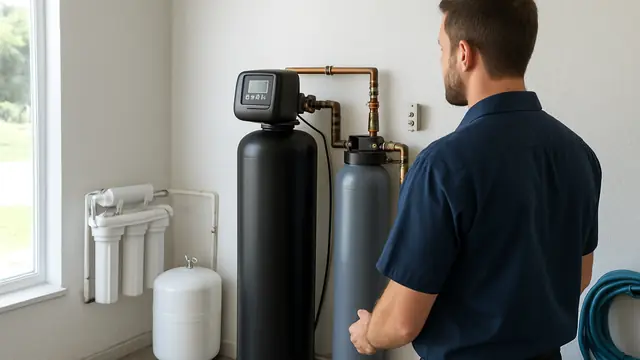
Identify the main shutoff, water-heating equipment, and primary drain access.
The main shutoff should be reachable quickly. A plumber should inspect it before operation, especially if it appears corroded, stiff, or concealed. Accessible fixture shutoffs should also be reviewed because they allow a sink, toilet, or appliance to be isolated without shutting down the entire property.
A component hidden behind a fixed panel may be difficult to inspect or replace. The inspection should identify access limitations before an emergency occurs.
Check Pressure at More Than One Fixture
A strong kitchen faucet does not prove that pressure is appropriate throughout the home. A plumber may measure static pressure with all fixtures off and flowing pressure while more than one fixture operates.
Excessive pressure can shorten the life of toilet valves, cartridges, connectors, appliance hoses, and water-heater components. A sharp pressure drop may result from a partially closed valve, regulator problem, restricted pipe, clogged filter, or another supply condition.
Inspect Fixtures While Water Is Moving
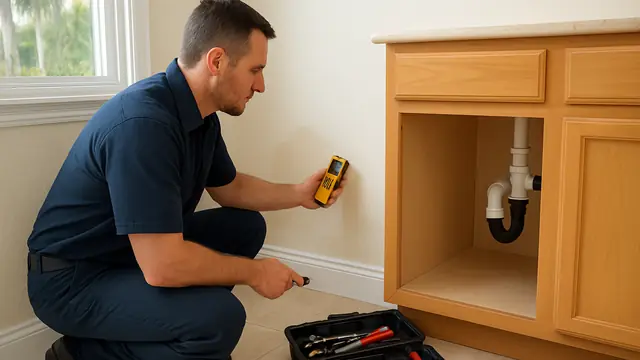
Run hot and cold water at every sink. Look at the faucet base, supply connections, shutoff valves, trap, disposal piping, cabinet floor, and nearby wall penetrations. Watch both while the water runs and while the basin drains.
Flush every toilet and stay long enough to observe the full refill cycle. The water should stop without the tank restarting later. The toilet should remain stable. Rocking, staining, odor, or soft flooring at the base may indicate a damaged seal or moisture below the fixture.
Run each shower and tub long enough to evaluate drainage, temperature stability, and nearby surfaces. Water outside the bathing area can come from plumbing, the enclosure, or waterproofing, so the source should be identified first.
Evaluate Hot-Water Performance and Equipment Access
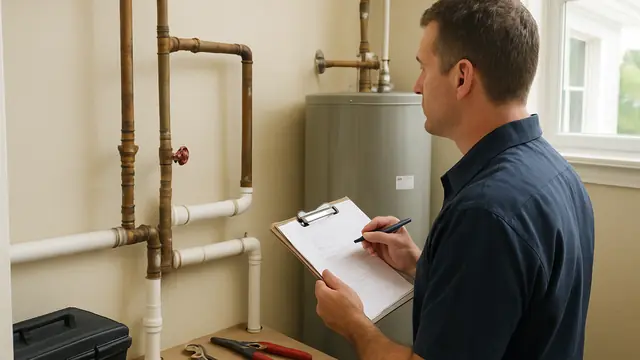
Identify the water-heating equipment, approximate age, capacity, energy source, shutoff, relief protection, discharge piping, visible condition, and service clearance.
If the property has multiple heaters or recirculation equipment, determine which fixtures each part serves. Long delivery time may involve controls, piping, recirculation settings, or fixture cartridges.
A heater that produces hot water can still have leakage, corrosion, unsafe discharge piping, damaged wiring, venting concerns, or inadequate access. Moisture at the base of a tank-style heater requires prompt evaluation.
Test Drains for Interaction
A single slow sink may have local buildup. Gurgling in a nearby drain, bubbling in a toilet, or water rising in a lower shower when another fixture empties can indicate a shared branch or main-line restriction.
When symptoms justify it, a plumber may recommend drain cleaning and a sewer-camera inspection. A camera can reveal visible buildup, roots, offsets, standing water, damaged sections, or earlier repairs.
Safe Checks the Buyer Can Perform
With permission, you can:
- Run faucets and inspect the cabinets beneath them.
- Flush toilets and wait for the tanks to stop filling.
- Compare pressure at fixtures in different areas.
- Observe whether drains gurgle or affect one another.
- Look for ceiling patches, staining, or soft flooring.
- Confirm the main shutoff and request repair records.
Record the sequence of events because it helps the plumber reproduce the symptom.
What the Buyer Should Not Attempt
Do not lift toilets, open sewer cleanouts, remove water-heater covers, disconnect appliances, cut access openings, or enter unsafe attics or crawlspaces.
Do not use chemical drain cleaner or force a concealed valve. Cleaner can create hazardous service conditions, while a damaged valve may begin leaking when operated.
Signs That Make the Condition Urgent
Request prompt evaluation for active leakage, sewage backup, a strong persistent sewer odor, water near electrical equipment, a leaking water heater, a sagging ceiling, soft flooring around a toilet, or unexplained meter movement when all fixtures are off.
Several fixtures backing up together is also urgent because the problem may involve a shared or main drain.
How a Licensed Plumber Diagnoses the Plumbing
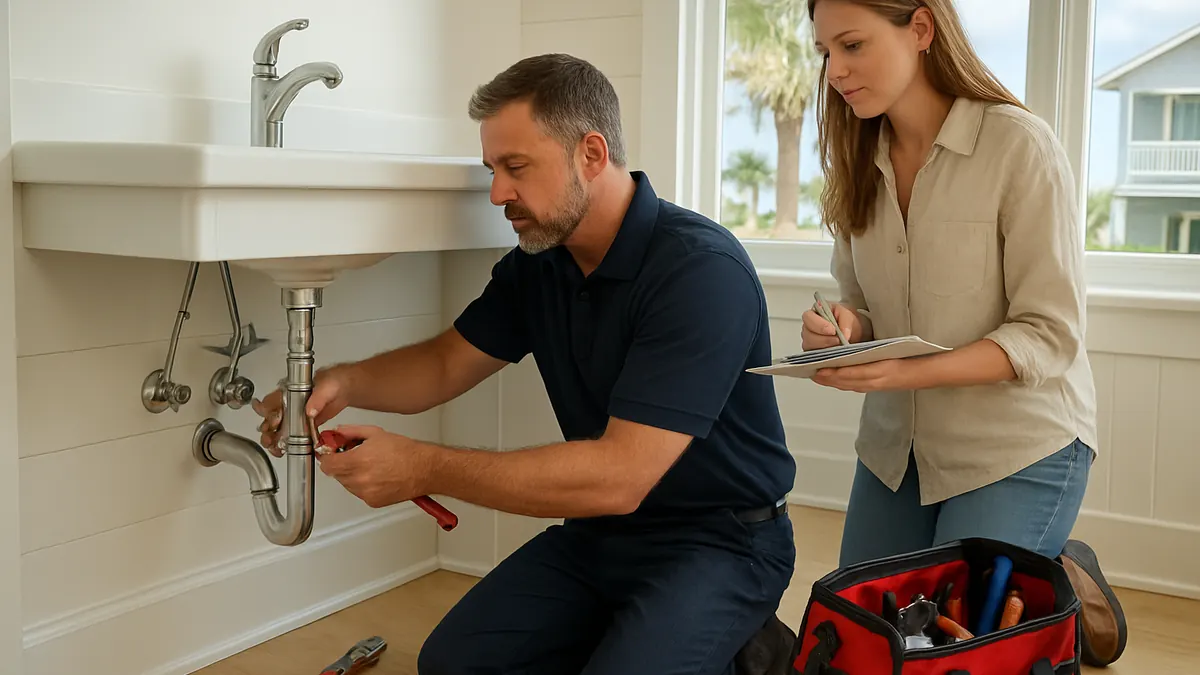
A plumber begins with the symptom sequence, records, and visual evidence. Testing may include pressure measurement, meter observation, moisture readings, fixture isolation, controlled drain-flow testing, pressure testing, drain cleaning, or sewer-camera inspection.
The report should distinguish confirmed defects, likely causes, recommended additional testing, urgent repairs, maintenance items, and optional improvements.
Repair Options From Limited Correction to Larger Work
The least invasive reasonable repair may be a new supply connector, faucet cartridge, toilet flapper, fill valve, toilet seal, trap, shutoff valve, appliance hose, or short accessible pipe section. A local drain restriction may only need cleaning.
More involved repairs may require targeted access, branch-line replacement, pressure-control service, water-heater repair, recirculation correction, sewer spot repair, or rerouting.
Water-heater replacement, partial repiping, whole-home repiping, or larger drain replacement may be appropriate when testing confirms broad deterioration, repeated failures, or unreliable previous work. Replacement should be based on evidence, not appearance alone.
Factors That Affect Repair Cost
Cost depends on access, pipe material, defect location, testing, equipment type, number of affected fixtures, permits, surface protection, and restoration.
Written estimates should explain access requirements and whether finish restoration is included.
Prevention and Maintenance After Closing
- Label the main and fixture shutoffs. Repair small leaks promptly, replace deteriorated appliance hoses, and keep grease, wipes, and foreign objects out of drains.
- Follow manufacturer guidance for water-heating and recirculation equipment. Keep inspection reports, invoices, equipment models, valve locations, and warranties together.
- If the property will be vacant at times, arrange regular checks and ensure a trusted person can reach the main shutoff.
Complete the Purchase With a Clear Plumbing Picture
A plumbing inspection checklist before buying a Northwest Florida home in Seaside should reveal how the system behaves when fixtures operate together, not simply whether water turns on. Confirming pressure, shutoffs, service access, fixture condition, hot-water performance, drainage, and repair history helps you distinguish manageable maintenance from defects that need immediate action.
About this guide: This resource provides general homeowner education, not a remote diagnosis. Actual conditions, code requirements, equipment, and safe repair options must be evaluated at the property.