Stop and call for qualified help when plumbing water is near electrical equipment, sewage is entering occupied space, gas or burning odors are present, or a repair would require opening pressurized piping.
You are touring a home in 30A and notice a sink that drains slowly, a toilet that keeps refilling, or a faint stain beneath the kitchen cabinet. Those details may be minor maintenance items, but they can also point to a leaking supply connection, a restricted drain, an unstable toilet seal, or plumbing that has not been fully evaluated.
The safe immediate step is to document the concern and avoid taking anything apart. Do not force an old shutoff valve, remove a water-heater panel, or pour chemicals into a slow drain. Request a plumbing inspection before the purchase deadline passes so you can learn whether the issue is isolated or part of a larger problem.
A plumbing inspection checklist before buying a Northwest Florida home in 30A should cover fixtures, water pressure, supply piping, shutoff valves, drains, the water heater, and the sewer or septic connection.
Why a Specialized Plumbing Inspection Matters
A faucet may appear normal even though the valve below it is corroded. A drain may empty during a brief test but back up when several fixtures run. A water heater may still produce hot water while showing leakage or installation concerns.
A licensed plumber follows the symptom through the system. Low pressure at one faucet may come from a clogged aerator. Low pressure throughout the home may involve a shutoff, pressure regulator, restricted pipe, pump, or utility supply. The correct diagnosis changes the repair plan.
Common Problems to Check Before Buying
Leaks and Moisture Damage
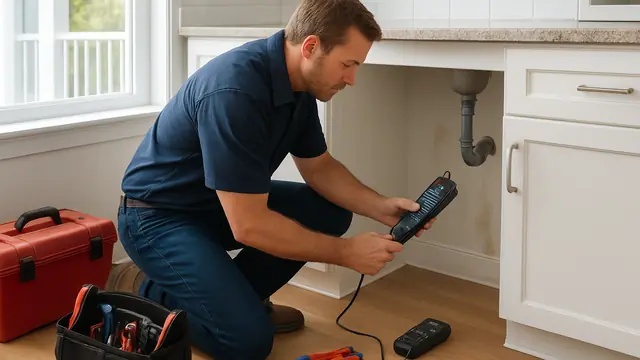
Inspect beneath sinks, around toilets, near the water heater, behind washing-machine connections, and along accessible ceilings and walls. Swollen cabinets, peeling paint, mineral deposits, soft flooring, or musty odors may indicate current or previous moisture.
A stain alone does not prove an active leak. A plumber may use fixture testing, moisture readings, meter observation, or pressure testing to determine whether water is still escaping.
Slow Drains and Sewer-Line Concerns
One slow drain often indicates local buildup. Several slow fixtures, toilet bubbling, or water entering a shower when another fixture drains may indicate a restriction farther downstream.
A plumber may recommend drain cleaning or a sewer-camera inspection when symptoms suggest a main-line problem. A camera can reveal visible buildup, roots, offsets, damage, or standing water after suitable access is available.
Water Pressure and Flow
Pressure that drops sharply when another faucet opens may indicate restricted piping, a regulator problem, an undersized supply, or another limitation. Excessive pressure can strain valves, connectors, toilets, and appliances.
A plumber can measure static pressure when water is off and flowing pressure during use. Those readings are more useful than judging pressure by feel.
Water Heater Condition
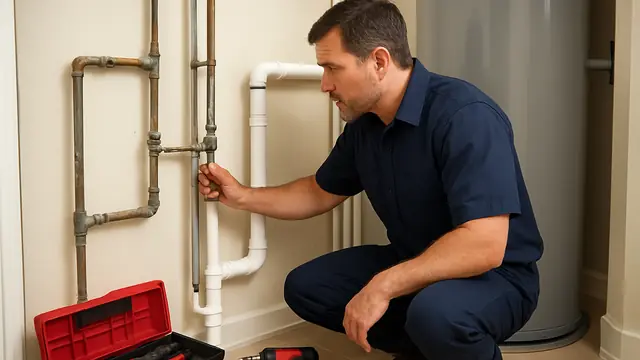
The inspection should identify the heater's type, approximate age, capacity, visible condition, shutoff, relief valve, discharge piping, venting where applicable, and signs of leakage. Rust streaks, moisture at the base, damaged venting, or unsafe wiring require prompt review.
A working water heater is not automatically a sound one. The plumber should consider safety, serviceability, remaining useful life, and whether it can meet expected demand.
Supply Pipes and Shutoff Valves
Ask the plumber to identify visible pipe materials and note repairs or transitions. Different materials may require different fittings and long-term planning.
The main shutoff should be located and evaluated. A valve that has not moved in years may leak or break if forced, so questionable valves should be tested only when the plumber is prepared to control the water.
Safe Checks a Buyer Can Perform
With permission, you can:
- Run faucets and observe pressure, temperature, and drainage.
- Check below sinks while the water is running.
- Flush toilets and watch for rocking or continued refilling.
- Look for stains, warped cabinets, soft flooring, or damp trim.
- Listen for dripping, hissing, hammering, or gurgling.
- Ask for repair invoices, permits, warranties, and seller disclosures.
- Confirm where the main water shutoff is located.
These observations help form questions, but they do not replace professional testing.
What a Buyer Should Not Attempt
Do not lift toilets, open sewer cleanouts, disassemble traps, enter unsafe crawlspaces, remove finished surfaces, or operate unfamiliar pumps. Do not use chemical drain cleaners because they may damage piping and create a hazard for the technician who later opens the line.
Do not assume fresh paint or new caulk proves a leak was repaired. Cosmetic work may hide staining without correcting the source.
Signs That Make the Inspection Urgent
Arrange prompt evaluation for active dripping, sewage odor, multiple backed-up fixtures, standing water, a moving water meter when everything is off, discolored water, a leaking water heater, sagging ceilings, or soft flooring around a toilet.
Urgency also increases when the inspection period is almost over. You need time to receive findings, request estimates, and decide whether to proceed, renegotiate, request repairs, or accept the condition.
How a Licensed Plumber Diagnoses the System
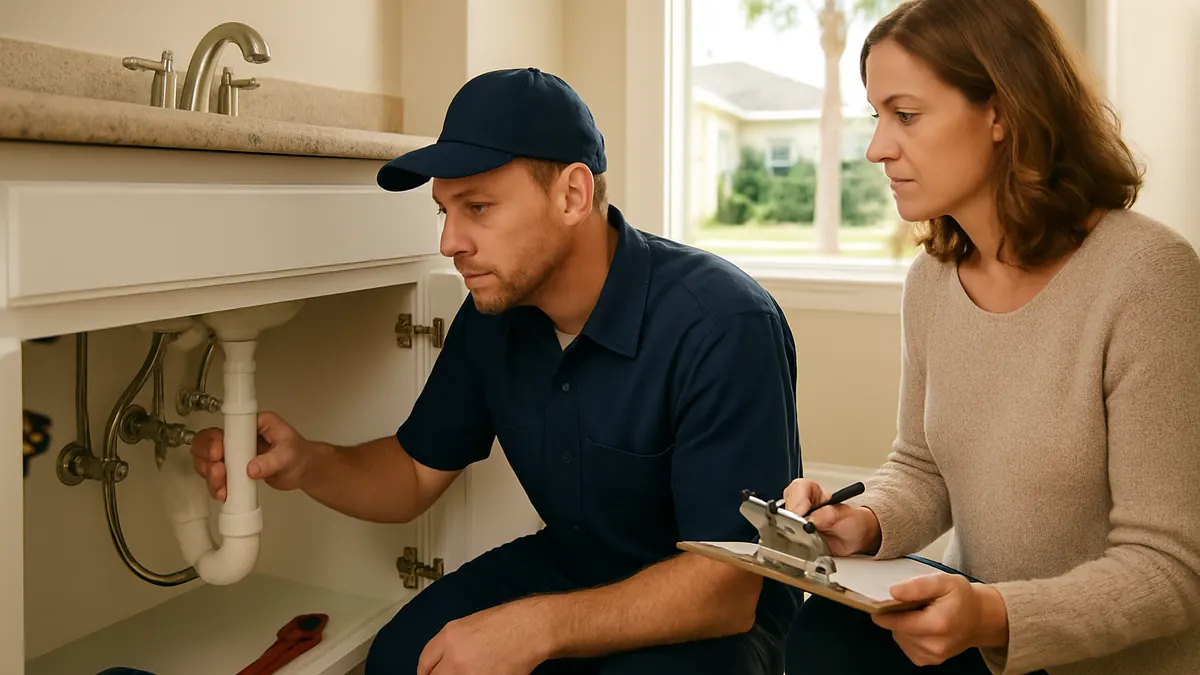
The plumber begins with the buyer's observations and a visual review. Fixtures are operated, accessible pipes are examined, pressure may be measured, drains are tested, and the water heater is checked.
When evidence supports additional testing, the plumber may use moisture detection, pressure testing, fixture isolation, meter testing, drain cleaning, or a sewer camera. No single tool answers every question. A camera views the inside of an accessible drain, while pressure testing evaluates water-line integrity.
The report should separate confirmed defects, likely causes, recommended tests, immediate repairs, and optional improvements.
Repair Options From Least Invasive to More Extensive
The least invasive repair may be replacing a faucet cartridge, supply connector, toilet fill valve, wax seal, shutoff valve, trap, pressure regulator, or damaged accessible pipe section. A localized blockage may be cleared without replacing the drain.
If testing finds widespread leaking, repeated failures, extensive corrosion, or underground damage, options may include partial replacement, rerouting, targeted excavation, sewer repair, water-heater replacement, or whole-home repiping.
Complete replacement should follow evidence, not assumption. Ask what must be corrected immediately, what can be monitored, and what should be budgeted for later.
Factors That Affect Repair Cost
Cost depends on access, pipe material, location, number of affected fixtures, diagnostic testing, finished-surface protection, permit needs, restoration work, equipment type, and whether the defect is isolated or systemwide.
A connector beneath an open sink is different from a leak inside a finished wall or below a slab. Sewer costs may depend on cleanout access, line depth, blockage type, and whether excavation is required.
Request written findings that distinguish necessary repairs from optional upgrades.
Prevention and Maintenance After Closing
Label the main shutoff, repair small leaks promptly, replace aging appliance hoses, and keep grease, wipes, and foreign objects out of drains. Follow the manufacturer's maintenance guidance for the water heater and other equipment.
For a home that may sit vacant, create a plan for visual checks, leak alerts, temperature control, and emergency access. Keep inspection reports, photos, invoices, model numbers, and warranties together for future reference.
Make the Purchase With Clear Plumbing Information
A plumbing inspection checklist before buying a Northwest Florida home in 30A helps separate normal maintenance from urgent defects and future replacement planning. Understanding the supply lines, drains, fixtures, shutoffs, water heater, and sewer connection before closing can prevent costly surprises.
About this guide: This resource provides general homeowner education, not a remote diagnosis. Actual conditions, code requirements, equipment, and safe repair options must be evaluated at the property.