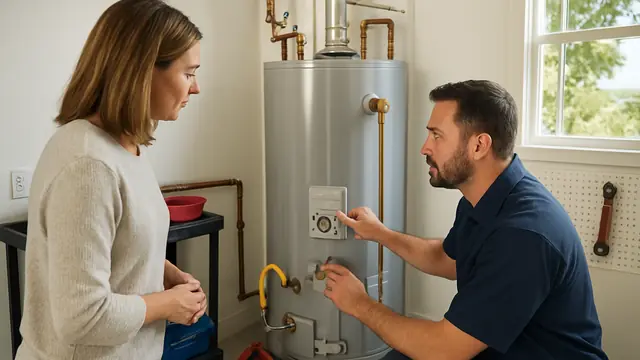
Stop and call for qualified help when plumbing water is near electrical equipment, sewage is entering occupied space, gas or burning odors are present, or a repair would require opening pressurized piping.
The shower weakens as soon as someone uses water elsewhere. Later, you notice a damp spot at the back of a cabinet and remember that another supply-line leak was repaired last year. For a Seaside homeowner, the question is no longer just how to stop the latest leak. It is whether the home is showing signs it may need repiping.
Repiping replaces part or all of the pressurized hot- and cold-water lines serving fixtures and appliances. It does not replace drain or sewer piping. The solution may be a minor repair, a single branch replacement, or a complete repipe, depending on the failure pattern and test results.
If water is escaping, close the nearest working shutoff valve or the main water valve if it is safe to reach. Stay away from wet electrical components, move belongings from the area, and call a licensed plumber. Do not keep using the affected fixture to see whether the leak becomes worse.
When Separate Plumbing Problems May Be Connected
A New Leak Follows an Earlier Leak
An isolated leak can result from a failed connector, damaged fitting, or accidental puncture. Repeated leaks in different walls, ceilings, or fixture groups are more meaningful.
When the same type of pipe or fitting is involved repeatedly, the unrepaired portions may have similar weaknesses.
Water Flow Changes Throughout the Day
A faucet that is always slow may have a clogged aerator or local valve problem. Flow that drops sharply whenever another fixture starts may involve restricted piping, an undersized branch, a pressure regulator, or the incoming supply.
Test hot and cold water separately. The results help distinguish a water-heater or hot-water-line issue from a problem affecting the entire distribution system.
Discoloration Appears at More Than One Faucet
Brown, orange, yellow, or reddish water can be associated with internal corrosion. It can also come from the water heater or incoming supply, so replacement should not be recommended until the source is identified.
Shutoff Valves and Exposed Pipe Look Worn
Look at accessible piping under sinks, near the water heater, and around water-using appliances. Rust, pitting, green-blue staining, white deposits, damp fittings, or several old repair couplings deserve attention.
Do not force a valve that is badly corroded or difficult to move. A weakened fitting can fail when disturbed.
Unexplained Moisture Returns After Drying
A ceiling stain, swollen cabinet, soft wallboard, lifting floor edge, or persistent musty odor can indicate hidden water. Roofs, drains, appliances, and air-conditioning equipment can create similar symptoms, so the source should be confirmed.
Why a Water-Supply System Can Start Failing
Pipes do not fail for one universal reason. Material, workmanship, pressure, temperature, support, fittings, movement, physical damage, and water chemistry all affect reliability.
Metal piping can corrode internally, narrowing the passage and weakening the pipe wall. Plastic piping does not rust, but poor connections, incompatible fittings, heat, inadequate support, or construction damage can cause failures.
Excessive water pressure can shorten the life of valves, appliance hoses, toilet components, connectors, and pipe joints. Correcting pressure may be necessary even when the rest of the system remains serviceable.
Safe Checks to Help Define the Problem
Run each questionable fixture by itself. Compare cold and hot flow, then open a second fixture and note the change. Write down which rooms are affected rather than relying on a general impression.
Inspect dry, safely accessible areas around sinks, toilets, the water heater, and appliances. Look for corrosion, dampness, water marks, swelling, or evidence of previous repair work.
With all known fixtures and water-using appliances off, observe the water meter if it is safely accessible. Movement may indicate a leak, although automatic equipment can use water without someone opening a faucet.
Review prior invoices and photographs. Repair locations and dates can reveal whether failures are connected.
What You Should Not Try
- Do not open walls, ceilings, flooring, or cabinetry at random. Moisture testing and leak-detection equipment can often narrow the area before access is made.
- Do not raise water pressure to overcome weak flow. Higher pressure may worsen a vulnerable pipe and can damage fixture components.
- Do not use drain chemicals for discolored water or low supply flow. The drain system carries wastewater away; the supply system delivers pressurized water.
- Do not leave a temporary clamp, tape repair, sealant, or improvised fitting concealed as a permanent solution. Temporary damage control still requires proper repair.
Signs That Require Urgent Action
Treat water near outlets, switches, light fixtures, appliances, wiring, or an electrical panel as urgent. Shut off water when safe and avoid the wet electrical area.
A sagging or bulging ceiling, rapidly growing stain, visible burst pipe, sudden loss of pressure throughout the home, or sound of water running inside a wall also calls for service.
Rapid meter movement with fixtures off may indicate a concealed leak. Repeated failures are another reason to act promptly.
How a Licensed Plumber Evaluates Whether Repiping Is Necessary
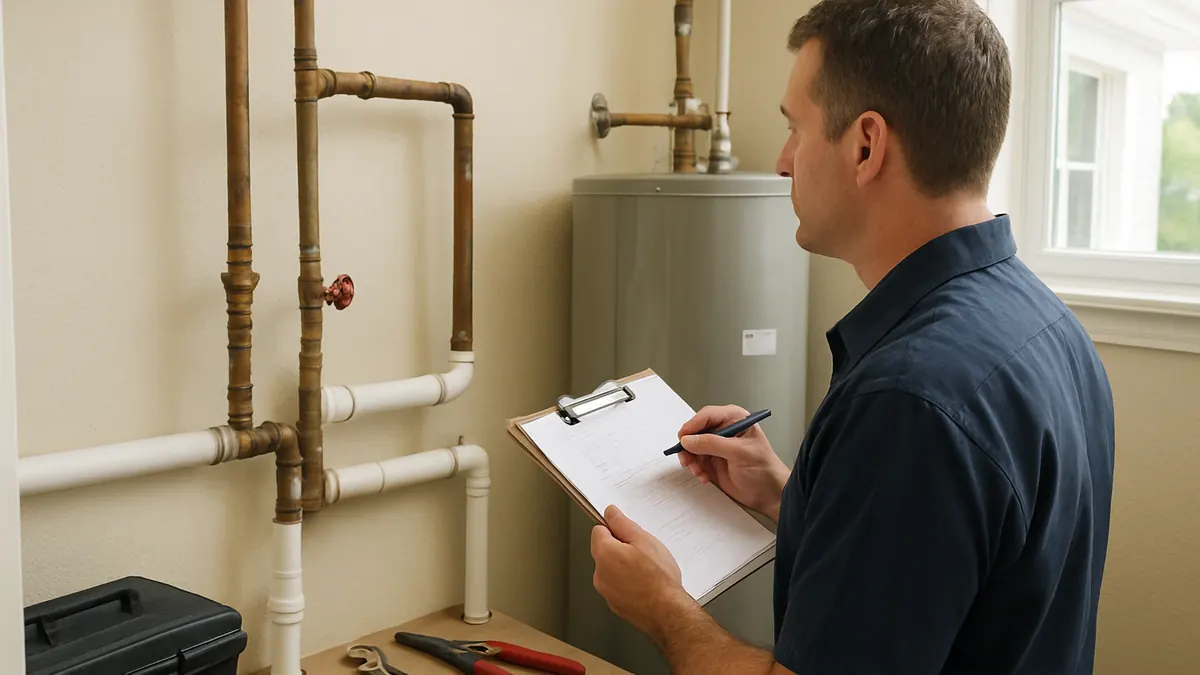
A plumber begins with the repair history and the locations of pressure, discoloration, and leakage complaints. Accessible pipes, valves, and fittings are examined for corrosion, poor support, improper transitions, old patches, and physical damage.
Static pressure is tested while no fixtures are operating. Flowing pressure is checked while water is being used. The comparison helps identify excessive pressure, low incoming pressure, or restrictions within the home.
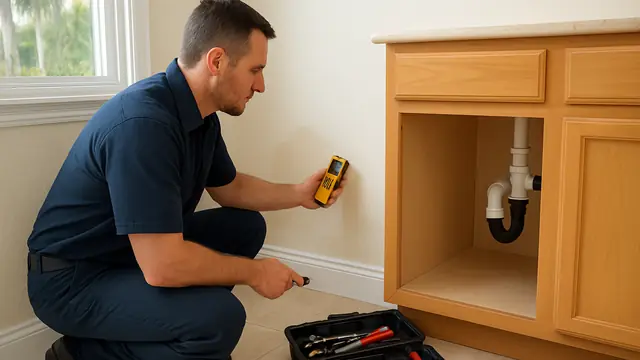
Branches may be isolated to determine whether one bathroom group, one hot-water route, or the wider system is affected. Moisture meters, acoustic equipment, thermal imaging, or other leak-detection tools may help locate concealed water.
Repair Choices From the Smallest Correction Upward
A straightforward repair may involve cleaning an aerator, replacing a faucet cartridge, changing a fixture connector, replacing a shutoff valve, correcting a pressure regulator, or replacing one damaged pipe section.
A branch repipe may be appropriate when one bathroom, kitchen group, or hot-water route is failing while the remaining piping tests well.
A phased repipe can sometimes be coordinated with remodeling, provided the remaining piping and material transitions are evaluated.
Whole-house repiping becomes more practical when leaks occur throughout the home, multiple branches are restricted, or repeated repairs are damaging finished areas. PEX and copper are common options, selected according to approved use, routing, and access.
What Influences Repiping Cost
The main cost factors are home size, fixture count, number of floors, pipe length, replacement material, access, and route.
Piping behind tile, built-ins, cabinets, finished walls, or ceilings may require additional protection and restoration. Permits, inspections, insulation, firestopping, valves, fixture reconnections, drywall work, painting, cleanup, and water-service sequencing may affect the total scope.
Prevention and Maintenance After the Immediate Problem
Keep the main water shutoff accessible and make sure responsible occupants know where it is.
Replace aging washing-machine hoses, refrigerator lines, toilet connectors, and faucet supplies before visible deterioration becomes a leak. Have water pressure measured when pipes bang, connectors fail repeatedly, or fixture parts wear out unusually fast.
Investigate stains, damp odors, and changing flow promptly. For a property that may be unoccupied, monitored leak sensors or an automatic shutoff can reduce how long a leak runs before discovery.
Decide Whether You Are Repairing One Defect or a Pattern
The signs your home may need repiping in Seaside become convincing when repeated leaks, pressure changes, discoloration, visible deterioration, and hidden moisture point to the same conclusion. A licensed plumber can determine whether the responsible next step is a focused repair, branch repipe, phased replacement, or whole-house project.
About this guide: This resource provides general homeowner education, not a remote diagnosis. Actual conditions, code requirements, equipment, and safe repair options must be evaluated at the property.