Stop and call for qualified help when plumbing water is near electrical equipment, sewage is entering occupied space, gas or burning odors are present, or a repair would require opening pressurized piping.
You have found a home in Blue Mountain Beach that fits your plans, but its plumbing history is unclear. During the walkthrough, you notice a toilet that runs too long, residue near a water-heater connection, a dry floor drain with an odor, or an outdoor faucet that does not shut off completely.
The safe response is to stop using any actively leaking fixture, notify the seller or agent, and request a licensed plumbing evaluation. Do not tighten unfamiliar fittings, force a valve, or assume a dry stain is harmless. Some leaks appear only when a fixture, appliance, or hot-water system operates.
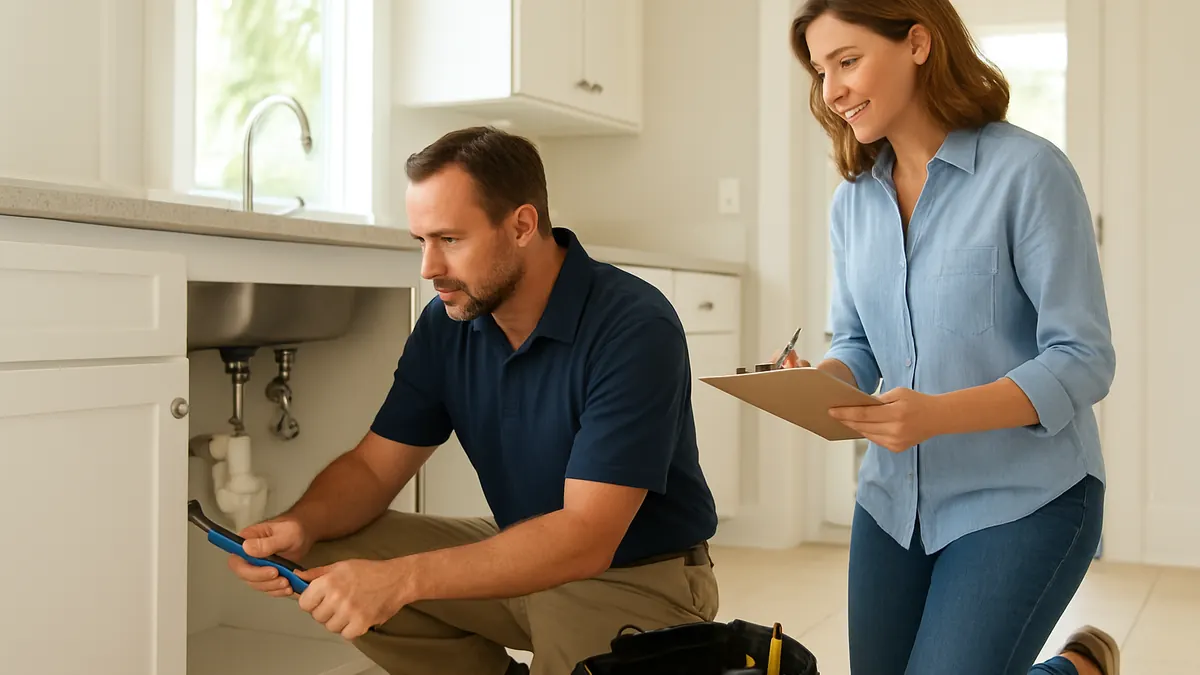
A plumbing inspection checklist before buying a Northwest Florida home in Blue Mountain Beach should test the property as a working system. It should also consider how the plumbing will perform if the home is occupied continuously, left vacant for periods, or used by guests who may not recognize early warning signs.
Begin With Use and Maintenance History
Ask how the property has been occupied and maintained. Intermittent use can allow traps to dry, small leaks to go unnoticed, valves to stiffen, and hot-water concerns to appear only when demand increases.
Request available invoices for drain cleaning, leak repair, fixture replacement, water-heater service, repiping, and sewer work. Ask whether the water has ever been shut off because of a leak or whether plumbing damage led to an insurance claim.
Follow Water Through the Entire Home
A thorough inspection follows water from entry to discharge. Water enters through the service and main shutoff, travels through distribution pipes, passes through fixtures or the water heater, and exits through traps, drains, and the main sewer or an approved private system.
A gurgling sink may be caused by venting or a downstream restriction. A shower pressure drop may originate at the main valve or regulator rather than the shower valve.
Inspect the Main Shutoff and Supply Piping
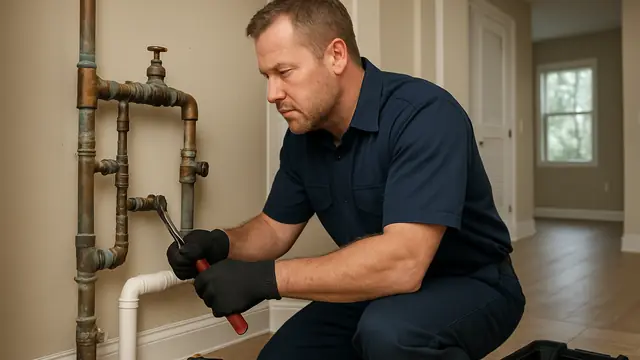
The buyer should know where the main shutoff is located and whether it is accessible. A plumber can determine whether operating it is safe. The inspection should identify visible pipe materials, unsupported sections, corrosion, damaged insulation, and repairs or transitions.
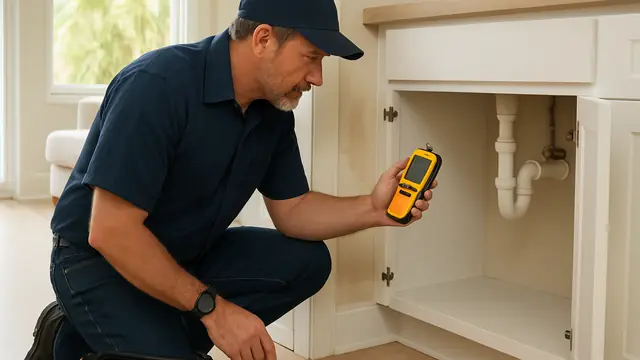
Look beneath sinks, around toilets, near laundry equipment, at the water heater, and in accessible service areas. Green or white deposits on metal fittings, rust, dark staining, swollen wood, or recurring dampness may indicate leakage.
Measure Pressure and Household Flow
Water pressure should be measured rather than judged only by faucet strength. A plumber may check static pressure with all fixtures off and observe flowing pressure while fixtures operate.
High pressure stresses appliances, toilet valves, hose connections, and cartridges. Low or unstable pressure may result from a partially closed valve, restricted piping, clogged aerators, a failing regulator, pump concerns, or another supply condition.
Evaluate Every Drain and Trap
Run water at sinks, tubs, and showers. Flush toilets and observe nearby fixtures. Note slow drainage, bubbles, odor, or changing water levels.
A trap is the curved drain section that holds water and blocks sewer gas. In an unused fixture, the trap may dry out and allow odor into the home. Refilling it may solve that isolated issue. If odor returns quickly, appears in several areas, or accompanies slow drainage, further investigation is needed.
A sewer camera may be useful after the line is accessible and clear enough to inspect.
Inspect Toilets Beyond the Flush
A toilet should remain stable, clear the bowl, refill correctly, and stop running. Check for staining at the base, loose mounting, leaking supply connections, and movement in the floor.
A rocking toilet, soft floor, or wastewater odor may indicate seal failure or damage below and deserves quicker attention.
Review the Water Heater and Hot-Water Delivery
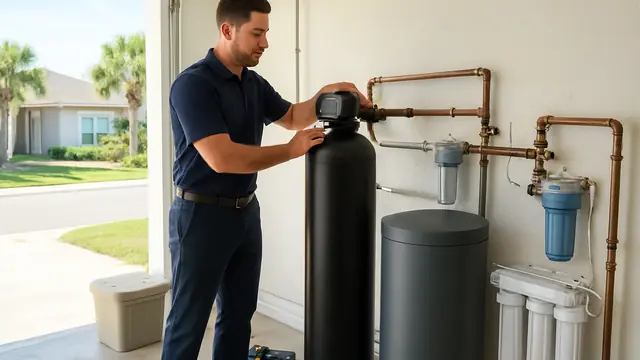
Identify the heater type, approximate age, capacity, energy source, shutoff, relief valve, discharge piping, drain pan where applicable, and visible condition. Run hot water and note delay, temperature instability, unusual noise, or rapid loss of hot water.
Rust-colored marks may come from a fitting rather than the tank. Moisture at the base of a tank-style heater should be evaluated promptly because tank leakage usually worsens.
Scale, pumps, controls, check valves, and fixture cartridges can all affect tankless or recirculating system performance.
Include Exterior and Utility Plumbing
Inspect accessible hose bibbs, outdoor showers, washing-machine connections, utility sinks, and plumbing serving accessory areas. Exterior components may face weather, impact, or long periods without observation.
A damaged hose connection can leak inside the wall when used.
Safe Checks for the Buyer
With permission, you can:
- Compare pressure at several fixtures.
- Check below sinks while faucets run.
- Flush toilets and wait for filling to stop.
- Look for stains near ceilings, cabinets, and equipment.
- Smell for sewer gas near seldom-used fixtures.
- Ask whether water bills increased unexpectedly.
- Review repairs, manuals, and warranties.
- Confirm that the main shutoff can be reached.
- Note any leak alarms or automatic shutoff devices.
What Buyers Should Not Do
Do not open sewer cleanouts, remove water-heater panels, disconnect appliance hoses, lift toilets, or use drain chemicals. Do not enter unsafe crawlspaces or restricted attic areas.
Avoid operating a heavily corroded valve. Questionable components should be tested during an authorized inspection when the plumber is ready to control a leak.
Urgent Warning Signs
Prompt evaluation is needed for active leaks, standing water, sewage backup, strong sewer odor, water near electrical wiring, a leaking water heater, unexplained meter movement, sagging ceilings, soft flooring around toilets, or several fixtures backing up together.
How a Plumber Diagnoses the Problem
A licensed plumber chooses tests based on the symptom pattern. The inspection may include visual review, pressure measurement, meter testing, moisture readings, fixture isolation, drain-flow testing, camera inspection, or pressure testing.
The report should explain what was observed, what was confirmed, what remains uncertain, and what action is recommended.
Repair Options in a Sensible Order
Begin with the least invasive repair that addresses the confirmed cause. This may include replacing a connector, rebuilding a toilet, repairing a hose bibb, clearing a local drain, replacing a trap, servicing a valve, adjusting pressure, or correcting a water-heater component.
More extensive options may include replacing a branch line, adding access, repairing a sewer section, replacing the water heater, rerouting piping, or repiping part or all of the home.
Factors That Influence Cost
Cost depends on access, pipe material, defect location, testing, number of fixtures, equipment type, permits, surface protection, excavation, restoration, and coordination with other trades.
A repair in an open utility area differs from work beneath tile, inside a finished ceiling, or underground. Written estimates should separate plumbing work from finish restoration.
Prevention After Purchase
Label shutoffs, replace questionable appliance hoses, repair drips promptly, and keep grease, wipes, and foreign objects out of drains. Follow manufacturer maintenance instructions and diagnose recurring stoppages rather than repeatedly clearing them.
For periods of vacancy, arrange visual checks, maintain emergency contacts, and consider leak detection or automatic shutoff equipment appropriate for the property.
Complete the Purchase With Fewer Plumbing Surprises
A plumbing inspection checklist before buying a Northwest Florida home in Blue Mountain Beach reveals how the system performs during real use, not just how it looks during a showing. Checking supply lines, pressure, fixtures, drains, the water heater, shutoffs, and maintenance history supports a clearer decision before closing.
About this guide: This resource provides general homeowner education, not a remote diagnosis. Actual conditions, code requirements, equipment, and safe repair options must be evaluated at the property.