Stop and call for qualified help when plumbing water is near electrical equipment, sewage is entering occupied space, gas or burning odors are present, or a repair would require opening pressurized piping.
You are filling containers before an approaching hurricane when the kitchen faucet suddenly loses pressure. At the same time, the toilet makes a gurgling sound and the bathtub drains more slowly than normal. Low pressure can come from a partially closed valve, a supply leak, a fixture problem, or a change in the water system. Gurgling and slow drainage may indicate a separate restriction in the drain or sewer line. The safest immediate action is to stop unnecessary water use, check for visible leaks, and locate the main shutoff. If several drains are affected, do not continue flushing or running appliances to test them.
A Northwest Florida hurricane plumbing checklist in Springfield should help a homeowner identify problems before the storm limits access to repairs.
Begin With Water Pressure and Leak Checks
Turn on one faucet at a time and compare the flow throughout the home. Low pressure at one fixture may be caused by a clogged aerator or fixture valve. A sudden pressure drop throughout the home can indicate a supply problem that needs investigation.
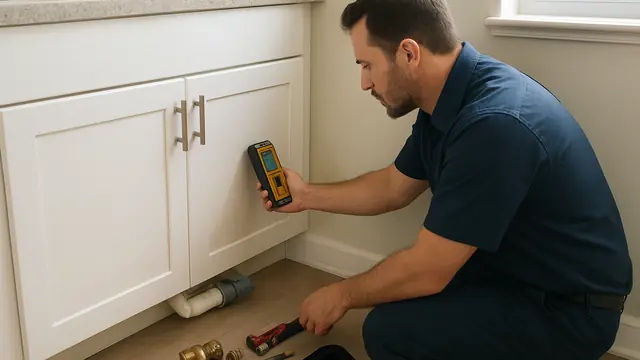
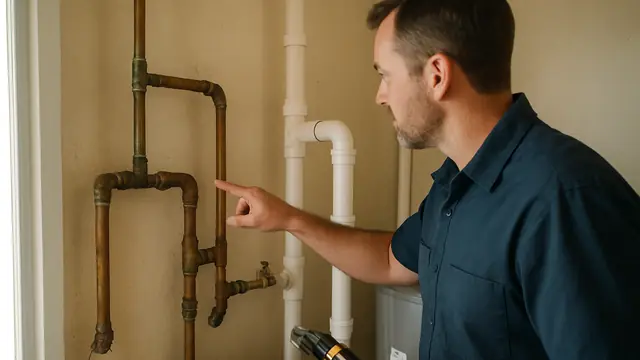
Look beneath sinks, around toilets, at the washing-machine connections, and near the water heater. Check visible piping for dampness, corrosion, mineral deposits, or active dripping.
If the water meter continues moving while every known fixture and appliance is off, a hidden leak may be present.
Locate the Main Water Shutoff Before You Need It
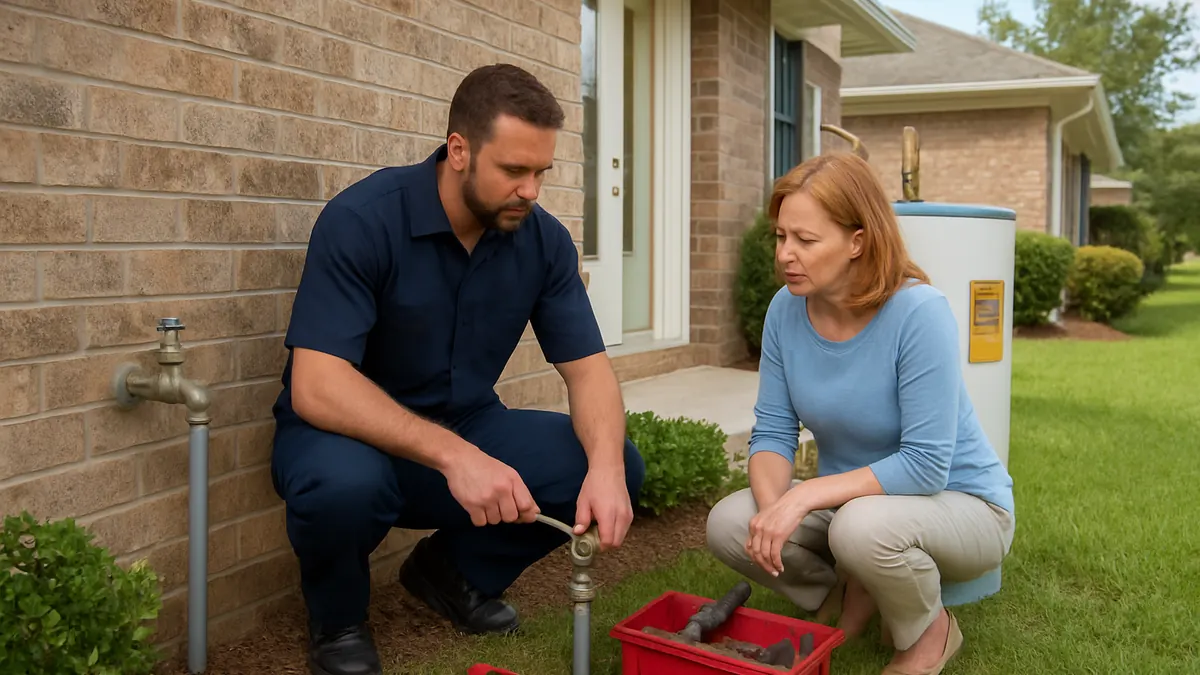
The main shutoff controls the water entering the home. Find it, clear the surrounding area, and make sure another responsible adult knows its location.
Do not force a valve that is corroded, difficult to move, or leaking around the stem. A broken valve or pipe can create a larger emergency. An unreliable main shutoff should be repaired or replaced while conditions are safe.
Inspect Toilets and Fixture Shutoffs
Flush each toilet once and listen after the tank fills. A toilet that continues running or refills periodically may have a worn flapper, faulty fill valve, or incorrect water level.
Check the flexible connector and shutoff valve behind each toilet. Look for rust, fraying, bulges, kinks, or moisture around the fittings.
Test Drains and Watch for Shared-System Symptoms
Run a small amount of water in each sink, tub, and shower. Flush toilets separately. Watch for slow drainage, bubbling, sewage odors, or water rising in another fixture.
One slow sink may have a local clog. Several affected drains usually point to a restriction farther down the system. A washing machine that causes a toilet to bubble or a shower to fill is a strong warning that the shared drain may not be carrying water away properly.
Stop using water when sewage begins to rise. Additional flow can force contaminated wastewater into the home.
Inspect the Water Heater
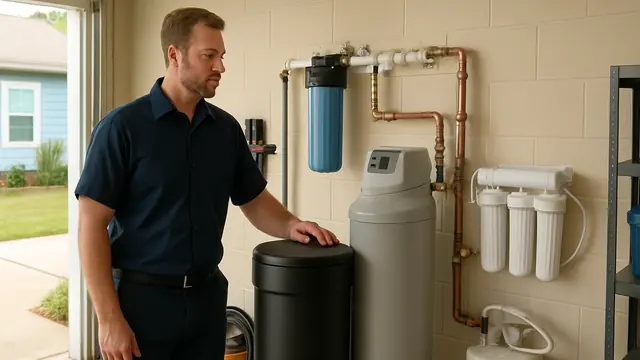
Look around the water heater for moisture, rust, corrosion, mineral deposits, or water in the drain pan. Keep stored items away from the heater so shutoffs and controls remain accessible.
- Never cap the temperature-and-pressure relief discharge pipe. It is an important safety outlet.
- Know which breaker serves an electric water heater. For gas equipment, do not attempt valve adjustments, burner work, or relighting after flooding or suspected damage.
- A heater that has shifted, become submerged, or has wet controls should remain off until a qualified professional inspects it.
Prepare for Water and Sewer Service Interruptions
- Store drinking water in clean, food-safe containers according to official emergency guidance.
- Water stored in a bathtub or bucket can be used for toilet flushing or basic cleaning, but it should not be treated as drinking water.
- If public officials issue a boil-water notice, follow the exact instructions. A refrigerator filter or ordinary whole-house filter does not automatically make the water safe.
Safe Checks Springfield Homeowners Can Perform
Homeowners can inspect visible plumbing, listen for running toilets, check beneath cabinets, disconnect outdoor hoses, observe the water meter, and clear access to shutoffs.
What You Should Not Attempt
- Do not climb onto a roof to inspect plumbing vents. Do not enter standing water near electrical outlets, appliances, pumps, or the electrical panel.
- Do not open a sewer cleanout during a backup. Wastewater may escape rapidly when the cap is removed.
- Avoid chemical drain cleaners on a suspected main-line blockage. They may remain trapped in wastewater and create an additional hazard.
Signs the Plumbing Problem Is Urgent
- A burst supply line, rapidly spreading ceiling stain, sagging drywall, or water flowing from a wall requires prompt action. Close the main valve only if it is safely accessible.
- Stop all water use if sewage appears in a toilet, tub, shower, or floor drain. Keep children and pets away from the area.
- Leave the home and contact the appropriate emergency or utility service if you smell gas or hear hissing near gas piping or equipment.
How a Licensed Plumber Diagnoses the Problem
A plumber first separates supply symptoms from drainage symptoms. Low water pressure and meter movement point toward the supply side, while gurgling and backups point toward the drainage system.
Supply testing may include pressure measurements, meter observation, fixture isolation, valve inspection, and moisture detection.
Drainage testing may include fixture evaluation, trap and vent checks, cleanout access, mechanical cleaning, and sewer camera inspection. A camera can identify buildup, pipe damage, displaced joints, or another obstruction.
Repair Options Beginning With the Least Invasive
A clogged faucet aerator, running toilet, leaking connector, or defective fixture shutoff may require a focused repair rather than system replacement.
A local drain clog may be cleared through the affected fixture or branch line. A deeper blockage may require mechanical cleaning, camera inspection, or hydro jetting if the pipe condition permits it.
- A localized leak can often be repaired by replacing only the damaged pipe section. A failed main shutoff can usually be addressed independently.
- Water-heater repairs may involve a valve, thermostat, heating element, or connection. A leaking tank, submerged controls, or severe corrosion may make replacement necessary.
- Repiping or major sewer replacement should be recommended only when inspection shows widespread deterioration, repeated failures, or substantial damage.
Factors That Affect Cost
Cost depends on access, location, pipe material, equipment type, diagnostic testing, and the extent of water or sewage damage.
A clear diagnosis should distinguish immediate safety work from repairs or improvements that can be planned after the storm.
Prevention and Maintenance
Repair running toilets, recurring clogs, unexplained low pressure, and visible leaks before hurricane season. Replace worn flexible supply lines and keep the main shutoff and sewer cleanout accessible.
Follow official water-safety guidance, and do not restart equipment that was exposed to floodwater until it has been inspected.
Complete Your Springfield Hurricane Plumbing Checklist Before Conditions Worsen
A Northwest Florida hurricane plumbing checklist in Springfield should confirm that water pressure is normal, visible connections are dry, drains are flowing, shutoffs are accessible, and equipment has no sign of leakage or damage. Correcting problems early gives you safer choices during an evacuation, outage, or service interruption.
About this guide: This resource provides general homeowner education, not a remote diagnosis. Actual conditions, code requirements, equipment, and safe repair options must be evaluated at the property.