Stop and call for qualified help when plumbing water is near electrical equipment, sewage is entering occupied space, gas or burning odors are present, or a repair would require opening pressurized piping.
You arrive at your Laguna Beach property to prepare for an approaching storm and hear water running even though every faucet is off. The toilet tank is quietly refilling, and the water meter is still moving. That can mean a worn toilet flapper, a leaking supply line, or another hidden leak. The safe immediate step is to close the toilet's fixture valve if it turns easily, stop unnecessary water use, and see whether the meter movement stops. If it continues, the leak may be elsewhere and should be diagnosed before the property is left unattended.
Begin With a Whole-Home Plumbing Survey
Walk through the property and listen. Running water behind a wall, repeated toilet filling, dripping beneath a cabinet, or unusual water-heater activity can reveal a problem.
Check ceilings, baseboards, cabinet floors, and areas around plumbing appliances for moisture or staining. Run each faucet briefly and flush toilets one at a time. Note slow drainage, gurgling, sewage odor, or water movement in another fixture. These symptoms help distinguish a local clog from a deeper drain problem.
Northwest Florida Hurricane Plumbing Checklist for Laguna Beach
Confirm That the Main Shutoff Works
Locate the main water valve and make sure it is reachable. Everyone responsible for the property should know where it is.
Test the valve only if it turns normally. Stop if it is seized, heavily corroded, or begins leaking around the stem. Forcing it can break the valve or pipe.
Before evacuating or leaving the home vacant, ask a plumber whether shutting off the water is appropriate. Fire sprinklers, treatment equipment, and recirculation systems may affect that decision.
Stop Toilets From Wasting Water
A running toilet can waste water and hide other meter movement. Remove the tank lid and check whether water flows continuously into the overflow tube or leaks past the flapper.
A simple flapper may be replaceable, but do not force brittle parts or overtighten tank bolts. Inspect the toilet supply line and valve for corrosion, moisture, bulges, or fraying.
Check Appliance Connections
Inspect accessible hoses at the washing machine, dishwasher, refrigerator, and ice maker.
A connector should not be kinked, stretched, rusted, or damp. Close appliance valves only when they operate smoothly and the manufacturer's instructions allow it.
Inspect the Water Heater
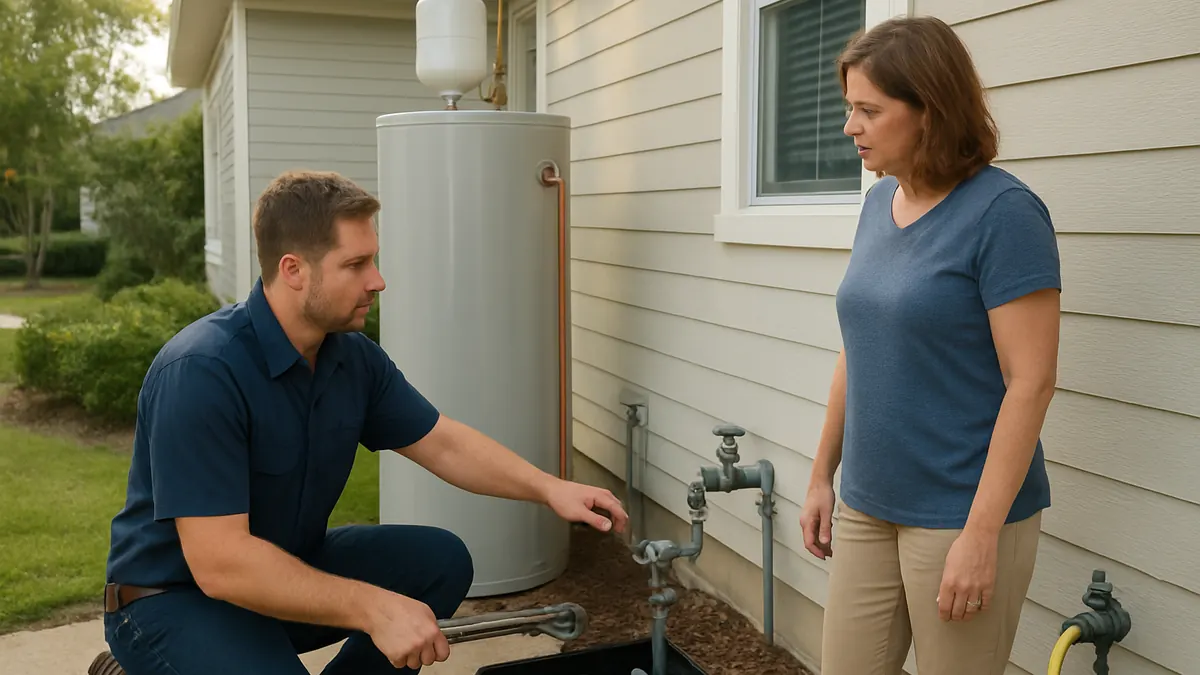
- Look for water at the base, rust streaks, corrosion around fittings, or moisture from the temperature-and-pressure relief valve.
- Never cap or plug the relief pipe. It is a safety component designed to release dangerous pressure or temperature.
- Keep the heater area clear. Know the breaker for an electric model, and do not attempt gas-valve work or relighting after flooding, shifting, or suspected vent damage.
Disconnect Hoses and Protect Exterior Plumbing
Remove hoses from outdoor faucets and store them. A hose pulled by debris can damage the faucet or piping inside the wall.
Prepare for Drain and Sewer Problems
- A slow drain may be caused by grease, paper, hair, scale, pipe damage, or an obstruction farther down the line.
- When one fixture is slow, the problem may be local. When toilets, tubs, and sinks are affected together, a building drain or sewer restriction is more likely.
- Avoid chemical drain openers, especially when water is standing. They may not reach the blockage and can create a hazard for anyone who later opens the line.
- A licensed plumber may clear the pipe mechanically and use a camera to confirm whether buildup or physical damage caused the problem.
Store Water and Protect Sanitation
- Store drinking water in clean, food-safe containers according to official emergency guidance. Keep it away from fuel, pesticides, and cleaning products.
- Water in a clean bathtub can help with toilet flushing and cleaning, but it should not be considered drinking water.
- If pressure is lost, follow local instructions when service returns. If sewage begins backing up, stop using toilets, sinks, showers, washing machines, and dishwashers.
Safe Checks a Homeowner Can Perform
You can inspect visible supply lines, operate faucets, observe drainage, listen for running toilets, and verify that equipment areas are dry.
Photograph the water heater, plumbing appliances, exterior equipment, and any existing stains.
What Not to Attempt
- Do not climb onto the roof to inspect vent stacks. Do not open a sewer cleanout during a backup because wastewater may escape under pressure.
- Never enter standing water near electrical equipment or try to operate submerged pumps, heaters, softeners, or filtration systems.
- Do not use tape, glue, or fittings not rated for pressurized plumbing as a temporary repair. Do not attempt gas piping, burner, or vent repairs.
Signs the Plumbing Situation Is Urgent
- Act immediately if a supply line bursts, water spreads through walls or ceilings, sewage enters the home, a water heater shifts, or floodwater reaches plumbing equipment.
- A strong gas odor or hissing sound requires leaving the property and contacting emergency or utility services from a safe location.
- Keep people and pets away from sewage. Water near outlets, cords, panels, or appliances should be treated as an electrical emergency.
How a Licensed Plumber Diagnoses the Problem
The plumber first identifies whether the issue is on the pressurized supply side, the drainage side, or inside an appliance.
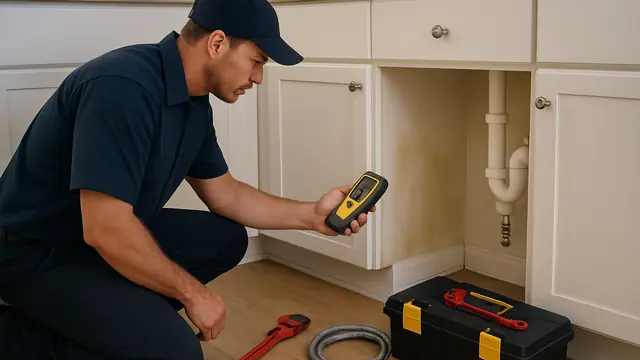
Leak diagnosis may include meter monitoring, pressure checks, fixture isolation, moisture detection, and valve inspection. Drainage diagnosis may include fixture testing, cleanout access, mechanical cleaning, and sewer camera inspection.
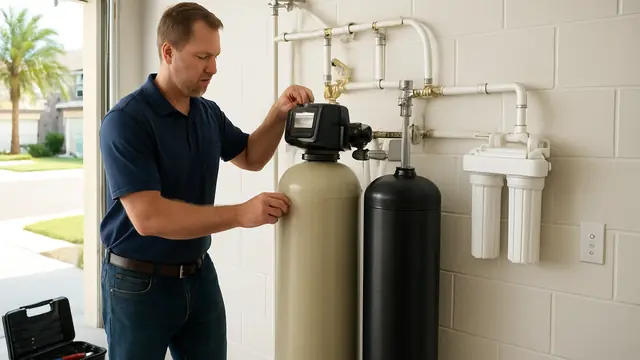
Water heaters and treatment equipment are checked for movement, corrosion, flood exposure, control damage, and safe venting or electrical connections.
Repair Choices From Simple to Extensive
A running toilet may need a flapper, fill valve, or supply connector. A dripping faucet may need an internal repair or replacement shutoff.
A local clog may be removed through the fixture or branch line. Deeper blockages may require mechanical cleaning, camera inspection, or hydro jetting where pipe condition allows.
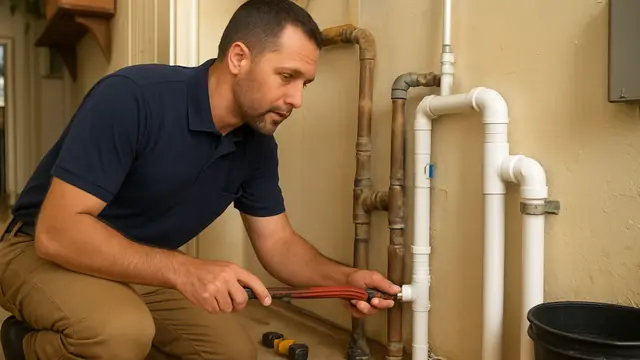
A leaking valve or damaged pipe section can often be replaced locally. Repiping is considered when repeated failures or widespread deterioration support it, not as the automatic first step.
A water heater may be repairable when a valve, connection, or control fails. A leaking tank or flood-damaged safety system generally requires replacement.
Factors That Influence Cost
- Cost depends on accessibility, pipe material, damage location, diagnostic testing, equipment type, and whether walls, cabinets, floors, or exterior surfaces must be opened.
- Wastewater contamination requires different cleanup and safety procedures than clean supply water. Storm demand, parts availability, and emergency access may also affect the work.
- A clear diagnosis should explain what can be repaired and what requires replacement.
Prevention for the Next Storm
- Test accessible shutoffs during routine maintenance rather than for the first time during evacuation. Replace worn connectors and repair running toilets promptly.
- Schedule recurring drain problems before hurricane season. Keep the water heater, cleanout, and main shutoff unobstructed.
- After severe weather, inspect for movement, broken supports, leaks, odors, and contamination before restoring water or power to plumbing equipment.
Complete Your Laguna Beach Hurricane Plumbing Plan Early
A Northwest Florida hurricane plumbing checklist in Laguna Beach should be completed while supplies and professional help are available. Finding a running toilet, weak connector, blocked drain, or unreliable shutoff now can prevent avoidable damage while the property is occupied or vacant.
About this guide: This resource provides general homeowner education, not a remote diagnosis. Actual conditions, code requirements, equipment, and safe repair options must be evaluated at the property.