Stop and call for qualified help when plumbing water is near electrical equipment, sewage is entering occupied space, gas or burning odors are present, or a repair would require opening pressurized piping.
You are watching a tropical system move toward Northwest Florida, and while bringing in patio furniture you notice the toilet bubbles when the washing machine drains. A bathroom sink is also slower than usual. Those symptoms can point to a partially restricted drain or sewer line-the kind of weakness that heavy rain, power loss, and increased household water use can turn into a backup. The safe immediate step is to stop running unnecessary water, locate your main shutoff, and arrange an inspection before conditions worsen.
Common Plumbing Problems That Become Worse During Hurricanes
Several conditions deserve attention before a watch or warning is issued.
One slow drain may be a local clog, but several slow drains can indicate a restriction farther down the system. Gurgling toilets, sewage odors, or water rising in a tub when another fixture drains may point to a main-line problem.
A main water shutoff that is difficult to turn is another concern. If a supply line breaks, you need to stop the flow quickly. A corroded or frozen valve may fail when you need it most.
Water heaters, outdoor faucets, irrigation components, flexible supply lines, and exposed piping should also be checked.
Northwest Florida Hurricane Plumbing Checklist for Bid-A-Wee Homeowners
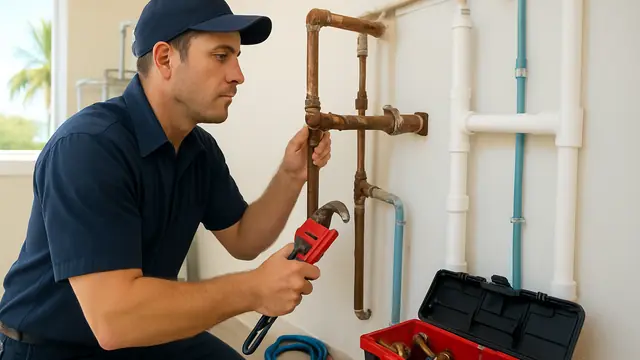
Locate the Main Water Shutoff
Find the valve that controls water to the home. It may be near the meter, where the service line enters the building, or in a utility area.
Turn it only if you know how it operates and it moves without excessive force. Do not use a long wrench to force a stuck valve. That can break the stem or damage the service line. Make sure every adult in the household knows the valve's location.
Check for Active Leaks
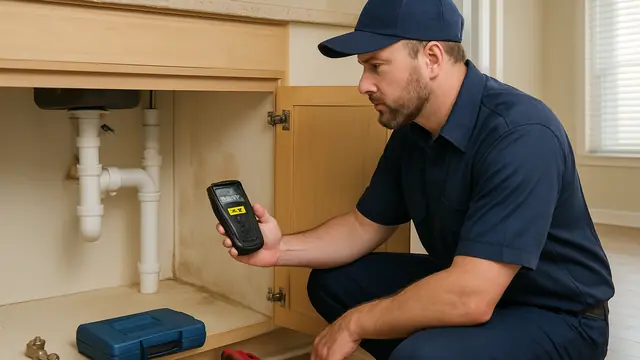
Look beneath sinks, around toilets, near the water heater, behind accessible appliances, and along visible piping.
Watch for damp cabinet floors, stains, swollen wood, rust trails, mineral deposits, or a water meter that continues moving when no fixtures are running. A small leak should be repaired before the storm rather than monitored through it.
Clear Slow Drains
Run water briefly in sinks, tubs, and showers. Flush each toilet once. Water should drain without bubbling in another fixture.
If several drains are slow, avoid chemical drain cleaners. They may not reach a main-line blockage and can create a hazard for anyone who later opens the piping. A plumber may recommend mechanical cleaning, hydro jetting when appropriate, or a sewer camera inspection.
Inspect Toilets and Supply Lines
Confirm that each toilet stops running after flushing. A continuously running toilet wastes water and may be harder to manage if service is interrupted.
Inspect flexible lines at toilets, sinks, and washing machines. Bulging, corrosion, fraying, or moisture around fittings are reasons for replacement.
Protect the Water Heater
Verify that the water heater is not leaking and that its shutoff valve remains accessible. For an electric model, know which breaker controls it. For a gas model, do not turn off the gas unless the utility, emergency officials, or a qualified professional directs you to do so.
A tank-style heater may provide emergency non-drinking water after an interruption, but only if the tank was not exposed to floodwater or contamination.
Disconnect Outdoor Hoses
Remove garden hoses from hose bibs. A connected hose can be pulled by moving objects and damage the faucet or pipe. Secure exposed plumbing accessories where possible, but never cap relief, drain, or vent openings.
Safe Checks You Can Perform
You can safely confirm that fixtures drain, toilets stop running, visible connections are dry, and shutoffs are accessible. Store drinking water in clean, food-safe containers according to official emergency guidance. Water placed in a bathtub can be useful for flushing toilets or cleaning, but it should not be treated as drinking water.
Keep a bucket, towels, flashlight, disposable gloves, and cleanup supplies near the main shutoff.
What Homeowners Should Not Attempt
- Do not climb onto a roof to inspect plumbing vents as weather deteriorates. Do not enter flooded rooms, crawlspaces, or yards where electrical equipment may be energized.
- Do not open a sewer cleanout when wastewater is backing up. Removing the cap can release sewage under pressure.
- Do not force valves, dismantle a water heater, bypass safety controls, or make temporary repairs with materials not designed for pressurized plumbing.
Signs the Plumbing Problem Is Urgent
Stop using water and call for help when sewage enters a tub or shower, wastewater appears around a floor drain, a ceiling stain spreads rapidly, water reaches electrical equipment, a supply line bursts, or you smell gas.
If floodwater enters the home, assume affected fixtures and equipment may be contaminated. Keep people and pets away.
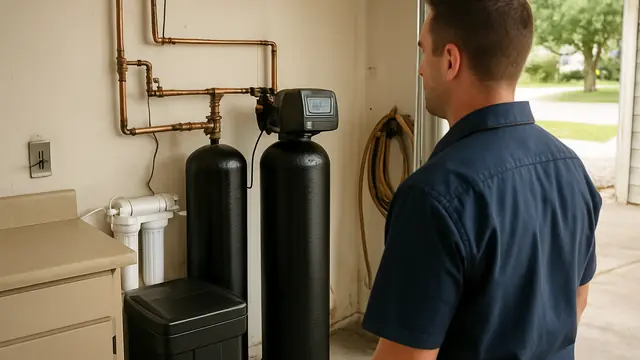
A water heater that has shifted, become submerged, or shows damaged controls should remain off until inspected. The same applies to pumps, softeners, filtration systems, and electrical plumbing controls.
How a Licensed Plumber Diagnoses the Risk
A plumber first determines whether symptoms affect one fixture or the whole home. That distinction helps separate a local clog from a building drain or sewer problem.
The inspection may include water-pressure testing, shutoff operation, supply-line checks, leak detection, and water-heater evaluation. If drainage symptoms suggest a deeper restriction, a camera can identify buildup, damage, offsets, or intrusions inside the sewer line.
After a storm, diagnosis may also include checking for broken exterior lines, contaminated equipment, displaced appliances, and hidden leaks.
Repair Options From Least to Most Invasive
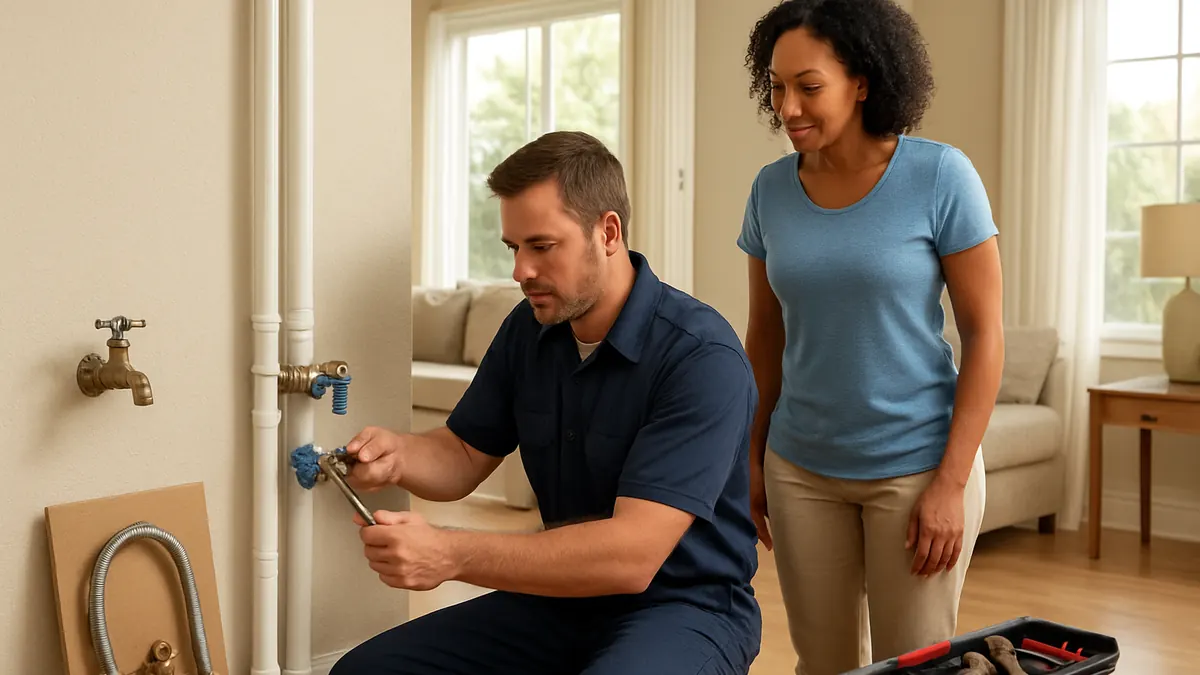
The simplest repair may be replacing a worn connector, toilet flapper, fixture shutoff, or leaking hose bib.
A blocked drain may be cleared mechanically. Hydro jetting may be appropriate when the pipe material and condition can safely withstand it. A defective main shutoff can often be replaced without repiping the home.
Localized pipe damage may be repaired by replacing only the failed section. Larger replacement work becomes appropriate when inspection finds widespread deterioration, repeated failures, extensive storm damage, or equipment that cannot be safely restored.
Factors That Affect Cost
Cost depends on the problem's location, access to the piping, pipe material, labor required, extent of damage, and whether camera inspection or leak detection is needed.
Work involving walls, floors, water heaters, pumps, backflow devices, or filtration equipment can add complexity. Emergency conditions may also affect scheduling and material availability.
A clear diagnosis separates urgent safety repairs from improvements that can be scheduled later.
Prevention and Maintenance
Have slow drains inspected before hurricane season. Replace aging fixture supply lines, label shutoffs, and keep the water-heater area accessible.
After severe weather, look for new damp spots, pressure changes, unusual sounds, or unexpected meter movement. Use plumbing fixtures normally only after local authorities confirm that the water supply is safe.
Keep a simple plumbing map showing the main shutoff, water-heater valve, cleanout, and important equipment.
Make Plumbing Part of Your Bid-A-Wee Hurricane Plan
A Northwest Florida hurricane plumbing checklist in Bid-A-Wee should be completed before weather forces rushed decisions. Slow drains, leaking connectors, unreliable shutoffs, and water-heater problems are easier to correct while conditions are safe.
About this guide: This resource provides general homeowner education, not a remote diagnosis. Actual conditions, code requirements, equipment, and safe repair options must be evaluated at the property.