Stop and call for qualified help when plumbing water is near electrical equipment, sewage is entering occupied space, gas or burning odors are present, or a repair would require opening pressurized piping.
A hurricane watch has been issued, and while checking the house before leaving, you notice the water heater pan is damp and one bathroom toilet keeps refilling. Those symptoms may indicate a small leak, a worn toilet component, or a connection beginning to fail. The immediate safe action is to stop unnecessary water use, place a dry towel around the damp area to see whether moisture returns, and locate the main water shutoff. Do not force a valve that feels stuck.
A hurricane can turn a manageable plumbing issue into major water damage. Power outages, interrupted utility service, wind-driven debris, flooding, and time away from the property can make small weaknesses more serious. A practical Northwest Florida hurricane plumbing checklist in Latitude Margaritaville Watersound helps you identify those weaknesses before conditions limit your options.
Common Plumbing Problems to Find Before the Storm
The most common pre-storm concerns are leaking supply lines, running toilets, slow drains, unreliable shutoff valves, and water-heater problems.
A running toilet can waste water and conceal other meter movement. Several slow drains may signal a restriction in a shared drain or sewer line. A damp water-heater pan may be caused by a loose connection, leaking valve, condensation, or failing tank.
Locate and Check the Main Water Shutoff
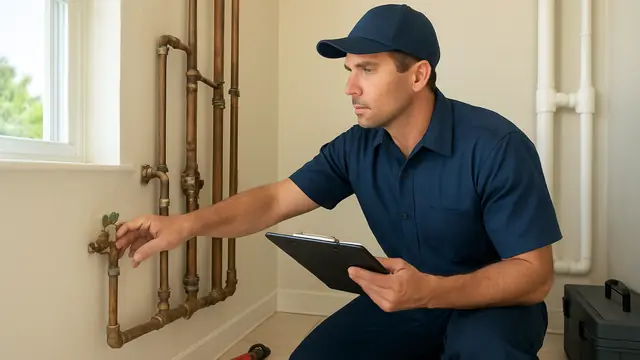
Find the valve controlling water entering the home. It may be near the meter, in a garage or utility area, or where the service pipe enters the building.
Keep the area clear and label the valve so another household member or property caretaker can find it quickly.
A homeowner may gently test a valve that appears to be in good condition. Stop if it is heavily corroded, difficult to move, or begins leaking around the handle. Excessive force can break the valve or pipe.
Before shutting off water for an evacuation, consider whether the home has fire sprinklers, recirculation equipment, treatment systems, or another component that may be affected. A plumber can explain the correct procedure.
Check Toilets, Faucets, and Supply Lines
Flush each toilet once and listen after the tank fills. It should become quiet and remain quiet. Repeated refilling usually means water is leaking past the flapper or through the fill valve.
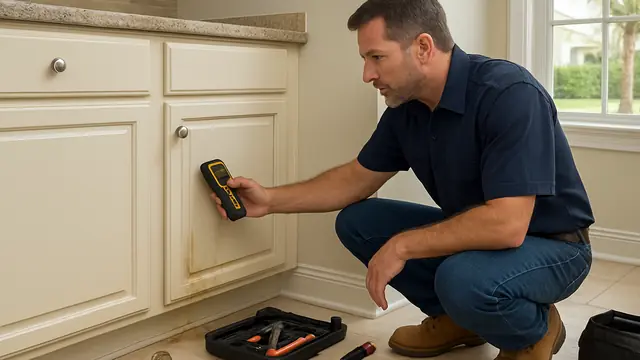
Inspect the supply line behind each toilet and beneath every sink. Look for rust, fraying, bulges, mineral buildup, dampness, or corrosion at the fittings. Check washing-machine hoses and accessible refrigerator or dishwasher lines too.
Inspect the Water Heater
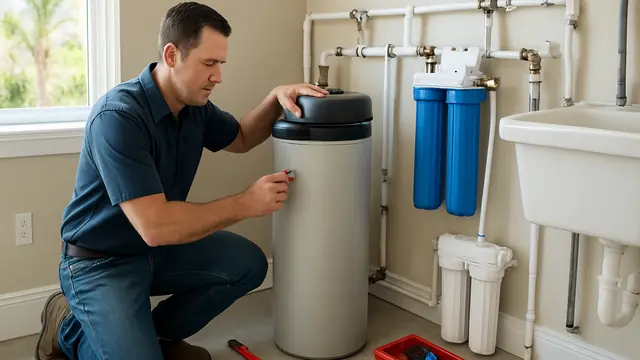
Look beneath and around the heater for moisture, rust streaks, mineral deposits, or corrosion. Check visible connections without touching hot piping.
The temperature-and-pressure relief valve is a safety device. Its discharge pipe must remain open and unobstructed. Never cap or plug it.
For an electric heater, identify the correct breaker. For a gas heater, do not attempt gas-valve adjustments, burner repairs, or relighting after flood exposure. A heater that has shifted, become wet, or shows damaged controls should remain off until inspected.
Check Every Drain for Warning Signs
Run water briefly in sinks, tubs, and showers. Watch how quickly it drains and listen for gurgling.
One slow sink may have a local obstruction. Several slow fixtures, a bubbling toilet, sewage odor, or water rising in a shower when another fixture drains can indicate a deeper blockage.
Do not rely on chemical drain cleaners. They may not reach the obstruction and can leave hazardous liquid in the pipe. A plumber may use mechanical cleaning, a sewer camera, or hydro jetting when the pipe's condition allows it.
Safe Hurricane Plumbing Checks Homeowners Can Perform
- Homeowners can inspect visible plumbing, confirm toilets stop running, check beneath cabinets, observe the water meter, and verify that shutoffs are accessible.
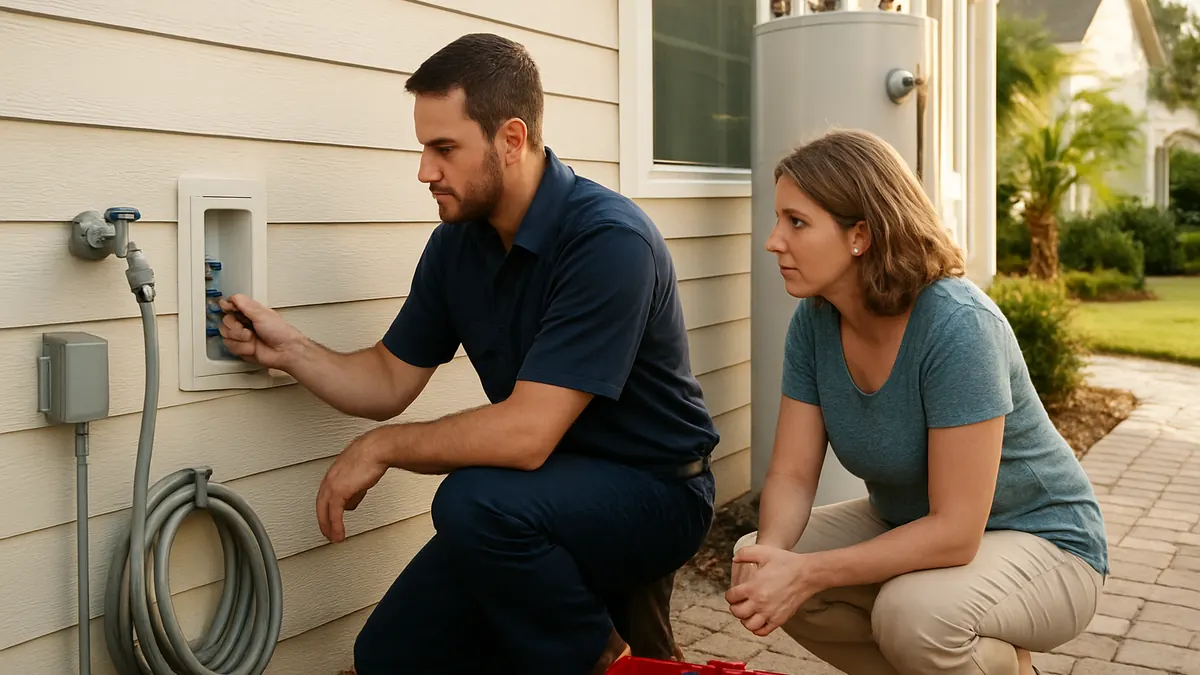
- Disconnect outdoor hoses and store them. A hose pulled by debris can damage the faucet or pipe inside the wall.
- Store drinking water in clean, food-safe containers according to official emergency guidance. Bathtub water may be used for flushing toilets or cleaning, but not for drinking.
What You Should Not Attempt
Do not climb onto the roof to inspect vent pipes. Do not enter flooded rooms, yards, or utility spaces where electrical equipment may be energized.
Do not open a sewer cleanout while wastewater is backing up. The cap may release sewage under pressure.
Avoid makeshift pressure-pipe repairs, gas work, water-heater disassembly, safety-control bypasses, and attempts to force corroded shutoffs. Once wind, lightning, or flooding creates unsafe conditions, stop outdoor work.
Signs the Plumbing Problem Is Urgent
- A problem becomes urgent when water spreads through walls or ceilings, a supply line bursts, sewage enters the home, or water reaches electrical equipment.
- A strong gas odor, hissing near gas piping, or damaged water-heater venting requires evacuation and contact with the appropriate emergency or utility service.
- Stop using all plumbing fixtures if wastewater appears in a shower, tub, toilet, or floor drain. Keep people and pets away.
- Flood-exposed heaters, softeners, filtration systems, pumps, and electrical controls should remain off until inspected.
How a Licensed Plumber Diagnoses Hurricane-Related Risks
The plumber first determines whether the concern involves the pressurized supply, drainage system, water heater, or another piece of equipment.
Supply-side testing may include checking water pressure, isolating fixtures, examining the meter, testing shutoffs, and using moisture-detection equipment.
Drainage diagnosis may include fixture testing, cleanout access, mechanical cleaning, and sewer camera inspection. The camera can reveal buildup, damaged pipe, misaligned joints, or another obstruction.
Repair Options From Least Invasive to More Extensive
A running toilet may need only a flapper, fill valve, or connector. A dripping faucet may need an internal cartridge or seal.
A loose connection, failed fixture shutoff, or small pipe leak can often be repaired locally. Drain problems may be corrected with targeted mechanical cleaning, followed by camera inspection when needed.
Water-heater repairs may involve a valve, connection, thermostat, or heating element. A leaking tank, submerged controls, or extensive corrosion may make replacement safer.
Whole-house repiping or major sewer replacement should be recommended only when inspection shows widespread deterioration or damage.
Factors That Affect Plumbing Repair Cost
Cost depends on the problem's location, access, pipe material, equipment type, diagnostic testing, and extent of damage.
Repairs inside walls, beneath floors, behind cabinets, or outdoors may require additional labor and restoration. Sewage contamination requires different handling than a clean-water leak.
A written diagnosis helps distinguish urgent safety work from improvements that can wait.
Prevention and Maintenance Before the Next Storm
Have recurring slow drains, pressure changes, and unexplained meter movement investigated early. Replace deteriorated supply lines and repair running toilets promptly.
Keep the main shutoff, water heater, and sewer cleanout accessible. After severe weather, check for new stains, damp flooring, shifted equipment, unusual odors, and meter movement before normal water use resumes. Follow public instructions about water safety.
Complete Your Latitude Margaritaville Watersound Hurricane Plumbing Checklist
A Northwest Florida hurricane plumbing checklist in Latitude Margaritaville Watersound should be completed while conditions are calm and professional help is available. Reliable shutoffs, dry connections, clear drains, and functioning equipment reduce the chance that a small defect will become serious storm damage.
About this guide: This resource provides general homeowner education, not a remote diagnosis. Actual conditions, code requirements, equipment, and safe repair options must be evaluated at the property.