Stop and call for qualified help when plumbing water is near electrical equipment, sewage is entering occupied space, gas or burning odors are present, or a repair would require opening pressurized piping.
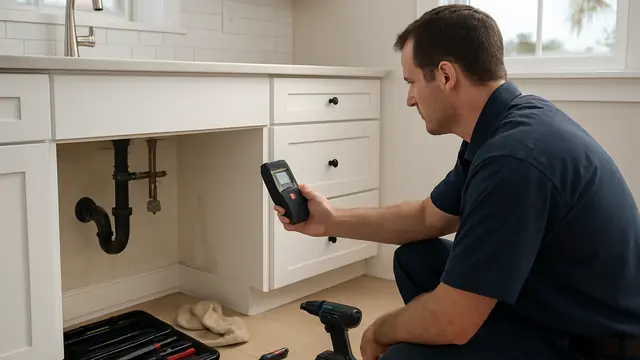
The forecast is worsening, your family is gathering supplies, and you discover a damp spot beneath the kitchen sink. The cabinet floor feels soft, and the shutoff valve will not turn easily. That usually means a supply connection, fixture valve, or drain fitting has been leaking long enough to damage nearby materials. The safest immediate action is to stop using that sink, place a container beneath a minor drip, and avoid forcing the valve. If water is spraying or spreading, close the home's main shutoff and call a plumber.
Why Plumbing Preparation Matters Before a Hurricane
Wind and rain are not the only threats. A storm can interrupt water service, damage exterior piping, expose equipment to floodwater, cut power to pumps, or turn a weak sewer line into a backup.
Complete the Water-Supply Checks First
Find and Label Important Shutoffs
Locate the home's main water shutoff, the water-heater valve, and fixture shutoffs beneath sinks and behind toilets. Label them so another family member can find them in low light.
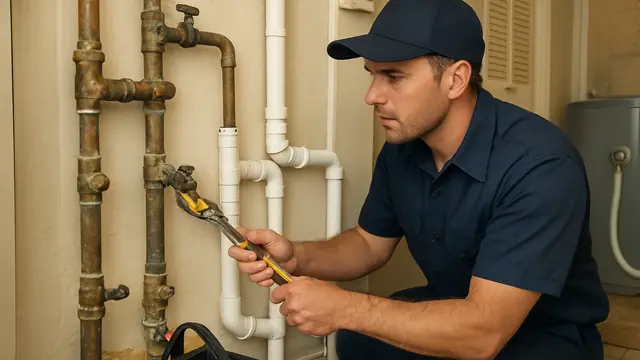
A shutoff should move without extreme force. If it is corroded, leaking around the stem, or frozen in position, do not twist it with an oversized tool. A broken valve can create the emergency you were trying to prevent.
Look for Hidden Water Use
Turn off faucets, appliances, ice makers, and irrigation. Check the water meter, wait without using water, and check it again.
Continued movement can indicate a hidden leak, although some equipment may use water automatically. A plumber can isolate fixtures and test the system if the source is not obvious.
Inspect Flexible Connectors
Examine supply lines serving toilets, sinks, washing machines, dishwashers, and refrigerators where accessible.
Replace connectors that are kinked, bulging, rusted, frayed, or wet around the fittings. These small parts hold full pressure and can release a large amount of water if they fail while the home is vacant.
Check Drainage and Sewer Warning Signs
Run water in one fixture at a time. Watch for slow drainage, bubbling toilets, air noises, or water appearing in a nearby tub.
Several affected fixtures suggest a restriction in a branch drain, building drain, or sewer line rather than one sink trap. Sewage odor combined with gurgling or backups should be investigated before the storm.
If the home uses powered wastewater equipment, such as a sewage ejector or grinder system, remember that it may not operate during an outage unless safe backup power is available.
Inspect the Water Heater and Plumbing Equipment
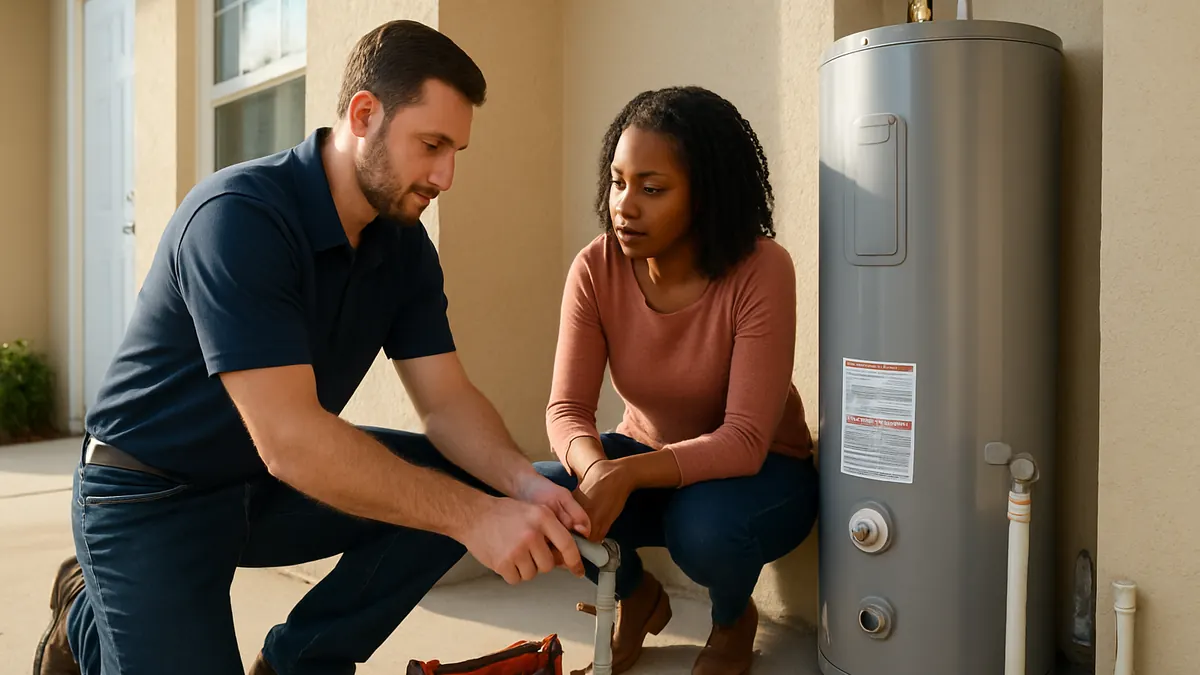
Look around the heater for moisture, rust, corrosion, or staining. Confirm that the temperature-and-pressure relief discharge pipe is intact and unobstructed.
Never cap that pipe. The relief valve is a safety device designed to release dangerous pressure or temperature.
Keep boxes away from the heater and electrical controls. Know which breaker serves an electric unit. For gas equipment, follow utility and emergency instructions rather than turning valves or attempting relighting without guidance.
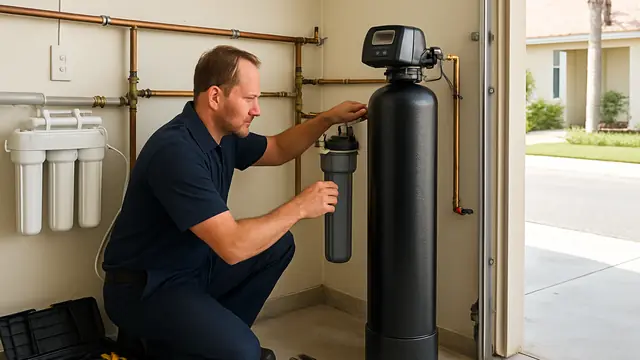
Keep water softeners, filtration systems, pumps, and other plumbing equipment accessible. Photograph their condition before the storm.
Prepare for Water-Service Interruptions
- Store drinking water in clean, food-grade containers according to official emergency guidance.
- Water stored in a clean bathtub or buckets may be used for toilet flushing and basic cleaning, but it should not be treated as drinking water.
- If a boil-water notice is issued after the storm, follow the issuing authority's directions. A household filter does not automatically make unsafe water safe to drink.
Safe Steps Callaway Homeowners Can Perform
Homeowners can check visible piping, verify drainage, test toilets, locate shutoffs, disconnect outdoor hoses, and clear access around equipment.
Keep the plumber's phone number, insurance information, and a written shutoff plan with your storm documents.
What You Should Not Attempt
Do not use caustic drain chemicals on a suspected main-line obstruction. They may remain in standing wastewater and injure anyone who services the pipe.
Do not open a cleanout while sewage is backing up. Do not enter standing water near outlets, appliances, pumps, or the electrical panel.
Avoid do-it-yourself gas work, water-heater control repairs, backflow-device alterations, and improvised generator connections. Never remain outside attempting repairs once wind, lightning, or flooding makes conditions unsafe.
Signs That Require Urgent Action
- Close the main valve when a supply line bursts or uncontrolled water is entering the home, provided the valve can be reached safely.
- Stop using all drains if sewage is coming through a toilet, tub, shower, or floor drain. Keep children and pets away from contaminated areas.
- Water near electrical equipment is an emergency. Leave the area and shut off power only if the proper disconnect can be reached without entering water.
- A strong gas odor, hissing near gas piping, a shifted water heater, or damaged venting requires evacuation and contact with the appropriate emergency or utility service.
How a Licensed Plumber Diagnoses the Problem
The plumber begins with the symptom: supply leak, pressure change, slow drainage, odor, water-heater concern, or equipment failure.
Supply-side diagnosis may include pressure testing, meter testing, valve inspection, moisture detection, and isolating fixtures. Drainage diagnosis may include trap and vent checks, cleanout access, mechanical testing, and sewer camera inspection.
After a hurricane, the inspection may expand to flood contamination, displaced appliances, broken exterior piping, damaged supports, and leaks hidden behind finishes.
Repair Options Beginning With the Least Invasive
A loose drain fitting, worn toilet seal, leaking connector, or failed fixture shutoff may need a focused repair rather than major replacement.
A local clog can often be cleared through the fixture or an accessible cleanout. A deeper restriction may require mechanical cleaning, camera inspection, or hydro jetting when appropriate for the pipe.
A leaking pipe section may be repaired locally if the surrounding system is sound. A damaged main shutoff can often be replaced without replacing all supply piping.
Water heaters and treatment equipment may be repaired when damage is limited. Replacement becomes appropriate when a tank leaks, controls have been submerged, or deterioration makes repair unreliable.
What Affects the Cost?
Cost is influenced by access, pipe material, location of the failure, required testing, equipment type, and the amount of water or contamination damage.
Repairs behind cabinets, beneath floors, inside walls, or outdoors may require additional labor and restoration. Camera inspection, leak-location equipment, permits, replacement parts, and emergency conditions can also affect the scope.
A written diagnosis helps separate immediate protection from work that can be scheduled later.
Maintenance That Reduces Future Storm Risk
Operate accessible shutoffs periodically so problems are discovered before an emergency. Replace deteriorated connectors and repair running toilets promptly.
Have recurring slow drains, pressure changes, and unexplained meter movement investigated. Keep cleanouts and shutoffs visible and accessible.
After the storm, look for shifted equipment, broken lines, new stains, sewage odors, and damp areas before resuming normal water use. Follow public guidance about drinking-water safety.
Finish Your Callaway Hurricane Plumbing Checklist Early
A Northwest Florida hurricane plumbing checklist in Callaway works best when completed before stores are crowded and repair schedules fill. A reliable shutoff, sound connectors, clear drains, and safe equipment give you more control if service is interrupted or the property is damaged.
About this guide: This resource provides general homeowner education, not a remote diagnosis. Actual conditions, code requirements, equipment, and safe repair options must be evaluated at the property.