Stop and call for qualified help when plumbing water is near electrical equipment, sewage is entering occupied space, gas or burning odors are present, or a repair would require opening pressurized piping.
A guest arrives at your Valparaiso vacation rental and reports that the bathroom sink will not drain, the toilet is gurgling, and water is beginning to collect in the tub. What looks like three separate problems may actually be one drainage issue affecting several connected fixtures.
The safest immediate step is to stop using that bathroom. Do not keep flushing or running water to "see if it clears." If sewage is visible, keep everyone away. An accessible shutoff valve serving a leaking fixture may be turned gently, but it should never be forced. When several fixtures react together, professional diagnosis should be arranged promptly.
The most common plumbing problems for vacation rentals in Valparaiso, FL, are usually manageable when the owner responds early. The key is recognizing whether the symptom is isolated or part of a larger plumbing failure.
Why Rental Plumbing Problems Escalate
Plumbing use changes from stay to stay. A partially restricted drain or weakened component may seem normal during light use and fail when several guests use showers, laundry, toilets, and the kitchen close together.
Most Common Plumbing Problems in Valparaiso Vacation Rentals
Multiple Slow Drains or Backups
A single slow sink may have hair, soap, grease, or debris near the fixture. When a toilet gurgles, water rises in a tub, or several drains empty slowly, the restriction may be farther down a shared drain line.
A blockage can force air or wastewater toward another fixture. That is why bubbling or water appearing in a tub should not be dismissed as a simple sink clog.
Toilets That Run, Clog, or Leak
A running toilet may have a worn flapper, failing fill valve, tangled chain, or incorrect tank water level. A toilet that refills every few minutes often has a slow leak from the tank into the bowl.
Clogs may result from excess paper, wipes, hygiene products, or foreign objects. Water around the base may come from the supply line, tank hardware, condensation, a crack, or the seal beneath the fixture.
Leaks Beneath Sinks
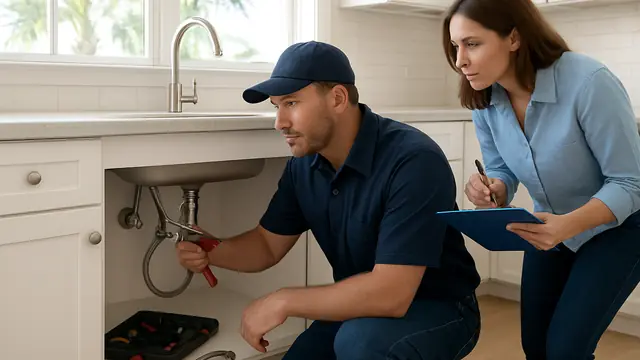
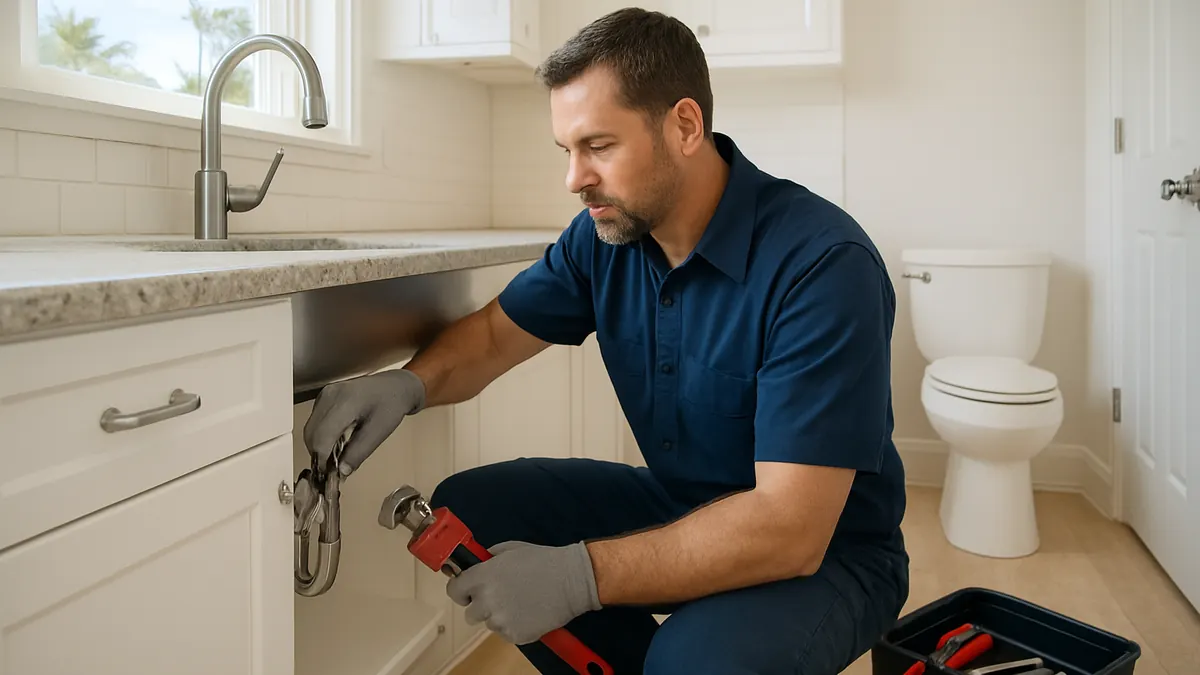
Water under a sink may come from a faucet supply line, shutoff valve, drain connection, trap, disposal, or faucet. A supply leak may continue when the faucet is off, while a drain leak may appear only when water flows through the sink.
Kitchen Sink and Garbage Disposal Trouble
Grease, food scraps, coffee grounds, shells, and fibrous waste can restrict a kitchen drain or jam a disposal. The disposal may hum without turning, stop during use, or leak from its mounting.
Water-Heater Complaints
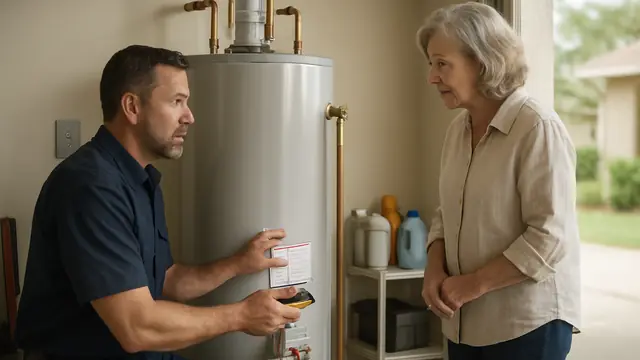
Guests may report that hot water runs out quickly, fluctuates, or is unavailable. Possible causes include a breaker, heating element, thermostat, burner, control, sediment, valve, or demand beyond normal recovery.
If only one shower has poor temperature control, the problem may be the fixture's cartridge or mixing valve rather than the water heater.
Appliance Connection Leaks
Washing machines, dishwashers, refrigerators, and ice makers can leak at supply hoses, valves, drain hoses, or fittings. Water may appear only during a fill or drain cycle.
Guests should not pull heavy appliances away from the wall because doing so may strain a hose, damage flooring, or create an electrical hazard.
Sewer or Drain Odors
A trap is the curved drain section that holds water and blocks sewer gas. A rarely used fixture can develop a dry trap.
Safe Checks the Owner or Manager Can Authorize
Ask which fixture was used first, whether another fixture reacted, and whether the problem is continuous or occurs only during use. Request photographs or a short video.
For a running toilet, lift the tank lid and check whether the chain is caught, the flapper is raised, or water is flowing into the overflow tube. Do not dismantle the fill valve.
Visible hair may be removed from an accessible stopper. A toilet plunger may be used for a simple, isolated clog when the bowl is not overflowing and no chemical cleaner is present.
An accessible shutoff valve may be turned gently. Stop if it is corroded, stiff, or begins leaking.
What Guests and Owners Should Not Attempt
- Do not pour chemical drain cleaners into standing water or combine products. The chemicals may remain trapped and endanger the guest, cleaner, or plumber.
- Do not ask a guest to remove a toilet, loosen drain piping, disconnect an appliance, open a wall, or service a water heater.
- Do not continue using a fixture when water is entering a cabinet, wall, floor, or ceiling.
Signs That Make the Problem Urgent
Prompt service is needed when several drains back up, sewage enters a fixture or room, water cannot be isolated, or moisture is spreading into finished surfaces.
A dripping or bulging ceiling requires caution because more water may be present above the visible area. Keep people away.
Gas odors, burning smells, repeated breaker trips, and water near electrical equipment require immediate attention. The situation is also urgent when the property has no usable toilet, safe bathing fixture, or whole-house hot water.
How a Licensed Plumber Diagnoses the Cause
A plumber determines whether the problem affects one fixture, one room, or the entire system. The inspection may include fixture testing, drain response, visible connections, shutoff valves, pressure, seals, and moisture patterns.
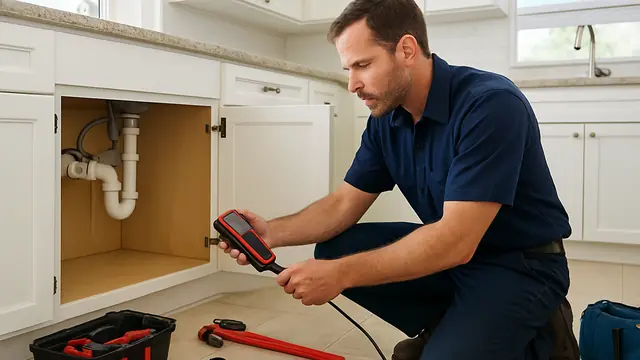
Drain diagnosis may involve professional cable equipment, cleanout access, flow testing, or camera inspection when blockages recur. Leak diagnosis may include fixture isolation, pressure testing, moisture detection, and controlled appliance operation.
Water-heater testing may cover electrical or gas components, controls, valves, temperature, recovery, and tank condition. The goal is to identify the cause rather than apply a temporary fix.
Repair Options From Least Invasive to More Extensive
A small repair may involve replacing a toilet flapper, adjusting a chain, installing a fill valve or supply line, resealing a drain connection, or cleaning an aerator.
A localized clog may be professionally cleared. Repeated backups may require deeper cleaning or camera inspection. A leaking toilet base may need a new seal, mounting correction, or flange repair.
Water-heater problems may be corrected with a thermostat, element, valve, ignition component, or maintenance. Replacement becomes appropriate when the tank leaks, the equipment is unsafe, or repair is no longer dependable.
A concealed leak may require limited access and replacement of a damaged pipe section. Complete piping replacement should be based on broader system condition, not one isolated failure.
Factors That Affect Plumbing Repair Cost
Cost depends on the cause, accessibility, diagnostic time, parts, equipment type, and whether walls, cabinets, floors, or ceilings restrict access.
A visible fixture repair usually requires less work than locating an intermittent concealed leak. Emergency timing, occupied-unit coordination, failed shutoff valves, cleanup, and appliance movement may also affect labor.
Prevention and Maintenance Guidance
Use a turnover checklist requiring actual fixture testing. Flush every toilet and confirm it stops filling. Run each faucet, shower, and tub long enough to verify drainage. Check beneath sinks, around appliances, and near the water heater.
Provide guests with simple instructions about what should not be flushed or placed in the disposal. Make it easy to report a small leak immediately.
Label accessible shutoff valves and document the main water shutoff location. Keep service records by fixture so recurring problems trigger deeper investigation rather than repeated temporary repairs.
Respond Early and Protect the Property
The most common plumbing problems for vacation rentals in Valparaiso, FL, become easier to manage when owners follow a consistent process. Stop using the affected fixture, isolate water only when safe, document what happened, and avoid chemical, electrical, or gas-related risks. A licensed plumber can determine whether the property needs a focused repair, deeper cleaning, or a more extensive correction.
About this guide: This resource provides general homeowner education, not a remote diagnosis. Actual conditions, code requirements, equipment, and safe repair options must be evaluated at the property.