Stop and call for qualified help when plumbing water is near electrical equipment, sewage is entering occupied space, gas or burning odors are present, or a repair would require opening pressurized piping.
You wipe white residue from the kitchen faucet, but it returns within a few days. Meanwhile, the water from the bathroom sink may have a taste or odor you do not like. Those two symptoms can come from different causes, which is why comparing a water softener versus whole house filtration in Valparaiso, FL should start with testing instead of a quick equipment purchase.
The safest immediate step is to make a simple symptom list. Note whether the problem affects hot water, cold water, or both; whether it appears at one fixture or throughout the home; and whether water pressure has changed. Avoid adjusting unfamiliar bypass valves or pouring chemicals into treatment equipment. A softener and a whole-house filter perform different jobs, and the right choice depends on what the water actually needs.
Water Softener Versus Whole House Filtration: The Practical Difference
A water softener primarily reduces hardness minerals, especially calcium and magnesium. These minerals are dissolved in the water, so they pass through many ordinary cartridge filters. Hardness can cause scale on fixtures, cloudy glassware, poor soap performance, and mineral accumulation inside water-using equipment.
A whole-house filtration system treats water before it reaches the home's fixtures. The result depends on the selected media. Sediment filters capture particles. Activated carbon can reduce certain tastes and odors. Other media may target a confirmed water-quality concern.
A conventional softener is not a universal filter. A standard whole-house filter does not automatically soften water. Some homes need one system, some need both, and some need only a local repair or maintenance visit.
Common Symptoms and Their Possible Causes
White Deposits on Fixtures and Glass
Recurring chalky buildup often points toward hardness. The residue appears when water evaporates and leaves dissolved minerals behind. Cleaning the surface removes the deposit but does not remove the minerals from the water.
Soap That Does Not Lather or Rinse Well
Hardness minerals react with soap. Homeowners may use more shampoo, detergent, or dishwashing product and still see film on tubs, dishes, or laundry.
Unpleasant Taste or Odor
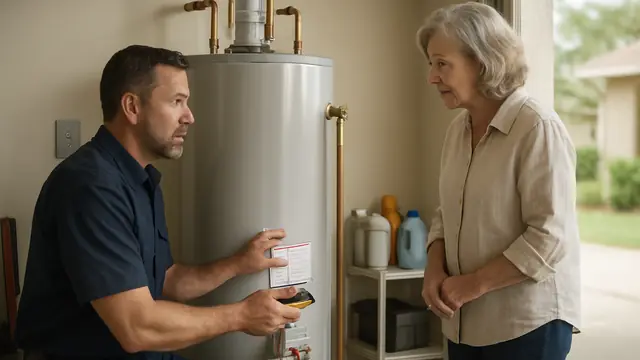
Taste and odor concerns may point toward filtration, but the source matters. The issue could originate in incoming water, a water heater, an old cartridge, a faucet component, or even a nearby drain.
Weak Water Pressure
A clogged filter, undersized housing, partly closed valve, or plumbing restriction can reduce flow. Installing more filters without measuring pressure may make the problem worse.
Safe Checks a Homeowner Can Perform
Fill clear glasses from several cold-water faucets and compare color, particles, taste, and odor. Then compare hot water. A problem that appears only on the hot side may involve the water heater rather than the incoming supply.
Inspect showerheads, faucet bases, dishes, coffee makers, and ice trays for recurring scale. Note how quickly deposits return after cleaning.
Carefully remove a faucet aerator and look for trapped material. Follow the fixture instructions and avoid forcing corroded parts.
If treatment equipment is already installed, record the model, control display, salt level, cartridge date, bypass position, and visible leaks. Do not change settings simply to experiment.
What the Homeowner Should Not Attempt
Do not pour bleach, acid, descaler, or other household chemicals into plumbing or treatment tanks unless the equipment manufacturer and a qualified professional specify the procedure.
Do not connect a softener drain directly to a waste line without a proper air gap. Do not set hardness or regeneration frequency by guesswork.
Signs That Make the Water Problem Urgent
Gradual scale and spotting usually allow time for testing. A sudden whole-house change in color, clarity, taste, or odor deserves prompt evaluation.
Avoid using water for drinking or cooking when there is an unexplained chemical, fuel-like, sewage-like, or oily characteristic until appropriate guidance is obtained.
Call promptly when a filter housing cracks, a treatment tank leaks, a softener runs continuously to the drain, or water pressure drops sharply. Water near electrical controls or appliances creates an added hazard.
How a Licensed Plumber Diagnoses the Correct Treatment
A licensed plumber begins by determining whether the complaint is fixture-specific or whole-house, hot or cold, and sudden or gradual.
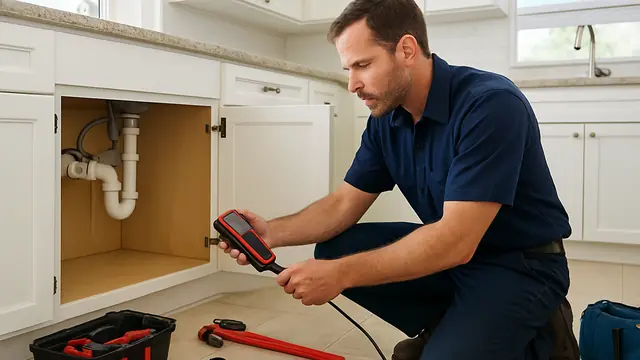
The inspection may include water pressure, flow, scale, sediment, faucet aerators, plumbing materials, the water heater, filter housings, softener settings, bypass valves, and drain connections.
Water testing then confirms what visual clues cannot. Hardness results help determine whether softening is appropriate and how equipment should be sized. Depending on the symptoms, additional testing may be recommended for iron, pH, sediment, taste, odor, or another concern.
Options Beginning With the Least Invasive Reasonable Step
Correct a Local Fixture Problem
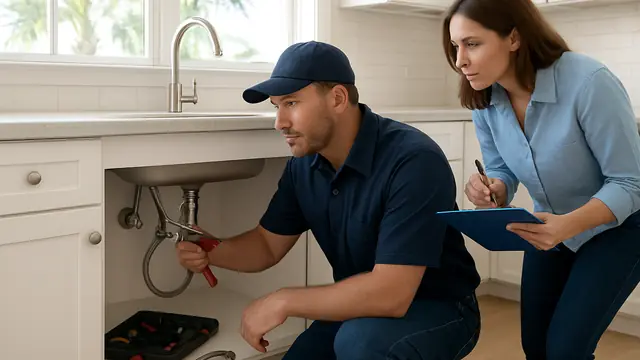
If only one faucet has odor, sediment, or poor flow, cleaning an aerator, replacing a local cartridge, servicing the faucet, or correcting a nearby drain issue may solve the complaint.
Service Existing Equipment
A softener may need salt, corrected programming, salt-bridge removal, or valve service. A filter may need a new cartridge or media replacement.
Add Point-of-Use Filtration
When the concern is limited to drinking and cooking water, a selected point-of-use system may be more practical than treating every gallon entering the home.
Install Targeted Whole-House Filtration
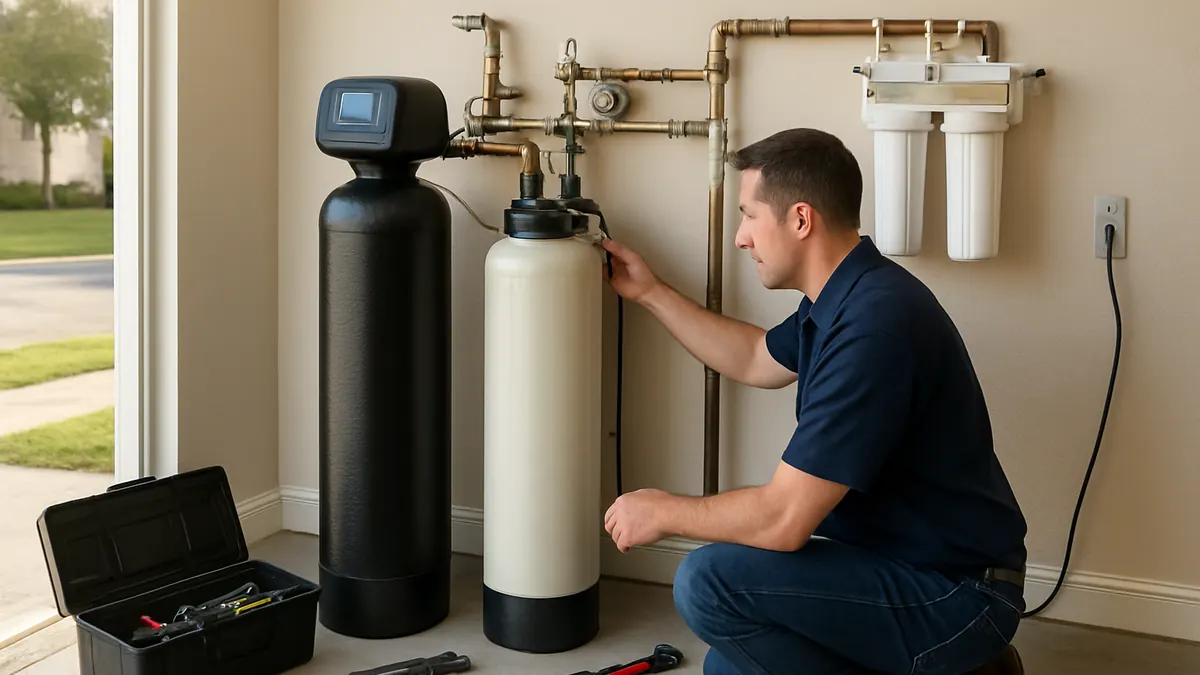
If testing confirms a concern that should be treated throughout the home, a correctly sized whole-house filter may be appropriate. The media should have a clearly defined purpose.
Install a Water Softener
When measured hardness is causing scale and cleaning problems, a properly sized softener can reduce those minerals and improve soap performance.
Combine Filtration and Softening
If hardness and a separate filtration concern are both confirmed, the treatment plan may use more than one stage. The order should be designed to protect downstream equipment while preserving usable pressure.
Typical Factors Affecting Cost
Cost depends on testing, treatment goal, system capacity, flow rating, media, controls, installation space, plumbing modifications, drain access, electrical requirements, and existing equipment.
Ongoing costs include salt, cartridges, replacement media, regeneration water, and service. Compare long-term ownership and maintenance, not only the initial equipment price.
Prevention and Maintenance Guidance
- Keep water-test results, model information, settings, and service dates together. Label bypass valves and maintain clear access around the equipment.
- Check salt levels according to manufacturer instructions and watch for a hardened salt bridge. Replace filter cartridges before severe restriction develops.
- Inspect housings, drain tubing, valves, and connections for leaks. Retest when symptoms change, plumbing is altered, or treatment performance declines.
Choose the System That Matches the Confirmed Need
The right answer to water softener versus whole house filtration in Valparaiso, FL depends on the symptom and the test results. Scale, spotting, and poor soap performance usually point toward hardness treatment. Taste, odor, sediment, or a confirmed unwanted substance may call for filtration. A problem at one fixture may need only a local repair.
A licensed evaluation should explain what was found, what each component will reduce, how the system will affect pressure, and what maintenance it requires. That gives you a practical treatment plan instead of an expensive guess.
About this guide: This resource provides general homeowner education, not a remote diagnosis. Actual conditions, code requirements, equipment, and safe repair options must be evaluated at the property.