A new air conditioner should do more than lower the temperature near the thermostat. It should keep bedrooms comfortable, remove moisture, move air quietly, and handle a long Florida cooling season without unnecessary strain. In Shalimar, those goals depend on planning for the house as carefully as selecting the equipment.
A Superior Mechanical provides air conditioning installation in Shalimar, FL for homes, vacation rentals, and commercial properties. Whether you are replacing an unreliable system or planning a remodel, understanding sizing, airflow, and humidity helps you make better decisions before installation day.
Shalimar's Coastal Climate Changes the Priorities
Warm weather and persistent humidity make air conditioning a daily necessity for much of the year. Around Shalimar and Choctawhatchee Bay, coastal exposure can also bring salt deposits that accelerate corrosion on outdoor units. Thunderstorms add heavy rain, windblown debris, and potential power interruptions.
Inside, the challenge varies by property. Older homes may have leaky ductwork, limited return air, or insulation gaps. Newer homes can have tighter envelopes but still need properly managed ventilation and moisture control. Remodels and additions change cooling needs, especially when glass area or ceiling height increases.
Local HVAC service matters because installation decisions must account for these conditions. Homeowners searching for an HVAC company near me should look for a contractor who evaluates the building, rather than simply replacing the old condenser with another unit of the same size.
Start With the House, Not the Old Equipment Label
Calculate the cooling load
The existing system's tonnage is useful background, not proof of what your home needs today. A load calculation considers square footage, windows, insulation, orientation, air leakage, and other building details. Changes made since the previous installation can significantly affect the result.
Oversized equipment may cool the house quickly and shut off before removing enough moisture. Undersized equipment may struggle during peak heat. Long cycles alone do not prove that a system is undersized, though. Properly selected equipment may run steadily during extreme conditions, especially when using variable capacity operation.
Explain how each room actually feels
Tell the installer about a warm back bedroom, a damp closet, or a sunroom that becomes uncomfortable by noon. Those details can reveal duct restrictions, solar heat gain, or return air problems that a new outdoor unit will not solve by itself.
For homeowners comparing ac installation near me options, a useful proposal should explain the sizing approach and the work needed beyond equipment replacement. Model numbers, matched components, duct modifications, permits, and startup testing should be clearly identified.
Airflow Is Part of the Installation, Not an Afterthought
The air handler, evaporator coil, ductwork, and vents operate as one system. If ducts cannot carry the required airflow, even efficient equipment can leave rooms uncomfortable. High resistance can increase blower energy use, while inadequate airflow can contribute to a frozen evaporator coil.
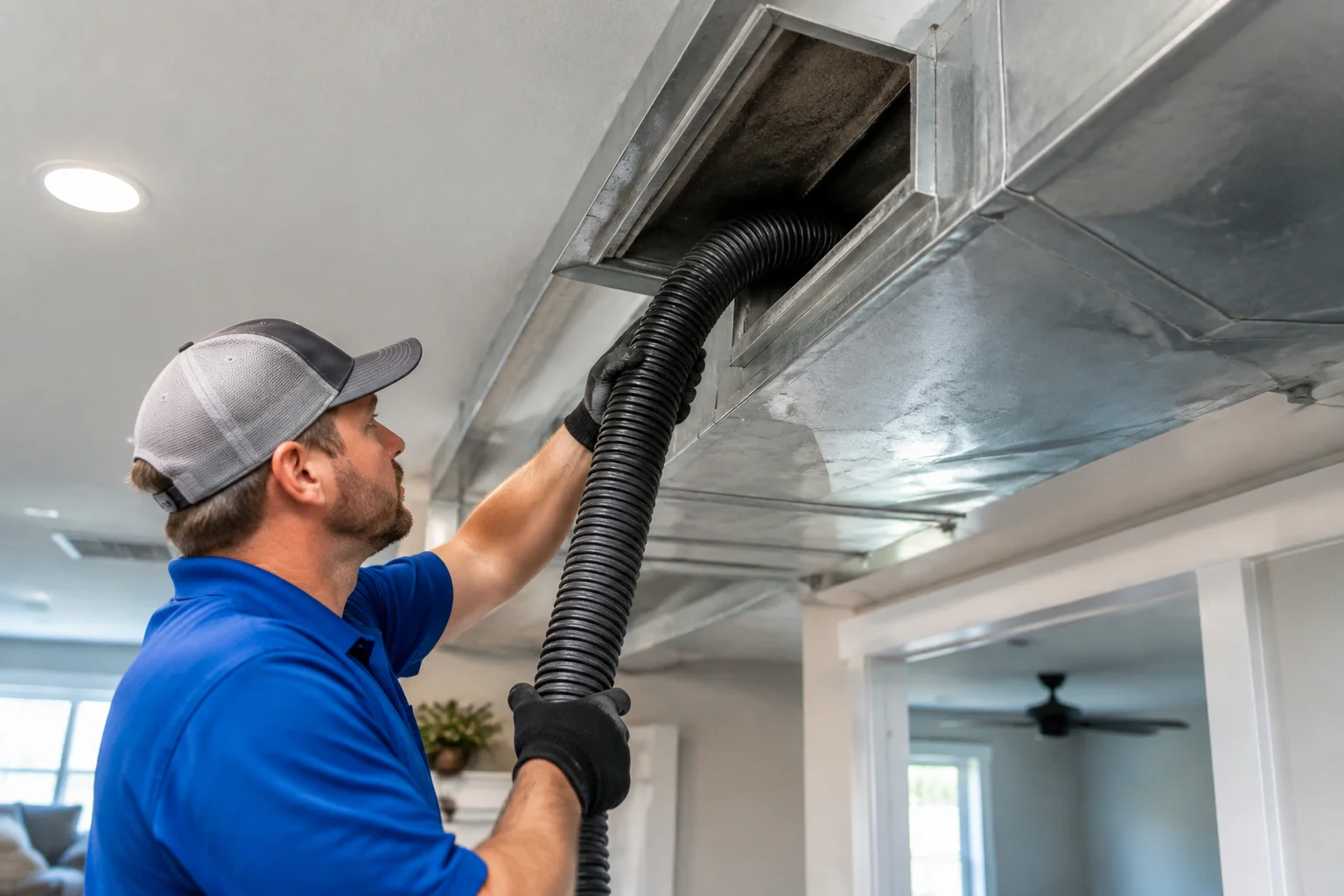
Before installation, have accessible ducts checked for disconnected sections, crushed flexible runs, damaged insulation, and leakage. Supply leaks can waste cooled air in the attic. Return leaks can draw hot, humid, dusty air into the system and affect indoor air quality.
Correct restrictions before increasing equipment size
Ductwork repair, duct sealing, or a properly designed return path may solve a comfort problem more effectively than adding cooling capacity. A closed bedroom door can restrict circulation when the room has no adequate return path. Simply installing a larger register does not necessarily correct an undersized duct.
Ask whether the installer will measure static pressure and verify airflow against equipment requirements. Keep furniture away from returns and supply vents. Avoid closing multiple vents to redirect cooling, since that can increase system resistance instead of improving room balance.
Humidity Control Deserves Its Own Conversation
A home can reach the thermostat setting and still feel sticky. Lingering dampness, musty odors, or condensation on cool surfaces deserve investigation. Possible causes include oversized equipment, duct leakage, outdoor air infiltration, drainage problems, or indoor moisture sources.
Many homes feel comfortable with relative humidity around 40 to 50 percent, although achievable conditions vary. Keeping indoor humidity below 60 percent generally helps reduce conditions favorable to mold growth. A separate humidity monitor can show whether discomfort is a temperature issue or a moisture issue.
Match the solution to the moisture source
Variable capacity or two-stage systems can support longer cooling cycles at reduced output when properly selected and configured. They do not automatically fix moisture entering through building leaks. Some properties benefit from a whole-home dehumidifier, especially when moisture remains high during mild weather with little cooling demand.
Use the thermostat's automatic fan setting unless your contractor recommends another strategy. Continuous fan operation can re-evaporate moisture from a wet coil in some systems. Bathroom exhaust, kitchen ventilation, and a clear condensate drain also support moisture control without relying on a lower temperature setting.
Choose Equipment Around the Way You Use the Property
Central air conditioners and heat pumps
Central air conditioning is often practical where suitable ducts already serve the house. A heat pump provides cooling and heating, making it worth considering in Shalimar's generally mild winters. Selection should include heating performance, backup heat requirements, and controls, not just summer efficiency.
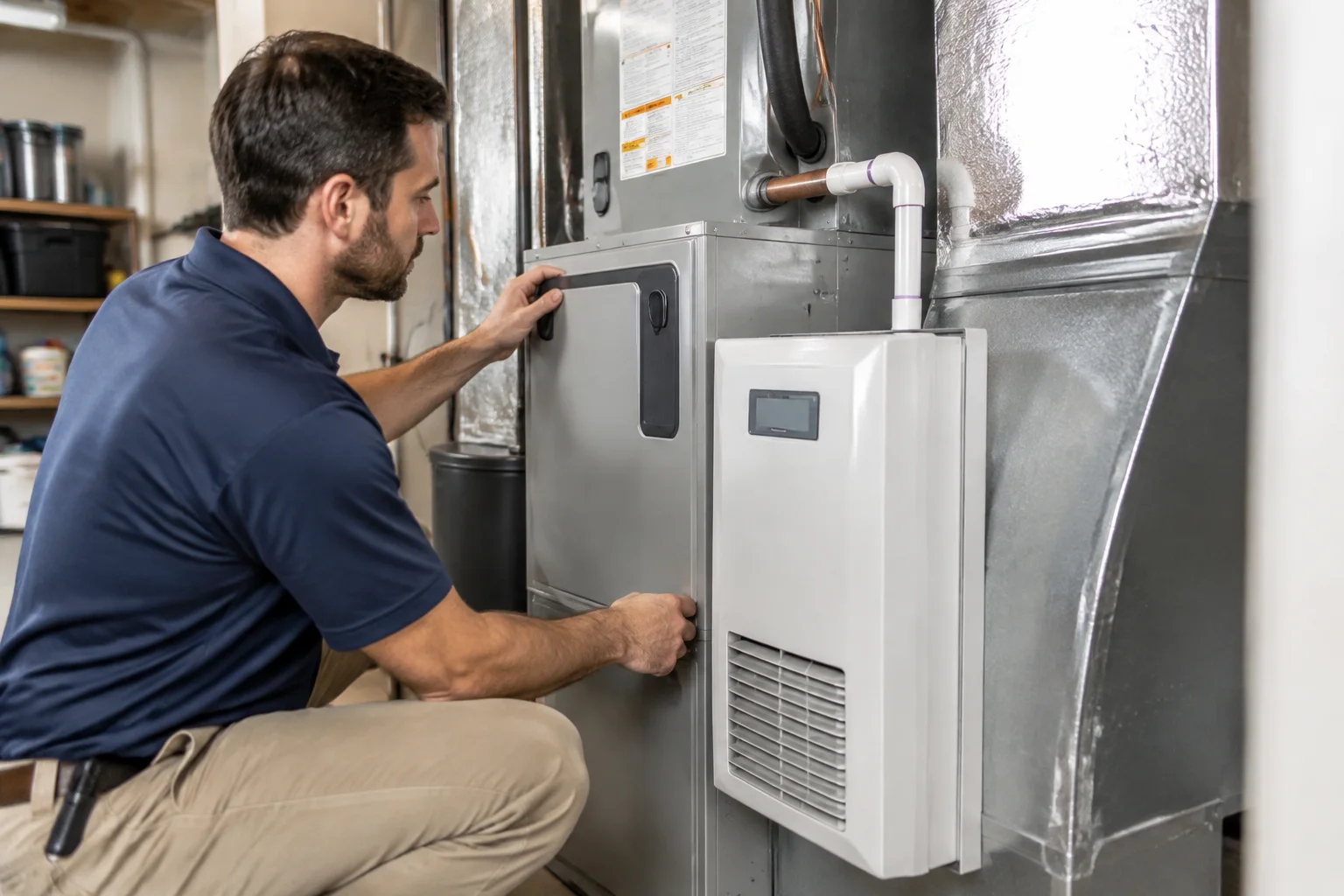
If your home has a furnace, the new cooling equipment must be compatible with its blower and controls. Existing heating repair needs should be addressed during planning. Furnace service or heat pump repair may remain appropriate when the equipment is sound, rather than replacing everything automatically.
Reviewing air conditioning systems available for Shalimar properties can help you compare options against your comfort goals and budget.
Ductless options for additions and difficult rooms
Ductless mini splits can be useful for additions, converted garages, or rooms where extending ducts is impractical. They still require proper sizing, refrigerant piping, drainage, and service access. Adding a mini split does not eliminate the need to investigate problems affecting the rest of the house.
For a new build or major expansion, coordinate new construction air conditioning early. Duct routes, return locations, and equipment space are easier to get right before walls and ceilings are finished.
Give Outdoor Equipment a Practical Coastal Location
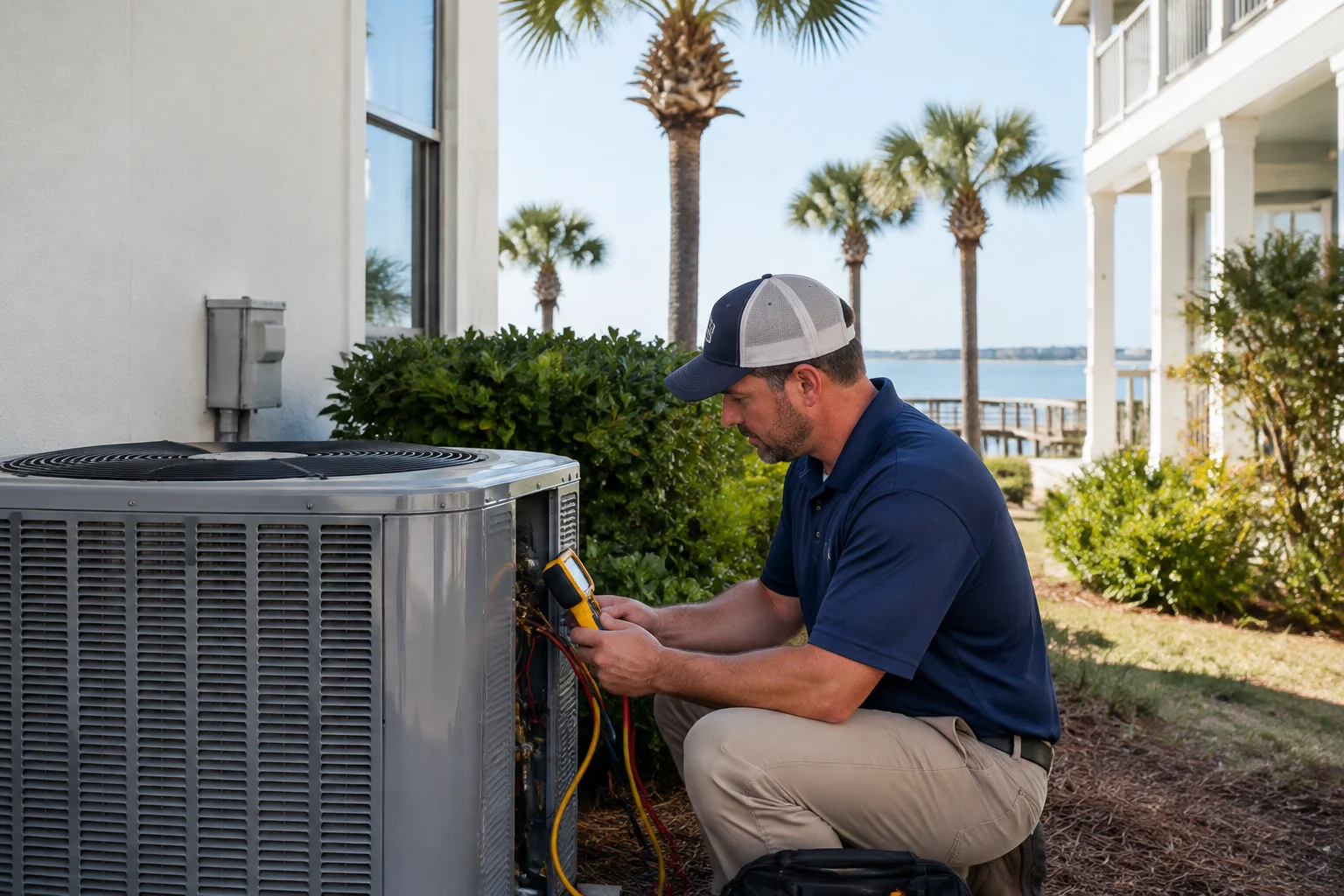
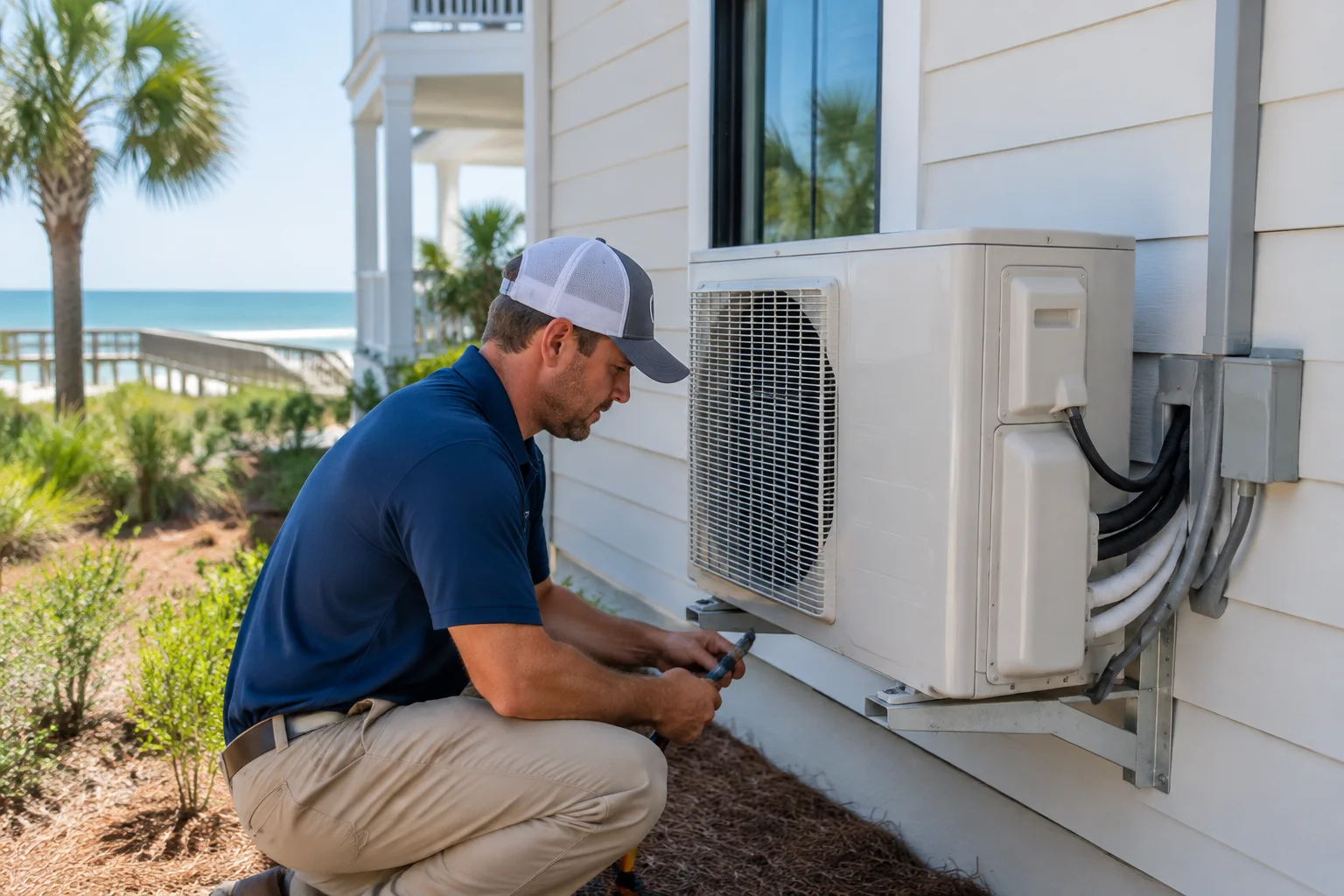
Condenser placement affects performance and maintenance access. Outdoor units need manufacturer-specified clearances so they can release heat freely. Shrubs, storage bins, and decorative screens should not block airflow. A tight enclosure can make the unit work harder even if it looks attractive.
Salt air deserves attention, particularly on exposed properties. Ask about manufacturer-approved corrosion protection and cleaning recommendations. No finish makes equipment immune to coastal deterioration. Avoid pressure washing coils or applying unapproved chemicals, which can damage fins and protective surfaces.
The installation should also address a stable equipment base, required anchoring, drainage, and applicable flood or wind requirements. Keep roof runoff and standing water in mind. After storms, inspect from a safe distance for debris, displaced equipment, or damaged lines before restarting a questionable system.
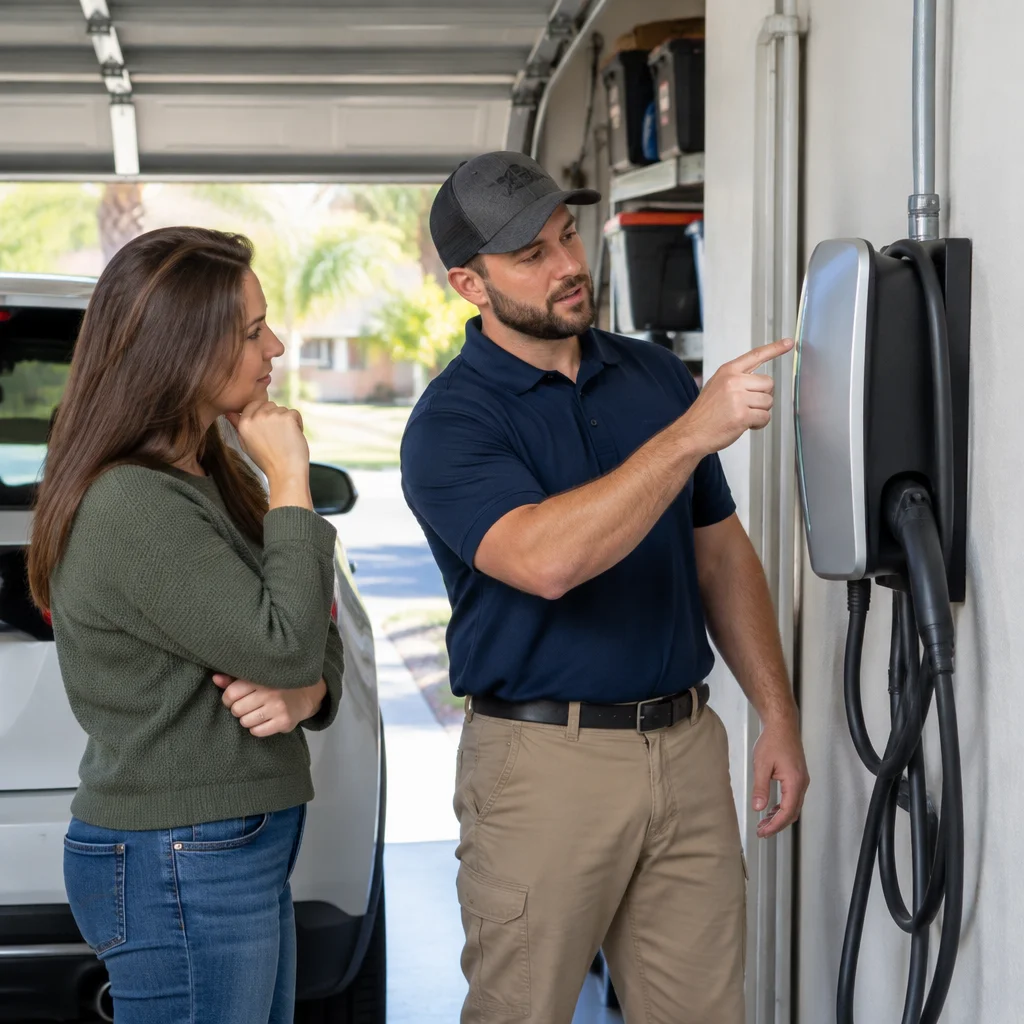
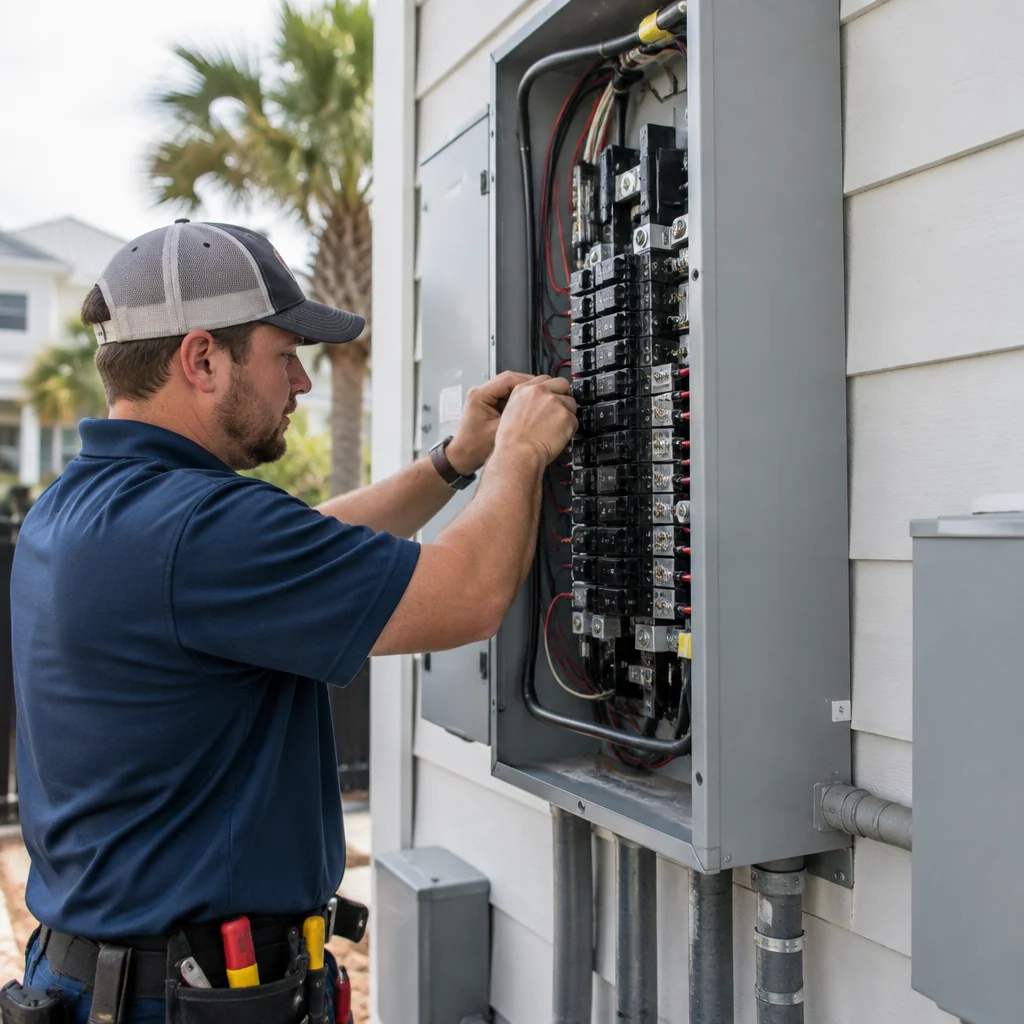
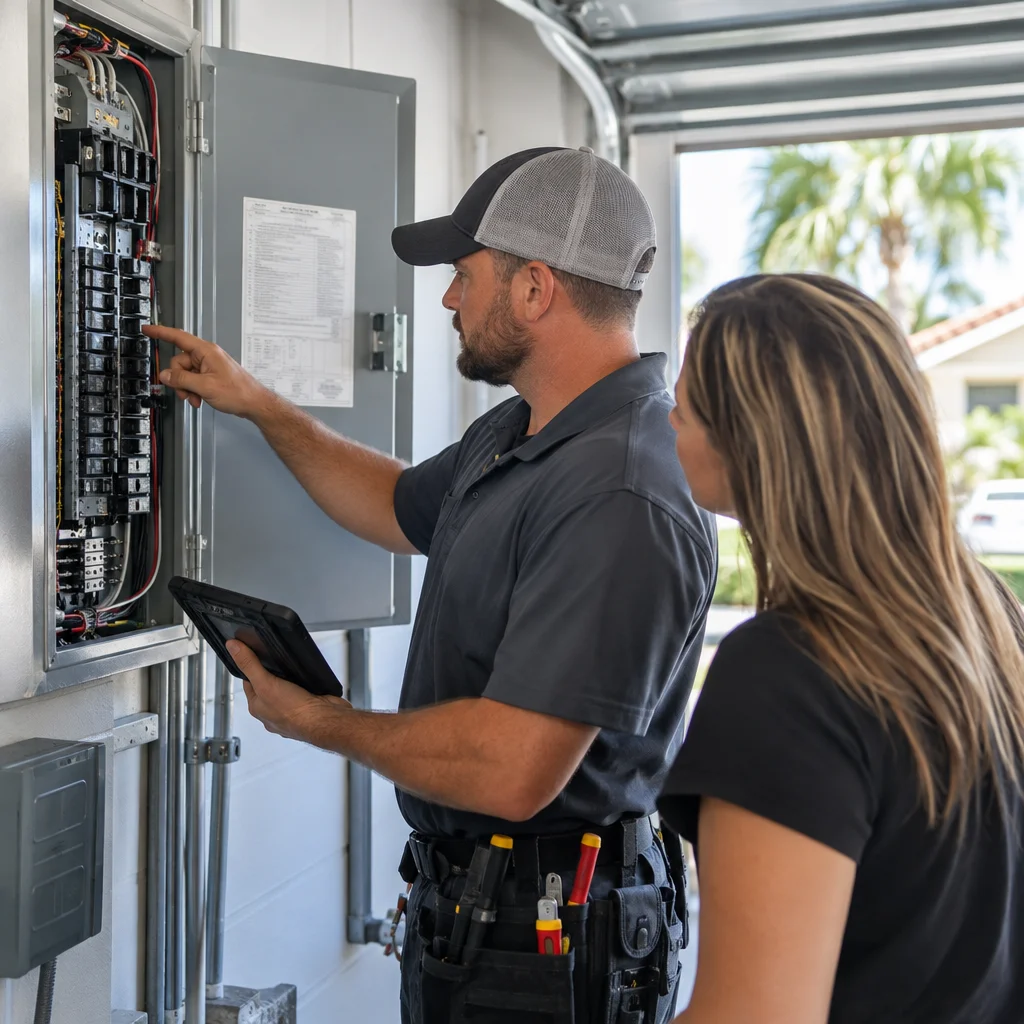
If a remodel requires changes to the supporting electrical infrastructure, this Shalimar guide to electrical planning offers useful background. HVAC equipment still needs its own properly designed installation and commissioning.
The Details That Make Installation Day Count
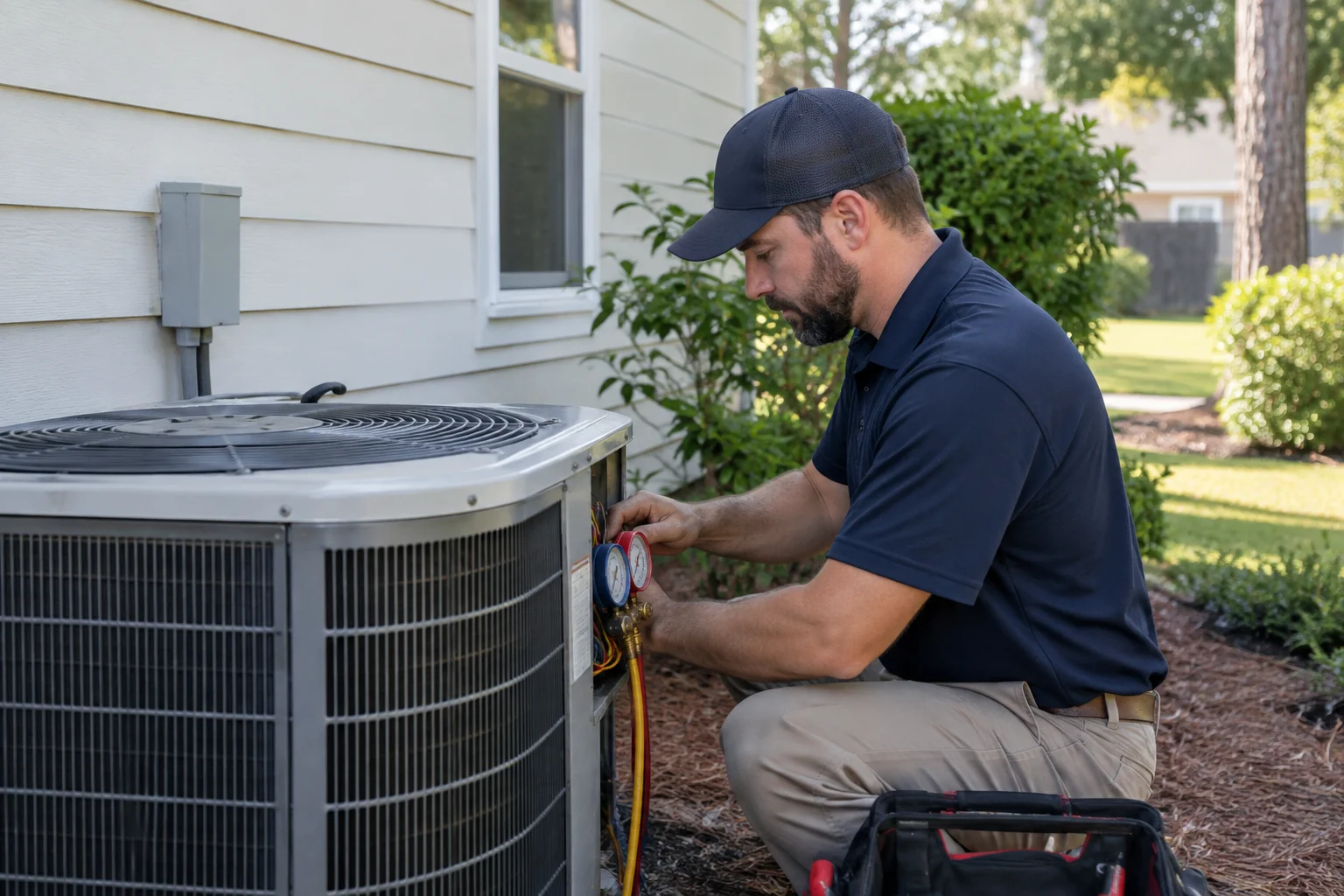
A quality installation involves more than setting equipment in place. The outdoor condenser and indoor evaporator coil need to be an approved match. Refrigerant lines must be evaluated for condition, sizing, and compatibility with the new system and its refrigerant.
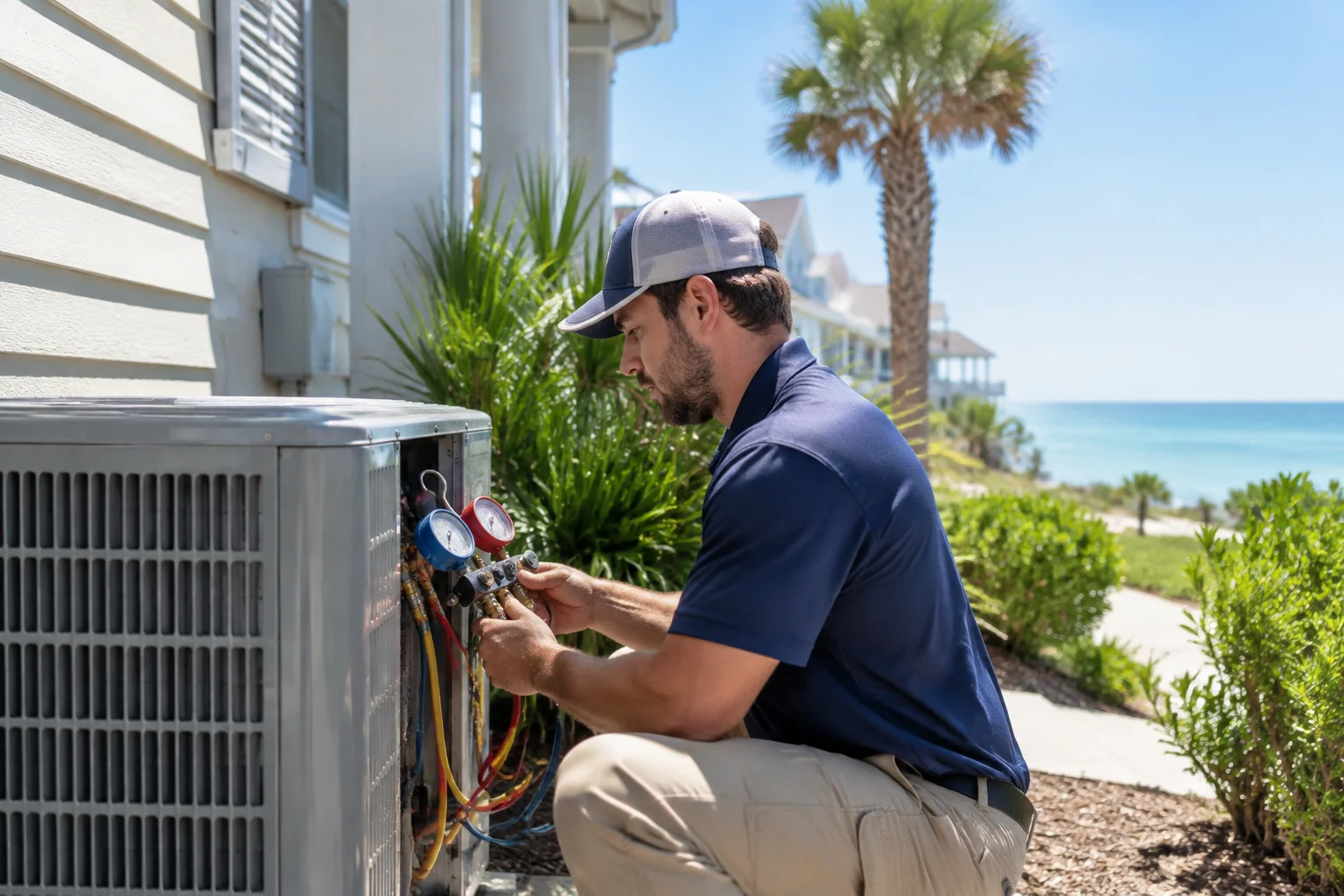
Technicians should follow manufacturer procedures for leak testing, evacuation, and refrigerant charging. Refrigerant leaks should be located and repaired, not treated as a routine need for repeated top-offs. Proper refrigerant handling requires qualified professionals.
Condensate drain lines need a suitable route, appropriate trapping where required, and reliable drainage. Where applicable, a secondary drain pan and overflow safety device help protect ceilings and floors. Ask the installer to demonstrate how the system responds if drainage becomes blocked.
Thermostat installation also requires attention. Placement near direct sun, a supply vent, or a hot exterior door can distort temperature readings. Smart thermostats must support the equipment's staging, heat pump functions, and communication requirements. Before the crew leaves, request an explanation of controls, filter access, maintenance needs, and warranty registration responsibilities.
Protect Efficiency With Habits That Fit Florida Living
Higher SEER2 ratings indicate greater cooling efficiency under standardized testing, but actual energy use depends on installation, weather, thermostat settings, and the building. Compare operating features and expected benefits rather than choosing by the efficiency label alone.
Check filters monthly and replace them according to condition and manufacturer guidance. Choose filtration that the blower and filter cabinet can accommodate. An overly restrictive filter can reduce airflow; a properly sized media air cleaner may provide improved filtration without the same pressure penalty.
Air cleaners can reduce certain airborne particles, but they do not replace moisture control or fix mold sources. For allergy concerns, discuss filter performance, cabinet sealing, and system airflow together. Indoor air quality improves most when the source of the problem is addressed.
Schedule HVAC maintenance before the busiest cooling period when possible. Coil condition, drain lines, electrical connections, blower operation, and refrigerant performance all deserve periodic attention. Vacation rentals also need a practical filter and thermostat routine between occupancies, especially during heavy summer use.
Separate Repairable Problems From Replacement Needs
A blocked drain, failed component, or isolated duct problem does not automatically justify a complete replacement. Homeowners searching for ac replacement near me should ask how repair cost, equipment condition, reliability, and comfort limitations compare with installation.
Replacement becomes more compelling when major failures combine with corrosion, repeated refrigerant leaks, or an inability to maintain comfort after airflow and maintenance issues have been addressed. There is no single age that makes replacement mandatory.
Some symptoms require immediate action. Shut cooling off if ice develops on the coil or refrigerant lines, and do not chip it away. Water near the air handler, repeated breaker trips, or unusual burning odors also warrant prompt professional attention. For smoke or fire, leave the area and call emergency services.
If you are searching for emergency hvac repair near me during a Shalimar heat wave, mention vulnerable occupants and whether cooling has stopped entirely. Never keep resetting a breaker or operating equipment that appears unsafe.
Plan Before Peak Season Makes the Decision for You
Spring planning gives you time to compare equipment, correct duct problems, and discuss humidity before seasonal demand rises. A detailed assessment is especially helpful before a remodel, rental turnover, or replacement of an increasingly unreliable system.
Contact A Superior Mechanical to discuss your home's cooling needs and installation options. Explore HVAC service in Shalimar or the company's Okaloosa County service area. Bring your comfort concerns, repair history, and renovation plans so the conversation starts with how the property actually performs.
Find Air Conditioning Installation in Shalimar, FL
If you need Air Conditioning Installation in Shalimar, FL, visit our local service page or contact A Superior Mechanical today.
Map of Shalimar, FL
Frequently Asked Questions
How is the right air conditioner size determined for a Shalimar home?
A contractor should use a cooling load calculation that accounts for the home's size, insulation, windows, orientation, air leakage, and other building details. The existing unit's tonnage and square footage alone are not enough. Duct capacity and room airflow also need evaluation.
Will a new air conditioner fix high indoor humidity?
Properly sized and configured equipment can improve moisture removal, but replacement alone may not solve the problem. Leaky ducts, outdoor air infiltration, drainage issues, and indoor moisture sources should also be checked. Some homes benefit from separate dehumidification during mild, humid weather.
Does existing ductwork need replacement with a new AC system?
Not necessarily. Ductwork in good condition that can support the new system's airflow may remain in service. Leaking, damaged, poorly insulated, or undersized sections may need sealing, repair, or replacement. An inspection and airflow evaluation help identify the appropriate scope of work.
Related Articles
- Keeping Water Where It Belongs: A Shalimar Guide to Waterline Care
- Spotted Glasses to Better Coffee: Reverse Osmosis in Shalimar Homes
- A Smarter Electrical Blueprint for Shalimar Homes: Panels, Wiring, Outlets, and Prevention
- Better Everyday Water Starts With the Right Purification Setup in Shalimar
Photo Gallery