A kitchen remodel, a new electric vehicle, or a breaker that keeps tripping can reveal the same underlying problem: your home's electrical system no longer matches how you use it. In Bid-A-Wee, FL, that planning also needs to account for humid air, coastal exposure, and storms that can affect outdoor equipment and utility power.
Good electrical work starts with the whole system, not just the component causing trouble. A Superior Mechanical provides circuit breaker panel upgrades and rewiring in Bid-A-Wee, helping homeowners address current problems while planning for future demand. Understanding how panels, circuits, wiring, and outlets work together makes those decisions easier.
Start with the electrical demand your home actually has
Older homes may have electrical layouts designed before today's collection of kitchen appliances, electronics, and charging equipment. Newer homes can also need changes when owners add a pool, convert a garage, or install an EV charger. A newer panel does not automatically mean every planned addition will fit.
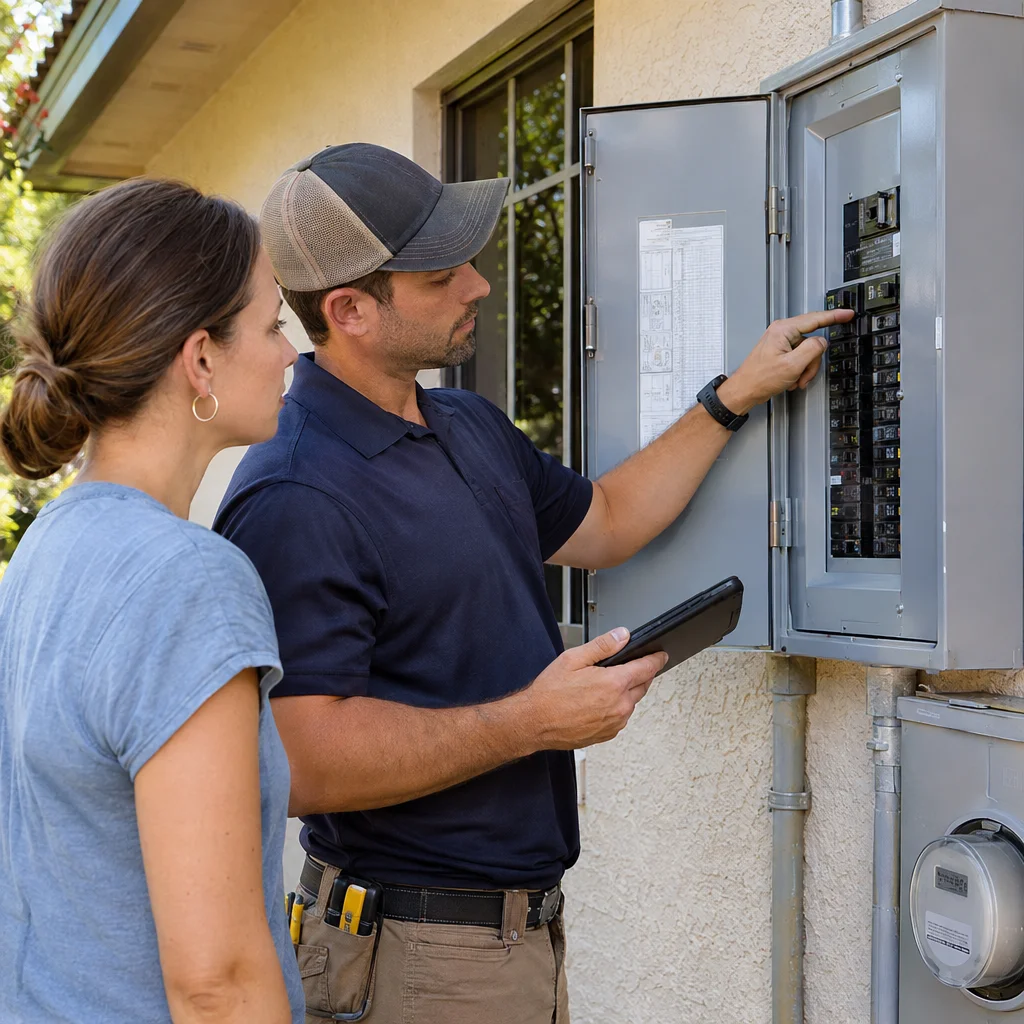
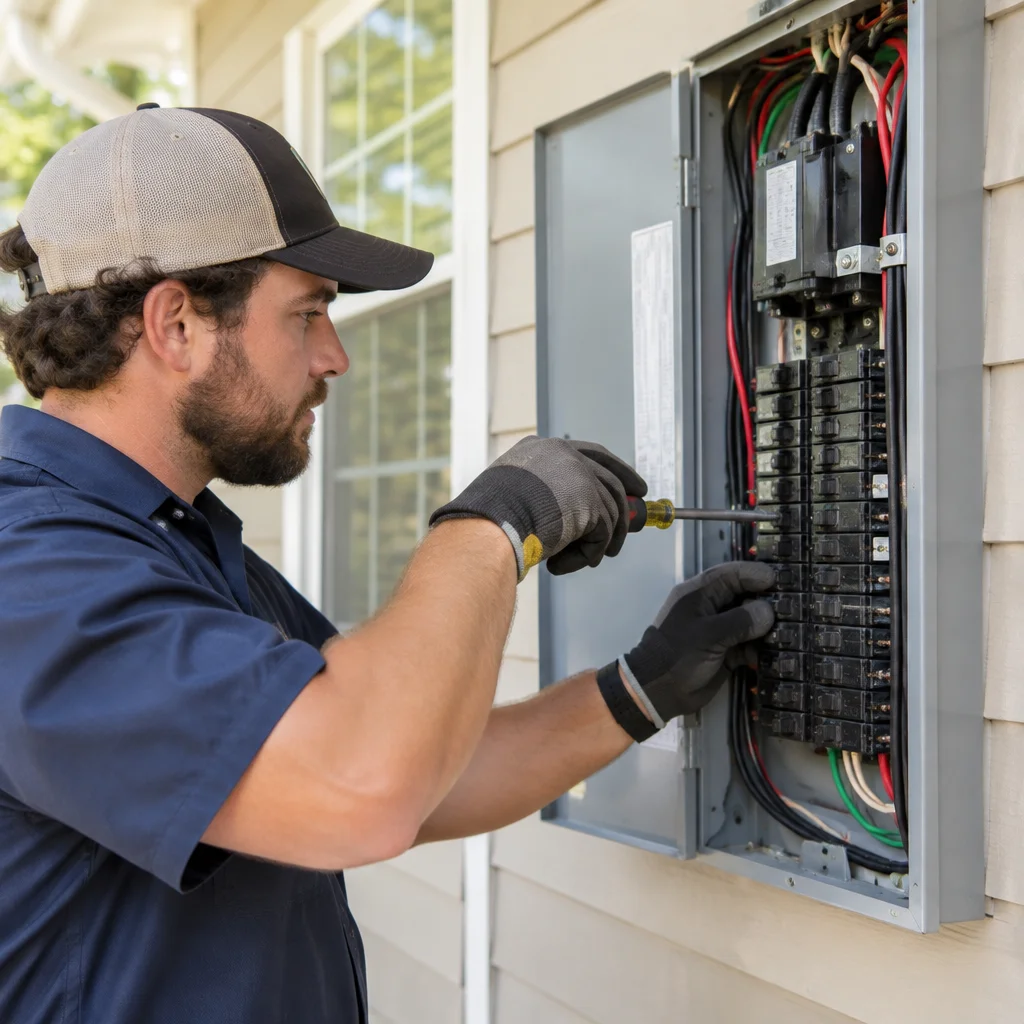
Before recommending a panel upgrade, an electrician should evaluate the service rating, panel condition, existing circuits, and calculated electrical load. Empty breaker spaces alone do not establish available capacity. Likewise, adding up the numbers printed on breaker handles is not a valid way to determine service demand.
Tell your electrical contractor about future projects, even if they are a year away. Coordinating a range conversion, generator installation, and garage charging circuit can help avoid repeated work. A panel replacement and a utility service upgrade are different scopes, so ask which one your home actually needs.
Coastal conditions belong in the assessment
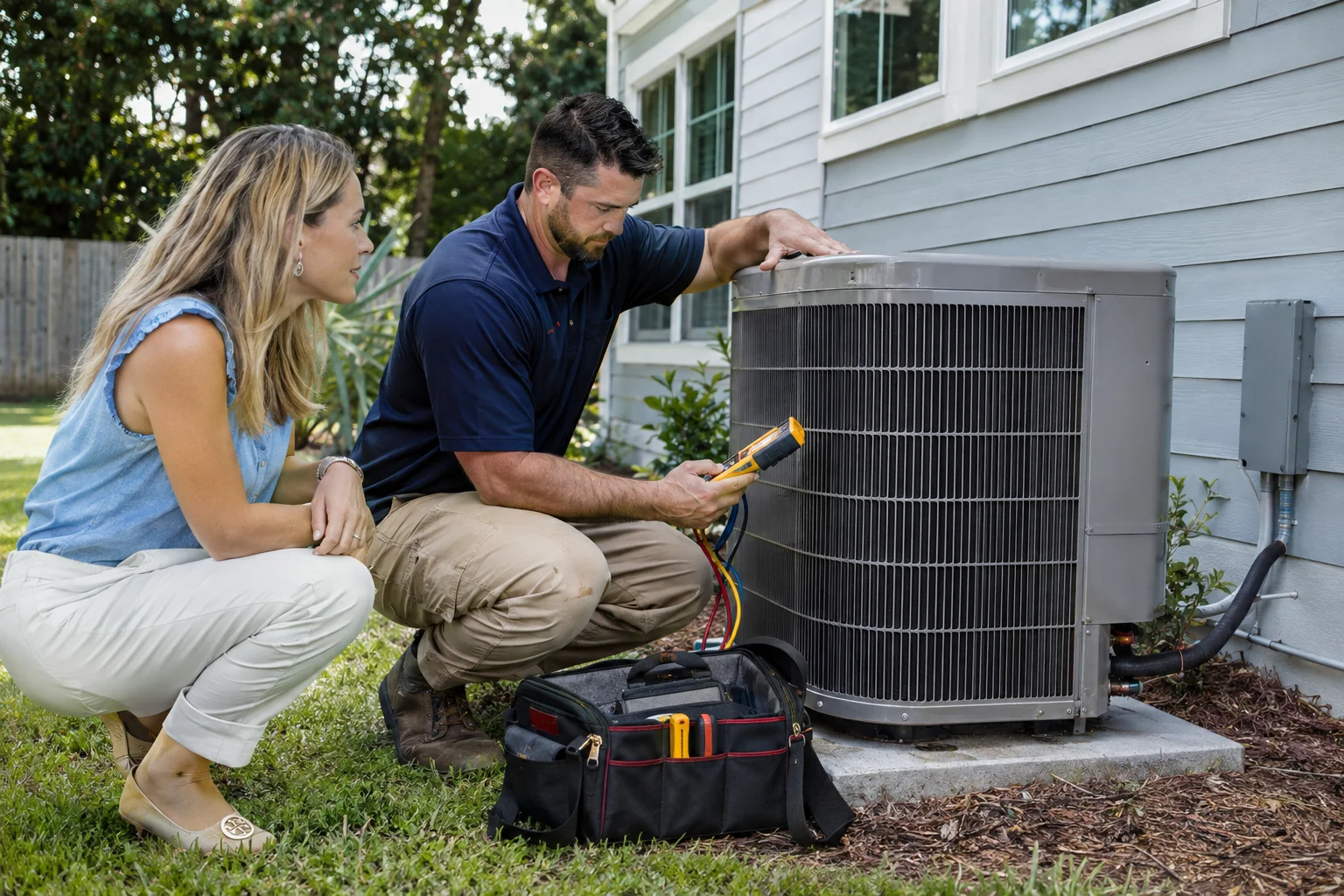
Bid-A-Wee's coastal setting makes equipment location and exposure important. Humidity and salt exposure can contribute to corrosion, particularly around outdoor enclosures, service equipment, and exterior connections. Wind-driven rain can expose weaknesses in covers, seals, or damaged equipment.
Rust streaks, moisture inside an enclosure, or deterioration around the meter and service entrance deserve professional attention. Do not open electrical equipment to investigate. Equipment that has been flooded needs qualified evaluation before reenergizing; drying it out does not establish that it is safe.
Local electrical service matters because coastal exposure varies from property to property. During work in Bid-A-Wee homes and rentals, an electrician can evaluate outdoor equipment ratings, installation details, and weather exposure rather than treating every property alike.
Read breaker problems as clues, not inconveniences
Repeated trips need a diagnosis
A circuit breaker protects wiring from excessive current. Depending on its type, it may also detect certain arc faults or ground faults. Repeated trips can point to overloaded circuits, defective appliances, damaged wiring, moisture, or a failing breaker. Replacing the breaker without identifying the cause can leave the real problem untouched.
Homeowners searching for circuit breaker repair near me often need troubleshooting before replacement. Note what was running when the trip occurred and whether it happens immediately or after several minutes. Do not repeatedly reset a breaker that trips again, and never install a larger breaker simply to stop tripping. Breaker ratings must match the circuit design and conductor capacity.
Heat, odors, and unusual sounds require faster action
Burning odors, crackling, visible scorching, or a hot panel enclosure are not maintenance items to postpone. Keep away from the equipment and seek urgent professional help. If you see smoke or fire, leave the home and call 911. For urgent electrical faults without an active fire, request emergency electrical services and describe the symptoms clearly.
A panel upgrade should solve a defined problem
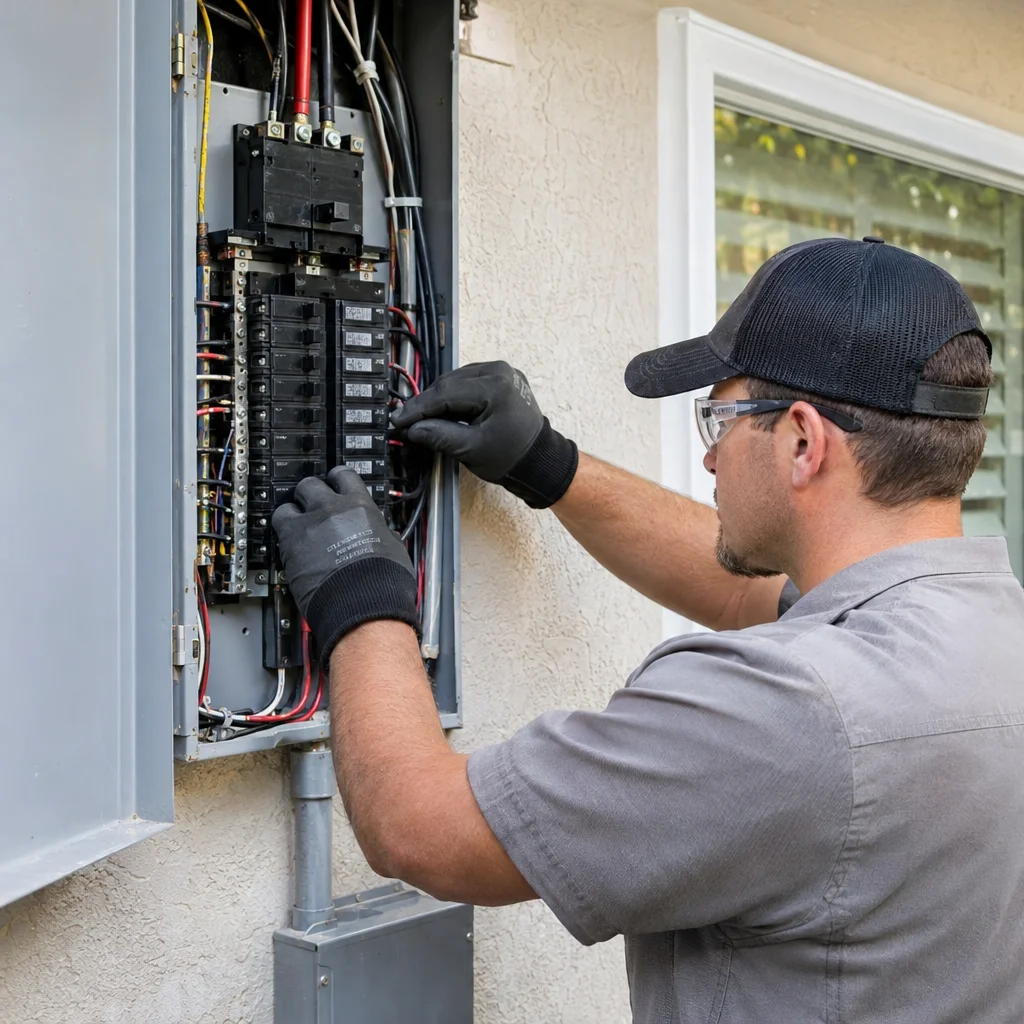
A deteriorated enclosure, damaged bus connections, inadequate capacity, or unavailable approved replacement components may support replacing a panel. Age is useful background, but condition, compatibility, and demand should drive the recommendation.
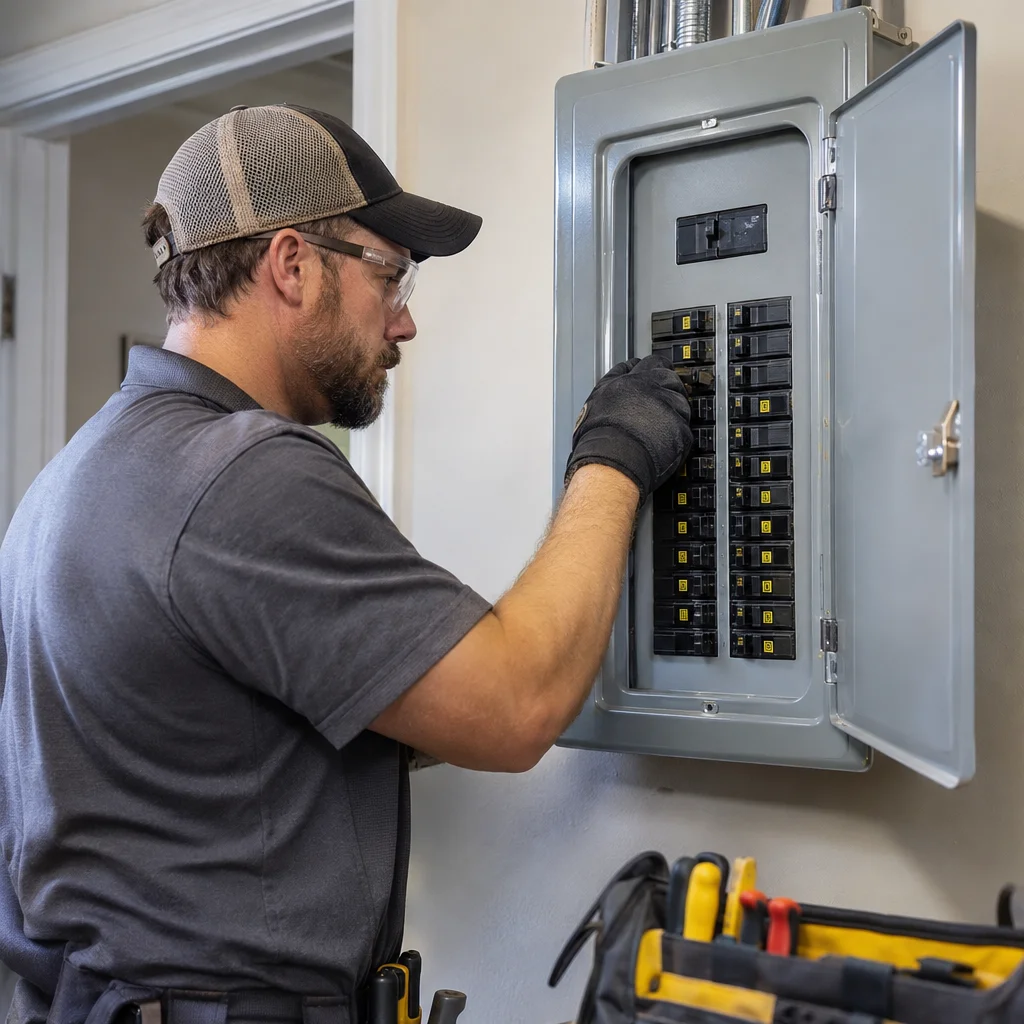
If you are comparing options after searching for electrical panel replacement near me, ask what the proposal includes. The scope should explain the equipment rating, circuit transfers, required grounding and bonding work, labeling, permits, and inspections. It should also identify any utility coordination and expected power interruption.
A subpanel can provide additional circuit spaces in suitable situations, but it does not create more service capacity. Similarly, replacing a panel does not automatically correct damaged wiring elsewhere in the house. A clear proposal separates panel work from branch-circuit repairs so you know which problems each investment addresses.
Rewiring can be targeted or comprehensive
Not every older Bid-A-Wee home needs a complete rewire. Sometimes the right solution is replacing one damaged circuit, correcting unsafe splices, or adding dedicated circuits for appliances. A broader rewiring project may be appropriate when deteriorated insulation, widespread improper alterations, or unsuitable wiring conditions affect multiple areas.
For homeowners researching house rewiring near me, the most useful first step is an assessment of accessible wiring, circuit performance, grounding, and previous modifications. An electrician should explain what can be verified and where concealed conditions remain uncertain.
Remodels and additions are opportunities to address wiring while walls are open. Plan outlet placement, switch locations, ceiling fan connections, and lighting controls before finishes go in. Ask how access openings, furniture protection, temporary power interruptions, and wall repairs will be handled. Those practical details affect both the project schedule and the budget.
Outlets and switches can reveal circuit problems
A loose receptacle, discolored faceplate, or switch that crackles may seem like an isolated repair. It can also indicate poor connections, heat damage, or a problem farther upstream. Stop using an affected device until it has been evaluated. An outlet that no longer grips a plug securely should not be held in service with tape or improvised supports.
Outlet repair should include checking the box, connections, grounding, and circuit protection as appropriate. Installing a three-slot receptacle does not create an equipment ground. GFCI protection reduces shock risk, but it does not add a grounding conductor either.
Depending on the location and applicable code, bathrooms, kitchens, garages, outdoor areas, and pool-related equipment may require GFCI protection. AFCI protection addresses certain arcing hazards and may also be required for affected circuits. An electrician can determine the requirements for your specific project rather than assuming every existing circuit needs the same treatment.
Plan dedicated circuits before adding major equipment
Kitchen, laundry, and outdoor loads
Ranges, dryers, and other substantial loads need properly designed circuits and connections matched to the equipment. A receptacle that physically accepts a plug does not prove that the wiring behind it is suitable. Appliance replacements are a good time to verify circuit ratings and manufacturer requirements.
Pool and spa wiring also require specialized attention to GFCI protection, bonding, grounding, disconnects, and equipment placement. Extension cords are not a substitute for permanent wiring. Landscape lighting needs suitable outdoor equipment and protected connections, even when the lighting system operates at low voltage.
EV charging without guessing at capacity
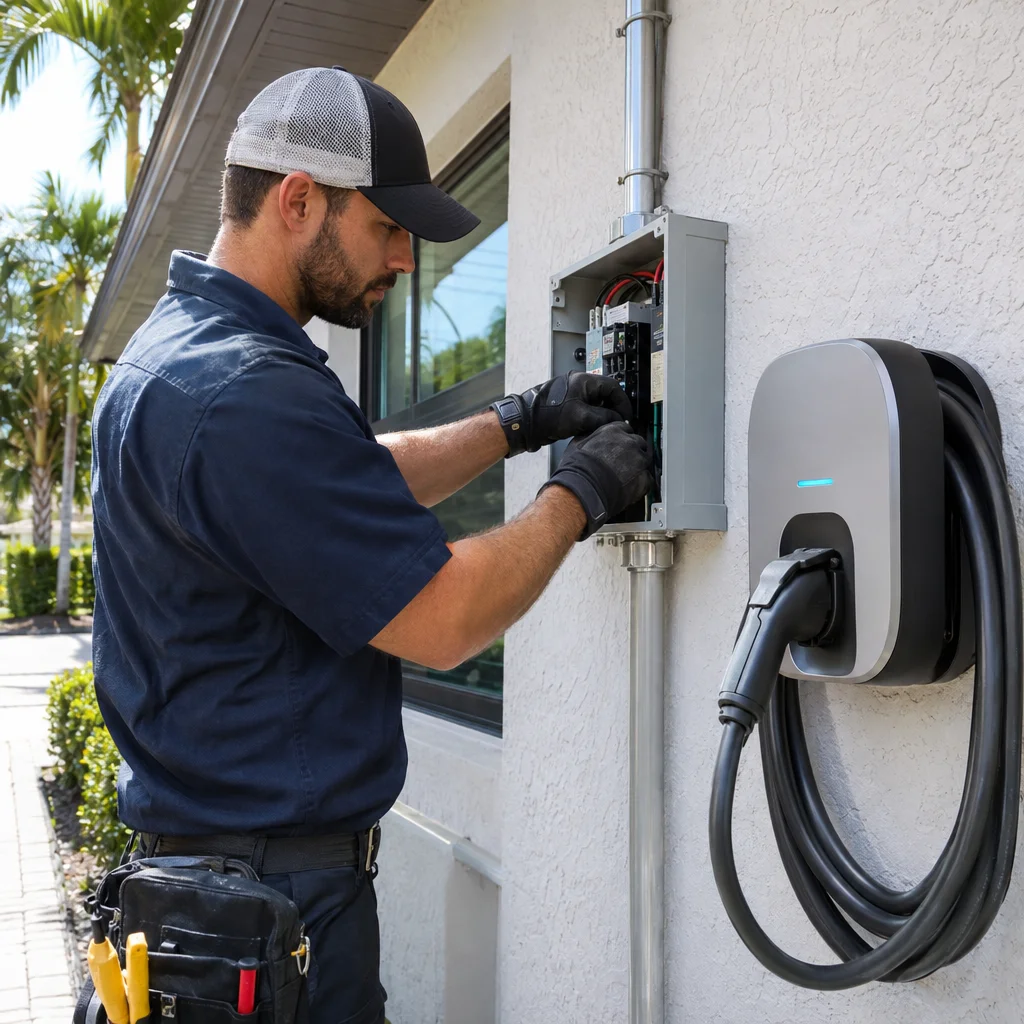
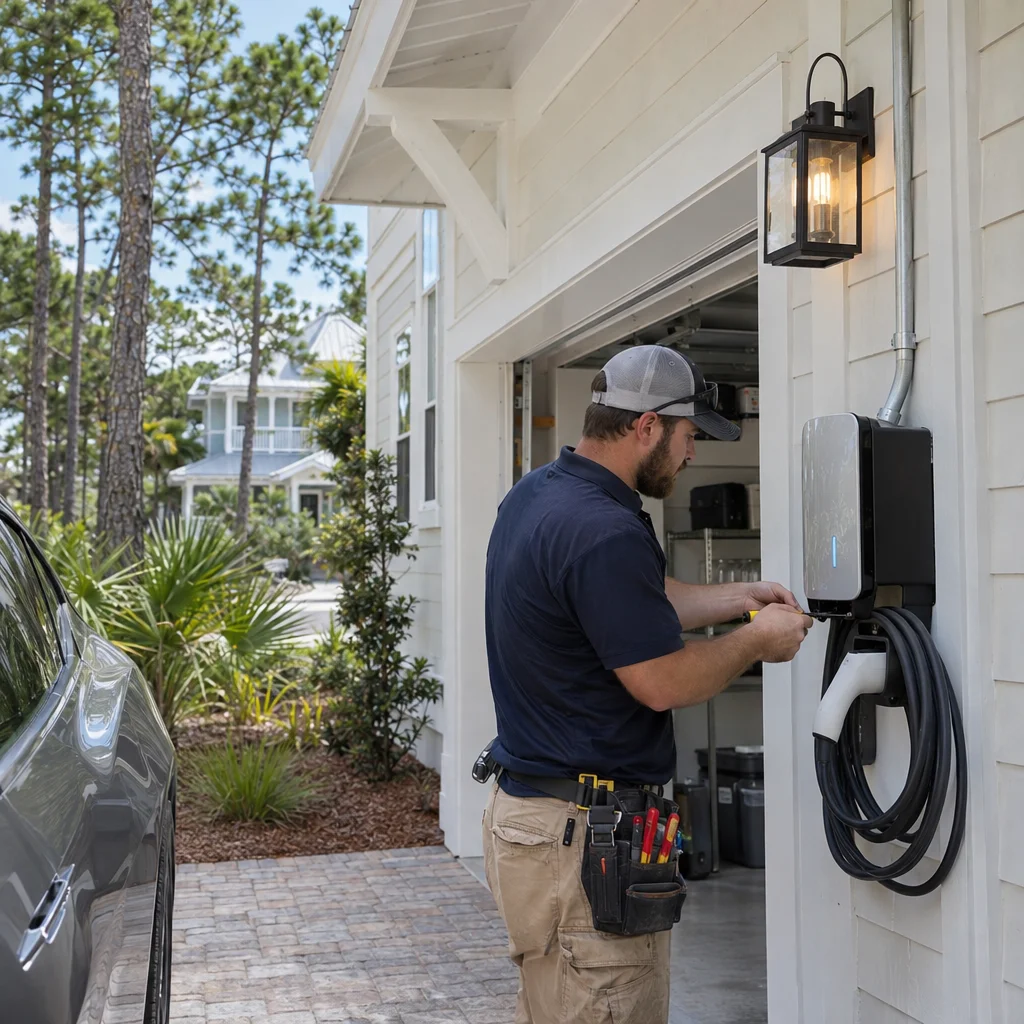
A search for ev charger installation near me should lead to a load assessment, not just a price for running cable. Charger output, parking location, wiring distance, and service capacity all affect the design. In some homes, compatible load management can help accommodate charging without a service upgrade. That decision requires a properly evaluated design.
Lighting and ceiling fans deserve proper support
Lighting installation often becomes part of a larger wiring project because homeowners can improve room layouts while circuits are accessible. Kitchen task lighting, bathroom fixtures, and outdoor entry lights each have different placement and equipment considerations.
Ceiling fans need boxes and supports rated for fan use. An existing light fixture box is not necessarily suitable. Dimmers must be compatible with the lighting they control, and fan speed controls must match the fan.
If lights flicker across several rooms, especially when major appliances operate, request electrical troubleshooting rather than replacing bulbs repeatedly. Persistent or pronounced brightening and dimming can indicate a connection or service problem that needs prompt attention.
Storm protection involves more than a plug-in strip
Whole-home surge protection can help limit transient overvoltages entering through the electrical system. It works as part of a coordinated approach that includes proper grounding and bonding, plus point-of-use protection where appropriate. No surge protective device guarantees protection from every lightning event.
Generators and battery backup systems address a different issue: keeping selected loads powered during an outage. Planning starts with essential circuits, desired runtime, equipment limitations, and the home's electrical capacity. Transfer equipment must prevent dangerous backfeeding into utility lines.
Never connect a portable generator through a household receptacle. Operate portable generators outdoors, at least 20 feet from doors, windows, and vents, with exhaust directed away from buildings. Include smoke detector and carbon monoxide detection planning in your safety review. Alarms do not make unsafe generator placement acceptable.
Permits, inspections, and clear records protect the project
Panel replacement, service changes, and substantial rewiring commonly involve permits and inspections. Requirements depend on the work and the authority having jurisdiction. Confirm who handles the permit, which inspections are required, and whether utility scheduling affects completion.
An electrical inspection and code upgrade assessment can identify unsafe alterations and help prioritize corrections. Existing conditions and new work may be treated differently under applicable requirements, so avoid assuming that one repair requires rebuilding the entire system.
Keep permit records, equipment information, and an accurate circuit directory. For homeowners managing properties across Bay County, those records help future electricians understand previous work and reduce guesswork during troubleshooting.
Keep maintenance practical and schedule repairs by risk
Homeowners can watch for damaged cords, loose plugs, broken outdoor covers, and changes in electrical performance without opening equipment. Keep panel access clear and test GFCI devices and smoke alarms according to manufacturer instructions. Have recurring trips, moisture concerns, or unusual heat evaluated instead of waiting for a complete failure.
Professional maintenance should reflect the home's condition, exposure, and usage. A coastal property with aging outdoor equipment may need different attention than a newer home with protected service equipment. Schedule an assessment after significant storm damage, before a major addition, or when new appliances substantially change demand.
To plan panel work or rewiring, contact A Superior Mechanical with your symptoms, planned equipment, and renovation timeline. Ask for a scope that distinguishes immediate safety repairs from capacity improvements and optional upgrades. That gives your Bid-A-Wee home a practical electrical plan, not just another temporary fix.
Find Circuit Breaker Panels & Rewiring in Bid-A-Wee, FL
If you need Circuit Breaker Panels & Rewiring in Bid-A-Wee, FL, visit our local service page or contact A Superior Mechanical today.
Map of Bid-A-Wee, FL
Frequently Asked Questions
Does a tripping breaker mean my Bid-A-Wee home needs a new panel?
Not necessarily. A breaker may trip because of an overloaded circuit, faulty appliance, damaged wiring, moisture, or a breaker problem. An electrician should diagnose the cause before recommending replacement. Do not repeatedly reset a breaker that trips again or replace it with a higher-rated breaker to stop the problem.
Can I upgrade my electrical panel without rewiring the entire house?
Often, yes. Panel replacement and house rewiring are separate projects, although an inspection may identify wiring defects that also need correction. The scope depends on panel condition, circuit safety, grounding, electrical demand, and applicable code requirements.
Should I plan EV charging and backup power before a panel upgrade?
Yes. Sharing your plans for an EV charger, generator, or battery backup helps the electrician evaluate capacity, circuit space, transfer equipment, and future wiring routes. Planning these loads together can reduce duplicate work and clarify whether load management, a subpanel, or a service upgrade is appropriate.
Related Articles
Photo Gallery