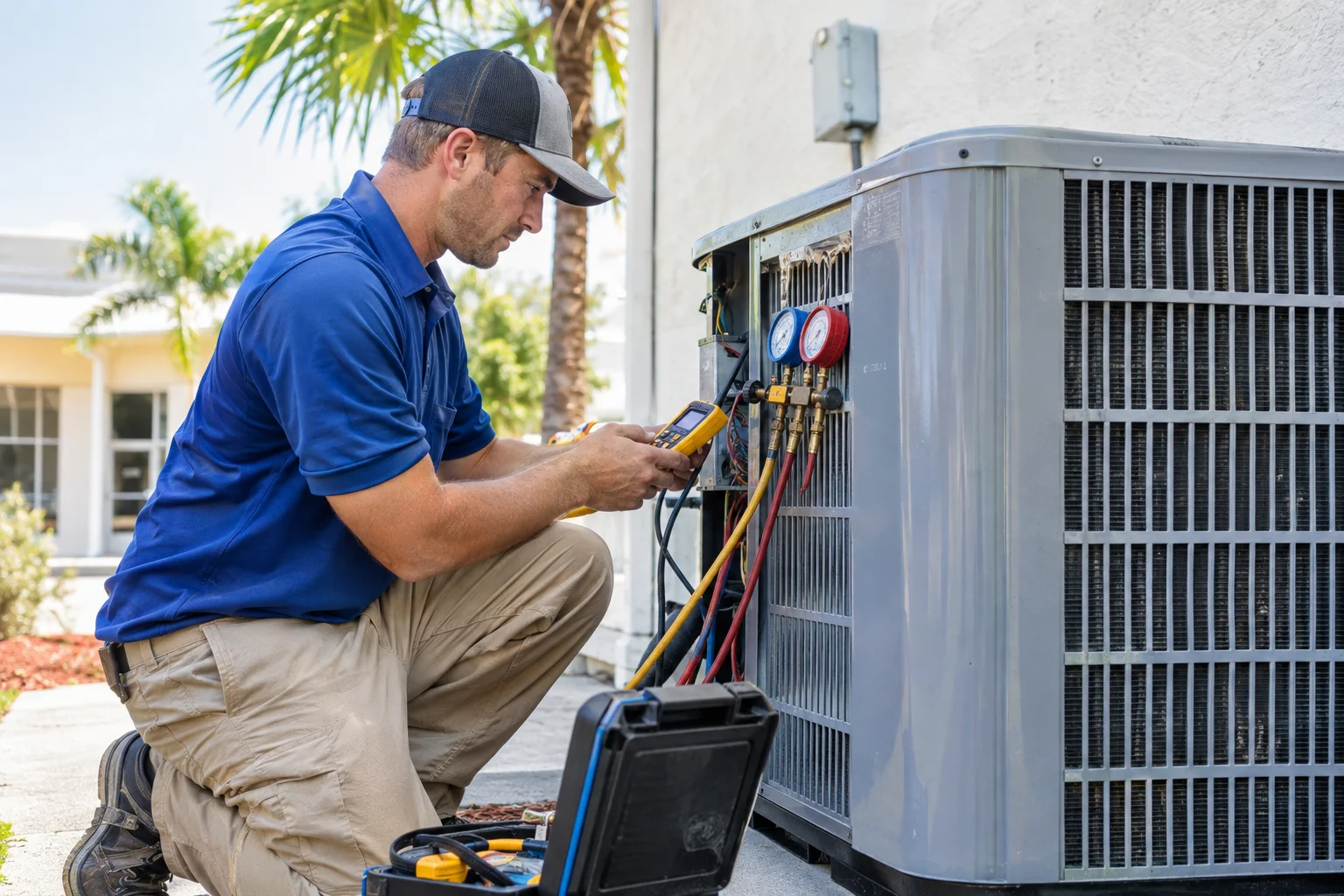
Keeping a business comfortable in Ocean City, Florida, involves more than setting the thermostat and expecting the air conditioner to handle everything. Coastal humidity, intense summer heat, salt air, and changing occupancy levels can place significant demands on commercial heating and cooling equipment.
For offices, retail stores, restaurants, professional buildings, and other commercial properties, dependable HVAC performance affects employees, customers, operating costs, and everyday business activities. A system that struggles with airflow or moisture can create uncomfortable rooms, higher utility bills, and unexpected repair expenses.
A Superior Mechanical provides commercial HVAC services in Ocean City, FL, helping local businesses address equipment performance, indoor air quality, preventive maintenance, and heating and cooling reliability.
Understanding how commercial HVAC systems respond to Ocean City's coastal conditions can help property owners make better decisions about repairs, upgrades, and long term maintenance.
Why Ocean City's Coastal Climate Changes Commercial HVAC Planning
Ocean City sits in Florida's Okaloosa County, where hot summers, mild winters, humid conditions, and seasonal storms shape building comfort requirements. Air conditioning often carries the largest share of the annual HVAC workload, but heating equipment still matters during occasional winter cold spells.
Commercial buildings face additional challenges because their cooling needs can change throughout the day. Customer traffic, employees, computers, lighting, cooking equipment, and doors opening frequently all influence indoor temperatures.
Humidity adds another layer of complexity. Even when a thermostat displays a comfortable temperature, excess indoor moisture can leave rooms feeling sticky and unpleasant.
Salt Air and Outdoor HVAC Equipment
Coastal air can accelerate corrosion on exposed metal components. Outdoor condensers, cabinet panels, electrical connections, and condenser coils may experience deterioration faster than similar equipment located farther inland.
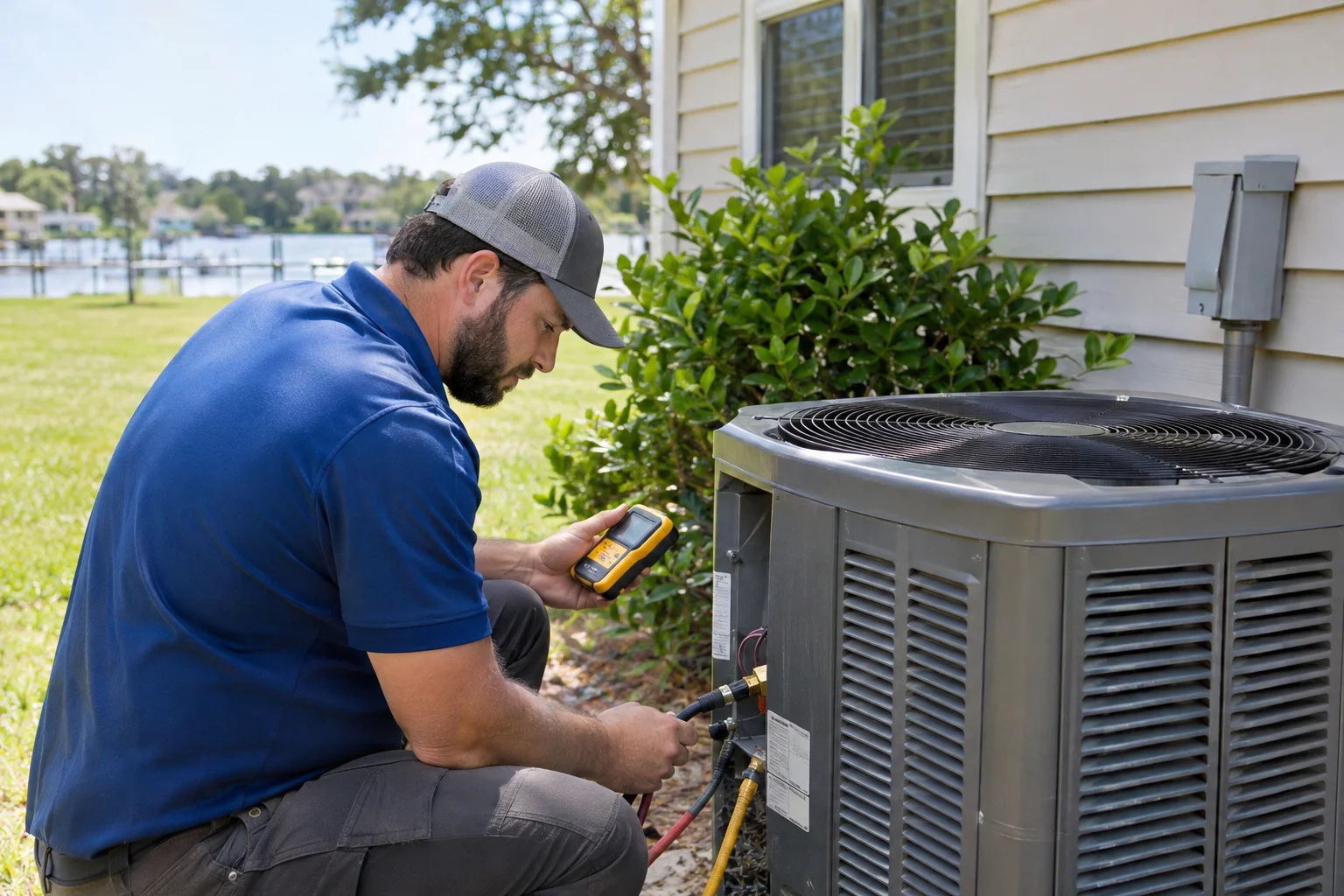
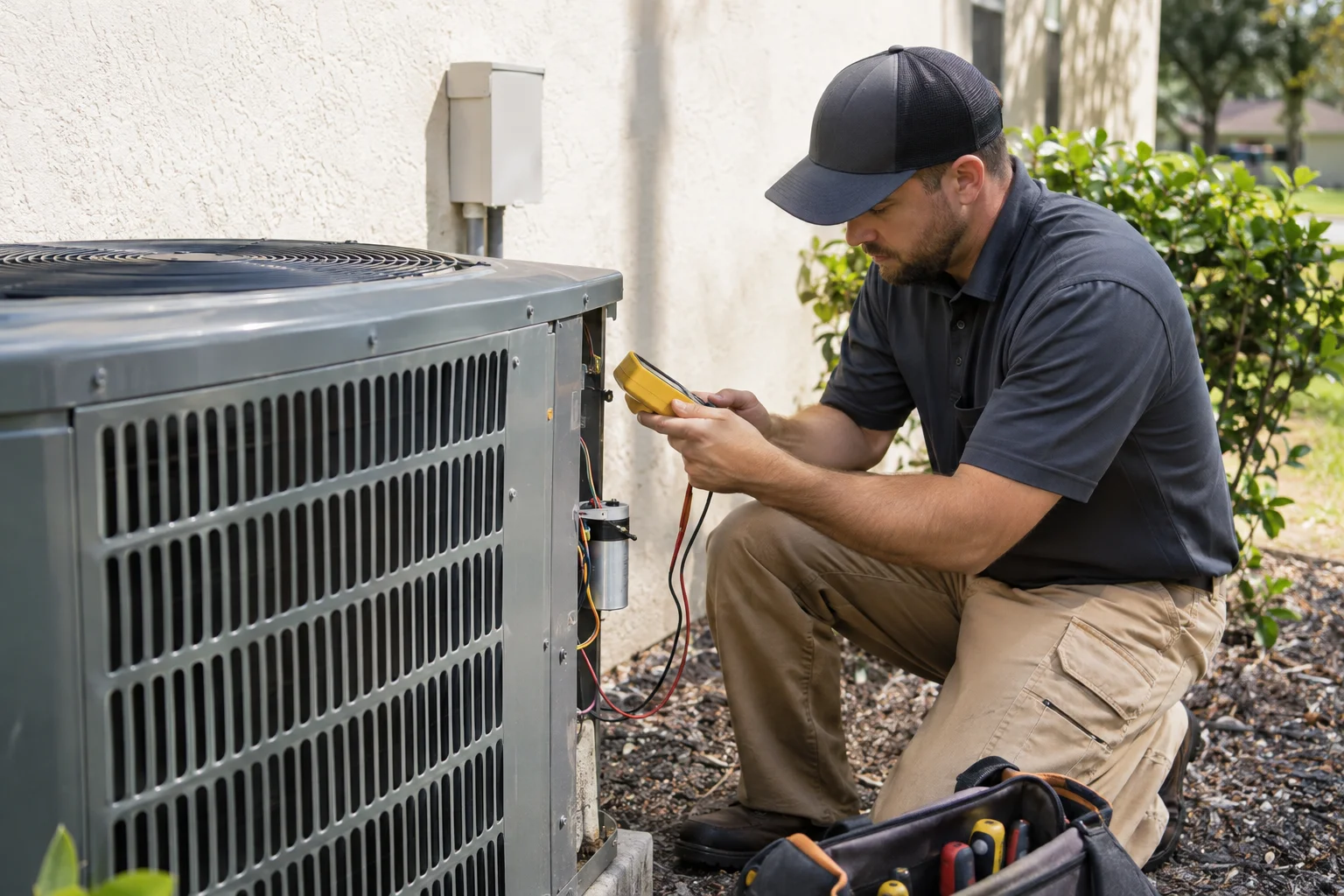
Commercial HVAC maintenance should include inspection of outdoor equipment for corrosion, damaged coil surfaces, loose panels, restricted airflow, and debris accumulation.
Property owners should also keep landscaping and stored materials away from outdoor units. Adequate clearance helps equipment release heat efficiently and allows technicians to perform maintenance safely.
Storms, Heavy Rain, and Seasonal Demand
Summer thunderstorms and tropical weather can introduce additional HVAC risks. Windblown debris may obstruct outdoor units, heavy rainfall can expose drainage problems, and power interruptions may affect thermostats or system controls.
Businesses should arrange inspections before peak cooling season whenever possible. Planning ahead reduces the likelihood of discovering equipment problems during the busiest and hottest periods of the year.
For businesses throughout Okaloosa County, maintenance schedules should reflect both equipment condition and local operating demands.
Commercial Comfort Starts With Proper HVAC System Design
Reliable comfort depends on more than equipment capacity. A commercial HVAC system must distribute conditioned air effectively, manage indoor moisture, and respond to changes in occupancy and outdoor weather.
An oversized air conditioner may cool a space quickly but shut off before removing enough humidity. An undersized system may run continuously without reaching the desired temperature during extreme heat.
Professional commercial HVAC planning considers building size, insulation, windows, occupancy, ventilation requirements, internal heat sources, and existing ductwork.
Match Equipment Capacity to Actual Building Needs
Replacing an older system with equipment of the same capacity is not always the best approach. Renovations, additions, upgraded insulation, and changes in building use can alter heating and cooling loads.
For example, a former retail space converted into a busy office may have different ventilation and cooling requirements. A restaurant expansion may introduce additional heat and moisture that the original system was never designed to handle.
Before recommending commercial HVAC installation or replacement, a qualified contractor should evaluate the building's current requirements rather than relying on equipment size alone.
Consider Zoning and Separate Temperature Controls
Different areas of a commercial property may need different temperatures. A sunny storefront, interior office, conference room, and storage area rarely experience identical conditions.
Where the equipment and duct design support it, zoning can improve comfort by directing conditioned air according to actual space requirements.
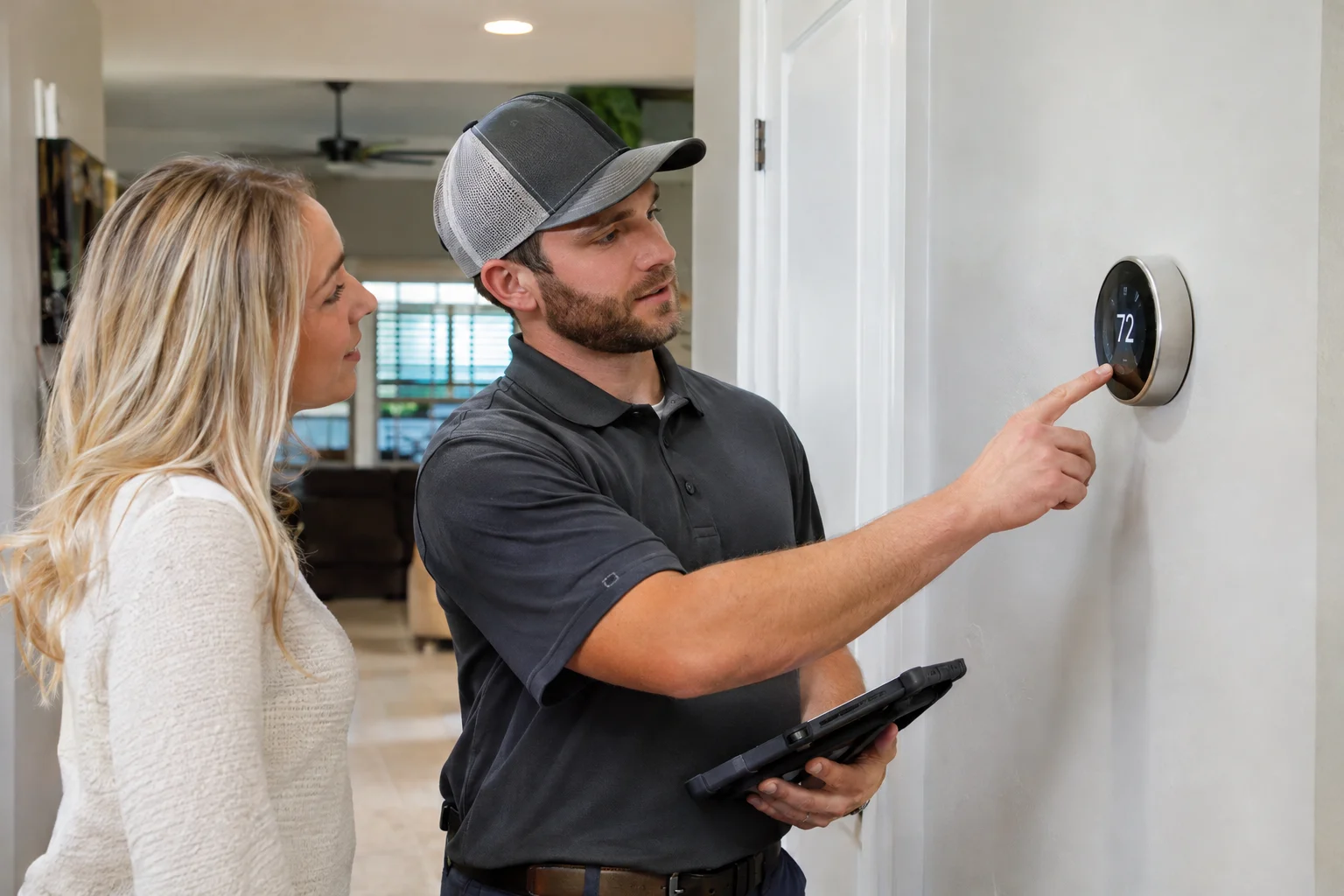
Programmable and smart thermostats can also help businesses establish operating schedules. Professional thermostat installation ensures controls are compatible with the heating and cooling equipment and configured correctly.
Airflow Problems That Affect Commercial HVAC Performance
Uneven temperatures are among the most noticeable commercial HVAC complaints. One room may feel cold while another remains warm, even though the same system serves both spaces.
These differences often indicate airflow restrictions, duct problems, equipment issues, or changes in building use.
Dirty Filters and Restricted Air Movement
Commercial HVAC filters capture airborne particles before air passes through sensitive equipment. Over time, accumulated dust increases resistance to airflow.
Restricted airflow can reduce cooling performance, increase energy consumption, and contribute to evaporator coil freezing.
Filter replacement frequency depends on occupancy, operating hours, filter type, outdoor conditions, and the amount of airborne dust. Busy commercial spaces may require more frequent attention than lightly occupied offices.
Using the correct filter is important. A filter with excessive airflow resistance can create performance problems if the system was not designed for it.
Damaged Ductwork and Poorly Balanced Vents
Leaking supply ducts waste conditioned air before it reaches occupied rooms. Damaged return ducts may pull hot, humid, or dusty air from unconditioned spaces into the HVAC system.
Disconnected ducts, crushed flexible ductwork, blocked return grilles, and poorly positioned vents can also produce uneven comfort.
Professional ductwork services in Ocean City can identify leakage, airflow restrictions, damaged connections, and areas that may benefit from duct sealing or repair.
Businesses considering ductwork repair near me should look for an evaluation that includes the entire air distribution system, not simply the most noticeable vent.
Humidity Control Is Essential for Coastal Commercial Buildings
Florida humidity affects comfort, indoor air quality, building materials, and HVAC efficiency. Excess moisture can make a properly cooled room feel warmer than the thermostat reading suggests.
Persistent humidity may also contribute to musty odors, condensation, and conditions that support microbial growth on damp materials.
Why Cooling Alone May Not Control Moisture
Air conditioners remove moisture as warm indoor air passes over the cold evaporator coil. Water condenses on the coil and travels through a condensate drain line.
If equipment is oversized, airflow is incorrect, or operating cycles are too short, moisture removal may be inadequate.
Outdoor air entering through frequently opened doors, poorly sealed building openings, or improperly managed ventilation systems can increase indoor humidity.
Commercial humidity control may involve correcting airflow, adjusting system operation, evaluating ventilation, or installing dedicated dehumidification equipment where appropriate.
Drain Lines and Condensate Management
Condensate drain lines deserve attention in Ocean City's humid climate because air conditioning systems may produce substantial amounts of water during cooling season.
Clogged drains can cause overflow, ceiling damage, equipment shutdowns, or water accumulation around air handlers.
Preventive maintenance should include checking drain pans, clearing restrictions, and verifying that condensate flows to an appropriate discharge location.
Property managers should investigate recurring water stains, damp ceiling tiles, or standing water near HVAC equipment promptly.
Recognizing Commercial HVAC Problems Before They Become Emergencies
Commercial systems frequently show changes in performance before a complete breakdown. Identifying these changes early can reduce repair costs and minimize business interruptions.
Warning signs include rooms that no longer reach their set temperature, unusually long operating cycles, rising utility bills, inconsistent airflow, strange equipment noises, and recurring thermostat problems.
Other concerns include ice forming on refrigerant lines, water leaking near an air handler, and outdoor condenser fans operating abnormally.
Refrigerant Leaks and Cooling Performance
Low refrigerant levels can reduce cooling capacity and contribute to evaporator coil freezing. Refrigerant does not normally need routine replenishment in a properly sealed system.
If refrigerant is low, a qualified HVAC technician should investigate the cause, locate leaks when present, and determine the appropriate repair.
Businesses should avoid treating repeated refrigerant additions as a permanent solution. Proper diagnosis helps prevent recurring failures and unnecessary operating costs.
When Commercial HVAC Repair Cannot Wait
Some problems require prompt professional attention, especially when cooling failure affects employees, customers, sensitive inventory, or essential business operations.
Burning odors, repeated breaker trips, significant water leakage, unusual mechanical noises, and complete cooling failure during extreme heat warrant immediate evaluation.
If equipment produces smoke or presents an apparent electrical hazard, stop using it and follow appropriate emergency safety procedures.
Businesses searching for same day AC repair near me should explain the symptoms, affected spaces, equipment type, and operational urgency when requesting service.
A Superior Mechanical also offers air conditioning repair in Ocean City for cooling problems affecting local properties.
Preventive HVAC Maintenance Protects Business Operations
Preventive maintenance is particularly valuable for commercial properties because unexpected HVAC downtime can disrupt normal business activities.
A planned maintenance program helps technicians identify developing problems, document equipment condition, and recommend repairs before minor issues become major failures.
What a Commercial HVAC Inspection Should Cover
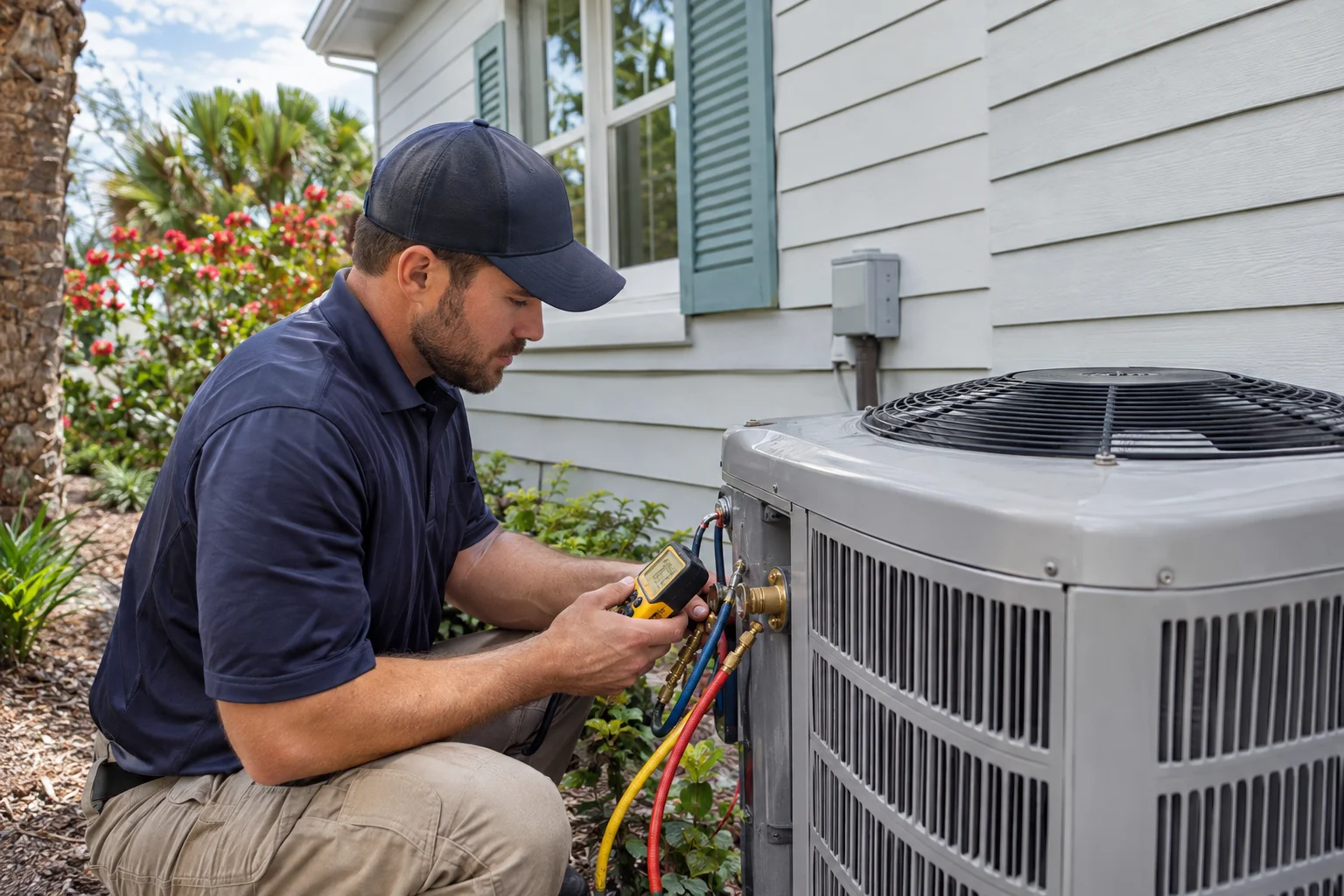
A thorough inspection generally includes checking filters, evaporator coils, condenser coils, blower components, electrical connections, refrigerant performance, thermostat operation, condensate drainage, and overall system operation.
Technicians may also measure temperature differences, evaluate airflow, inspect accessible ductwork, and review equipment operating conditions.
Maintenance requirements vary according to manufacturer recommendations, system design, operating hours, and building conditions.
Commercial rooftop units, split systems, heat pumps, and ductless mini splits may require different inspection procedures.
Build a Maintenance Schedule Around Seasonal Demand
For many Ocean City businesses, spring is an important time to inspect cooling equipment before prolonged summer heat arrives.
Fall maintenance provides an opportunity to evaluate heating operation, heat pump controls, and related safety components before colder weather.
Facilities with long operating hours or demanding indoor conditions may benefit from additional inspections throughout the year.
Business owners searching for seasonal HVAC maintenance near me should ask whether service plans account for coastal corrosion, humidity, drainage, and commercial operating schedules.
Improving Energy Efficiency Without Sacrificing Comfort
Energy efficiency matters because commercial cooling equipment may operate for extended periods during Florida's warm season.
However, lowering energy consumption should not come at the expense of adequate ventilation, humidity control, or occupant comfort.
Start With Controls, Airflow, and Maintenance
Before investing in major equipment changes, businesses can often improve performance by addressing basic system conditions.
Clean filters, properly maintained coils, sealed ductwork, calibrated controls, and unobstructed vents help equipment operate as intended.
Thermostat schedules can reduce unnecessary conditioning during unoccupied periods, provided the building maintains suitable humidity and temperature conditions.
Setting the temperature excessively high during closed hours may allow moisture to accumulate, particularly in humid coastal weather.
Evaluate Replacement Based on Total Operating Cost
Older commercial equipment may become increasingly expensive to operate and repair. Repeated compressor problems, deteriorating coils, obsolete controls, and frequent service calls can indicate that replacement deserves consideration.
A qualified contractor can compare repair costs, equipment age, efficiency ratings, available replacement options, and expected operating requirements.
Modern air conditioning systems may offer improved controls and performance when properly selected and installed.
For equipment approaching the end of its useful life, air conditioning replacement services can help property owners evaluate practical upgrade options.
Heating Systems, Heat Pumps, and Ductless Mini Splits
Although cooling receives the most attention in Ocean City, commercial heating equipment still needs routine care.
Heat pumps are common in Florida because they provide both heating and cooling. During cooler weather, a malfunctioning reversing valve, control component, or outdoor unit can affect heating performance.
Some buildings use electric furnaces, electric resistance backup heat, or other heating equipment. These systems require appropriate inspection and repair procedures.
Businesses searching for heat pump repair near me should request service from technicians familiar with the specific equipment configuration.
Where Ductless Mini Splits Make Sense
Ductless mini splits can be useful for certain commercial spaces, including small offices, renovated rooms, additions, and areas where extending existing ductwork is difficult.
They can provide independent temperature control without requiring a traditional duct distribution system.
However, ductless equipment still requires proper sizing, condensate drainage, refrigerant installation, filter cleaning, and outdoor unit maintenance.
Mini splits are not automatically the best choice for every room. Ventilation requirements, occupancy, humidity, and building layout should guide equipment selection.
Older Buildings, New Construction, and Commercial Renovations
Ocean City includes a mix of established properties, newer homes, businesses, and remodeled spaces. HVAC planning should reflect the age and design of each building.
Older commercial buildings may have aging ductwork, limited equipment access, outdated controls, or insulation that no longer meets current expectations.
Newer buildings may have more efficient equipment but can still experience comfort problems when ventilation, system sizing, or airflow balancing is incorrect.
Remodels and Additions Can Change HVAC Requirements
Converting storage areas into offices, enclosing previously open spaces, or adding customer seating can increase cooling loads.
Simply extending existing ductwork does not guarantee adequate airflow. The original system may lack sufficient capacity to serve the additional area.
Before remodeling, property owners should have an HVAC contractor review equipment capacity, duct configuration, return air pathways, and ventilation needs.
Commercial projects may also require permits, code compliance, and coordination with other building improvements.
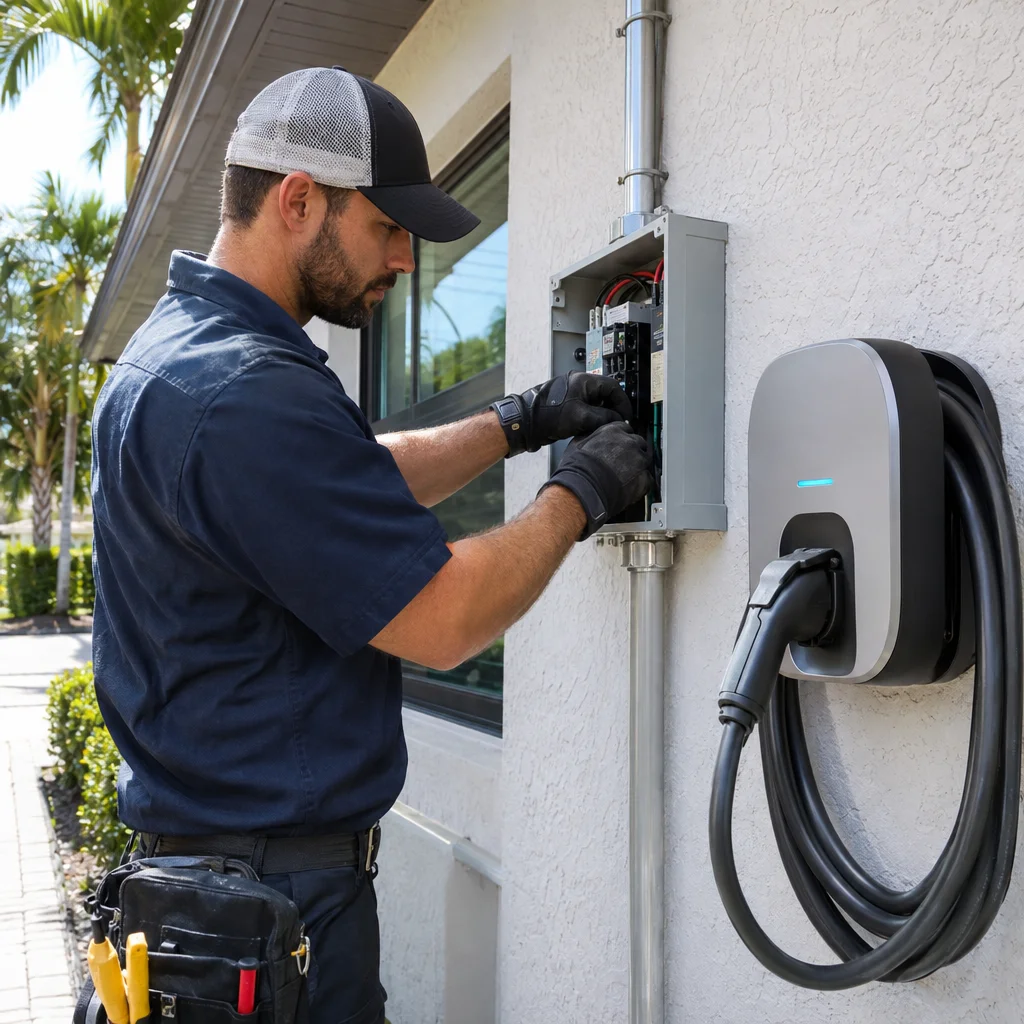
For related renovation planning, Ocean City property owners can also review dedicated circuit planning in Ocean City, particularly when adding equipment that changes a building's electrical requirements.
Indoor Air Quality Deserves a Place in Commercial HVAC Planning
Indoor air quality affects the experience of employees, customers, and visitors. Commercial HVAC systems help manage airborne particles, ventilation, temperature, and moisture.
Dust buildup, inadequate outdoor air, poorly maintained filters, and persistent dampness can contribute to uncomfortable indoor conditions.
An effective indoor air quality strategy begins with understanding the building's actual needs.
Filtration, Ventilation, and Moisture Control
Proper filtration helps capture airborne particles, while appropriate ventilation introduces outdoor air according to building requirements.
However, bringing humid outdoor air into a commercial building without adequate conditioning can create moisture problems.
Technicians should evaluate ventilation and humidity control together rather than treating them as unrelated concerns.
Where appropriate, businesses may benefit from upgraded filtration, improved ventilation controls, or supplemental dehumidification.
Any filtration upgrade should account for available fan capacity and acceptable system pressure drop.
Responding to Musty Odors and Persistent Dampness
Musty odors should not automatically be blamed on dirty ducts. Moisture intrusion, condensate problems, poorly insulated surfaces, and building leaks can all contribute.
Effective mold prevention begins with identifying and correcting the moisture source.
HVAC inspections can help determine whether cooling equipment, drain lines, airflow, or humidity control contributes to the problem.
Why Local Commercial HVAC Experience Matters in Ocean City
Commercial HVAC service is not one size fits all. Coastal equipment exposure, seasonal cooling demand, building age, and operating schedules create specific challenges for businesses in Ocean City.
Working with a contractor familiar with local conditions can help property owners prioritize inspections, choose appropriate replacement equipment, and develop realistic maintenance schedules.
Local service also matters when an unexpected breakdown threatens business operations. Clear communication about repair needs, equipment availability, and scheduling helps owners make informed decisions.
Businesses comparing HVAC contractors should ask about commercial equipment experience, licensing, insurance, maintenance procedures, and recommendations for managing coastal corrosion and indoor humidity.
For a broader look at the community and available services, visit A Superior Mechanical's Ocean City service area page.
Practical HVAC Priorities for Ocean City Property Owners
A reliable commercial HVAC system supports comfortable indoor temperatures, healthy airflow, reasonable energy consumption, and fewer unexpected interruptions.
Property owners can begin by reviewing maintenance records, noting recurring comfort complaints, checking accessible filters and vents, and identifying rooms with unusual humidity or temperature differences.
Keep outdoor equipment clear of debris, investigate water around air handlers, and arrange professional evaluations when cooling performance changes.
For businesses operating in older buildings, recently remodeled spaces, or properties with recurring airflow problems, a detailed system assessment may reveal opportunities to improve comfort without immediately replacing all equipment.
A Superior Mechanical helps Ocean City businesses plan commercial HVAC repairs, maintenance, installation, and indoor air quality improvements around their actual building needs.
Whether your property needs a preventive inspection, humidity troubleshooting, ductwork repairs, or help with an unexpected cooling failure, professional commercial HVAC service from A Superior Mechanical can help protect comfort and equipment reliability throughout the year.
Find Commercial HVAC Services in Ocean City, FL
If you need Commercial HVAC Services in Ocean City, FL, visit our local service page or contact A Superior Mechanical today.
Map of Ocean City, FL
Frequently Asked Questions
How often should commercial HVAC systems be serviced in Ocean City, FL?
Most commercial HVAC systems benefit from professional maintenance at least twice a year, typically before peak cooling and heating seasons. However, businesses with extended operating hours, heavy occupancy, or equipment exposed to coastal salt air may need more frequent inspections. A Superior Mechanical can help determine a suitable maintenance schedule based on equipment type, condition, and building usage.
Why does my Ocean City business feel humid even when the air conditioner is running?
Excess humidity may result from oversized cooling equipment, short operating cycles, restricted airflow, inadequate dehumidification, or humid outdoor air entering the building. Dirty evaporator coils and ventilation problems can also affect moisture control. A commercial HVAC inspection can identify contributing factors and determine whether adjustments, repairs, or additional humidity control equipment are needed.
What commercial HVAC problems require emergency service?
Complete cooling failure during extreme heat, significant condensate leaks, burning odors, unusual mechanical noises, and repeated equipment shutdowns may require urgent attention. Problems affecting temperature sensitive inventory or essential business operations can also justify prompt service. If equipment presents an immediate safety concern, stop operating it and follow appropriate emergency procedures before requesting professional assistance.
Should I repair or replace an older commercial air conditioning system?
The decision depends on equipment age, repair history, energy efficiency, refrigerant availability, and the cost of restoring reliable performance. A relatively minor repair may make sense for equipment in otherwise good condition. Replacement may offer better long term value when major components repeatedly fail or operating costs become excessive. A commercial HVAC contractor can evaluate both options and explain the expected costs.
Does A Superior Mechanical provide commercial HVAC services in Ocean City, Florida?
Yes. A Superior Mechanical provides commercial HVAC services in Ocean City, FL, including heating and air conditioning repair, preventive maintenance, installation, equipment evaluations, and indoor air quality solutions. The company serves businesses in Ocean City and the surrounding Okaloosa County area, helping property owners address cooling performance, humidity, airflow, and equipment reliability.
Related Articles
Photo Gallery