In Fort Walton Beach, a new construction HVAC system has to do more than cool a house. It needs to handle salty coastal air, high humidity, long cooling seasons, and the way Gulf weather can swing from sticky mornings to stormy afternoons. That is why the best results usually come from planning early, not after framing is finished and the drywall crew is already scheduled.
A proactive approach to new construction HVAC services in Fort Walton Beach, FL is about more than equipment selection. It includes system design, duct layout, ventilation, humidity control, and commissioning so the home or building performs the way it should from day one. For builders, homeowners, and property owners across Okaloosa County, that early coordination can prevent expensive changes later.
Why Fort Walton Beach homes need a different kind of HVAC plan
Fort Walton Beach sits in a coastal climate that puts steady pressure on HVAC equipment. Summers are hot and humid, and even mild days can feel muggy because of moisture in the air. That means a system that is sized only for temperature may still leave the home uncomfortable if it does not also manage humidity well.
Local homes also face conditions that can shorten system life if the design is rushed. Salt air can be hard on outdoor components. Tight, energy efficient construction can trap moisture if ventilation is not planned correctly. And if ducts are placed poorly in hot attics or tight crawlspaces, the system may lose efficiency before the home is even occupied.
That is why local experience matters. A contractor who understands the area can account for coastal exposure, code requirements, and the realities of building in Fort Walton Beach rather than relying on a one size fits all approach. If you are comparing options in town, start with the Fort Walton Beach service area page and look for a team that works on both residential and commercial new construction.
What a proactive HVAC approach actually includes
Good new construction HVAC work starts before equipment is delivered. The goal is to design the system around the building, not force the building to fit the system. That usually means looking at the floor plan, insulation levels, window placement, square footage, ceiling heights, and how the space will be used.
Load calculations and system sizing
One of the most important steps is a proper load calculation. This helps determine how much cooling and heating the structure actually needs. In coastal Florida, oversized systems are a common problem. They may cool the air quickly but shut off before they remove enough humidity, which can leave rooms feeling clammy and uncomfortable.
Undersized systems create a different set of issues. They can run constantly, struggle during peak heat, and wear out faster. A proactive contractor uses the home’s design to size the system accurately so it can keep up without wasting energy.
Duct design that fits the building
Ductwork is often where new construction projects succeed or fail. Poor duct design can create hot and cold spots, noisy airflow, weak returns, and pressure imbalances that make the system work harder than it should. In Fort Walton Beach, ducts also need to be designed with heat and humidity in mind, especially when they run through unconditioned spaces.
Well planned ductwork helps air move evenly throughout the home. It also supports better humidity control and can improve indoor comfort in rooms that are far from the air handler. If the project includes a multi unit building or rental property, the coordination becomes even more important. Property owners may want to review property management HVAC services for ongoing support after construction is complete.
Ventilation and indoor air quality planning
New homes are often built tighter than older homes, which is good for efficiency but can create indoor air quality problems if fresh air is not managed properly. Bathrooms, kitchens, laundry areas, and sealed living spaces all need proper airflow.
That is where ventilation planning matters. It helps reduce stale air, excess moisture, and lingering odors. In a coastal city where windows may stay closed for long stretches because of heat and humidity, balanced ventilation can make the home more comfortable and healthier to live in. If indoor air quality is a concern for your project, it may also make sense to look at indoor air quality services during the build.
How local climate affects construction choices
Fort Walton Beach weather changes the way HVAC systems should be installed and protected. Humidity is a major concern because excess moisture can lead to discomfort, mold growth, and damage to building materials. The system has to run long enough to remove moisture, not just cool the air quickly.
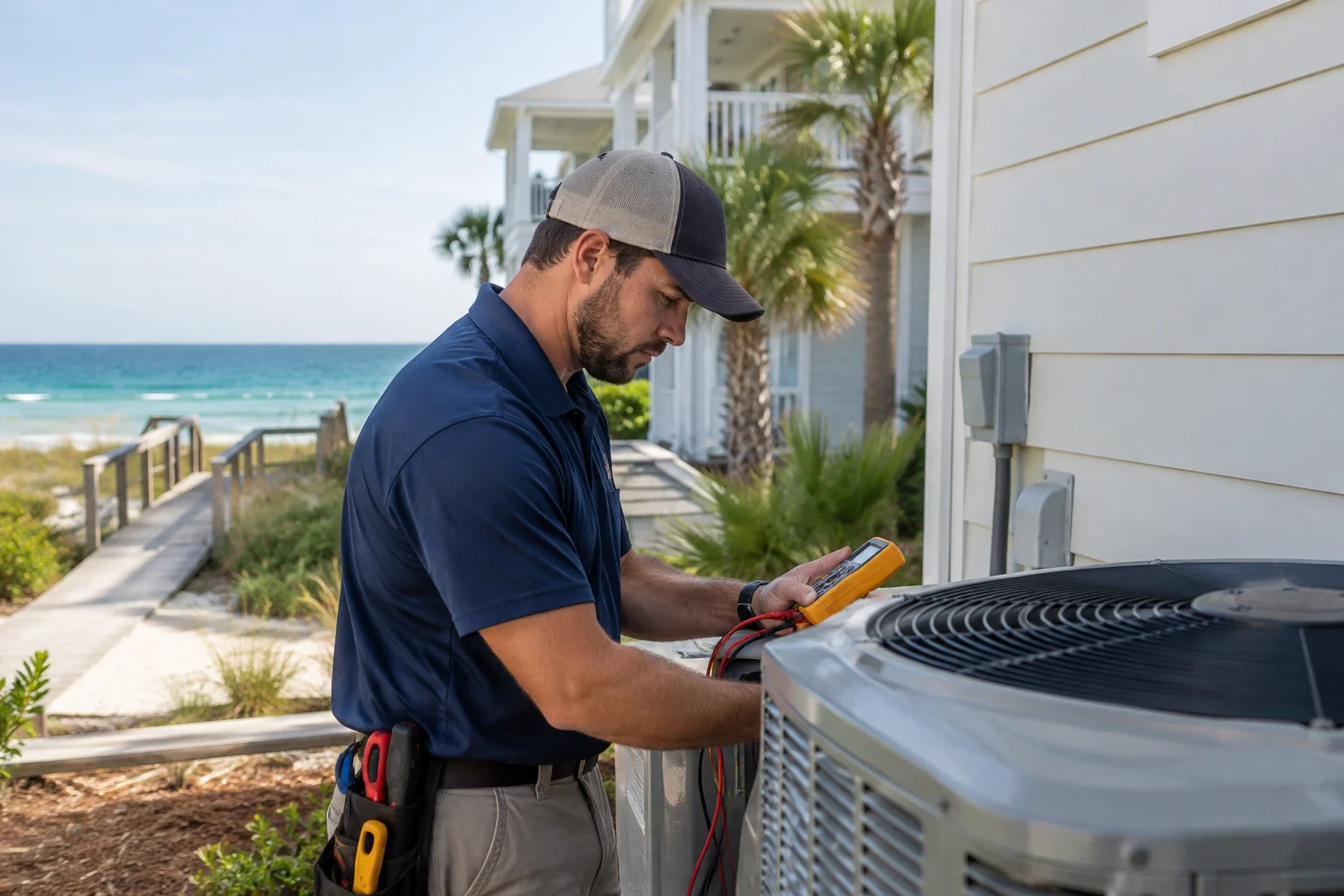
Storm readiness matters too. New construction projects in Okaloosa County often need equipment placement and line routing that make sense for local wind and rain conditions. Outdoor units should be positioned with drainage, service access, and exposure in mind. If the home is close to the coast, corrosion resistance becomes part of the planning process.
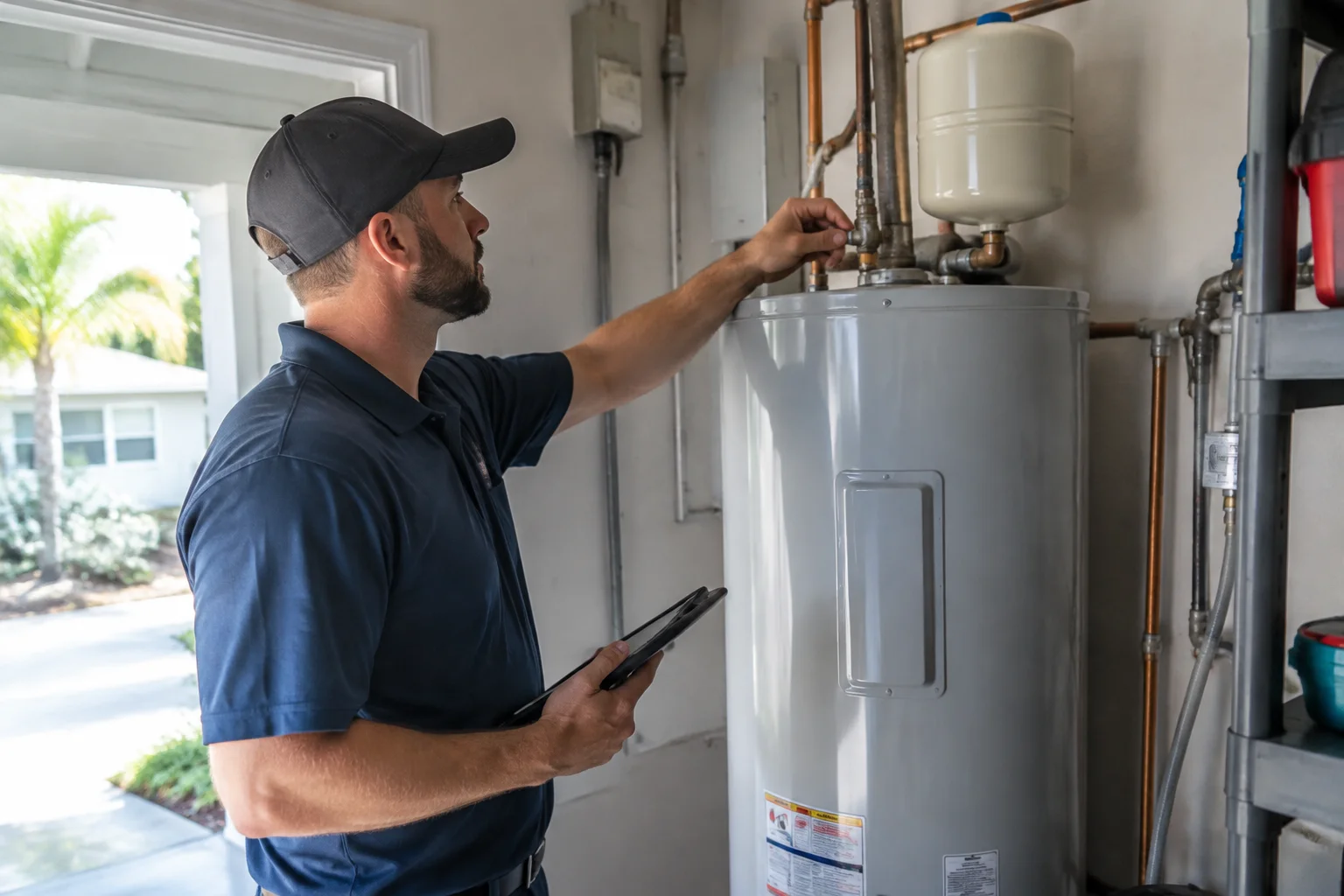
Even water quality can matter during a build. Many new homeowners in the area also consider plumbing and water treatment upgrades at the same time as HVAC work, especially if they want a more complete comfort plan for the home. For related reading, see Why Homeowners Need Water Leak Repairs in Fort Walton Beach, FL and Plumbing Financing in Fort Walton Beach, FL: Answers to Common Questions.
Common mistakes that create problems later
Many HVAC issues in new construction are avoidable. The trouble is that mistakes made during framing or rough-in can be hard to fix once the walls are closed up. That is why a proactive approach is worth the extra attention.
Equipment chosen before the design is complete
Some projects start with a preferred unit size instead of a real design plan. That can lead to poor performance and comfort complaints later. The better approach is to design first, then select equipment that matches the building’s actual needs.
Ducts squeezed into tight or hot spaces
When duct runs are forced into awkward areas, the system may lose efficiency and create uneven airflow. Leaky or poorly insulated ducts can also waste conditioned air. In a climate like Fort Walton Beach, that wasted air can mean higher energy bills and more humidity inside the home.
Ignoring moisture management
Cooling alone is not enough in a humid coastal market. If the system cannot manage moisture, homeowners may notice musty odors, condensation around vents, or a home that feels damp even when the thermostat says the temperature is right. These issues are easier to prevent during construction than to solve later.
Skipping commissioning
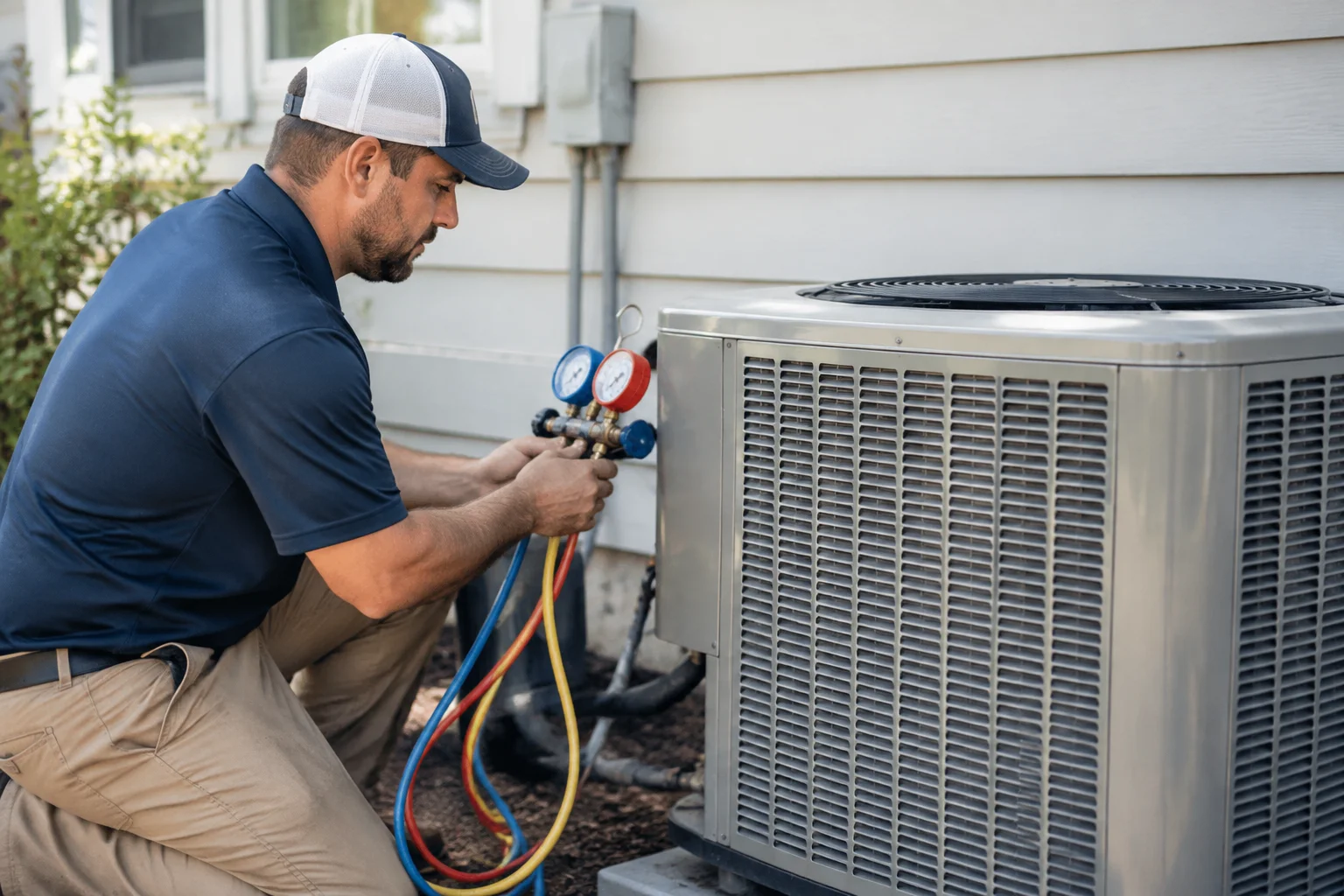
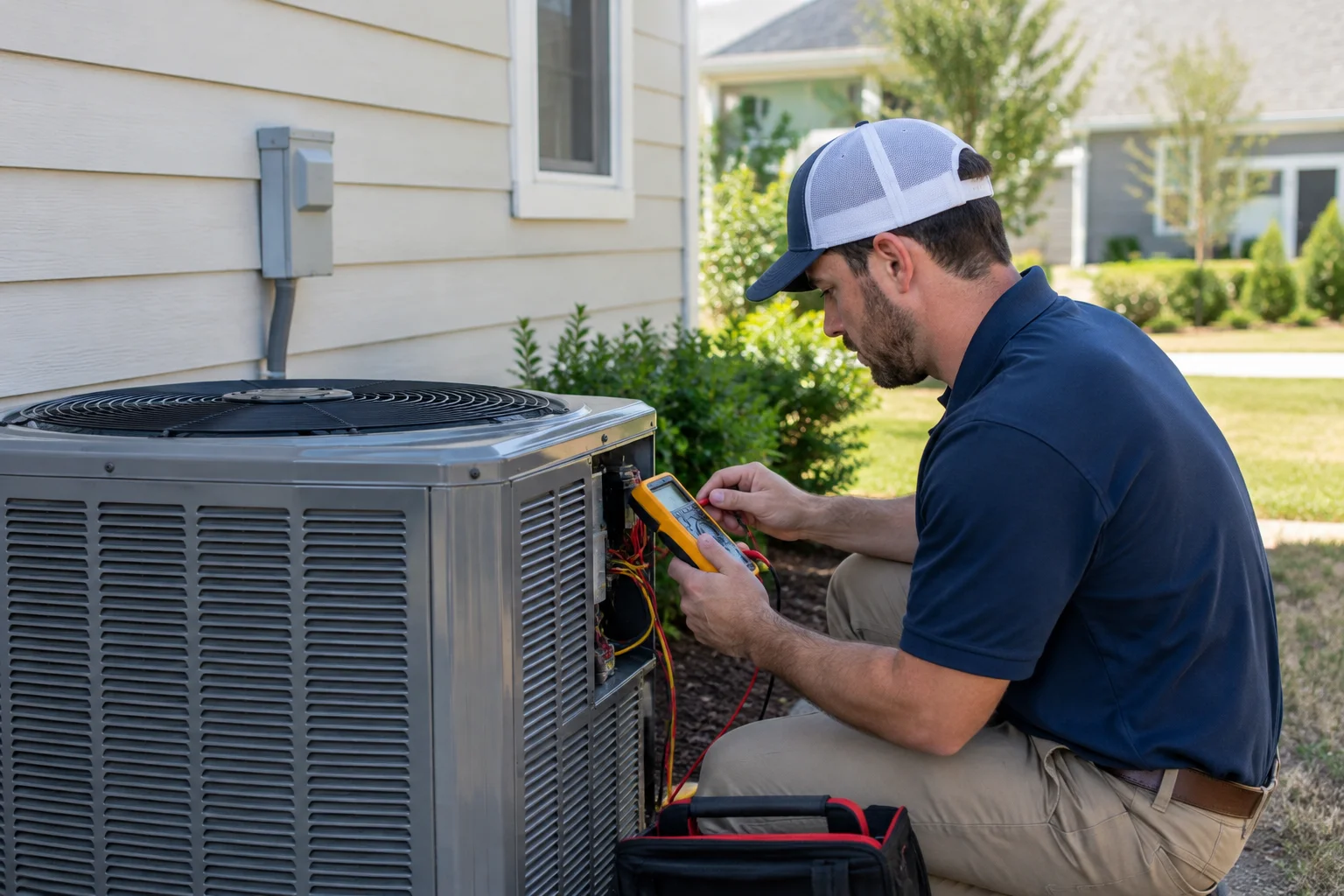
Commissioning is the step that confirms the system is installed and operating correctly. It can include airflow checks, thermostat testing, refrigerant verification, and inspection of drainage and controls. Skipping this step can leave hidden problems in place until the first heat wave exposes them.
How proactive planning saves time and money
New construction already involves a lot of moving parts. HVAC should support the schedule, not disrupt it. When the design is handled early, the builder can coordinate framing, electrical, plumbing, insulation, and drywall without last minute changes.
That coordination can also reduce callbacks after move in. Fewer callbacks mean fewer interruptions, lower repair costs, and a better experience for the homeowner. Comfort issues are much easier to address during construction than after the house is finished and furnished.
There is also long term value in getting the system right from the start. A properly designed and installed HVAC system can run more efficiently, maintain better indoor comfort, and avoid the kind of wear that comes from short cycling, airflow problems, or excess moisture.
When homeowners and builders should bring in a professional
The best time to contact an HVAC professional is early, ideally while the plans are still being developed. That gives the contractor time to review the layout, coordinate with the builder, and make sure the system design fits the home. Waiting until rough in is underway can limit options and increase costs.
Professional help is especially important if the project includes:
Multiple floors or additions to the main living area
Open floor plans with large glass areas
Homes near the water where corrosion and humidity are bigger concerns
Rental properties or multi unit buildings that need consistent performance
Energy efficient construction that requires careful ventilation planning
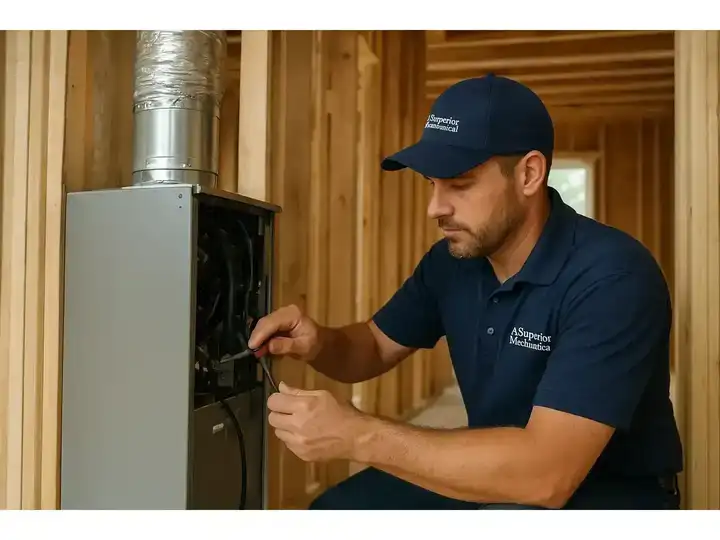
If the project is already in motion and you are trying to correct a design issue, a local contractor can still help with system adjustments before the build is finished. A Superior Mechanical provides new construction HVAC services in Fort Walton Beach, FL for residential and commercial projects built for comfort, efficiency, and code compliance.
How to keep a new system performing well after move in
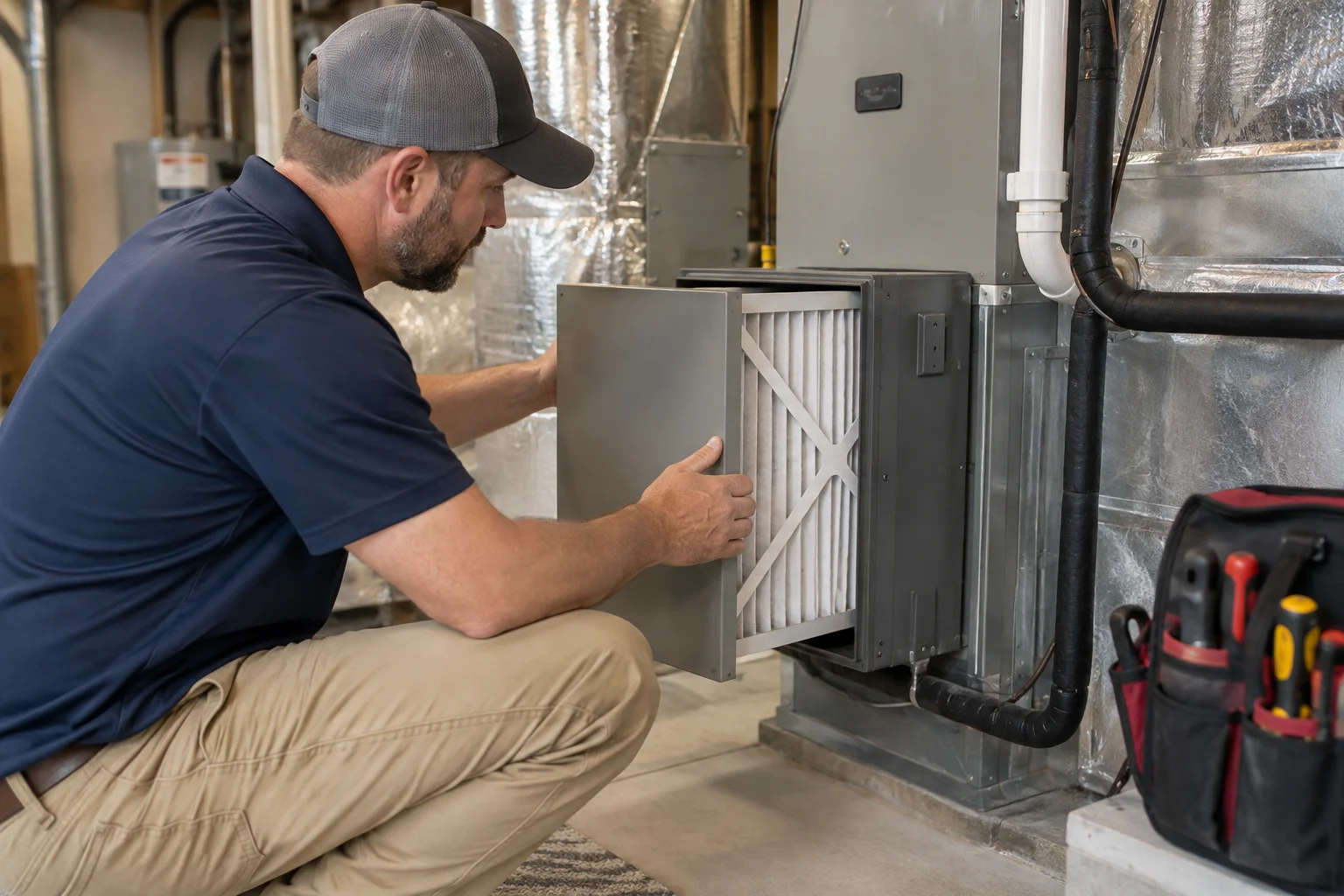
Once the home is complete, the work is not over. New systems need regular maintenance to stay efficient and comfortable in a humid coastal climate. Filters should be changed on schedule, drains should be checked, and outdoor units should be kept clear of debris and salt buildup.
Homeowners should also pay attention to early warning signs. Uneven temperatures, higher than expected humidity, short cycling, or unusual noises can all point to installation or maintenance issues. Catching those problems early can prevent bigger repairs later.
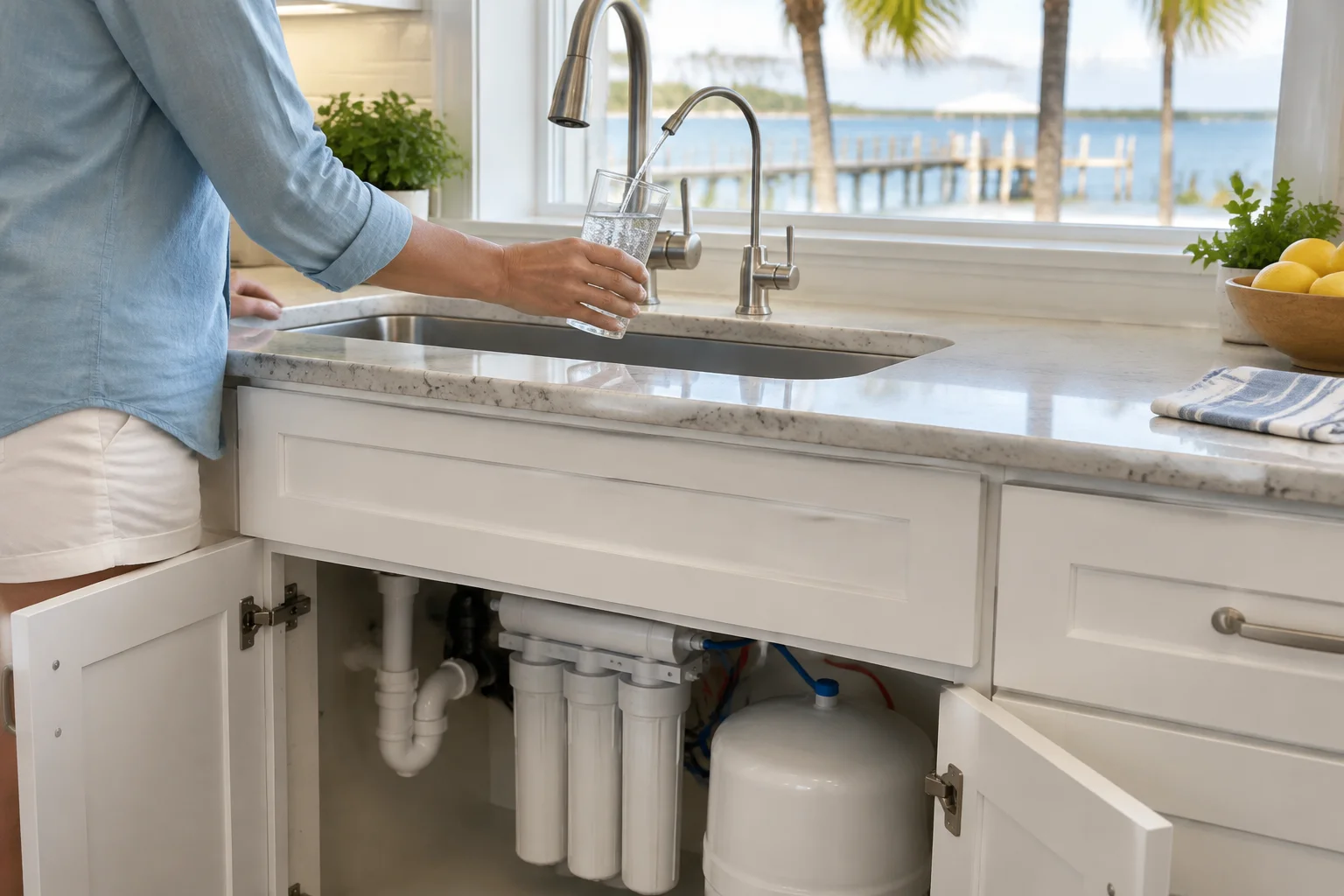
For homes that also use advanced water treatment, it can be helpful to coordinate comfort planning across systems. Some property owners in the area look at reverse osmosis systems or whole home water purification alongside HVAC and plumbing work so the finished home feels more complete and easier to maintain.
Building for comfort in Fort Walton Beach takes local know-how
New construction HVAC is not just about putting in equipment. It is about creating a system that fits the home, handles Gulf Coast humidity, and holds up in the local climate year after year. In Fort Walton Beach, that means planning for airflow, moisture control, and durability from the start.
Whether you are building a single family home, a rental property, or a commercial space, a proactive process can help avoid the common problems that show up after the walls are closed. The right design and installation choices now can save time, improve comfort, and reduce maintenance headaches later.
For builders and homeowners looking for a local partner, new construction HVAC services in Fort Walton Beach, FL from A Superior Mechanical are built around the realities of Okaloosa County construction and the demands of coastal living.
Find New Construction HVAC Services in Fort Walton Beach, FL
If you need New Construction HVAC Services in Fort Walton Beach, FL, visit our local service page or contact A Superior Mechanical today.
Map of Fort Walton Beach, FL
Frequently Asked Questions
Why is new construction HVAC in Fort Walton Beach different from inland projects?
Fort Walton Beach has higher humidity, salt air, and a long cooling season. Those conditions make system sizing, duct design, ventilation, and corrosion protection more important than they might be in a drier climate.
How early should HVAC be planned during a new build?
As early as possible, ideally during the design phase. Early planning gives the contractor time to coordinate with the builder, review the floor plan, and avoid changes after framing is complete.
What problems happen when HVAC is not designed well in new construction?
Common issues include uneven temperatures, high humidity, noisy airflow, short cycling, and higher energy bills. Poor duct layout and incorrect sizing are two of the biggest causes.
Can HVAC planning be coordinated with other home comfort upgrades?
Yes. Many homeowners coordinate HVAC with indoor air quality improvements and water treatment options such as whole home water purification or reverse osmosis systems for a more complete home setup.
Related Articles
- Planning New Construction HVAC in Fort Walton Beach for Comfort That Lasts
- Commercial HVAC Installation in Fort Walton Beach Homes: Problems Local Property Owners Should Not Overlook
- Why Homeowners Need Water Leak Repairs in Fort Walton Beach, FL
- Plumbing Financing in Fort Walton Beach, FL: Answers to Common Questions
Photo Gallery