Fort Walton Beach has a climate that keeps HVAC systems busy nearly year-round. Warm, humid summers, salty air, and sudden weather shifts can put real stress on equipment, ductwork, and controls. For homeowners with larger properties, multi-unit buildings, home offices, or mixed-use spaces, commercial HVAC installation can be a practical solution when standard residential systems are not enough.
At A Superior Mechanical, we help property owners across Fort Walton Beach and Okaloosa County plan systems that fit the building, the usage, and the local climate. If you are comparing options for commercial HVAC installation in Fort Walton Beach, FL, it helps to understand what can go wrong, what a proper installation should address, and which warning signs should never be ignored.
Why commercial HVAC can make sense for some homes in Fort Walton Beach
Not every home needs a commercial-grade HVAC system, but some properties do benefit from one. Larger coastal homes, homes with additions, garages converted into living space, or properties with separate office or rental areas can need more capacity and better zoning than a standard residential system provides. Commercial equipment can also be a good fit when a homeowner wants more precise control over multiple areas or needs a system built to handle heavier use.
In Fort Walton Beach, the climate adds another layer. High humidity can make indoor comfort harder to maintain, even when the temperature seems manageable. Oversized humidity loads, salt exposure, and long cooling seasons can shorten equipment life if the system is not selected and installed correctly. That is why homeowners often look for services that are designed for the local environment rather than a one-size-fits-all setup.
Installation issues that can create problems later
A well-designed HVAC installation should solve comfort problems, not create new ones. Unfortunately, many system issues begin during the planning or installation stage. One of the most common problems is incorrect sizing. If the equipment is too small, it may run constantly and still fail to cool the space. If it is too large, it can short cycle, leaving humidity behind and causing uneven temperatures.
Another issue is poor duct design. Ducts that are undersized, leaky, or routed poorly can waste energy and create rooms that never feel comfortable. In coastal homes, duct leakage can also pull in humid air, which makes the system work harder and can encourage mold growth. This is especially important in properties that already deal with moisture concerns or older construction.
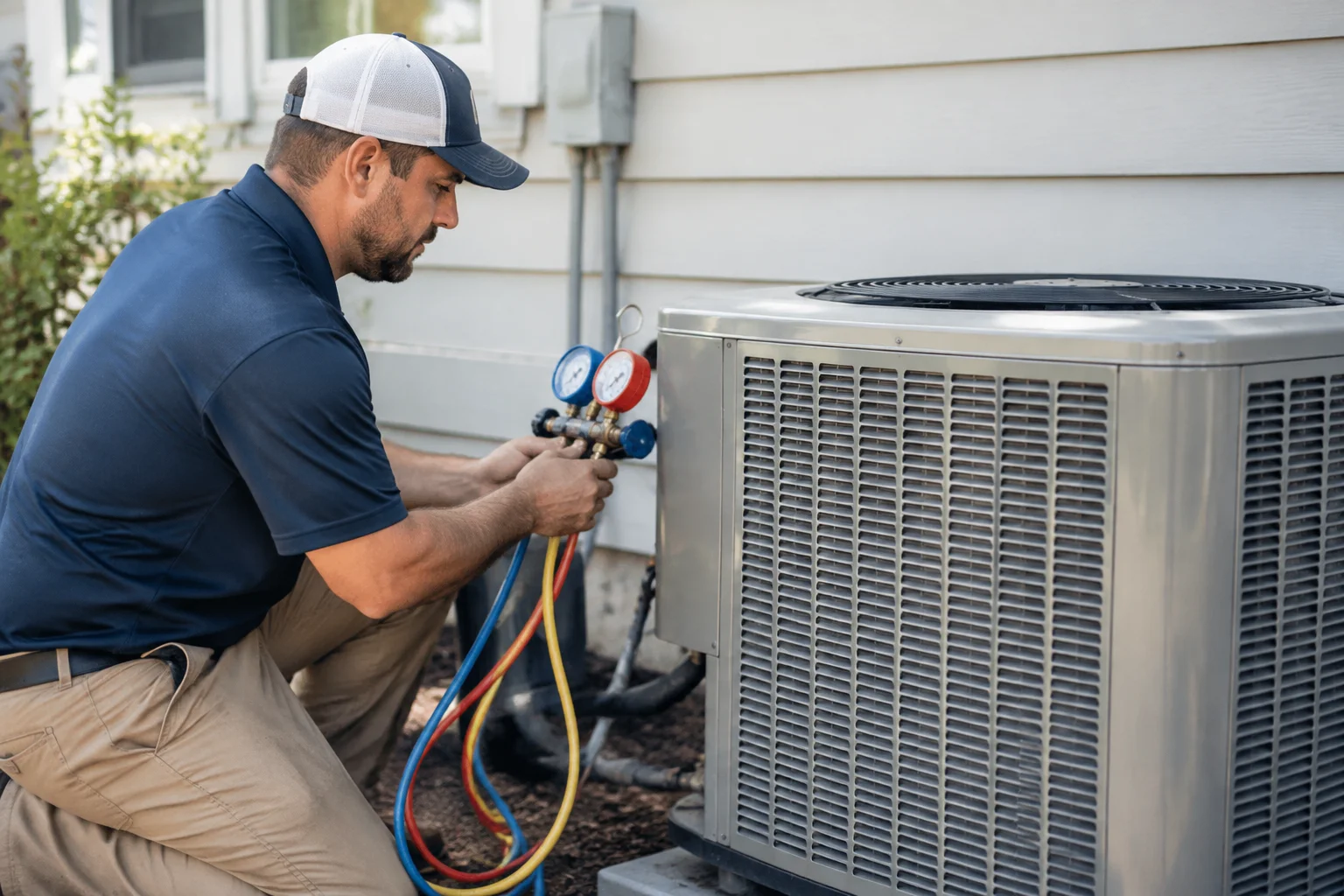
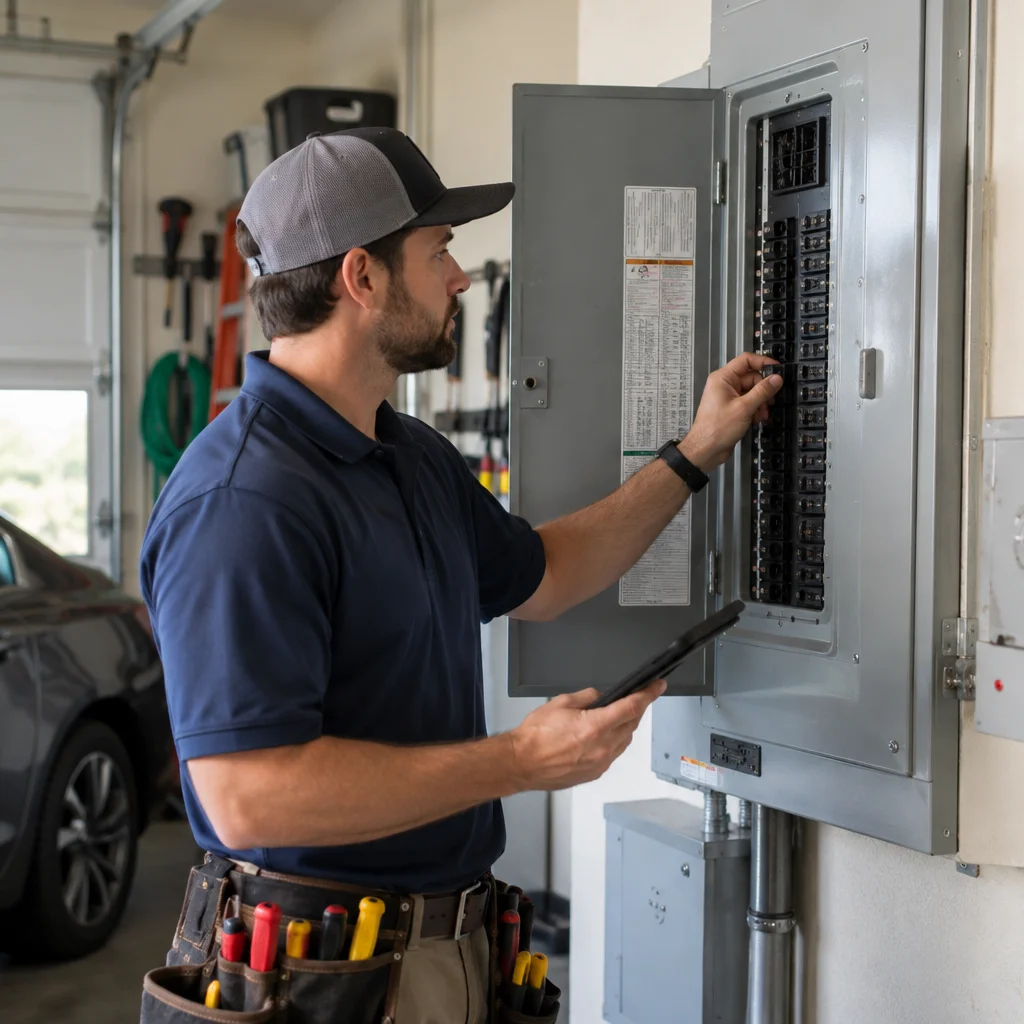
Installation quality matters just as much as equipment quality. Refrigerant lines, electrical connections, drainage, and thermostat placement all affect how a system performs. A system may look fine on day one and still struggle because the installation did not account for airflow, zoning, or local code requirements.
Humidity control is not optional in this climate
Fort Walton Beach homeowners know that comfort is not just about temperature. A house can be cool and still feel sticky if the system is not removing enough moisture. That is a common complaint in Gulf Coast homes, and it often points back to poor installation choices or a system that was never matched to the property’s needs.
Commercial HVAC systems can offer stronger dehumidification when they are properly designed. But if the controls are not set correctly, the thermostat is in the wrong place, or the system cycles too quickly, humidity problems can remain. That is why local installation experience matters. A technician familiar with coastal conditions will think about more than cooling capacity alone.
Warning signs homeowners should not brush off
Some HVAC issues start small and become expensive if ignored. Uneven temperatures between rooms can suggest airflow problems, duct leaks, or zoning issues. Excess indoor humidity may point to an oversized unit, poor refrigerant settings, or faulty controls. Rising energy bills can also be a clue that the system is working harder than it should.
Other signs include frequent cycling, unusual noises, weak airflow, and odors coming from vents. If a system seems to run all the time but never reaches the set temperature, the installation may not be matched to the building load. If you notice water around the air handler or staining near ceilings and walls, do not assume it is only an HVAC issue. Moisture can also overlap with plumbing or drainage problems, which is why some homeowners pair HVAC evaluation with services like water leak repairs in Fort Walton Beach, FL when there are signs of hidden moisture.
For homes with slab foundations or older plumbing, moisture around the system can sometimes be confused with a plumbing leak. In those cases, leak detection and slab leak repair may be part of the bigger picture. It is better to identify the source early than to let water damage spread through walls, floors, or insulation.
How local conditions in Okaloosa County affect HVAC performance
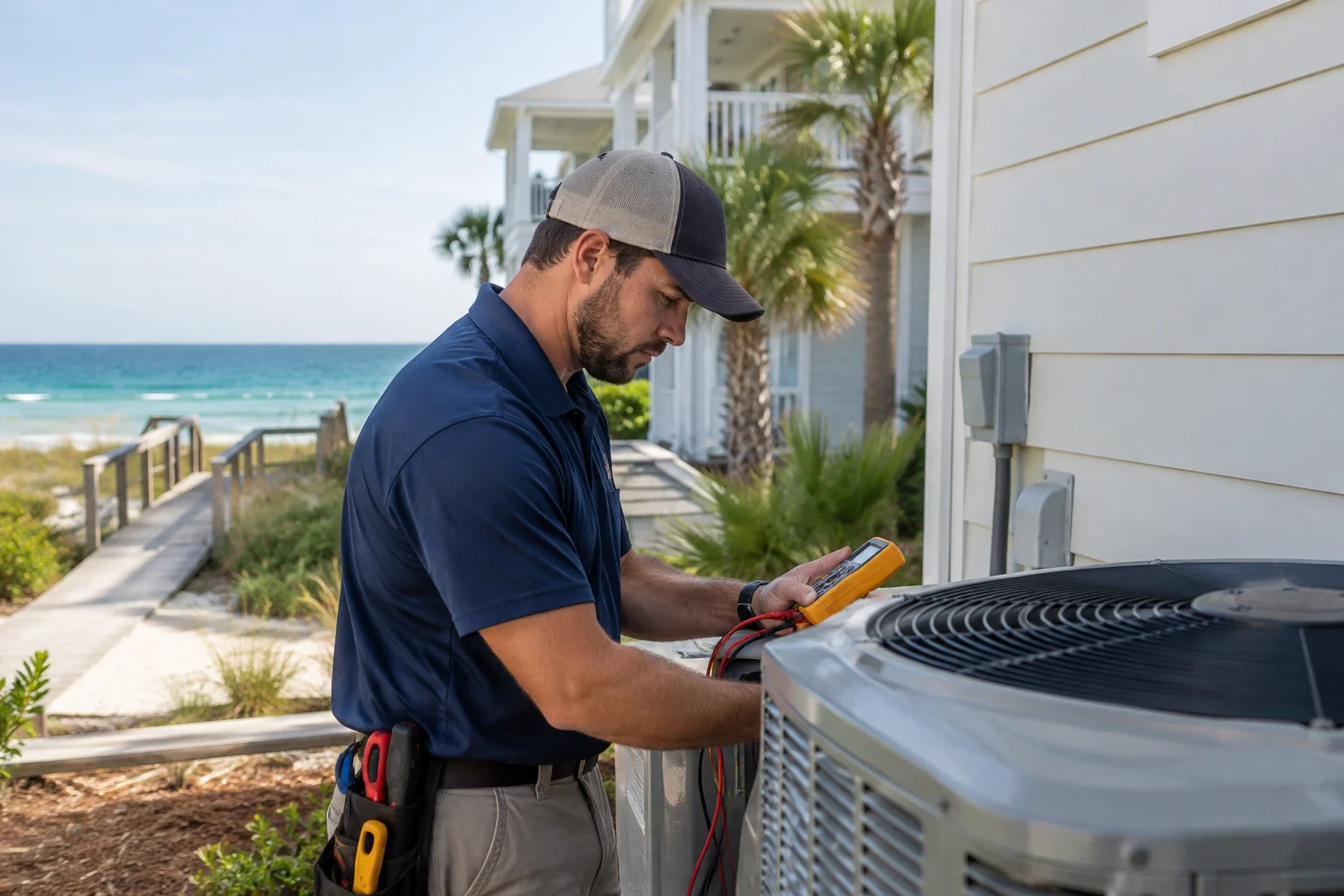
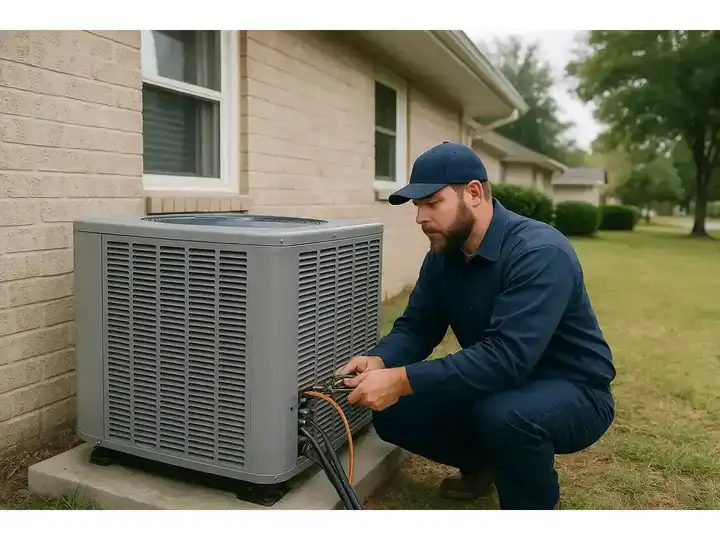
Homes in Fort Walton Beach and across Okaloosa County face a mix of heat, humidity, salt air, and storm exposure. Salt can corrode outdoor components faster than many inland homeowners expect. Heavy rain and tropical weather can also expose drainage problems and weak installation points. Even small issues, like a poorly sealed cabinet or an unprotected line set, can become bigger concerns over time.
Local service matters because technicians who work in this area understand those conditions firsthand. They know how coastal air affects equipment life, how to plan for drainage and corrosion resistance, and how to install systems that are easier to maintain over the long term. That local knowledge can make the difference between a system that struggles every summer and one that performs reliably through the hottest months.
Solutions that improve comfort and reliability
Good commercial HVAC installation starts with a careful assessment of the property. That includes the size of the home or building, the layout, insulation levels, window exposure, occupancy patterns, and any special comfort zones. A proper load calculation helps determine the right equipment size instead of relying on rough guesses.
In many Fort Walton Beach properties, zoning can improve comfort dramatically. Separate zones allow different areas to be cooled independently, which helps with sunrooms, upstairs bedrooms, home offices, or guest spaces that are not used all day. For homes that need more advanced control, VRF multi-zone HVAC systems can provide flexible comfort across multiple areas with better efficiency than older setups.
Drainage planning also matters. High humidity means condensate management must be done carefully, especially in homes where the system runs for long stretches. Proper slope, secure drain lines, and regular inspection can prevent overflow and water damage. If a property already has aging plumbing fixtures or related moisture concerns, plumbing fixture replacement may be worth considering alongside HVAC improvements.
Maintenance that helps a new system last longer
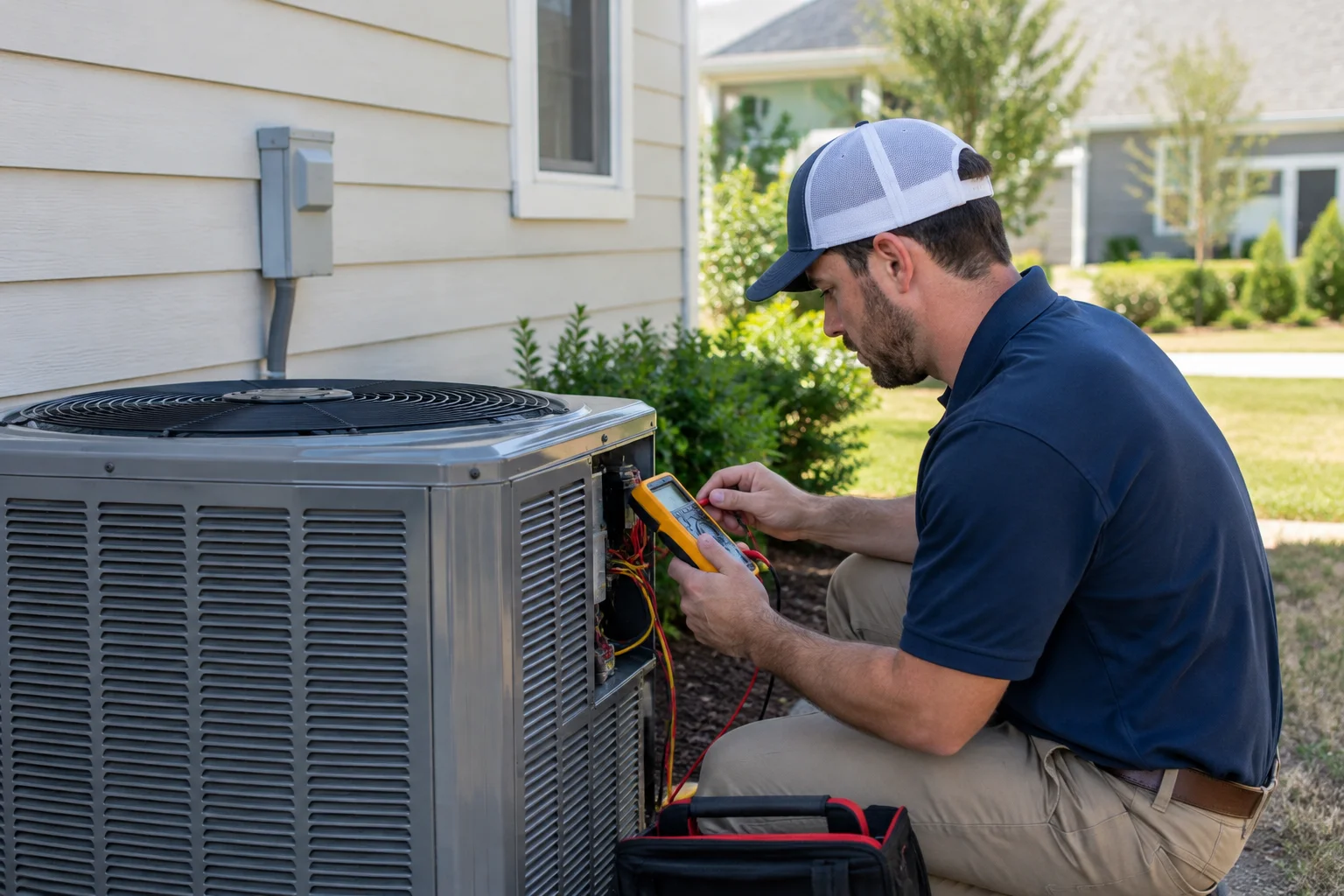
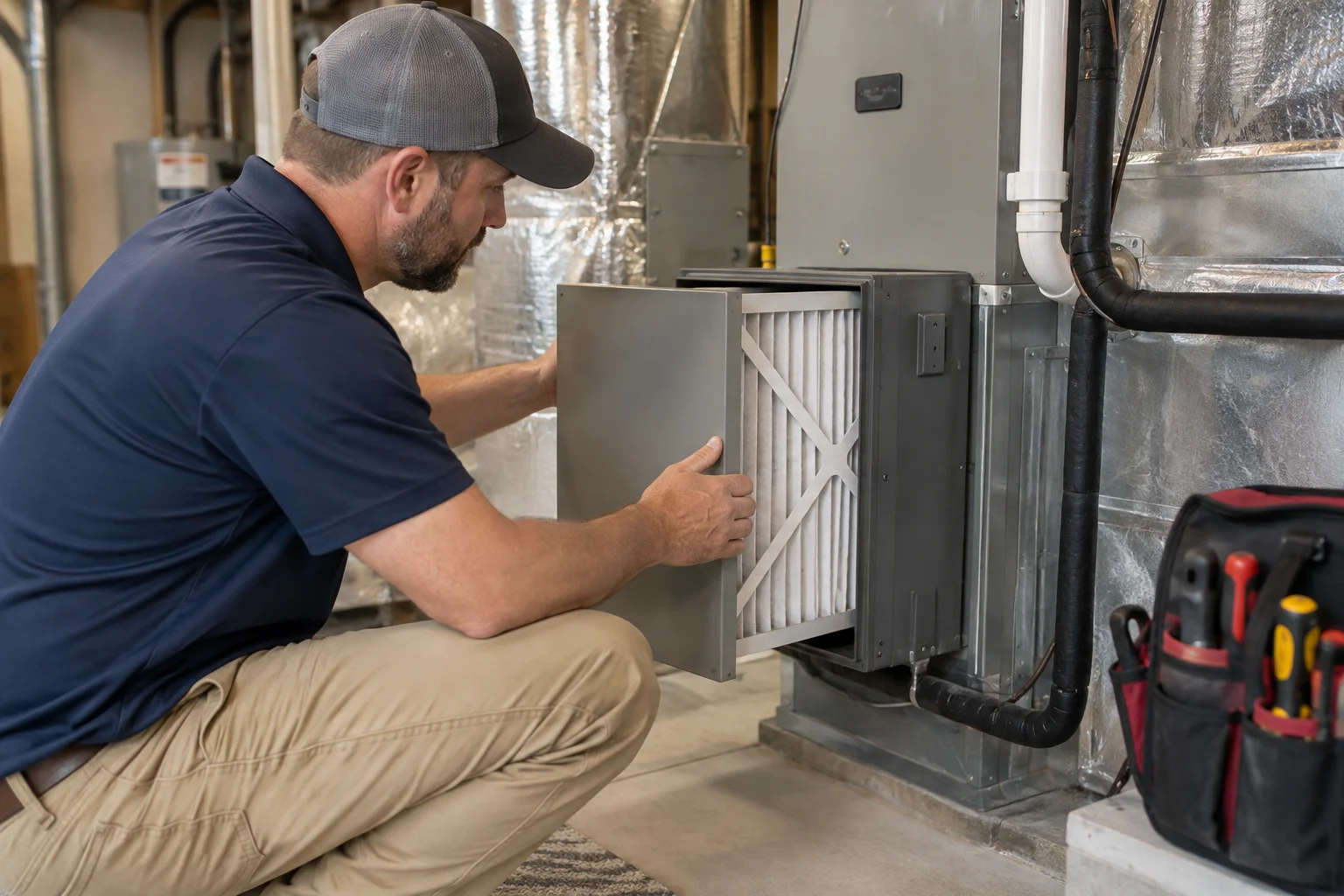
Even the best installation needs routine care. Homeowners should replace filters on schedule, keep outdoor units clear of debris, and pay attention to drainage around the system. In coastal areas, outdoor coils and components should be inspected for corrosion more often than in inland locations.
Seasonal maintenance is especially useful before peak cooling months arrive. A tune-up can catch loose connections, low refrigerant, clogged drains, and airflow issues before they become service calls. If your property has older water lines or recurring moisture around the mechanical area, a separate review of water line replacement may also be smart, since hidden leaks can affect both comfort and indoor air quality.
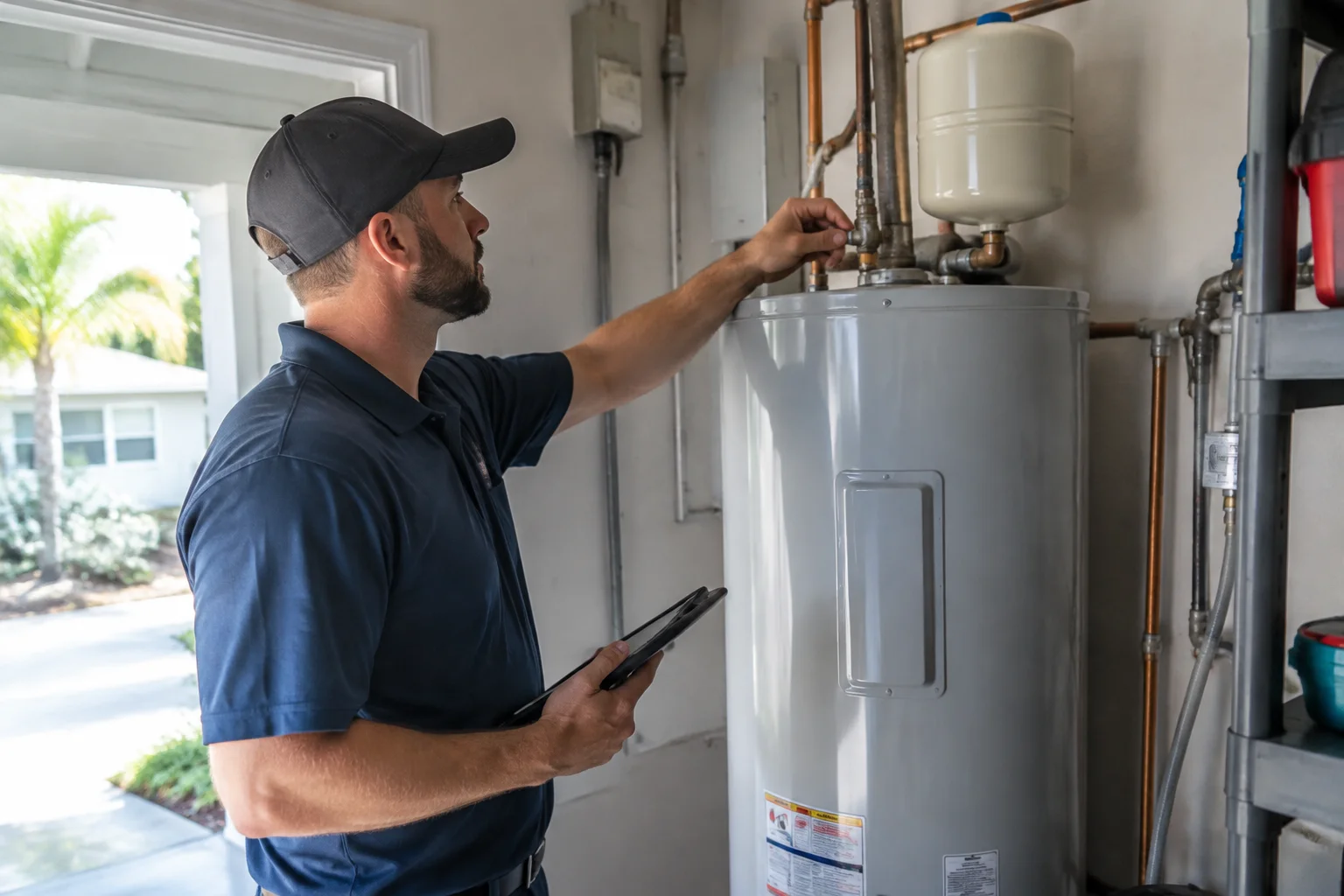
Homeowners who are planning a larger upgrade often ask about budget timing too. For broader home improvement planning, articles like plumbing financing in Fort Walton Beach, FL and keeping your water heater reliable in Fort Walton Beach’s coastal climate can help you think through how mechanical systems fit together over time.
When a professional evaluation makes sense
If your current system is uneven, noisy, inefficient, or struggling with humidity, it is worth having a professional look at the full setup before the problem gets worse. That is especially true for larger homes, older properties, and houses that have been remodeled without updating the HVAC design. A system that was fine years ago may no longer fit the way the home is used today.
Professional installation is also important if you are converting space for business use, adding a rental suite, or updating a property that needs more precise zone control. A Superior Mechanical can help homeowners and property owners evaluate whether commercial HVAC installation is the right fit, then design and install a system that matches the building and the local climate.
For homeowners in Fort Walton Beach, the goal is not just colder air. It is steady comfort, better humidity control, lower waste, and equipment that is built to handle Gulf Coast conditions. If your property needs a more capable system, the right installation plan can make a lasting difference.
Find Commercial HVAC Installation in Fort Walton Beach, FL
If you need Commercial HVAC Installation in Fort Walton Beach, FL, visit our local service page or contact A Superior Mechanical today.
Map of Fort Walton Beach, FL
Frequently Asked Questions
Can a homeowner in Fort Walton Beach use commercial HVAC equipment?
Yes, in some cases. Larger homes, mixed-use properties, and homes with multiple zones or heavy cooling demands may benefit from commercial-grade equipment if it is properly designed and installed.
Why does humidity matter so much for HVAC systems in Fort Walton Beach?
High humidity makes indoor comfort harder to maintain and can lead to sticky rooms, mold concerns, and extra strain on the system. Proper installation and airflow design help the equipment remove moisture more effectively.
What are the most common problems after a new HVAC installation?
Incorrect sizing, duct leaks, poor drainage, and weak airflow design are among the most common issues. These problems can cause uneven temperatures, high energy bills, and humidity control trouble.
How often should a coastal HVAC system be checked?
At least once or twice a year is a good rule for coastal properties. Fort Walton Beach homes often benefit from more frequent inspection because salt air and humidity can wear on components faster.
Related Articles
Photo Gallery