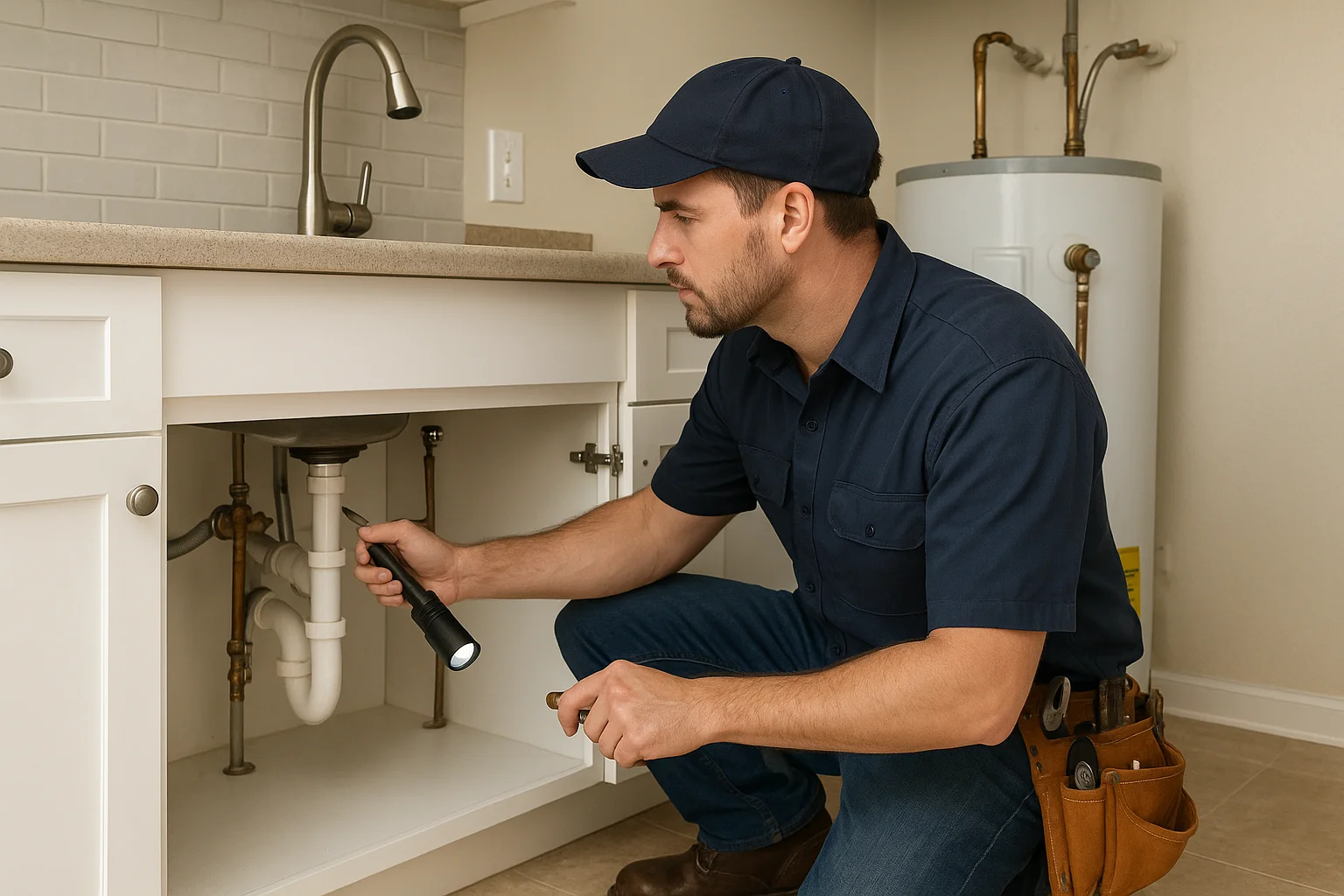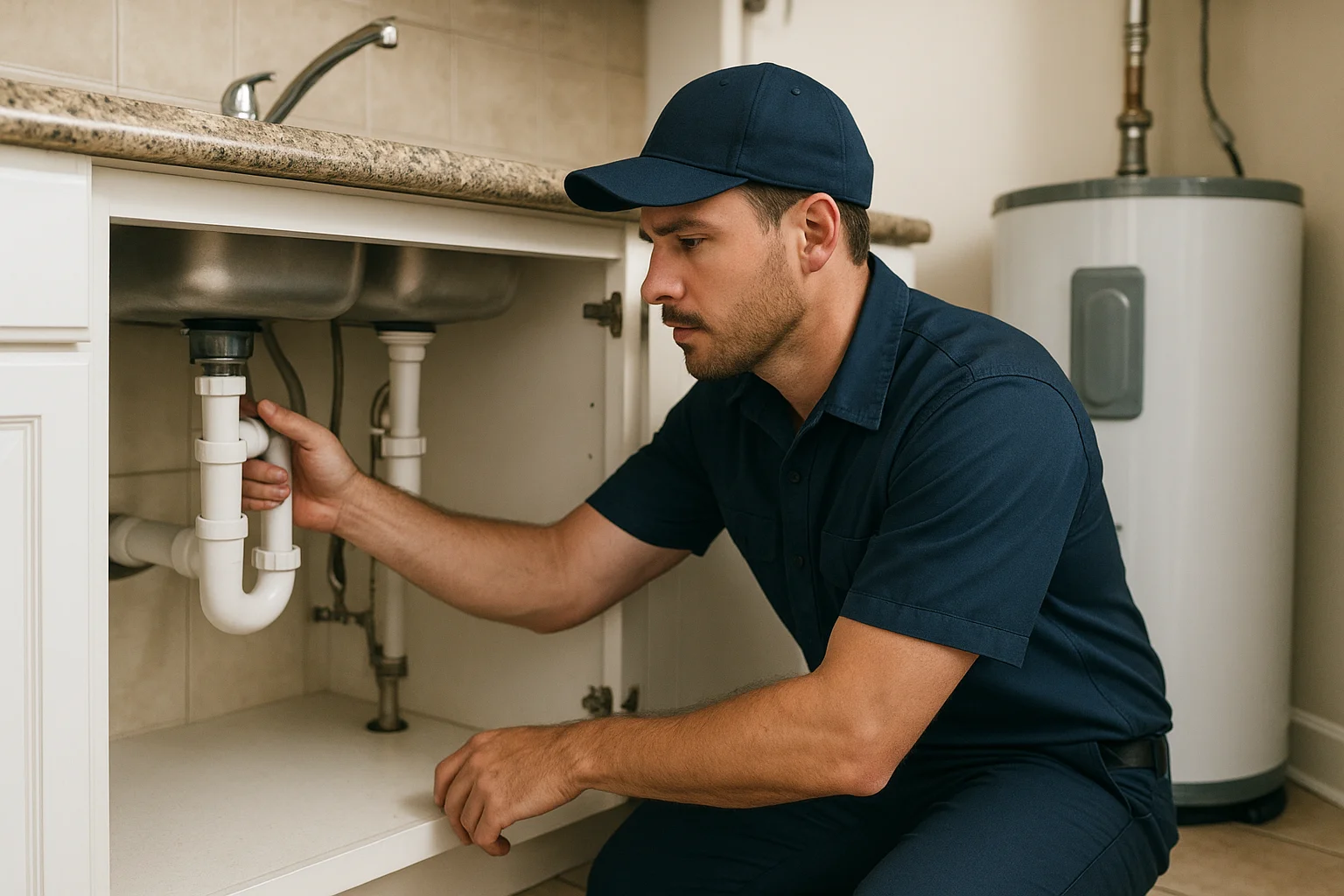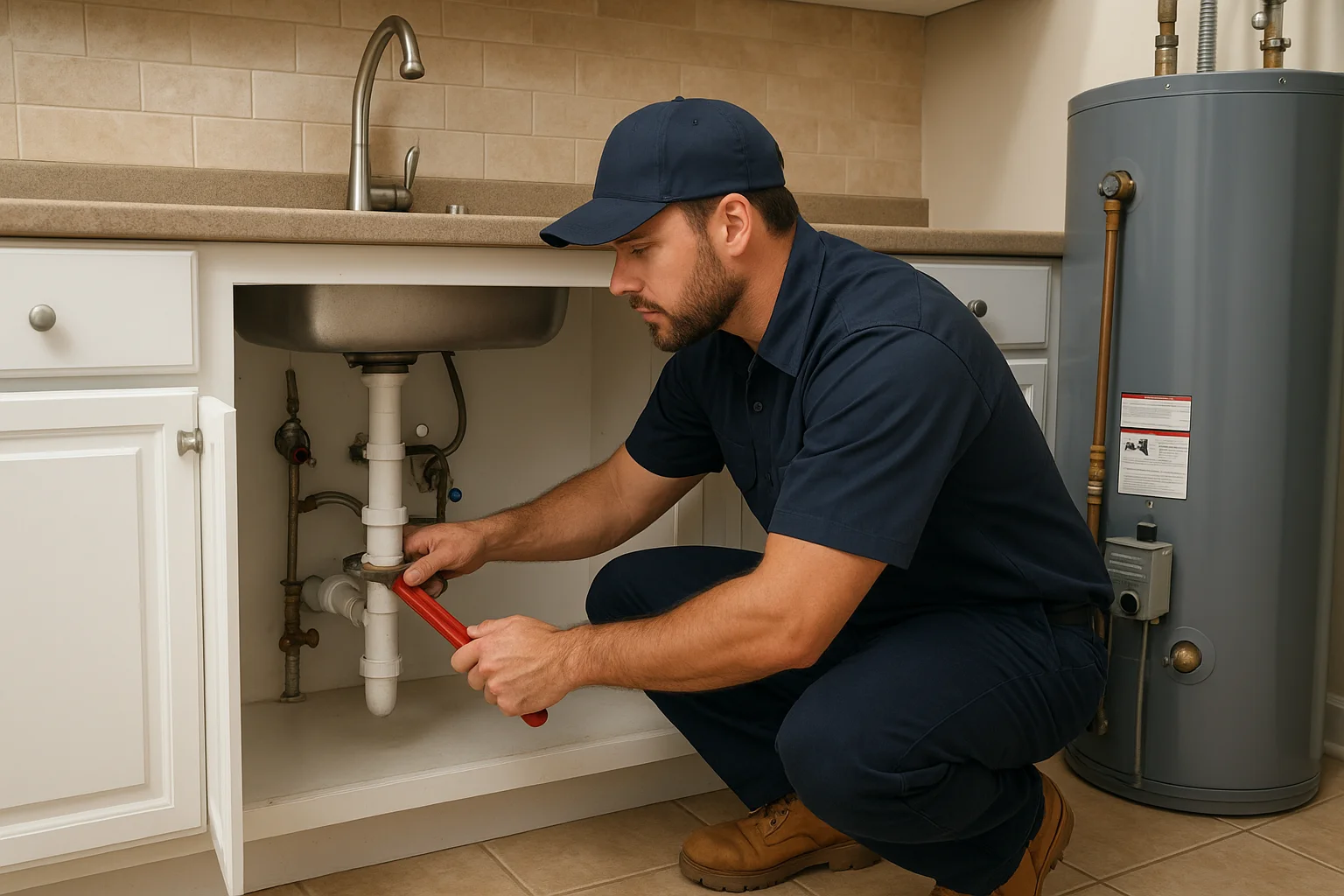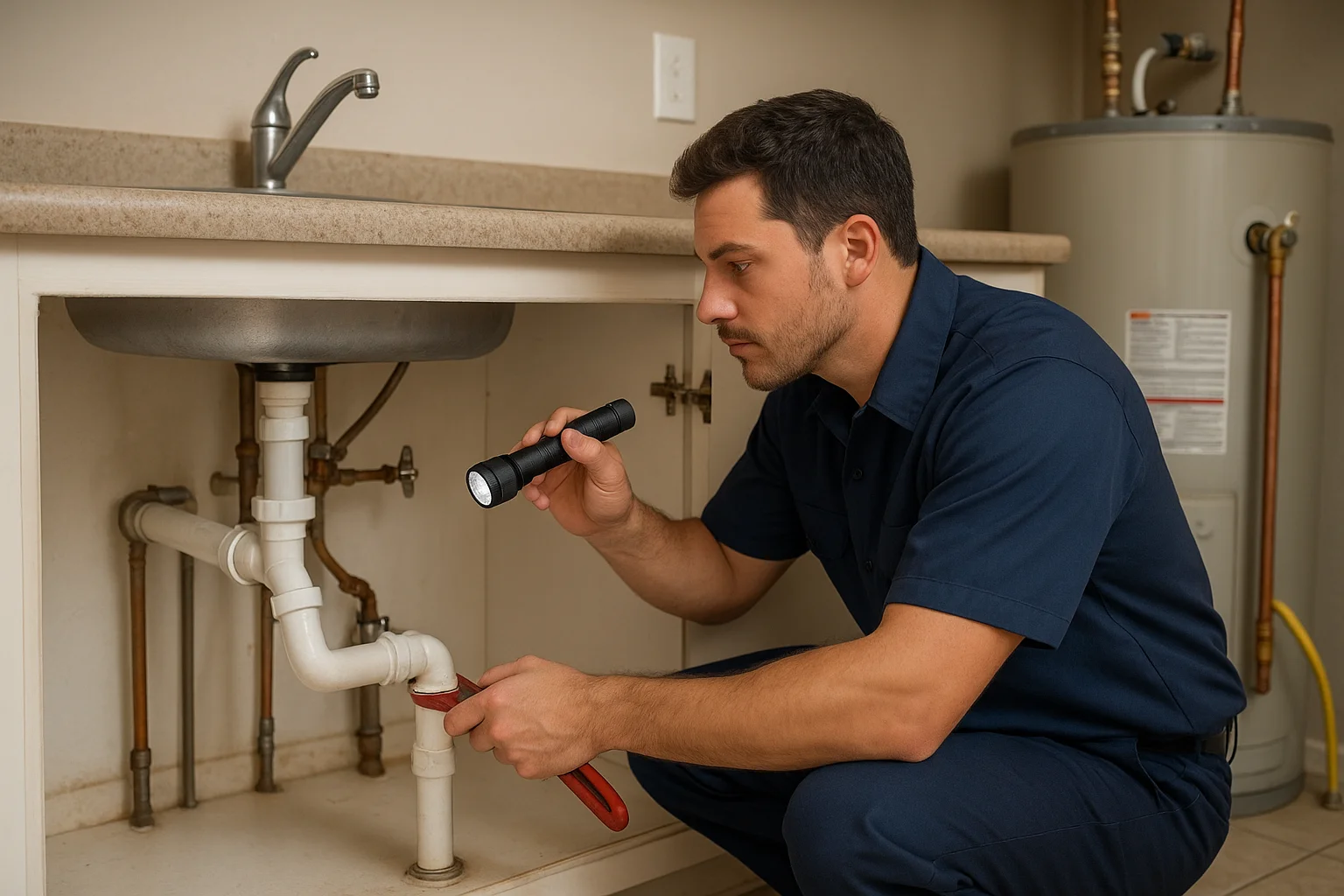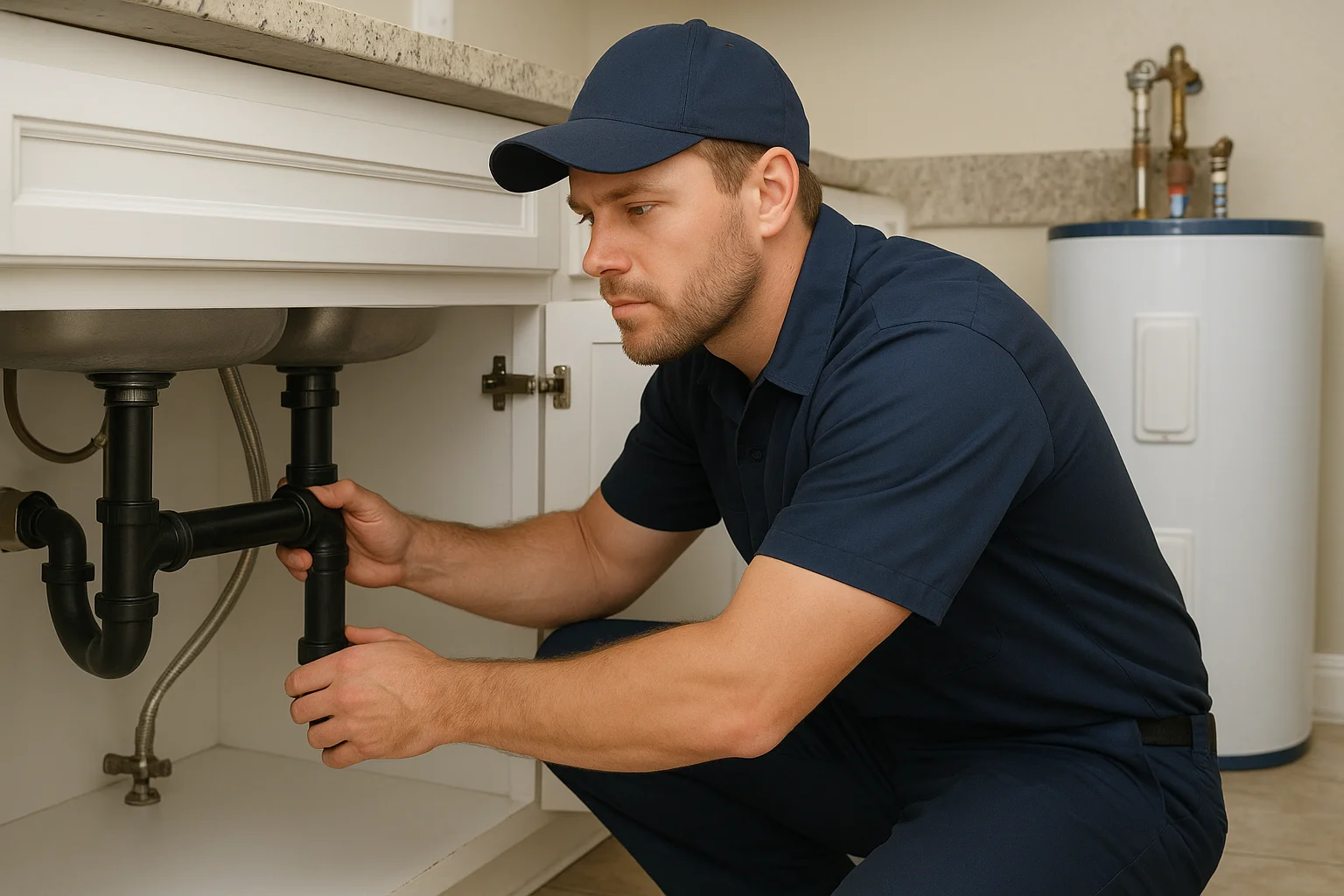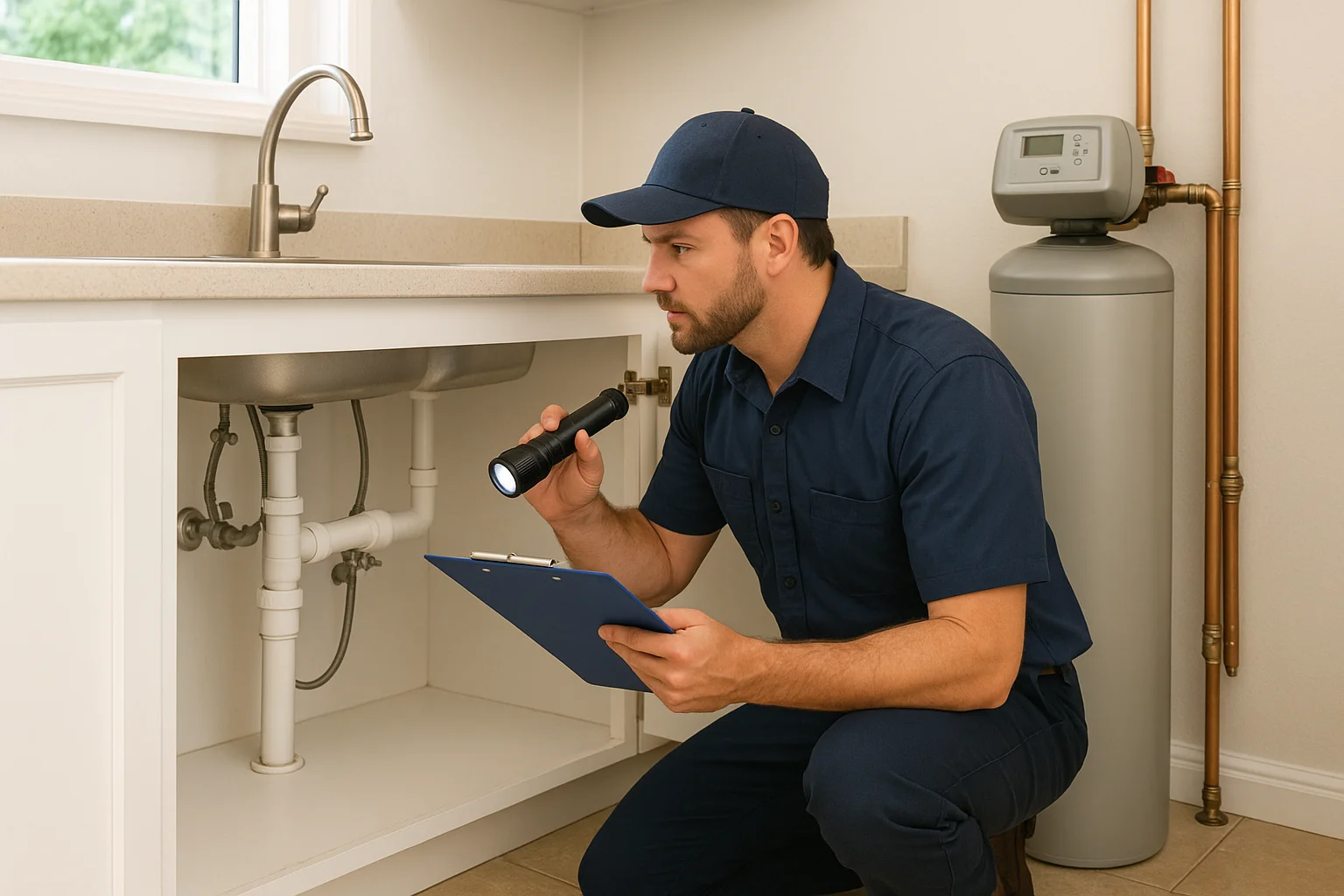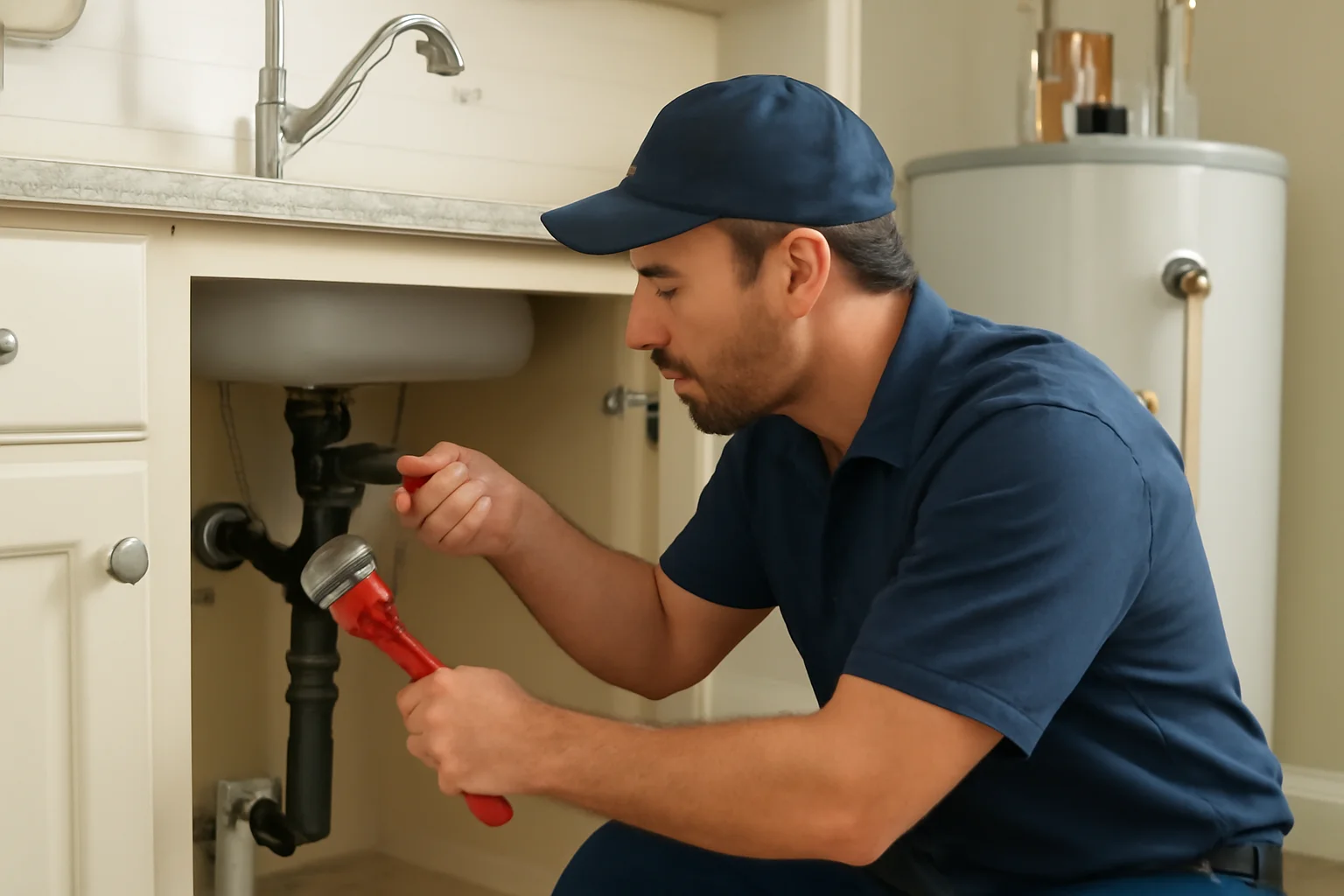
Water heater installation is one of those home projects that can feel simple until something goes wrong. In Bid-A-Wee, FL, where homes may have older plumbing, shared utility spaces, and varying water use patterns, planning ahead helps you protect your floors, cabinets, and foundation from leaks and water damage.
A Superior Mechanical provides professional water heater installation in Bid-A-Wee for homeowners, vacation rentals, and businesses across Bay County. This guide lays out a practical timeline and checklist to help you reduce risk, coordinate plumbing repairs, and keep hot water flowing safely.
Start with the real goal: prevent leaks that become water damage
Most water heater problems do not start with catastrophic failure. They begin with small issues around connections, venting, pressure, drainage, or the condition of nearby pipes. A slow leak can show up as damp drywall, bubbling paint, or musty smells. A faster leak can saturate insulation, damage subflooring, warp baseboards, and create emergency plumbing concerns before you can react.
Planning ahead means you treat the installation as a full plumbing system upgrade, not just a swap of the tank or unit. That includes checking water pressure, evaluating existing pipes, confirming drainage pathways, and making sure fixtures and drains nearby are ready for normal use.
Know what makes Bid-A-Wee homes different
Bid-A-Wee is in Bay County, where many homes rely on consistent hot water for daily routines, guest stays, and property maintenance. Local conditions can influence plumbing performance in ways that matter during installation:
- Hard water and mineral buildup: Hard water can shorten the life of water heaters and increase scale in tanks and lines. That buildup can contribute to inefficient heating and more frequent maintenance needs.
- Water pressure fluctuations: If your home has pressure swings, new components can wear unevenly. Pressure that is too high can stress valves and connections.
- Older plumbing in some neighborhoods: Homes with aging copper, galvanized steel, or older shutoff valves may need pipe repair or fixture replacement before installation.
- Foundation and slab risk: If you have a slab or suspect movement, a hidden leak can cause water damage that looks unrelated. Leak detection is especially important when you notice damp spots, cracks, or unexplained moisture.
If you are searching for a “plumber near me” because your water heater is acting up, it helps to ask whether your installation plan includes pressure checks, pipe condition review, and leak prevention steps, not just connecting a new unit.
Build your installation timeline around your household water use
In a typical home, hot water demand varies by season and routine. In vacation rentals, demand can spike quickly when multiple guests shower back-to-back. Planning your schedule helps you avoid the “no hot water” gap and reduces the chance of rushed work that overlooks plumbing details.
One to two weeks before installation
- Confirm the right type of heater: Decide between a tank and tankless system based on your hot water needs, recovery goals, and the condition of your existing plumbing. Homeowners searching for water heater installation near me often choose tankless for efficiency, but the best fit depends on your flow rate and pipe sizing.
- Check for water pressure issues: Have your plumber measure pressure and verify that shutoff valves and supply lines are in good condition. If you have frequent pressure-related problems, address them before the new heater goes in.
- Review your drains and nearby fixtures: Make sure the area around the heater is accessible and dry. If you have recurring issues with sinks, tubs, or drains, schedule those repairs so you are not dealing with multiple plumbing failures at once.
48 to 72 hours before installation
- Plan for water shutoff: Coordinate with household members or guests. If you run a rental property, consider scheduling the work during a low-occupancy window.
- Inspect for existing leaks: Look for dampness around the heater, under nearby cabinets, or along the path of water lines. If you notice moisture, treat it as a potential leak repair need before installation.
- Clear the installation area: Ensure access to the unit location, valves, and venting route. Better access reduces installation time and lowers the chance of accidental damage to pipes.
Day of installation
- Confirm venting and safety details: The heater must be installed according to code requirements. A safe venting setup helps prevent backdrafting and combustion issues that can create long-term problems.
- Verify connections and leak testing: A professional install includes careful connection work and leak testing. This is where planning pays off. You want the installer to slow down and verify each connection and valve.
- Check hot water temperature and flow: After installation, confirm the heater settings and ensure hot water reaches fixtures properly.
Choose the right unit by matching it to your plumbing and water habits
A water heater is only as dependable as the plumbing system it connects to. Before you buy or schedule installation, consider these factors:
- Tank size or tankless flow requirements: If your home uses hot water heavily, undersized equipment can lead to lukewarm showers and more frequent cycling.
- Pipe condition and sizing: If your lines are undersized or deteriorating, you may need pipe repair to support the new unit. That is especially important for tankless systems.
- Shutoff valves and service access: Old valves can leak during maintenance. Replacing a worn valve is often cheaper than dealing with a water leak repair emergency later.
- Hard water and maintenance: If mineral buildup is a concern, you may want to discuss water filtration options. For more on that, see Water Filtration Services.
Homeowners comparing options for hot water heater repair near me sometimes discover that the real issue is scale and plumbing wear. Planning now can reduce future breakdowns and help the new heater last longer.
Inspect pipes, drains, and the “hidden” pathways water takes
Water damage spreads through pathways you might not see. During planning, focus on the places leaks travel:
Supply lines and shutoffs
Check the condition of the cold and hot supply lines, unions, and shutoff valves. If you have signs of corrosion or small drips, address them before installation. This is one of the most common causes of recurring leaks after a swap.
Drain connections and discharge safety
A water heater includes a discharge pathway for safety and temperature or pressure relief. If the discharge line is blocked, improperly routed, or too close to materials that can be damaged, it can create emergency plumbing concerns.
Nearby drains and venting systems
Even when your main issue is a water heater, drains matter. If your home has slow drain repair needs, a clogged sink or tub can change how water moves through your plumbing system. For example, a heavy shower drain backup can coincide with utility area leaks and make the problem harder to diagnose.
If you have frequent drainage issues, consider pairing installation planning with drain maintenance. A plumber who handles drain cleaning and plumbing repair can help you avoid “two problems at once” situations.
Plan for hard water, pressure, and scale to reduce future failures
Hard water is common across many areas of Florida, and Bid-A-Wee homes are no exception. Mineral buildup can reduce efficiency and increase the risk of leaks at fittings and valves. Water pressure that is too high can also stress components over time.
Simple steps that support long-term performance
- Ask for a pressure check: If pressure is high, installing a pressure management solution can protect pipes and fixtures.
- Discuss maintenance intervals: Regular maintenance helps control sediment and scale before they become expensive repairs.
- Consider filtration if water quality is an issue: If you notice scale on fixtures or reduced water heater efficiency, filtration may help. Learn more at Water Filtration Services.
If you are dealing with a recurring leak or inconsistent hot water and thinking about tankless water heater repair near me or hot water heater repair near me, it is worth asking whether pressure and scale have been evaluated. Those factors can drive repeated failures.
Look for early warning signs that change your installation plan
Some homeowners schedule replacement only after a heater fails. Planning ahead works best when you address issues before they become water damage.
Common signs to investigate
- Rust-colored water or sediment: This can point to internal corrosion or buildup.
- Moisture around the base or fittings: Even small dampness can signal a connection leak.
- Unusual noises: Popping, rumbling, or banging can indicate sediment inside the tank.
- Temperature problems: Hot water that runs out quickly or fluctuates can indicate performance issues.
- Signs of slab moisture: Cracks, persistent damp spots, or warm areas on the floor near plumbing lines can suggest a slab leak.
If you suspect a hidden leak, prioritize leak detection. For Bid-A-Wee homeowners, Leak Detection and Slab Leak Repair can help prevent water damage that continues even after a new water heater is installed.
Coordinate related plumbing repairs so the job is not rushed
Installing a new water heater often reveals other plumbing needs. Planning ahead means you can handle them in the right order.
Pipe repair and broken pipe repair
If you discover corrosion, pinhole leaks, or damaged sections while preparing for installation, address them before the new unit goes live. That may include water pipe repair near me or broken pipe repair near me work depending on what is found.
Fixture repairs that affect hot water demand
Sometimes the “water heater problem” is actually a fixture issue. A constantly running toilet or a failing faucet can increase hot water demand and create temperature swings. If you have ongoing fixture concerns, consider Plumbing Fixture Replacement.
Drain cleaning to prevent backup during heavy use
When a household or rental property returns to normal activity, clogged drains can become more likely. If you have slow drains, scheduling emergency drain cleaning near me only when something backs up can be more stressful. A planned approach is usually smoother.
For homes with recurring drain clogs, ask about line cleaning options such as Hydro Jetting when appropriate.
Know the emergency plumbing red flags
Some situations are not “plan ahead” problems. They require immediate action to limit water damage.
- Active water pooling: Water spreading across the floor, especially near the heater area.
- Rapid temperature changes or steam: If you see steam, smell burning, or notice severe performance issues.
- Water coming from valves or relief lines: Continuous discharge is a stop-the-problem situation.
- Suspected slab leak: Cracks, wet drywall, or unexplained increases in water usage can point to hidden leaks.
If you need an emergency plumber for water leak repair near me situations, the priority is stopping the leak and protecting the home. Then you can plan the installation details.
How to choose a plumber for water heater installation in Bid-A-Wee
When searching for water heater installation near me, look for a plumbing team that treats the job like a system install and communicates clearly about risks and options.
Questions that help you avoid surprises
- Will you check water pressure and confirm shutoff valve condition?
- Do you test for leaks before finishing the installation?
- Will you inspect nearby pipes for corrosion or weak sections?
- What maintenance steps do you recommend after installation?
- If I suspect a leak in the foundation, can you help with leak detection?
Local plumbing service matters because Bid-A-Wee homes can have different plumbing ages, water use habits, and maintenance histories. A contractor familiar with the area is more likely to spot issues that cause repeat repairs and water damage.
Make the install smoother with smart pre-work and documentation
Planning ahead also includes how you prepare and what you document. Small steps can prevent confusion later.
- Take photos of the old unit and nearby plumbing: This helps track what changed and can be useful if you notice issues later.
- Write down your symptoms: For example, “hot water runs out quickly,” “water pressure drops,” or “slow drain repair needed in the kitchen.”
- Keep receipts and model information: If you ever need future water heater service, having the unit details speeds up troubleshooting.
- Plan for property access: If you are managing a rental, coordinate entry and parking. Property access issues can delay the job and create scheduling gaps.
If you manage multiple units or want to reduce plumbing surprises, these reads can help: Why Property Management Plumbing Keeps Bid-A-Wee Homes Comfortable and Repairs Under Control and How Plumbing Conditions Change Water Purification in Bid-A-Wee Homes.
Water heater installation is part of your long-term plumbing maintenance plan
A new heater should not be treated as a set-and-forget item. Hot water reliability depends on ongoing plumbing maintenance, especially in homes where fixtures, drains, and water pressure are used daily.
For homeowners who want to reduce future issues, consider pairing installation with a broader maintenance plan. You can also explore neighborhood-specific guidance on smoother replacements in similar Bay County communities, such as Why preventive plumbing care makes water heater installation smoother in Cinco Bayou.
If you want more general planning ideas, you can also compare approaches in other Florida markets, like A Springfield Homeowner’s Guide to Smarter Water Heater Installation and Fewer Plumbing Surprises.
Get help from a local team when you are ready
If your water heater is aging, underperforming, or you have noticed dampness near pipes or fixtures, planning ahead can save time and protect your home. Schedule your installation planning call with A Superior Mechanical in Bid-A-Wee and make sure your plumbing system is ready for the new unit across Bay County.
For the fastest path to a safer install, start with the service page for water heater installation in Bid-A-Wee. A qualified plumber can help you match the right system to your home and prevent water damage by addressing the plumbing details that homeowners often miss.
Find Water Heater Installation in Bid-A-Wee, FL
If you need Water Heater Installation in Bid-A-Wee, FL, visit our local service page or contact A Superior Mechanical today.
Map of Bid-A-Wee, FL
Frequently Asked Questions
How far in advance should I plan water heater installation in Bid-A-Wee?
For most homes, one to two weeks is a good window. It gives time to confirm the right unit (tank or tankless), check water pressure, inspect nearby pipes, and coordinate water shutoff so you avoid disruption and rushed work.
Can a water heater installation cause water damage if the leak is from a different part of the plumbing system?
Yes. If there is an existing leak in supply lines, shutoff valves, or hidden areas like slab plumbing, installing a new unit may not fix the underlying problem. That is why leak detection and pipe inspection are important, especially when you see moisture or unexplained dampness.
What should I check for before the installer arrives?
Clear access to the heater location, note any signs like rust water or damp spots, and confirm where the shutoff valves are. If drains or fixtures are acting up, mention it to your plumber so they can plan repairs that prevent backups and additional stress during the installation.
Do I need to worry about water pressure for a new water heater?
Water pressure matters. Too much pressure can stress valves and connections, increasing leak risk over time. A professional install should include a pressure check and recommendations if your system needs adjustment.
When should I treat my situation as an emergency plumber issue?
If you see active water pooling, continuous discharge from relief lines, steam or burning odors, or signs of a suspected slab leak, treat it as urgent. Stopping the leak quickly helps prevent major water damage and keeps the installation plan from becoming a bigger repair.
Related Articles
- Why Property Management Plumbing Keeps Bid-A-Wee Homes Comfortable and Repairs Under Control
- How Plumbing Conditions Change Water Purification in Bid-A-Wee Homes
- A Springfield Homeowner’s Guide to Smarter Water Heater Installation and Fewer Plumbing Surprises
- Why preventive plumbing care makes water heater installation smoother in Cinco Bayou
Photo Gallery