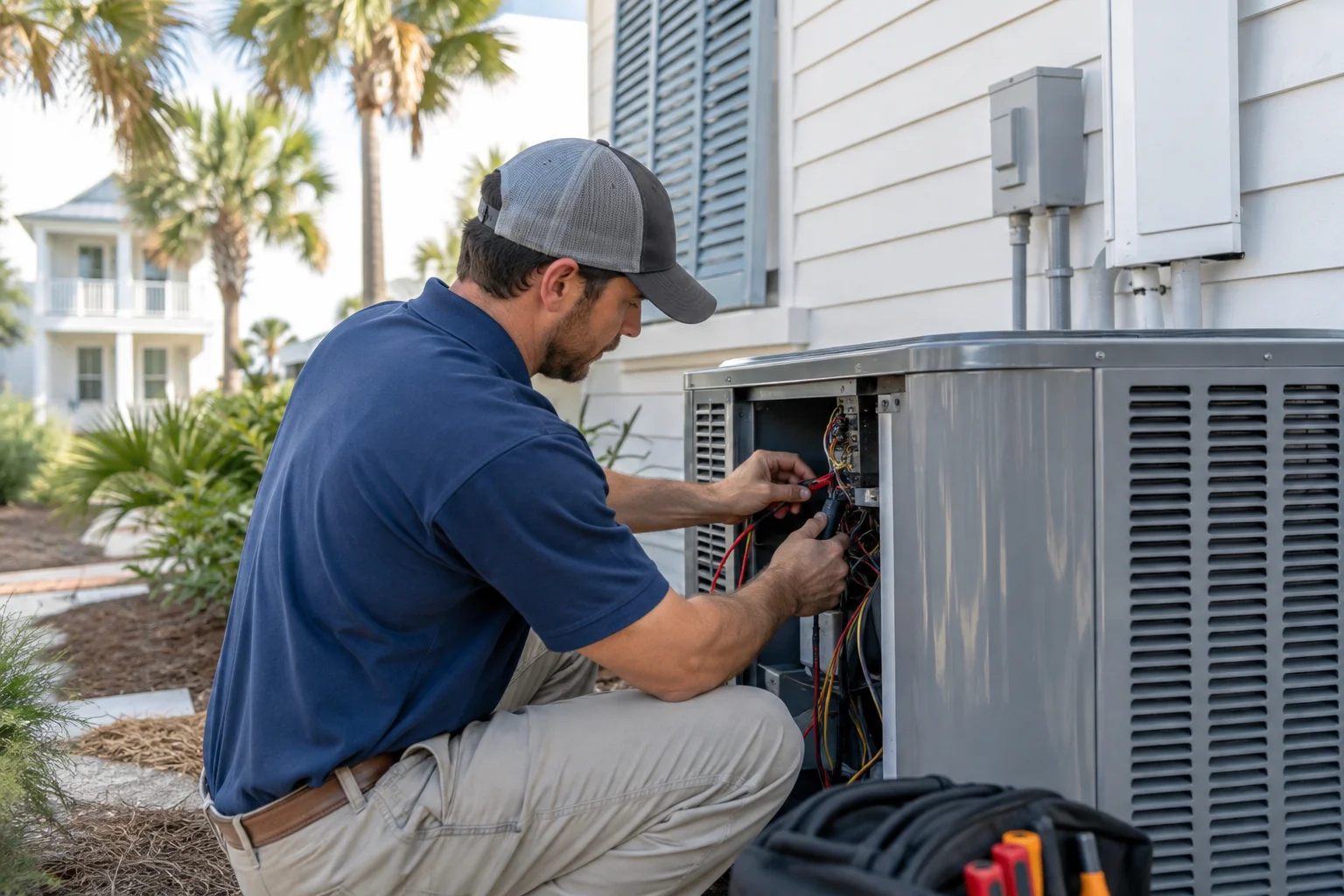
A chilly morning in Rosemary Beach can reveal problems that stayed hidden through months of cooling. The upstairs feels comfortable, but the living room never warms up. A heat pump runs longer than expected. Windows collect condensation even though the thermostat shows the right temperature.
Reliable heating starts with understanding how the equipment, airflow, controls, and building work together. For coastal homes and vacation rentals, that also means accounting for salt air, humidity, and changing occupancy. A Superior Mechanical provides heating services in Rosemary Beach, FL, including installation, repair, replacement, maintenance, heat pump service, and control solutions.
Heating on the coast is a whole-system job
Rosemary Beach has a long cooling season, but winter cold fronts still make dependable heat important. Mild afternoons may follow cold mornings, so equipment needs to handle changing conditions without excessive cycling or unnecessary backup heat. A system that works adequately in cooling mode can still have a heating-specific fault.
Coastal exposure adds another consideration. Salt deposits can accelerate corrosion on outdoor coils, cabinets, and connections. Storm debris can restrict outdoor airflow, while wind-driven rain and flooding can damage equipment. These conditions make local experience useful when evaluating equipment placement, maintenance needs, and repair options.
Older homes may have aging ducts or uneven insulation. Newer homes can have tight envelopes that require careful ventilation and moisture management. Remodels and additions introduce different loads. A heating plan should reflect the actual building, not simply repeat the size or layout of its previous system.
Know what is producing the heat
Heat pumps and backup heat
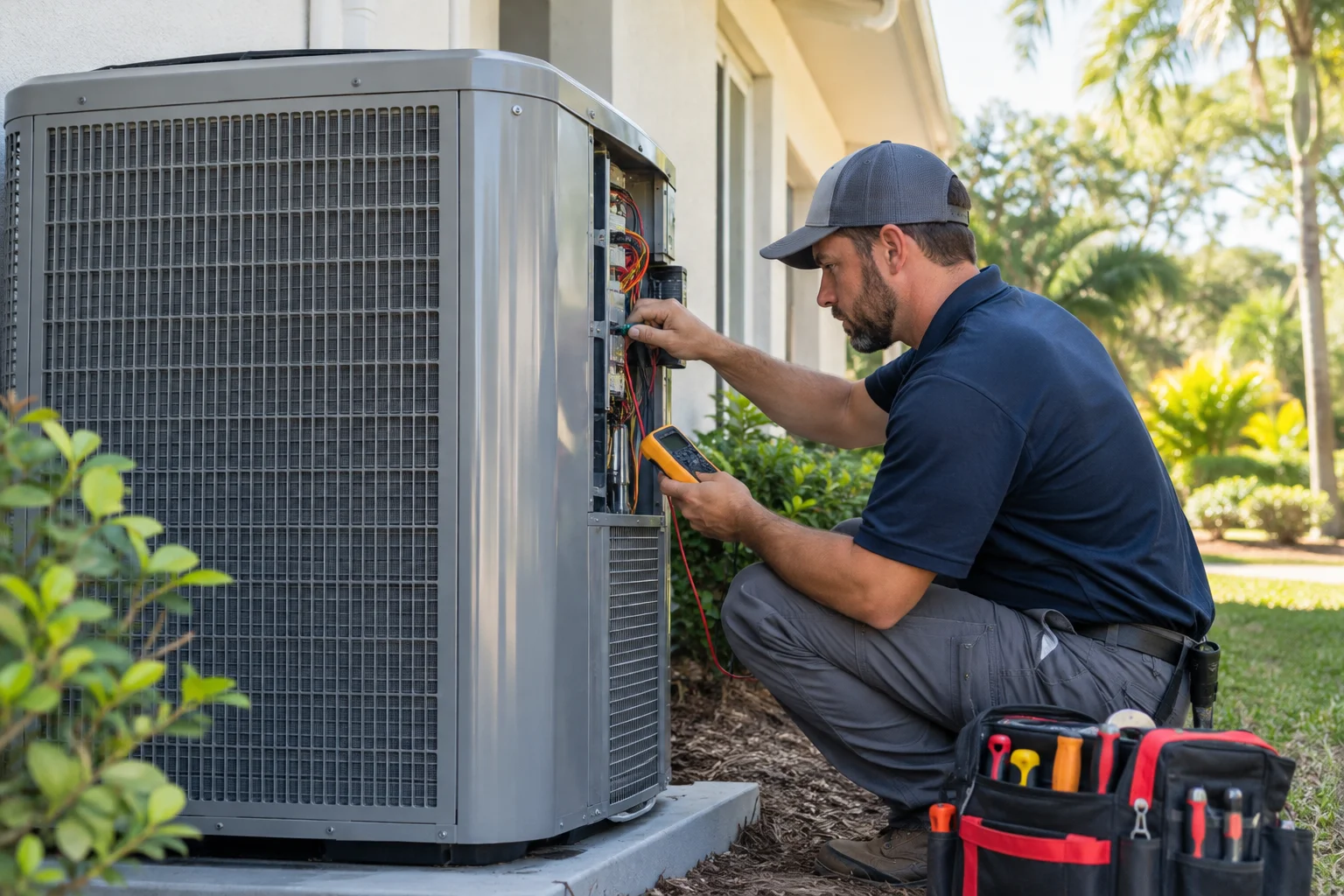
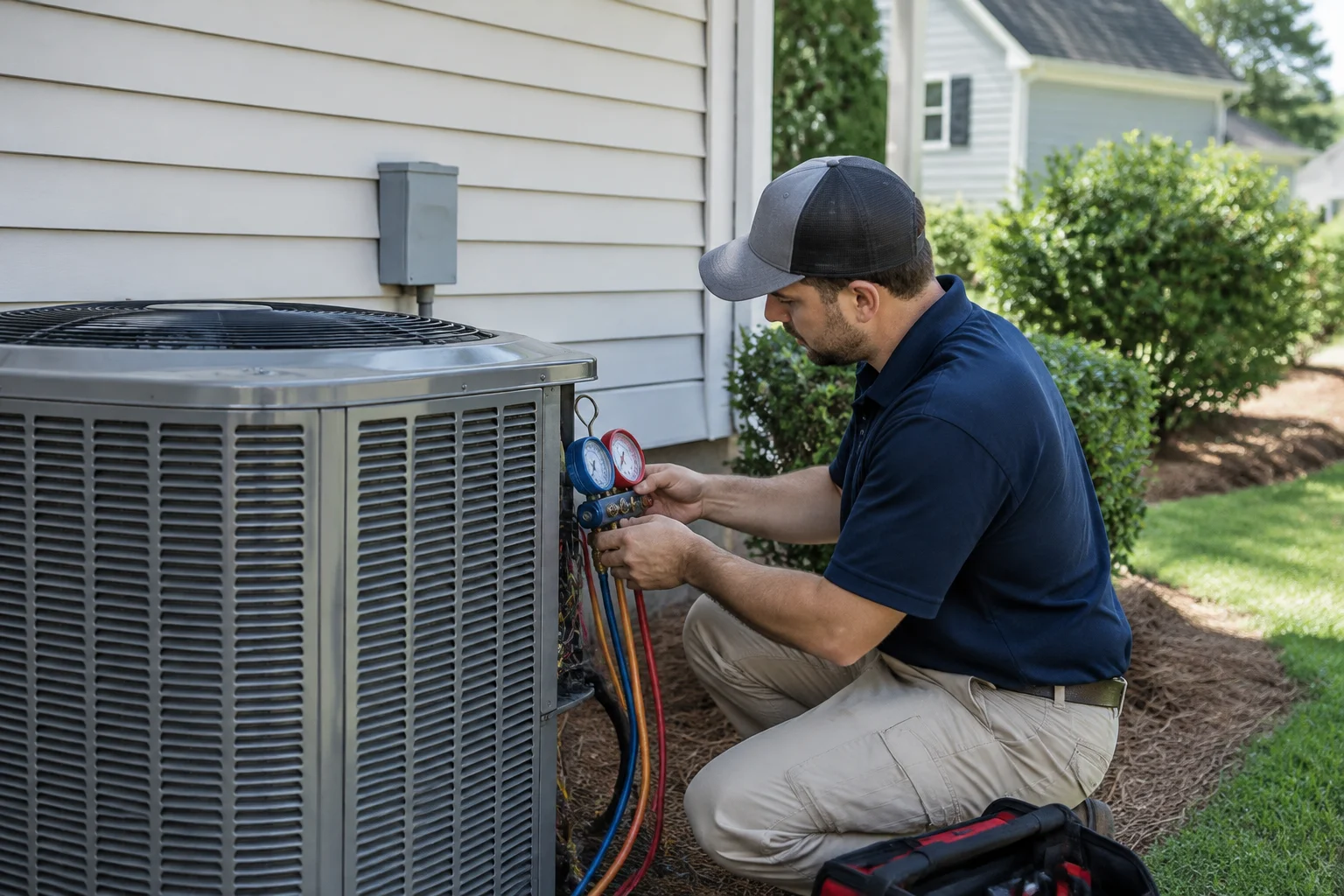
Heat pumps move heat rather than producing it through combustion. In heating mode, the outdoor coil absorbs heat and the indoor coil releases it. In cooling mode, the outdoor coil acts as the condenser and the indoor coil as the evaporator. That shared equipment connects heating performance with summer air conditioning reliability.
Heat pump supply air often feels less hot than furnace air, which is not automatically a problem. Persistent temperature loss, unusually long recovery, or frequent auxiliary heat use deserves evaluation. Electric backup heat may operate during colder weather, defrost, or recovery, but unnecessary operation can increase energy use substantially.
Furnaces and ductless options
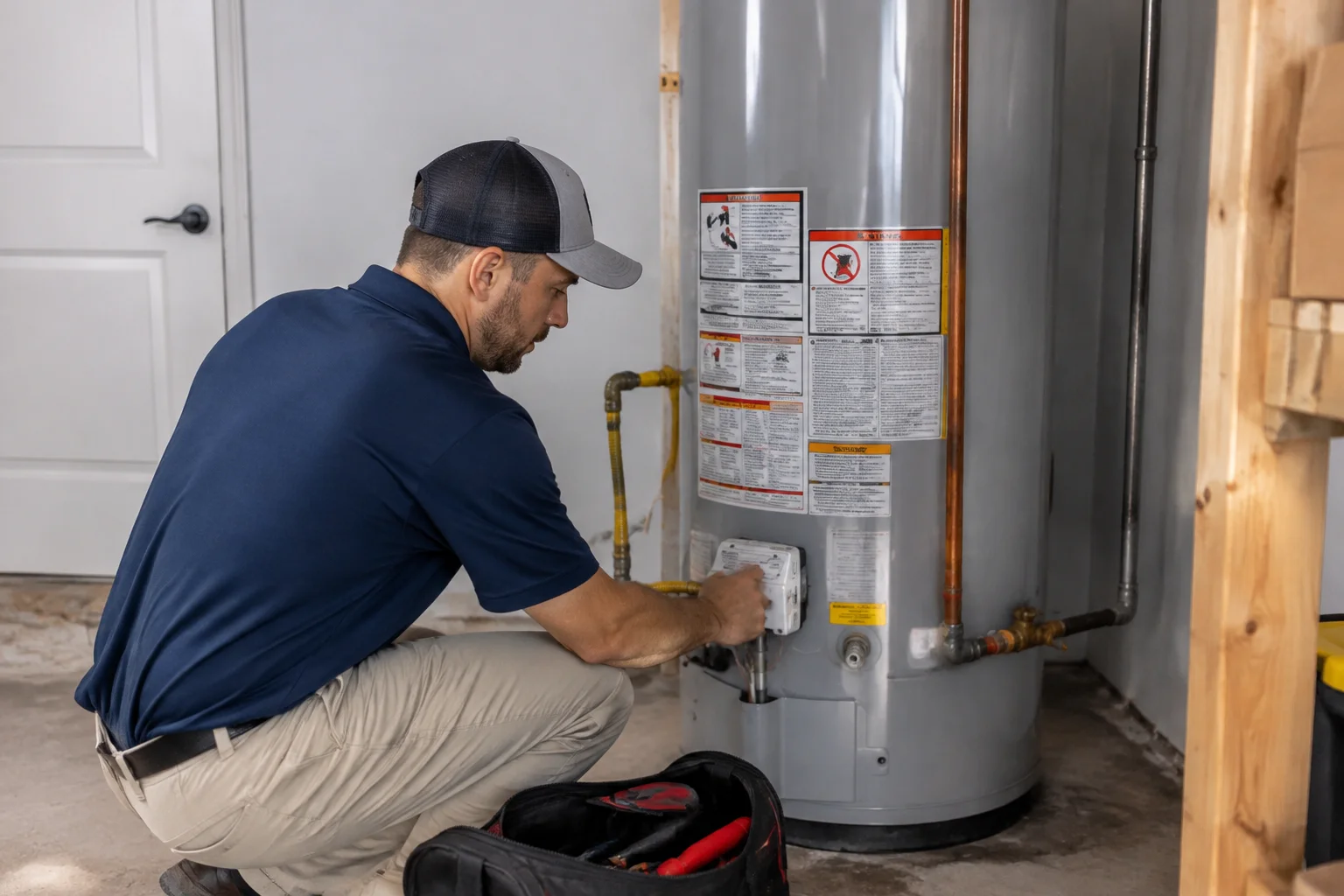
Some homes use furnaces or electric heating assemblies paired with central air handlers. Furnace service depends on the equipment type. Fuel-burning systems require attention to combustion, venting, and safety controls; electric systems need checks of heating elements, airflow, and operating controls.
Ductless mini splits can serve additions, converted spaces, or rooms that existing ducts cannot reach effectively. For properties needing multiple independently controlled areas, VRF multi-zone systems may also be worth discussing. Neither option should be selected without evaluating capacity, room loads, and installation requirements.
Read the symptoms before choosing the repair
A thermostat setting cannot explain every comfort complaint. Note which rooms are affected, whether the issue changes with outdoor temperature, and whether the system behaves differently in heating and cooling. That information helps a technician distinguish an equipment failure from an air distribution problem.
Weak airflow can come from a loaded filter, dirty coil, blower problem, or restricted ductwork. Uneven room temperatures may point to duct leakage, inadequate returns, poor insulation, or an undersized branch duct. Short cycling can involve controls, airflow restrictions, equipment sizing, or protective shutdowns.
Heat pump repair may involve refrigerant leaks, a reversing valve, defrost controls, sensors, or compressor components. Adding refrigerant without investigating the cause of a low charge is not a durable solution. Ask for a diagnosis that explains the evidence and the proposed correction.
For homeowners searching for HVAC service near me, the useful distinction is between replacing a suspected part and verifying system operation. A thorough visit should connect the symptom to measurements and include checks after the repair.
Give warm air a clear path through the house
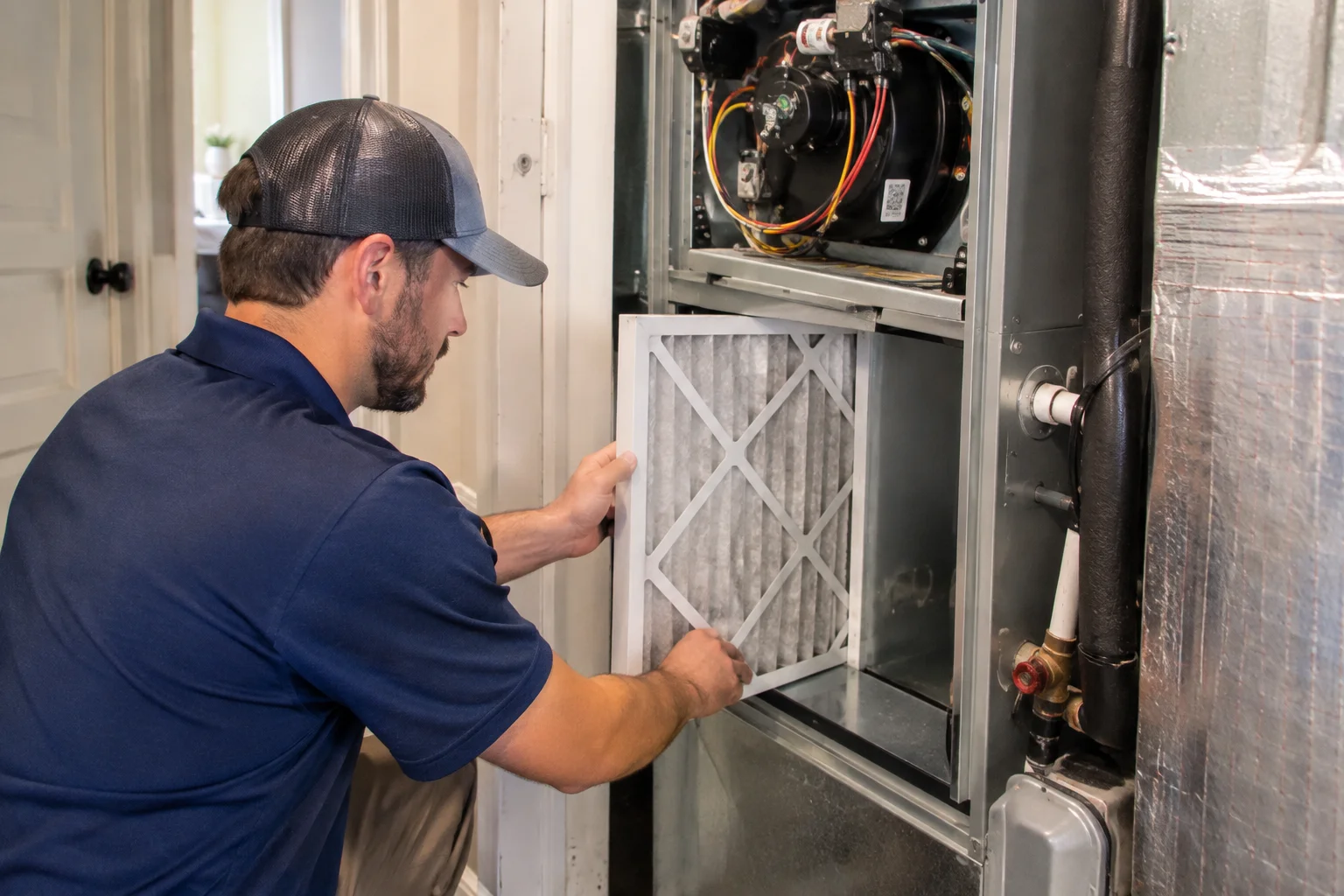
Start with simple checks. Keep supply vents and return grilles clear of furniture, rugs, and curtains. Check the filter against the manufacturer's replacement guidance, and inspect it more often during heavy use or renovation work. Use the correct size and an efficiency rating the system can accommodate.
Closing several vents to push heat elsewhere can increase duct pressure and reduce total airflow. It may also worsen leakage. If a bedroom becomes uncomfortable with its door closed, the room may lack a sufficient return-air pathway rather than need a larger heating unit.
Professional airflow testing can identify excessive static pressure, blower issues, and duct restrictions. Ductwork repair may address crushed flex duct, disconnected sections, or deteriorated insulation. Duct sealing should use appropriate materials, such as approved mastic or listed tape, rather than ordinary household duct tape.
Before replacing equipment, correct major distribution problems. A new heat pump connected to leaking or poorly sized ducts can inherit the old system's comfort issues. Our guide to HVAC planning for Rosemary Beach homes explores how airflow and coastal protection fit together.
Warm air does not necessarily mean dry air
Heating lowers relative humidity as indoor air warms, but it does not remove moisture the way an air conditioner does while cooling. During mild, humid weather, heating and cooling may run too little to control moisture. Damp outdoor air, showers, cooking, and duct leakage can contribute to a clammy house.
A reliable humidity monitor helps separate a temperature complaint from a moisture problem. Many homes are comfortable around 40 to 50 percent relative humidity, though the right setting depends on conditions. Persistent readings above 60 percent deserve attention, especially with musty odors or condensation.
Solutions may include repairing duct leaks, correcting ventilation problems, addressing water intrusion, or installing a properly sized dehumidifier. Running the blower continuously can sometimes reintroduce moisture from a wet cooling coil. For many systems, the thermostat's automatic fan setting is a better starting point, subject to manufacturer guidance.
Indoor air quality improvements should target the actual issue. Filtration can reduce airborne particles, but an air purifier does not fix wet materials or eliminate the need for humidity control. Moisture sources need correction before equipment is expected to manage the symptoms.
Make thermostat settings work with the equipment
Large thermostat increases can trigger electric auxiliary heat on some heat pump systems. Modest, consistent settings often provide steadier comfort, although the best schedule depends on the equipment and its controls. Avoid repeatedly raising the setting because the air does not feel as hot as furnace air.
Thermostat location also matters. Direct sunlight, nearby supply vents, and drafts can distort readings. Remote sensors may help in certain layouts, but they cannot repair restricted ducts or compensate for inadequate capacity.
If you are searching for thermostat installation near me, confirm that the proposed control supports your heat pump, heating stages, and backup heat configuration. Vacation rental owners should also consider practical temperature limits, guest instructions, and alerts that flag unusual indoor temperatures without relying on constant monitoring.
Plan maintenance around both seasons
A fall inspection gives homeowners time to address heating problems before a cold front increases seasonal demand. Searching for a fall heating tune up near me is most useful before the first urgent no-heat call. Scheduling ahead also allows time for parts or additional diagnostic work.
A heating maintenance visit should follow manufacturer requirements and may include checking electrical connections, blower performance, temperature readings, thermostat operation, safety controls, and heat pump defrost operation. Refrigerant performance should be evaluated when operating conditions allow meaningful measurements. Fuel-burning equipment needs appropriate combustion and venting checks.
Because heat pumps share components between modes, cooling maintenance matters too. Dirty evaporator coils, obstructed drain lines, and blower problems can affect reliability beyond summer. Air conditioning maintenance in Rosemary Beach helps keep those shared components on a planned service schedule.
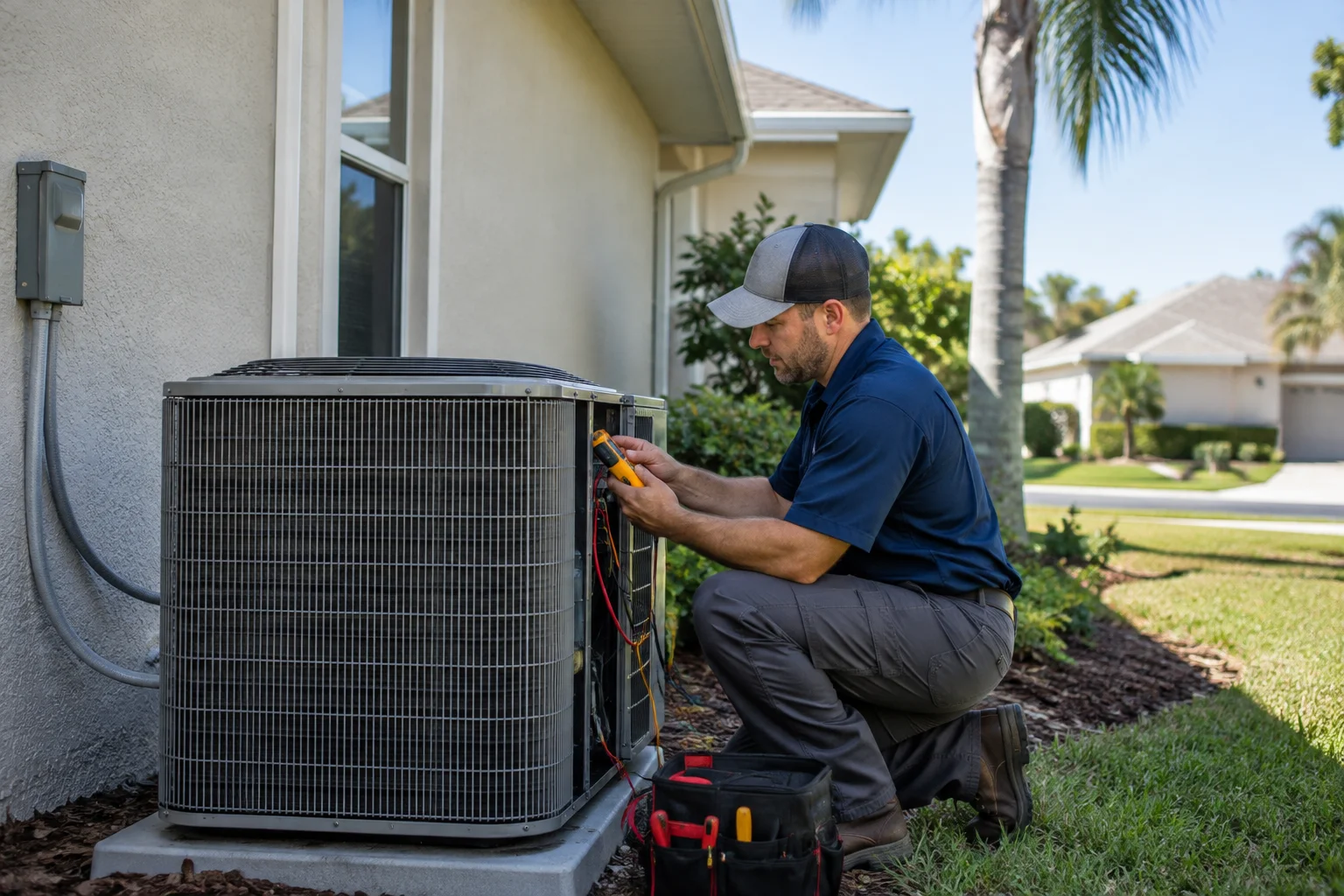
Keep vegetation and debris away from outdoor units according to required clearances. Ask about approved coastal cleaning and protection procedures rather than applying chemicals or coatings yourself. After storms, look for damage from a safe distance. Do not operate flooded equipment until a qualified professional has evaluated it.
Choose repairs and upgrades around the home's needs
Repair decisions should consider the cause of failure, equipment condition, repair history, corrosion, warranty coverage, and operating cost. Age is one factor, not a diagnosis. A relatively small control repair may make sense, while repeated major failures can justify comparing replacement options.
Replacement planning should include a load calculation rather than matching the old nameplate alone. Oversized equipment may cycle too often, and cooling oversizing can undermine humidity control. Variable-capacity equipment can improve comfort when properly selected, installed, and commissioned, but it cannot overcome serious duct defects.
For remodels and additions, evaluate insulation, windows, room use, and available duct capacity before extending a branch. Compare a central upgrade with a dedicated mini split where appropriate. The air conditioning systems available for Rosemary Beach homes should be considered alongside heating requirements, not as a separate decision.
A written proposal should explain equipment matching, duct corrections, controls, permits, and commissioning. Homeowners weighing a larger project can use our Rosemary Beach HVAC financing planning guide to organize costs and questions before committing.
Separate normal operation from urgent trouble
Brief steam from an outdoor heat pump during defrost can be normal. Thick ice that persists, grinding noises, repeated breaker trips, or a system that cannot maintain temperature require attention. Do not chip ice off a coil or repeatedly reset a breaker to force operation.
Smoke, sparking, or a persistent burning odor warrants stopping operation if it is safe to do so. If a carbon monoxide alarm activates or you smell gas, leave the building and contact emergency services or the gas utility from a safe location. Do not remain inside troubleshooting.
For a nonhazardous loss of heat, check the thermostat mode, setting, and filter before requesting service. Homeowners searching for same day HVAC repair near me should describe the symptoms, equipment type, and any vulnerable occupants, then confirm actual availability. Never use an oven or outdoor combustion equipment for indoor heat.
Warm-weather failures can involve the same heat pump components. If the system also struggles to cool, mention that history when arranging air conditioning repair; it may help identify a shared airflow or refrigerant problem.
Build a practical service plan for your property
Keep a record of filter changes, repairs, unusual noises, and rooms that drift from the set temperature. Rental owners can arrange checks between stays and leave clear thermostat instructions. For any home, this history helps a technician recognize recurring problems instead of treating each visit as an isolated event.
A Superior Mechanical helps homeowners coordinate HVAC service in Rosemary Beach with heating needs, coastal exposure, and year-round comfort. For properties elsewhere nearby, explore our Walton County service area. Request a heating evaluation to identify whether your next step is maintenance, a targeted repair, airflow correction, or a carefully planned replacement.
Find Heating Services in Rosemary Beach, FL
If you need Heating Services in Rosemary Beach, FL, visit our local service page or contact A Superior Mechanical today.
Map of Rosemary Beach, FL
Frequently Asked Questions
Why does my heat pump blow air that feels only slightly warm?
Heat pumps typically deliver air at a lower temperature than furnaces, so the air may feel less hot while still warming the home. If the indoor temperature steadily drops, airflow is weak, or auxiliary heat runs unusually often, a technician should check system performance.
Will heating my Rosemary Beach home solve high indoor humidity?
Heating lowers relative humidity by warming the air, but it does not remove moisture. Persistent dampness may require correcting duct leakage, ventilation issues, or water intrusion. A properly sized dehumidifier may help when the HVAC system has too little cooling runtime to manage moisture.
How often should a coastal heat pump receive professional maintenance?
A heating check before cooler weather and a cooling check before heavy summer use are a practical schedule for a heat pump operating year-round. Follow the manufacturer's requirements, and ask whether salt exposure, rental occupancy, or equipment condition calls for additional attention.
Related Articles
Photo Gallery