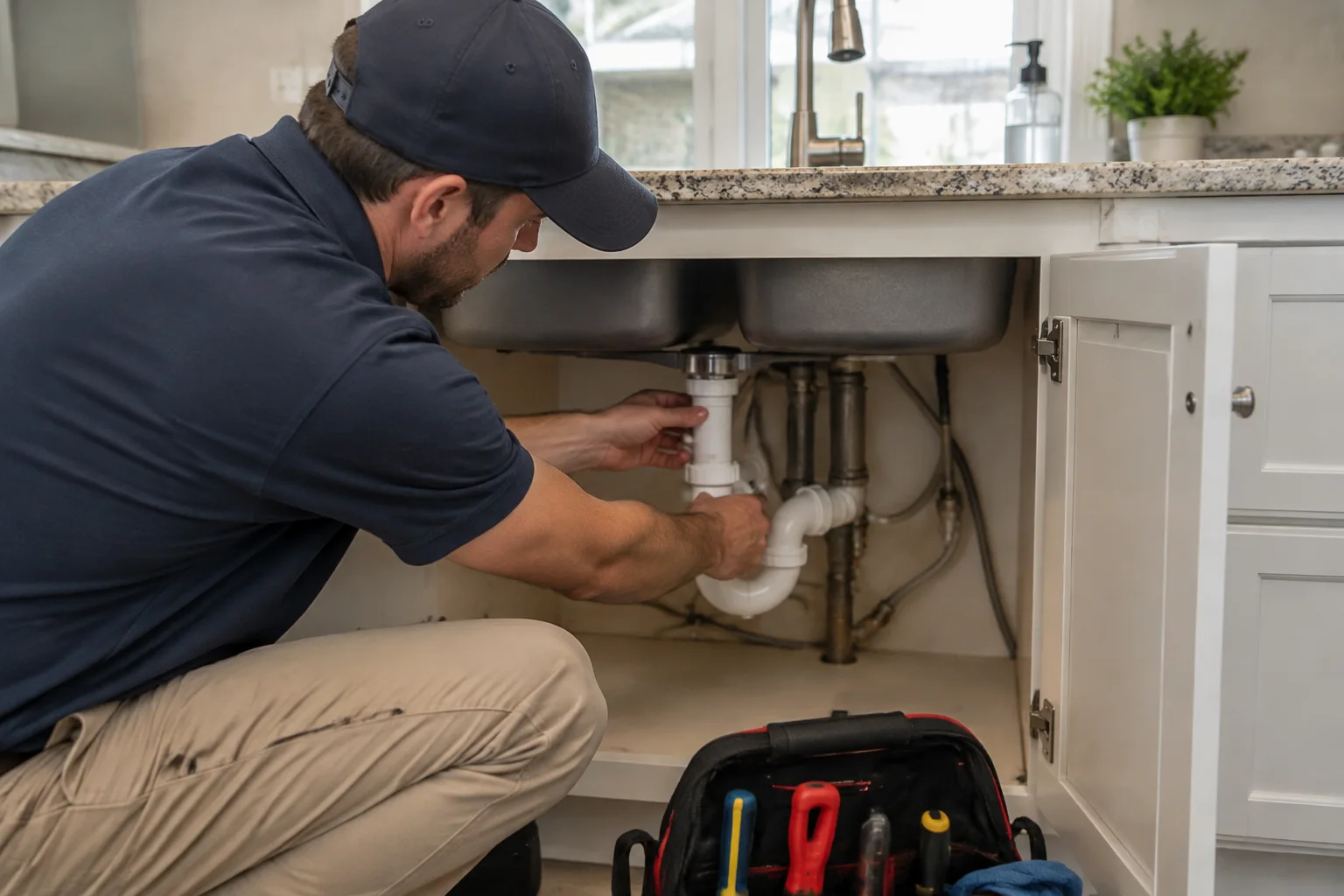
A damp cabinet floor or a water bill that suddenly climbs can be the first hint of a plumbing problem. Some leaks announce themselves with a steady drip. Others stay hidden behind walls, beneath flooring, or under a concrete slab until the damage becomes harder to ignore.
For homeowners who need water leak repairs in Santa Rosa Beach, FL, the best approach is to stop unnecessary water flow, identify the source, and address whatever caused the failure. A Superior Mechanical provides residential and commercial leak repair throughout Walton County, including help with urgent plumbing leaks.
Why small leaks deserve attention in coastal homes
Santa Rosa Beach combines warm, humid weather with a mix of year-round residences, vacation rentals, and homes that sit empty between visits. That creates different plumbing challenges. An occupied home may have constant shower, laundry, and kitchen use, while a seasonal property can develop a slow leak that goes unnoticed for weeks.
Humidity can also make troubleshooting confusing. Condensation on a cold water pipe may resemble a leak, but recurring cabinet dampness should never be dismissed as coastal moisture. A plumber can distinguish condensation from a failed connection, leaking drain, or nearby fixture problem.
Salt exposure can affect exposed metal components, while pipe age, installation quality, water chemistry, and pressure influence plumbing durability. Local service matters because access, occupancy schedules, and construction vary from one property to another. Plumbing service in Santa Rosa Beach should account for those conditions rather than treating every leak the same way.
Read the clues before opening a wall
Watch for changes in water use and surfaces
An unexplained increase in water use is worth investigating, especially if guest numbers and irrigation schedules have not changed. Other clues include a musty cabinet, peeling paint, swollen baseboards, a ceiling stain below a bathroom, or the sound of running water when fixtures are off.
Before assuming a pipe has failed, check toilets, outdoor faucets, appliance connections, and irrigation equipment. A running toilet can waste substantial water without leaving a puddle. A dripping supply valve may wet the cabinet only when someone moves stored items against it.
Use the water meter as a screening tool
If your meter is safely accessible, turn off fixtures and make sure appliances, irrigation, and other automatic water users are not operating. Note the reading or leak indicator, then check again after a period without water use. Movement suggests water is flowing somewhere downstream of the meter, but it does not identify the location.
Homeowners searching for pipe leak repair near me can help the plumber by recording these observations. Photos, meter readings, and the timing of dampness are more useful than guessing which pipe needs replacement.
Contain an active leak without creating another hazard
For a leaking faucet supply or toilet connection, close the fixture shutoff valve if it turns easily. Do not force a corroded valve. If the leak continues or involves a broken supply pipe, use the home's main water shutoff if you can reach and operate it safely.
Keep away from standing water near outlets, appliances, or electrical equipment. Never enter that water to reach a breaker panel. A sagging ceiling is another reason to keep people out of the affected area. For sewage, avoid contact and stop using connected fixtures.
An emergency pipe repair near me search is appropriate when water cannot be controlled, a pipe has burst, or a concealed leak is actively damaging the home. Explain whether the water is still flowing and whether the main valve is accessible. Once the source is stopped, wet materials may need professional drying or restoration; repairing the pipe alone does not remove trapped moisture.
Find the source before choosing the repair
Water can travel along framing or piping before it becomes visible. A stain below a shower might come from a supply connection, a drain fitting, or failed shower waterproofing. Replacing the most visible component without testing can leave the real problem untouched.
Depending on the symptoms, a plumber may use visual inspection, moisture readings, pressure testing, or specialized leak detection equipment. Ask what has been confirmed and what remains uncertain before approving access through a wall or floor.
Slab leaks require careful diagnosis
In a slab-foundation home, possible warning signs include unexplained water use, damp flooring, or a persistent warm spot above a hot water line. None of these proves a slab leak by itself. Ground moisture, drainage issues, and other sources must also be considered.
Once a concealed pipe leak is located, options may include a targeted repair or rerouting a section of piping. The right choice depends on pipe condition, accessibility, and whether there is evidence of repeated failures. Do not break into a slab based only on a suspected location.
Give toilets, faucets, and supply lines a closer look
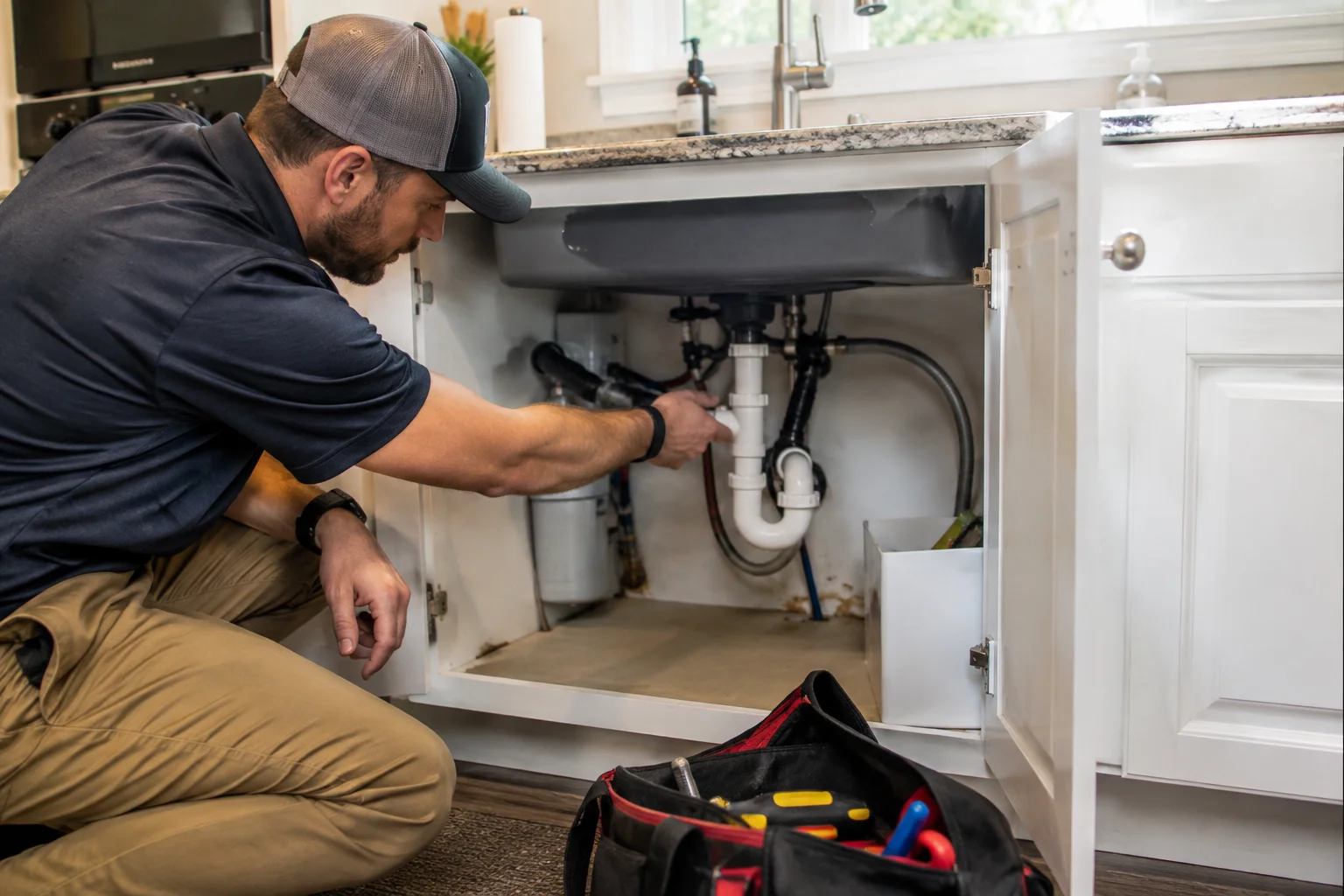
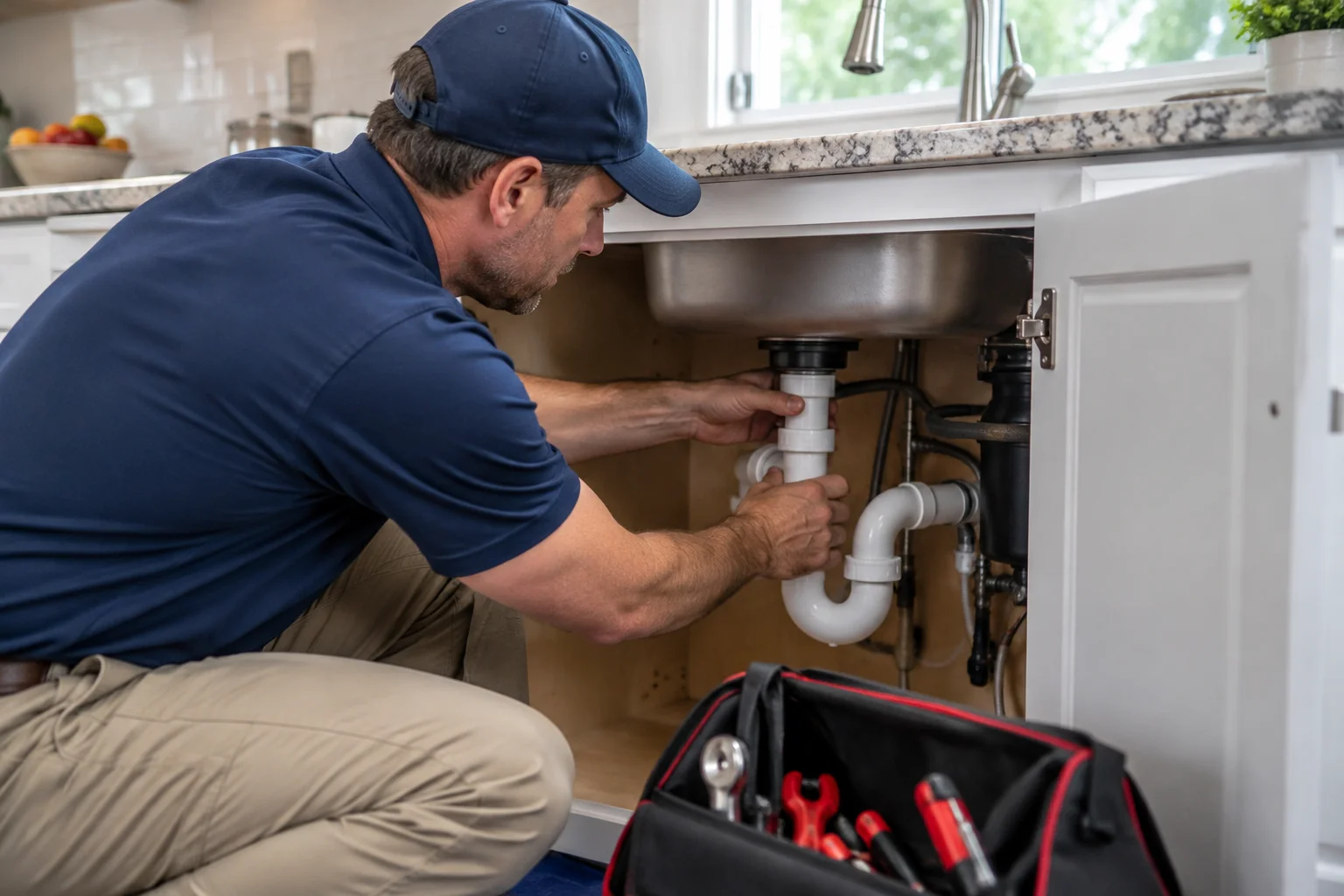
Many plumbing repairs start at an accessible fixture rather than inside a wall. Under sinks, inspect supply hoses, shutoff valves, and drain connections for droplets or mineral crust. Use a dry paper towel around an accessible connection to help reveal fresh moisture, without loosening or twisting anything.
Faucet repair may involve a worn cartridge, seal, or connection. Toilet repair may involve the fill valve, tank hardware, supply hose, or seal at the base. A toilet that leaks only during flushing needs a different investigation from one that continuously refills.
A rocking toilet should not simply be tightened harder, since excessive force can crack porcelain. Likewise, tightening a leaking fitting without understanding its condition can damage threads or seals. Replace failed parts with compatible components, and check the surrounding material for water damage before considering the job finished.
Separate drain trouble from supply leaks
A pressurized water line can leak even when nobody is using a fixture. A drain connection often leaks only while water passes through it. Notice whether moisture appears after a shower, when the kitchen sink empties, or during a washing machine discharge. That pattern helps narrow the investigation.
A slow drain and a leak can occur together. A restriction may leave water sitting against a compromised joint, but clearing the clog does not repair a cracked pipe or failed seal. Both conditions need attention.
Recurring backups need more than another clearing
When a drain cleaning near me search follows repeated clogs, describe which fixtures are affected. One slow shower may involve hair and soap buildup. Multiple slow drains, gurgling toilets, or wastewater returning through a low fixture can point toward a shared drain or sewer line problem.
A camera inspection may help identify roots, damaged joints, or other obstructions once conditions allow a useful view. Hydro jetting can remove certain deposits, but pipe condition should be evaluated first. It cannot restore a broken or collapsed line. This guide to persistent sewer problems in Santa Rosa Beach homes explains why recurring symptoms deserve a broader assessment.
Check water pressure and water quality
Strong shower pressure can feel convenient, but excessive pressure puts added stress on valves, hoses, and fixture components. A plumber can measure static pressure and evaluate whether pressure regulation or thermal expansion control needs attention. Pressure above 80 psi generally warrants correction under common plumbing standards, with applicable local requirements guiding the work.
Low pressure is not automatically evidence of a leak. A clogged aerator, partially closed valve, supply issue, or buildup inside piping can produce similar symptoms. Comparing hot and cold flow at several fixtures helps establish whether the problem is isolated or widespread.
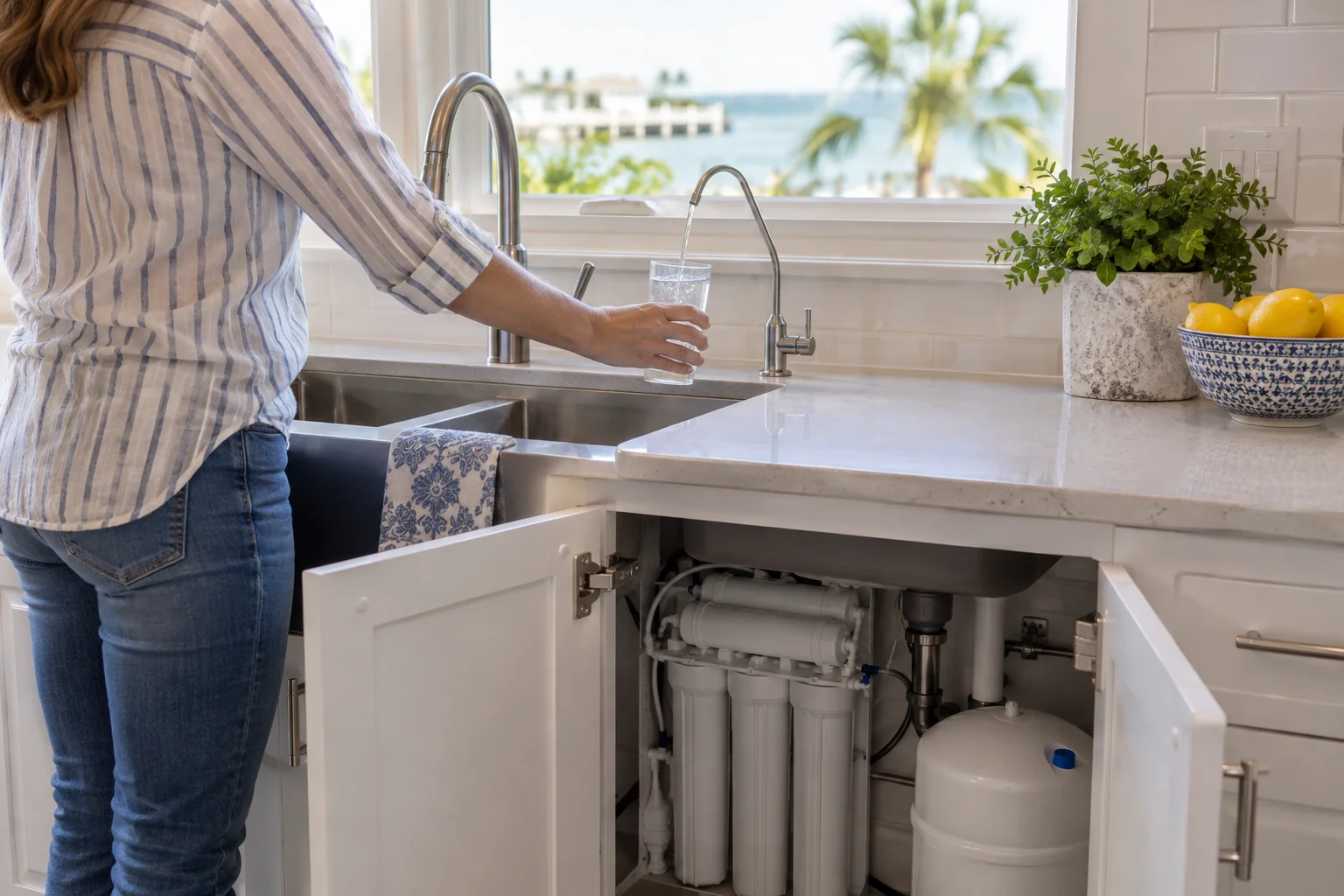
If testing confirms hard water, mineral deposits may affect fixtures and water heater performance. Hardness varies with the supply, so avoid choosing treatment based on white residue alone. Water filtration services should match the actual water concern; standard filtration does not necessarily remove hardness. The homeowner's guide to cleaner water and longer lasting plumbing offers additional context.
Do not overlook water heater leaks
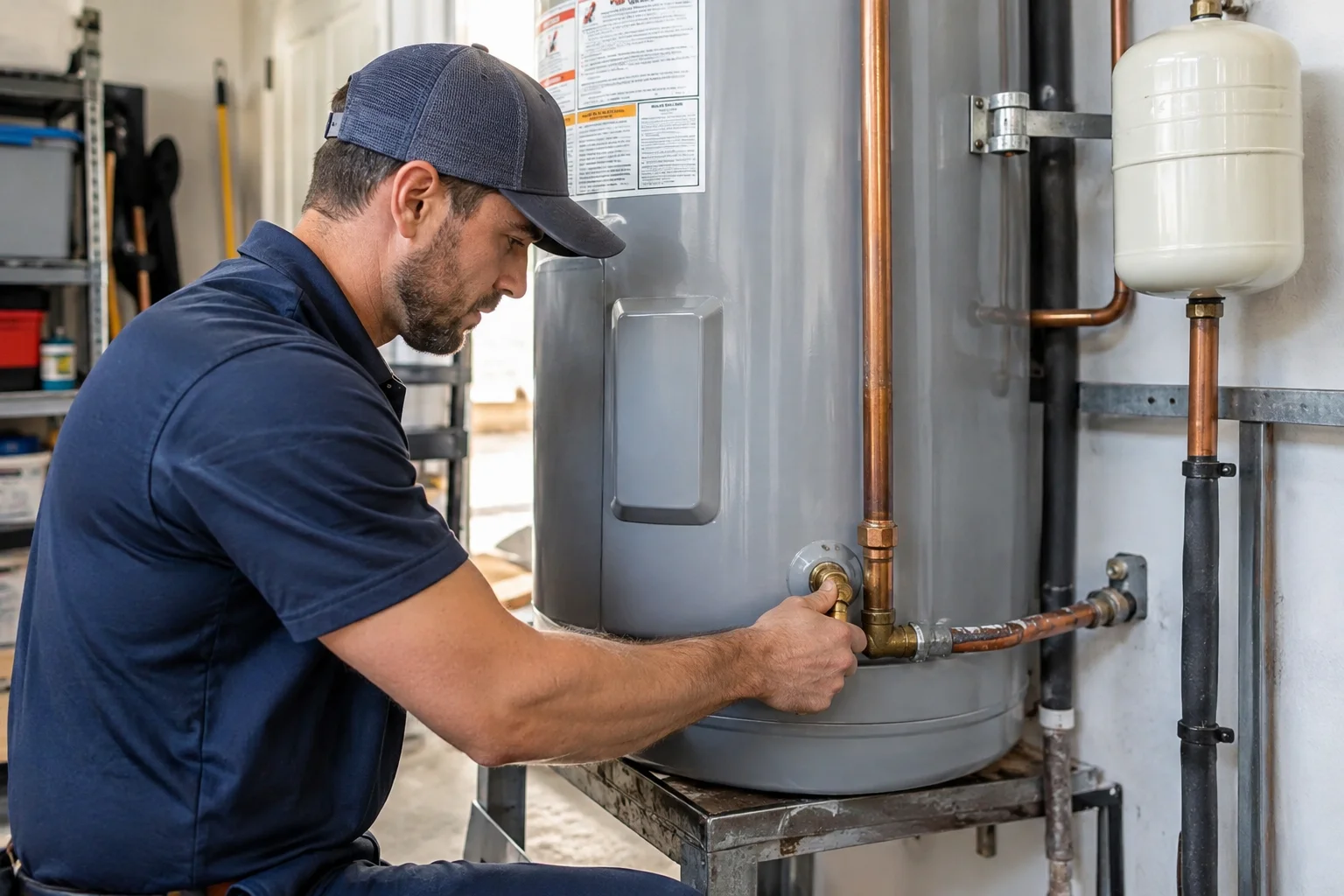
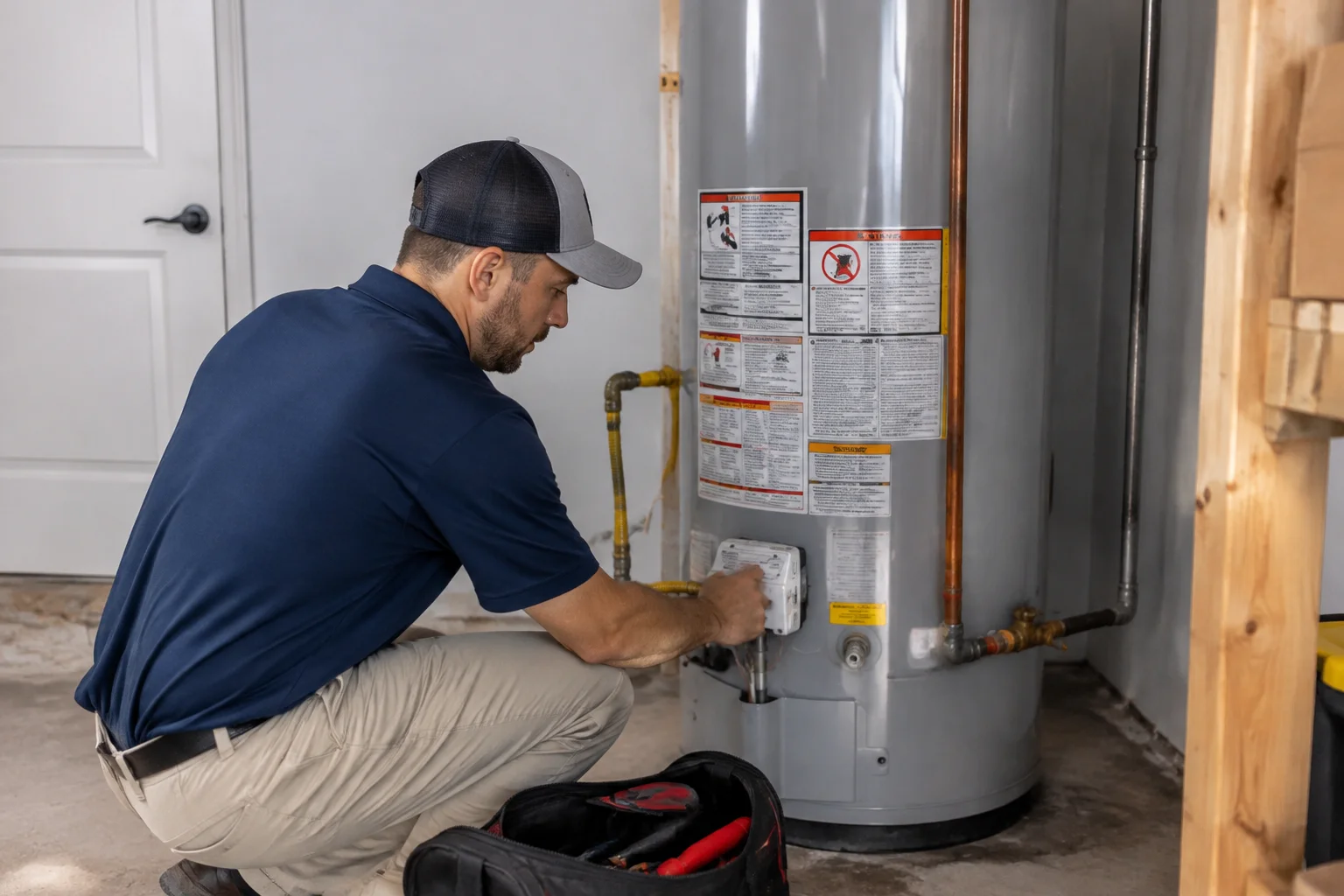
Water near a heater may come from a connection, drain valve, relief valve discharge, or the tank itself. Condensation can also be involved in some systems. The source matters because a repairable fitting leak is different from a tank that has lost its integrity.
Never cap a temperature and pressure relief valve or its discharge piping. If hot water is leaking, keep people away from the area and get instructions specific to the equipment before operating controls. Do not drain a heater while its heating source remains energized.
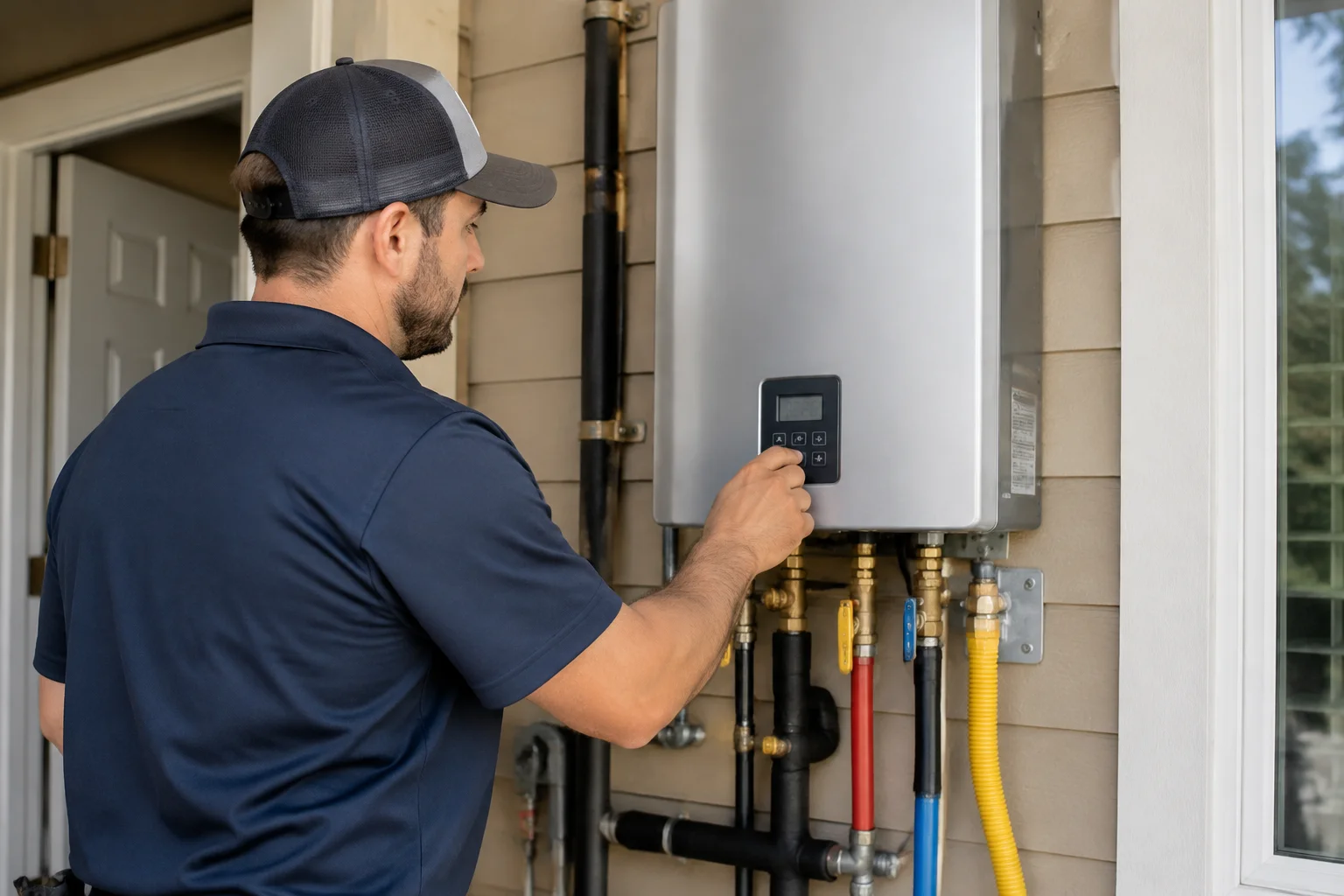
Routine water heater maintenance can include manufacturer-recommended inspections and sediment management. Tankless equipment may require descaling based on water quality and usage. If the tank itself has failed, water heater replacement is generally necessary rather than an external patch.
Build leak prevention into ordinary home care
Once a month, look beneath sinks, around toilets, and near the water heater. Check appliance hoses and outdoor faucets. Keep shutoff valves accessible, and make sure household members know where the main valve is located.
For vacation homes and rentals, add a plumbing check between stays. Inspect cabinets after heavy guest use and review water bills for unexplained changes. Leak sensors near water heaters, washing machines, and sink cabinets can provide earlier warning. Automatic shutoff systems offer additional protection when properly selected and installed.
Keep grease, wipes, and other unsuitable materials out of drains. Protect exposed piping during occasional cold snaps, even though Santa Rosa Beach has a generally warm climate. Before an extended absence, ask a plumber about a safe water shutdown plan that accounts for irrigation, water heaters, and any equipment requiring a continuous supply.
Arrange a repair that addresses the cause
When comparing results for plumbing repair near me, ask how the leak will be confirmed, what access is needed, and whether the estimate includes restoring opened surfaces. Repair cost depends on location, pipe material, damage, and access, not just the size of the visible drip. The guide to understanding plumbing costs in Santa Rosa Beach can help frame those questions.
A Superior Mechanical provides water leak repairs in Santa Rosa Beach and serves properties throughout Walton County. Share where the moisture appears, when it happens, and whether you have stopped the water. Those details help establish urgency and move the repair toward a confirmed source rather than a temporary fix.
Find Water Leak Repairs in Santa Rosa Beach, FL
If you need Water Leak Repairs in Santa Rosa Beach, FL, visit our local service page or contact A Superior Mechanical today.
Map of Santa Rosa Beach, FL
Frequently Asked Questions
How can I tell whether a hidden pipe is leaking?
Unexplained water use, recurring dampness, musty odors, and the sound of running water with fixtures off can indicate a hidden leak. Meter movement while all water users are off supports further investigation, but it does not locate the leak. A plumber can test the system before recommending access through walls or flooring.
Is a water leak always a plumbing emergency?
Uncontrolled water flow, a burst pipe, water near electrical equipment, or a leak causing active structural damage requires urgent help. Close the fixture valve or main water shutoff only if it is safe and accessible. A small, contained drip may be less urgent, but it still needs prompt repair to prevent damage.
Can drain cleaning fix a leaking pipe?
Drain cleaning can remove a blockage, but it cannot repair a cracked pipe, damaged fitting, or failed seal. If a drain leaks while a fixture empties, the plumber should evaluate both the restriction and the leaking connection. Recurring backups may also require a sewer line inspection.
Related Articles
- Why Sewer Problems Linger in Santa Rosa Beach Homes and How to Keep Plumbing Systems Going Longer
- Understanding Plumbing Costs Before Small Problems Get Expensive in Santa Rosa Beach
- A Santa Rosa Beach Homeowner’s Guide to Cleaner Water and Longer Lasting Plumbing
- Finance Better Comfort, Not Just a New HVAC System in Santa Rosa Beach
Photo Gallery