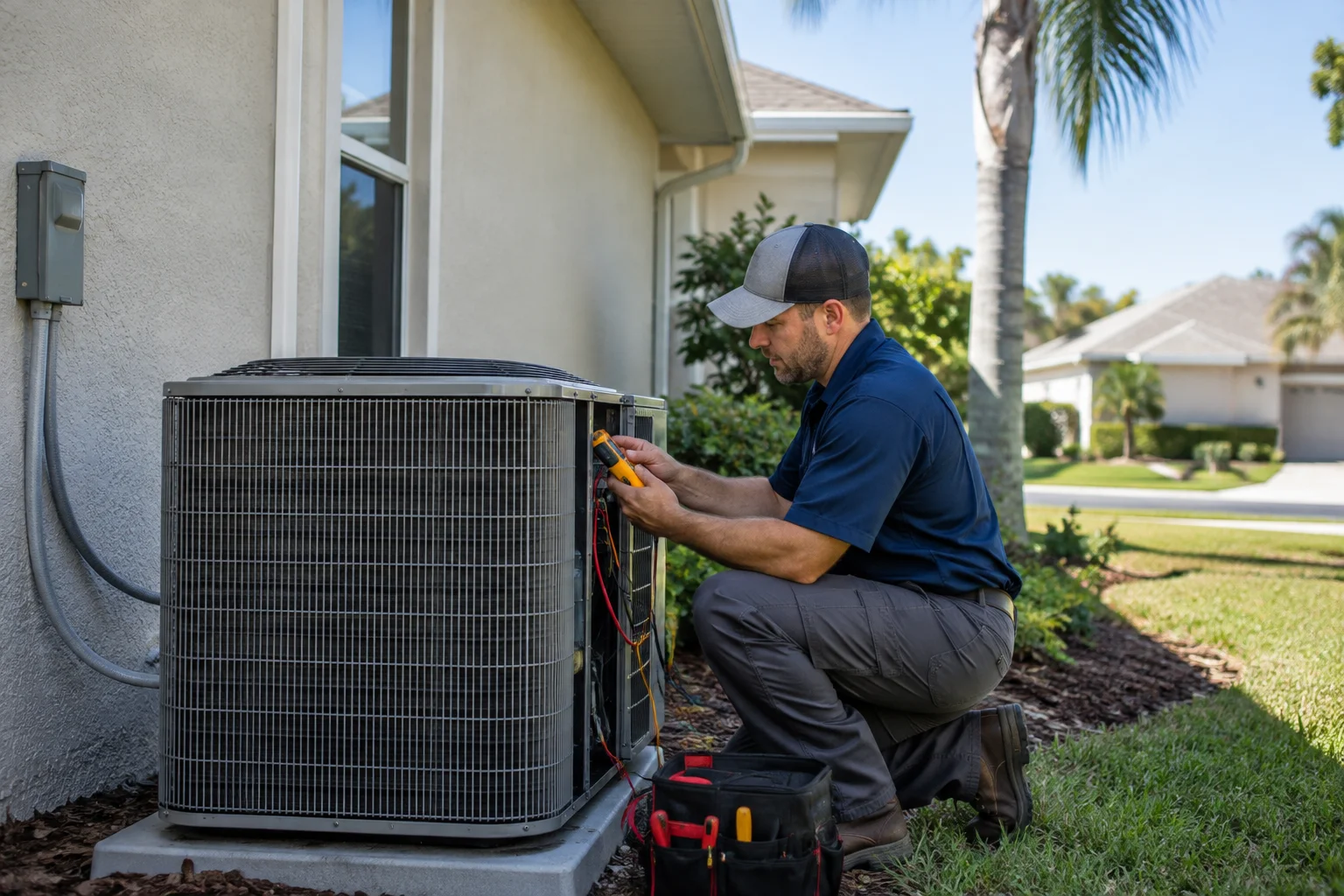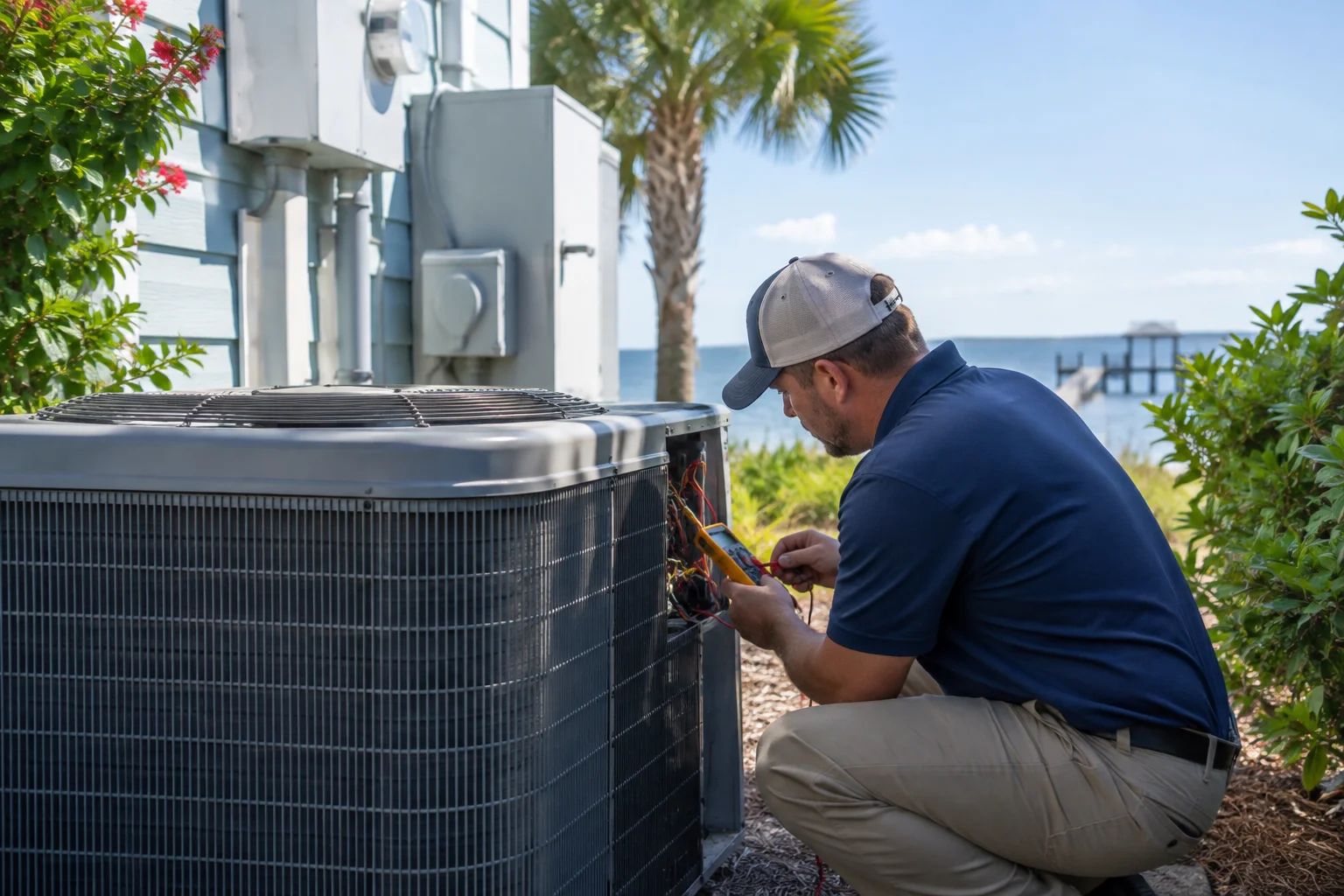
A commercial air conditioner can reach the temperature on the thermostat and still leave a building uncomfortable. The front office feels cold, a back room stays stuffy, and moisture lingers near the entrance. In Bid-A-Wee, those problems often reflect installation decisions rather than a simple need for more cooling.
Planning commercial HVAC installation means looking beyond equipment capacity. A Superior Mechanical provides commercial HVAC installation in Bid-A-Wee, FL, with system planning suited to the building and coastal conditions. For business owners, residential property owners, and homeowners comparing local HVAC contractors, understanding that process makes proposals easier to evaluate.
Coastal Weather Changes the Installation Priorities
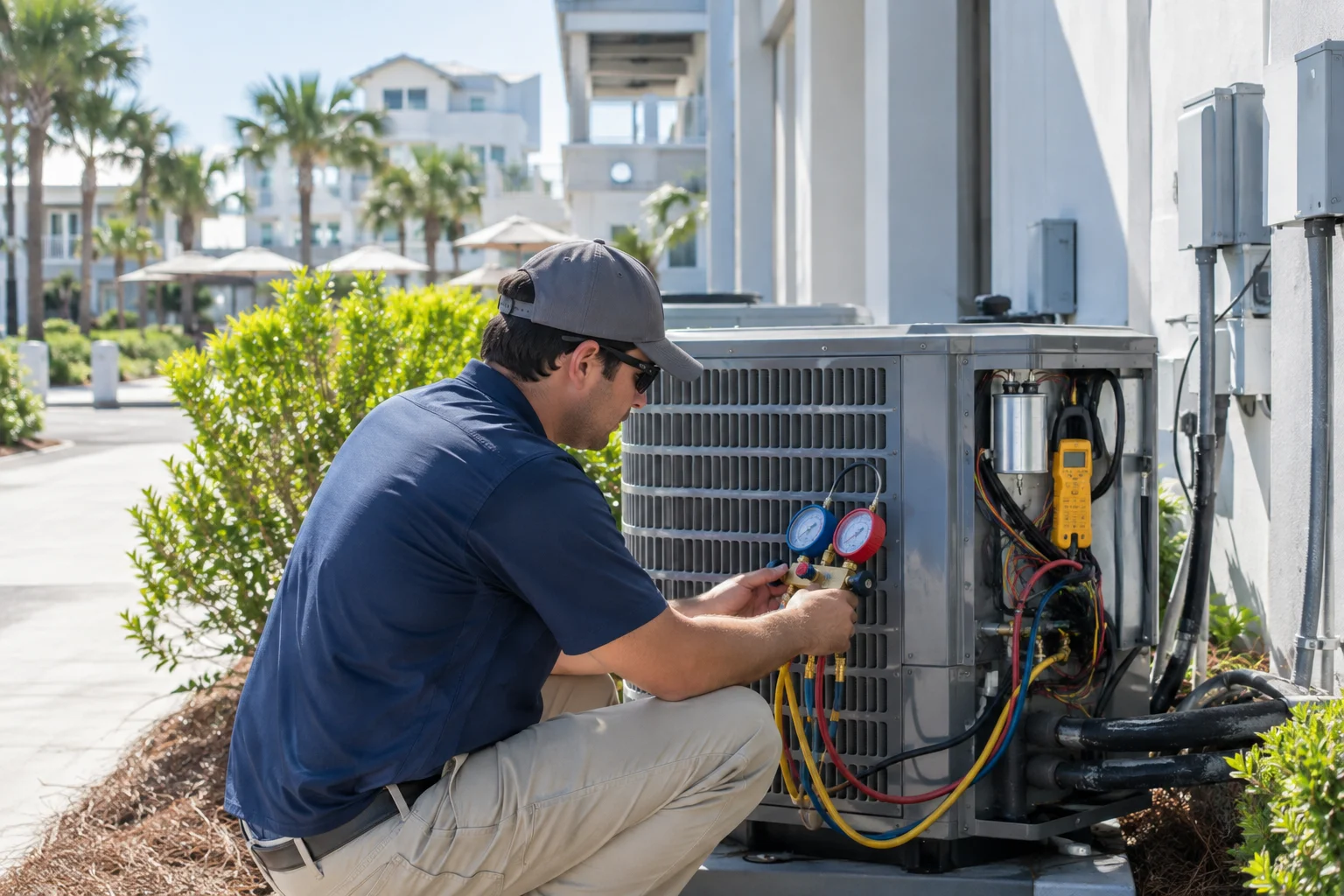
Bid-A-Wee's Gulf Coast setting brings long cooling seasons, high outdoor humidity, salt exposure, and storms. Equipment must handle both heat and moisture while operating in an environment that can accelerate corrosion. Outdoor units need appropriate placement, drainage, service clearance, and secure mounting that meets applicable requirements.
Seasonal demand matters too. Visitor traffic, longer business hours, and frequently opened doors can change a commercial building's cooling load. Nearby homes experience similar pressures when guests arrive or rarely used rooms become occupied. A system designed around an average quiet day may struggle during the busiest part of summer.
Working with a contractor familiar with HVAC service in Bid-A-Wee helps connect those conditions to practical decisions. Local knowledge should support a proper assessment, not replace load calculations or manufacturer installation instructions.
Start With the Building, Not the Old Unit's Size
Replacing an existing system with the same capacity is not always the right choice. The original equipment may have been oversized, and the building may have changed since installation. Commercial load calculations should consider occupancy, lighting, equipment heat, glazing, insulation, ventilation, and operating schedules.
Account for remodels and additions
A remodeled storefront may now have more glass, a divided office may need additional return-air paths, and an addition may exceed the original duct system's capacity. Older homes converted to permitted business uses require particular attention because residential airflow and ventilation arrangements may not suit the new occupancy. Newer homes and buildings also need careful evaluation, especially when tighter construction changes ventilation needs.
Avoid the bigger-is-better trap
Oversized equipment can cool quickly and shut off before removing enough moisture. Undersized equipment may run continuously without meeting the load. Correct sizing, suitable staging, and appropriate controls help balance temperature, humidity, and energy use. The article Comfort by Design: Planning Commercial HVAC in Bid-A-Wee, FL explores these early design decisions further.
Choose Equipment Around How Each Space Is Used
Commercial buildings may use packaged equipment, split systems, heat pumps, or ductless mini splits. Selection depends on the layout, heating and cooling loads, ventilation requirements, available space, and maintenance access. A proposal should explain why the recommended configuration fits the property rather than simply naming a brand or efficiency rating.
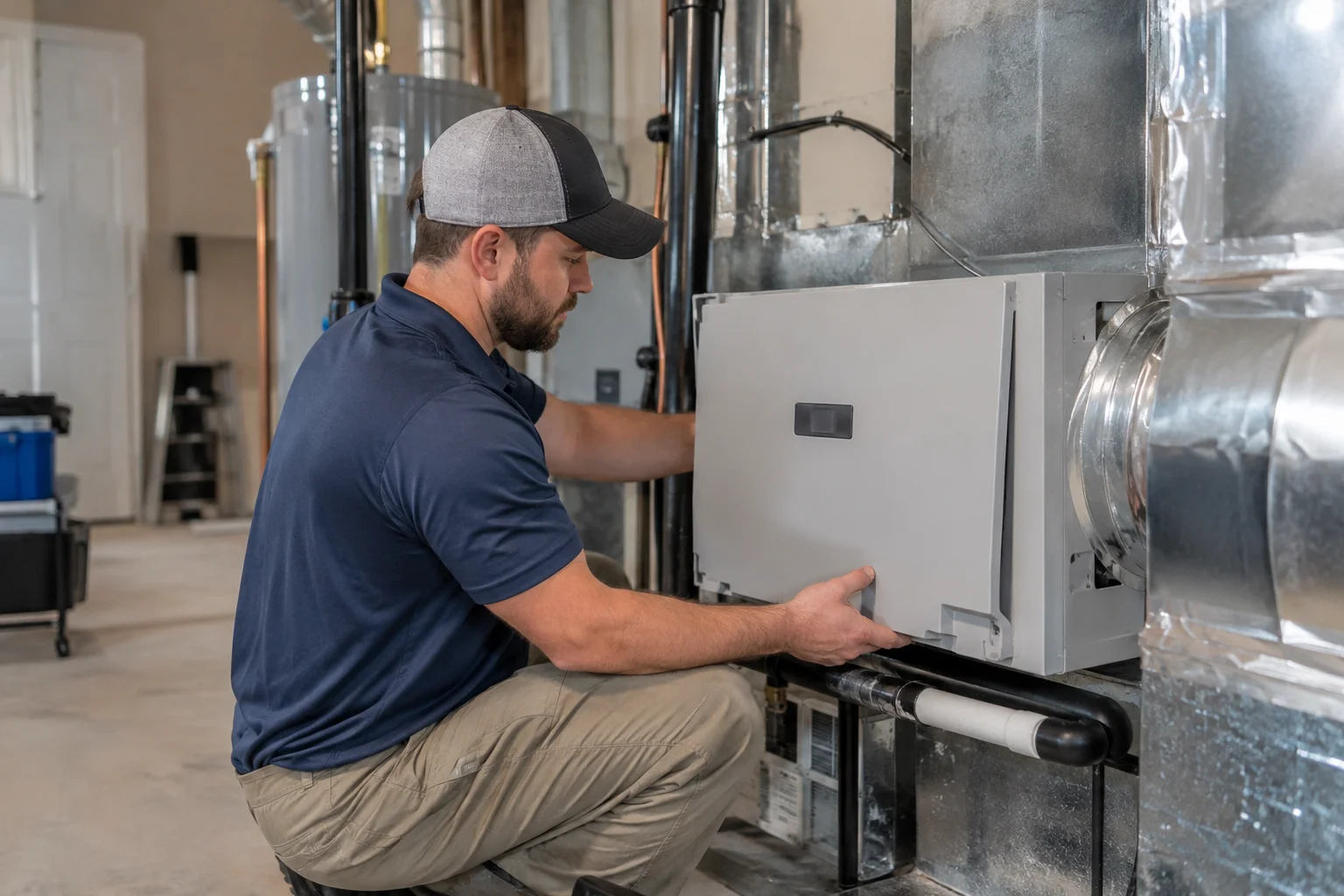
With split systems, outdoor condensers, indoor air handlers, and evaporator coils must form an approved equipment combination. Refrigerant piping, condensate drainage, and controls need to follow manufacturer specifications. Heat pumps can provide both heating and cooling in the local climate, but their heating performance and any supplemental heat still require evaluation.
Mini splits can help serve a separately scheduled office, addition, or enclosed sunroom when properly designed. They generally do not provide required outdoor ventilation by themselves. Furnaces may remain appropriate in some existing systems; fuel supply, venting, combustion safety, and service access must be addressed if one is installed or retained.
Airflow Is a Design Task, Not a Finishing Touch
Uneven comfort often starts with ductwork. Long runs, sharp turns, undersized returns, disconnected sections, and poorly positioned vents can prevent conditioned air from reaching occupied areas. Installing efficient equipment without correcting those restrictions can leave the original complaints unchanged.
A useful assessment includes duct condition, insulation, available airflow, and static pressure. Supply and return paths should support the intended room layout. Closing vents to redirect air is not a reliable substitute for balancing and can increase pressure beyond the equipment's acceptable range.
Repair and seal before hiding the ducts
During a renovation, accessible ductwork presents an opportunity to correct leaks and damaged connections. Duct sealing in Bid-A-Wee can reduce conditioned-air losses and unwanted air entry where leaks exist. Crushed or undersized ducts may need ductwork repair or replacement instead of sealing alone.
Homeowners searching for airflow balancing near me often describe the same symptoms business owners notice: rooms that never match the thermostat, noisy vents, or weak airflow. Measured testing helps distinguish a distribution problem from insufficient equipment capacity.
Plan Humidity Control Alongside Cooling
Humidity is not just a comfort complaint. Persistent moisture can contribute to musty odors, condensation, and conditions that support microbial growth. Coastal outdoor air enters through doors, leaks, and ventilation systems, so moisture management needs to be part of the installation plan.
Air conditioning removes moisture when water condenses on the evaporator coil and drains away. That process depends on coil conditions, airflow, runtime, and correct refrigerant charge. Oversizing, incorrect fan settings, or excessive uncontrolled outdoor air can undermine dehumidification even when the thermostat looks satisfied.
Measure before adding equipment
A practical starting point is monitoring indoor relative humidity across occupied hours. Sustained readings above roughly 60 percent deserve investigation, although the appropriate target depends on the building and use. Condensation can also indicate cold surfaces, insulation defects, or air leakage rather than a whole-building humidity problem.
A search for dehumidifier installation near me may be reasonable when the cooling system cannot manage the moisture load. First, have a professional check sizing, ventilation, drainage, and controls. Dedicated dehumidification can help in suitable applications, but it should not conceal unresolved leaks or installation defects.
Ventilation and Filtration Need Their Own Review
Cooling, ventilation, and filtration perform different jobs. Required outdoor air supports indoor air quality, filters capture particles, and cooling equipment manages temperature and some moisture. Commercial ventilation must match the occupancy and applicable code, including any exhaust and makeup-air needs associated with the business.
Filter selection should consider both particle removal and the system's pressure limits. A highly restrictive filter can reduce airflow if the equipment and ducts cannot accommodate it. Filters also need accessible racks and a replacement schedule based on actual conditions, not a calendar alone.
Air cleaners may address particular pollutants, but they do not replace source control, moisture correction, or required ventilation. Musty smells should prompt investigation of wet insulation, drain pans, coils, and building leaks rather than an automatic recommendation for an air purifier.
Make Thermostats Match Real Operating Hours
Thermostats should sense representative room conditions, away from direct sun, supply vents, and concentrated heat sources. A thermostat beside a frequently opened entrance can produce misleading readings. Zoning may help spaces with different loads, but it requires compatible equipment and adequate airflow in every operating mode.
For businesses, scheduling can reduce unnecessary operation during unoccupied hours. Setbacks should remain moderate enough to avoid excessive humidity or slow recovery. Ask how the system handles holidays, tenant changes, and spaces that operate outside normal hours.
People comparing thermostat installation near me should ask about equipment compatibility and sensor placement, not only wireless features. Appropriate heating control systems and cooling controls can prevent conflicting settings and unnecessary supplemental heat operation.
Protect Equipment Without Blocking Its Breathing Room
Salt air can accelerate deterioration of exposed metal and coil surfaces. Ask about manufacturer-approved coastal protection options and cleaning procedures. Outdoor units should remain accessible, with vegetation and stored materials outside required clearances. A decorative enclosure that restricts airflow can create performance problems.
Storm planning includes appropriate anchoring, drainage, and placement consistent with applicable wind and flood requirements. Condensate drain lines need correct routing, and overflow protection should be provided where required. Indoor air handlers should also have enough access for coil cleaning, filter changes, and drain service.
After flooding or significant storm damage, do not assume equipment is safe because it starts. Keep clear of damaged components and have the system evaluated before reuse. Local service across Bay County matters because coastal exposure and storm impacts vary by site.
Commissioning Turns an Installation Into a Working System
Startup should involve more than checking whether cool air comes from a vent. The contractor should verify airflow, operating conditions, refrigerant charge using the manufacturer's procedure, thermostat functions, drainage, and heating operation where applicable. Commercial systems may also require documented ventilation checks and balancing.
Ask for equipment information, warranty terms, filter specifications, maintenance instructions, and a clear explanation of controls. Confirm who handles permits and required inspections. A complete proposal should identify duct modifications, removal of old equipment, access needs, and commissioning responsibilities.
When comparing air conditioning systems, consider total operating costs alongside purchase price. Correct installation, suitable efficiency ratings, serviceability, and part-load performance can matter as much as the headline equipment specification.
Prevent the Problems That Lead to Urgent Repairs
Maintenance should begin with the new installation, not after the first breakdown. Seasonal inspections can identify dirty coils, restricted filters, worn components, drain blockages, and deteriorating duct insulation. Coastal equipment may need inspection or cleaning more often depending on exposure and manufacturer guidance.
Refrigerant is not a consumable that should routinely need topping off. A low charge warrants investigation for refrigerant leaks or an installation issue. Repeated icing, weak airflow, water around an air handler, unusual noises, or rising indoor humidity should be checked before they become larger AC repair problems.
The guide A Smarter Maintenance Plan for Bid-A-Wee Commercial HVAC can help owners organize preventive service. Schedule air conditioning service before peak cooling demand and heating checks before cooler weather, including heat pump repair or furnace service when symptoms warrant attention.
Know which problems cannot wait
A burning odor, smoke, suspected gas leak, or water reaching electrical components requires immediate caution. For smoke, fire, or suspected gas leakage, leave the affected area and contact emergency services or the gas utility from a safe location. Do not continue operating damaged equipment.
If you are searching for emergency HVAC repair near me during a cooling failure, explain whether vulnerable occupants, unsafe indoor temperatures, or critical business operations are involved. Confirm availability directly rather than assuming every contractor offers round-the-clock service.
Bring a Clear Scope to Your Bid-A-Wee Installation
Before requesting an estimate, gather the floor plan, occupancy schedule, renovation plans, utility history, and a list of rooms with comfort problems. Describe humidity and airflow complaints separately from temperature concerns. Those details help the contractor evaluate the whole system.
Contact A Superior Mechanical to discuss commercial HVAC installation in Bid-A-Wee. Ask for a plan that addresses equipment sizing, ductwork, ventilation, controls, coastal exposure, and ongoing maintenance. A well-defined scope makes it easier to compare proposals and invest in dependable comfort.
Find Commercial HVAC Installation in Bid-A-Wee, FL
If you need Commercial HVAC Installation in Bid-A-Wee, FL, visit our local service page or contact A Superior Mechanical today.
Map of Bid-A-Wee, FL
Frequently Asked Questions
How is commercial HVAC equipment sized for a Bid-A-Wee building?
Sizing should be based on a commercial load calculation that considers the building envelope, windows, occupancy, lighting, equipment, ventilation, and operating hours. Coastal humidity and moisture loads also matter. Matching the old unit's capacity without reviewing the building can repeat existing comfort problems.
Can existing ductwork be reused during commercial HVAC installation?
Sometimes. A contractor should inspect its condition, insulation, leakage, layout, and airflow capacity before recommending reuse. Duct sealing can address suitable leaks, while damaged or undersized sections may require repair or replacement. Changes in room layout or occupancy can also require duct modifications.
Will a new commercial HVAC system solve indoor humidity problems?
A properly sized and commissioned system can improve moisture removal, but new equipment alone may not solve every humidity issue. Outdoor air leakage, ventilation settings, drainage defects, and building moisture sources also need evaluation. Some properties benefit from dedicated dehumidification after those conditions are addressed.
Related Articles
Photo Gallery