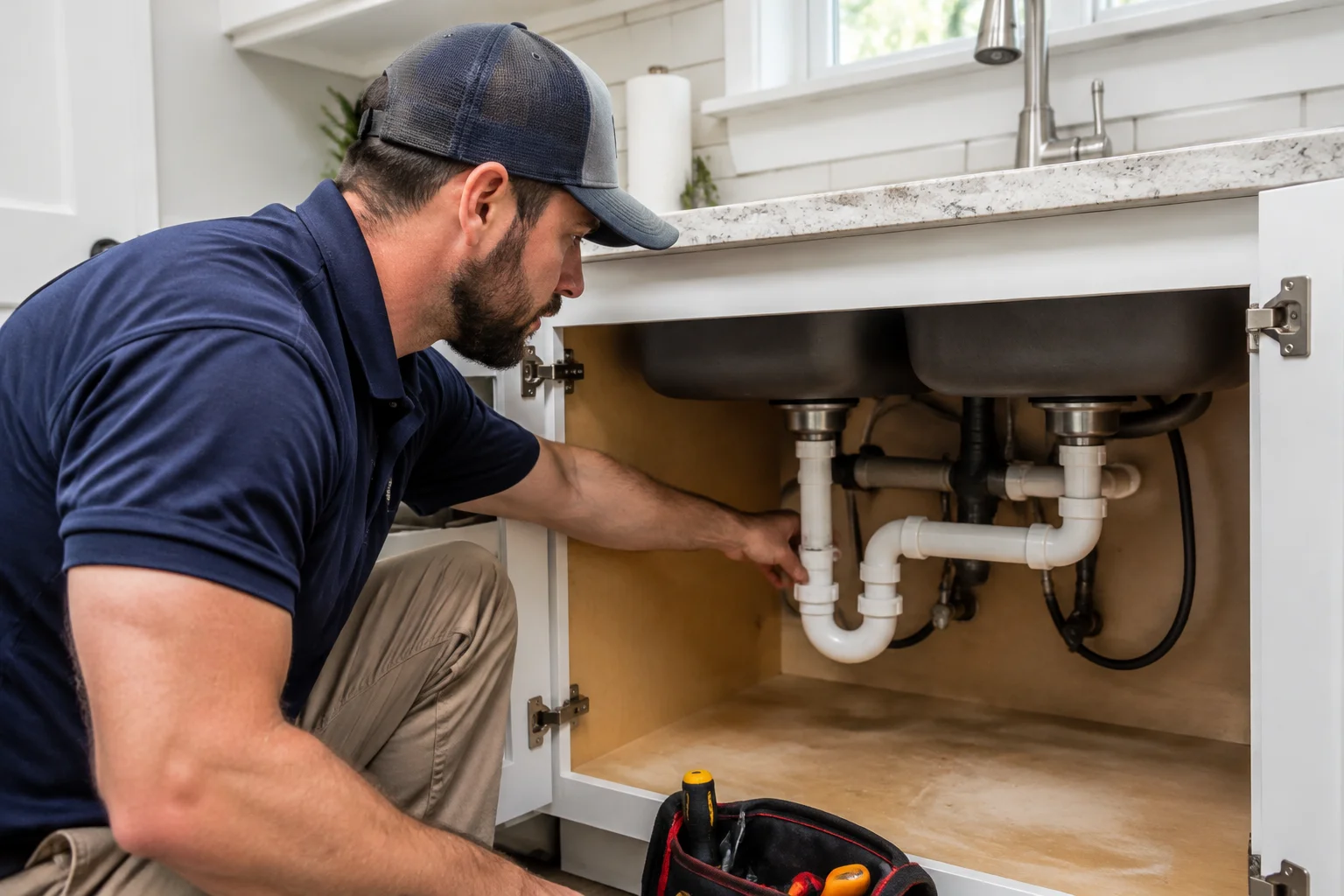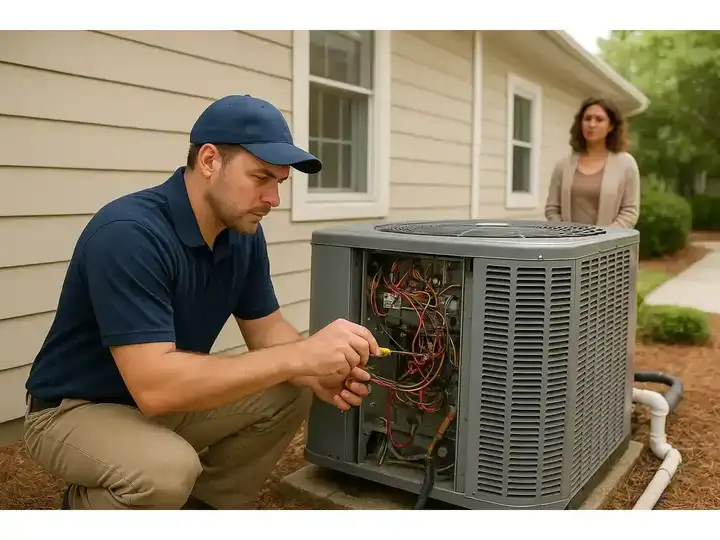
Commercial HVAC problems rarely stay small for long in Seagrove Beach. Between the Gulf humidity, salt air, and long cooling season, a system that is already working hard can slip into trouble fast. For restaurants, shops, offices, vacation rental offices, and hospitality properties, the right repair approach is not just about getting the air cold again. It is about protecting comfort, keeping operations moving, and avoiding repeat breakdowns.
If your business needs commercial HVAC repair in Seagrove Beach, FL, a smarter plan starts with understanding what the local climate does to equipment and how to spot the early warning signs before a minor issue becomes a costly interruption.
Why Seagrove Beach systems work harder than they should
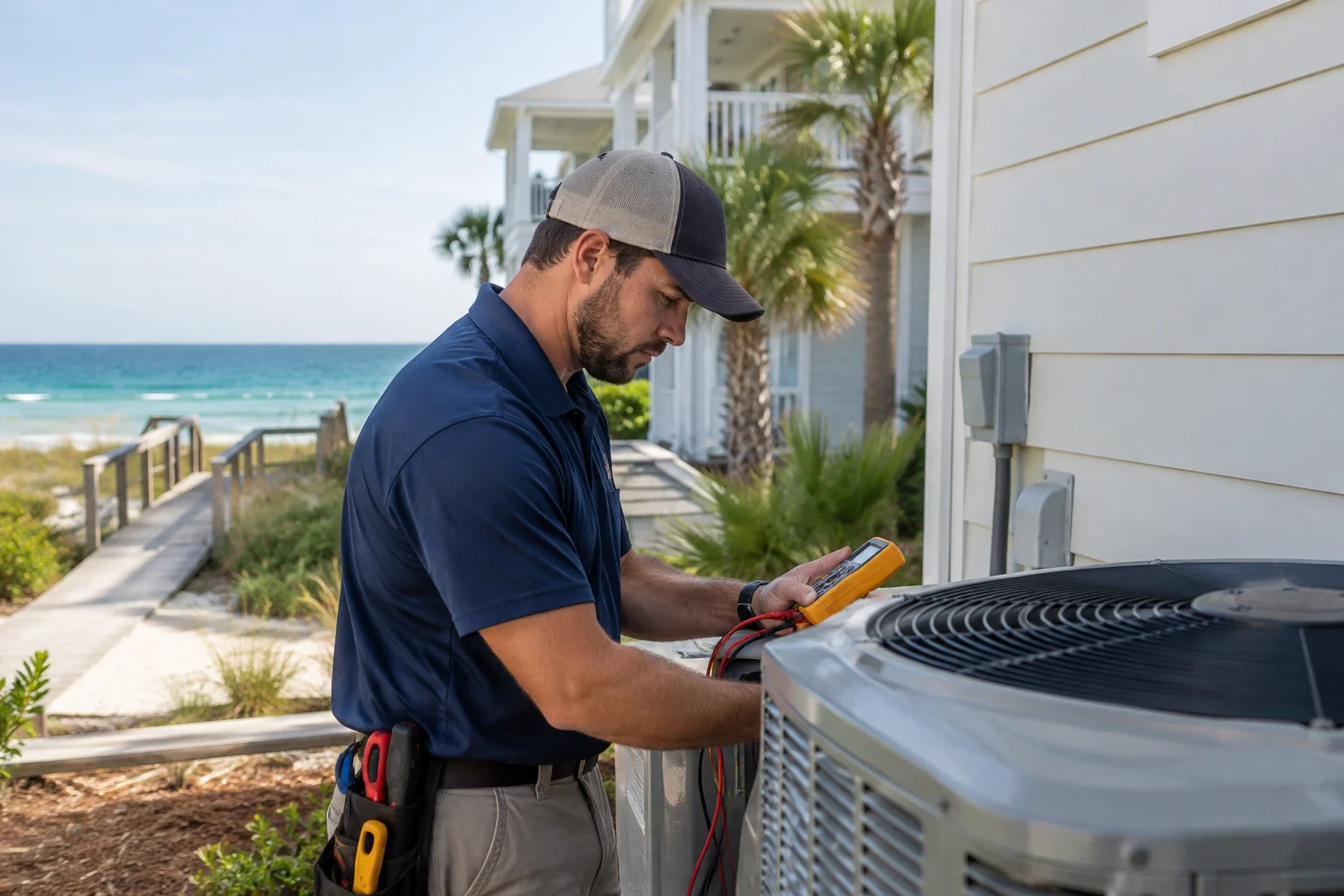
Seagrove Beach sits in a coastal part of Walton County where heat and humidity are part of daily life for much of the year. That means commercial HVAC systems run longer cycles, remove more moisture, and fight against outdoor air that is heavy with salt and moisture. Over time, that environment can wear down electrical components, clog drains, corrode coils, and reduce airflow.
Local buildings can also create their own challenges. Some commercial spaces near the beach use older ductwork, mixed-use layouts, or tight mechanical closets that make service more complicated. Others depend on rooftop units that take a direct hit from sun, wind, and salt exposure. When repairs are handled by a team that understands the area, the fix is more likely to last.
For broader service coverage in the area, businesses often look to the city page for Seagrove Beach HVAC service and the county page for support across Walton County.
Common commercial HVAC issues in coastal North Walton County
Some HVAC problems show up more often in Seagrove Beach because of the climate and the way local properties are used. Weak airflow is one of the most common complaints. It can point to dirty filters, duct leakage, a failing blower motor, or a coil that has become clogged with debris and moisture buildup.
Uneven temperatures are another frequent issue. In a business setting, one room may feel fine while another stays warm and sticky. That can happen when dampers are out of balance, ductwork is damaged, or the system is struggling to keep up with demand. If humidity is high even when the thermostat looks normal, the unit may have a refrigerant issue or a control problem that needs attention.
Short cycling is also worth watching. If a system turns on and off too often, it may be oversized, low on refrigerant, overheating, or dealing with a sensor failure. That kind of pattern wastes energy and puts extra wear on the compressor and other parts.
Drain line clogs are especially common in humid coastal areas. When condensate cannot move away properly, water can back up into the unit, trigger shutdowns, or create leaks that affect ceilings, walls, and flooring. In a business, that kind of damage can be as disruptive as the HVAC failure itself.
What a smarter repair process looks like
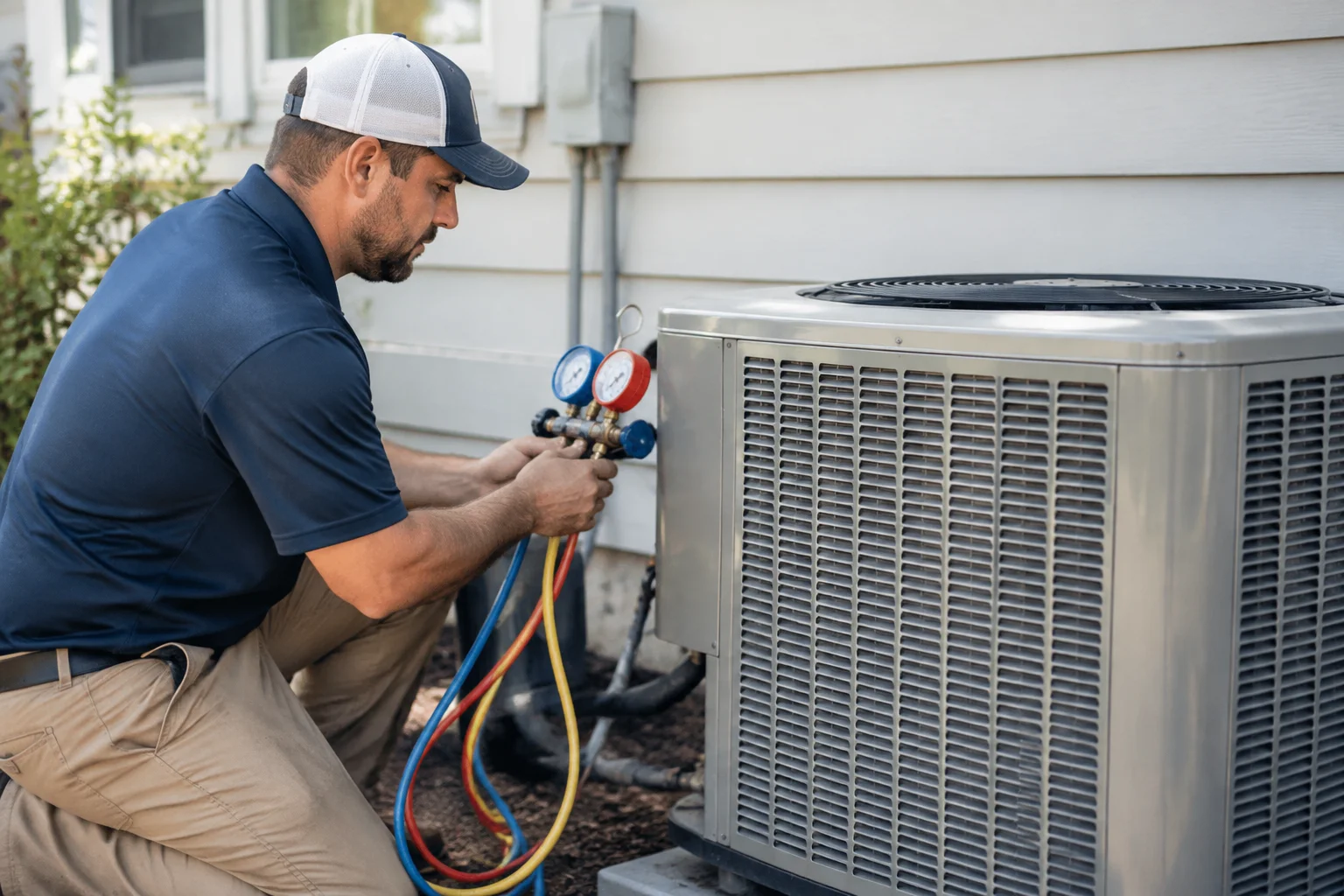
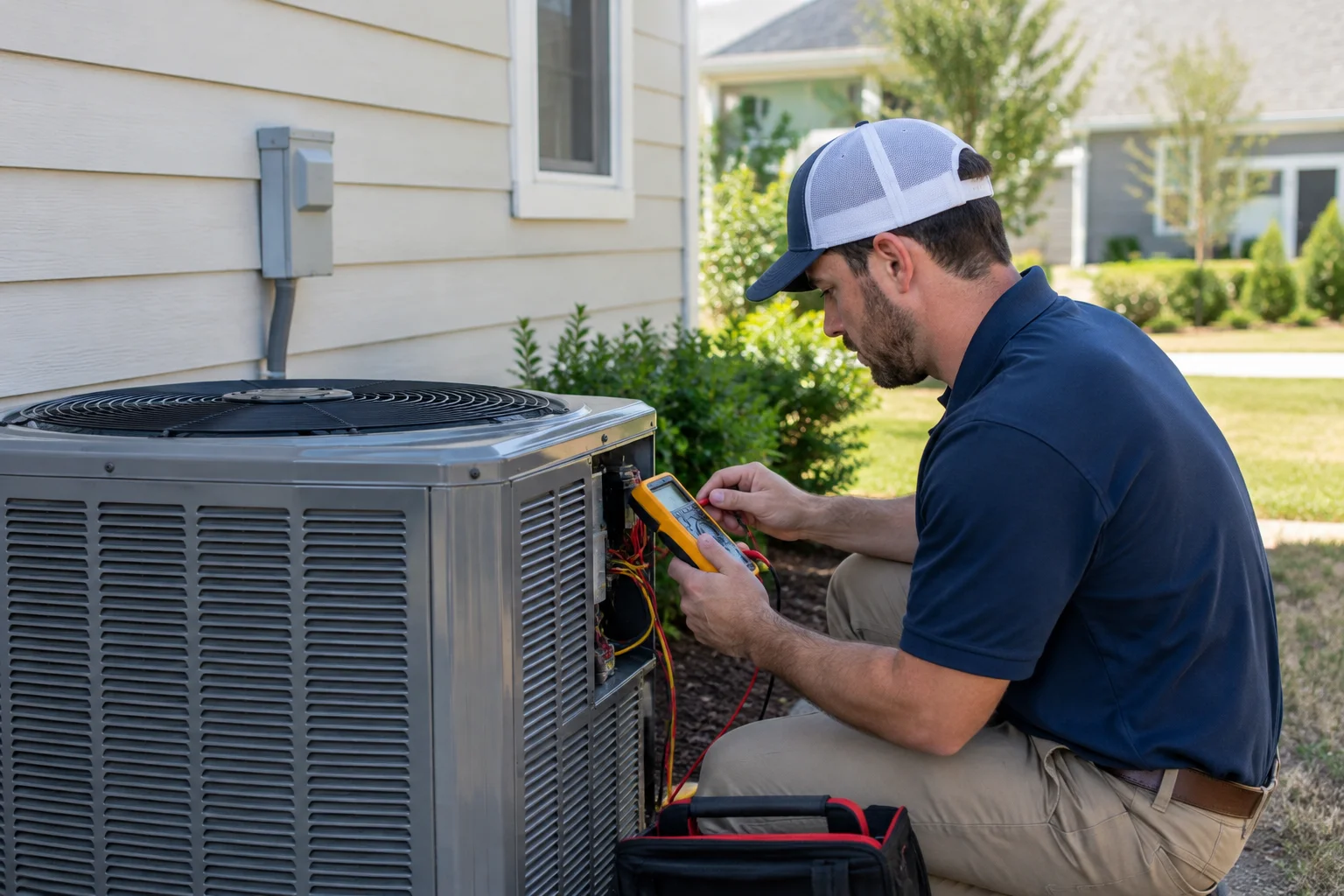
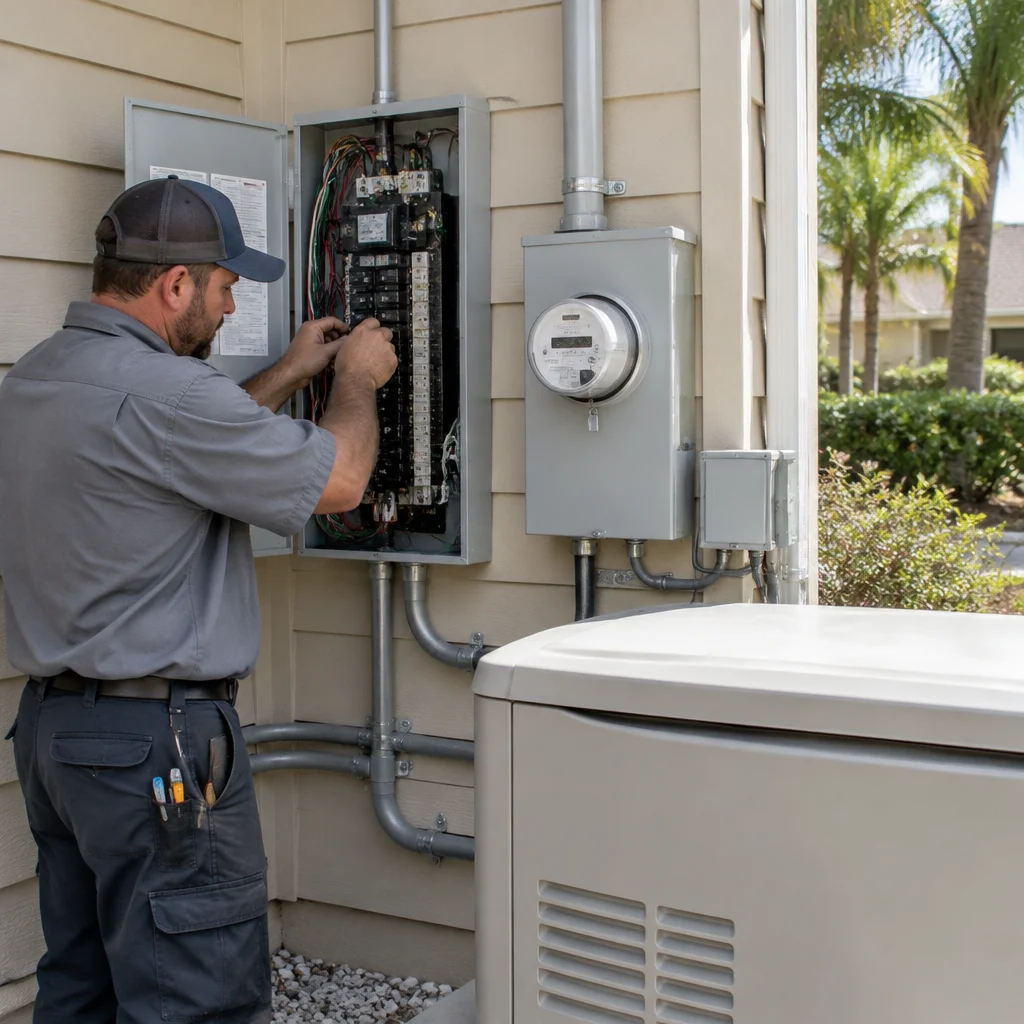
Good commercial HVAC repair starts with diagnosis, not guesswork. A technician should inspect the full system, not just the obvious symptom. That includes airflow, electrical connections, refrigerant levels, controls, coils, drains, and ductwork. In many cases, the visible problem is only part of the story.
A smarter repair also looks at the age and condition of the equipment. If one part failed because of age or corrosion, replacing only that part may solve the immediate issue but leave the system vulnerable to the next breakdown. A better approach is to identify whether the repair will hold up in Seagrove Beach conditions or whether another component is close behind.
For businesses that want to reduce recurring service calls, related improvements can make a difference too. Duct Sealing & Aeroseal Services can help reduce air loss and improve comfort. Duct Replacement may be the better answer when ductwork is too damaged or inefficient to keep patching. And for buildings dealing with indoor air concerns, Air Filtration & Purifiers can support cleaner air and less strain on the system.
Why fast response matters for businesses
In commercial spaces, HVAC problems affect more than comfort. They can affect customers, employees, inventory, and daily operations. A hot dining room, a humid retail floor, or an office with poor airflow can quickly lead to complaints and lost productivity. In some businesses, especially those serving the public, a breakdown can force schedule changes or temporary closures.
That is why local response matters. A company that serves Seagrove Beach and surrounding Walton County communities is better positioned to understand the area, arrive faster, and recommend repairs that make sense for coastal properties. The same local knowledge that helps with service in town also matters across the county, especially for businesses that need reliable support during peak season.
If your business follows a broader maintenance plan, a related article like Keeping Commercial HVAC Systems Reliable in Seagrove Beach Homes and Properties can help you think through preventative steps that reduce emergency calls.
How weather and seasonality affect repair timing
Seagrove Beach does not give HVAC systems much of a break. Summer humidity pushes units hard, spring and fall can still bring heavy cooling demand, and storm seasons add another layer of risk. Power fluctuations, wind-blown debris, and moisture intrusion can all create new problems or make existing ones worse.
That is one reason commercial HVAC repair in this area should be handled with local weather in mind. A repair that works inland may not hold up as well near the coast if the unit is exposed to salt air, constant moisture, or frequent high demand. Technicians familiar with the Emerald Coast know how to look for corrosion, drainage issues, and airflow losses that are more common here than in drier parts of the state.
For a nearby comparison, How Local Weather Affects Commercial HVAC Repair in Destin, FL offers another useful look at how Gulf Coast conditions shape service needs.
Maintenance habits that reduce repair headaches
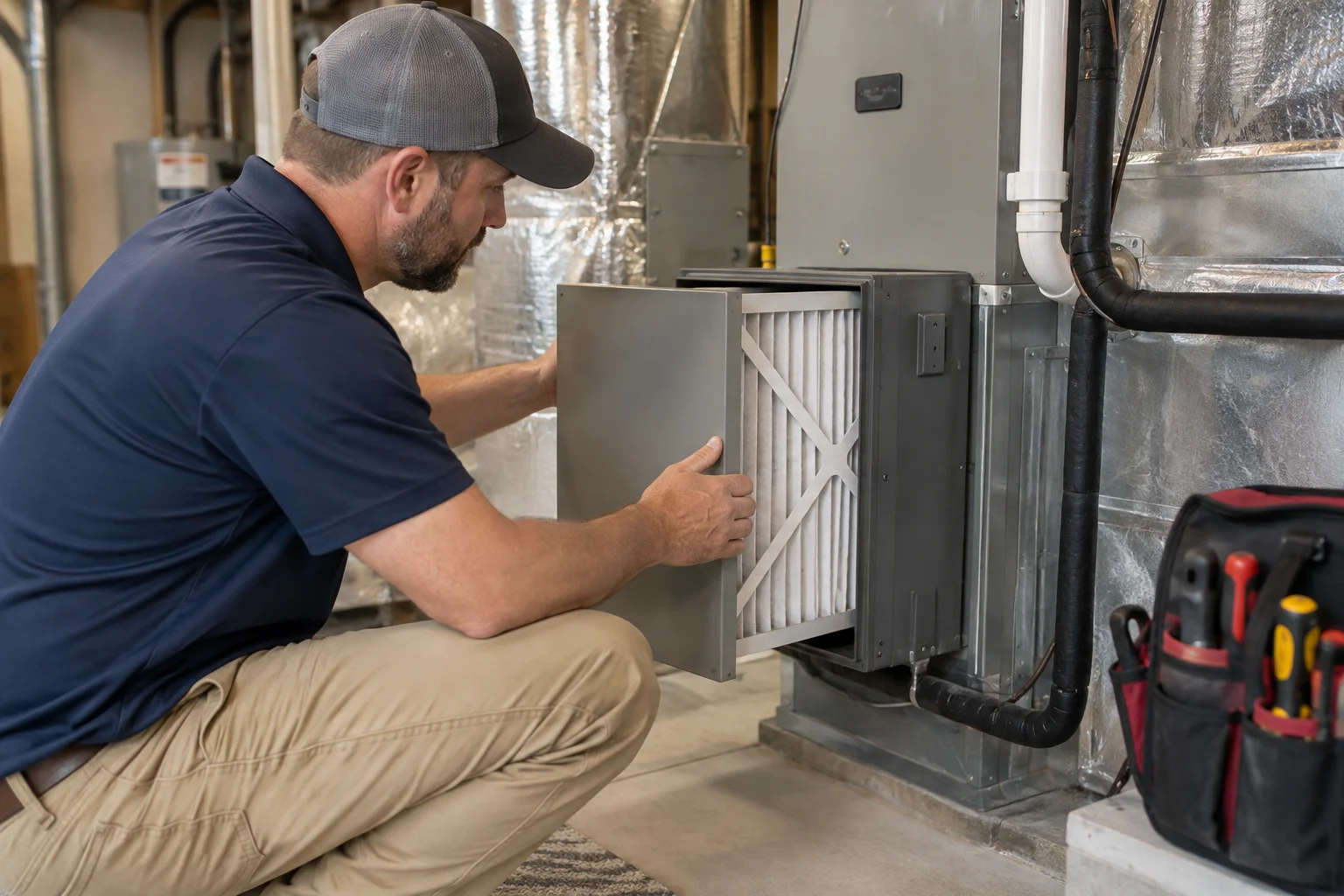
Repairs are easier to manage when the system is cared for throughout the year. Regular filter changes are a simple but important step. Dirty filters restrict airflow, strain the blower, and make it harder for the unit to remove humidity. In a commercial setting, filters may need attention more often than many owners expect, especially if the building sees heavy foot traffic.
Coil cleaning is another priority. Coastal air can leave behind grime and corrosive residue that reduces heat transfer. Drain line checks, thermostat calibration, and electrical inspections also help catch small problems before they grow. If a business has had repeat airflow or humidity concerns, the issue may not be the equipment alone. It could be the duct system, the building layout, or a combination of both.
Businesses that want cleaner indoor air and less dust buildup may also benefit from reading Keeping Indoor Air Cleaner in Seagrove Beach Homes Starts With the Right HVAC Habits. While it focuses on homes, many of the same air quality habits apply to small offices and mixed-use properties.
Repair or replace, and how to tell the difference
Not every failing commercial system needs replacement, but not every repair is the best long-term move either. If the unit is relatively new and the problem is isolated, a targeted repair often makes sense. If the equipment is older, corroded, and requiring frequent service, replacement may offer better value over time.
Other clues point toward replacement as well. Rising energy bills, uneven cooling, repeated refrigerant issues, and parts that are becoming harder to source can all signal that the system is nearing the end of its useful life. In those cases, a conversation about Commercial HVAC Installation may be more practical than another round of temporary fixes.
A good HVAC contractor will explain the options clearly, including the likely lifespan of the repair, expected performance, and whether the building would benefit from a different system size or configuration.
What local property owners should watch for
Even if you do not manage the equipment yourself, there are a few warning signs worth noticing. If the building feels humid for long stretches, if vents are blowing weak air, or if the system seems louder than usual, the equipment may already be struggling. Water around the unit, musty odors, or sudden temperature swings are also worth reporting quickly.
For business owners in Seagrove Beach, timing matters. Waiting too long can turn a repair into a bigger disruption, especially during busy travel periods when customers expect a comfortable indoor environment. Prompt service can help avoid after-hours emergencies and protect the parts of the building that rely on steady temperature and humidity control.
Choosing a repair partner that understands coastal properties
Commercial HVAC repair in Seagrove Beach should be handled by a team that understands both the equipment and the local environment. That means knowing how salt air affects components, how humidity changes system performance, and how to work around the demands of a business that cannot afford long downtime.
A Superior Mechanical provides commercial HVAC repair for properties in Seagrove Beach and throughout Walton County, with a focus on fast diagnostics, practical repairs, and service that fits the realities of coastal buildings. Whether the issue is airflow, drainage, controls, or corrosion, the goal is the same: restore comfort, protect the system, and keep the business running.
For property owners who want dependable local support, the smartest repair strategy is usually the simplest one. Address problems early, look beyond the obvious symptom, and choose solutions that are built for Seagrove Beach conditions rather than generic ones.
Find Commercial HVAC Repair in Seagrove Beach, FL
If you need Commercial HVAC Repair in Seagrove Beach, FL, visit our local service page or contact A Superior Mechanical today.
Map of Seagrove Beach, FL
Frequently Asked Questions
What commercial HVAC problems are most common in Seagrove Beach, FL?
Humidity, salt air, clogged drain lines, weak airflow, and corroded components are common in coastal buildings. These issues can show up as uneven temperatures, short cycling, or higher energy bills.
How often should a commercial HVAC system be serviced in Walton County?
Most commercial systems benefit from regular seasonal maintenance, and some coastal properties need more frequent checks because of heavy use, humidity, and salt exposure.
Can duct problems cause my commercial HVAC system to struggle?
Yes. Leaky or damaged ducts can reduce airflow, increase energy use, and make it harder to control temperature and humidity. In some buildings, duct sealing or replacement is part of the best repair plan.
Related Articles
Photo Gallery