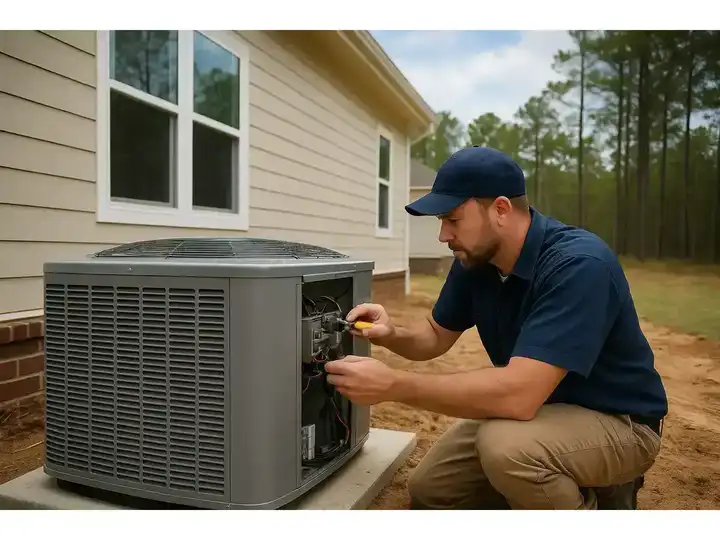
In Lynn Haven, a new home can look finished long before the cooling system has had a chance to prove itself. That matters in Bay County, where long cooling seasons, humidity, and salty Gulf air put extra pressure on HVAC equipment from the first day it runs. A system that is designed well, installed carefully, and matched to the home can deliver comfort without the constant repairs, uneven temperatures, and high energy bills that frustrate homeowners later.
For builders and homeowners planning new construction air conditioning in Lynn Haven, FL, the goal is not just to get cold air moving. The real goal is to set up a system that fits the home’s layout, insulation level, window exposure, and local climate so it stays efficient for years. That is where local experience matters. A system built for a dry inland market often performs differently in Lynn Haven, where humidity control is just as important as temperature control.
Why new construction cooling in Lynn Haven needs a local plan
Lynn Haven homes deal with a warm, humid climate for much of the year. Even newer homes can struggle if the HVAC system was sized too quickly or installed without a full look at the building envelope. In Bay County, homes may also face heavy summer rain, strong sun exposure, and moisture that can work its way into attics, closets, and duct runs. Those conditions can shorten equipment life and make comfort harder to maintain.
Local service also helps because home styles in Lynn Haven vary. Some neighborhoods have compact single story homes, while others include larger custom builds, open floor plans, bonus rooms, or additions with tricky airflow needs. A one size fits all approach does not work well. A system should be designed for the actual home, not just the square footage on paper. If you are planning a build anywhere in the area, it helps to work with a team that understands both the city and the county level building conditions, including projects throughout Bay County and nearby Lynn Haven.
The biggest causes of trouble start before the first startup
Most long term HVAC problems in new construction do not begin with the equipment itself. They usually start with design or installation choices made early in the project. Oversized systems are a common issue. A unit that is too large may cool the house quickly, but it often shuts off before it has time to remove enough humidity. That can leave rooms feeling clammy and make the home less comfortable even when the thermostat says the temperature is right.
Undersized or poorly zoned systems create the opposite problem. They may run constantly, struggle on the hottest afternoons, and wear out sooner than expected. Ductwork can also create hidden trouble. Leaky ducts, crushed flex runs, poor return placement, and sharp bends can restrict airflow and force the system to work harder. In new construction, these issues are easier to prevent than fix later, which is why the design stage matters so much.
Humidity control is another major factor in Lynn Haven. A system that cools well but does not manage moisture can lead to comfort complaints, musty odors, and even indoor air quality concerns. Homeowners who want a healthier indoor environment may also want to look at Indoor Air Quality Services and related solutions that support better filtration and cleaner air throughout the home.
How to lower the risk of problems before construction wraps up
The best way to avoid HVAC headaches is to treat the cooling system as part of the home design, not as a box to install near the end of the job. That starts with a proper load calculation. The system should be sized based on the home’s insulation, windows, orientation, ceiling heights, and expected occupancy. In a humid place like Lynn Haven, exact sizing matters because comfort depends on both temperature and moisture removal.
It also helps to plan the duct layout early. Ducts should be routed with attention to airflow, insulation, and accessibility. Returns should be located to support balanced circulation instead of pulling air from only one section of the home. Supply registers should be placed to match how the rooms will actually be used. For example, a large open living area may need a different approach than a quiet bedroom wing or a second floor bonus room.
Equipment selection matters as well. High efficiency systems can save money over time, but only if they are matched correctly to the home. A builder or homeowner should also think about filtration, dehumidification, and thermostat placement. These details may seem small during construction, but they often determine how well the system performs once the family moves in.
Simple choices that make a big difference
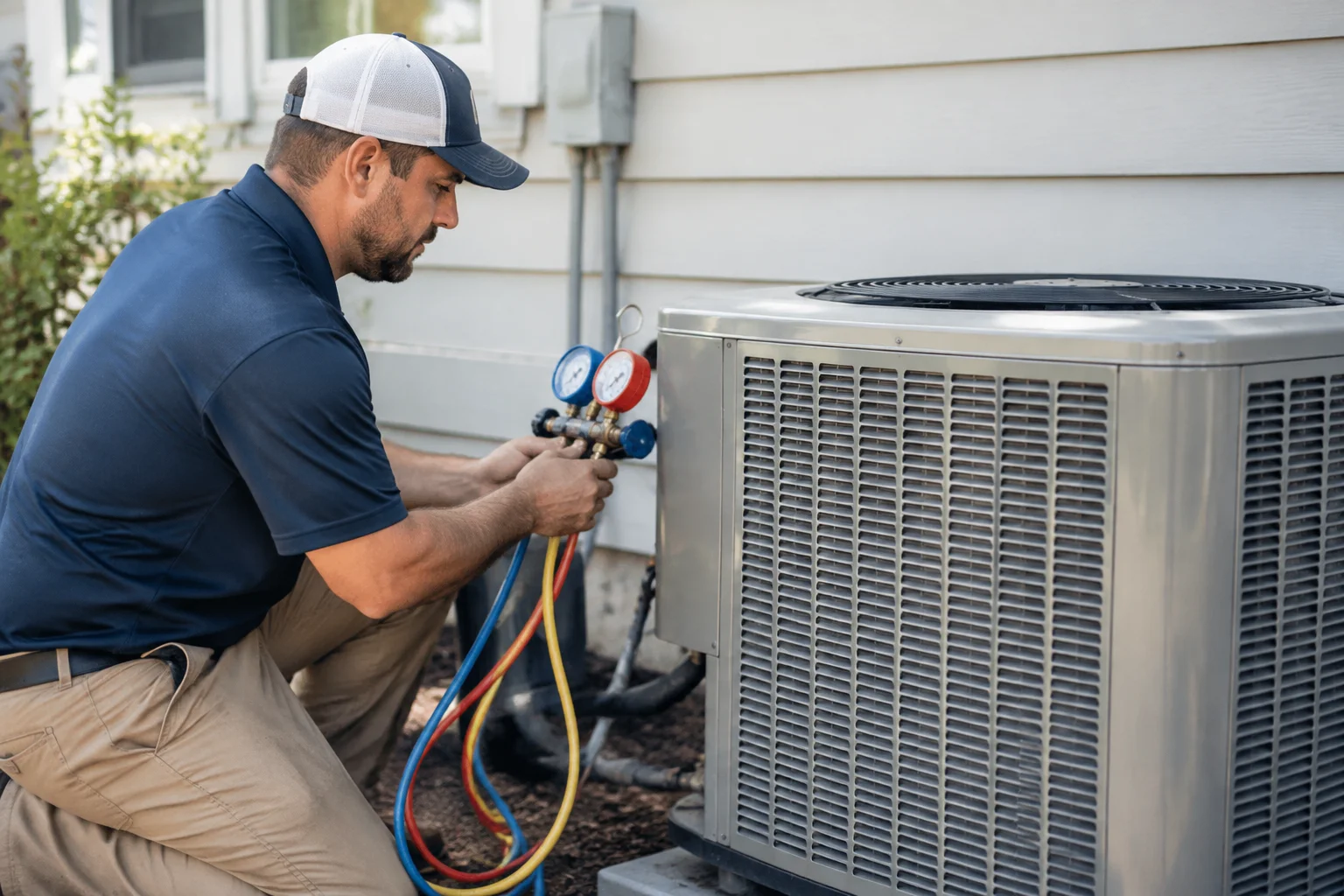
Sealing ducts, insulating attic runs, and keeping the air handler in a conditioned or well protected space can all improve efficiency. So can choosing quality materials and making sure the installation team checks refrigerant charge, airflow, and condensate drainage before turnover. In Bay County’s climate, condensate management is especially important because excess moisture can lead to water damage, mold growth, or repeated service calls if the drain line was not set up correctly.
Homeowners with plumbing concerns in a new build may also want to coordinate with Plumbing Replacement if the project includes major utility work. HVAC and plumbing often intersect in the same mechanical spaces, and planning them together can help avoid conflicts later.
Common signs a new system was not set up quite right
Even in a brand new home, there are clues that the cooling system needs a closer look. Uneven temperatures between rooms are one of the most common. If one bedroom stays warm while the rest of the house feels fine, the issue may be airflow, duct balancing, or return air placement. Another warning sign is a home that feels sticky or damp even when the AC is running regularly. That often points to poor humidity control, short cycling, or an oversized unit.
Other signs include noisy ductwork, a thermostat that seems to swing too much, weak airflow from certain vents, or a system that runs far more often than expected. Water near the air handler or around the condensate drain should never be ignored. In a new home, these problems can sometimes be traced to installation details that were missed during the final phases of construction.
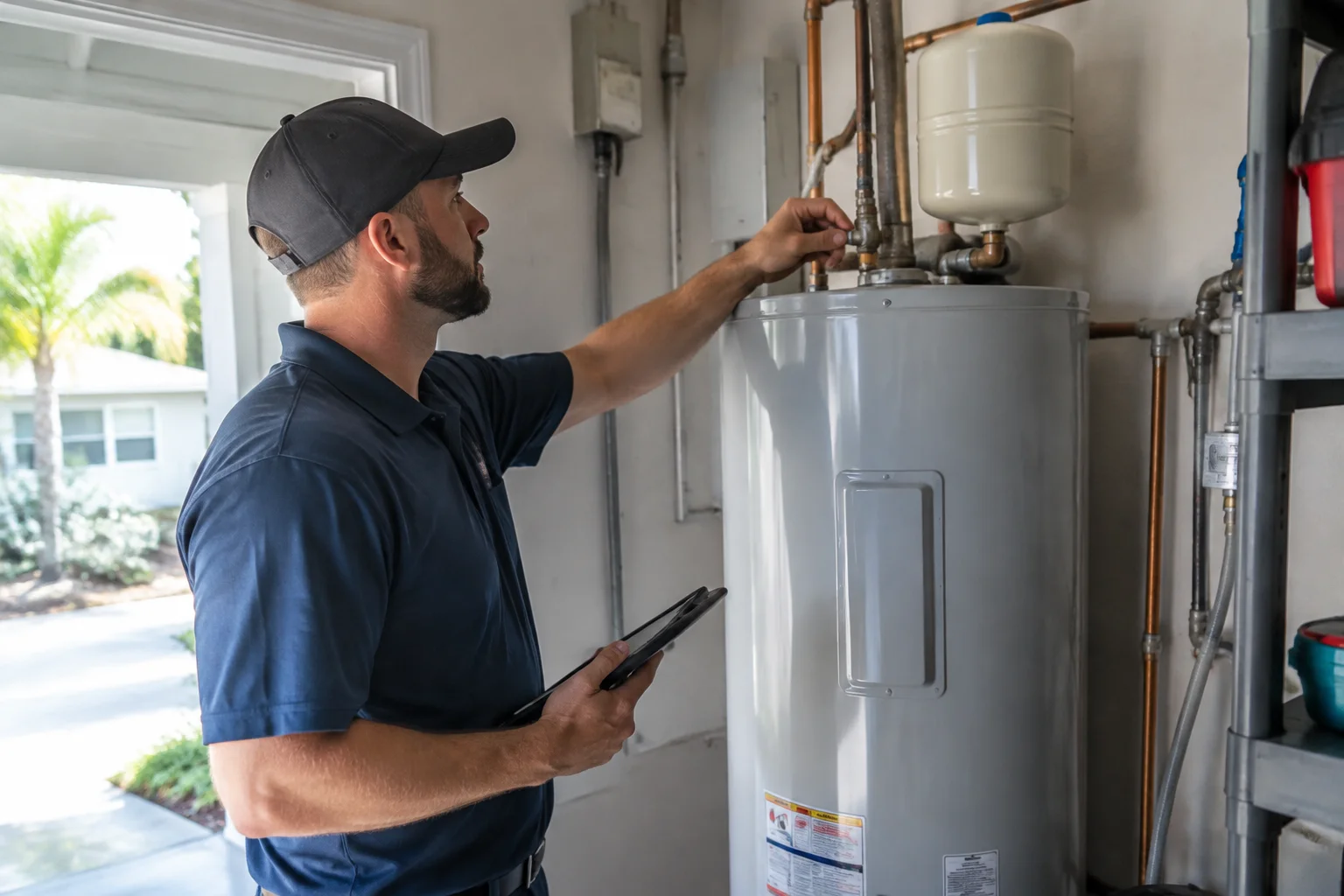
If the home also has a water heating system nearby, it can be helpful to keep an eye on the surrounding mechanical area. Issues in one system can affect another, especially when drainage, ventilation, or service access is tight. Homeowners may also benefit from Water Heater Services if the project includes a full mechanical setup or a new utility room.
Why efficiency depends on the first year of operation
The first year after move in is often when small installation issues become obvious. A system that looked fine during final inspection may show problems once summer humidity rises and the house is occupied full time. Daily use reveals how the system handles cooking, showers, laundry, guests, and afternoon sun. If the AC was not designed with those real life demands in mind, energy use can climb quickly.
Efficiency also depends on how often the system has to fight preventable losses. Air leaks in ducts, poor attic insulation around ductwork, and weak sealing around penetrations can all waste cooled air. In Lynn Haven, where the cooling season is long, those losses add up. A well planned system can keep utility costs steadier and reduce wear on the compressor, blower, and other major components.
For homeowners who want to go a step further, pairing the AC design with better filtration or moisture control can improve comfort and reduce maintenance. If the home has allergy concerns, pet dander, or dust from a busy construction site, it may be worth reading more about Cleaner Air, Fewer HVAC Headaches: What Lynn Haven Homeowners Should Know About Filtration and Purifiers. In a Gulf Coast climate, cleaner indoor air often starts with better HVAC planning.
Maintenance habits that protect a new system
Once the home is occupied, the new system still needs attention. Filter changes should happen on schedule, especially in homes that are still settling after construction. Dust from drywall, flooring work, and fresh furnishings can load filters faster than expected. Condensate drains should be checked regularly, and the outdoor unit should be kept clear of grass clippings, leaves, and debris.
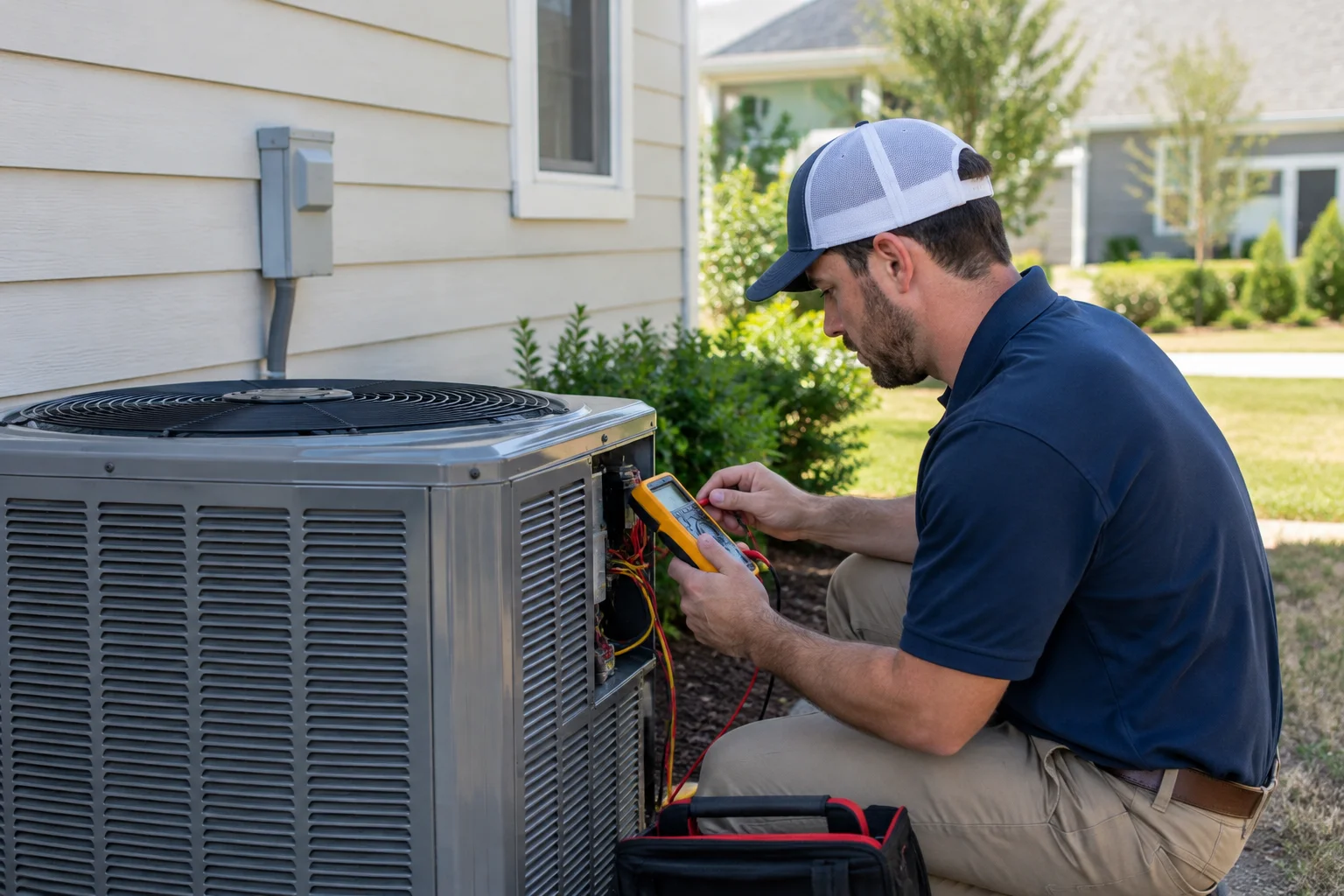
It is also smart to schedule a professional checkup before the hottest part of the year. A technician can verify airflow, inspect electrical components, confirm refrigerant performance, and catch small issues before they become expensive. In a climate like Lynn Haven’s, that kind of preventive care helps the system stay efficient through long cooling stretches.
For homeowners who want to understand how small maintenance issues can grow into bigger service calls, this article on Commercial HVAC Maintenance in Lynn Haven, FL: The Small Problems That Turn Into Big Disruptions offers a useful look at how routine care protects equipment over time. The same principle applies in residential construction: small oversights can become major disruptions if they are ignored.
Local service makes a difference after move in
New construction HVAC work is not just about installation day. It is about having a local team that can respond if something is off after the home is occupied. A Superior Mechanical works with homeowners and builders who need systems designed for Lynn Haven conditions and Bay County expectations. That includes attention to humidity, airflow, duct design, and long term serviceability.
When a home needs a cooling strategy that fits the building and the climate, local support can save time and reduce frustration. If the project calls for a different cooling approach in a specific part of the home, ductless options may also be worth considering. Learn more about Ductless Mini-Splits for bonus rooms, additions, or spaces that need independent control.
Homes in Lynn Haven are built to be lived in, not babysat. A properly planned AC system should support that by running efficiently, handling humidity, and staying dependable through the long Florida cooling season. With the right design and installation choices, homeowners can avoid many of the problems that show up later and enjoy a system that performs the way it should from day one.
For more local service details, visit the Lynn Haven service area page or the broader Bay County service area page to see how A Superior Mechanical supports new construction projects across the region.
Find New Construction Air Conditioning in Lynn Haven, FL
If you need New Construction Air Conditioning in Lynn Haven, FL, visit our local service page or contact A Superior Mechanical today.
Map of Lynn Haven, FL
Frequently Asked Questions
Why is new construction air conditioning in Lynn Haven different from other places?
Lynn Haven has long cooling seasons, high humidity, and coastal weather conditions that make system sizing, duct design, and moisture control more important than in drier climates.
What causes the most problems in a new HVAC system?
The most common issues are poor sizing, leaky or poorly routed ductwork, weak airflow, and condensate drainage problems. These are usually easier to prevent during construction than after move in.
How can homeowners help a new AC system stay efficient?
Use the right filter, change it on schedule, keep the outdoor unit clear, and schedule regular tune ups. It also helps to address indoor air quality and humidity control early.
Should new construction homes in Bay County consider indoor air quality upgrades?
Yes. In a humid climate, filtration and air quality solutions can help reduce dust, odors, and moisture related comfort problems. They can also support better long term HVAC performance.
Related Articles
- Commercial HVAC Maintenance in Lynn Haven, FL: The Small Problems That Turn Into Big Disruptions
- Cleaner Air, Fewer HVAC Headaches: What Lynn Haven Homeowners Should Know About Filtration and Purifiers
- Keeping Lynn Haven Commercial HVAC Systems Running Smoothly in a Gulf Coast Climate
- A Practical Water Softening Plan for Lynn Haven Homes and Properties
Photo Gallery