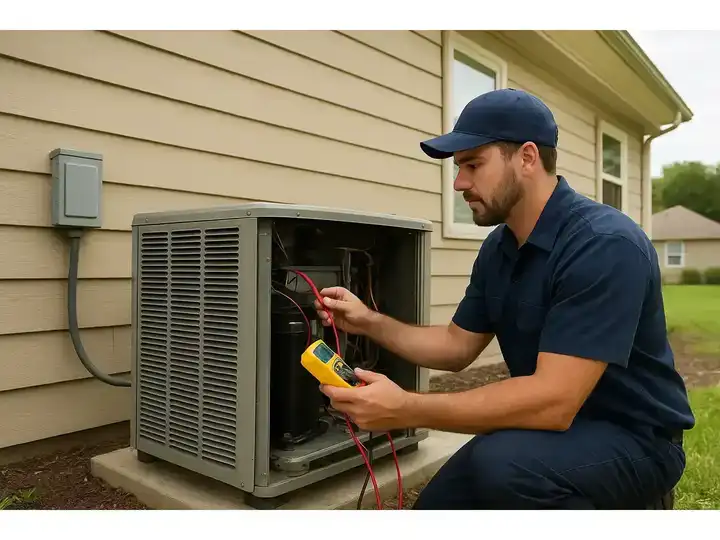
In Lynn Haven, commercial HVAC systems work hard for most of the year. Between long cooling seasons, heavy humidity, salt in the air, and sudden summer storms, equipment in Bay County gets more wear than many business owners expect. A system that seems fine in spring can start struggling by midsummer if small issues are left alone.
That is why commercial HVAC maintenance in Lynn Haven, FL is less about checking a box and more about protecting your building, your comfort, and your budget. Routine service helps reduce surprise breakdowns, keeps energy use in check, and gives you a better chance of catching problems before they interrupt business.
For local property owners and managers, the goal is simple: keep people comfortable, protect equipment, and avoid expensive disruptions. Whether you manage an office, retail space, restaurant, medical suite, or multi-tenant property, a maintenance plan built around Lynn Haven’s climate can make a noticeable difference.
Why Lynn Haven’s climate puts extra stress on HVAC equipment
Lynn Haven sits in a warm, humid part of Florida where air conditioning is not seasonal. Systems often run for many hours a day, and that constant demand creates wear on compressors, motors, fans, coils, and controls. High humidity also makes systems work harder because they must remove moisture from the air, not just cool it.
Salt air from the Gulf can also speed up corrosion on outdoor components. Even if a property is not right on the waterfront, Bay County buildings still deal with moisture, rain, and airborne contaminants that can collect on coils and electrical parts. Over time, that buildup can reduce performance and shorten equipment life.
Storms are another local factor. Power interruptions, lightning, and heavy rain can affect controls and electrical components. After a rough weather week, it is smart to have your system checked rather than waiting for a failure during peak business hours. For broader local service coverage, many owners also review the city page for Lynn Haven HVAC services and the county page for Bay County service areas.
Small maintenance tasks that lower repair risk
Commercial HVAC maintenance works best when it catches the little things early. A dirty filter, a loose electrical connection, or a clogged drain line may not seem urgent, but those issues can lead to larger repairs if they are ignored.
Keep filters on a regular schedule
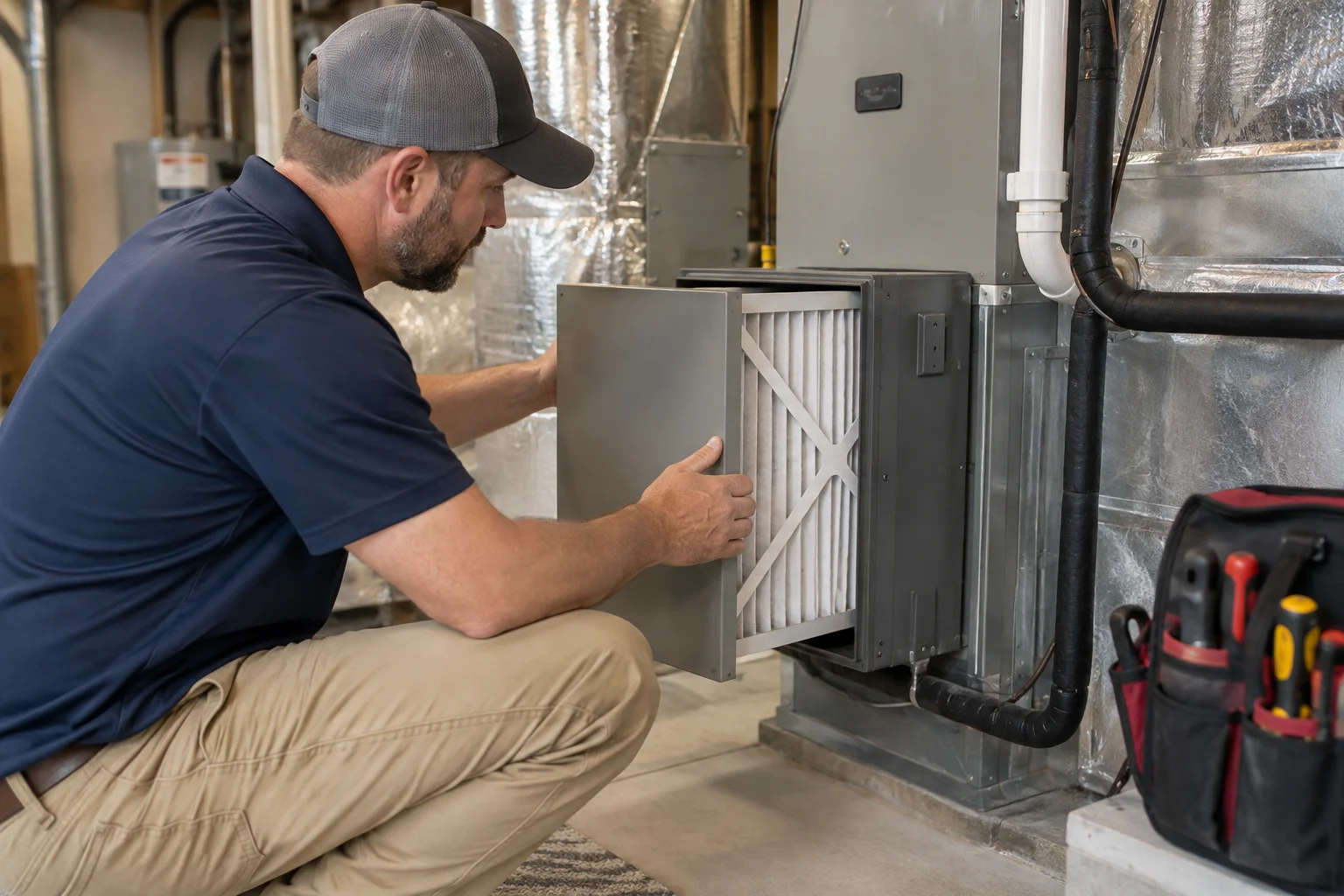
Filters are one of the simplest parts of the system, but they have a big impact on airflow and indoor air quality. In busy commercial spaces, filters can load up quickly with dust, pollen, grease, and other debris. When airflow drops, the system has to work harder, which can raise energy use and increase wear on the blower and compressor.
Many Lynn Haven businesses benefit from checking filters monthly and replacing them on a schedule based on occupancy, building type, and use. Restaurants, salons, and medical spaces may need more frequent attention than a low-traffic office.
Clean coils before buildup becomes a problem
Evaporator and condenser coils transfer heat, so when they are dirty, the entire system loses efficiency. In humid coastal conditions, coils can collect grime faster than expected. A coated coil can lead to longer run times, weak cooling, higher bills, and extra strain on the equipment.
Professional cleaning during maintenance visits helps restore performance and can prevent the kind of heat transfer problems that turn into compressor issues later.
Inspect drains and humidity control
In Florida, condensate management matters. If the drain line clogs, water can back up into the system or leak into the building. That can lead to ceiling damage, mold concerns, and shutdowns that affect tenants or customers. Because Lynn Haven humidity stays high for much of the year, keeping drain lines clear is a practical way to protect both the HVAC system and the property.
Some buildings also need help balancing humidity, especially if doors open frequently or the space has high occupancy. If your indoor air feels sticky even when the temperature is set correctly, maintenance may need to include humidity-focused adjustments or additional service such as air conditioning maintenance in Lynn Haven.
Warning signs that maintenance has been delayed
Commercial systems often give clues before they fail. The challenge is that these clues are easy to ignore when the building is still somewhat comfortable. Catching them early can save time and money.
Uneven temperatures across the building, weak airflow from vents, unusual rattling or grinding, musty odors, short cycling, and rising utility bills are all worth paying attention to. If the system seems to run constantly without reaching the set temperature, that can point to dirty coils, low refrigerant, airflow restrictions, or control problems.
Water stains near air handlers, tripped breakers, or repeated thermostat complaints from staff or tenants are also signs that maintenance is overdue. If those symptoms keep returning, it may be time to review the system more closely and compare maintenance with repair needs through A Smarter Way to Handle Commercial HVAC Repair in Lynn Haven, FL.
How preventive service helps businesses avoid downtime
Downtime is expensive. A failed HVAC system can affect customer comfort, employee productivity, food storage, equipment performance, and tenant satisfaction. In some buildings, even a few hours without cooling can create a significant disruption.
Preventive maintenance lowers that risk by identifying worn parts before they fail. During a service visit, a technician can check belts, contactors, capacitors, refrigerant levels, drain lines, thermostats, safety controls, and electrical connections. This type of inspection does more than keep the system clean. It helps reveal patterns that could lead to a repair or shutdown later.
For business owners comparing maintenance and repair costs, it helps to think in terms of timing. A planned service visit is usually easier to manage than a last-minute emergency call during a busy week. For more insight into how small problems grow, see Commercial HVAC Maintenance in Lynn Haven, FL: The Small Problems That Turn Into Big Disruptions.
Building type matters in Bay County
Not every commercial property in Lynn Haven uses HVAC the same way. An office building may need steady daytime comfort, while a restaurant may deal with heat from cooking equipment and higher moisture levels. Retail spaces often see doors opening and closing all day, and multi-tenant buildings can have uneven usage from suite to suite.
That is why maintenance should be tailored to the property, not just the equipment brand. A good service plan looks at occupancy, hours of operation, indoor air demands, and the age of the system. In some buildings, ductwork also plays a major role in performance. Leaky ducts can waste conditioned air and make certain areas harder to cool. If that sounds familiar, it may be worth exploring Duct Sealing & Aeroseal Services.
For properties that depend on dependable cooling during long business hours, even small efficiency gains can add up over time. That is especially true in Bay County, where systems often run almost year-round.
Maintenance habits that help between service visits
Professional maintenance does most of the heavy lifting, but day-to-day habits also matter. Property managers and building staff can help reduce repair risk by watching for changes and keeping the equipment area clear.
Here are a few practical habits that help:
Keep the area around outdoor units free of leaves, trash, and debris.
Make sure supply and return vents are not blocked by furniture, displays, or storage.
Watch for water around air handlers or ceiling stains near indoor equipment.
Listen for new noises from rooftop units, fan motors, or thermostats.
Track utility bills so sudden spikes are easier to spot.
Document complaints from tenants, staff, or customers, especially if the same zone keeps having trouble.
If your building also has plumbing or drainage concerns that affect HVAC performance, a related service like Hydro Jetting may be relevant when drain lines or connected systems are causing recurring issues.
Why local service matters in Lynn Haven
Local HVAC service is valuable because technicians who work in Lynn Haven and the rest of Bay County understand the conditions your equipment faces. Coastal moisture, storm exposure, and long cooling cycles are not just background details. They shape how systems age and what kind of maintenance they need.
A local provider can also respond with the right expectations. If a business needs help fast during peak heat, nearby service matters. If a system has recurring humidity issues, local experience helps identify whether the problem is airflow, duct leakage, controls, or a maintenance gap. For some properties, the best fix may involve service beyond routine cleaning, such as air conditioning services in Lynn Haven when the system needs more than a standard tune-up.
That local knowledge is one reason many property owners schedule ongoing care instead of waiting for a breakdown. Planned service gives technicians a chance to spot patterns that might not be obvious to someone who only sees the system after it fails.
Planning a maintenance schedule that fits your building
The right schedule depends on how hard the system works. A lightly used office may do well with seasonal service, while a restaurant or high-traffic property may need more frequent inspections. Roof-mounted equipment, older systems, and buildings with known airflow issues usually benefit from closer attention too.
A practical maintenance plan often includes inspection before the hottest months, another check during peak summer use, and follow-up service after severe weather if needed. The goal is to stay ahead of wear instead of reacting to it. If your equipment is aging or repair costs are starting to stack up, it may also help to review upgrade planning through A Smarter Way to Pay for HVAC Upgrades in Lynn Haven.
For businesses that want a dependable partner, A Superior Mechanical’s commercial HVAC maintenance in Lynn Haven, FL is built around keeping systems efficient, reducing downtime, and protecting long-term performance in local conditions.
When maintenance is consistent, the system usually runs quieter, cools more evenly, and gives fewer surprises. That is a practical advantage for any business in Lynn Haven, especially when summer heat and humidity are working against the equipment every day.
Find Commercial HVAC Maintenance in Lynn Haven, FL
If you need Commercial HVAC Maintenance in Lynn Haven, FL, visit our local service page or contact A Superior Mechanical today.
Map of Lynn Haven, FL
Frequently Asked Questions
How often should commercial HVAC maintenance be scheduled in Lynn Haven, FL?
Most commercial systems in Lynn Haven should be inspected at least twice a year, with more frequent service for restaurants, high-traffic buildings, or older equipment. Coastal humidity and long cooling seasons make regular maintenance especially important.
What problems does preventive maintenance help avoid?
Routine maintenance can help reduce breakdowns caused by dirty coils, clogged drain lines, worn belts, low refrigerant, loose electrical connections, and restricted airflow. It also helps catch small issues before they disrupt business operations.
Why does local climate matter for commercial HVAC systems?
Lynn Haven’s heat, humidity, and salt air can speed up wear on outdoor equipment and make systems work harder to remove moisture. Local service matters because maintenance needs are shaped by these conditions, not just by the age of the equipment.
Can maintenance improve energy efficiency?
Yes. Clean coils, proper airflow, sealed ducts, and well-calibrated controls can all help a system run more efficiently. That often means lower utility costs and less strain on the equipment over time.
Related Articles
- Commercial HVAC Maintenance in Lynn Haven, FL: The Small Problems That Turn Into Big Disruptions
- A Smarter Way to Handle Commercial HVAC Repair in Lynn Haven, FL
- A Smarter Way to Pay for HVAC Upgrades in Lynn Haven
- Keeping Parker Businesses Comfortable: A Smarter Approach to Commercial HVAC Maintenance at Home
Photo Gallery