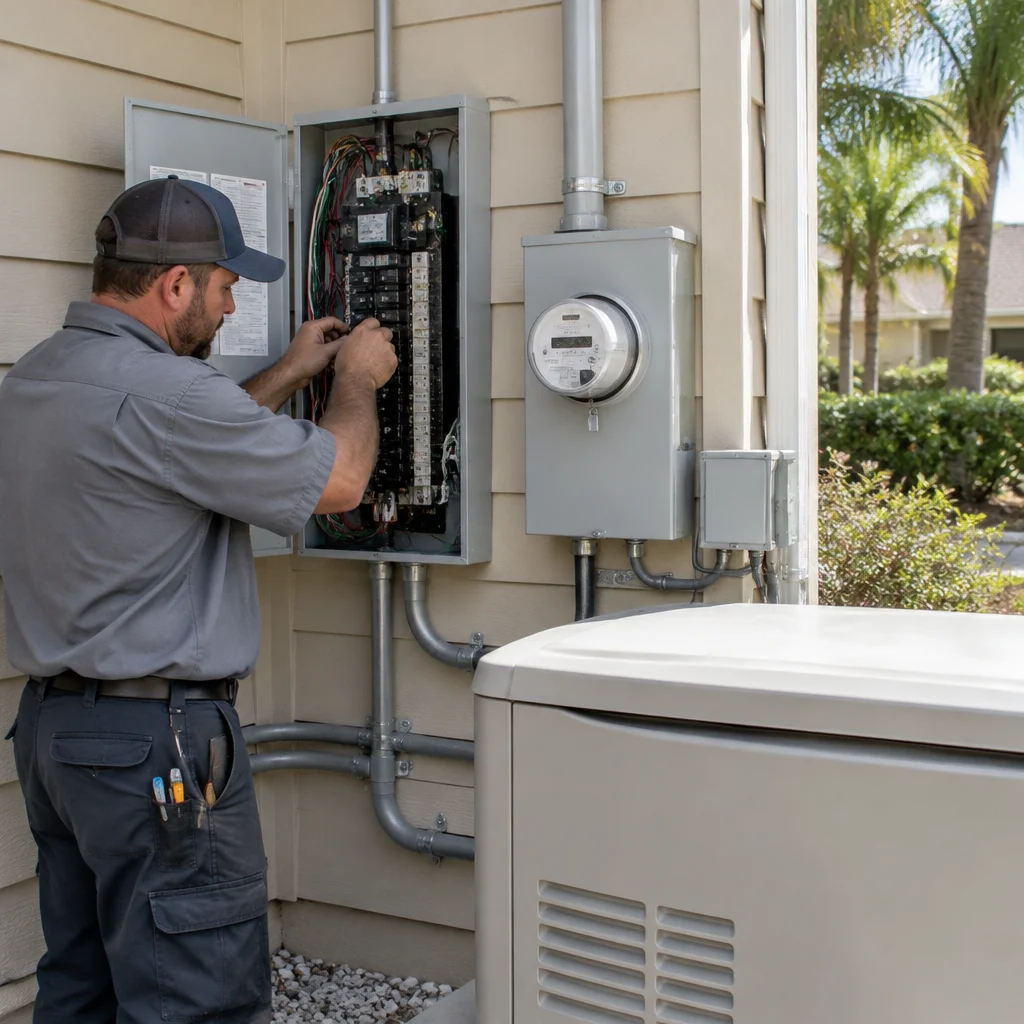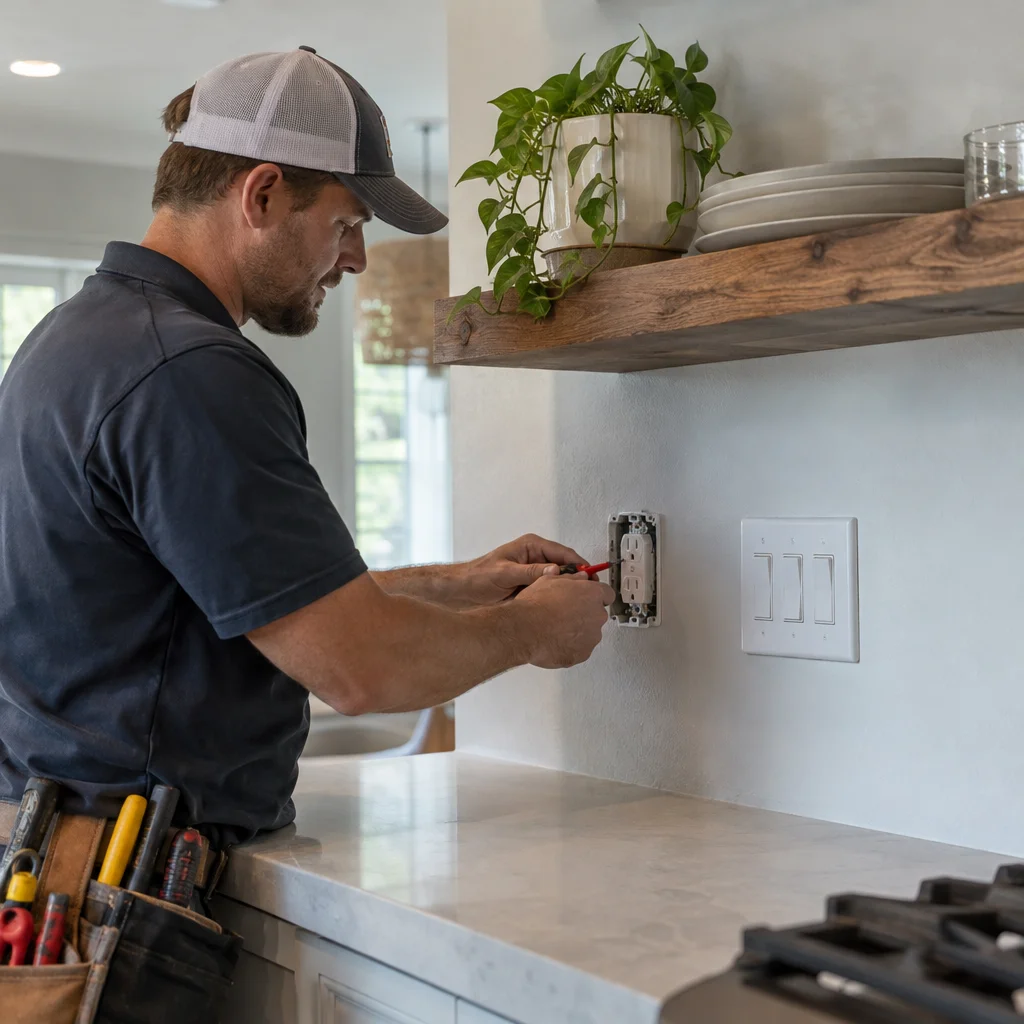
New construction in Panama City Beach has a lot of moving parts, and electrical work is one of the easiest places for small oversights to turn into expensive problems later. Between coastal humidity, salty air, storm season, and the pace of commercial growth in Bay County, electrical systems need to be planned with more care than a basic install. A good commercial electrician for new construction in Panama City Beach, FL does more than pull wire and set panels. The job is to help make sure the building is safe, scalable, and ready for real use once tenants, staff, and equipment move in.
For homeowners, property owners, and developers, the lesson is simple. The earlier electrical details are handled correctly, the less likely you are to face rework, inspection delays, overloaded circuits, or equipment failures after opening day. In a place like Panama City Beach, where moisture and seasonal demand can expose weak planning fast, local experience matters.
Why electrical planning matters before the walls close up
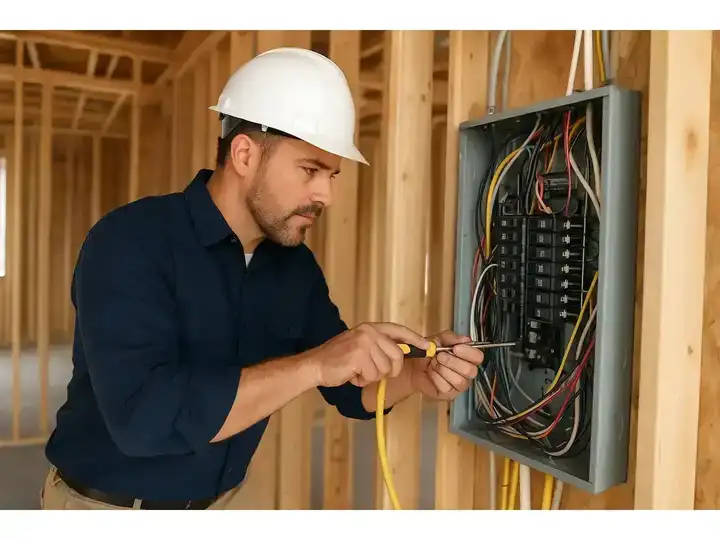
Once drywall goes in, fixing electrical mistakes gets much harder and much more expensive. That is why commercial new construction should start with a clear electrical plan that matches the building’s purpose, occupancy, and future load requirements. Retail spaces, restaurants, offices, medical suites, hospitality properties, and multi-family buildings all place different demands on a system.
Good planning helps prevent common problems such as:
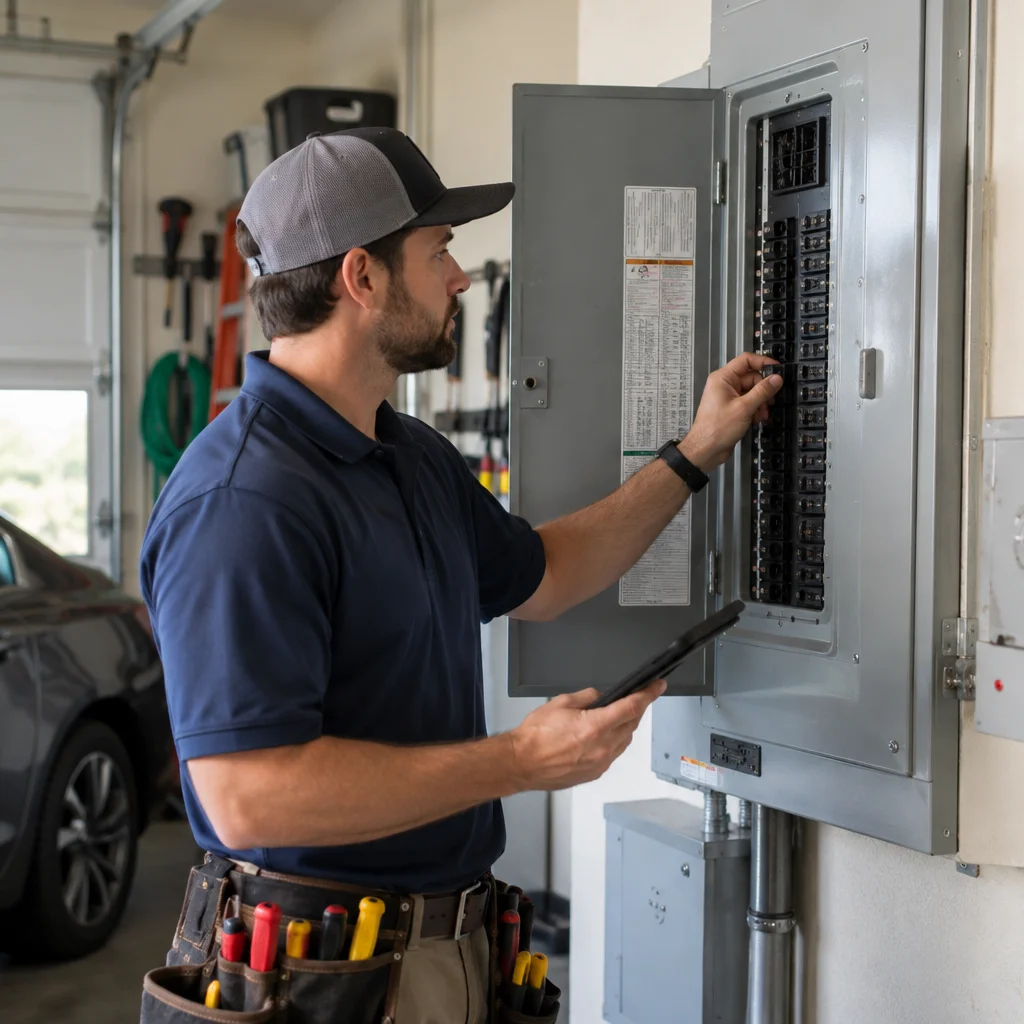
• Panels that are undersized for future equipment or tenant needs
• Circuits that are overloaded because too many devices share the same run
• Poor lighting layout that leaves work areas dim or inefficient
• Delays caused by incomplete coordination with other trades
• Inspection issues from code mistakes or missing documentation
For broader project coordination across the area, it also helps to work with a team familiar with Bay County projects and the expectations that come with them. Coastal construction often involves tighter timelines, weather interruptions, and more equipment exposed to harsh conditions while the build is underway.
Panama City Beach adds a few extra electrical challenges
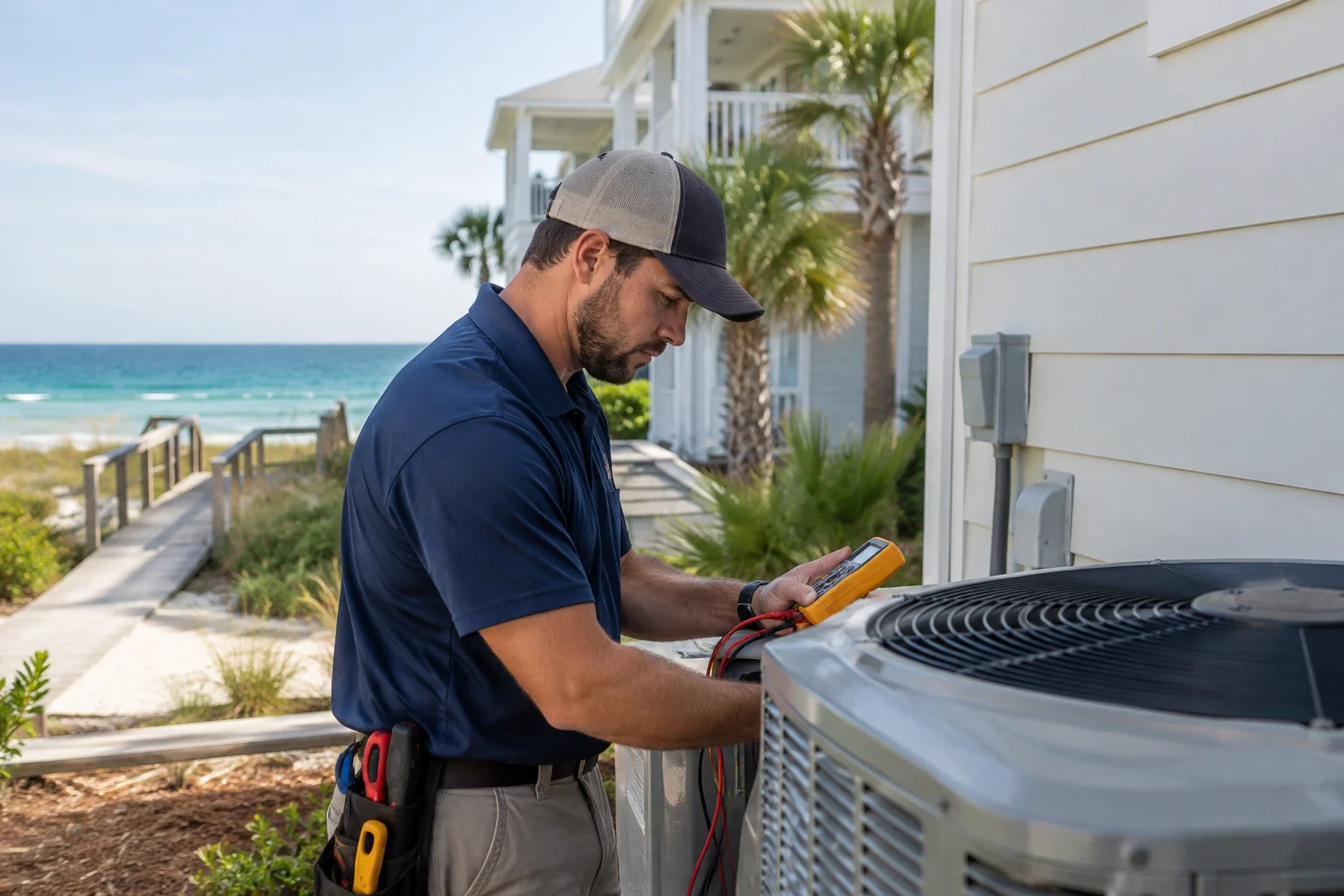
Panama City Beach is not a typical inland market. The climate affects electrical systems during construction and long after the building opens. High humidity, salt exposure, and strong storm seasons can all shorten the life of poorly protected components. Even during construction, moisture can affect temporary power, stored materials, and unfinished electrical gear.
Local service matters because a commercial electrician who works in the area understands how to account for those conditions. That can mean choosing more durable materials, protecting equipment during installation, and planning for maintenance access in a way that makes sense for the coastal environment. It also means knowing how local permitting and inspection processes tend to move in Bay County, which can help avoid delays that ripple through the rest of the project.
For a closer look at the city and the service area, you can also visit the Panama City Beach service page.
Where new construction electrical problems usually start
Most expensive electrical issues do not begin with a dramatic failure. They usually start with a missed detail during planning or rough-in. A few of the most common causes include change orders, unclear equipment specs, budget-driven shortcuts, and coordination gaps between the electrical contractor, HVAC installer, plumber, and general contractor.
Load calculations that do not match the real building use
One of the biggest mistakes is assuming a building will operate exactly as originally sketched. A retail tenant may add display lighting. A restaurant may need extra kitchen equipment. An office may expand server needs or add more workstations than expected. If the electrical system is designed too tightly, the result can be nuisance tripping, overheated conductors, and premature wear on critical components.
This is why new construction should be planned with some flexibility. If you are also thinking about future upgrades, it can help to review related topics like Smart Electrical Panel Installation in Panama City Beach: Maintenance Habits That Protect Efficiency and Lower Long Term Costs.
Poor coordination with other trades
Electrical rough-in often has to work around ductwork, plumbing lines, fire protection systems, framing changes, and finish schedules. If those trades are not coordinated early, electricians may have to reroute conduit, move boxes, or return after the fact to fix conflicts. That adds labor, delays inspections, and can leave the building with less efficient routing than it should have had from the start.
Temporary power that is not managed well
Construction sites rely on temporary power for tools, lighting, and equipment. In a humid coastal climate, temporary setups need to be protected carefully. Moisture intrusion, damaged cords, and overloaded temporary circuits can become safety hazards fast. A local electrician can help make sure temporary power is set up and monitored in a way that supports the schedule without creating avoidable risk.
How to avoid bigger problems during the build
The best way to keep a new construction project on track is to treat electrical work as a core part of the build, not an afterthought. That starts with a site walk, a realistic load review, and a clear conversation about how the building will actually be used.
Start with the end use, not just the floor plan
A floor plan tells part of the story, but not all of it. The electrician should know whether the space will house refrigeration, commercial kitchen equipment, office technology, laundry systems, elevators, EV charging, or tenant-specific machinery. Those details affect panel sizing, circuit count, service entrance design, lighting layout, and backup planning.
Build in room for future growth
Commercial spaces in Panama City Beach often evolve. A property might start with one tenant and later be divided into multiple suites. A multi-family property might add shared amenities. A hospitality project may increase guest services over time. Systems that are designed with room to grow tend to stay useful longer and cost less to adapt later.
That same long-view approach is useful in other parts of the building too. If your project includes utility planning or equipment that depends on stable water or air quality systems, services like Water Heater Maintenance, Reverse Osmosis Systems, and Air Filtration & Purifiers can also play a role in keeping the property efficient and comfortable.
Use the right protection for a coastal environment
Salt air and humidity can be hard on exposed electrical components. That makes proper enclosures, corrosion-resistant materials, and thoughtful placement especially important. Equipment that is fine in a dry inland market may not hold up as well in Panama City Beach if it is installed without local conditions in mind.
Do not wait until inspection day to check code details
Code compliance should be built into the project from the start. Waiting until the final inspection to discover missing labeling, improper clearances, or a service issue can slow everything down. A commercial electrician familiar with Bay County expectations can help keep the project moving by catching those issues early.
Warning signs that the electrical plan needs another look
Even in a brand-new build, certain red flags suggest the system may need attention before the project moves forward. These are not always dramatic failures. Often they show up as small frustrations that keep repeating.
Watch for:
• Frequent design changes that affect electrical loads
• Conflicts between electrical routes and HVAC or plumbing runs
• Equipment specs that keep changing after rough-in begins
• Panels or disconnects placed where access will be difficult later
• Lighting layouts that do not fit the actual use of the space
• Delays in inspection because documentation is incomplete
If any of those issues come up, it is usually cheaper to address them before finish work is complete. In some cases, a project may need emergency help to keep the schedule from sliding. For that kind of situation, 24 Hour Emergency Electrical Service can be useful when a critical issue threatens the timeline or safety of the build.
Why commercial new construction is not the place to cut corners
It can be tempting to save money by trimming electrical scope during a build. But reduced conduit runs, undersized panels, fewer dedicated circuits, or weak lighting design often create higher costs later. Once the building is occupied, those shortcuts can show up as maintenance calls, tenant complaints, equipment failures, and upgrade bills that are much larger than the original savings.
This is especially true in coastal Florida, where storm season can expose weaknesses quickly. A system that is barely adequate in mild weather may fail under heavier seasonal use. That is why many property owners in Panama City Beach prefer to invest in a solid installation from the beginning rather than pay for repeated corrections later.
Related topics like Why Dedicated Circuits Help Panama City Beach Homes Avoid Bigger Electrical Problems and Smart Electrical Replacement Choices for Panama City Beach Homes Under Seasonal Stress show the same principle at work on the residential side. The right electrical design prevents stress before it becomes a larger problem.
How local electricians help keep projects moving
A local commercial electrician brings more than technical skills. They also bring familiarity with the pace of construction in Bay County, the realities of coastal weather, and the coordination needed to keep projects on schedule. That local knowledge can make a real difference when the work has to line up with inspections, tenant improvements, and opening dates.
A Superior Mechanical provides commercial new construction electrical services in Panama City Beach, FL with code-compliant planning, installation, and coordination for Bay County projects. That includes support for retail, hospitality, office, industrial, and multi-family work, with an eye toward safety, scalability, and long-term performance. Learn more about the service here: commercial electrician for new construction in Panama City Beach.
Keeping the system dependable after opening day
Once construction is complete, the job is not really finished. A well-built electrical system still benefits from periodic checks, especially in a coastal climate. Connections can loosen, corrosion can develop, and equipment loads can change as the business or property evolves. Regular attention helps keep the system efficient and reduces the chance that a small issue becomes a larger repair.
That is one reason local owners often stay connected to service providers who understand the property and the area. A building that is maintained with the climate in mind is usually easier to operate, easier to inspect, and less expensive to keep running over time.
For Panama City Beach projects, the smartest electrical decisions are usually the ones made early, with local conditions, code requirements, and real building use in mind. That approach helps avoid delays now and expensive fixes later.
Find Commercial Electrician for New Construction in Panama City Beach, FL
If you need Commercial Electrician for New Construction in Panama City Beach, FL, visit our local service page or contact A Superior Mechanical today.
Map of Panama City Beach, FL
Frequently Asked Questions
Why does Panama City Beach climate matter for commercial new construction electrical work?
Humidity, salt air, and storm season can affect equipment durability, temporary power, and long term performance. Local electricians know how to choose materials and layouts that hold up better in coastal conditions.
What electrical issues most often cause delays in new commercial builds?
Common causes include undersized panels, poor trade coordination, incomplete load planning, and code issues discovered late in the project. These problems are easier to fix before walls are closed.
How early should a commercial electrician get involved in new construction?
The earlier the better. Electrical planning should start during design and budgeting so load requirements, service entrance needs, lighting, and equipment placement are handled before rough-in begins.
Do commercial new construction projects in Bay County need a local electrician?
Working with a local electrician is helpful because they understand Bay County permitting, inspection expectations, and the coastal environment. That local knowledge can reduce delays and improve system reliability.
Related Articles
- Smart Electrical Panel Installation in Panama City Beach: Maintenance Habits That Protect Efficiency and Lower Long Term Costs
- Smart Electrical Replacement Choices for Panama City Beach Homes Under Seasonal Stress
- Why Dedicated Circuits Help Panama City Beach Homes Avoid Bigger Electrical Problems
- Smart Home Integration in Panama City Beach: The Problems Homeowners Should Not Brush Off
Photo Gallery