Hot water is one of those things you notice most when it is missing. In Parker, where humid weather, salt air, and seasonal storms can put extra stress on home systems, the right water heater matters more than many homeowners realize. A good installation is not just about replacing an old unit. It is about choosing equipment that fits the home, the household, and the local conditions that affect performance over time.
If you are comparing options for water heater installation in Parker, FL, it helps to think beyond the price tag. Tank size, fuel type, efficiency, recovery time, and maintenance needs all play a role in how well the system will serve your household. Local service also matters because homes in Parker and across Bay County often face humidity, mineral buildup, and space limitations that can change which system makes the most sense.
Why Parker’s climate affects water heater choices
Parker sits in a coastal part of Florida where warm, moist air is normal for much of the year. That climate can be hard on plumbing equipment, especially in garages, closets, and utility spaces that do not stay perfectly dry. Moisture can shorten the life of parts, create corrosion issues, and make older tanks work harder than they should.
Storm season adds another layer. Power outages, heavy rain, and sudden demand spikes after a storm can expose weaknesses in an aging water heater. If a system is already near the end of its lifespan, a local weather event can be the moment it finally fails. That is why homeowners in Parker often benefit from planning an installation before an emergency forces a rushed decision.
Homes in the area also vary widely. Some are older properties with tighter mechanical spaces. Others are newer builds or rental homes where efficiency and fast recovery matter because multiple people may use hot water throughout the day. A local plumber who works regularly in Parker can recommend a system that matches the home instead of relying on a one size fits all approach.
Picking between tank and tankless without the guesswork
Most homeowners start with the same question. Should they replace a traditional tank water heater or switch to tankless? The answer depends on how the home uses hot water.
Tank water heaters
Tank systems remain popular because they are familiar, generally less expensive up front, and straightforward to install in many homes. They store hot water in a reservoir, which can be a practical choice for households with predictable demand. For many Parker homes, especially those with limited plumbing space or a need for a direct replacement, a tank unit can be the simplest path.
Tankless water heaters
Tankless systems heat water on demand instead of keeping a large tank hot all day. That can improve efficiency and free up space, which is attractive in smaller utility areas. They can also work well for properties where hot water use is spread out over the day. Parker homeowners who want a more modern setup often compare tankless options from trusted brands such as Navien and Rinnai.
That said, tankless is not always the automatic answer. The home may need gas line adjustments, electrical upgrades, or a different venting setup. A professional installer can look at the whole system and explain whether the upgrade is worth it for the property.
Signs the current water heater is no longer a good fit
Many homeowners wait until a water heater stops producing hot water before they think about replacement. But several warning signs can point to a system that is costing more than it should or putting comfort at risk.
Watch for water that takes longer to heat, hot water that runs out faster than it used to, rumbling or popping noises from the tank, rusty water from the tap, or moisture near the base of the unit. If the system has visible corrosion or has already needed repeated repairs, replacement may be the better financial choice.
In Parker, where humidity can speed up wear, these signs should not be ignored for long. A unit that looks fine from the outside may still have internal sediment buildup or failing components. Homeowners who also notice issues with pressure, temperature swings, or inconsistent performance may want to pair installation planning with water heater maintenance to extend the life of the new equipment.
How to match the system to the household
The right water heater should fit the way the household actually lives. A small home with one or two occupants has different needs than a rental property with frequent turnover or a larger family with back to back showers, laundry, and dishwashing.
Consider how many people use hot water at the same time, whether the home has a large soaking tub or high demand fixtures, and how important energy savings are over time. If hot water use is steady throughout the day, a tankless model may make sense. If the household needs a dependable reserve of hot water and wants a lower initial cost, a tank system may be the better match.
Property owners who manage rentals or multi unit spaces in Parker should also think about durability and service access. For those situations, it can help to read more about property management plumbing in Parker and how plumbing changes over time in Parker properties. Those articles can help owners and managers think beyond the immediate installation and plan for long term upkeep.
Installation details that make a difference
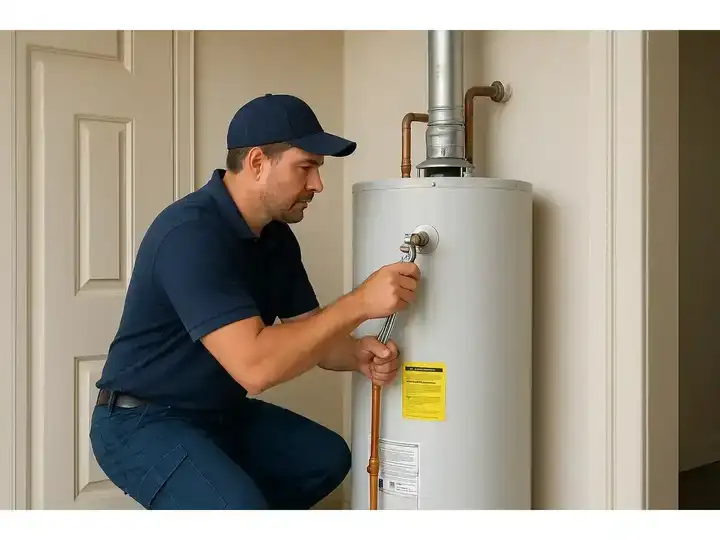
Good water heater installation is not only about placing a new unit in the same spot as the old one. The installer should check venting, code requirements, shutoff valves, drain pans, expansion control, and the condition of nearby plumbing connections. In Parker homes, where some utility areas are tight and moisture exposure is common, those details matter.
Installation quality affects more than performance. It also affects safety and lifespan. A water heater that is not properly sized or connected can waste energy, strain plumbing lines, or create leaks that damage floors and walls. In some homes, the installation may also need to coordinate with other systems such as heating control systems or broader comfort upgrades like heat pump services if the homeowner is updating multiple pieces of equipment at once.
For homes with older ductwork or indoor air concerns, it can also make sense to look at duct cleaning during larger comfort projects. Keeping the whole system in better shape helps the home feel more consistent and reduces the chance that one neglected component creates avoidable problems elsewhere.
Why local service matters in Parker
Hiring a local company for water heater installation brings a practical advantage. A team that works in Parker and throughout Bay County understands the area’s home styles, common plumbing layouts, and the kinds of problems that tend to show up in coastal Florida. That experience can make the recommendation more accurate and the installation smoother.
Local service also helps after the job is done. If a homeowner has a question about performance, maintenance, or a small adjustment after installation, it is easier to get help from a nearby company that already knows the property and the area. That kind of continuity matters for homeowners, landlords, and commercial property owners alike.
It is also useful for people who are trying to keep small issues from turning into bigger ones. A water heater that is installed correctly is less likely to create repeated service calls, and a local plumber can spot related issues early. For more general guidance on keeping plumbing problems manageable, see Keeping Small Plumbing Issues Small in Parker, FL. Property owners who are planning broader upgrades may also find Plumbing Installation in Parker, FL helpful when coordinating multiple projects.
Maintenance habits that help a new system last longer
Once a new water heater is installed, a few simple habits can help protect the investment. Homeowners should keep an eye on leaks, listen for unusual noises, and schedule routine flushing or inspections based on the system type and water conditions. In Florida, sediment and mineral buildup can still become an issue even when the water looks clean.
It is also smart to check the pressure relief valve, inspect surrounding connections, and make sure the area around the unit stays dry and accessible. If the home is being renovated or the utility area is changing, the water heater should be revisited to confirm that airflow, clearances, and service access still meet the needs of the equipment.
For homeowners who want a system that is easier to manage over time, choosing a quality brand and scheduling regular upkeep often pays off more than chasing the lowest upfront price. A Superior Mechanical installs tank and tankless systems with an eye toward long term reliability, not just quick replacement.
Choosing with comfort, efficiency, and local conditions in mind
The best water heater for a Parker home is the one that fits the property, the household, and the local environment. That means thinking about humidity, storm exposure, hot water demand, available space, and the long term cost of ownership. It also means working with a company that understands Parker and Bay County, not just the equipment itself.
If your current unit is aging, underperforming, or no longer keeping up with daily life, now is a good time to compare options and plan ahead. A thoughtful installation can improve comfort, reduce stress, and give you more confidence in your home’s plumbing system for years to come.
To learn more about service in the area, visit Parker, FL service area or review the full water heater installation service page for details on tank and tankless options.
Find Water Heater Installation in Parker, FL
If you need Water Heater Installation in Parker, FL, visit our local service page or contact A Superior Mechanical today.
Map of Parker, FL
Frequently Asked Questions
How do I know whether a tank or tankless water heater is better for my Parker home?
It depends on household size, hot water usage, available space, and budget. Tank units are often simpler and less expensive up front, while tankless systems can save space and improve efficiency.
Does Parker’s coastal climate affect water heaters?
Yes. Humidity and salt air can contribute to corrosion and wear, especially in utility spaces that are not well protected. Local installation and regular maintenance help reduce those risks.
How often should a water heater be replaced?
Many tank units last about 8 to 12 years, while tankless systems often last longer with proper care. Age, water quality, maintenance history, and performance all matter more than the calendar alone.
Related Articles
Photo Gallery