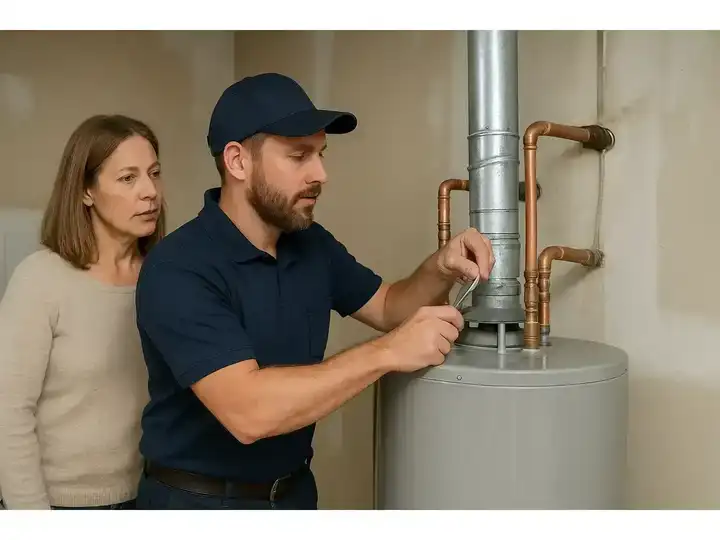
Replacing a water heater is one of those home projects that feels simple until you start thinking about how long the new system will actually last. In Upper Grand Lagoon, that question matters even more. Coastal humidity, salt air, hard water, and the demands of year-round use can all shorten the life of a poorly chosen or poorly installed unit.
That is why the best results from water heater replacement in Upper Grand Lagoon, FL are about more than swapping one tank for another. The right size, the right fuel type, the right materials, and the right installation details all affect how well your system performs over time. For homeowners, rentals, and small businesses in Bay County, making smart choices now can prevent repeat repairs later.
If you are comparing options or trying to decide whether your current unit is worth another repair, it helps to understand the issues that shorten water heater life in this part of Florida. Some are obvious, like leaks and rust. Others are easier to miss, like mineral buildup or corrosion around fittings. A careful replacement plan can solve both the immediate problem and the conditions that caused it.
Why water heaters wear out differently in Upper Grand Lagoon
Upper Grand Lagoon sits in a coastal environment where moisture is part of everyday life. Homes near the water, older plumbing systems, and properties that see heavy occupancy can all put extra stress on a water heater. Even if the unit is installed correctly, the local environment can still speed up wear.
Salt in the air can encourage corrosion on exposed components. Humidity can affect electrical parts and venting. In many Bay County homes, mineral content in the water can also lead to sediment inside the tank, which reduces efficiency and puts extra strain on the system. Over time, those conditions can make a water heater age faster than the same model would in a drier climate.
This is one reason local service matters. A technician who works in Upper Grand Lagoon understands the mix of coastal weather, property types, and usage patterns that shape replacement decisions. That local knowledge can help homeowners choose a system that fits the home instead of just the square footage on paper.
Issues homeowners should not ignore before replacement
Some water heater problems are easy to dismiss because hot water still comes out of the tap. But small warning signs often point to larger trouble inside the tank or along the connections. Ignoring them can lead to leaks, higher utility bills, and unexpected failure.
Rust-colored water or corrosion around fittings
Rust in the hot water line can mean the tank lining is breaking down. Corrosion around valves, the base of the heater, or pipe connections is another red flag. In a coastal area like Upper Grand Lagoon, rust can spread quickly once it starts. If the tank itself is corroding, replacement is usually the safer long-term choice.
Water around the base of the heater
A small puddle may look minor, but it can indicate a failing drain valve, loose connection, or tank leak. When a tank starts leaking from the body itself, repairs are rarely a lasting fix. Water damage can also spread to flooring, nearby walls, and stored items, so it is worth addressing quickly.
Inconsistent hot water or rising energy bills
If the water heater takes longer to recover, runs out of hot water sooner, or seems to be working harder than before, sediment buildup or worn heating components may be to blame. Homeowners sometimes assume the problem is just increased use, but aging units often lose efficiency gradually. That extra runtime can show up on your utility bill.
Strange noises from the tank
Popping, rumbling, or crackling sounds often come from sediment heating at the bottom of the tank. That buildup acts like insulation between the burner or heating element and the water, which forces the system to work harder. In the long run, sediment can shorten the life of the tank and make replacement a better investment than repeated flushing or repair.
Frequent repairs on an older system
When a water heater needs one fix after another, the cost of keeping it running can add up fast. Replacing failing parts on an old unit may buy a little time, but it does not solve age-related wear. If the tank is nearing the end of its expected service life, replacement usually gives homeowners better value and more reliable hot water.
Choosing the right replacement for a coastal home
Not every water heater is a good match for every home. In Upper Grand Lagoon, the best choice depends on the home’s layout, hot water demand, fuel source, and how long you plan to stay in the property. A replacement should be sized and configured for real-world use, not just installed as a like-for-like swap without review.
Tank versus tankless
Traditional tank water heaters remain common because they are straightforward and often cost less upfront. They can work well in many homes, especially when properly sized and maintained. Tankless systems, on the other hand, may appeal to homeowners who want on-demand hot water and improved efficiency. The right choice depends on usage habits, available space, and the plumbing setup in the home.
For some properties, a tankless system makes sense. For others, a quality tank replacement with the right capacity is the better long-term fit. A Superior Mechanical helps homeowners compare those options through Water Heater Services that are tailored to the home rather than one-size-fits-all recommendations.
Gas, electric, and installation details
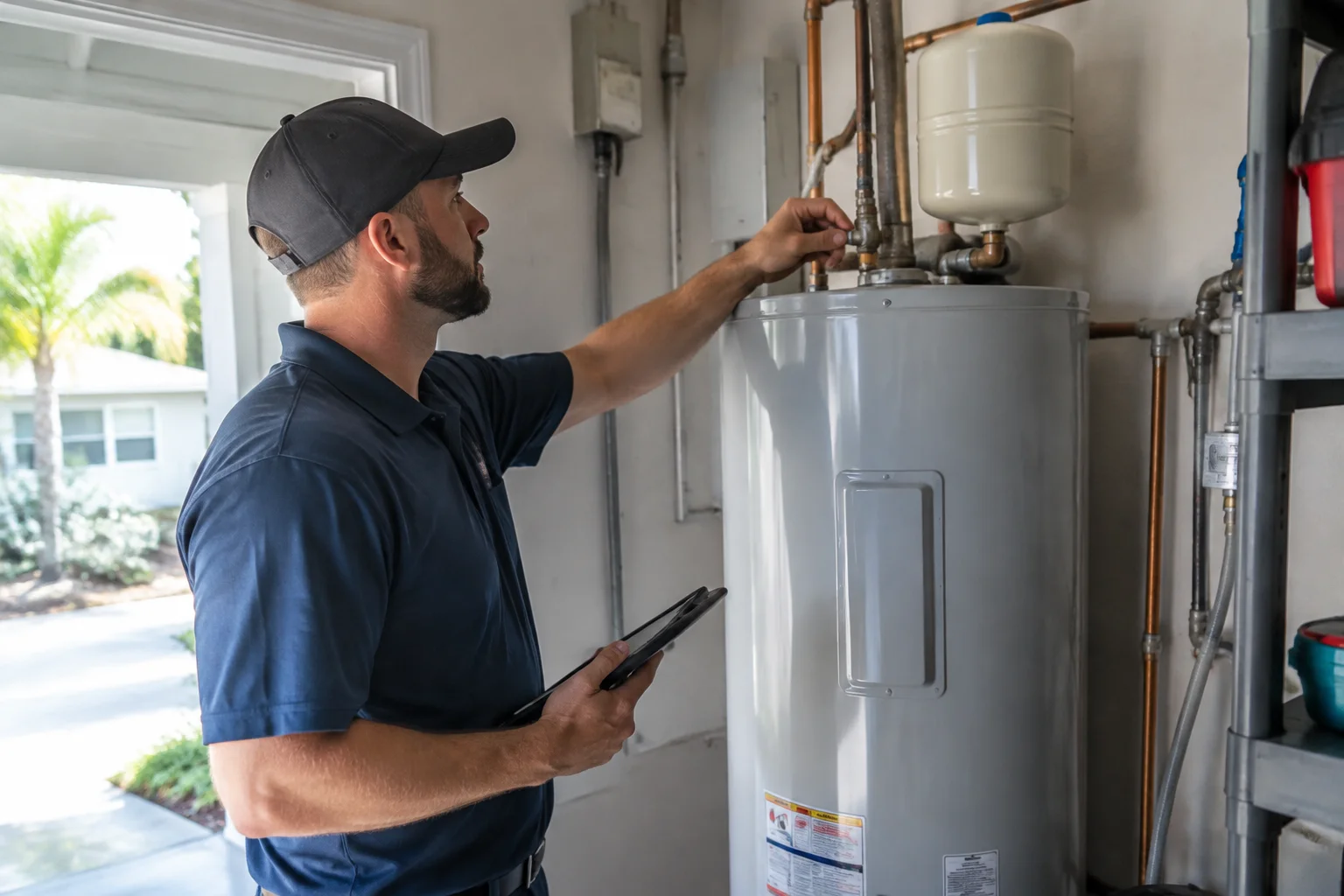
Fuel type matters because it affects operating cost, recovery speed, and installation requirements. Gas models may offer strong recovery rates, while electric units can be a practical choice where gas is not available. In either case, venting, electrical work, shutoff valves, drain pans, and expansion tank needs should all be reviewed during replacement.
Those details matter even more in coastal homes where moisture and corrosion can create hidden failure points. A proper installation helps the new heater last longer and operate more safely.
How local conditions affect long-term performance
Upper Grand Lagoon homes face a few conditions that can quietly shorten water heater life if they are not addressed during replacement. High humidity can contribute to corrosion on exposed parts. Hard water and sediment can reduce efficiency. Vacation homes and rental properties may also see irregular use, which can create temperature swings and longer idle periods that affect performance.
Bay County homeowners also deal with storm season. Power outages, flooding concerns, and rapid changes in demand can all put added stress on plumbing and mechanical systems. If your property has already had moisture issues, it is worth making sure the new water heater is installed with proper clearances and protection in mind. In some homes, pairing the replacement with Water Softening can help reduce mineral buildup and extend the life of the new system.
For property owners comparing broader home comfort upgrades, local climate also affects HVAC equipment and controls. That is why homeowners often benefit from coordinated planning, whether they are looking at plumbing work or services like Air Conditioning Replacement or Smart Thermostats for better efficiency across the home.
Maintenance habits that help a new water heater last longer
Good installation is the starting point, but a few simple habits can help your replacement perform better for years. These steps are especially useful in a coastal area where moisture and sediment are ongoing concerns.
Flush sediment on a regular schedule
Flushing the tank helps remove buildup before it becomes a bigger issue. How often this should happen depends on water quality and usage, but many homeowners benefit from periodic maintenance rather than waiting for performance problems.
Check the anode rod
The anode rod helps protect the tank from internal corrosion. In homes with aggressive water conditions, this part can wear out faster. Replacing it when needed can extend the life of the heater and reduce the chance of tank failure.
Watch for moisture around the unit
Even small amounts of moisture can signal trouble. Check around the base, fittings, and drain valve for dampness or rust. Catching a small issue early is much easier than dealing with water damage after a leak spreads.
Keep the area clear and ventilated
Storage boxes, cleaning supplies, and clutter around the heater can trap moisture and make inspections harder. A clear utility area also makes it easier to spot corrosion, leaks, or venting problems before they become serious.
Why professional replacement matters more than a quick swap
Water heater replacement is one of those projects where the quality of the installation affects everything that comes after. A properly sized unit, secure connections, correct venting or electrical setup, and local code compliance all play a role in long-term performance. If the replacement is rushed, the homeowner may end up with poor efficiency, short cycling, or premature failure.
Professional installation also matters because the technician can look at the bigger picture. Sometimes the old heater failed because of a plumbing issue, water quality concern, or ventilation problem that should be corrected before the new unit is put in place. That is especially important in Bay County, where homes may vary widely in age, construction type, and exposure to coastal conditions.
If you want replacement work that is built for the local environment, it helps to work with a team that handles plumbing and mechanical systems across the area. A Superior Mechanical serves homeowners and property owners throughout Bay County with service that takes those local conditions seriously.
How to know replacement is the better long-term move
Repair can make sense when a water heater is relatively new and the issue is isolated. But replacement usually becomes the better option when the tank is old, leaking, rusting, or no longer meeting the household’s hot water needs. If the unit has already had several repairs, or if sediment and corrosion are becoming recurring problems, a new system often provides better value.
Homeowners in Upper Grand Lagoon should also think about the cost of waiting. A failing heater can damage flooring, drywall, and nearby belongings. It can also leave a family without hot water at the worst possible time. Replacing the unit before it fails completely gives you more control over the project and usually fewer surprises.
If you are comparing options now, the best next step is a professional evaluation from a local plumber who understands the area’s coastal wear, home styles, and plumbing demands. For dependable water heater replacement in Upper Grand Lagoon, FL, A Superior Mechanical can help you choose a system that fits your home and supports better long-term performance.
Homeowners who are already dealing with other plumbing or mechanical issues may also find it useful to review related local service information, such as What to Expect From Plumbing Repair in Rosemary Beach, FL, How Local Weather Affects Property Management Plumbing Services in Destin, FL, or What to Expect From Commercial HVAC Repair in Upper Grand Lagoon, FL if they manage a mixed-use or rental property. For new builds or major upgrades, Signs You Need New Construction Air Conditioning in Upper Grand Lagoon, FL can also be helpful when planning broader mechanical work.
Find Water Heater Replacement in Upper Grand Lagoon, FL
If you need Water Heater Replacement in Upper Grand Lagoon, FL, visit our local service page or contact A Superior Mechanical today.
Map of Upper Grand Lagoon, FL
Frequently Asked Questions
How long should a water heater last in Upper Grand Lagoon?
Many tank water heaters last around 8 to 12 years, but coastal humidity, mineral buildup, and heavy use can shorten that timeline. Regular maintenance and proper installation help extend service life.
Is a tankless water heater a good choice for coastal homes?
It can be, depending on hot water demand, fuel type, and installation space. Tankless systems may offer efficiency and convenience, but the best option depends on the home and how it is used.
Can hard water affect a new water heater?
Yes. Hard water can leave sediment inside the tank and reduce efficiency over time. In some homes, water softening can help protect the new system and improve long-term performance.
Should I replace my water heater before it starts leaking?
Yes, if the unit is old, rusting, or already showing signs of failure. Replacing it before a major leak can help avoid water damage and reduce emergency repair costs.
Related Articles
Photo Gallery