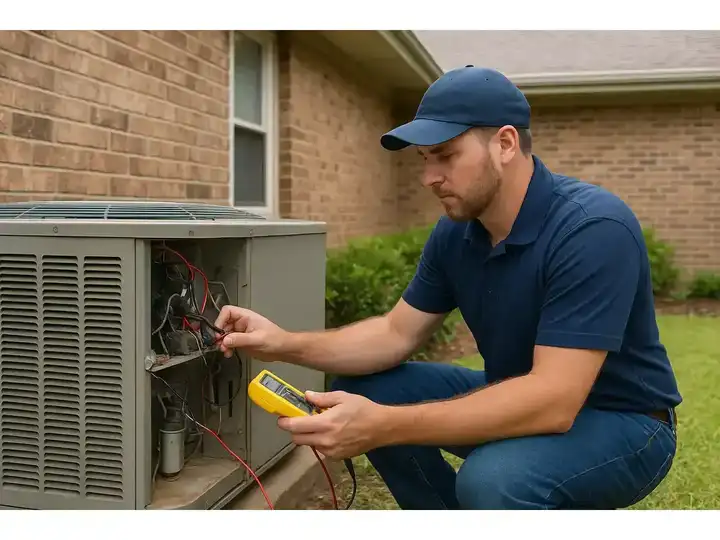
Commercial HVAC systems in Fort Walton Beach do not get much of a break. Salt air, heavy humidity, summer heat, sudden storms, and long cooling seasons all add up over time. For business owners and property managers, that means maintenance is not just about replacing filters and checking refrigerant. It is about understanding how local conditions slowly change how a system performs and learning how to catch problems before they turn into downtime.
That is especially true in a place like Fort Walton Beach, where buildings near the coast and throughout Okaloosa County face moisture, corrosion, and high demand for cooling for much of the year. If your equipment serves offices, retail spaces, restaurants, multifamily properties, or mixed use buildings, small issues can spread quickly when the system is under constant seasonal stress. A consistent maintenance plan helps protect comfort, control energy use, and extend equipment life. If you are looking for help locally, commercial HVAC maintenance in Fort Walton Beach, FL is built around the realities of this climate.
Why Fort Walton Beach puts extra strain on commercial HVAC systems
The coastal climate in Fort Walton Beach creates a different kind of wear than many inland areas. High humidity means systems work harder to remove moisture from the air. Salt carried in from the Gulf can settle on outdoor components and speed up corrosion. During the hottest months, air conditioners may run for long stretches without much relief, which increases wear on motors, belts, coils, and electrical parts.
Seasonal stress does not stop when temperatures ease up. Even during milder weather, humidity can stay high enough to keep systems cycling frequently. Storms and tropical weather can also lead to power fluctuations, water intrusion, and debris around outdoor equipment. Over time, these conditions can affect efficiency and reliability in ways that are easy to miss until a breakdown happens.
Businesses across Okaloosa County face many of the same challenges, but properties closest to the coast often see corrosion and moisture related issues sooner. That is why local service matters. Technicians who work in this area know what to look for and how to adjust maintenance for the climate instead of relying on a one size fits all checklist.
Small issues that become bigger problems over time
Commercial HVAC problems rarely appear all at once. More often, they start with subtle changes that are easy to ignore. A little extra noise. A room that never quite cools evenly. A unit that seems to run longer than it used to. These are the kinds of issues that can signal developing trouble.
Dirty coils and restricted airflow
Coils collect dirt, pollen, salt residue, and grease over time. When they get dirty, the system cannot transfer heat efficiently. That means longer run times, higher utility bills, and more wear on the compressor. Restricted airflow can also make the system struggle to keep up during peak heat.
Humidity control problems
In Fort Walton Beach, humidity is more than a comfort issue. If a system is not removing moisture properly, the indoor environment can feel sticky even when the temperature looks right. Excess humidity can also contribute to odors, condensation, and mold growth in some buildings.
Electrical wear and loose connections
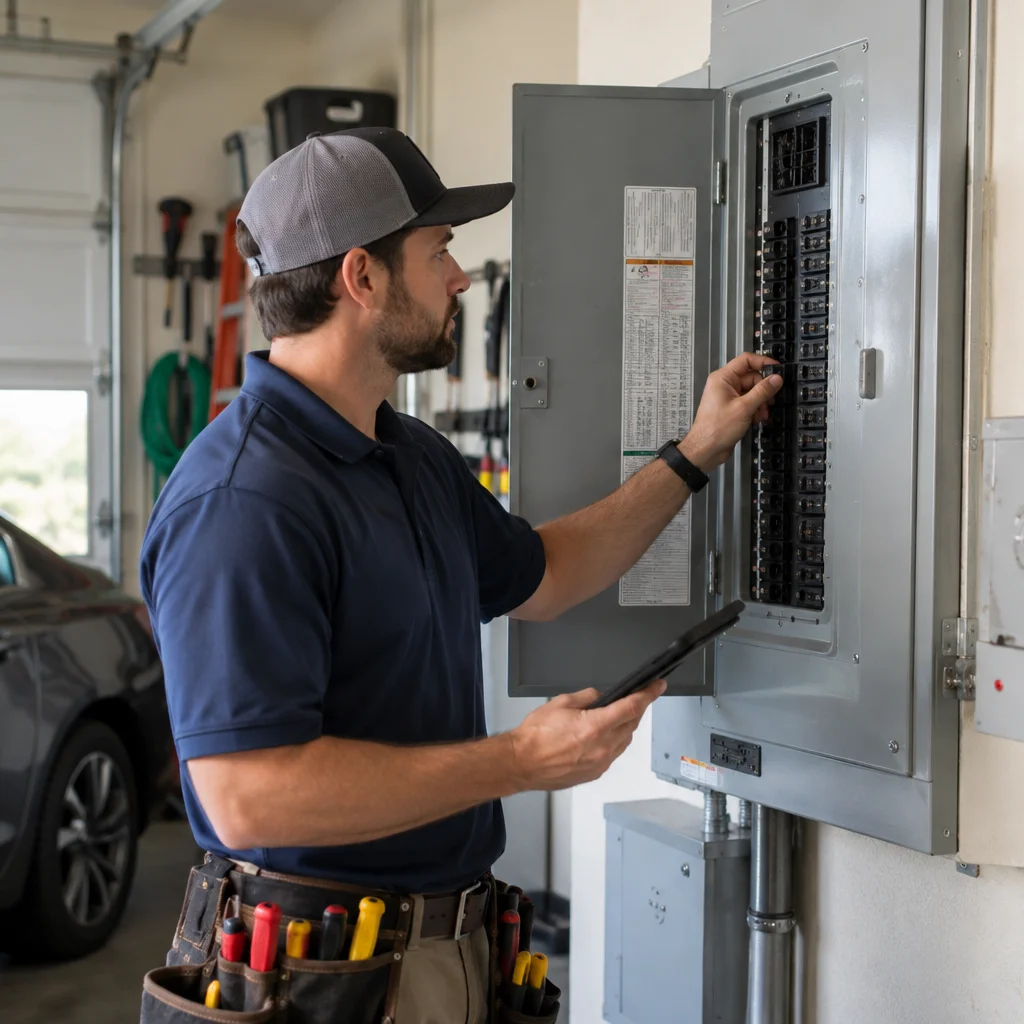
Vibration, heat, and age can loosen connections or damage electrical components. These issues may cause intermittent shutdowns, tripped breakers, or inconsistent performance. Left alone, they can create more expensive repairs or safety concerns.
Drainage and water related issues
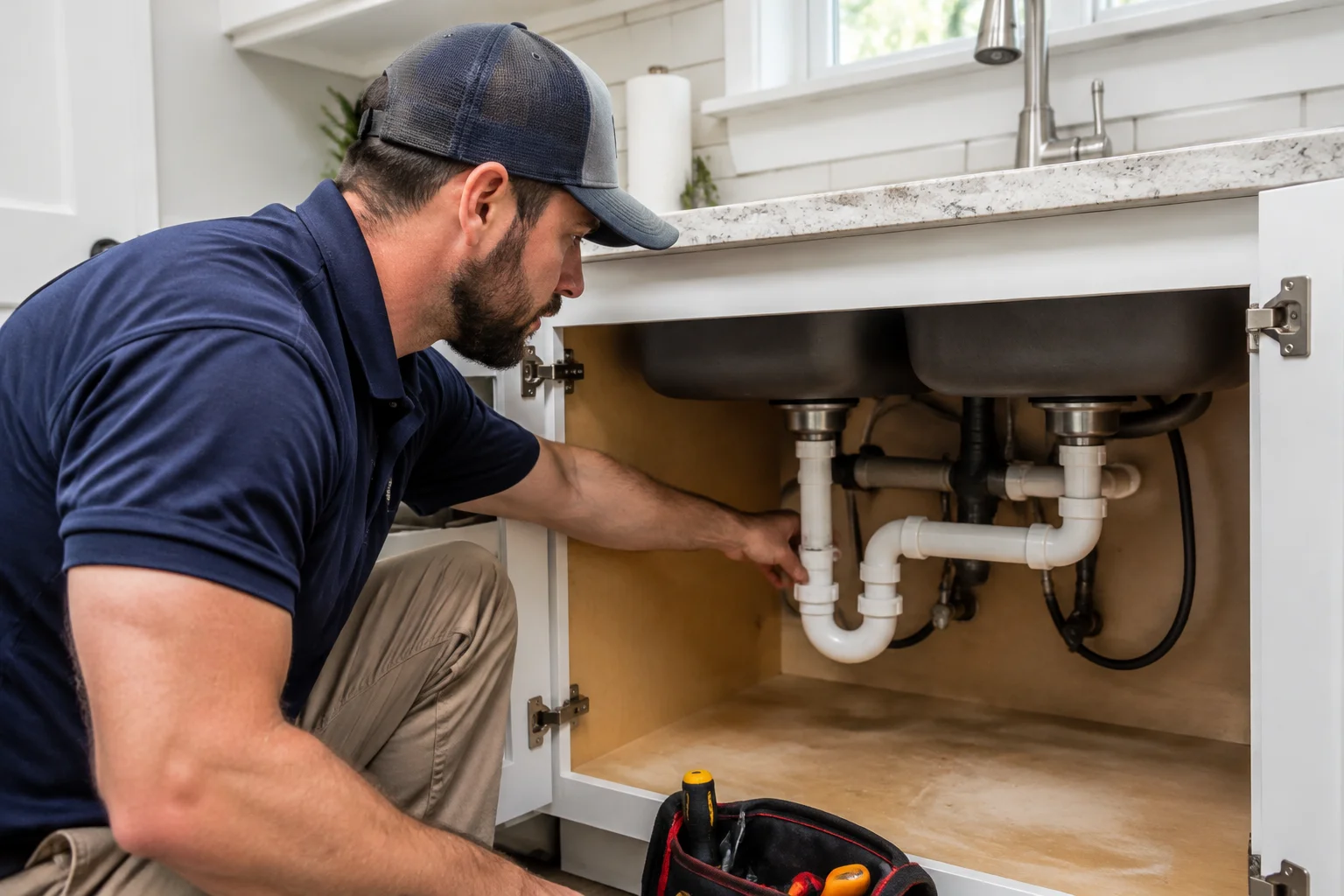
Clogged condensate drains and drain pans are common in humid climates. If water cannot drain properly, it can lead to leaks, ceiling damage, or equipment shutdowns. In some buildings, those leaks can also expose hidden plumbing issues. If a maintenance visit uncovers related water concerns, it may be worth looking at plumbing installation, water line replacement, or leak detection and slab leak repair if the problem is tied to the building rather than the HVAC system itself.
What to watch for before a breakdown
Catching HVAC issues early usually starts with noticing changes in daily operation. Building owners and managers do not need to diagnose the system themselves, but they should pay attention to patterns.
Uneven temperatures from one area to another can point to airflow problems, thermostat issues, or failing components. Longer cooling cycles may suggest dirty coils, refrigerant problems, or equipment that is losing capacity. New noises such as rattling, squealing, or buzzing often mean a part is loose, worn, or failing.
Higher utility bills without a clear reason can also be an early warning sign. If the system is working harder to deliver the same comfort, efficiency may already be dropping. In coastal buildings, visible rust, corrosion around outdoor units, or water around air handlers should never be ignored. Those signs often show that maintenance needs are being missed or that the environment is accelerating wear.
For businesses that operate in demanding spaces like restaurants, offices with full occupancy, or properties with multiple zones, a more advanced setup may help improve control and reduce strain. In some cases, VRF multi zone HVAC systems can be a smart option for better temperature management and energy performance, especially when different parts of the building have different needs.
How maintenance changes with the seasons in Fort Walton Beach
Commercial HVAC maintenance should not look the same in every season. In Fort Walton Beach, the workload shifts, and the maintenance plan should shift with it.
Spring preparation
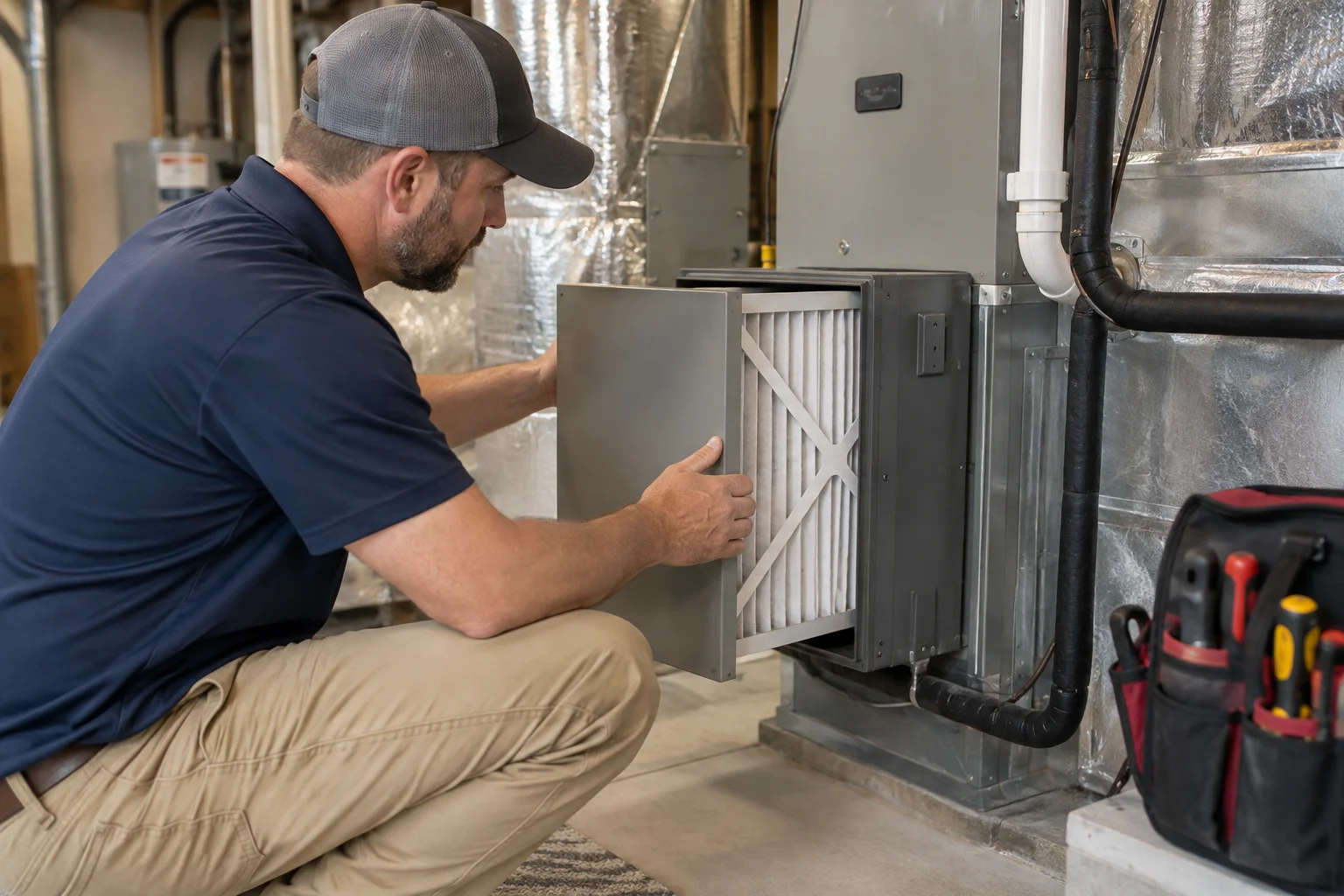
Before the hottest months arrive, systems should be cleaned, inspected, and tested for weak points. This is the time to check refrigerant levels, clean coils, inspect belts and motors, and confirm that condensate drainage is working. Spring service helps catch problems before the system is pushed into long summer run times.
Summer stress management
During peak cooling season, systems are under the most pressure. Filters may need more frequent changes, and outdoor units should be checked for debris, corrosion, and airflow restrictions. If a system starts short cycling or struggling to hold temperature, it should be inspected quickly rather than waiting for a complete failure.
Fall and winter upkeep
Even though winters are milder here, this is still a good time to review system performance, clean components, and address wear from the summer season. Maintenance during the cooler months can also prepare equipment for the next round of heat and humidity.
For businesses planning ahead, it helps to think about HVAC maintenance the same way you would think about building protection or roof care. If you are also considering long term system strategy for a remodel or expansion, these articles may help: Smart Commercial HVAC Planning for Fort Walton Beach Businesses, A proactive plan for new construction HVAC in Fort Walton Beach starts long before the drywall goes up, and Planning New Construction HVAC in Fort Walton Beach for Comfort That Lasts.
Why local service makes a difference
Commercial HVAC maintenance is not only about skill. It is also about local experience. A technician who works regularly in Fort Walton Beach understands the impact of salt exposure, storm season, and high humidity on equipment. That local knowledge helps shape better maintenance recommendations, better timing, and faster troubleshooting.
Local service also matters when a problem needs attention quickly. A small issue with a commercial system can affect tenants, customers, staff, inventory, and daily operations. Having a trusted local team means less guesswork and faster response when something changes.
A Superior Mechanical provides service for commercial properties throughout Fort Walton Beach and nearby parts of Okaloosa County. That local focus helps businesses stay ahead of problems instead of reacting after comfort has already been lost.
Practical steps that help extend equipment life
Routine professional service is the foundation, but building owners can also support system performance with a few simple habits. Keep outdoor units clear of leaves, trash, and overgrown landscaping. Replace filters on schedule, especially in buildings with heavy foot traffic or dusty conditions. Make sure supply and return vents are not blocked by furniture, displays, or storage. If staff notice unusual sounds, odors, or temperature changes, document them and share the details during the next maintenance visit.
It also helps to keep records of service dates, repairs, and energy bills. Patterns in those records can reveal whether the system is slowly losing efficiency or if certain parts of the building are harder to condition than others. That information can guide better maintenance decisions and help prevent repeat issues.
For many commercial properties, preventive maintenance is far less expensive than emergency repair. It can also reduce tenant complaints, protect indoor air quality, and help avoid the disruption that comes with a mid season breakdown. In a climate like Fort Walton Beach, those benefits are hard to overstate.
How to know it is time for a professional inspection
If the system is running longer than usual, cooling unevenly, making new noises, or showing signs of moisture or corrosion, it is time for a professional inspection. The same is true if utility costs are rising without a clear explanation or if the building is harder to keep comfortable during hot, humid weather. Those changes often point to issues that are still manageable if they are caught early.
Commercial HVAC maintenance should be scheduled before small concerns become service interruptions. A local inspection can confirm whether the problem is related to airflow, controls, drainage, electrical components, or wear from the environment. In many cases, a timely tune up or repair can keep the system running efficiently without a larger replacement project.
For businesses in Fort Walton Beach that depend on reliable comfort every day, staying ahead of seasonal stress is part of protecting the building itself. A maintenance plan built for the local climate can make the difference between steady performance and repeated disruptions.
If your property needs dependable commercial HVAC maintenance in Fort Walton Beach, A Superior Mechanical can help keep your system prepared for the demands of coastal weather and year round use.
Find Commercial HVAC Maintenance in Fort Walton Beach, FL
If you need Commercial HVAC Maintenance in Fort Walton Beach, FL, visit our local service page or contact A Superior Mechanical today.
Map of Fort Walton Beach, FL
Frequently Asked Questions
How often should commercial HVAC maintenance be scheduled in Fort Walton Beach?
Most commercial systems in Fort Walton Beach benefit from scheduled maintenance at least twice a year, with extra attention before peak cooling season. Buildings with heavy use, coastal exposure, or humidity sensitive spaces may need more frequent checks.
Why does coastal weather affect commercial HVAC equipment so much?
Salt air can speed up corrosion, and high humidity makes systems work harder to remove moisture. In Fort Walton Beach, long cooling seasons also increase wear on motors, coils, belts, and electrical parts.
What are the earliest warning signs that a commercial HVAC system needs service?
Uneven temperatures, longer run times, unusual noises, rising energy bills, weak airflow, and moisture around the unit are all early warning signs. These changes often show up before a full breakdown.
Can maintenance help lower energy costs for commercial properties?
Yes. Clean coils, proper airflow, correct refrigerant levels, and well maintained components help the system run more efficiently. That usually means less wasted energy and fewer surprise repairs.
Related Articles
- Smart Commercial HVAC Planning for Fort Walton Beach Businesses
- A proactive plan for new construction HVAC in Fort Walton Beach starts long before the drywall goes up
- Planning New Construction HVAC in Fort Walton Beach for Comfort That Lasts
- Commercial HVAC Maintenance in Lynn Haven, FL: The Small Problems That Turn Into Big Disruptions
Photo Gallery