Commercial HVAC systems in Freeport work hard for a reason. Businesses here deal with long cooling seasons, heavy humidity, salt in the air, and the kind of afternoon storms that can push equipment to its limits. Over time, those conditions can change how a system performs, how often it needs service, and how much it costs to keep running.
For property managers, business owners, and facility operators in Walton County, regular service is not just about staying comfortable. It is about protecting equipment, reducing surprise repairs, and keeping employees and customers comfortable through the hottest months of the year. If you are looking for dependable commercial HVAC maintenance in Freeport, FL, it helps to understand what wears systems down and what can be done to slow that process.
Freeport’s mix of coastal weather, growing commercial spaces, and year round humidity creates a specific set of maintenance concerns. A system that seems fine in spring can start showing strain by late summer, especially if it is serving a restaurant, office, retail shop, or hospitality property with steady occupancy. That is why local service matters. A team familiar with Freeport and the wider Walton County area can spot patterns that a general checklist may miss.
What changes a commercial HVAC system over time
Commercial HVAC equipment does not wear out all at once. It changes gradually based on how often it runs, how clean the surrounding environment is, how well the building is sealed, and how consistently maintenance is performed. In a place like Freeport, the biggest factors often include heat, humidity, airborne debris, and power interruptions during storms.
Humidity puts steady stress on the system
High humidity is one of the biggest challenges in Northwest Florida. Your HVAC system is not only cooling the air. It is also removing moisture. When a system has to dehumidify for long stretches, it works harder and can develop issues like clogged drain lines, dirty coils, and short cycling. Over time, that extra workload can shorten equipment life and make indoor spaces feel sticky even when the thermostat says the temperature is right.
Businesses that notice moisture around air handlers, musty odors, or uneven cooling should not ignore those signs. Those issues often point to maintenance needs that are easier and less expensive to handle early.
Salt air and coastal conditions can speed up wear
Freeport is close enough to the coast that salt and moisture in the air can affect metal components, electrical connections, and outdoor units. Corrosion can build slowly, especially on condenser coils and exposed parts. Once corrosion starts, efficiency often drops and repair costs can rise.
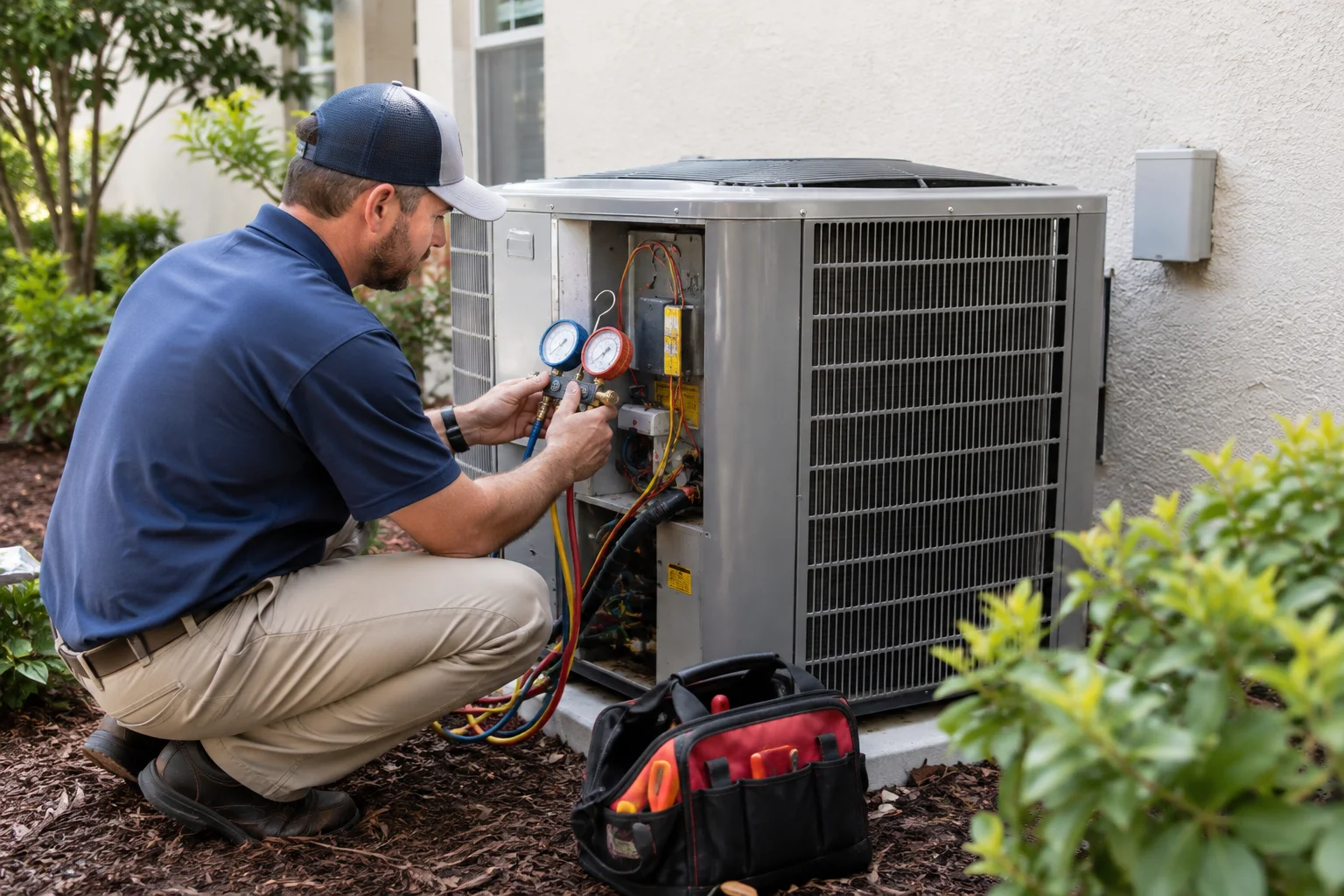
This is one reason local commercial HVAC maintenance should include close inspection of outdoor equipment, wiring, and coil condition. A system may still run while hidden corrosion is forming, but performance usually declines before a complete failure happens.
Dust, debris, and pollen collect faster than many owners expect
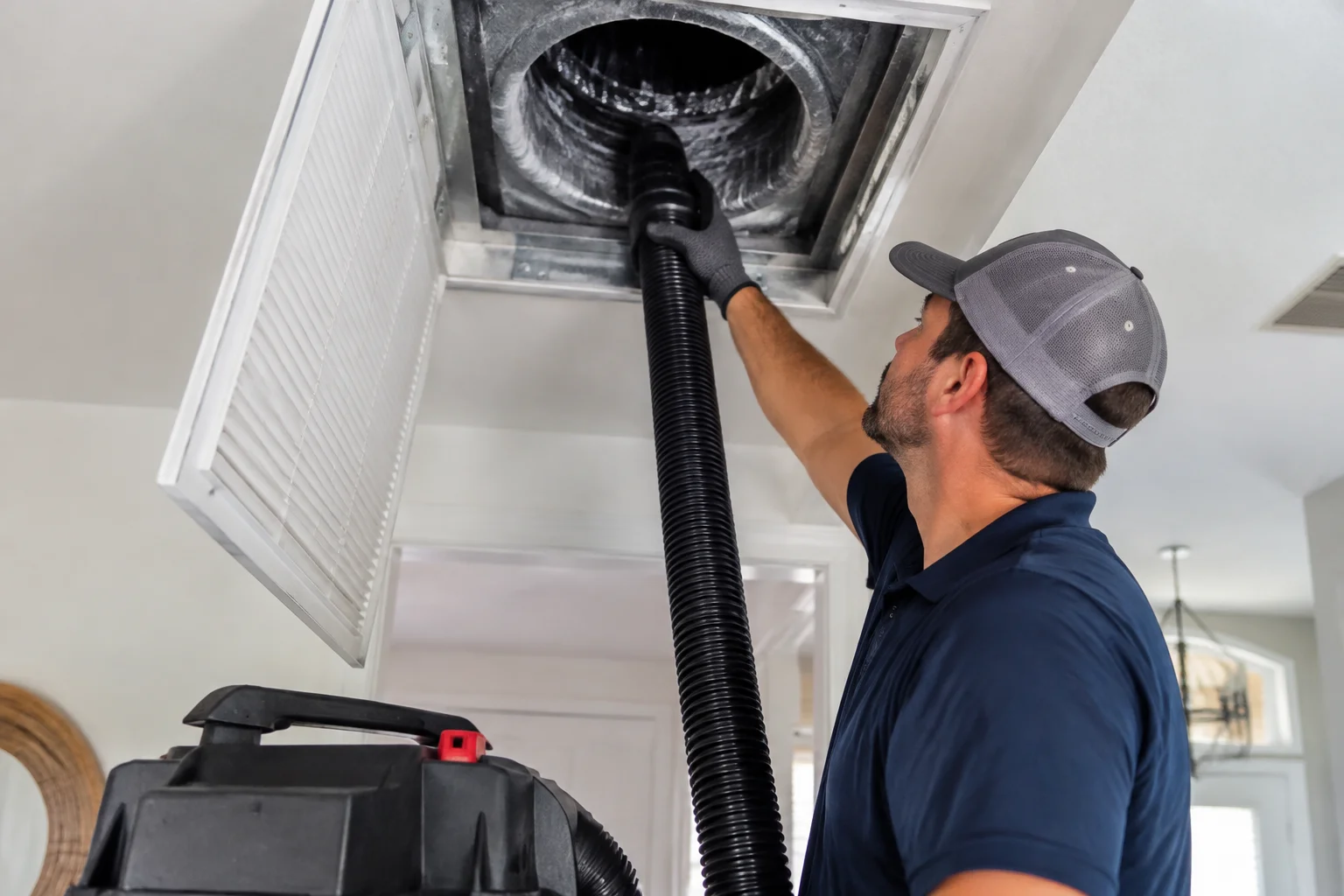
Commercial buildings pull in a lot of outside air, and that air can carry pollen, dust, grass clippings, and other debris. In busy business districts or areas with ongoing construction, filters and coils may clog sooner than expected. Dirty filters reduce airflow. Reduced airflow strains motors, drives, and compressors, which can lead to higher energy use and uneven temperatures across the building.
For businesses with kitchens, frequent foot traffic, or larger ventilation needs, buildup can happen even faster. That is why maintenance intervals should match the building, not just the calendar.
How daily use affects maintenance needs
Even two buildings with the same equipment can age differently. Usage patterns matter. A small office with limited hours will not stress equipment the same way a restaurant, salon, or medical office does. In Freeport, where many businesses serve residents and travelers year round, systems often run longer and cycle more often than owners realize.
Long run times increase wear on parts
The more a unit runs, the more opportunity there is for parts to wear down. Belts loosen, bearings age, contactors wear, and refrigerant issues become more noticeable. Systems that operate nearly nonstop during summer need more frequent inspection because small issues can turn into bigger ones quickly.
If a unit is making more noise than usual, struggling to keep up during peak afternoon heat, or turning on and off too often, it may be time for professional service rather than a simple thermostat adjustment.
Building occupancy changes the load on the system
When a business gets busier, the HVAC system has to handle more body heat, more door opening, and more indoor air contamination. Restaurants and retail spaces near traffic corridors often see this more than office buildings. If occupancy has changed over time, the original maintenance schedule may no longer be enough.
That is why many Freeport businesses benefit from customized service plans instead of one size fits all visits. A good maintenance plan should reflect how the building is actually used, not just the equipment model.
Common issues that show up in Freeport commercial systems
Some problems are more common in this area because of the climate and building types. Catching them early can save money and reduce downtime.
Clogged condensate drains
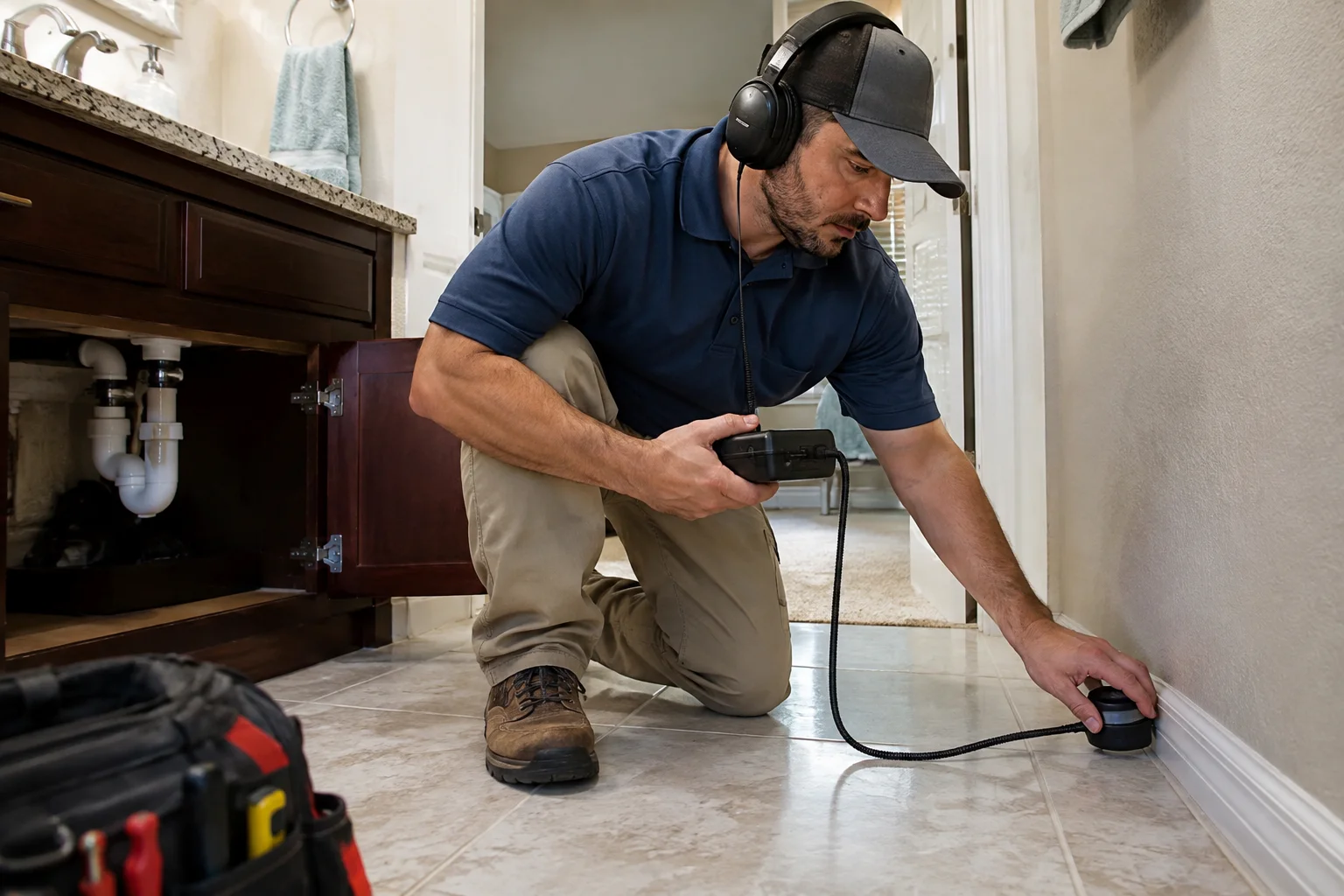
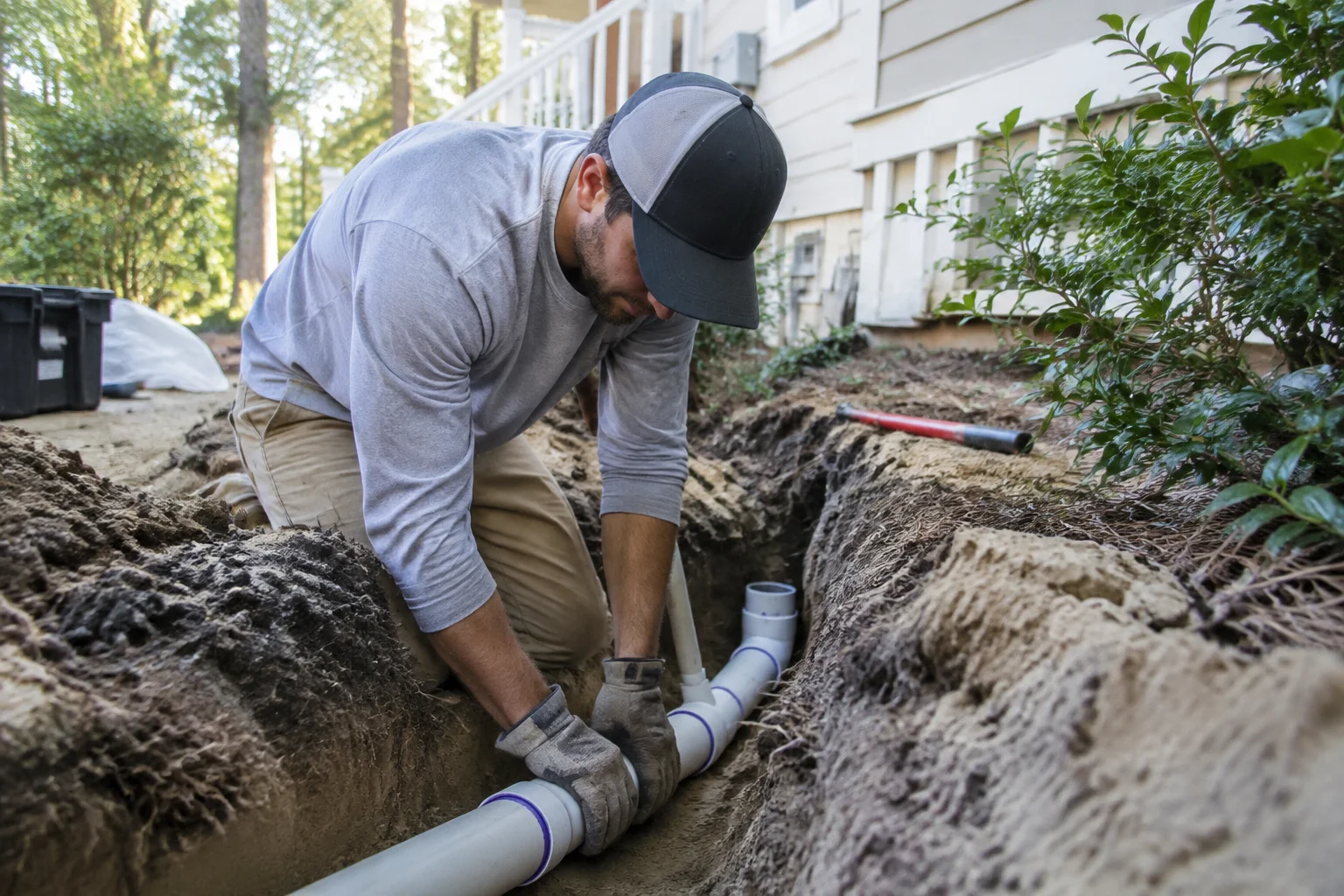
In humid weather, condensate production rises. If drain lines clog with algae or debris, water can back up into the system or leak into ceilings and mechanical closets. That can lead to property damage, mold concerns, and emergency repairs. Businesses that have had leak issues should also pay attention to nearby plumbing and drainage conditions. If water is showing up where it should not, a related issue may need attention from services like Water Leak Repair or Sewer & Drain Services.
Dirty coils and restricted airflow
Coils that are coated in dirt or salt residue cannot transfer heat efficiently. That forces the system to work longer and harder. Restricted airflow can also come from clogged filters, blocked return vents, or damaged ductwork. The result is often higher utility bills and hot or cold spots inside the building.
For businesses that also struggle with indoor comfort complaints or stale air, an evaluation of Indoor Air Quality Testing may help identify whether ventilation or filtration changes are needed alongside HVAC service.
Electrical wear and storm related damage
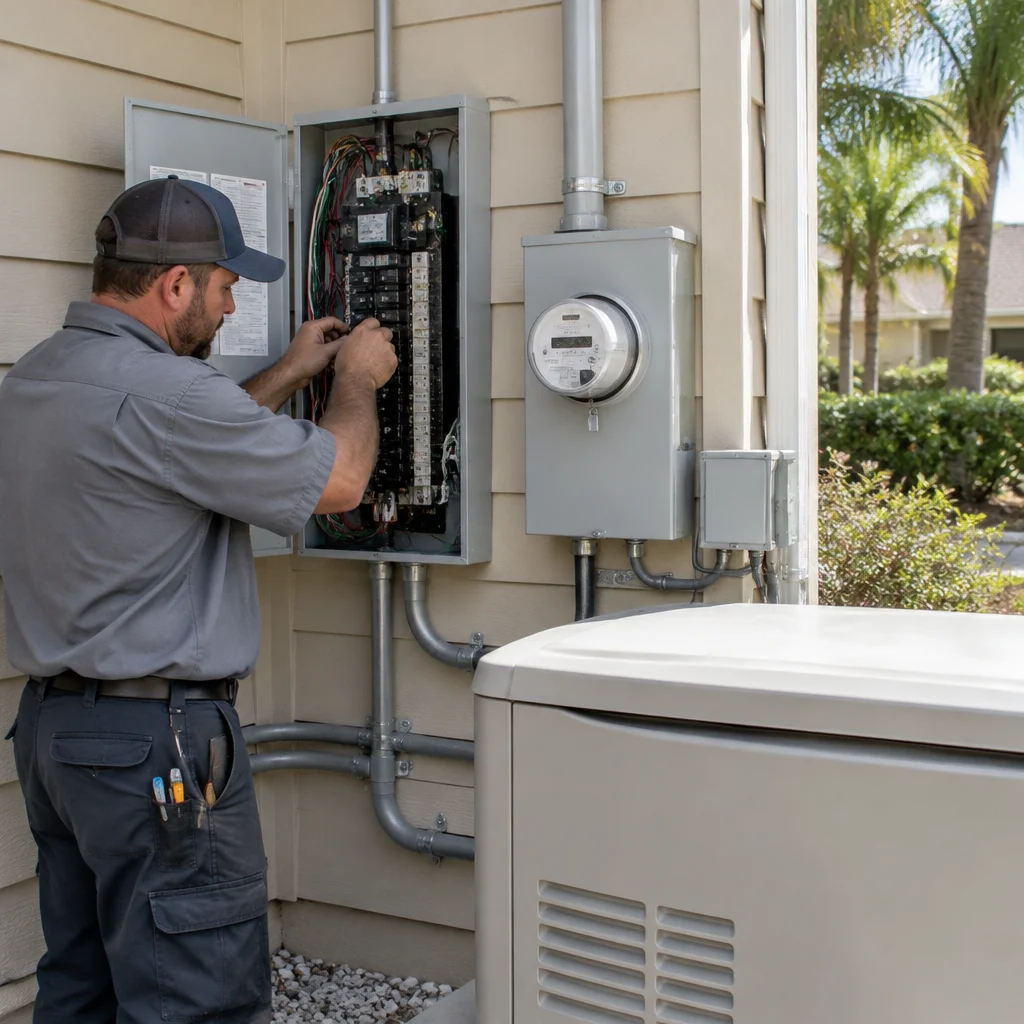
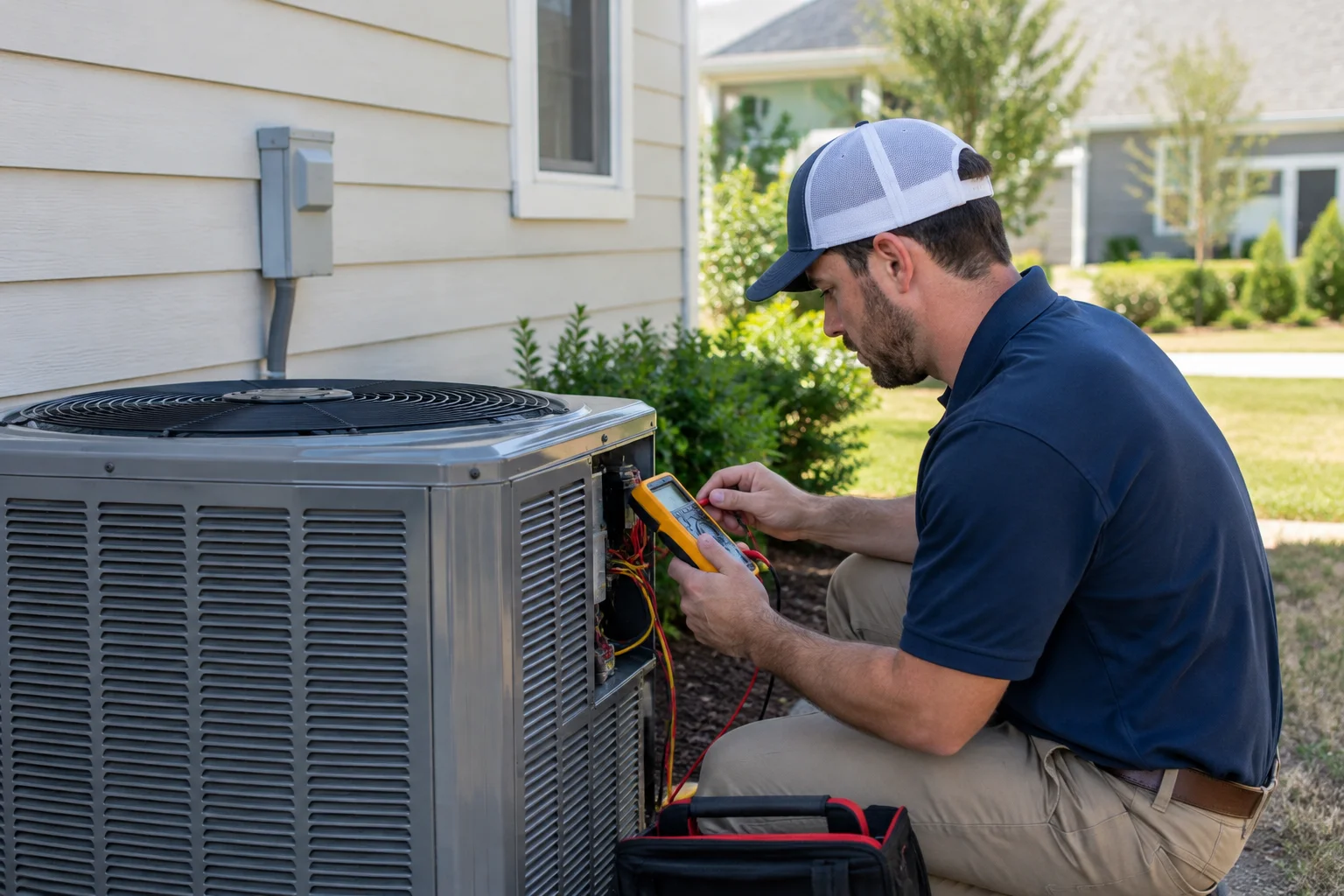
Summer storms can cause power fluctuations that affect relays, controls, and compressors. Even if there is no obvious outage, repeated surges can age electrical components. Over time, this can lead to hard starts, tripped breakers, or complete shutdowns. A maintenance visit should include a look at electrical connections and control boards so small issues do not become after hours emergencies.
Poor refrigerant performance
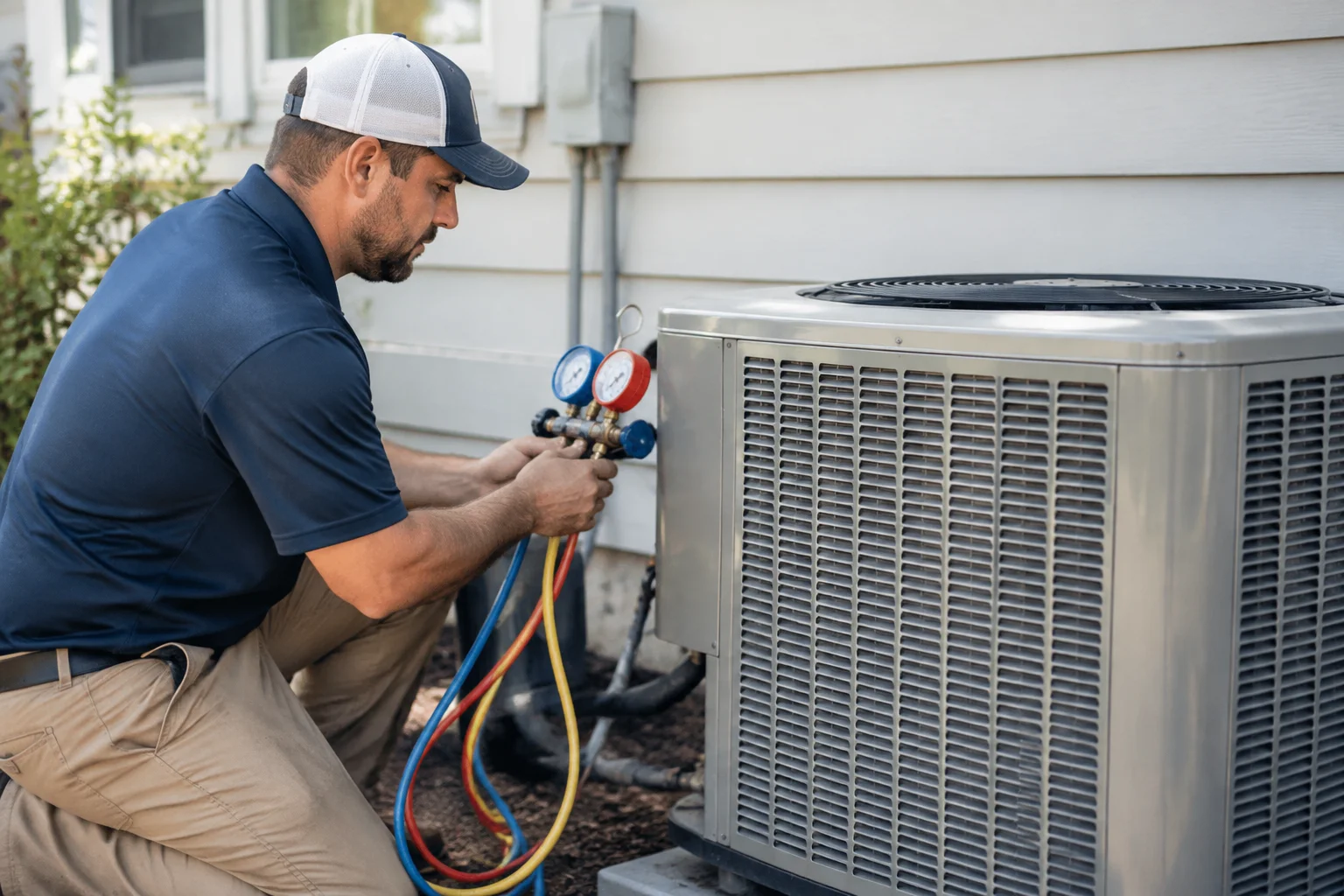
Low refrigerant is not just a comfort issue. It can signal a leak, a failing component, or improper service. A system low on refrigerant may ice up, lose capacity, or run continuously without ever reaching the set temperature. If the problem is ignored, the compressor can suffer major damage.
When a system is reaching the point where repair costs keep stacking up, it may also be worth discussing Air Conditioning Installation options for the building. In some cases, a newer, properly sized system can lower operating costs and reduce repeat service calls.
Maintenance habits that save money over time
Good commercial HVAC maintenance is not complicated, but it does need to be consistent. The goal is to catch small problems before they affect comfort, energy use, or equipment life.
Replace filters on a schedule that fits the building
Filter changes are one of the simplest ways to protect a system. In dusty environments or high traffic buildings, filters may need to be changed more often than standard recommendations suggest. A dirty filter reduces airflow and can cause a chain reaction of strain across the system.
Keep the outdoor unit clear
Leaves, grass, trash, and overgrown landscaping can all affect outdoor equipment. In Freeport, storm debris can also collect around units after heavy weather. Keeping the area clear helps airflow and makes inspections easier.
Clean coils before performance drops
Coil cleaning is often overlooked until cooling issues become obvious. Regular cleaning helps the system transfer heat properly and reduces energy waste. In a humid climate, this step can make a noticeable difference in performance.
Check drains and pans during every visit
Drain problems are common in this region because systems remove so much moisture from the air. Drain pans, traps, and lines should be checked for clogs, standing water, and signs of overflow. This is one of the easiest ways to prevent water damage inside a commercial building.
Track small changes in comfort and runtime
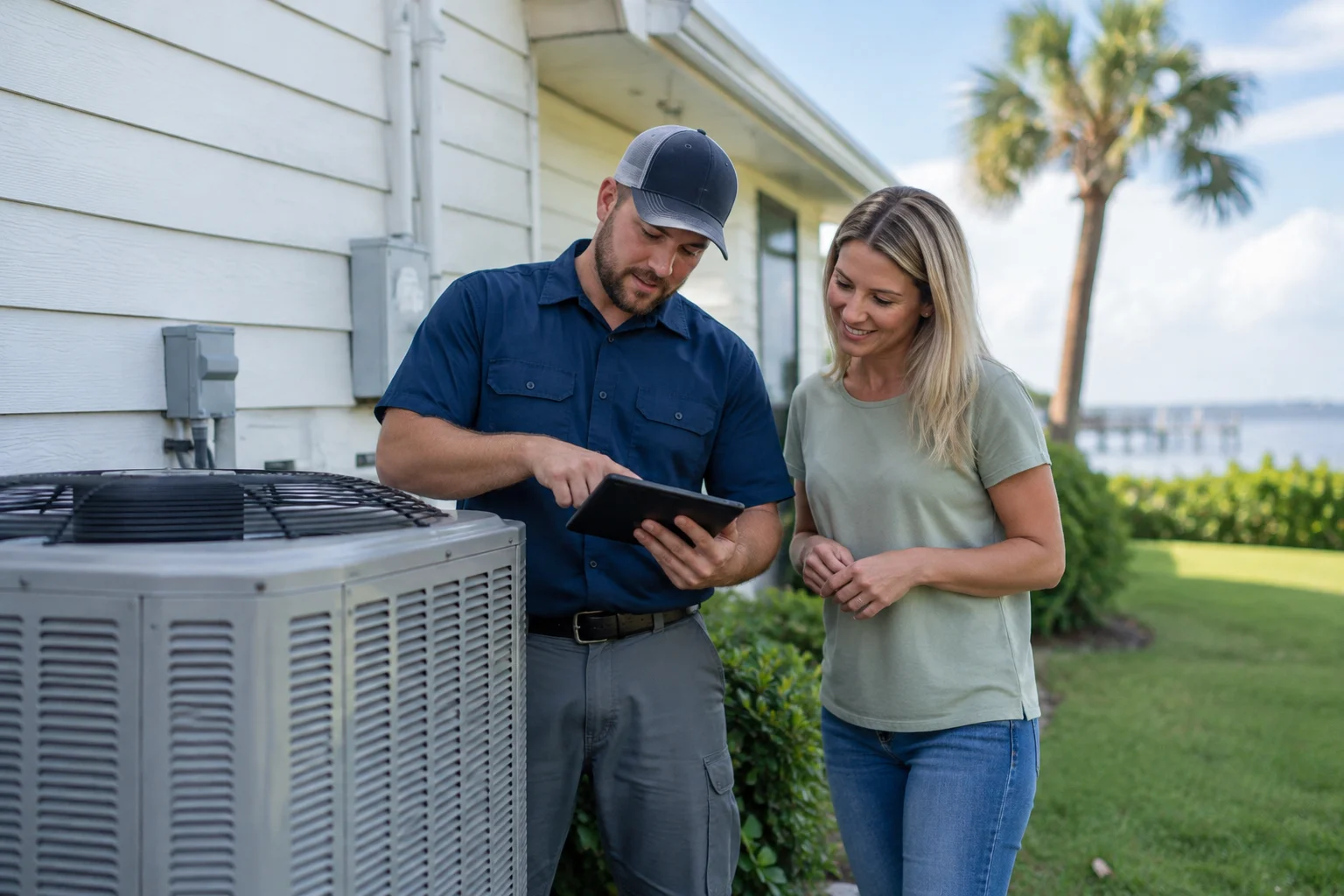
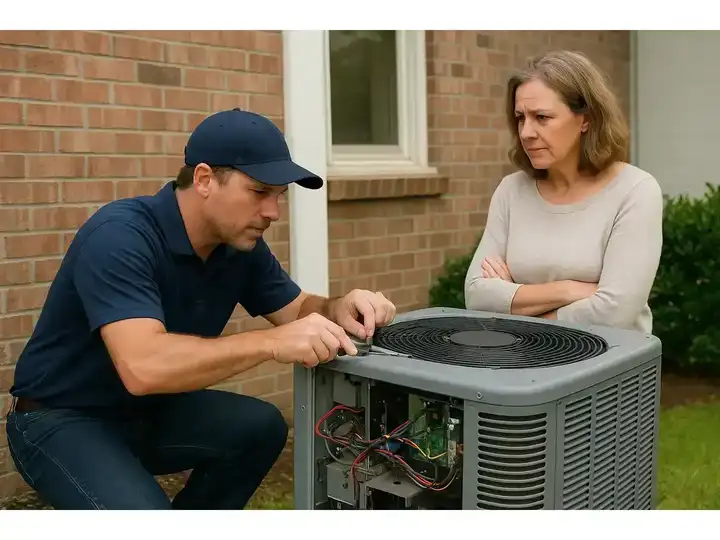
Owners and managers often notice the problem before the equipment fully fails. If a system runs longer than normal, struggles in the afternoon, or creates uneven temperatures, those changes should be documented and shared with the technician. Pattern recognition helps identify problems earlier.
Why local service matters in Freeport
Commercial HVAC maintenance is more effective when the provider understands the local climate, the building stock, and the kinds of problems that show up repeatedly in Walton County. A technician who works in the area regularly knows how humidity, storm exposure, and coastal air affect equipment over time. That local knowledge can lead to better maintenance decisions and fewer surprises.
Businesses in Freeport also benefit from service that is responsive and familiar with the rhythms of the area. Seasonal traffic, changing occupancy, and mixed commercial properties all affect how HVAC systems should be maintained. A local provider can build a plan around those realities instead of relying on a generic schedule.
For businesses in nearby communities, it can also help to compare how similar conditions affect systems elsewhere in Walton County and the surrounding region. Articles like Commercial HVAC Maintenance in Lynn Haven, FL: The Small Problems That Turn Into Big Disruptions and Why Commercial HVAC Maintenance Matters More Than Ever for Year Round Comfort in Seagrove Beach, FL show how weather and daily use can shape service needs in nearby coastal areas. Businesses with different building types may also find value in Keeping Parker Businesses Comfortable: A Smarter Approach to Commercial HVAC Maintenance at Home and What Callaway Businesses Often Miss About Commercial HVAC Maintenance.
How to know a maintenance plan is doing its job
A good maintenance plan should lead to fewer complaints, steadier temperatures, cleaner equipment, and fewer emergency calls. It should also help you plan for repairs before they become urgent. If you are reviewing your current service routine, ask whether it is actually reducing downtime and energy waste or simply checking a box.
For many Freeport businesses, the best results come from a plan that includes routine inspections, coil cleaning, filter changes, drain checks, electrical review, and performance testing. The right schedule depends on the size of the building, the type of business, and how hard the system runs during the year.
A Superior Mechanical provides commercial HVAC maintenance in Freeport, FL with customized service plans for offices, retail spaces, restaurants, hospitality properties, and other business facilities throughout Walton County. Regular maintenance helps protect equipment, keep indoor conditions more stable, and reduce the chance of costly interruptions when the weather is at its worst.
If your building has started showing higher utility bills, uneven cooling, more humidity, or repeated service calls, the system may be telling you it needs attention before the next busy season arrives.
Find Commercial HVAC Maintenance in Freeport, FL
If you need Commercial HVAC Maintenance in Freeport, FL, visit our local service page or contact A Superior Mechanical today.
Map of Freeport, FL
Frequently Asked Questions
How often should a commercial HVAC system in Freeport be serviced?
Most commercial systems in Freeport benefit from service at least twice a year, and some high use buildings need more frequent visits. Humidity, salt air, and long cooling seasons can make a custom schedule more effective than a standard one.
Why does humidity matter so much for commercial HVAC maintenance?
Humidity makes the system work harder because it has to cool and remove moisture at the same time. That can lead to clogged drains, dirty coils, and extra wear on parts if the system is not maintained regularly.
What are early warning signs that a commercial HVAC system needs attention?
Uneven temperatures, longer run times, higher energy bills, musty odors, water around the unit, and unusual noises are all common warning signs. These issues often show up before a full breakdown happens.
Related Articles
- Commercial HVAC Maintenance in Lynn Haven, FL: The Small Problems That Turn Into Big Disruptions
- Why Commercial HVAC Maintenance Matters More Than Ever for Year Round Comfort in Seagrove Beach, FL
- Keeping Parker Businesses Comfortable: A Smarter Approach to Commercial HVAC Maintenance at Home
- What Callaway Businesses Often Miss About Commercial HVAC Maintenance
Photo Gallery