Commercial HVAC systems in Parker, FL work hard almost every month of the year. The heat, humidity, salt air, and frequent storms in Bay County can push equipment faster than many owners expect. For homeowners who also manage a home office, rental property, or small business space, that means maintenance has to be more than a quick filter change. It needs a plan that keeps the system efficient, reliable, and ready for long stretches of hot weather.
A Superior Mechanical helps local property owners with commercial HVAC maintenance in Parker, FL designed for the realities of the area. If you want a better handle on upkeep, energy use, and repairs before they become expensive, it helps to understand what matters most in this climate and how local service makes a difference.
Why Parker’s climate changes the maintenance playbook
Parker sits in a Gulf Coast environment where humidity stays high for much of the year. That moisture does more than make the air feel heavy. It also makes HVAC systems work longer to remove humidity from indoor spaces. In commercial buildings, that can lead to more wear on compressors, blower motors, drain lines, and electrical components.
Coastal air brings another challenge. Salt and moisture can speed up corrosion on outdoor units and metal parts. During storm season, debris can clog coils, bend fins, and block airflow around the condenser. In a place like Parker and the wider Bay County service area, maintenance has to account for all of that, not just basic seasonal tune-ups.
That is why local knowledge matters. A system in Parker may need more frequent attention than one in a drier inland market. The right maintenance schedule can help prevent small issues from turning into system-wide problems during the hottest part of the year.
Start with the parts that fail first
Most HVAC problems do not begin as major breakdowns. They usually start with small issues that are easy to miss. Dirty filters, clogged condensate drains, loose electrical connections, and dirty coils can all reduce performance long before the system stops working.
For commercial properties, some of the most common trouble spots include:
Air filters
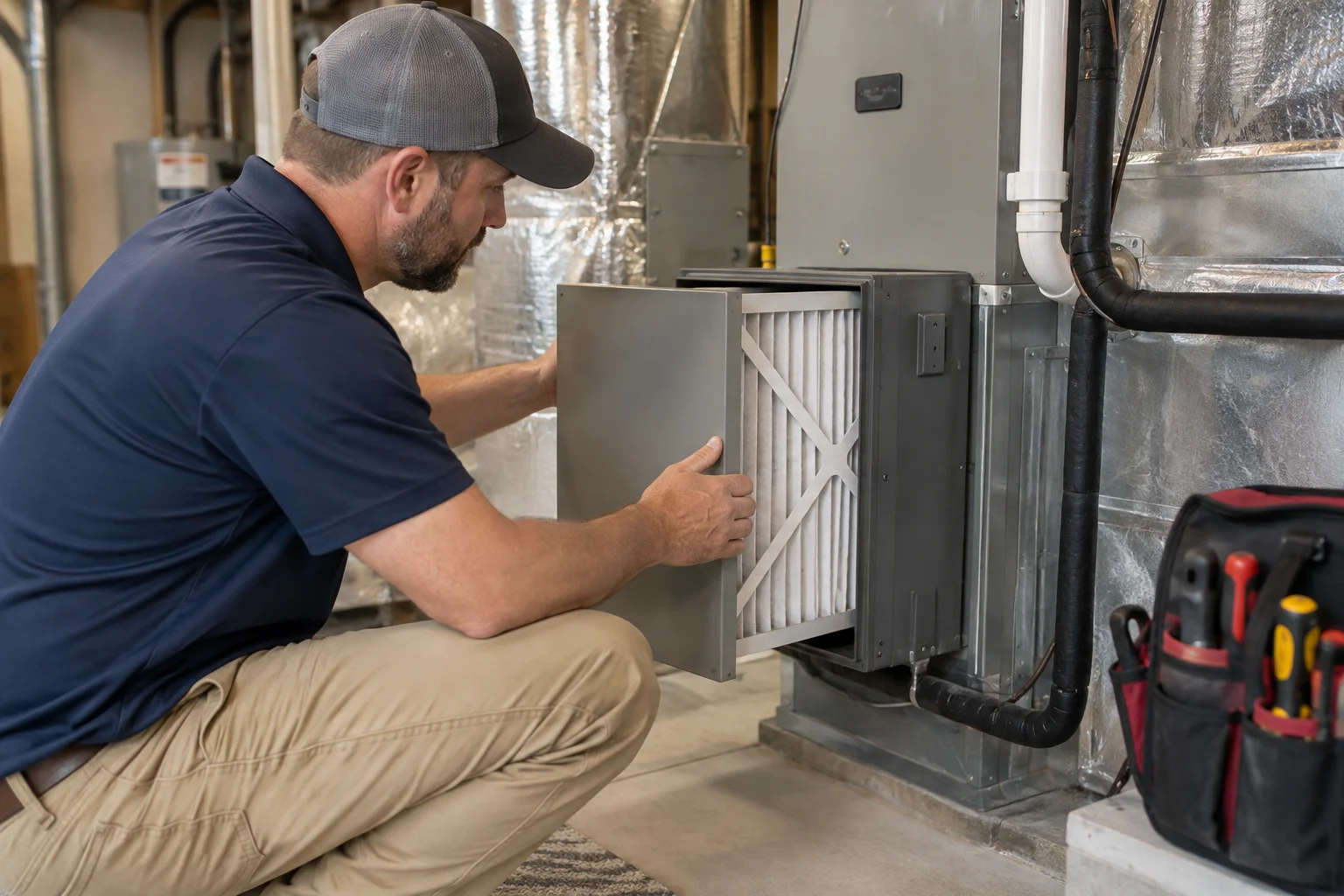
Filters trap dust, pollen, and debris, but they also restrict airflow when they become overloaded. In a busy office, retail space, or mixed-use property, filters may need attention more often than many owners expect. When airflow drops, the system runs longer and uses more energy.
Drain lines and condensate pans
Florida humidity means condensation is constant. If drain lines clog, water can back up into the unit or spill into the building. That can damage ceilings, flooring, and drywall, and it can also create conditions for mold growth.
Electrical components
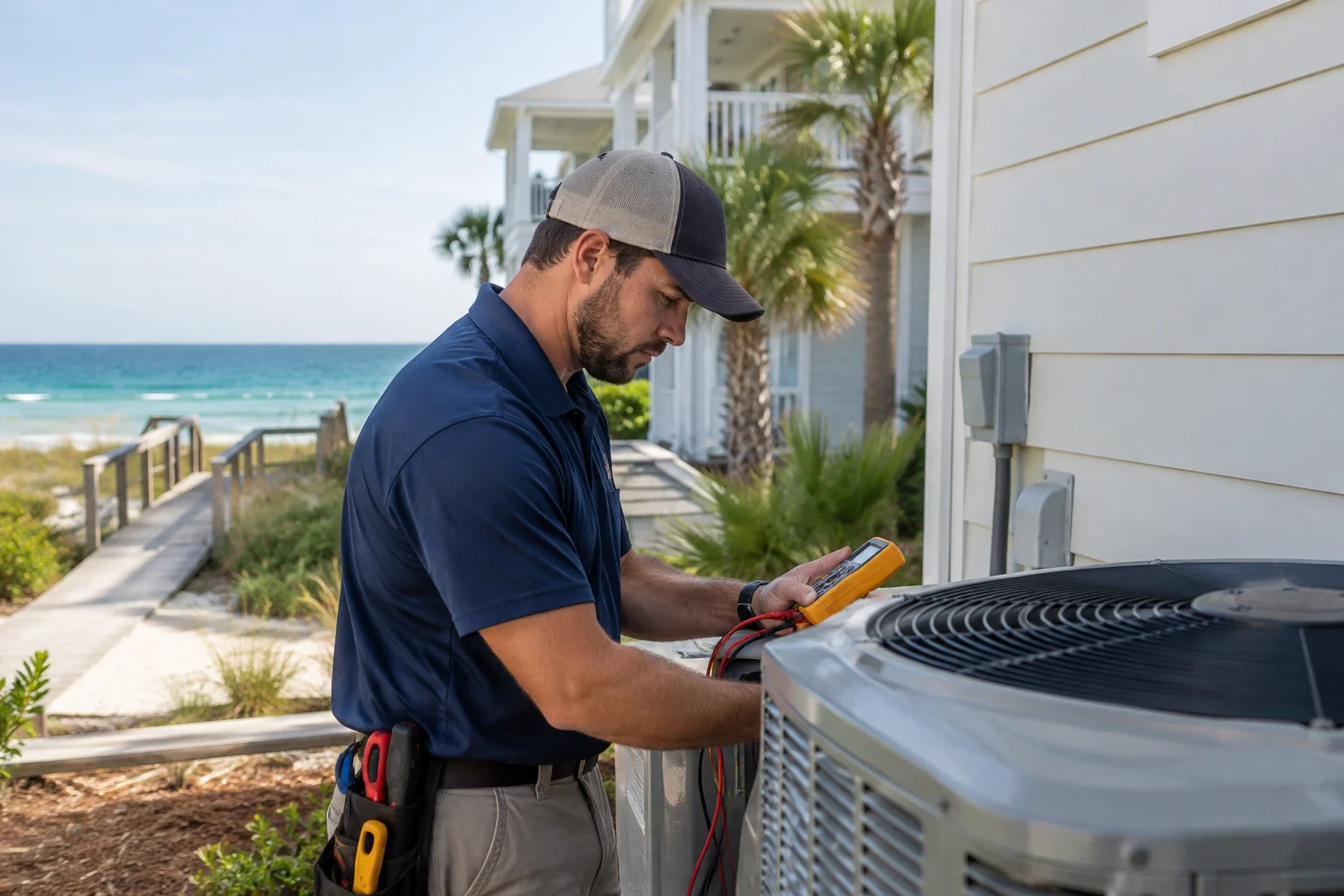
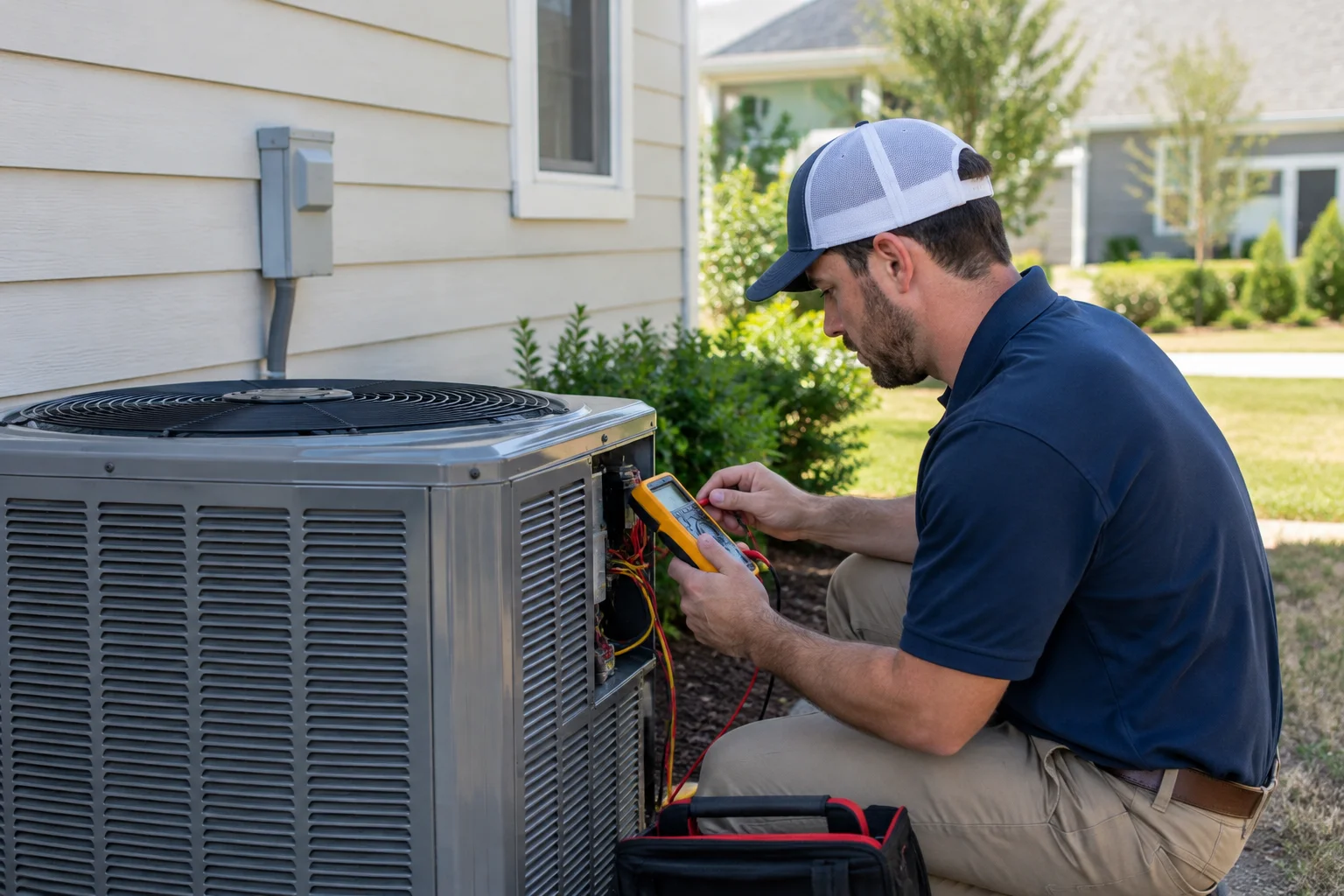
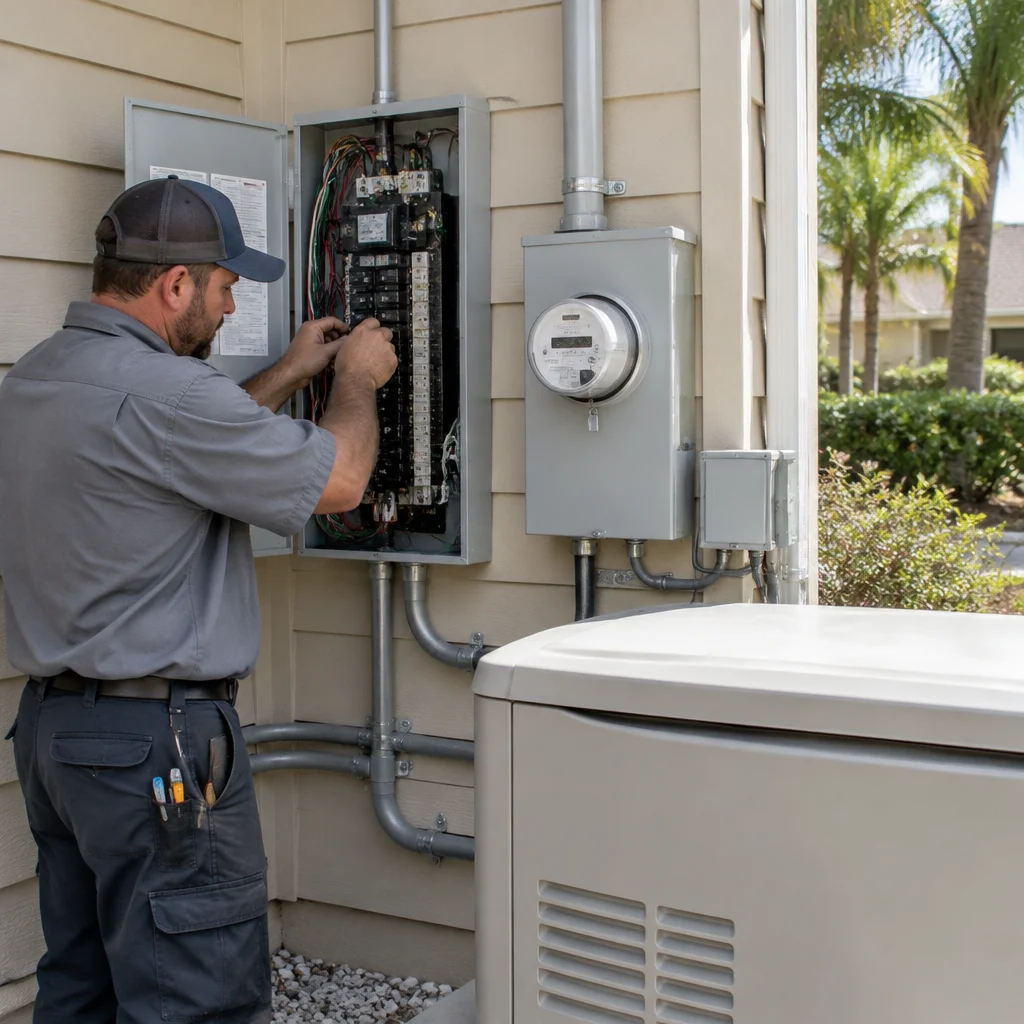
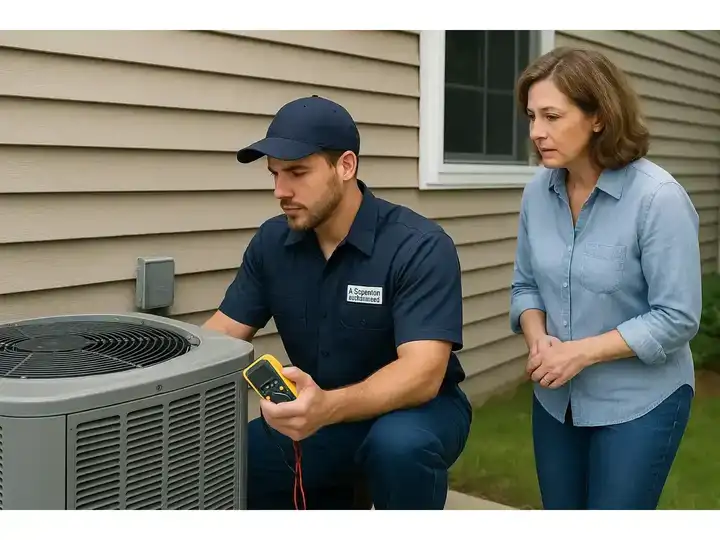
Loose wiring, worn contactors, and failing capacitors can cause intermittent operation or complete shutdowns. These issues are especially frustrating because they often show up during peak demand, when the system is already stressed.
Coils and outdoor units
Dirty evaporator and condenser coils make the system work harder to move heat. In Parker’s climate, coils can collect dirt, salt residue, and debris quickly. Cleaning them is one of the simplest ways to improve efficiency.
Maintenance habits homeowners can support
Even if you rely on a contractor for full commercial HVAC service, there are a few practical habits homeowners and property managers can use to support the system between visits. These steps are simple, but they can make a real difference.
Keep the area around the outdoor unit clear. Grass clippings, leaves, mulch, and trash can block airflow and make the system less efficient. In stormy weather, check for branches or debris that may have landed near the equipment.
Watch indoor temperature patterns. If one room stays warmer than others, or if the system seems to run constantly without reaching the set temperature, that can point to airflow problems, duct issues, or a unit that needs service.
Listen for new noises. Rattling, buzzing, hissing, or clicking can indicate loose parts, refrigerant issues, or electrical trouble. These sounds are worth a closer look before the problem gets worse.
Pay attention to indoor humidity. A commercial system should do more than cool the air. If the building feels sticky or damp, the system may be undersized, poorly maintained, or struggling with a drainage issue.
How to build a better maintenance routine
A good maintenance routine is not just about reacting when something breaks. It is about creating a pattern that keeps the system stable through Parker’s hottest months and dampest seasons. For many property owners, that starts with scheduling service before the peak cooling season begins.
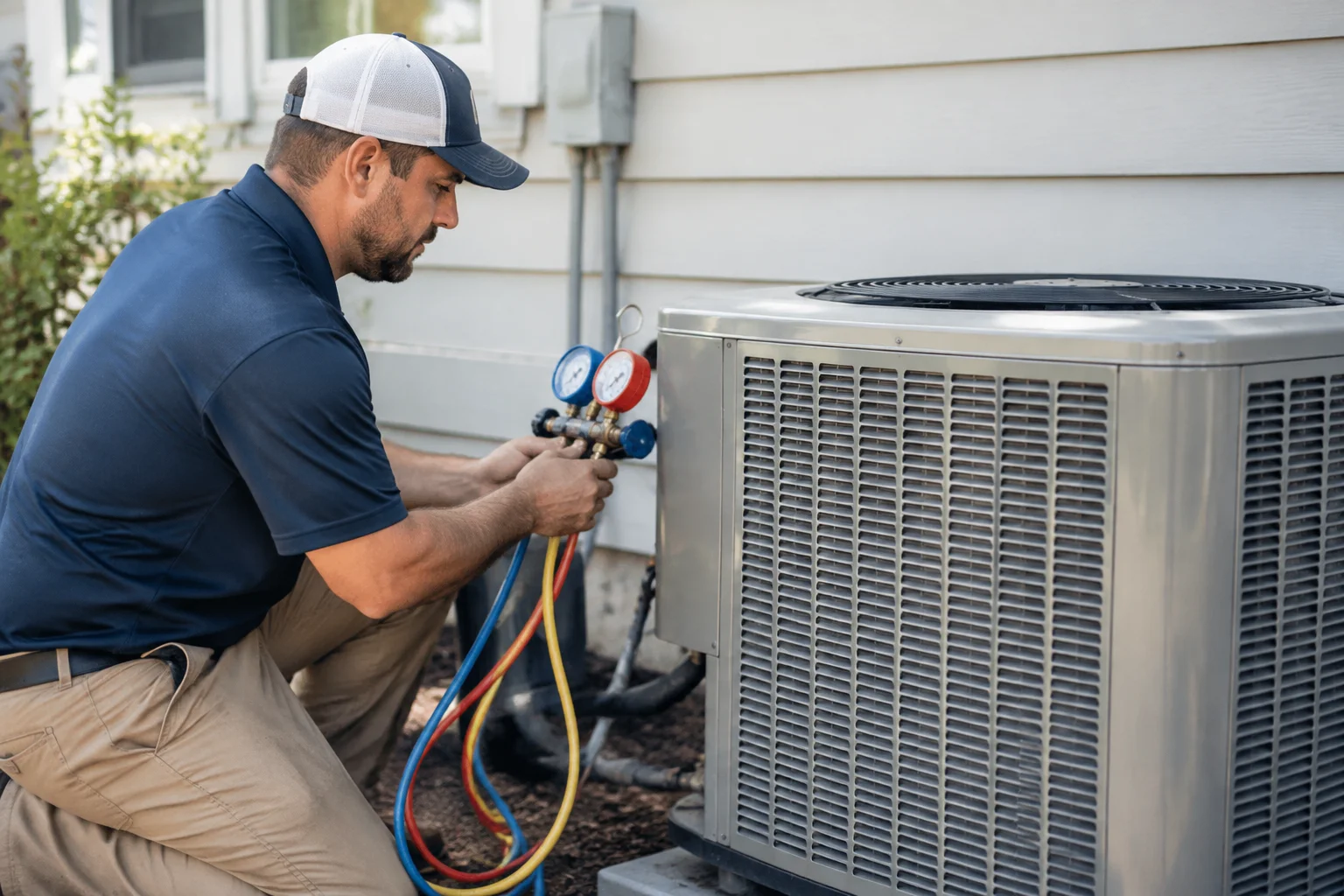
Routine inspections should include airflow checks, filter changes, coil cleaning, drain line flushing, thermostat testing, and a look at electrical connections. Refrigerant levels also need to be checked by a licensed professional. If the system is short on refrigerant, there is usually a leak or another issue that needs attention rather than a simple top-off.
For local businesses and multi-unit properties, it can also help to keep a written maintenance log. Track when filters were changed, when the system was serviced, and any issues that were noted. That record makes it easier to spot recurring problems and plan ahead for repairs or replacement.
If your building has older equipment, maintenance may also uncover whether it is time to budget for upgrades. In some cases, HVAC financing can make a replacement or major upgrade easier to manage without delaying necessary work.
Common warning signs that maintenance has slipped
Some HVAC problems are obvious. Others build slowly until utility bills climb or the system starts cycling on and off too often. In Parker, the signs often show up first during long stretches of heat and humidity.
Look for higher-than-normal energy bills, weak airflow, uneven cooling, longer run times, or a system that struggles on the hottest afternoons. Musty odors can point to moisture buildup or mold in the system. Water around the indoor unit often suggests a clogged drain or another drainage issue.
If the equipment is older, frequent service calls may mean the system is nearing the end of its useful life. At that point, maintenance can still help, but it may not solve every issue. A professional can help you decide whether repair, replacement, or a new system design makes the most sense. In some commercial settings, air conditioning installation may be the better long-term investment than repeated repairs.
Why local service matters more than a generic maintenance plan
Not every HVAC maintenance plan is built for Parker conditions. A local provider understands how quickly systems can get clogged, corroded, or overworked in Bay County. That matters when a business depends on steady indoor comfort, but it also matters for homeowners who manage rental units, offices, or storefronts and need dependable service without guesswork.
Local service also helps with response time. When a unit starts acting up in peak summer, waiting too long can mean lost comfort, lost business, and higher repair costs. A provider that works regularly in Parker can often spot patterns that out-of-area contractors miss, especially when it comes to humidity, drainage, and coastal wear.
If your property has both HVAC and plumbing concerns, it can be helpful to work with a team that understands how those systems affect each other. Drain backups, water intrusion, and slab moisture can all complicate HVAC performance. For related issues, some property owners also turn to plumbing repair, pipe replacement, or even articles like When to Call for Leak Detection & Slab Leak Repair in Parker, FL when moisture problems start affecting the building.
How commercial maintenance connects to the rest of the building
Commercial HVAC maintenance does not happen in a vacuum. A building with plumbing leaks, poor insulation, or recurring water problems will always make HVAC equipment work harder. Moisture intrusion can raise indoor humidity and create extra strain on the system. That is one reason local maintenance should be part of a broader property care plan.
For example, if a building has recurring drain issues or unexplained moisture near walls and floors, the HVAC system may be dealing with more humidity than it should. That can shorten equipment life and make the space less comfortable. If a recent inspection showed uneven cooling or drainage concerns, it may be worth reviewing What to Expect From Air Conditioning Inspection in Parker, FL for a better sense of how service visits are typically handled.
Small issues can also snowball in buildings that are heavily occupied. Restaurants, offices, and retail spaces generate heat, moisture, and foot traffic that all affect system performance. A maintenance plan that fits the building’s use is usually more effective than a one-size-fits-all schedule.
Practical steps that help systems last longer
There are a few simple ways to make commercial HVAC maintenance more effective over time. First, keep the system clean and accessible. If service technicians can reach the air handler, outdoor unit, and drains without obstacles, inspections go faster and problems are easier to catch.
Second, do not ignore small performance changes. A system that seems only slightly weaker this month may be signaling a problem that will become expensive later. Third, stay on a regular service schedule even when the system seems fine. Preventative maintenance is usually less expensive than emergency repair, especially during the hottest part of the year.
Finally, use a local contractor who understands the area. Parker and the rest of Bay County have a climate that is tough on HVAC equipment, and that should shape the service plan. A system that is maintained for local conditions is more likely to stay efficient, comfortable, and dependable.
For business owners and property managers looking for dependable support, commercial HVAC maintenance in Parker can be tailored to the building, the equipment, and the way the space is used. That approach helps reduce breakdowns, improve comfort, and keep operating costs under control in a climate that does not give HVAC systems much of a break.
A Superior Mechanical provides commercial HVAC maintenance in Parker, FL with service plans built for local conditions and the demands of Bay County properties.
Find Commercial HVAC Maintenance in Parker, FL
If you need Commercial HVAC Maintenance in Parker, FL, visit our local service page or contact A Superior Mechanical today.
Map of Parker, FL
Frequently Asked Questions
How often should commercial HVAC systems in Parker, FL be serviced?
Most commercial systems benefit from scheduled maintenance at least twice a year, with additional attention if the building runs heavy cooling loads, has poor airflow, or sits close to the coast where corrosion is more likely.
Why does humidity cause so many HVAC problems in Bay County?
High humidity makes the system remove more moisture from the air, which increases runtime and wear. It can also lead to clogged drain lines, mold growth, and reduced comfort if the system is not maintained properly.
Can regular maintenance lower energy bills?
Yes. Clean coils, clear filters, and proper airflow help the system run more efficiently. When equipment does not have to work as hard, energy use often drops and breakdowns become less likely.
What should I do if my commercial HVAC system is cooling unevenly?
Uneven cooling can point to dirty filters, duct problems, thermostat issues, or equipment wear. A professional inspection can help identify the cause before the problem affects comfort or leads to a larger repair.
Related Articles
Photo Gallery