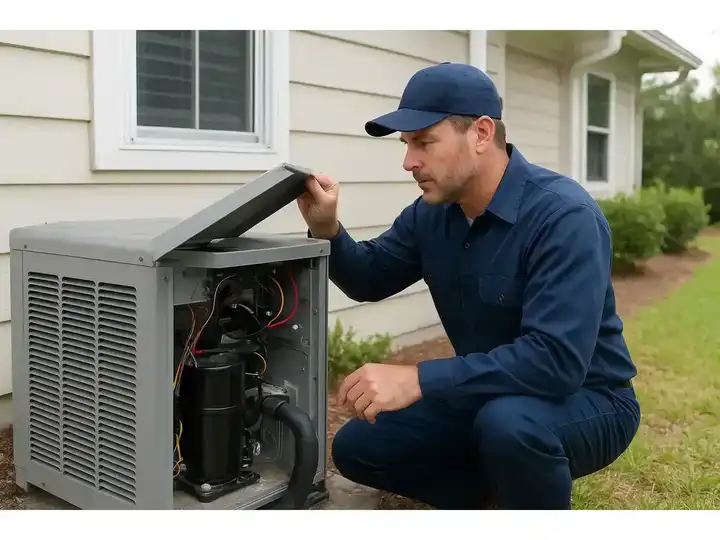
Geothermal systems are built for efficiency, quiet operation, and long service life, which is why many homeowners in Upper Grand Lagoon are interested in them. But even a ground-source system is not immune to wear. Coastal humidity, sandy soil, salt air, and the demands of year-round cooling can all affect performance over time.
For homeowners in Upper Grand Lagoon and nearby parts of Bay County, understanding how geothermal energy systems age can help prevent avoidable repairs and utility waste. A well-maintained system can deliver steady comfort for years, but small issues can turn into expensive problems if they are ignored.
A Superior Mechanical provides geothermal energy systems in Upper Grand Lagoon, FL with design, installation, repair, and maintenance tailored to local homes and the conditions that come with living near the coast.
Why geothermal systems fit Upper Grand Lagoon so well
Upper Grand Lagoon homes deal with long cooling seasons, high humidity, and plenty of heat for much of the year. That makes energy use a real concern for homeowners who want reliable comfort without overworking their HVAC equipment. Geothermal systems help because they move heat into and out of the ground, where temperatures stay more stable than the air above it.
That stable underground temperature gives geothermal systems an advantage in Florida. They do not have to fight the same extreme outdoor swings that traditional air conditioners face. They also tend to run more quietly, which matters in neighborhoods where homes are close together or outdoor living spaces are used often.
Still, the system has parts above and below ground, and each one can be affected by time, moisture, installation quality, and maintenance habits.
What can affect geothermal performance over time
Coastal humidity and moisture exposure
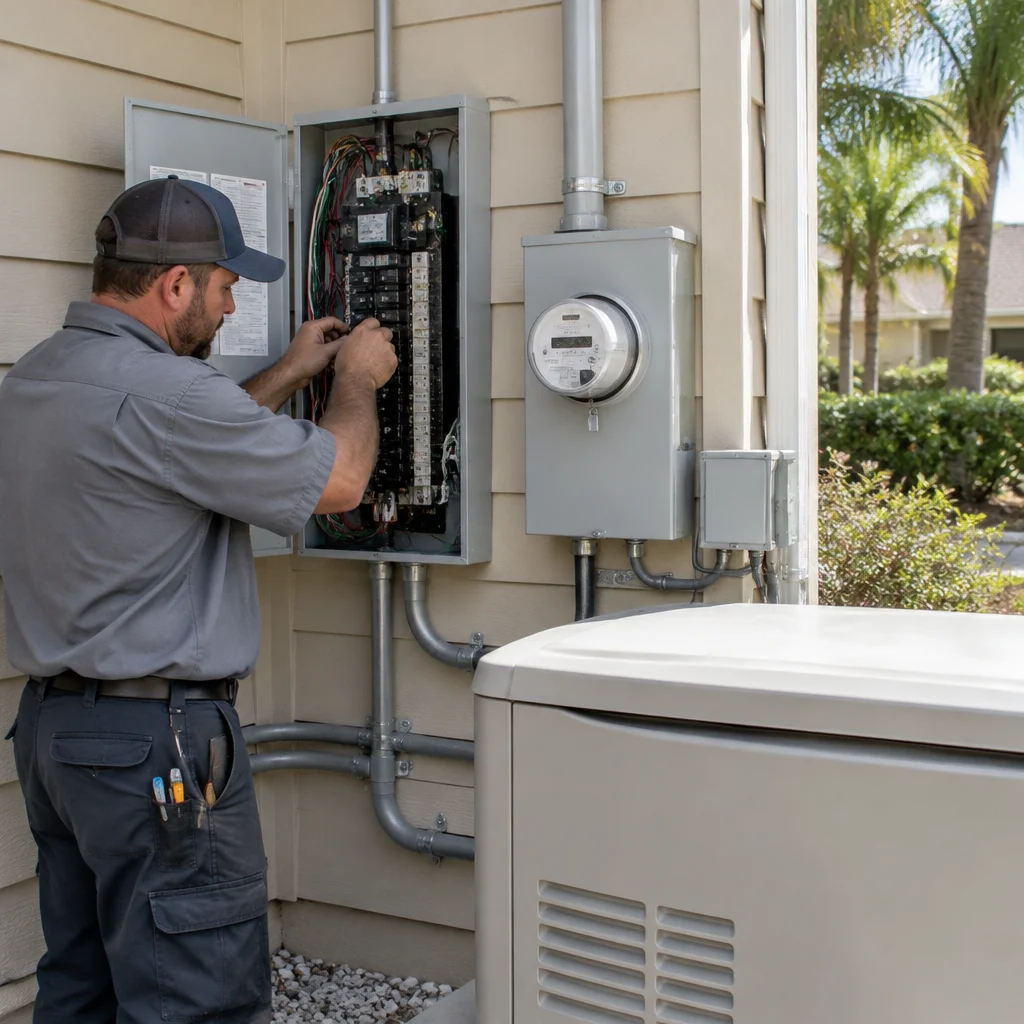
Humidity is part of life in Upper Grand Lagoon. Over time, excess moisture can affect electrical components, control boards, insulation, and connections if the system is not properly protected. Even though geothermal systems are not exposed to the same outdoor condenser wear as standard AC units, the indoor equipment still needs to stay dry and clean.
Homes in coastal Florida also face a greater risk of corrosion in metal parts and connections. If moisture gets into the wrong place, it can shorten the life of components and create intermittent problems that are hard to track down without a professional inspection.
Sandy soil and ground loop conditions
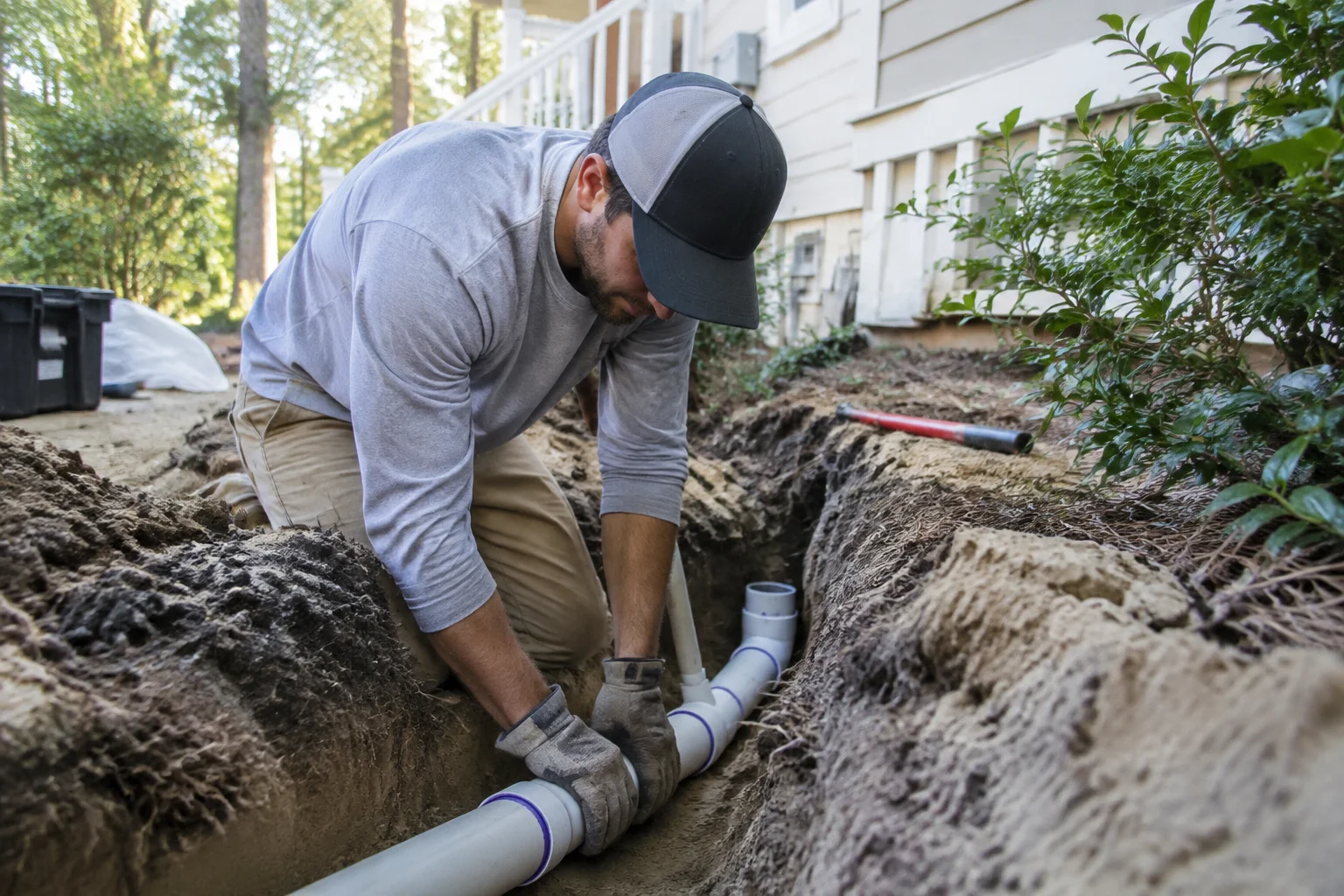
The underground loop is the heart of a geothermal system. It transfers heat between the home and the earth, and it needs to stay sealed and properly pressurized. In Bay County, soil conditions matter. Sandy soil can shift, settle, or drain differently than denser ground, and that can affect how the loop performs over time.
If the loop was installed poorly or if the ground around it changes significantly, homeowners may notice reduced efficiency, uneven temperatures, or longer run times. In some cases, leaks or pressure loss in the loop system can develop slowly and remain hidden until comfort problems become obvious.
Salt air and coastal corrosion
Upper Grand Lagoon’s proximity to the coast means salt air can reach outdoor areas and mechanical spaces more easily than in inland communities. Salt does not need to hit a component directly to cause trouble. Over time, it can contribute to corrosion on exposed metal, fasteners, and electrical contacts.
That is one reason local service matters. A technician who understands coastal HVAC conditions can look for early signs of corrosion, recommend better protection, and catch issues before they spread to other parts of the system.
Water quality and plumbing-related problems
Some geothermal systems interact with water through the heat pump unit or associated plumbing. If the system includes water-based components, mineral buildup, scaling, or leaks can affect performance. Even small plumbing issues can lead to pressure changes, reduced heat transfer, or damage to nearby materials.
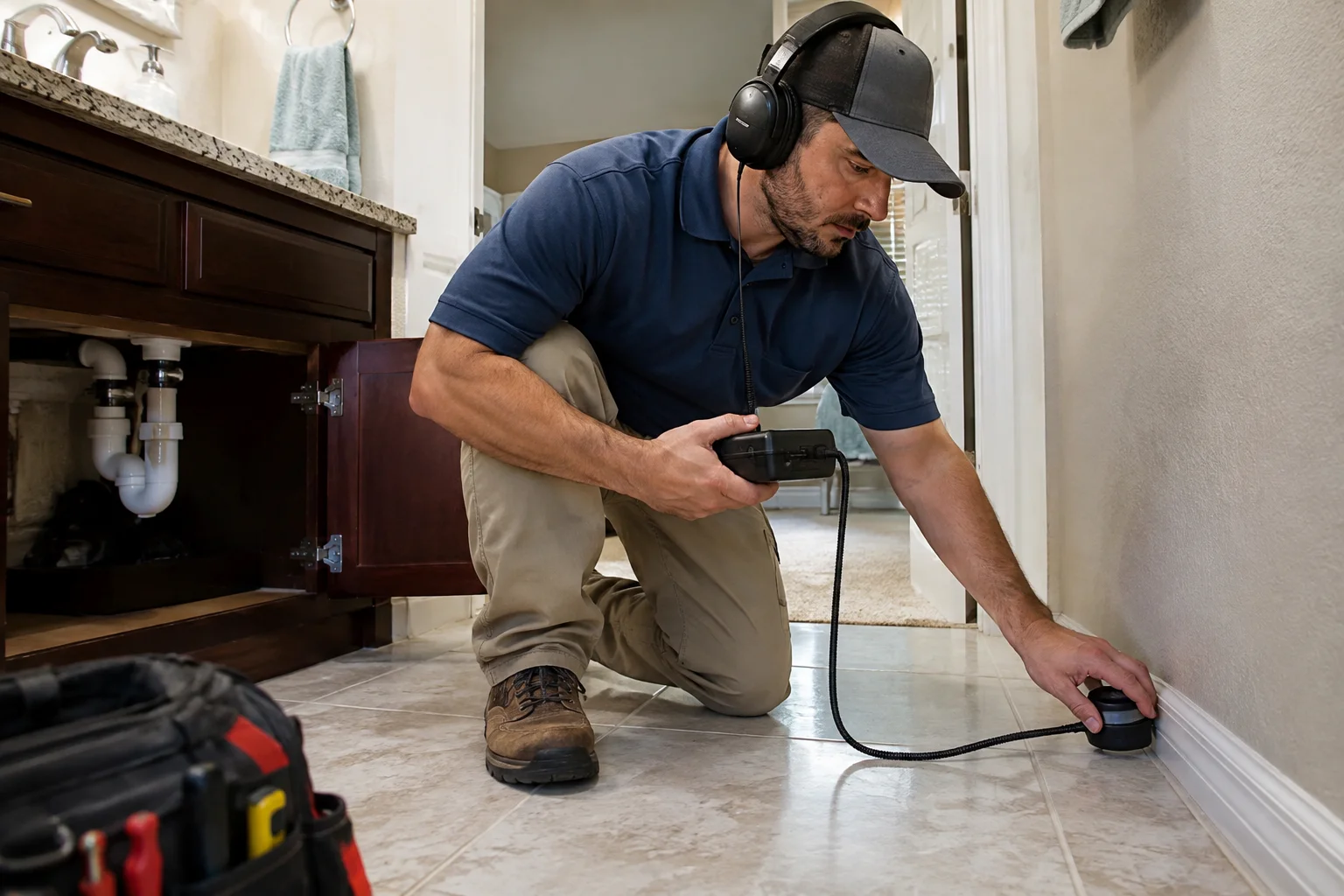
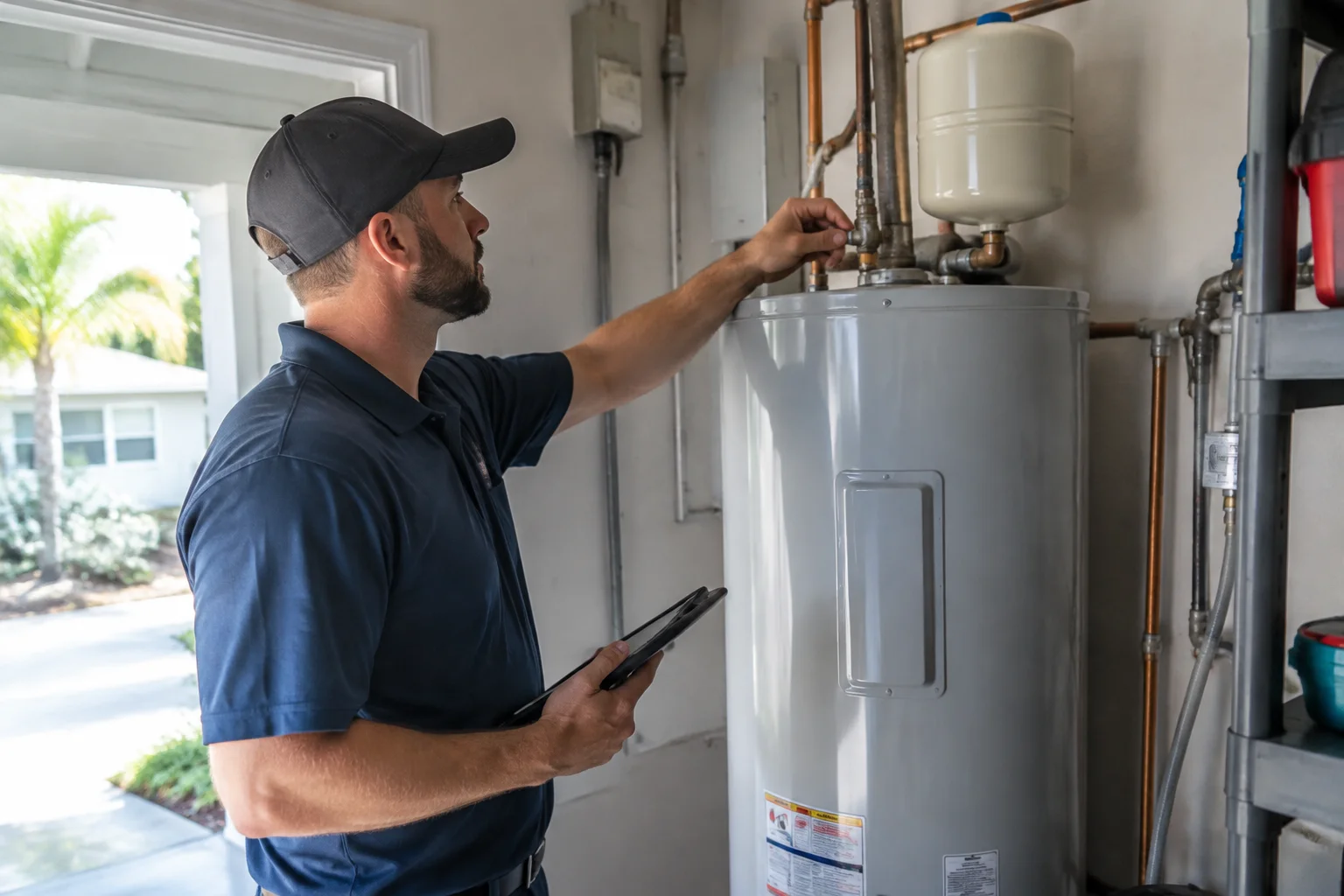
Homeowners who have also dealt with plumbing concerns may want to pay attention to signs of moisture around the mechanical area. If there is any chance of a hidden leak, it can be worth comparing the problem with leak detection and slab leak repair services, especially in homes with concrete slabs that are common in Florida.
Common geothermal issues homeowners should not ignore
Rising electric bills without a clear reason
One of the main reasons homeowners choose geothermal is lower energy use. If utility costs start climbing, it may mean the system is losing efficiency. Dirty coils, low loop pressure, a weak circulation pump, thermostat issues, or airflow problems can all force the system to work harder than it should.
When a geothermal system is running longer than usual and still not keeping the home comfortable, it is time to have it checked. Higher bills are often one of the earliest clues that something is off.
Uneven temperatures inside the home
If one room feels too warm while another stays cool, the issue may not be the geothermal unit alone. Ductwork problems can play a major role. Leaks, disconnected sections, crushed ducts, or poor insulation can all reduce the amount of conditioned air that reaches the rooms where it is needed.
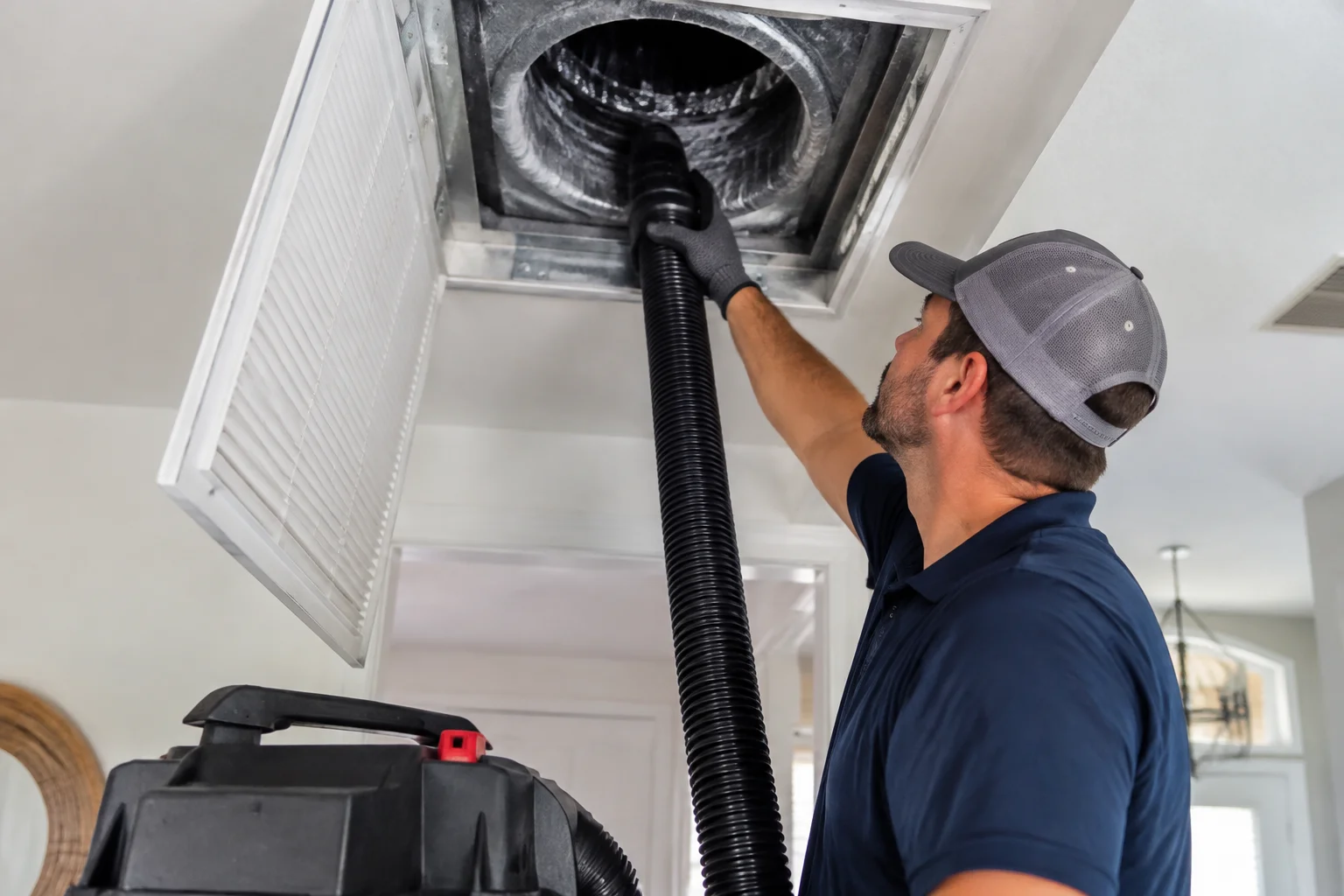
In older Upper Grand Lagoon homes, duct systems may have aged alongside the house. If airflow seems inconsistent, it may be time to look at ductwork services or even duct replacement if the system has major damage or long-term leakage.
Short cycling or long run times
Geothermal systems should operate in a steady, efficient pattern. If the unit turns on and off too often, or if it runs constantly without reaching the set temperature, there may be a problem with sizing, controls, refrigerant flow, pump performance, or airflow. Short cycling can wear parts out faster and reduce comfort.
Long run times can happen when the system is struggling against a clogged filter, blocked vents, a failing component, or a loop issue. Either pattern deserves attention before it leads to a breakdown.
Strange noises or vibration
Geothermal systems are usually known for being quiet. Grinding, rattling, buzzing, or gurgling sounds are not normal. These noises can point to loose parts, pump problems, trapped air in the loop, electrical concerns, or debris in the system.
Because the equipment is often installed indoors or partially hidden, homeowners may not notice early warning signs until the noise becomes hard to ignore. A professional inspection can help identify the source before the issue spreads.
Moisture near the unit
Any standing water or persistent dampness around the geothermal equipment should be taken seriously. It could be a condensate drain problem, a plumbing leak, a refrigerant issue, or a sign that the unit is not draining properly. In a humid climate like Upper Grand Lagoon, moisture problems can worsen quickly and encourage mold or corrosion.
If the area around the unit feels damp more often than it should, do not wait for visible damage to appear.
How local homes can make maintenance more important
Homes in Upper Grand Lagoon vary widely. Some are older properties with aging ductwork and additions that were not originally designed around modern HVAC systems. Others are newer homes built for efficiency but still exposed to the same coastal climate. In either case, geothermal systems depend on proper installation and regular care.
Bay County homes can also face issues that are easy to overlook, such as attic heat, slab construction, and moisture intrusion. These conditions do not necessarily damage a geothermal system directly, but they can make the system work harder or hide problems until comfort drops.
That is why local knowledge matters. A technician familiar with the area understands how humidity, soil, and building styles affect long-term performance. They are more likely to spot the kind of small issue that becomes a big repair later.
Maintenance habits that help geothermal systems last longer
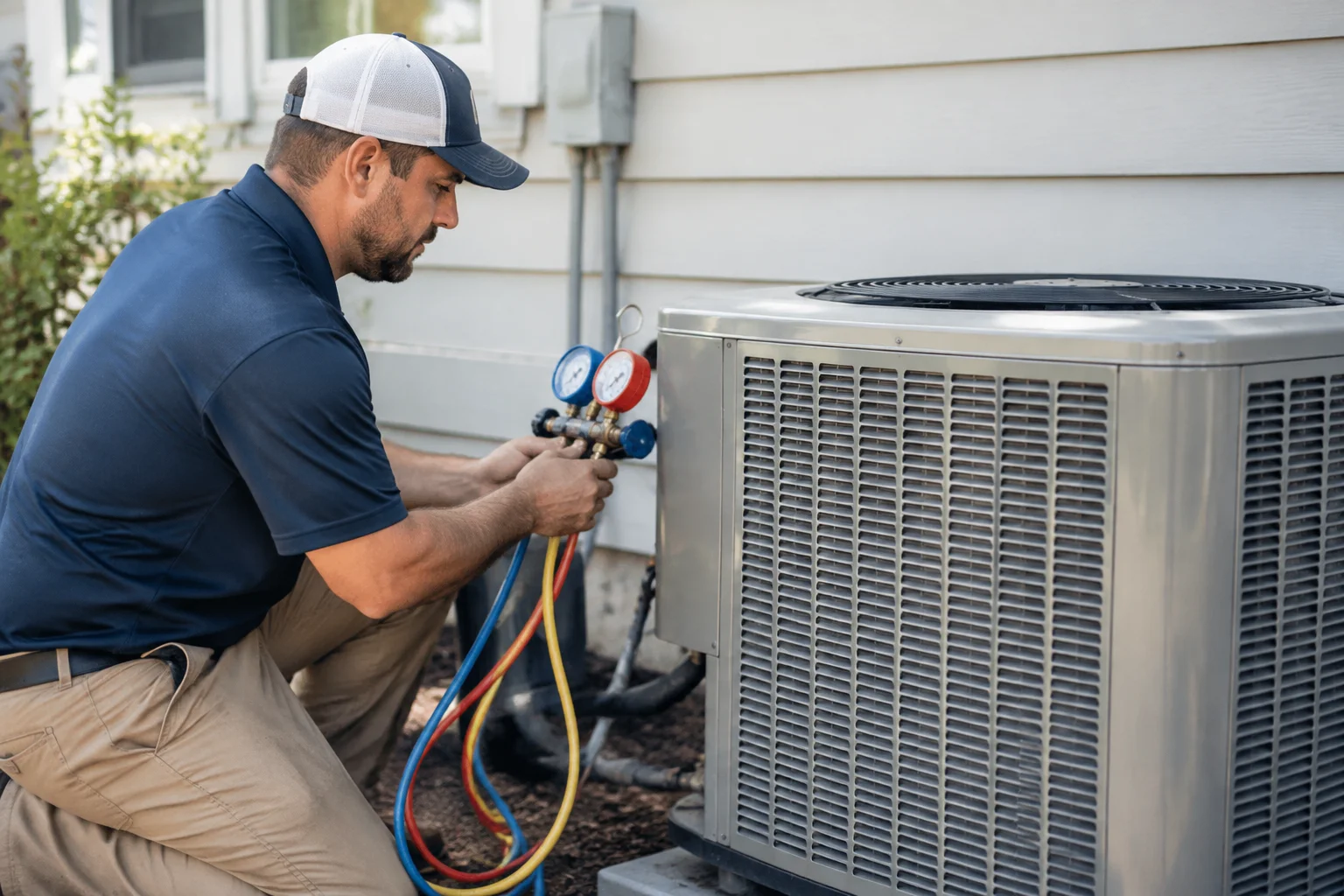
Routine maintenance is the best way to keep a geothermal system efficient. Homeowners can help by changing filters on schedule, keeping supply and return vents clear, and watching for changes in airflow, noise, or room temperatures. The equipment area should stay clean and dry, with easy access for service.
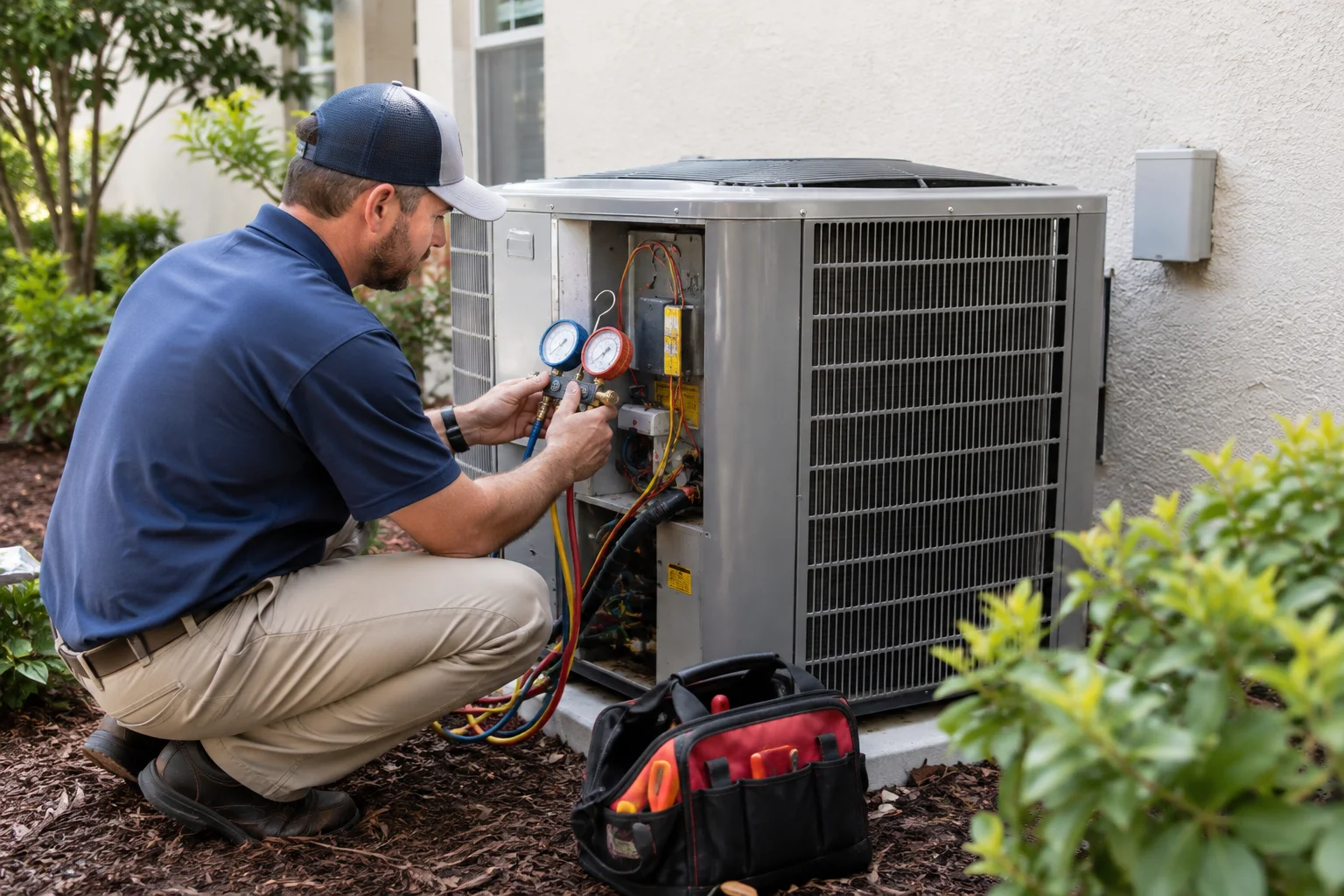
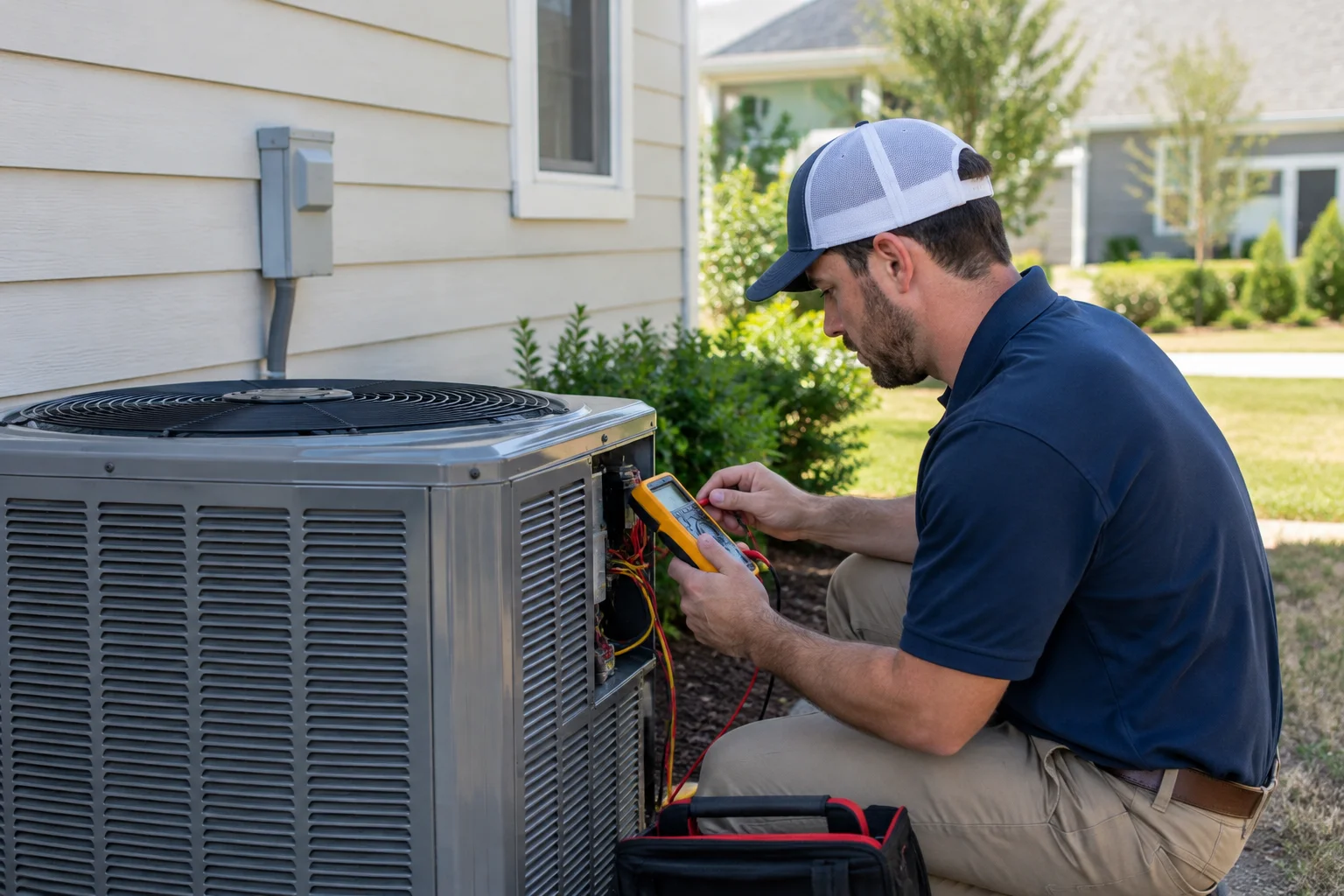
Professional maintenance should include checking loop pressure, inspecting pumps and controls, testing electrical components, cleaning coils, and looking for signs of corrosion or leaks. If the system includes related water heating equipment, regular water heater maintenance can also help protect overall home comfort and reduce strain on connected systems.
In a climate like Upper Grand Lagoon, seasonal service is not just about preventing breakdowns. It is also about keeping the system efficient enough to deliver the energy savings homeowners expect from geothermal in the first place.
When a professional should take a look
Some geothermal problems are obvious, but many start quietly. If the system is using more energy, making unusual noises, failing to keep rooms comfortable, or showing signs of moisture or corrosion, it is time to call a professional. The same is true if the home has an older loop system, recent landscaping changes, or unexplained changes in pressure or temperature.
Professional service is especially important when the issue may involve the underground loop, refrigerant, electrical controls, or hidden leaks. Those are not problems to guess at. A trained technician can diagnose the source and recommend the right repair before the damage spreads.
For homeowners in Upper Grand Lagoon who want dependable help close to home, working with a local team that understands the area can save time and reduce repeat issues. A Superior Mechanical serves the community with geothermal solutions designed for the realities of coastal living, from humid summers to long-term efficiency concerns. Learn more about the city on the Upper Grand Lagoon service area page.
Keeping geothermal comfort steady in coastal Florida
Geothermal systems can be a smart fit for Upper Grand Lagoon, but they still need attention over time. Humidity, salt air, soil conditions, duct issues, and hidden leaks can all affect how well the system performs. The good news is that many problems start small and can be corrected before they become expensive.
Homeowners who watch for changes in comfort, energy use, and system noise are in a better position to protect their investment. With the right maintenance and a local technician who understands Bay County homes, geothermal equipment can keep doing the quiet, efficient work it was designed to do.
If your system is acting differently than it used to, or if you want a professional checkup before peak cooling season, local service can make all the difference.
For homeowners and property managers who also keep an eye on other HVAC needs, these related articles may be helpful: What to Expect From Commercial HVAC Repair in Upper Grand Lagoon, FL, Keeping Commercial HVAC Trouble Small in Upper Grand Lagoon, FL, Why Commercial HVAC Maintenance Matters More Than Most Upper Grand Lagoon Homeowners Realize, and A Homeowner’s Guide to Commercial HVAC Repair in Upper Grand Lagoon, FL.
Find Geothermal Energy Systems in Upper Grand Lagoon, FL
If you need Geothermal Energy Systems in Upper Grand Lagoon, FL, visit our local service page or contact A Superior Mechanical today.
Map of Upper Grand Lagoon, FL
Frequently Asked Questions
How long do geothermal energy systems usually last in Upper Grand Lagoon, FL?
With proper installation and regular maintenance, the underground loop can last for decades, and the indoor equipment often lasts longer than a standard air conditioner. Coastal conditions still make routine inspections important.
What are the most common geothermal problems for coastal homes?
Common issues include low loop pressure, airflow problems from ductwork, corrosion from humidity and salt air, pump trouble, and control or thermostat failures. Moisture around the unit should also be checked right away.
Can duct problems affect a geothermal system?
Yes. Leaky or damaged ducts can waste conditioned air and make the system run longer. If rooms feel uneven or airflow is weak, ductwork services may be needed to restore performance.
How often should geothermal systems be serviced?
Most homeowners should schedule professional maintenance at least once a year, and some homes benefit from more frequent checks if there are humidity concerns, older components, or past repair history.
Related Articles
Photo Gallery