In Panama City Beach, a generator is more than a convenience. It is part of how many homeowners protect comfort, food, security systems, and medical equipment when the power goes out. But a generator installation is not a one-time project you can forget about forever. The coastal climate, storm exposure, and changing conditions around the home can all affect how well the system performs over time.
That is why professional power generator installation in Panama City Beach, FL needs to be planned with local conditions in mind. A system that works well in a dry inland area may face different challenges near the Gulf. Salt air, humidity, shifting soil, and hurricane season can all influence the generator, transfer switch, fuel connections, and the home’s electrical setup.
If you live in Panama City Beach or anywhere in Bay County, it helps to know what can change after installation and which problems should not be ignored. Small issues often start with weather exposure or normal wear, then become bigger repairs if they are left alone.
Why coastal conditions matter so much
Panama City Beach homes deal with more than just heat. Coastal air carries salt, humidity stays high for much of the year, and tropical weather can bring wind, rain, and flooding concerns. Those conditions are tough on outdoor equipment, including standby generators and the components that support them.
Salt air can speed up corrosion on metal parts, electrical connections, fasteners, and protective housings. High humidity can add moisture to enclosures and create long term wear on sensitive components. Strong storms can also push debris, water, and sand into areas around the generator pad or transfer switch. Over time, those factors can affect startup reliability and shorten the life of the system if it is not maintained properly.
That is one reason local service matters. A technician who works in Panama City Beach understands the realities of coastal homes, from exposure near the water to drainage issues in low lying yards. Local knowledge helps with placement, installation methods, and maintenance recommendations that fit the area instead of a generic one size approach.
Placement problems that show up later
Generator installation starts with choosing the right location. That decision can affect how well the system performs for years. A spot that seems fine on day one may create problems later if water pools nearby, landscaping grows too close, or the unit ends up exposed to more wind and salt than expected.
Drainage and standing water
Panama City Beach properties can have drainage challenges, especially after heavy rain. If the generator pad sits in a low area or near poor drainage, water can collect around the base. Over time, that can damage the unit, affect electrical parts, and make servicing harder. Even if the generator is elevated, nearby water flow can still create erosion or undermine the pad.
Homeowners who already deal with yard drainage problems often benefit from looking at the bigger picture. In some cases, a drainage concern around the generator is part of a larger property issue that also affects sewer and drain services in Panama City Beach. If the ground stays wet after storms, it is worth addressing before it causes more expensive damage.
Salt exposure and wind-driven debris
Generator enclosures are built for outdoor use, but coastal exposure still matters. A unit placed where salt spray or windblown sand is constant may need more frequent cleaning and inspection. Shrubs, fences, and nearby structures can also trap debris around the unit, which affects airflow and makes maintenance more difficult.
Homeowners often do not notice these changes right away. The generator may still start, but corrosion or restricted airflow can slowly reduce performance. If the system runs hotter than it should or has trouble starting during an outage, placement and exposure should be checked.
Electrical load changes inside the home
Another issue that affects generator installation over time is how the home itself changes. Families add appliances, finish garages, remodel kitchens, or install new HVAC equipment. Those upgrades can increase electrical demand beyond what the original generator setup was designed to handle.
If the load becomes too high, the generator may not support everything the homeowner expects during an outage. Lights may stay on, but larger appliances or multiple systems may not. In other cases, the transfer switch or wiring may need an update to match the home’s current needs.
This is especially important in Panama City Beach, where homes may serve as full time residences, vacation homes, or seasonal properties with different usage patterns. A generator installed several years ago may no longer fit the way the home is used today. If you have added HVAC equipment or reconfigured living space, it may be time to compare the generator’s capacity with the home’s current electrical load.
For homeowners planning broader comfort upgrades, it can help to think about the generator alongside other systems such as air conditioning replacement or even a VRF and multi zone HVAC system. New equipment can change power needs in ways that matter during an outage.
Transfer switch issues homeowners often miss
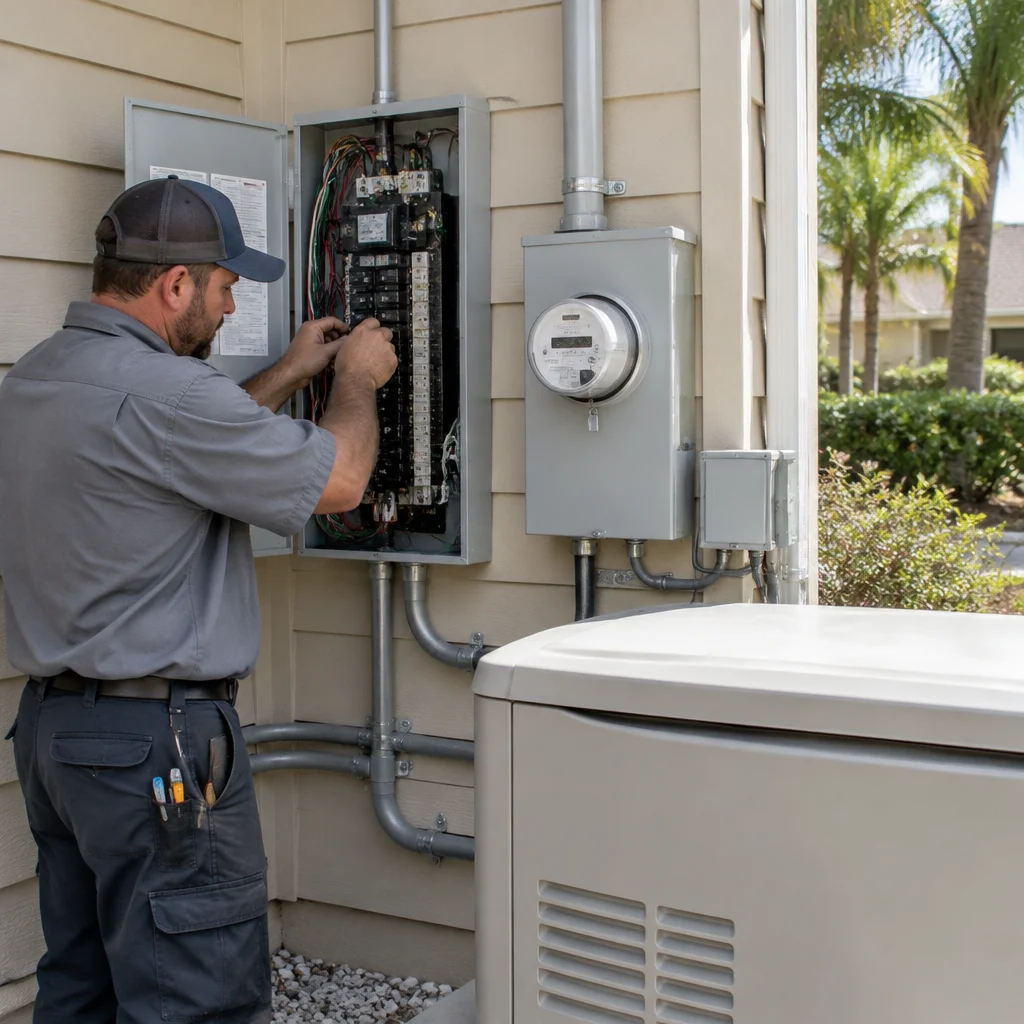
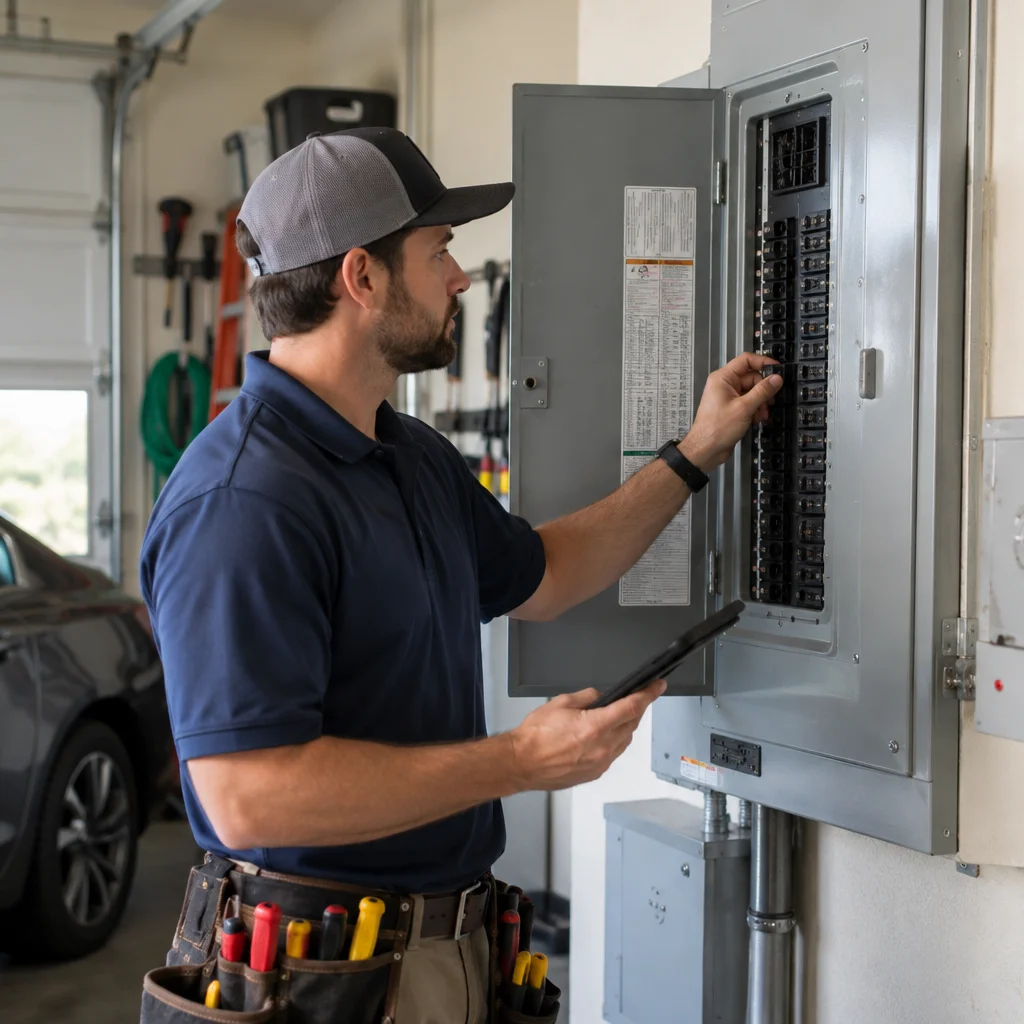
The transfer switch is one of the most important parts of a backup power system. It moves the home from utility power to generator power safely. If it starts to wear out, the generator may not transfer correctly, may fail to start the home circuits properly, or may create intermittent problems during outages.
Because the transfer switch is not something most homeowners see every day, problems can go unnoticed until the next storm. Signs that it may need attention include delayed switching, buzzing sounds, repeated tripping, or systems that behave unpredictably when the generator starts.
In a coastal climate, corrosion and moisture can make these issues more likely over time. Regular inspection helps catch trouble before an outage exposes it.
Fuel and ventilation concerns
Whether the system runs on natural gas or propane, fuel delivery has to stay reliable. Lines can loosen, fittings can corrode, and regulators can age. If the generator does not get the fuel it needs, it may start and then shut down, or it may fail to carry the load during a long outage.
Ventilation is just as important. Standby generators need clear airflow so they can run safely and efficiently. Landscaping, storage items, or added structures near the unit can interfere with proper ventilation over time. A system that once had enough clearance may become restricted as the property changes.
Homeowners should keep the area around the generator clear and avoid stacking items nearby. If the unit seems louder than usual, runs rough, or gives off warning alerts, it may be time for service.
Storm season can create hidden damage
Even when a generator does its job during a storm, the event itself can leave behind issues. Wind can shift the unit slightly, loosen mounting hardware, or blow debris into vents and openings. Heavy rain can expose drainage weaknesses. Lightning and utility surges can also affect electrical components connected to the generator system.
After a major storm, it is smart to inspect the area around the generator, not just the house itself. Look for standing water, damaged conduit, visible rust, loose covers, or debris packed around the unit. If the generator ran during an outage, it may also need a post storm check to make sure it is still ready for the next event.
Homeowners who experienced other storm related home issues may already know how quickly small damage can spread. The same logic applies to backup power. A minor wiring or corrosion problem can become a bigger failure if the system is not reviewed.
Routine maintenance keeps small issues from growing
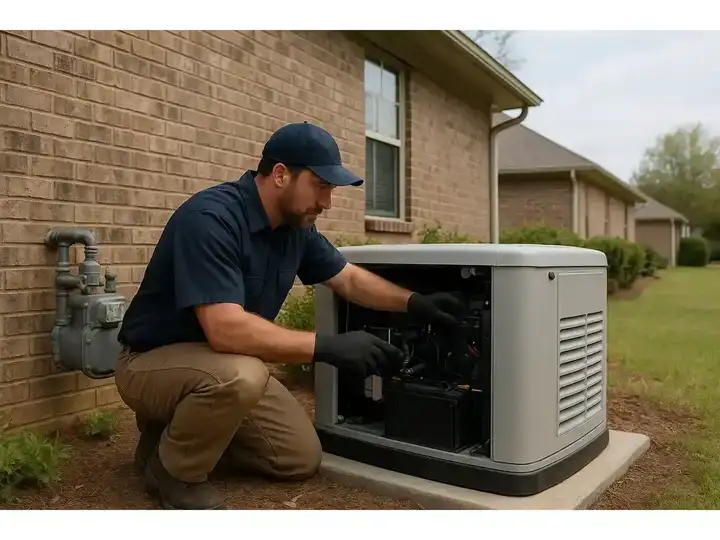
Generator installations last longer when they are maintained on a schedule. That includes oil and filter service when required, battery checks, connection inspections, software or control testing, and cleaning around the unit. In a place like Panama City Beach, maintenance is not optional if you want dependable performance year after year.
Local homes also benefit from checking the area around the generator after heavy rain, high winds, or landscaping work. Trimming plants, keeping mulch away from the pad, and making sure water drains away from the unit can all help. If the generator is near other mechanical systems, it is wise to keep those areas organized too. Homeowners who already schedule service for plumbing or heating may want to coordinate checks for systems that support daily comfort, including drain maintenance and geothermal system reliability.
Good maintenance also makes it easier to spot changes in performance. If the generator starts more slowly than it used to, cycles more often, or shows warning lights, those are early signs that something is changing inside the system.
Home changes that can affect the installation
It is easy to forget that a generator installation is connected to the rest of the property. New additions, remodels, fencing, landscaping, or driveway work can all affect access and performance. Even a change in how the home is occupied can matter. A vacation property that becomes a full time residence may need backup power for different appliances and longer outages.
Homeowners should also think about access for service. If the generator becomes blocked by plants, storage, or new construction, technicians may not be able to inspect it properly. Keeping the area open helps with both safety and maintenance.
If you are planning other home projects, it is a good time to review whether the generator still fits the property. Electrical needs can change quietly over time, especially in homes that have been updated after purchase.
When it makes sense to call a professional
Some generator issues are obvious, like a system that will not start. Others are subtle, like corrosion, weak battery performance, or a transfer switch that does not respond the way it should. If you notice warning lights, strange noises, repeated test failures, fuel odor, or signs of water intrusion, have the system checked right away.
Professional service is also a good idea after major storms, after major home upgrades, or if the generator has not been inspected in a long time. A local technician can evaluate the installation, check the electrical components, confirm proper clearances, and make sure the system still matches the home’s power needs.
For homeowners in Panama City Beach and across Bay County, a dependable backup system starts with correct installation and continues with ongoing care. If your current setup needs attention or you are planning a new installation, Panama City Beach generator service from a local team can help keep the system ready for storm season and everyday outages alike.
A Superior Mechanical provides professional generator installation, upgrades, and service designed for the demands of coastal homes. From placement and transfer switches to long term maintenance, the right approach helps protect your home when the power goes out.
Find Power Generator Installation in Panama City Beach, FL
If you need Power Generator Installation in Panama City Beach, FL, visit our local service page or contact A Superior Mechanical today.
Map of Panama City Beach, FL
Frequently Asked Questions
How does Panama City Beach weather affect a generator installation over time?
Salt air, high humidity, heavy rain, and storm debris can all speed up wear on outdoor generator parts. Over time, those conditions may lead to corrosion, moisture problems, or reduced performance if the system is not maintained.
Can a home addition or remodel affect my generator setup?
Yes. New appliances, HVAC upgrades, or added living space can increase electrical demand. A generator that once fit the home may no longer cover everything you want during an outage.
How often should a standby generator be inspected in Bay County?
Most homeowners benefit from regular annual service, with additional checks after major storms or any time the home’s electrical setup changes. Coastal properties may need closer attention because of salt and humidity.
What are the most common warning signs that a generator needs service?
Watch for slow starts, warning lights, unusual noises, corrosion, fuel issues, or trouble transferring power during tests. These signs often point to problems that should be handled before the next outage.
Related Articles
Photo Gallery