A kitchen sink that drains slowly after dinner is easy to put off. A shower that starts gurgling when the toilet flushes deserves more attention. Both involve drainage, but they may need very different repairs.
For homeowners in Wright, FL, good plumbing maintenance starts with knowing the difference between a fixture clog, a damaged pipe, and a problem farther down the sewer line. This guide explains practical prevention, safe first steps, and how professional clogged drain and pipe cleaning can help keep a small inconvenience from becoming a messy backup.
Why Wright homes benefit from a closer look at drainage
Wright’s warm, humid climate means household plumbing stays busy throughout the year. Showers, laundry, and outdoor water use all add to demand. Summer thunderstorms bring another consideration: heavy rain can expose defects that allow groundwater into damaged sewer piping. Rain should not enter an intact sanitary drainage system, so recurring wet-weather backups warrant investigation.
Homes across this part of Okaloosa County vary in age, layout, and repair history. An older home may have aging drain materials or patched sections, while a newer home can still develop grease blockages, installation-related drainage problems, or clogs from wipes. Pipe condition matters more than assumptions based on the home’s appearance.
Local plumbing service matters because access points, utility connections, and property conditions affect diagnosis. A Superior Mechanical’s Wright service area page provides a starting point for arranging plumbing help tailored to your home.
Read the symptoms before reaching for a drain cleaner
One slow fixture usually suggests a nearby restriction
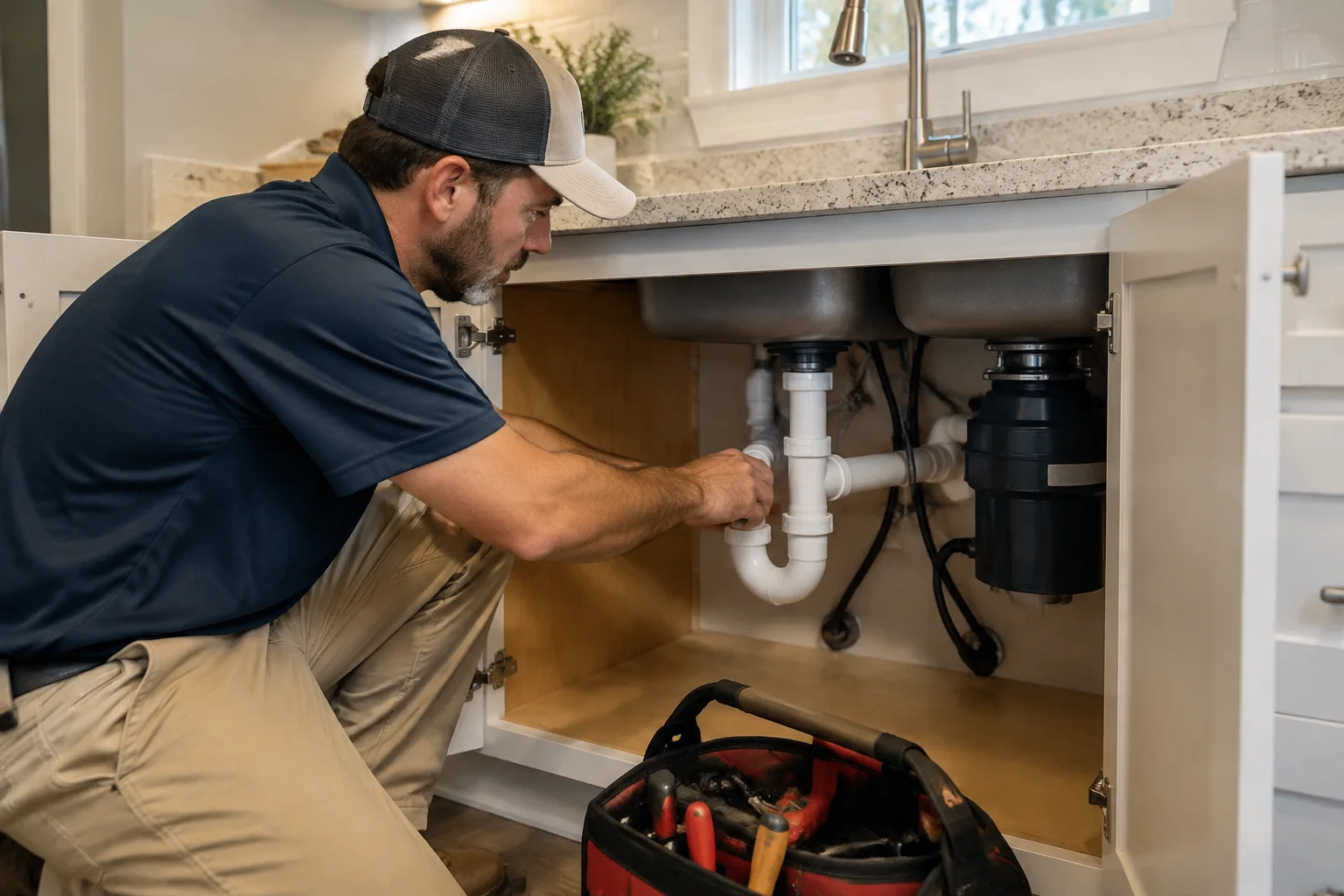
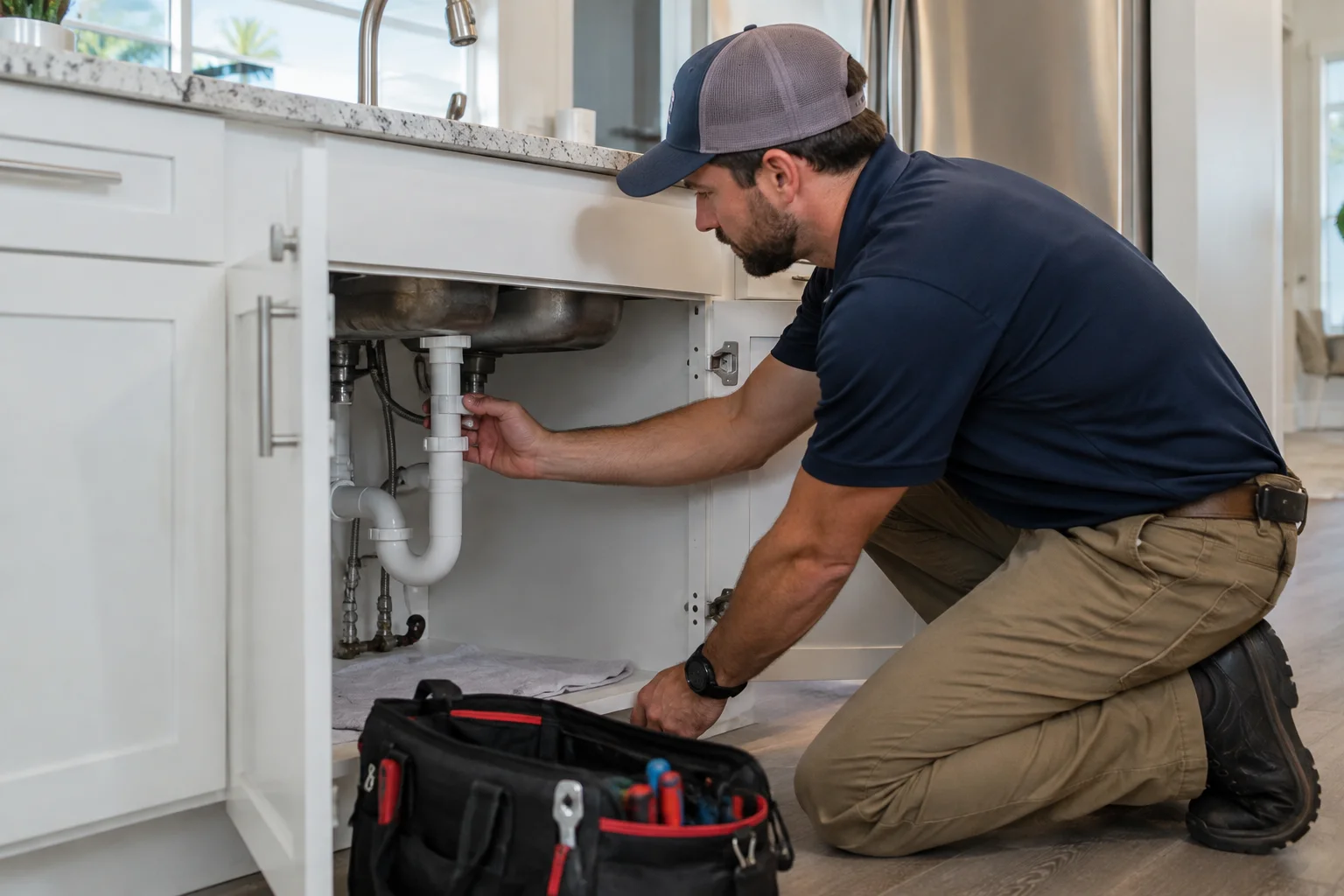
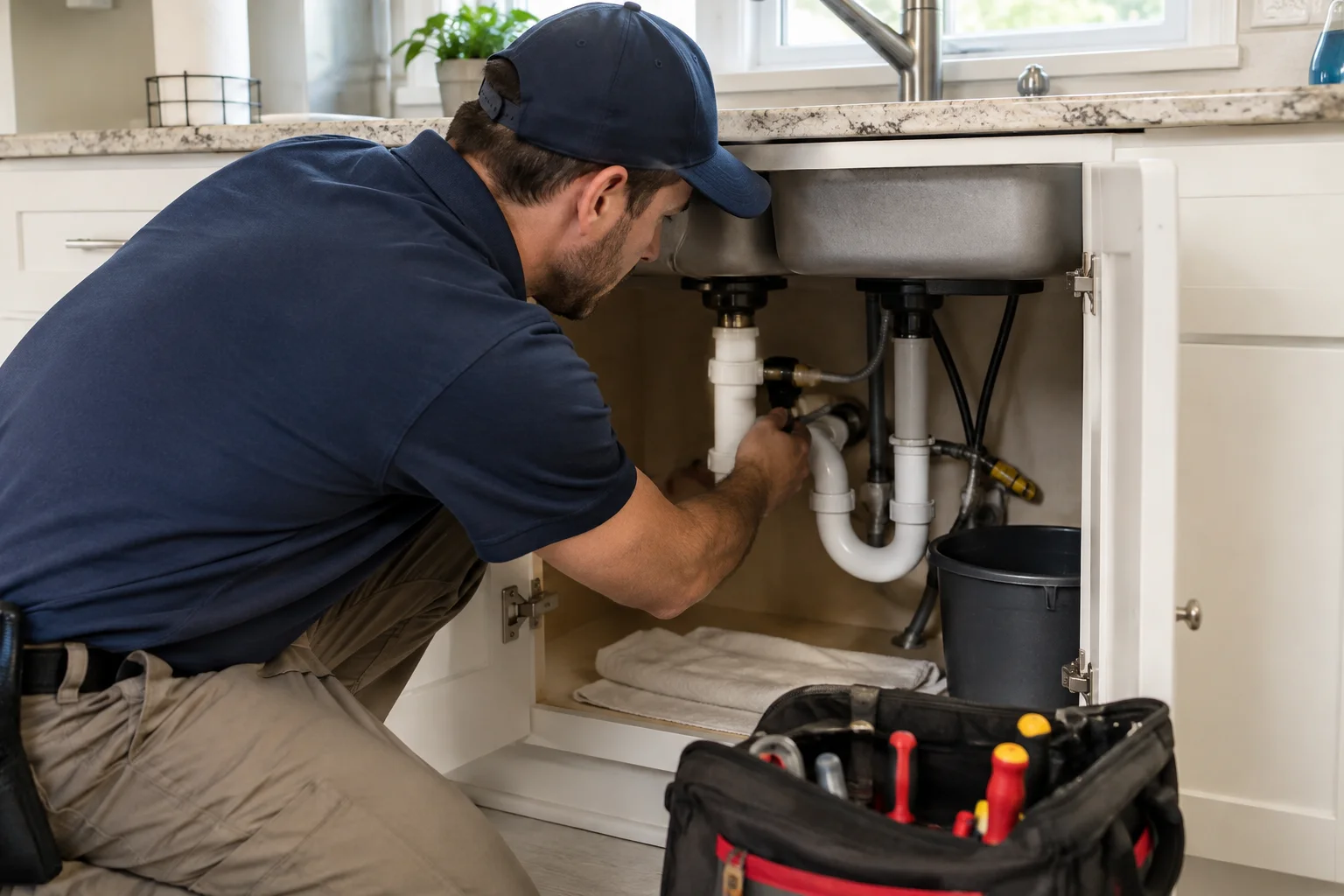
If only the bathroom sink is slow, hair, soap residue, or buildup around the stopper may be responsible. A kitchen sink often collects grease and food debris in the trap or branch drain. These localized clogs do not automatically mean the main sewer line needs cleaning.
Notice whether the problem appeared suddenly or developed over weeks. A sudden blockage may involve an object, while gradually slower drainage often suggests accumulating material. Those details help a plumber choose where to begin.
Several affected fixtures point farther downstream
A toilet that bubbles when the washing machine drains, or a shower that backs up during a flush, may indicate a shared drain restriction. Wastewater appearing in a low shower or tub is especially concerning because it can mean sewage cannot leave the building normally.
For homeowners searching for main drain cleaning near me, the key question is whether the blockage is in a branch line, the building sewer, or another part of the system. Stop running water if additional use causes a backup.
Odors and dampness need their own diagnosis
A sewer odor can come from a dry trap in a rarely used fixture, but it can also involve a failed seal, venting issue, or damaged drain. Persistent dampness under a sink could be a leaking supply connection rather than a clog. Cleaning the drain will not repair either a leaking supply line or a loose waste connection.
What actually builds up inside household pipes
Kitchen grease is a frequent contributor. Warm grease may leave the sink easily, then cool and cling farther along the piping. Food particles catch on that coating until the opening narrows. Running hot water while pouring grease down the drain does not reliably prevent this buildup.
Bathroom drains collect hair, soap, shaving residue, and personal care products. Toilets face a different problem: wipes, paper towels, cotton products, and hygiene items do not break down like toilet paper. Even wipes labeled flushable are best kept out of household plumbing.
Outside the home, roots can enter defective sewer joints or cracks. Settled piping can create a low spot that holds waste, and deteriorated pipe surfaces can repeatedly catch debris. Cleaning may restore flow temporarily, but damaged or poorly pitched piping may require repair.
Safe first steps for a slow sink or tub
Start by checking the accessible strainer or stopper. Wear gloves and remove visible hair or debris without pushing it deeper. If the fixture contains only ordinary wastewater and no chemical cleaner, an appropriate plunger may help with a minor blockage. Use a sink plunger for sinks and a flange plunger for toilets.
For a sink, cover the overflow opening if present and use controlled strokes rather than excessive force. Stop if connections leak or the fixture seems unstable. Do not plunge a drain after adding chemical cleaner because splashing can cause serious injury.
Avoid mixing drain products or combining them with bleach. Chemical cleaners can create hazards, may be unsuitable for certain materials, and will not fix broken piping. If a product has already been used, tell the plumber exactly what it was before work begins.
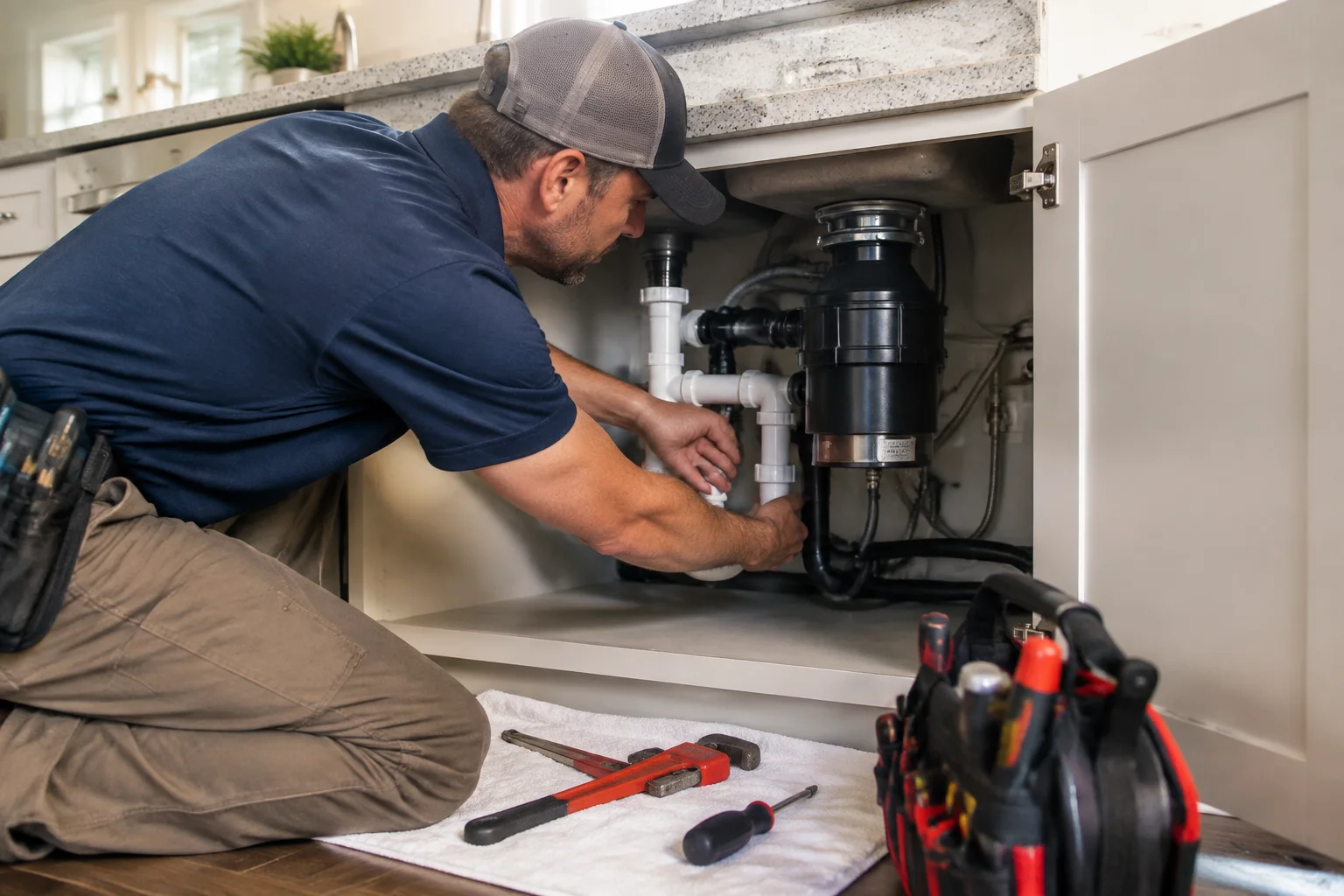
Keep hands and tools out of a garbage disposal unless electrical power has been disconnected and the manufacturer’s instructions are being followed. A humming disposal, a jammed mechanism, and a clogged downstream drain are different problems. Repeatedly resetting the unit is not a substitute for diagnosis.
Professional pipe cleaning should match the problem
Effective clogged drain and pipe cleaning in Wright, FL starts with identifying which fixtures are affected and where the restriction likely sits. Tell the technician about previous backups, recent repairs, and whether heavy rain changes the symptoms.
Cabling can clear an obstruction
A properly selected drain cable can break through or retrieve certain blockages. Tool size and technique matter, particularly with older piping, tight fittings, or fragile fixtures. Opening a path through a clog may restore drainage, but recurring buildup can require additional cleaning or inspection.
Hydro jetting can remove broader buildup
Hydro jetting uses pressurized water to clean pipe interiors. It can be useful for grease, sludge, and some root intrusion, but it is not the right choice for every line. The plumber should consider pipe material, structural condition, access, and the nature of the blockage before recommending it.
A camera helps explain recurring trouble
If the same line keeps backing up, a sewer camera inspection can help reveal roots, displaced joints, standing water, or visible damage. A blocked or dirty pipe may need initial clearing before the camera can provide useful views.
Homeowners searching for sewer inspection near me should ask how the findings will guide the repair. A camera is a diagnostic tool, not a repair itself, and it cannot identify every hidden leak or measure water pressure.
Separate drainage trouble from pressure and leak problems
Drain piping carries wastewater away, generally by gravity. Supply piping delivers water under pressure. Low faucet flow may come from a clogged aerator, a partly closed valve, mineral buildup, or a supply issue. It does not necessarily indicate a clogged drain.
Excessive supply pressure can stress fixture connections, valves, and appliances. A plumber can measure pressure and evaluate whether regulation is needed. If only one faucet has weak flow, checking that fixture is usually more useful than assuming the whole house needs pipe cleaning.
Watch for cabinet staining, damp flooring, unexplained water use, or the sound of running water when fixtures are off. In slab-foundation homes, an unexplained warm floor area or persistent moisture can justify testing for a slab leak, although neither symptom proves one exists.
If you are searching for pipe leak repair near me, explain whether the moisture appears during fixture use or continues when everything is off. That distinction can help separate drain leaks from pressurized supply leaks. Prompt testing is safer than guessing where to open a wall or floor.
Hard water, fixtures, and water heaters belong in the maintenance plan
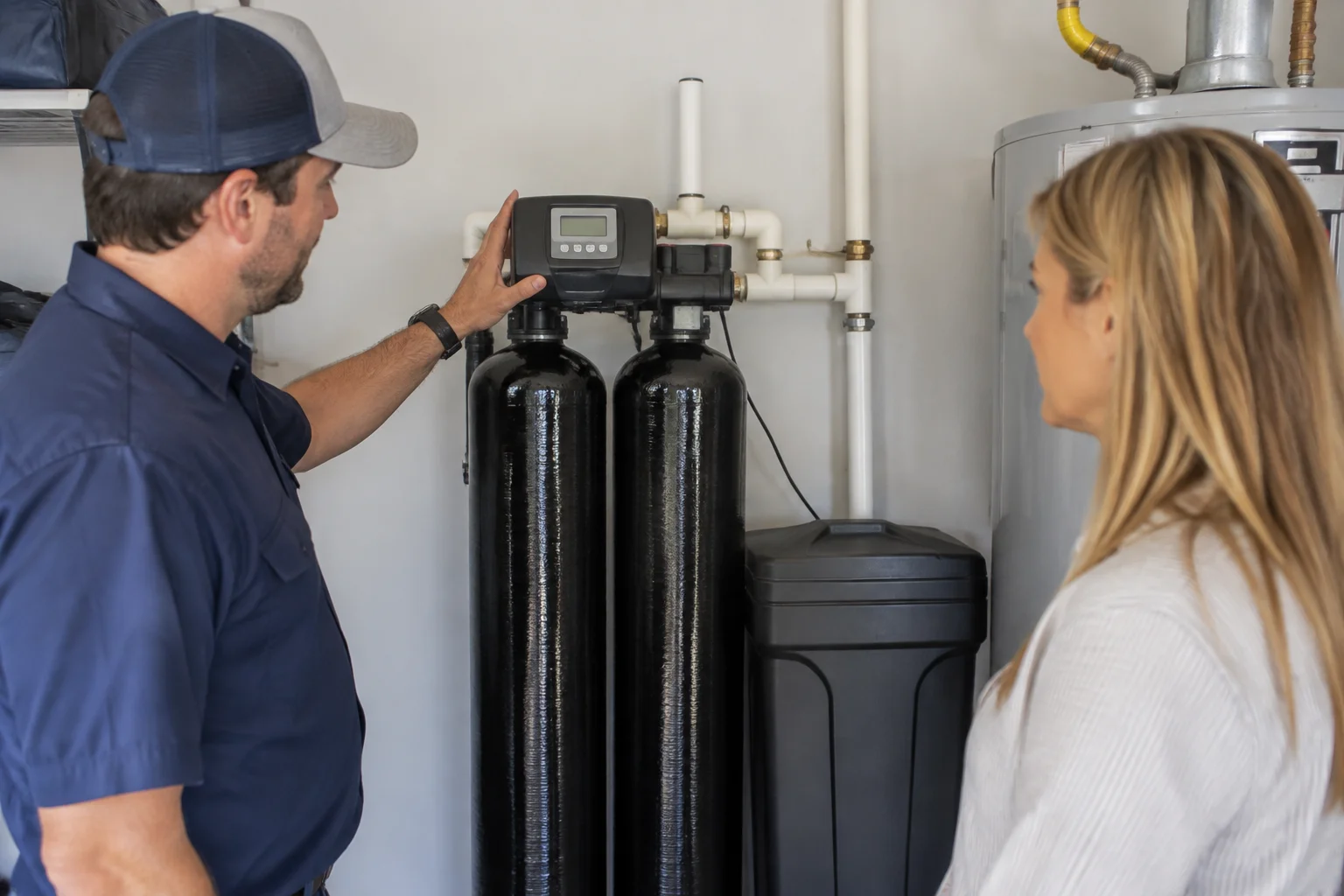
Mineral content varies by water source and household treatment. White deposits around faucets may suggest mineral scale, but a water test is more useful than assuming every Wright home has the same hardness. Scale can restrict aerators and showerheads and contribute to maintenance needs in water heaters.
Water treatment should match the measured problem. Standard filtration does not necessarily remove hardness, and a point-of-use drinking water system does not protect every pipe in the home. Explore water filtration services in Wright and this guide to cleaner water and fewer mineral spots for context before selecting equipment.
Water heaters need separate attention. Sediment, scale, deteriorating connections, and temperature or pressure issues can affect performance. They generally do not cause a bathroom drain clog. Schedule water heater service for tank leaks, unreliable hot water, or maintenance recommended for your model. Never cap a dripping temperature and pressure relief discharge line.
For broader maintenance planning, read about water heater problems and plumbing wear in Wright homes. Address running toilets and dripping faucets too. They waste water even when drains work correctly, and thoughtful fixture replacement may make sense when repeated repairs no longer provide dependable results.
Small habits that reduce clogs and repeat service calls
Let cooking grease cool in a suitable container and dispose of it with household trash according to local guidance. Wipe greasy cookware before washing. Use sink strainers and shower hair catchers, and empty them regularly rather than waiting for water to pool.
Treat a garbage disposal as a convenience, not a substitute for the trash. Keep fibrous scraps, bones, grease, and large food loads out. Flush only human waste and toilet paper, and make sure guests and children know where other products belong.
Periodically inspect accessible supply lines, drain connections, and water heater surroundings for moisture. Know where the main water shutoff is, and keep sewer cleanouts accessible. Do not open a cleanout during an active backup because wastewater may escape under pressure.
Professional cleaning frequency should reflect your home’s history. A line with repeated root intrusion needs a different plan from a healthy drain with an isolated hair clog. Ask for maintenance recommendations based on actual findings rather than an automatic annual cleaning schedule.
Know which plumbing problems cannot wait
Sewage backing into living areas, several unusable fixtures, an active supply leak, or water near electrical equipment requires prompt action. For an active supply leak, shut off the main water valve if it is safely accessible. For a sewer backup, stop flushing toilets and using sinks, showers, laundry equipment, and dishwashers.
Keep people and pets away from wastewater. Do not enter standing water near electrical hazards. If you are searching for emergency drain cleaning near me, describe the affected fixtures, whether sewage is present, and any chemical products used. Ask about current availability and immediate safety steps.
For recurring slow drains or a first-time backup, contact A Superior Mechanical to discuss clogged pipe and drain service in Wright. Share the symptoms and repair history so the visit can focus on the likely cause. Homeowners elsewhere nearby can also review the company’s Okaloosa County service area before arranging help.
Find Clogged Drains & Pipe Cleaning in Wright, FL
If you need Clogged Drains & Pipe Cleaning in Wright, FL, visit our local service page or contact A Superior Mechanical today.
Map of Wright, FL
Frequently Asked Questions
How can I tell whether a clog is in one drain or the main sewer line?
One slow fixture often points to a nearby trap or branch drain restriction. Several affected fixtures, toilet bubbling during laundry, or wastewater backing into a shower may indicate a shared drain or sewer problem. Stop using water if it causes a backup and arrange professional diagnosis.
Is hydro jetting safe for older pipes in Wright homes?
It depends on the pipe material and condition, not just its age. Hydro jetting can remove buildup effectively, but cracked, deteriorated, or otherwise compromised piping may need a different approach. A plumber should evaluate the line and determine whether camera inspection is appropriate before recommending cleaning.
How often should I schedule professional drain cleaning?
There is no single schedule that fits every home. Occasional localized clogs may only need service when symptoms develop, while recurring grease buildup or root intrusion may justify planned maintenance. Base the schedule on inspection findings, household use, and the cause of previous backups.
Related Articles
Photo Gallery