Freeport, FL has a way of putting HVAC systems to work. Long cooling seasons, high humidity, sudden summer storms, and salt-laced air from the coast all add stress to equipment. For homeowners with larger homes, rental properties, home offices, or mixed-use spaces, the same habits that protect commercial systems can also help prevent costly breakdowns at home.
That is why many local property owners look to commercial HVAC services in Freeport, FL for a more durable, maintenance-focused approach. A Superior Mechanical serves offices, retail spaces, restaurants, hospitality properties, and multi-site facilities, but the same attention to airflow, refrigerant performance, controls, and duct condition can benefit homes across Walton County too. If you are comparing service options in the area, it also helps to understand the broader Freeport service area and how local conditions shape HVAC wear.
Why Freeport HVAC systems wear out faster than expected
Freeport weather puts a heavy load on cooling equipment for much of the year. Humidity makes systems run longer because the unit has to remove moisture as well as heat. When a system cycles too often, it can drive up energy use and shorten the life of motors, capacitors, compressors, and blower components.
Local homes also face a few practical challenges. Newer neighborhoods may have tighter building envelopes, which can be efficient but unforgiving if ductwork leaks or airflow is unbalanced. Older homes may have aging duct runs, undersized returns, or equipment that was never matched well to the home’s actual cooling needs. In coastal Walton County, salt air and storm moisture can also speed up corrosion on outdoor components and electrical connections. For properties spread across the county, the conditions may vary from lot to lot, but the maintenance needs are still very real. That is one reason homeowners often look to Walton County HVAC service providers that understand local construction styles and weather patterns.
Commercial habits that help residential systems last longer
Commercial HVAC service is usually built around prevention. Instead of waiting for a system to fail, technicians inspect components regularly, clean critical parts, and correct small issues before they turn into downtime. Homeowners can borrow that same mindset.
Keep airflow steady
Airflow problems are one of the fastest ways to wear out a system. Dirty filters, blocked returns, closed supply vents, and dust buildup in ducts all force the equipment to work harder. In Freeport, where systems can run for months with few breaks, even a small airflow restriction can lead to frozen coils, overheated motors, or poor humidity control.
If you have noticed uneven temperatures, weak airflow in certain rooms, or more dust than usual, a duct inspection can reveal leaks, buildup, or disconnected sections before they become bigger repairs. For a deeper look at how dust and debris affect performance, see Keeping Freeport Ducts Clean Before Small HVAC Issues Grow.
Watch humidity, not just temperature
In humid climates, a system that cools but does not dehumidify well can still leave the home uncomfortable. Excess moisture can make rooms feel warmer, encourage mold growth, and create musty odors. Commercial systems often include tighter controls to manage moisture, and that same focus helps in homes where indoor comfort matters year-round.
If your home feels sticky even when the thermostat is set low, or if you see condensation around vents, ducts, or windows, it may be time to schedule indoor air quality testing. Testing can help identify humidity issues, ventilation problems, and contaminants that may be affecting comfort.
Protect electrical and mechanical parts
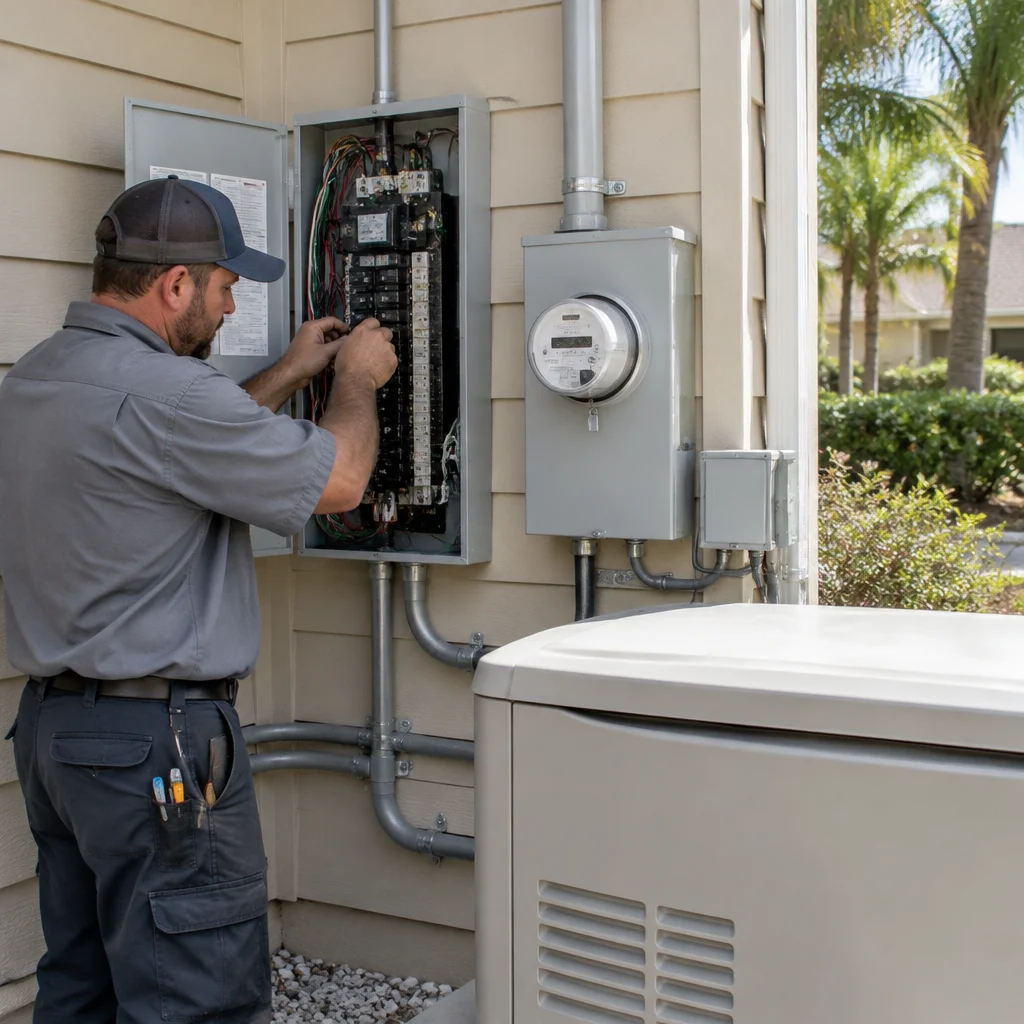
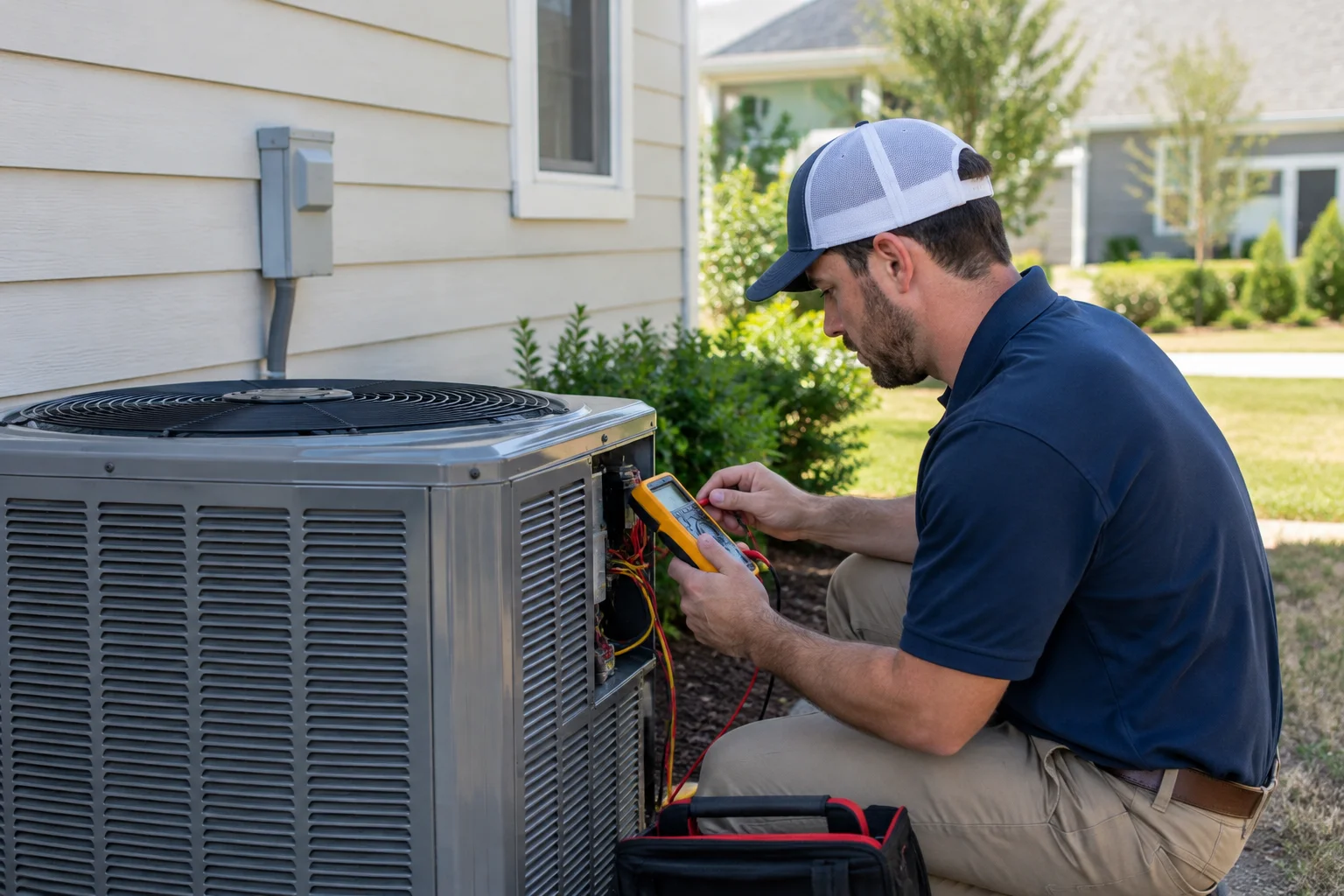
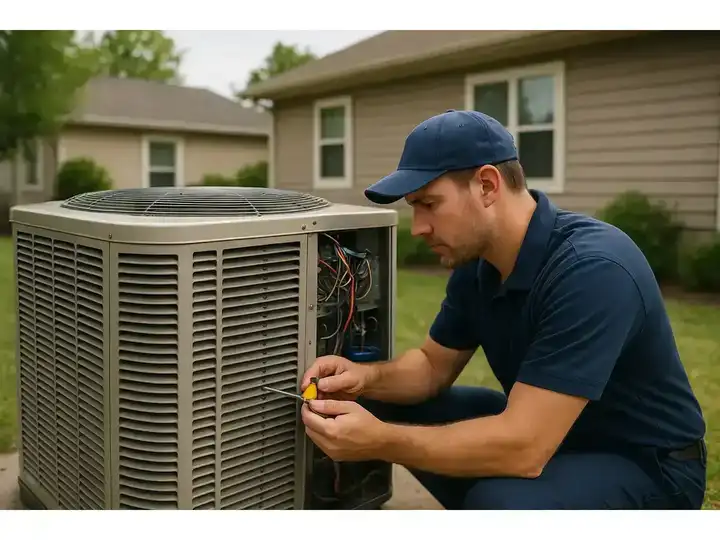
Many breakdowns start with small electrical problems. Loose wiring, worn contactors, weak capacitors, and failing relays can all cause intermittent operation before a complete shutdown happens. In commercial settings, those problems are caught during routine service because downtime is expensive. Homeowners can benefit from the same preventive approach by having a technician inspect the system before peak cooling season and again after major weather events.
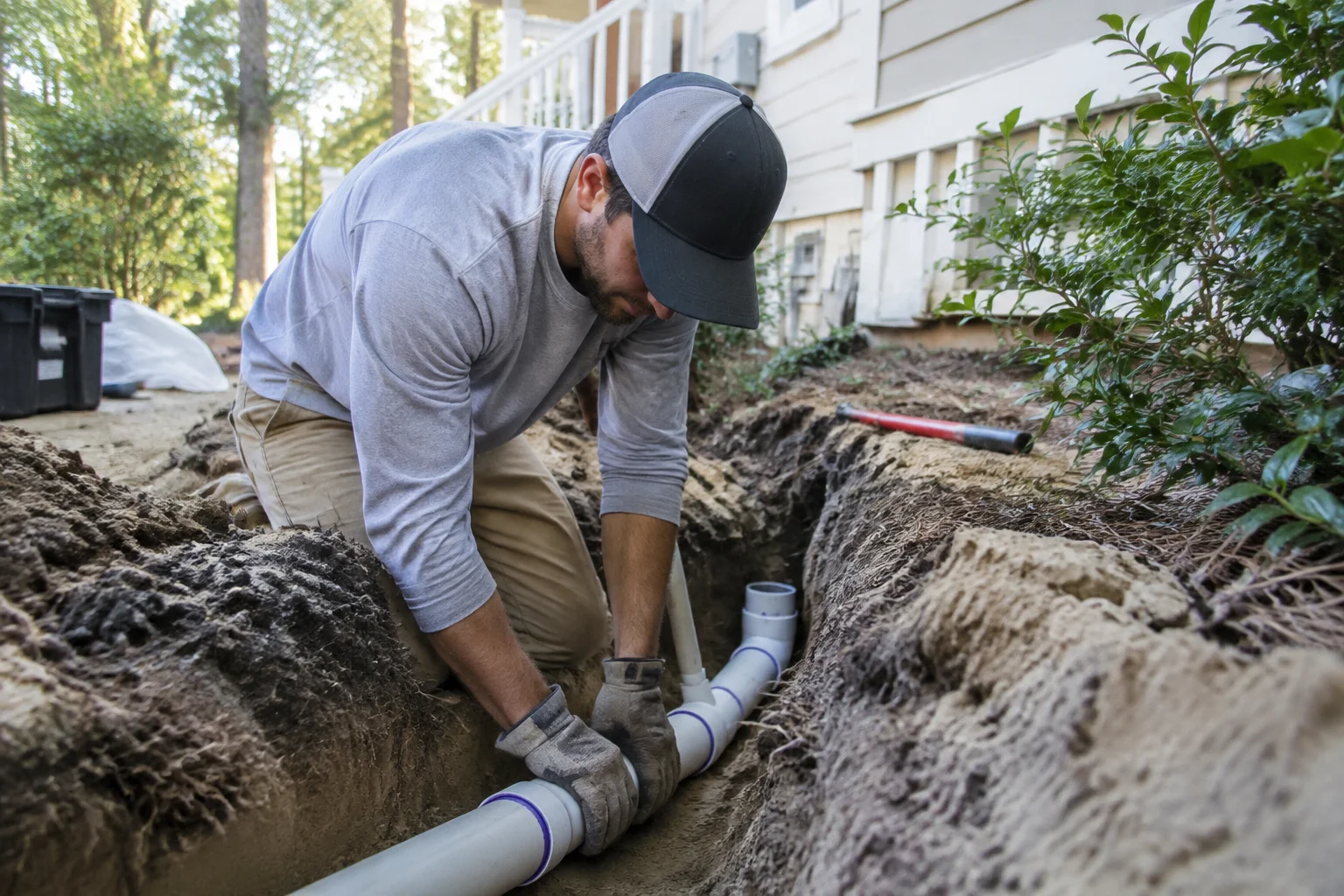
When an outdoor unit shows rust, buzzing, or repeated tripping, do not keep resetting the breaker and hoping it clears up. That pattern often points to a mechanical issue that needs professional attention. If the problem is tied to aging lines or damaged connections, pipe replacement may be part of the solution, especially in homes with older or storm-damaged infrastructure.
How local building styles in Freeport affect HVAC performance
Freeport includes a mix of newer subdivisions, custom homes, rental properties, and small commercial spaces. That variety matters because HVAC systems do not perform the same way in every building. A system that works well in one home may struggle in another if the duct layout, insulation, attic conditions, or window exposure are different.
Homes with open floor plans often need balanced zoning or careful duct design to keep bedrooms, living spaces, and additions comfortable. Houses with bonus rooms over garages or additions built later may have hot spots that never seem to cool evenly. In those cases, commercial-style planning can help. Zoning, duct balancing, and equipment sizing should all be based on how the space is actually used, not just square footage on paper.
That is also why local service matters. A technician who works in Freeport and across Walton County is more likely to understand how humidity, insulation levels, attic heat, and storm exposure affect performance. For homeowners comparing cooling options, air conditioning services can be a practical starting point when the goal is better comfort and fewer surprises.
Everyday warning signs that deserve attention
Some HVAC issues build slowly. Others show up all at once. Either way, the earlier you catch the problem, the less likely it is to turn into a major repair.
Uneven cooling from room to room
If one area of the house stays warm while another feels too cold, the cause may be airflow imbalance, duct leakage, or a thermostat issue. In larger homes and properties with multiple levels, that imbalance can put extra strain on the system because it runs longer trying to satisfy the thermostat.
Short cycling
A unit that turns on and off too frequently is not operating efficiently. Short cycling can be caused by dirty coils, low refrigerant, thermostat problems, or an oversized system. It also increases wear on compressors and fan motors.
Higher utility bills without a clear reason
When energy bills rise even though your habits have not changed, the HVAC system is often part of the story. Dirty ducts, clogged filters, failing parts, and low refrigerant can all reduce efficiency. In a climate like Freeport’s, where cooling demand is already high, small inefficiencies add up fast.
Musty or stale odors
Odors can point to moisture in the system, dirty ductwork, or microbial growth. They may also suggest drainage issues around the indoor unit. If the smell gets stronger when the AC starts, the system should be checked soon.
Preventive maintenance that actually reduces breakdowns
The best way to avoid emergency service is to stay ahead of wear. Commercial properties do this because one failed unit can affect business operations. Homeowners can use the same strategy to protect comfort and budget.
Start with filter changes on a consistent schedule. In a dusty or high-use home, filters may need to be replaced more often than the package suggests. Keep outdoor units clear of leaves, weeds, and debris so airflow is not restricted. Make sure condensate drains are clear, especially during the muggy months when systems produce more moisture.
Seasonal tune-ups are also worth it. A maintenance visit can include coil cleaning, refrigerant checks, electrical testing, thermostat calibration, and a review of duct condition. Those steps help catch small issues before they turn into compressor failures or water damage. If your system has been struggling through several hot seasons, it may also be time to compare repair costs with replacement options, especially if the equipment is older and parts are harder to find.
For homeowners who want to reduce the chance of an urgent summer outage, this related guide can help: Tips for Avoiding Emergency Air Conditioning Repair in Freeport, FL.
When a professional should take a closer look
Some HVAC tasks are safe for homeowners, like changing filters or keeping the outdoor unit clear. But if the system is making unusual noises, leaking water, tripping breakers, blowing warm air, or struggling to keep up during normal weather, it is time for a professional diagnosis.
That is especially true in Freeport, where a minor issue can become a bigger one during a long stretch of heat and humidity. A technician can test components, measure airflow, inspect refrigerant levels, and look for duct or control issues that are easy to miss without the right tools. If the project involves a new build or a major system change, there is also value in reading about What to Expect From New Construction Air Conditioning in Freeport, FL, since proper planning early on can prevent years of comfort problems later.
Why commercial HVAC experience helps homeowners
Commercial HVAC work is built around reliability, speed, and long-term performance. Those priorities matter at home too, especially in a place like Freeport where cooling systems work hard for much of the year. A technician who is used to servicing commercial equipment tends to look closely at airflow, controls, system balance, and preventive maintenance, which can lead to better results for larger homes and properties with more demanding comfort needs.
That perspective also helps when service needs extend beyond the unit itself. Ductwork, indoor air quality, zoning, and even piping can all affect how well a system performs. A property may not need a full commercial setup, but it can still benefit from commercial-grade attention to detail. If you want a broader look at how this kind of service is handled in nearby markets, this article on Commercial HVAC Services in Sandestin, FL: Answers to Common Questions offers another useful local comparison.
For homeowners and property managers in Freeport, the goal is simple: fewer breakdowns, steadier comfort, and a system that can handle Florida weather without constant surprises. Working with a local team that understands Walton County homes, humidity, and coastal wear can make that a lot easier.
Find Commercial HVAC Services in Freeport, FL
If you need Commercial HVAC Services in Freeport, FL, visit our local service page or contact A Superior Mechanical today.
Map of Freeport, FL
Frequently Asked Questions
Can commercial HVAC service help a home in Freeport, FL?
Yes. Homes with larger layouts, multiple zones, rental turnover, or higher cooling demands can benefit from the same preventive approach used in commercial HVAC service, including airflow checks, duct inspection, and regular maintenance.
Why does humidity cause more HVAC problems in Freeport?
High humidity makes systems run longer because they have to remove moisture as well as heat. That extra runtime can increase wear on motors, compressors, and drainage parts, especially during long Florida summers.
How often should I schedule HVAC maintenance in Walton County?
Most systems should be serviced at least once a year, and many Freeport homeowners benefit from twice yearly checks before peak cooling season and after heavy storm periods.
What local issue causes the most HVAC strain?
In Freeport, the biggest strain usually comes from long cooling seasons combined with humidity and salt air exposure. Dirty ducts, clogged filters, and weak drainage can make the problem worse.
Related Articles
Photo Gallery