In 30A, comfort is not just about temperature. It is about humidity control, steady airflow, and keeping a business running through long cooling seasons, salty air, and heavy guest traffic. For restaurants, retail spaces, offices, hospitality properties, and mixed-use buildings, a commercial HVAC system has to work harder here than it would in a milder inland market. That is why the quality of the installation matters so much.
When a system is sized correctly, installed with the right components, and matched to the building’s actual load, it tends to run smoother and break down less often. Poor installation, on the other hand, can create years of avoidable repairs, uneven cooling, and higher energy bills. If you are planning commercial HVAC installation in 30A, FL, it pays to think beyond the equipment label and focus on how the system will perform in Walton County’s coastal climate.
Why 30A’s climate is hard on commercial HVAC systems
30A sits close to the Gulf, which means warm temperatures, high humidity, salt in the air, and frequent demand for cooling. Those conditions can wear on coils, electrical parts, drain lines, and ductwork. Buildings near the coast also deal with more moisture intrusion, which can lead to corrosion and indoor air quality problems if the HVAC system is not designed and installed with that in mind.
In many parts of Walton County, commercial buildings are also used seasonally or see spikes in occupancy during peak tourism months. That creates another challenge. A system may seem fine in the off season, then struggle when the space fills up and the doors open and close all day. Good installation should account for those swings instead of relying on a one size fits all approach.
For business owners comparing options across 30A and nearby parts of Walton County, local experience matters. A system designed for inland Florida may not hold up as well near the coast, especially if it is not protected against corrosion or matched to the building’s real humidity load.
Installation mistakes that often lead to breakdowns
Many commercial HVAC problems start long before the first service call. Some of the most common issues are tied directly to installation decisions.
Improper sizing
A unit that is too small will run constantly and still fail to keep the building comfortable. A unit that is too large can short cycle, which means it turns on and off too often. That creates uneven temperatures, poor humidity removal, and extra wear on compressors and controls. In a coastal climate like 30A, short cycling can be especially rough on equipment because the system never gets enough steady run time to dehumidify properly.
Poor duct design
Ductwork that is undersized, leaky, or poorly routed can make even a high quality system perform badly. Air loss forces the equipment to work harder, and that strain can show up later as fan issues, frozen coils, and comfort complaints from tenants or guests. If duct leakage is a concern, it is worth reading Why duct sealing matters in 30A homes and how Aeroseal helps cut hidden HVAC losses. The same basic principle applies to many commercial buildings as well.
Weak humidity control
In 30A, a system that cools but does not remove enough moisture is not really doing the job. Excess humidity can make a space feel sticky, encourage mold growth, and put extra load on the system as occupants lower the thermostat to compensate. Better installation includes attention to latent load, airflow, and equipment selection so the system can manage both temperature and moisture.
Corrosion prone materials
Coastal air can be tough on coils, fasteners, cabinets, and electrical connections. If the installer does not choose coastal ready equipment or protective materials, corrosion can start early and spread quickly. That often leads to refrigerant leaks, electrical failures, and reduced efficiency. Businesses that want longer lasting performance should look for systems and installation methods built for salt air conditions.
Drainage and condensate problems
High humidity means more condensate. If drain pans, lines, or traps are not installed correctly, water can back up, overflow, or create hidden damage inside the building. Clogged or poorly pitched drain lines are a common cause of shutdowns and indoor water issues. In some cases, related water quality concerns can also affect plumbing fixtures and equipment, which is why services like Water Softening and Waterline Services can be relevant in properties with broader moisture or mineral buildup concerns.
What reliable installation looks like in a coastal market
A dependable commercial HVAC installation in 30A should start with a proper load calculation. That means looking at square footage, insulation, window exposure, occupancy, equipment heat, ventilation needs, and how the building is actually used. A restaurant kitchen, boutique retail shop, and beachfront office do not need the same setup.
From there, the system should be designed around the building instead of forcing the building to fit the equipment. That includes duct layout, zoning, thermostat placement, ventilation, and service access. In many commercial spaces, a mix of rooftop units, split systems, or even Ductless Mini-Splits may make sense for certain areas where flexibility and targeted cooling are important.
Reliable installation also means using corrosion resistant parts, sealing penetrations, testing airflow, and verifying that the condensate system drains properly. These details may not be visible to customers, but they have a direct effect on how often the system breaks down later.
Local businesses benefit from a system built for their building, not a generic template
Commercial properties in 30A are not all the same. A beachside café, a professional office, and a small resort each have different comfort demands, operating hours, and maintenance needs. A good installer should ask how the space is used during peak season, how often doors stay open, whether the building has high internal heat gain, and whether there are areas that tend to run too warm or too damp.
This is where local service makes a real difference. An HVAC contractor who works regularly in 30A and throughout Walton County understands the effect of salt air, humidity, and tourism driven usage. That local knowledge helps with equipment selection, placement, and planning for maintenance access. It also helps avoid the kind of installation shortcuts that can lead to repeated service calls after the first hot season.
If your property has other maintenance issues that affect comfort or operations, it may be worth coordinating work across systems. For example, drainage problems can contribute to indoor moisture concerns, and clogged lines can affect sanitation in commercial kitchens. In some cases, Hydro Jetting may be part of a broader property maintenance plan when plumbing buildup becomes a recurring issue.
How homeowners and property managers can spot early trouble
Even with a good installation, commercial HVAC systems still need regular attention. Early warning signs often show up before a major breakdown.
Uneven temperatures from one room to another can point to airflow or duct issues. Rising utility bills may mean the system is running longer than it should. Musty odors can suggest excess humidity or hidden moisture. Frequent thermostat adjustments, short cycling, and loud startup noises can also signal a problem with sizing, controls, or electrical components.
In 30A, it is smart to pay attention to any sign that the system is not handling humidity well. A space that feels cool but damp can create complaints from staff and guests long before the system fails completely. That is especially true in hospitality settings, where comfort and first impressions matter every day.
Maintenance habits that support a stronger installation
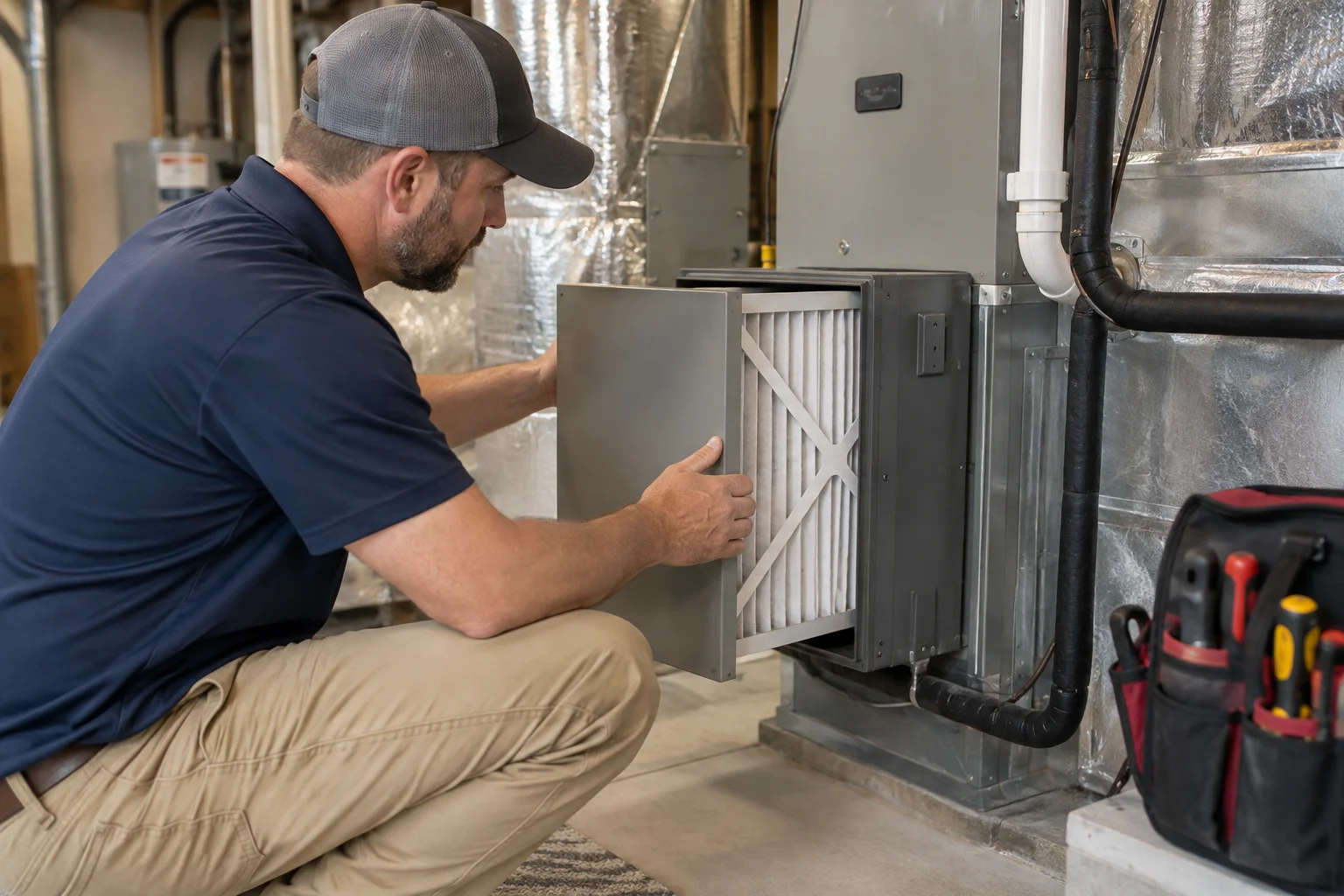
Good installation gives a system a strong start, but routine maintenance keeps it reliable. Coastal commercial properties should stay ahead of salt buildup, dirty coils, clogged drains, and loose electrical connections. Filters should be checked regularly, coils should be cleaned as needed, and drain lines should be inspected before the humid season ramps up.
It also helps to keep records of service visits, repair history, and seasonal performance. If a system keeps developing the same issue, that pattern can reveal a design or installation problem that needs to be corrected rather than patched again and again.
For businesses that want to reduce hidden energy loss and improve comfort consistency, it can also help to review the building envelope. Air leaks around doors, windows, and duct connections can make even a well installed HVAC system work harder than necessary. That is why local building conditions and system design should be considered together, not separately.
Choosing the right partner for commercial HVAC installation in 30A
When you invest in a new commercial system, you are not just buying equipment. You are buying the design, the installation quality, and the long term performance that follows. A Superior Mechanical provides commercial HVAC installation in 30A, FL with custom system design, coastal ready equipment, and energy efficient comfort for Walton County businesses.
That matters for buildings that need dependable cooling through the busiest months of the year. It also matters for owners who want fewer breakdowns, lower operating stress, and better control over indoor conditions. Whether the project is a new build, a replacement, or a system upgrade, the right installation can make a noticeable difference from the first season onward.
For property owners comparing service options across the coast, it helps to work with a team that understands the climate, the construction style, and the demands of local businesses. If your current system is struggling, or if you are planning a new installation and want it done the right way the first time, a local assessment is the best place to start.
Find Commercial HVAC Installation in 30A, FL
If you need Commercial HVAC Installation in 30A, FL, visit our local service page or contact A Superior Mechanical today.
Map of 30A, FL
Frequently Asked Questions
Why does commercial HVAC installation matter so much in 30A, FL?
30A’s heat, humidity, and salt air can be hard on commercial equipment. Proper installation helps the system cool evenly, remove moisture, and resist coastal wear, which can reduce breakdowns and extend equipment life.
What problems usually come from a poor commercial HVAC installation?
Common issues include incorrect sizing, leaky ductwork, weak humidity control, drainage problems, and early corrosion. These can lead to comfort complaints, higher energy bills, and repeated repair calls.
How often should a commercial HVAC system be checked in coastal Walton County?
Most systems benefit from regular seasonal maintenance, and coastal properties often need closer attention because of salt exposure and heavy cooling demand. A local HVAC professional can recommend a schedule based on the building and equipment.
Can better installation really lower future repair costs?
Yes. A system that is sized and installed correctly usually runs more efficiently and experiences less strain. That often means fewer emergency repairs, fewer humidity problems, and better long term performance.
Related Articles
Photo Gallery