In 30A, plumbing does not get much of a break. Coastal humidity, salt air, heavy seasonal use, and the mix of full time homes, vacation rentals, restaurants, and small commercial spaces all put pressure on pipes and fixtures. For property owners, that often means more leaks, slower drains, and unexpected repair costs right when occupancy is highest.
That is why many homeowners and property managers in Walton County look at plumbing the same way they look at HVAC or roof care: as a system that needs routine attention before small issues turn into expensive disruptions. If you manage a rental, live in a multi unit property, or own a home that sees frequent guest turnover, working with commercial plumbing services in 30A, FL can help keep everything running smoothly through the busiest months.
Local service matters here because 30A homes and buildings face conditions that inland properties do not. Salt exposure can speed up corrosion. Sand and debris can clog drains. Long periods of vacancy can hide leaks until they have already damaged cabinets, floors, or walls. A plumber who works in 30A and throughout Walton County understands those patterns and can recommend maintenance that fits the area, not just a generic checklist.
Why seasonal stress hits 30A plumbing so hard
Seasonal stress usually shows up in two ways. First, there is the increase in occupancy. Vacation homes, beach rentals, restaurants, and retail spaces all see heavier water use when visitors arrive. More showers, more laundry, more dishwashing, and more restroom traffic can overwhelm fixtures and drains that were already running close to capacity.
Second, there is the coastal environment itself. 30A’s warm, humid climate keeps plumbing under constant pressure. Metal parts corrode faster, outdoor fixtures wear out sooner, and warm temperatures can encourage buildup inside drains and water lines. In some neighborhoods, older plumbing systems may also be dealing with mineral deposits, aging shutoffs, or previous repairs that were never fully updated.
For homes and commercial properties alike, that combination can create recurring problems such as:
- Slow drains or frequent clogs
- Running toilets and worn flappers
- Leaky faucets and fixture corrosion
- Water heater strain during peak use
- Low water pressure from buildup or hidden leaks
- Odors from drains that are not being used regularly
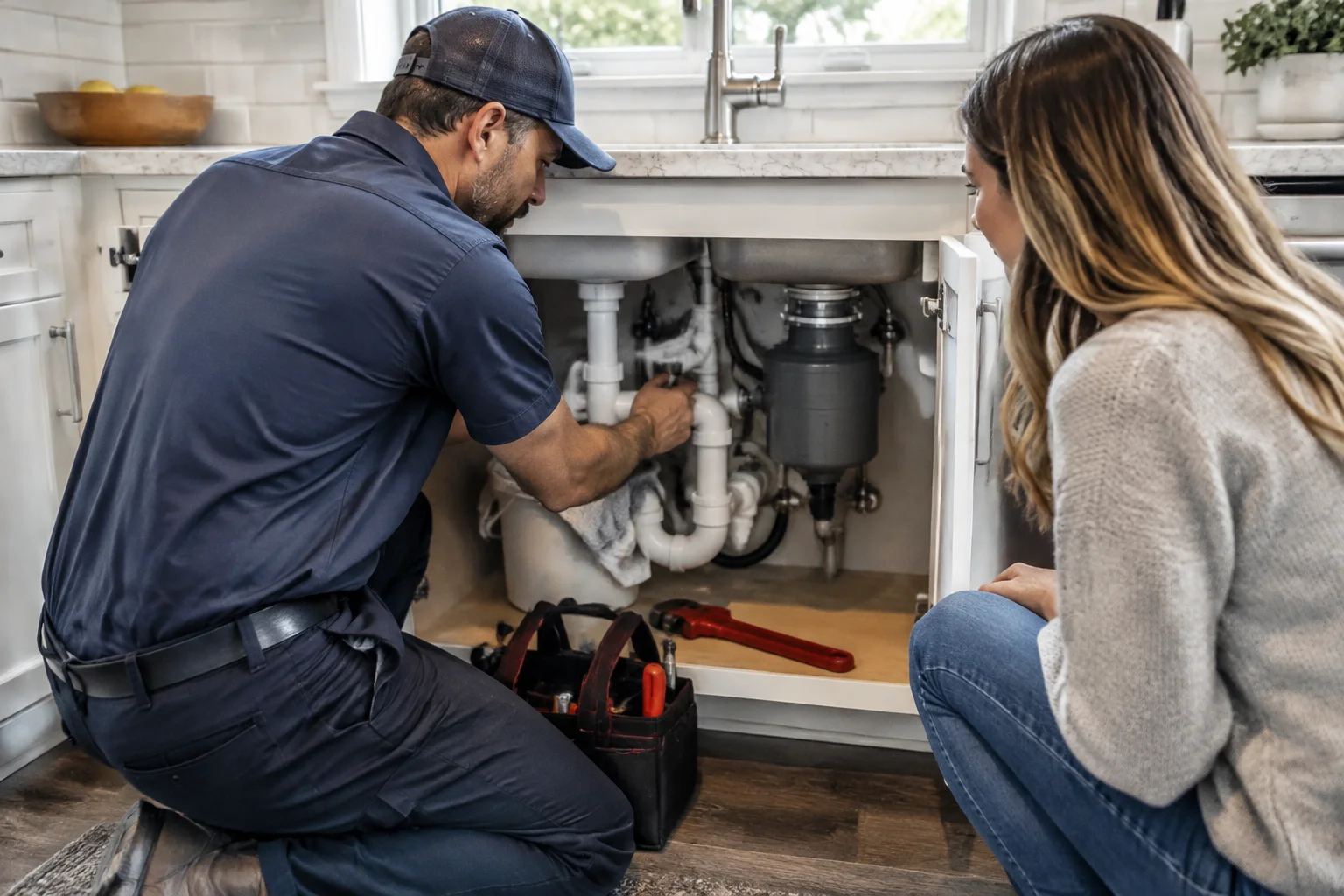
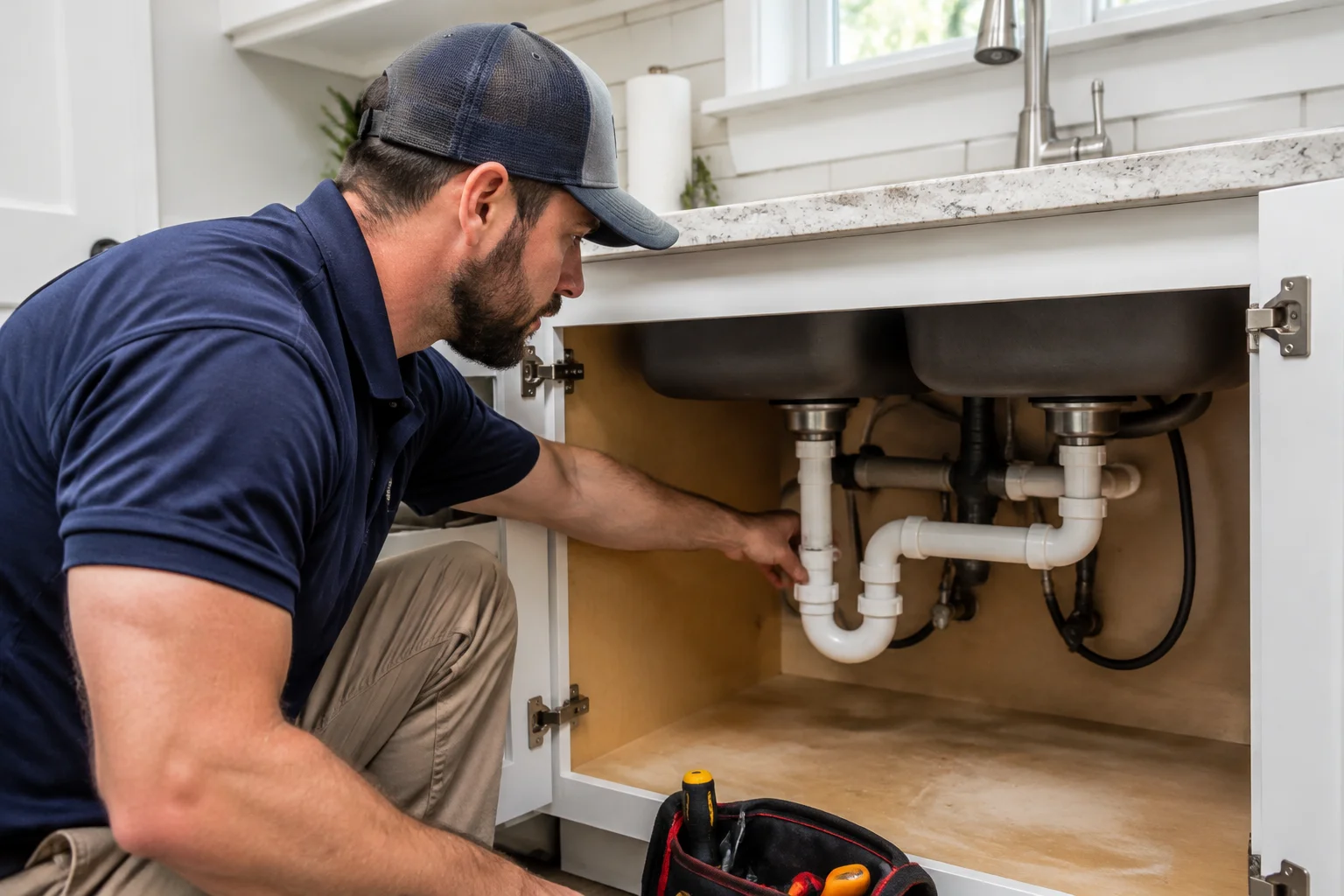
These issues may seem minor at first, but in a coastal market like 30A they can escalate quickly. A slow drain in a guest bathroom can become a full backup during a weekend turnover. A small leak under a sink can damage cabinetry before anyone notices. Routine plumbing care helps keep those problems small.
Maintenance habits that save money over time
Good plumbing maintenance is less about reacting and more about preventing. Property owners who stay ahead of seasonal demand usually spend less on emergency calls, water damage, and fixture replacement. The goal is to catch wear early and keep the system working efficiently.
Check for leaks before the busy season starts
Walk through kitchens, bathrooms, laundry areas, utility closets, and outdoor hose bibs at least twice a year. Look for water stains, damp cabinets, rust around shutoff valves, and signs of moisture near baseboards. Even a slow drip can waste water and create hidden damage over time.
In rental homes and commercial spaces, it helps to document any areas that have had past leaks. That way, you can compare conditions from one season to the next and spot new issues sooner.
Keep drains clear of the usual coastal buildup
Sand, soap residue, grease, hair, and food waste are some of the biggest causes of drain trouble in 30A. In homes and hospitality properties, drains often work harder than owners realize. Kitchen sinks, showers, and floor drains need routine attention to stay open and odor free.
For more practical habits that help keep drains moving, this guide on keeping 30A drains moving breaks down simple steps that can reduce clogs and lower plumbing costs.
Grease should never go down the drain, even with hot water. In commercial kitchens and busy vacation homes, grease buildup can create expensive backups that require professional cleaning.
Test water pressure and watch for sudden changes
Low pressure can point to buildup, partial blockages, or a leak somewhere in the system. Sudden pressure changes may also show up when multiple fixtures are being used at once. If showers weaken when a washer or dishwasher starts, the system may need inspection.
In coastal areas, mineral buildup and corrosion can narrow pipes over time. If pressure changes are becoming more common, it may be time to ask about maintenance, repairs, or a larger upgrade.
Service water heaters before they fail
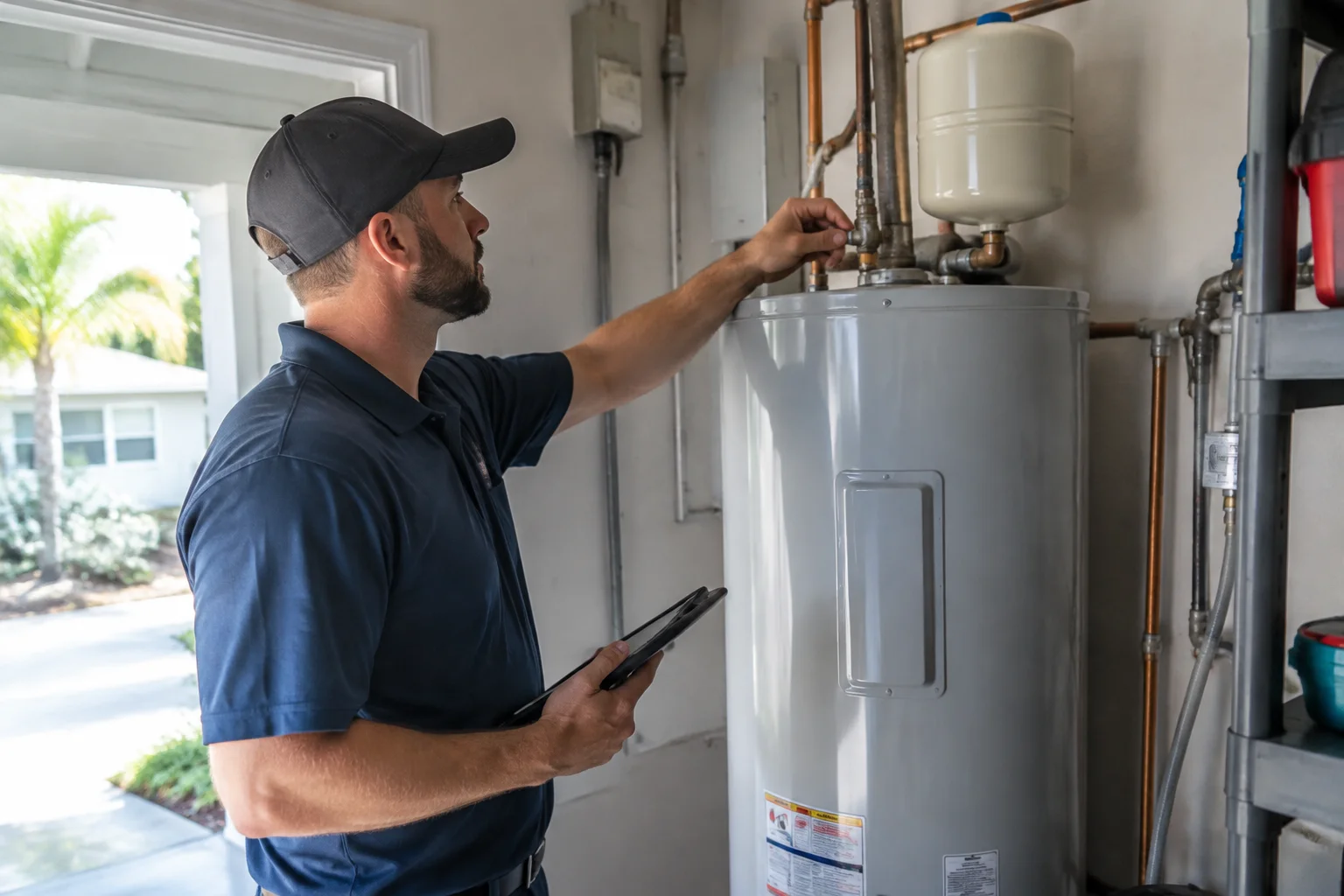
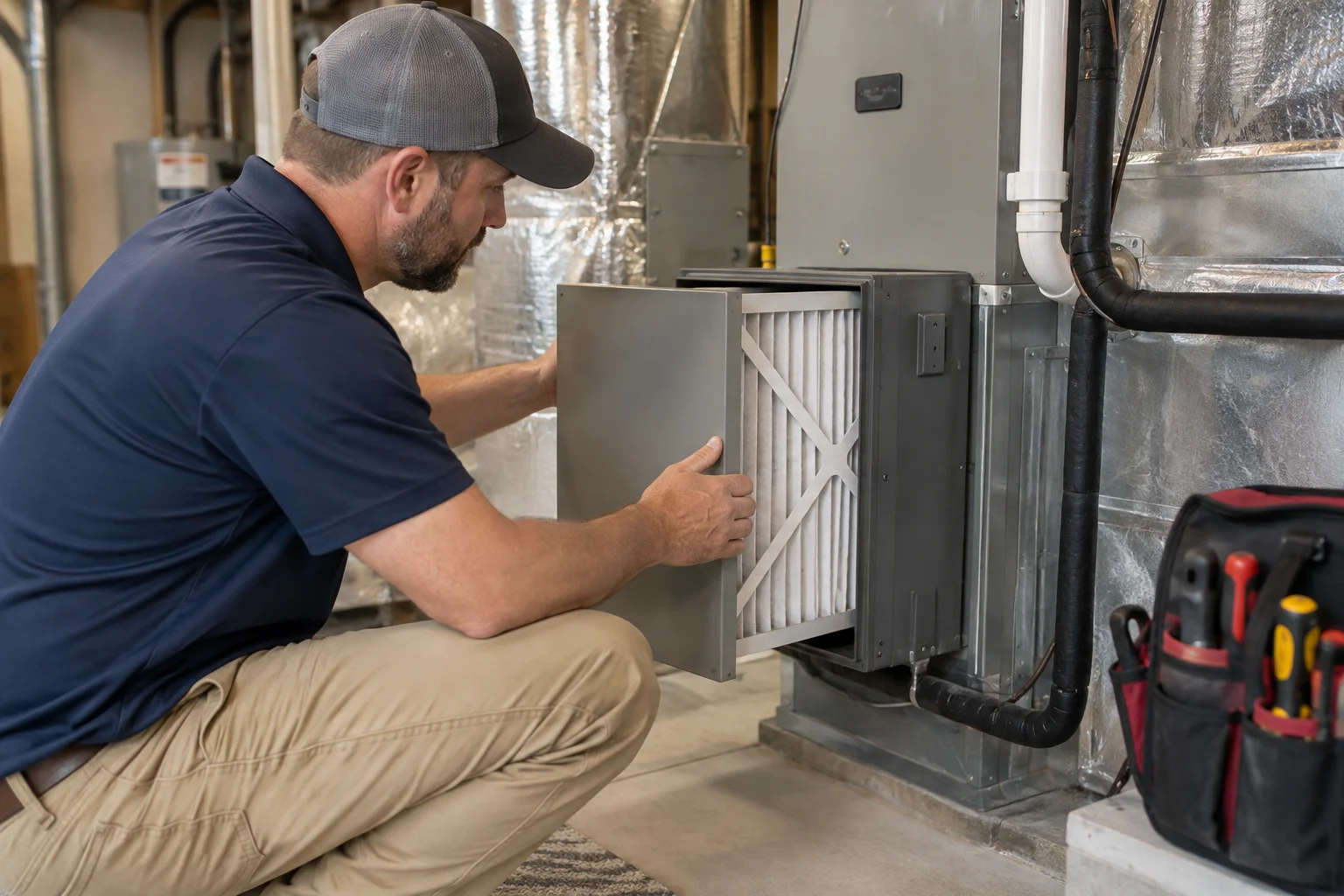
Water heaters in 30A work hard, especially in properties with frequent guest turnover. Sediment buildup can reduce efficiency and shorten equipment life. Flushing the tank, checking the anode rod, and inspecting the temperature and pressure relief valve can help extend service life and keep hot water available when demand spikes.
This matters in homes, but it matters even more in multi unit buildings and hospitality properties where one failure can affect several people at once.
Inspect fixtures and shutoff valves
Faucets, toilets, supply lines, and shutoff valves wear out faster in humid, high use environments. A loose handle or a slow toilet refill may not seem urgent, but those details often signal a part that is nearing failure. Replacing worn fixtures early can prevent water waste and reduce the chance of a larger leak.
If fixtures are outdated or frequently needing repair, a plumbing fixture replacement can improve reliability and lower maintenance calls.
Local conditions that make prevention especially important
30A properties face a few challenges that are worth planning around. Salt air can corrode exposed metal parts faster than many owners expect. High humidity keeps areas like crawl spaces, utility rooms, and under sink cabinets damp enough for mold and rust to develop. Seasonal guests and tenants may also use plumbing differently than full time residents, which can create surprises after a property has been vacant or lightly used.
Many homes along 30A are also designed for coastal living, with open floor plans, multiple bathrooms, outdoor showers, and laundry areas that see heavy use after beach days. That layout is convenient, but it also means more drains, more fixtures, and more opportunities for wear.
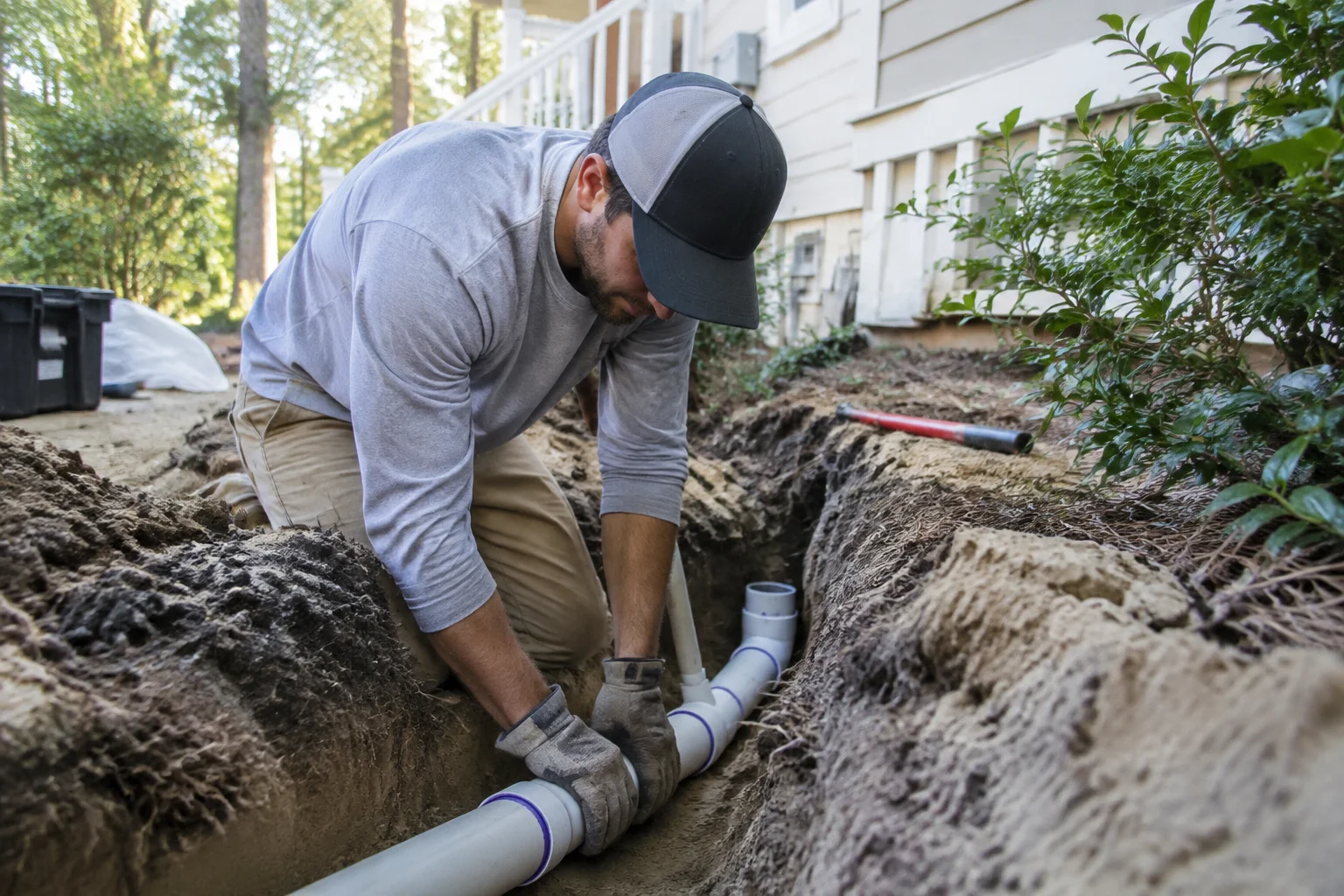
For properties in older sections of Walton County, aging water lines or previous patchwork repairs can add another layer of risk. If your plumbing has a history of recurring leaks or pressure problems, a professional inspection may reveal whether a targeted repair is enough or whether a larger update would save money in the long run. In some cases, waterline replacement is the more practical option than repeated patching.
How commercial plumbing support helps homeowners and property managers
Even if you own a single home, commercial plumbing experience can be useful when the property sees heavy traffic or has complex systems. Homes with multiple bathrooms, rental turnover, or shared water use can benefit from the same kind of maintenance approach used in commercial settings. That includes scheduled inspections, drain care, leak detection, fixture upgrades, and fast repairs before peak season.
A Superior Mechanical provides commercial plumbing services in 30A, FL for restaurants, offices, hospitality properties, retail spaces, and multi unit buildings across Walton County. That local experience helps when you need a plumber who understands both the demands of the coastline and the realities of busy properties.
For homeowners who want a broader maintenance plan, it can also help to read about keeping plumbing problems small in 30A and the problems homeowners should not ignore. Those topics line up well with the same preventive approach that keeps commercial systems dependable.
Simple ways to reduce emergency calls during peak season
Emergency plumbing problems are more likely when a property is busiest, so the best time to prepare is before that rush starts. A few practical habits can make a big difference:
- Schedule a plumbing inspection before summer and holiday travel periods
- Flush water heaters on a regular schedule
- Keep drain strainers in sinks, showers, and laundry areas
- Remind guests, tenants, or staff not to flush wipes or paper towels
- Replace aging supply lines before they burst
- Address small leaks as soon as they appear
For some properties, plumbing care pairs well with other mechanical maintenance. If your building also relies on advanced comfort systems, you may already be scheduling service for equipment like VRF multi zone systems. Bundling system checks can make it easier to stay ahead of seasonal maintenance without missing important details.
When a professional inspection is worth it
Some plumbing issues are easy to spot, but many of the expensive ones start out hidden. If you notice recurring drain clogs, low pressure, unexpected water bills, or musty odors near plumbing areas, it is worth having a professional take a closer look. The same is true if your home or property has older pipes, frequent guest turnover, or a history of water damage.
Professional inspection is especially helpful before peak rental season, after a long vacancy, or after any storm event that may have affected the property. In coastal Walton County, a small issue can turn into a major interruption if it is not addressed early.
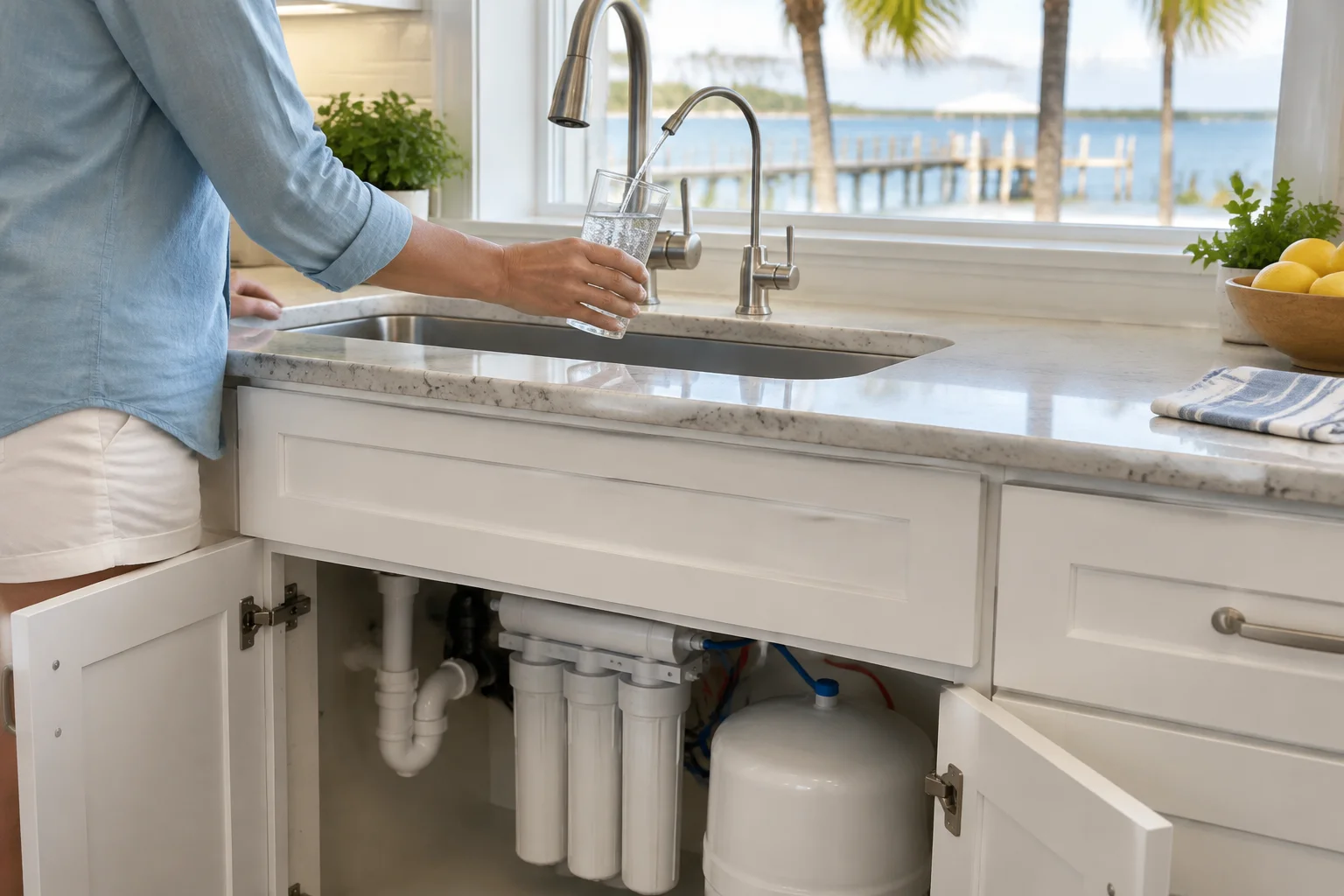
Homeowners who want a cleaner, more reliable water supply may also benefit from a clean water system, especially if mineral buildup or water quality concerns are affecting fixtures and appliances. Better water quality can help reduce scale, improve performance, and support the rest of the plumbing system.
Keeping costs lower starts with consistent care
Plumbing costs usually rise when problems are ignored. A dripping faucet wastes water. A slow drain becomes a backup. A worn valve becomes a leak. In a place like 30A, where weather and seasonal demand both work against plumbing systems, steady maintenance is one of the most reliable ways to protect your budget.
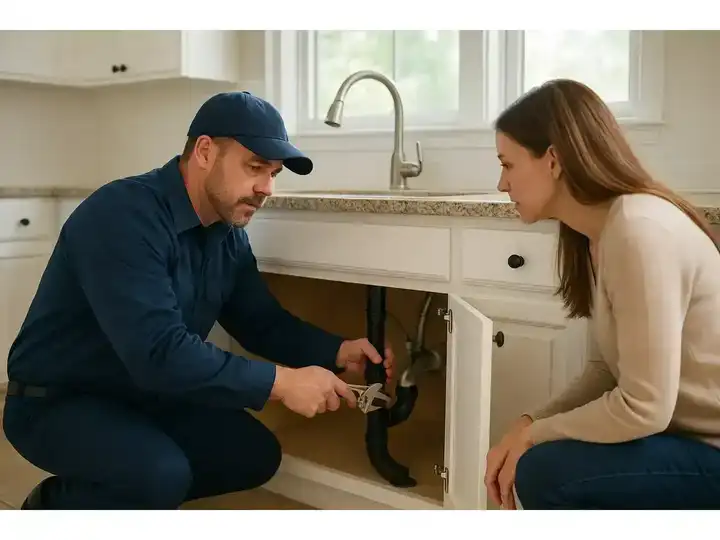
That does not mean every issue needs a major upgrade. Often, the smartest move is a combination of regular inspections, timely repairs, and a few strategic replacements before equipment fails. The right local plumber can help you decide which approach makes the most sense for your property, your schedule, and your long term costs.
For property owners who want to stay ahead of coastal wear, the best results usually come from a local plan that is simple, consistent, and built around the way 30A properties are actually used. Whether you manage a rental, operate a business, or maintain a home that sees heavy seasonal traffic, dependable plumbing starts with maintenance that fits the area.
Find Commercial Plumbing Services in 30A, FL
If you need Commercial Plumbing Services in 30A, FL, visit our local service page or contact A Superior Mechanical today.
Map of 30A, FL
Frequently Asked Questions
Why do plumbing problems happen more often in 30A during busy seasons?
Heavy guest traffic, frequent laundry and shower use, and long periods of humidity can all strain plumbing systems. In coastal 30A, salt air and sand also increase wear on fixtures, drains, and exposed metal parts.
How often should a 30A property have plumbing inspected?
Most properties benefit from an inspection at least once a year, and busy homes or rental properties may need checks before peak season and after long vacancies. Older systems may need more frequent attention.
Can small leak repairs really save money?
Yes. Small leaks often lead to higher water bills, hidden moisture damage, and bigger repairs later. Fixing them early is usually much less expensive than dealing with damaged cabinets, flooring, or walls.
What plumbing issues are most common in 30A homes and commercial properties?
Slow drains, fixture corrosion, leaking supply lines, low water pressure, and water heater strain are common in coastal properties. Sand, grease, and mineral buildup can also create recurring problems.
Related Articles
- Keeping Plumbing Problems Small in 30A: Maintenance Habits That Matter in a Coastal Climate
- Keeping 30A Plumbing Reliable in a Coastal Climate: The Problems Homeowners Should Not Ignore
- Keeping 30A Plumbing Healthy in a Coastal Climate
- Keeping 30A Drains Moving: Practical Maintenance for Clogged Pipes and Lower Plumbing Costs
Photo Gallery