Air conditioning does a lot of heavy lifting in Fort Walton Beach. Between long cooling seasons, high humidity, salt air, and sudden summer demand, even a well cared for system can start showing stress earlier than homeowners expect. Small issues often build quietly until the AC stops keeping up, the electric bill climbs, or a full breakdown lands on the hottest day of the week.
That is why staying ahead of repairs matters. A fast response to early warning signs can help protect your comfort, reduce strain on the system, and avoid more expensive damage later. For homeowners looking for dependable air conditioning repair in Fort Walton Beach, FL, local experience makes a real difference. Systems here deal with conditions that are different from inland homes, and repair work should account for that from the start.
Why AC problems develop so quickly in Fort Walton Beach
Homes in Fort Walton Beach and across Okaloosa County face a climate that keeps air conditioners working hard for much of the year. The combination of heat and humidity means your system is not just cooling air. It is also removing moisture, which adds stress to coils, drains, fans, and compressors. Coastal air can also contribute to corrosion on outdoor equipment and fasteners.
That is one reason local service matters. A technician who works in the area understands how the climate affects AC performance, how salt exposure can shorten component life, and which problems tend to show up first in homes near the coast. If you live in the city and want service from a team familiar with local conditions, visit the Fort Walton Beach service area page for more information.
Early warning signs homeowners should not brush off
Many AC repairs start with small clues. Homeowners often notice them days or weeks before the system actually fails, but it is easy to dismiss them as a temporary hiccup. In Fort Walton Beach, where systems run often, those clues usually mean the unit is already under strain.
Weak airflow from vents
If some rooms feel much warmer than others or the air coming from the vents seems weak, the system may be struggling with a clogged filter, blower issue, blocked ductwork, or a problem in the outdoor unit. Weak airflow often gets worse over time and can lead to longer run cycles and higher energy use.
Warm air or inconsistent cooling
When the thermostat is set correctly but the home still feels uncomfortable, the issue may be low refrigerant, a failing compressor, dirty coils, or a problem with the thermostat itself. In humid weather, inconsistent cooling can make the house feel sticky even when the temperature seems close to the set point.
Short cycling
If the AC turns on and off frequently without reaching the target temperature, it may be short cycling. This can point to electrical issues, an oversized or undersized system, airflow problems, or a refrigerant imbalance. Short cycling wastes energy and puts extra wear on major parts.
Strange sounds
Grinding, buzzing, rattling, or squealing are not normal background noises. Loose parts, worn belts, motor trouble, or debris in the unit can all create unusual sounds. Ignoring them can turn a small mechanical fix into a larger repair.
Musty odors or excess humidity
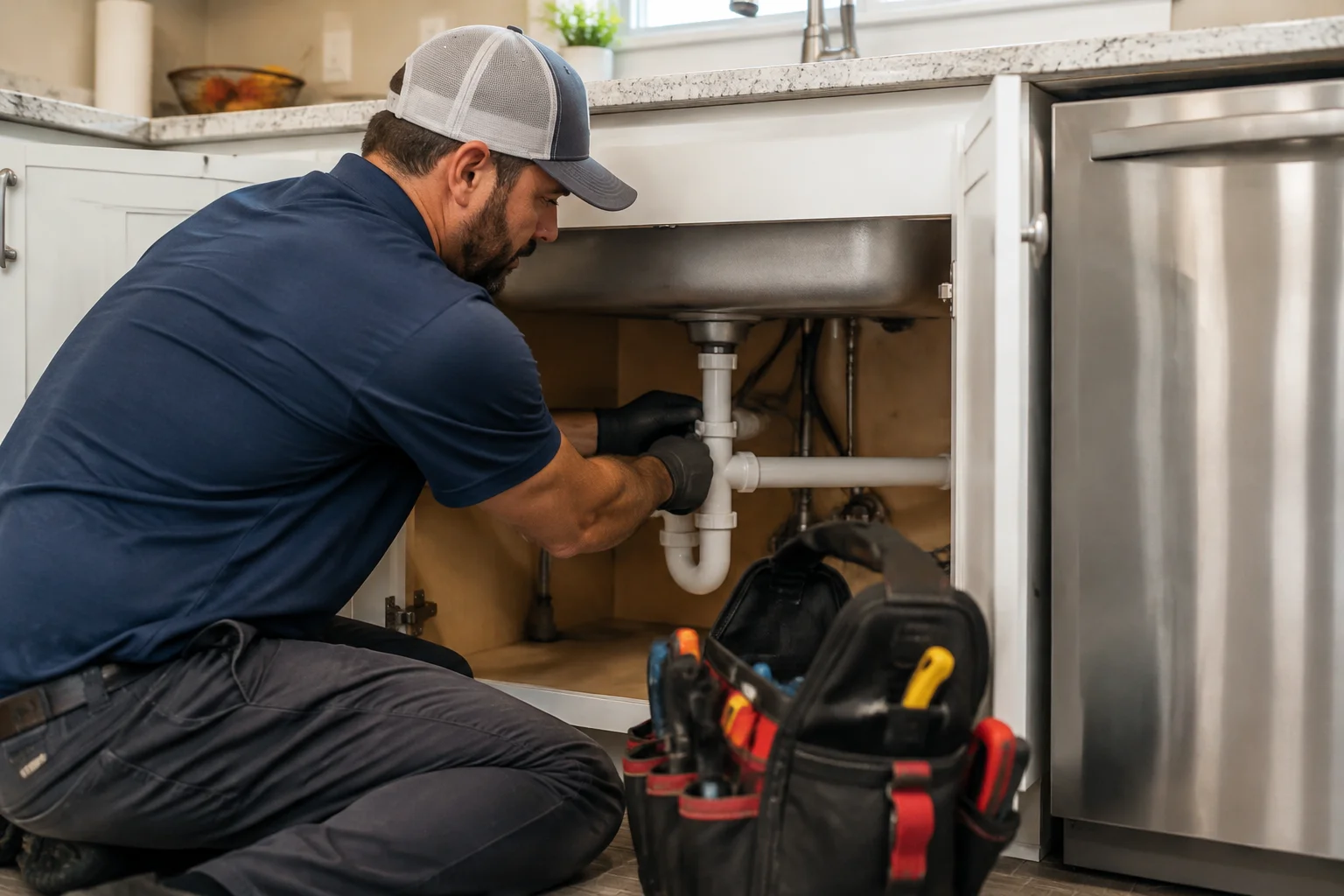
Because Fort Walton Beach is already humid, an AC that is not removing moisture properly can make the home feel damp and uncomfortable. Musty odors may also suggest mold growth in the drain pan, drain line, or ductwork. If moisture issues keep coming back, it may be worth checking related home systems too, including plumbing services if you suspect drainage concerns around the home.
Water around the indoor unit
Pooled water, stains, or a dripping air handler can signal a clogged condensate drain, a cracked drain pan, or frozen coil problems. Water damage can spread quickly, especially if the system is in an attic, closet, or utility area.
What usually causes these problems
Most AC issues do not happen without a reason. They usually develop from a mix of wear, maintenance gaps, and local environmental stress. In Fort Walton Beach homes, these causes come up often.
Dirty filters and restricted airflow
Air filters help protect the system from dust and debris, but they need regular replacement. A clogged filter forces the system to work harder and can lead to frozen coils, weak airflow, and overheating components. Homes with pets, allergies, or more frequent system use may need filter changes more often.
Dirty coils
Both indoor and outdoor coils can collect dirt over time. When that happens, the system cannot transfer heat efficiently. In a hot coastal climate, dirty coils can make an AC feel underpowered even when it is technically running.
Refrigerant leaks
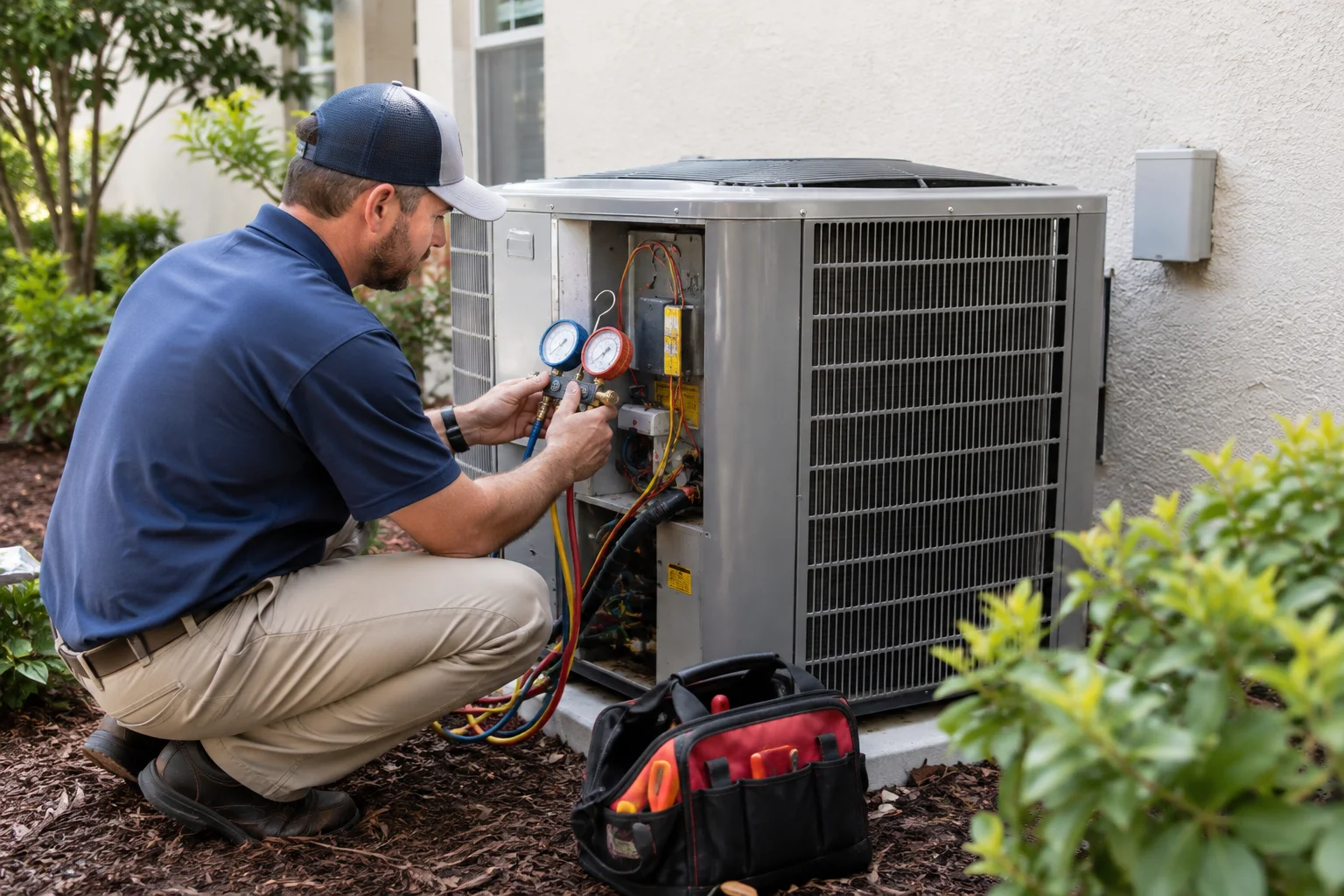
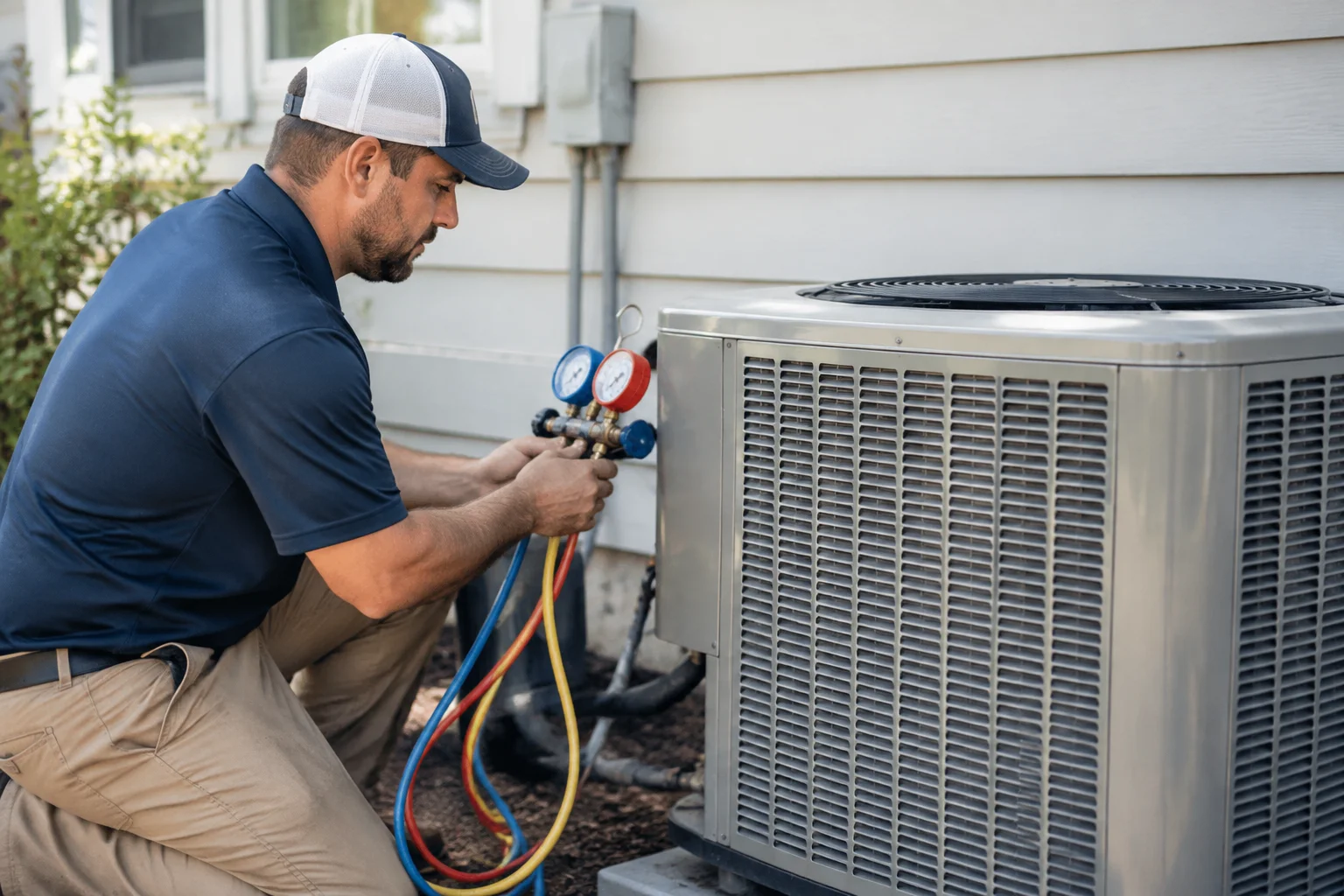
Low refrigerant is not a normal maintenance issue. It usually means there is a leak somewhere in the system. That leak can reduce cooling performance, cause ice to form on the coils, and damage the compressor if it is left unresolved.
Electrical wear
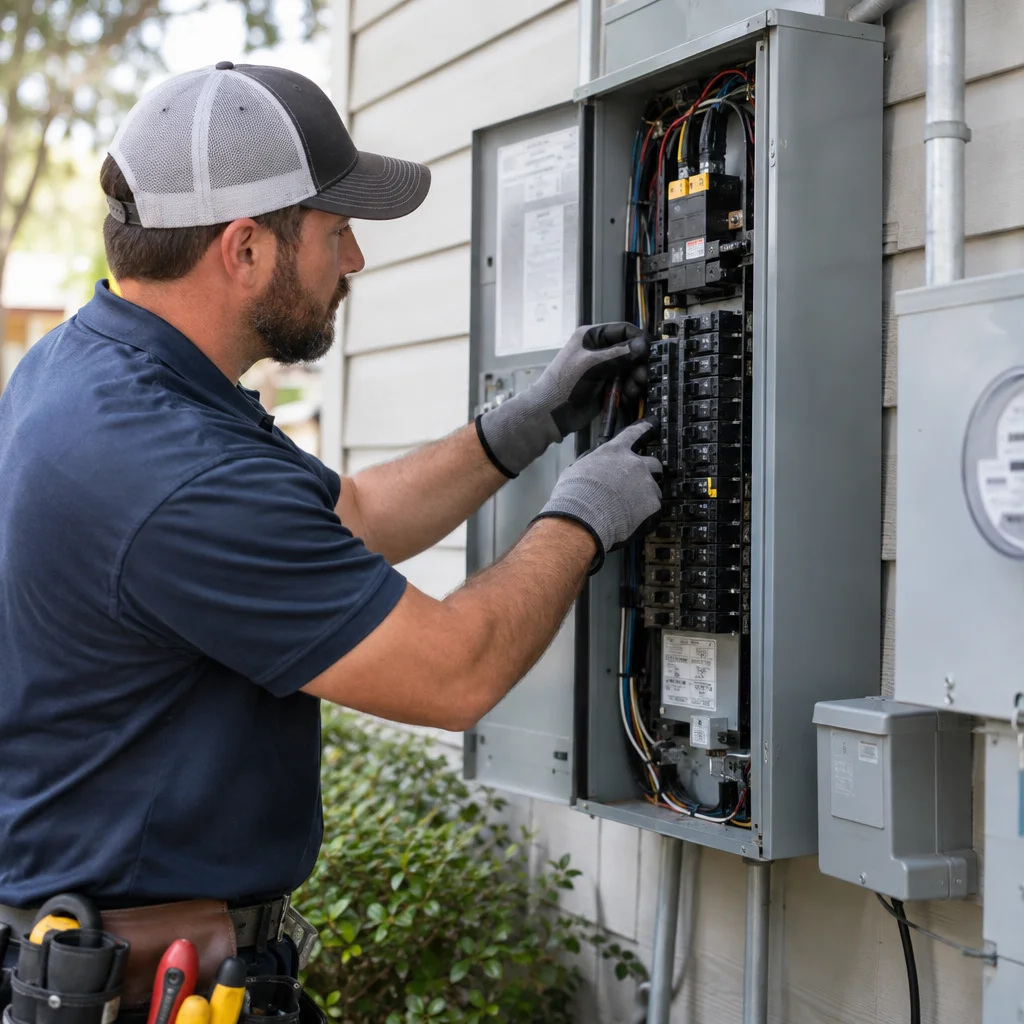
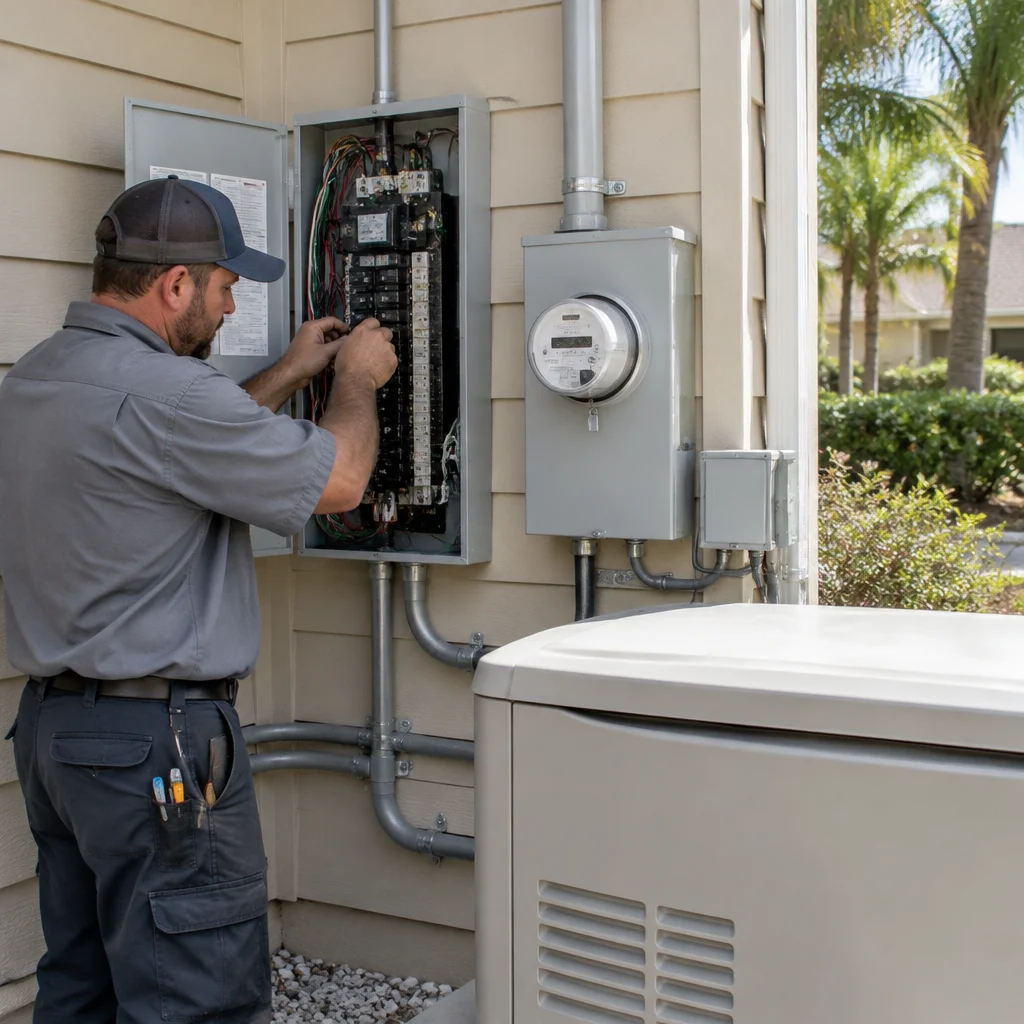
Capacitors, contactors, relays, and wiring all age over time. Heat and humidity can accelerate wear, especially in outdoor units. Electrical issues often show up as delayed starts, humming, tripped breakers, or a system that will not turn on.
Drain line clogs
Because the AC removes moisture from the air, the condensate drain has to keep moving water away from the unit. Algae, dust, and debris can clog the line and cause backups. In humid coastal weather, drain problems are especially common.
Corrosion from coastal air
Salt exposure can affect outdoor components over time. Even homes that are not directly on the water can still see corrosion on coils, fasteners, and cabinet parts. Preventive service helps catch these issues before they become major failures.
How homeowners can reduce the chance of breakdowns
Some AC problems are unavoidable, but many can be caught early or slowed down with simple habits. A little attention during the cooling season can help your system last longer and run more efficiently.
Change the filter on schedule
Check the filter monthly during heavy use. Replace it as needed based on the filter type, your home layout, and how often the system runs. If you are not sure which filter works best for your setup, ask during your next service visit.
Keep the outdoor unit clear
Trim plants, remove leaves, and keep at least a few feet of open space around the condenser. Outdoor units need room to breathe. In a storm prone area, it also helps to check for debris after heavy wind or rain.
Watch for changes in performance
Do not wait for a complete shutdown. If the AC starts running longer, cooling unevenly, or making new noises, schedule service sooner rather than later. Small changes often point to a part that is wearing out.
Schedule seasonal maintenance
Routine tune ups can help identify dirty coils, loose electrical connections, drain issues, and other problems before they interrupt your comfort. Maintenance is especially helpful in Fort Walton Beach, where systems work hard through a long cooling season.
Pay attention to ductwork and airflow
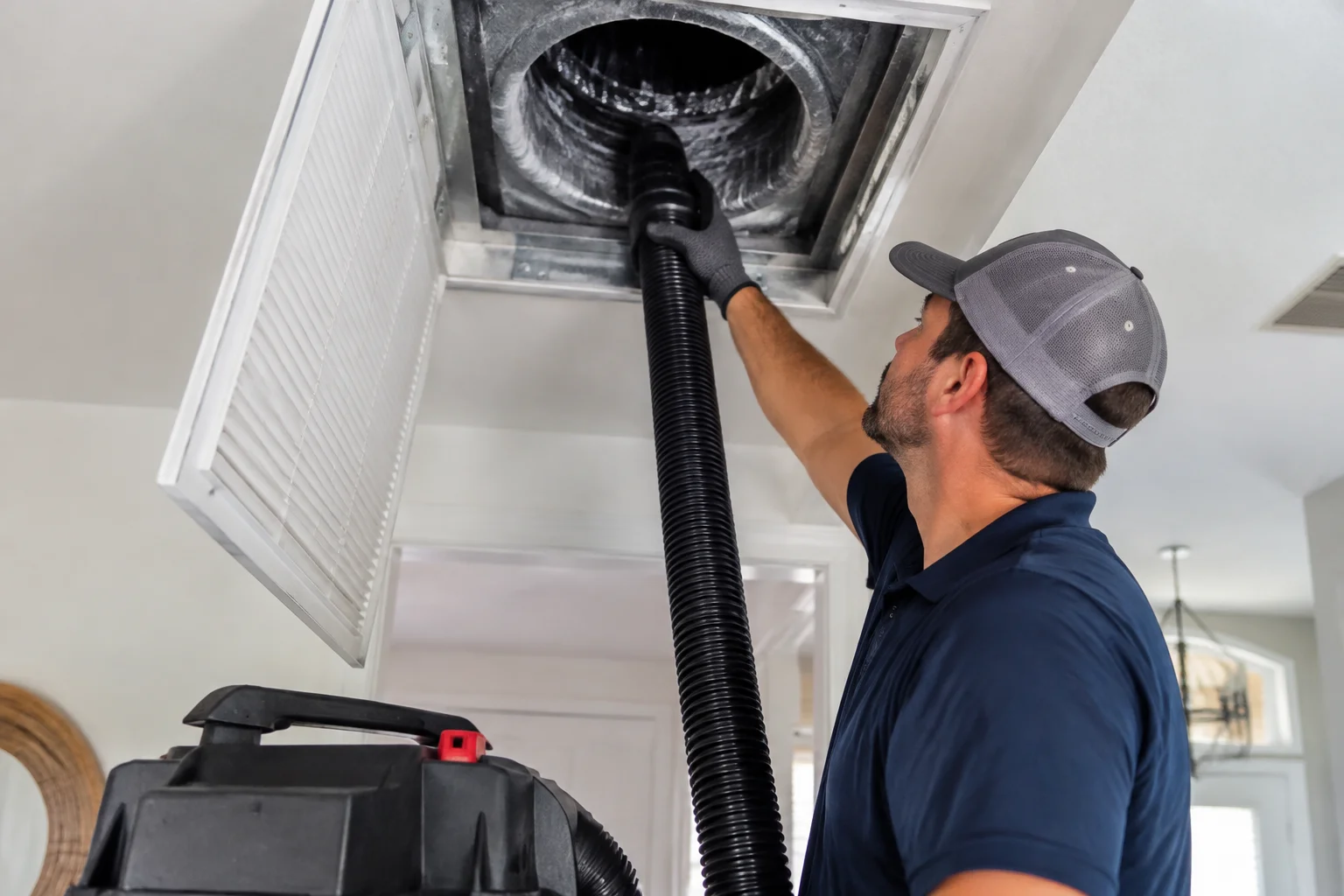
Sometimes the AC unit is only part of the story. Leaky or damaged ducts can waste cooled air and make the system seem less effective than it should. If airflow problems keep returning, it may be time to look at duct replacement or repairs.
When repair is better than waiting
Homeowners sometimes hope an AC issue will pass on its own. That can be a costly gamble in a climate like Fort Walton Beach. If the system is short cycling, icing up, leaking water, or struggling to keep the home cool, waiting usually makes the repair more complicated.
Prompt service can also help prevent secondary damage. A clogged drain line can lead to water damage. A refrigerant leak can harm the compressor. A failing capacitor can leave the system unable to start at all. The sooner a technician finds the source, the easier it is to protect the rest of the unit.
If your home also depends on other mechanical systems that need dependable performance, A Superior Mechanical can help with related services too, including commercial HVAC repair for property owners who manage mixed use or business spaces, and tankless water heater services for households looking to keep hot water reliable as well.
Why local repair service is worth it
Local HVAC repair is not just about speed. It is about understanding the homes, weather, and common equipment challenges in the area. Fort Walton Beach homes may have different duct layouts, attic conditions, and moisture concerns than homes farther inland. A technician who works locally is more likely to recognize patterns quickly and recommend repairs that fit the environment.
That local knowledge matters for homeowners trying to avoid repeat breakdowns. It can help with better diagnostics, more accurate parts replacement, and practical advice about keeping the system healthy through the hottest months. It also helps when service needs to be coordinated around busy family schedules or urgent comfort issues.
If you have been reading up on AC issues and want a deeper look at the problems local homeowners run into, the article Air Conditioning Repair in Fort Walton Beach: The Homeowner Issues That Deserve Attention covers several common concerns in more detail. For homeowners planning ahead on larger projects, Planning New Construction HVAC in Fort Walton Beach for Comfort That Lasts offers a useful look at long term comfort choices. And if you are comparing different property needs, the posts Commercial HVAC Installation in Fort Walton Beach Homes: Problems Local Property Owners Should Not Overlook and What Fort Walton Beach Homeowners Should Know About Commercial HVAC Installation and the Home Problems They Should Not Ignore may also be helpful.
Getting ahead of AC trouble before the next hot stretch
In Fort Walton Beach, a struggling air conditioner does not stay a small inconvenience for long. Hot afternoons, humid nights, and long run times can turn minor wear into a system failure faster than many homeowners expect. Paying attention to airflow, noise, moisture, and cooling performance can help you catch problems early.
When the signs are there, a professional repair visit can restore comfort and help prevent a larger breakdown. For responsive, local help with air conditioning repair in Fort Walton Beach, FL, A Superior Mechanical provides the diagnostics and repair work homeowners need to keep their systems running through the season.
Find Air Conditioning Repair in Fort Walton Beach, FL
If you need Air Conditioning Repair in Fort Walton Beach, FL, visit our local service page or contact A Superior Mechanical today.
Map of Fort Walton Beach, FL
Frequently Asked Questions
How often should Fort Walton Beach homeowners schedule AC maintenance?
Most homes benefit from a professional tune up once a year, ideally before heavy cooling season begins. In Fort Walton Beach, where AC systems run hard for long stretches, annual maintenance can help catch airflow, drain, and electrical issues early.
Why does my AC seem to run all the time in humid weather?
High humidity makes the system work longer because it has to remove moisture as well as cool the air. If the unit never seems to catch up, there may be a refrigerant issue, dirty coils, poor airflow, or duct leakage that needs attention.
Can a clogged drain line really cause major AC problems?
Yes. A clogged condensate drain can cause water to back up, trigger shutdowns, and lead to water damage around the indoor unit. In humid climates, drain line clogs are one of the more common repair calls.
Is it worth repairing an older AC system?
It often depends on the age of the unit, the type of problem, and how often it has needed repairs. A technician can help you compare repair cost, remaining lifespan, and efficiency so you can make a practical choice for your home.
Related Articles
- Air Conditioning Repair in Fort Walton Beach: The Homeowner Issues That Deserve Attention
- Planning New Construction HVAC in Fort Walton Beach for Comfort That Lasts
- Commercial HVAC Installation in Fort Walton Beach Homes: Problems Local Property Owners Should Not Overlook
- What Fort Walton Beach Homeowners Should Know About Commercial HVAC Installation and the Home Problems They Should Not Ignore
Photo Gallery