Parker, FL has a climate that works HVAC systems hard. Long cooling seasons, heavy humidity, salty coastal air, and sudden storms all add stress to equipment in rental homes, vacation properties, and multi-unit buildings. For homeowners and property managers, that means small issues can turn into expensive repairs faster than expected.
That is why property management HVAC services in Parker, FL matter. A steady maintenance plan helps reduce breakdowns, protect indoor comfort, and keep tenants or guests from dealing with avoidable outages. For local support across the area, A Superior Mechanical serves Parker and the wider Bay County market with service built around the realities of Gulf Coast weather.
Why Parker homes need a different HVAC approach
Homes in Parker and nearby Bay County communities face a mix of conditions that can shorten HVAC life if the system is not monitored closely. Humidity makes the system work longer to remove moisture from the air. Salt in the air can corrode outdoor components. Storm season can bring power interruptions, debris, and water intrusion. Older homes may also have ductwork, insulation, or drainage issues that place extra strain on the equipment.
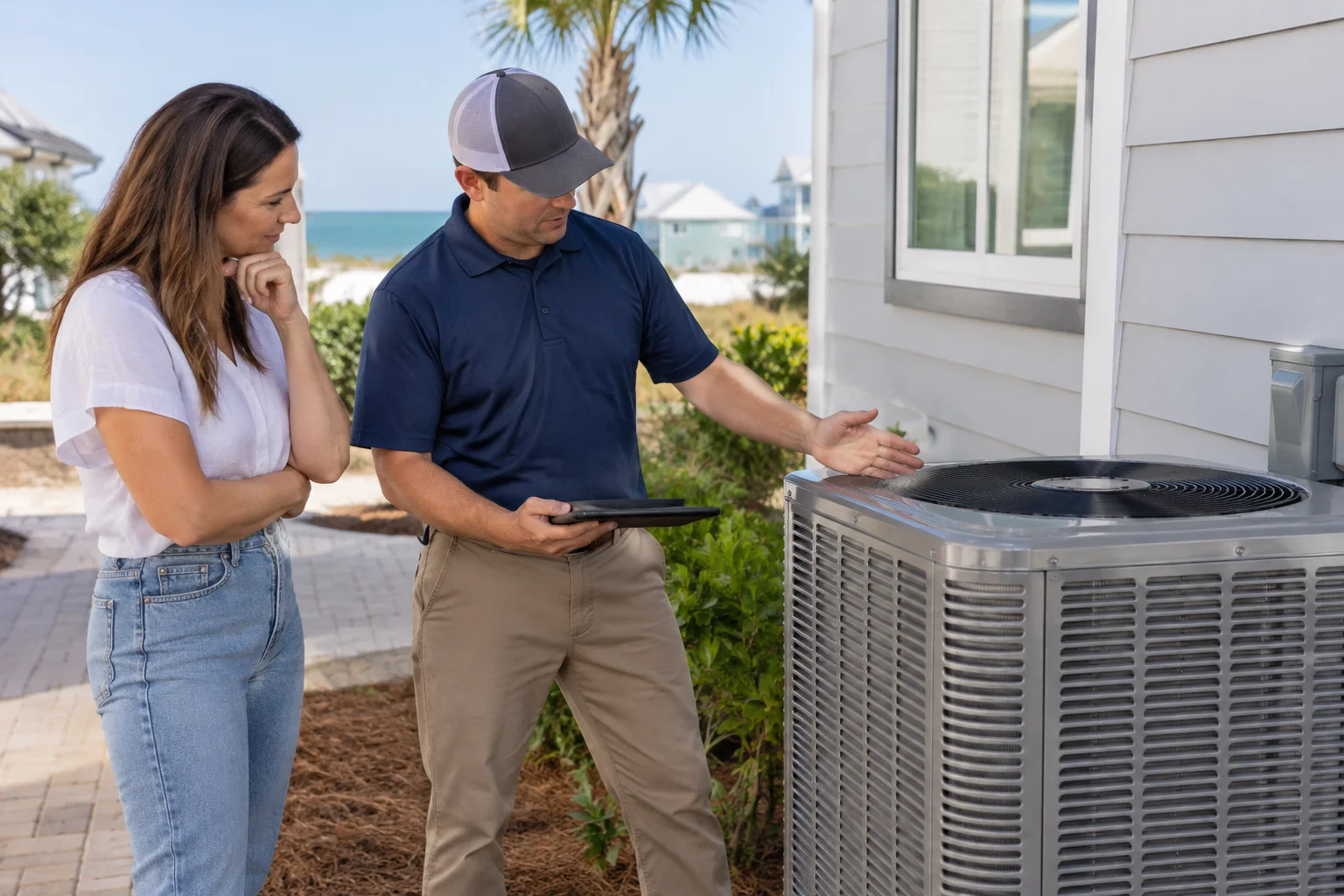
For property managers, those conditions make reactive repair work a poor strategy. A system may still be running while quietly losing efficiency, leaking condensate, or struggling to cool evenly. By the time a tenant complains, the repair may already be more involved. Local service from a team that understands Parker neighborhoods and the demands of coastal Florida can help catch these issues sooner. If you are looking for city specific support, start with the Parker service area page.
Problems homeowners should not ignore
Warm air from vents or uneven cooling
If a system is blowing air that never feels quite cool enough, or if one room stays hot while another is comfortable, there may be airflow problems, low refrigerant, a failing compressor, or duct leakage. In rental properties, tenants often notice this first. In vacation homes, the issue may go unnoticed until the next arrival. Either way, uneven cooling is a warning sign that the system is losing efficiency.
Short cycling
Short cycling happens when the system turns on and off too often. In Parker's humid climate, this can happen when the unit is oversized, dirty, low on refrigerant, or dealing with thermostat issues. Short cycling drives up wear on major components and can leave the home feeling sticky because the system is not running long enough to dehumidify properly.
Musty odors and indoor humidity
Florida homes should not feel damp or smell stale. If indoor air feels humid or there is a musty odor near vents, there may be a clogged drain line, mold growth in the system, or poor dehumidification. This is especially important in rental homes and properties that sit vacant for part of the year. Indoor moisture problems can affect comfort and may lead to damage around ceilings, walls, and flooring.
Water around the air handler
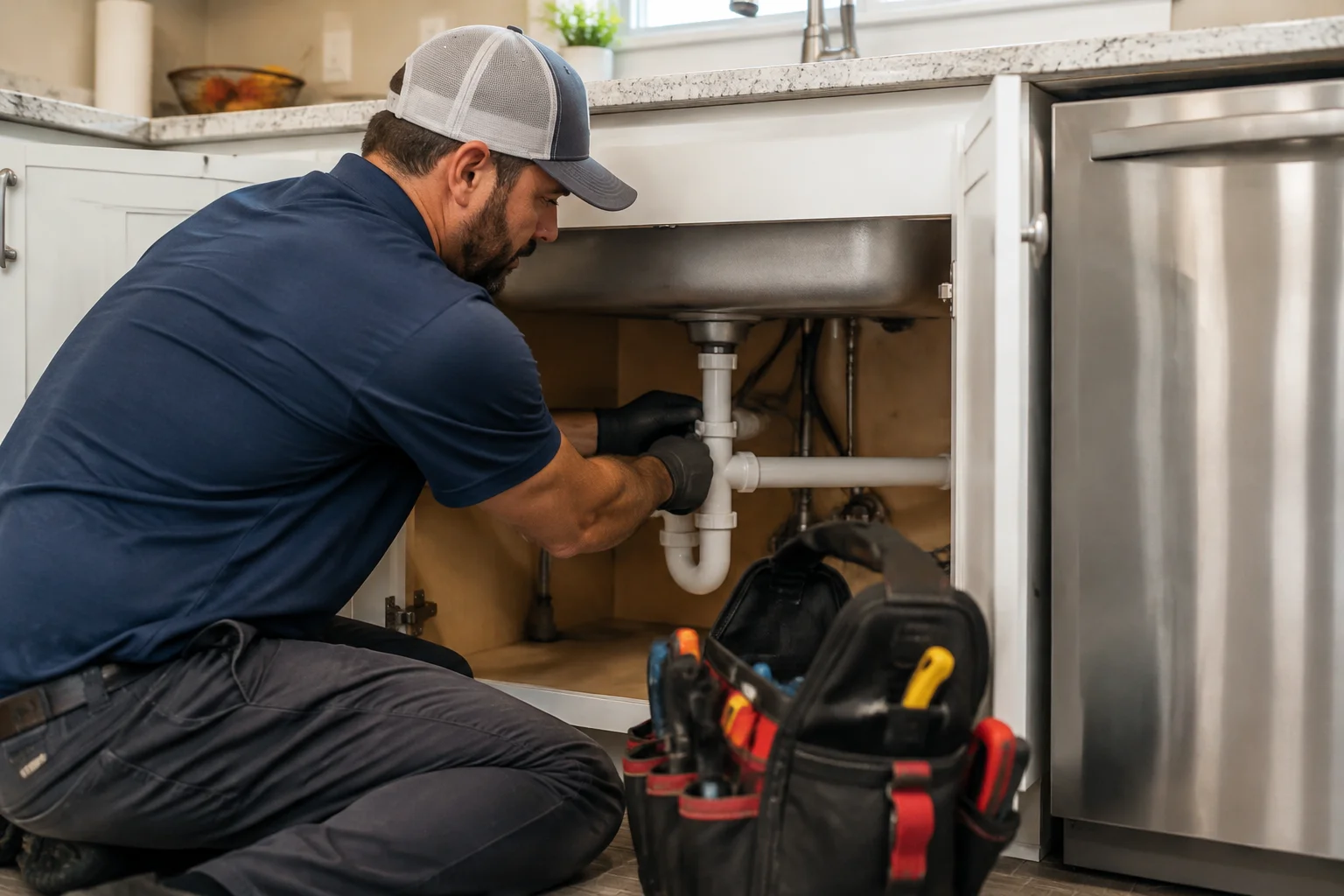
Condensation is normal, but standing water is not. A clogged drain line, cracked drain pan, or frozen evaporator coil can cause water damage near the air handler. In property management settings, this can create repair costs that go beyond HVAC work and into drywall, flooring, or cabinetry. Regular inspections and plumbing maintenance can help catch drainage issues before they spread.
Rising utility bills without a clear reason
When energy bills climb and usage habits have not changed, the HVAC system may be running inefficiently. Dirty filters, clogged coils, weak airflow, leaking ducts, or a failing thermostat can all make the unit work harder. In Parker, where cooling demand is high for much of the year, even a modest efficiency drop can show up quickly on monthly bills.
How property management HVAC services lower repair risk
Good property management HVAC care is not just about fixing a broken unit. It is about reducing the chances of a breakdown in the first place. That usually starts with routine maintenance, system checks, and fast attention to small changes in performance.
For landlords and property managers, the biggest benefit is predictability. A maintenance plan can help identify worn parts, refrigerant problems, dirty coils, and drainage issues before they become emergency calls. It also makes it easier to budget for repairs and replacements instead of reacting to surprise failures during peak summer heat.
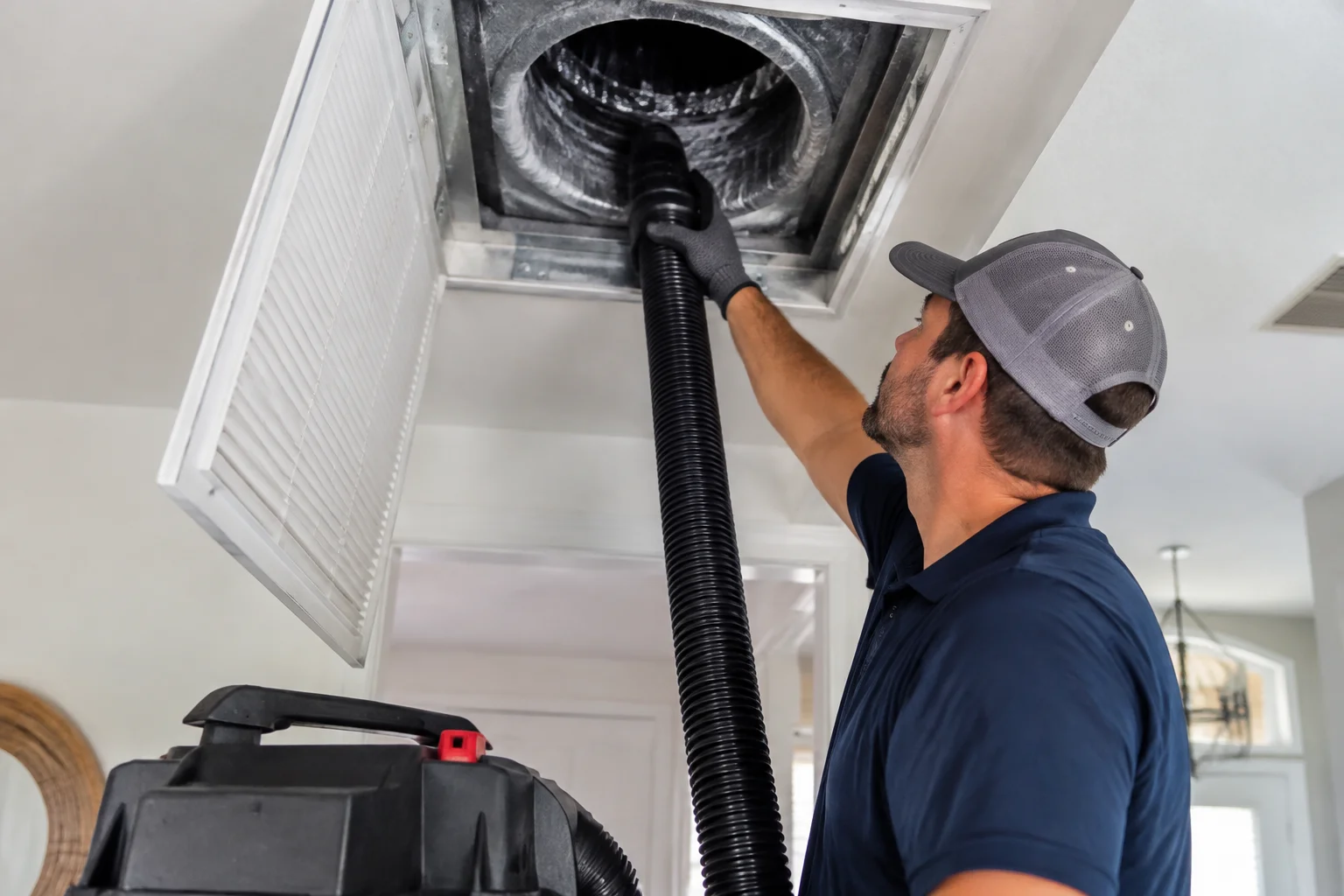
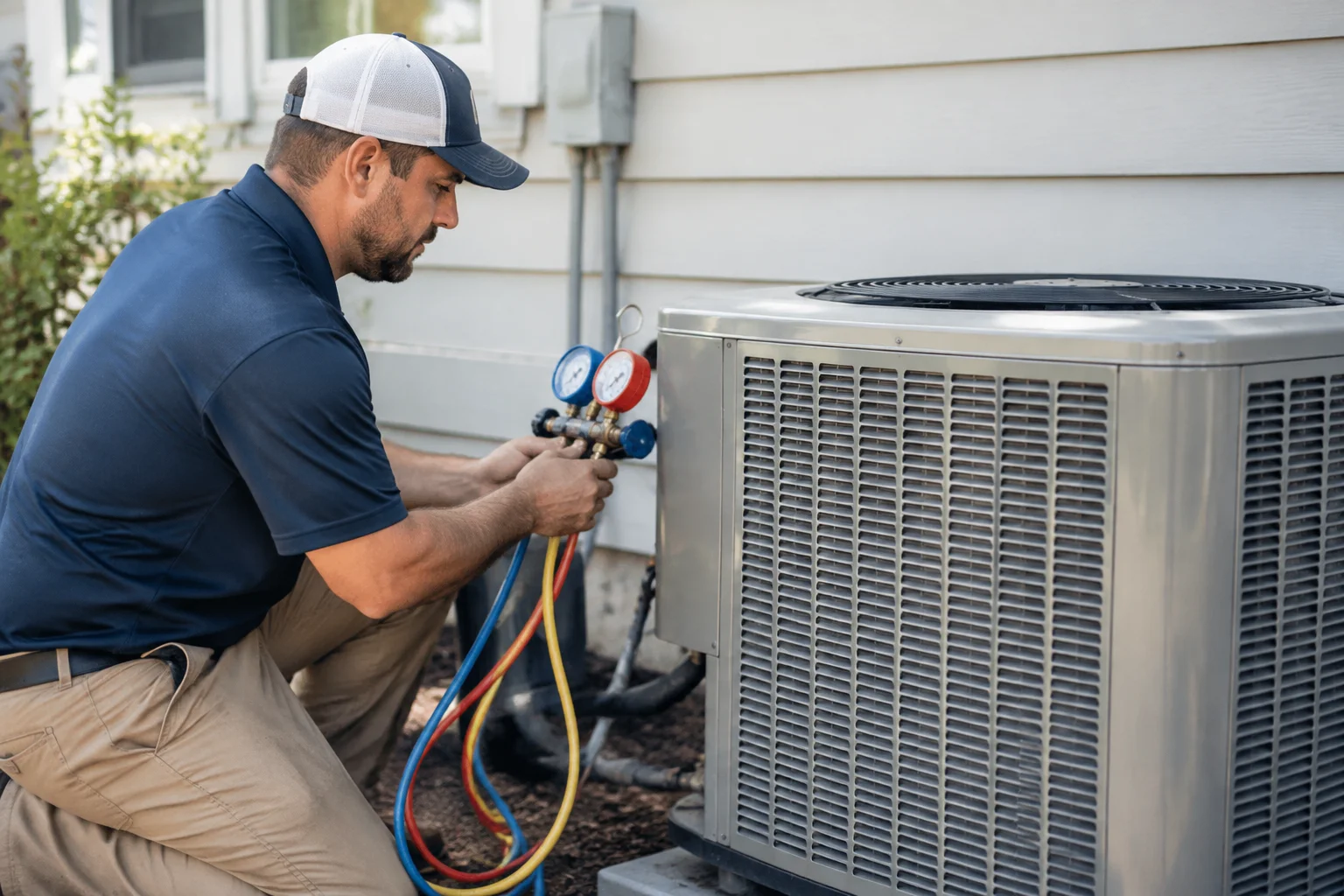
In Parker, where humidity and salt exposure can shorten equipment life, preventive service is especially valuable. Outdoor units need clear airflow and clean coils. Drain lines need regular flushing. Thermostats should be checked for accuracy. Filters must be changed on schedule, especially in homes with pets, smokers, or frequent occupancy changes.
What a local maintenance plan should cover
A practical service plan for rental homes and managed properties should include more than a quick filter swap. A professional visit should look at the full system, inside and out, to make sure the equipment is ready for Florida weather.
Core HVAC checks
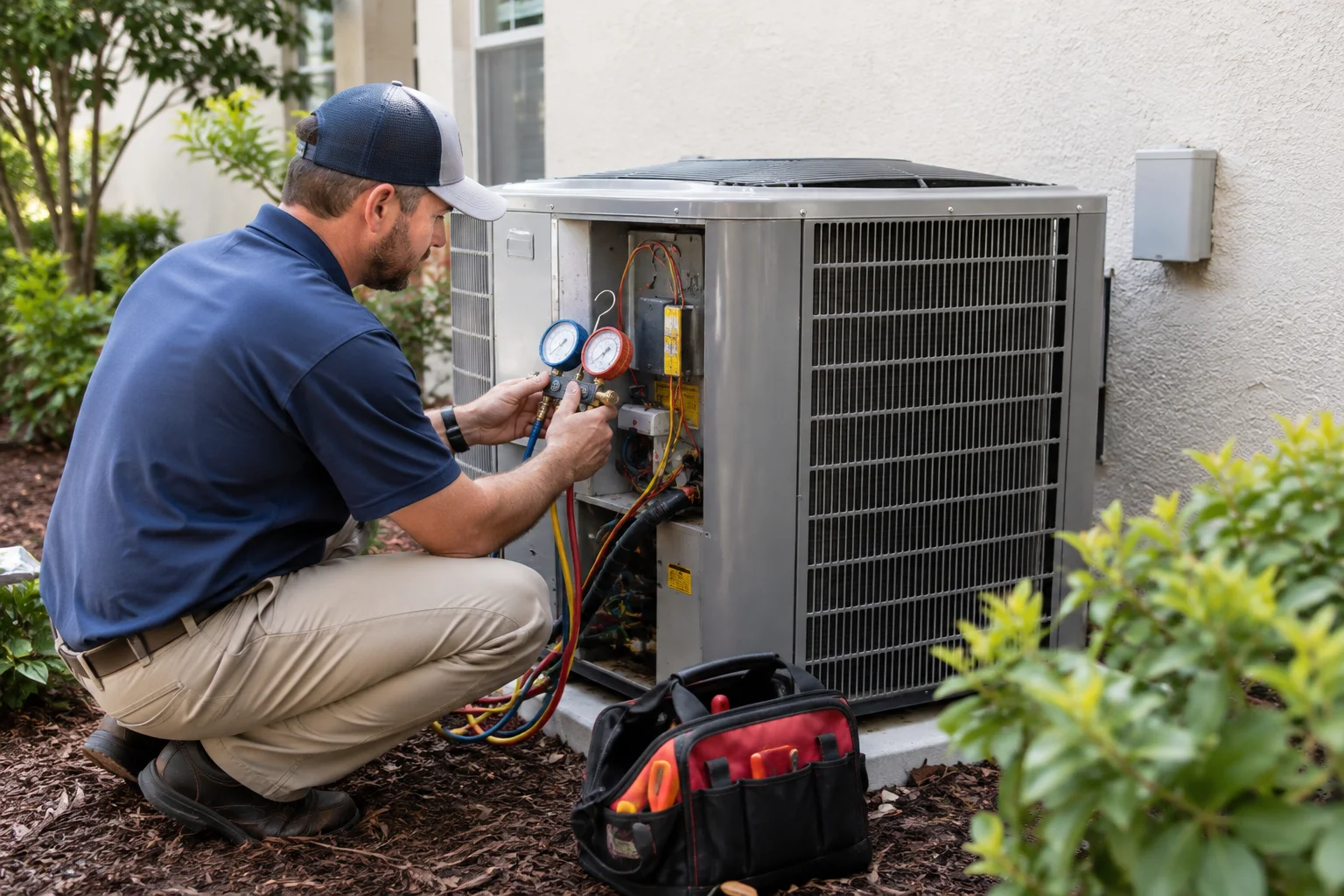
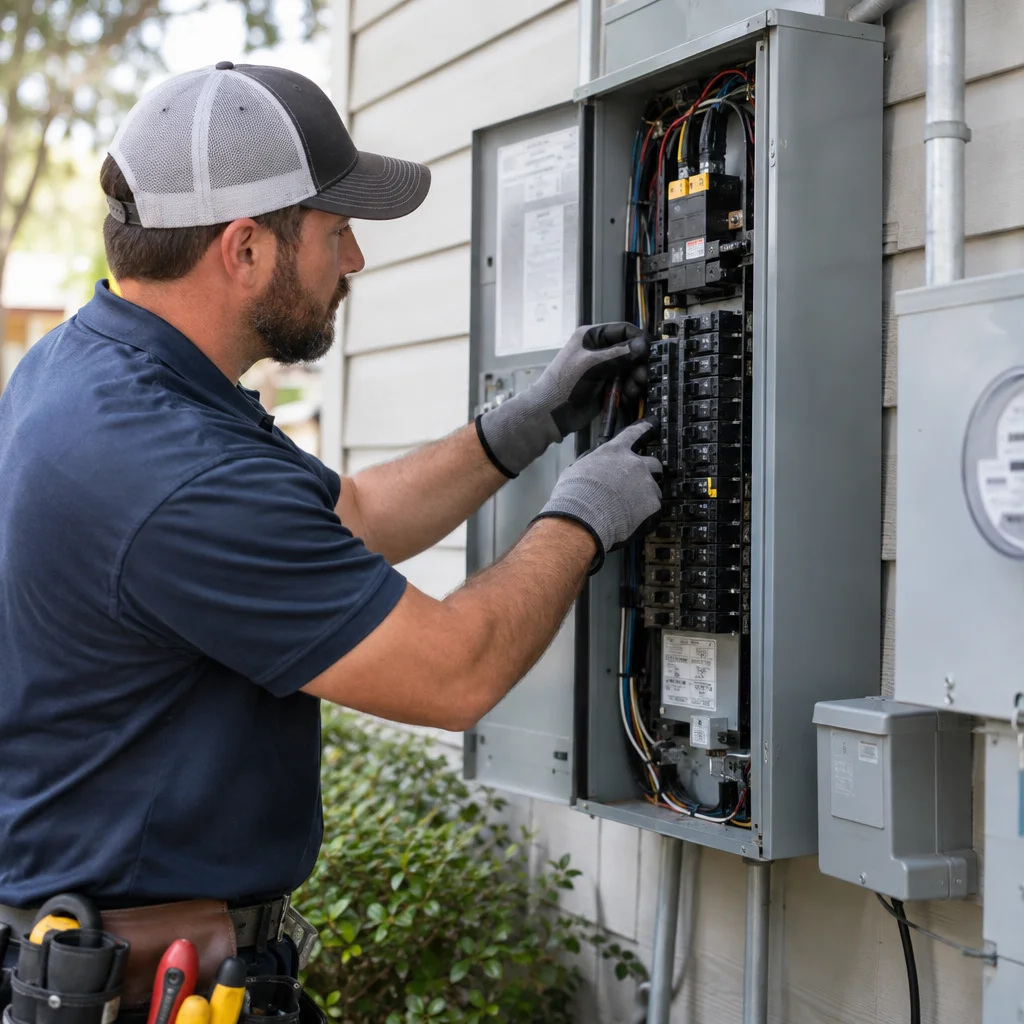
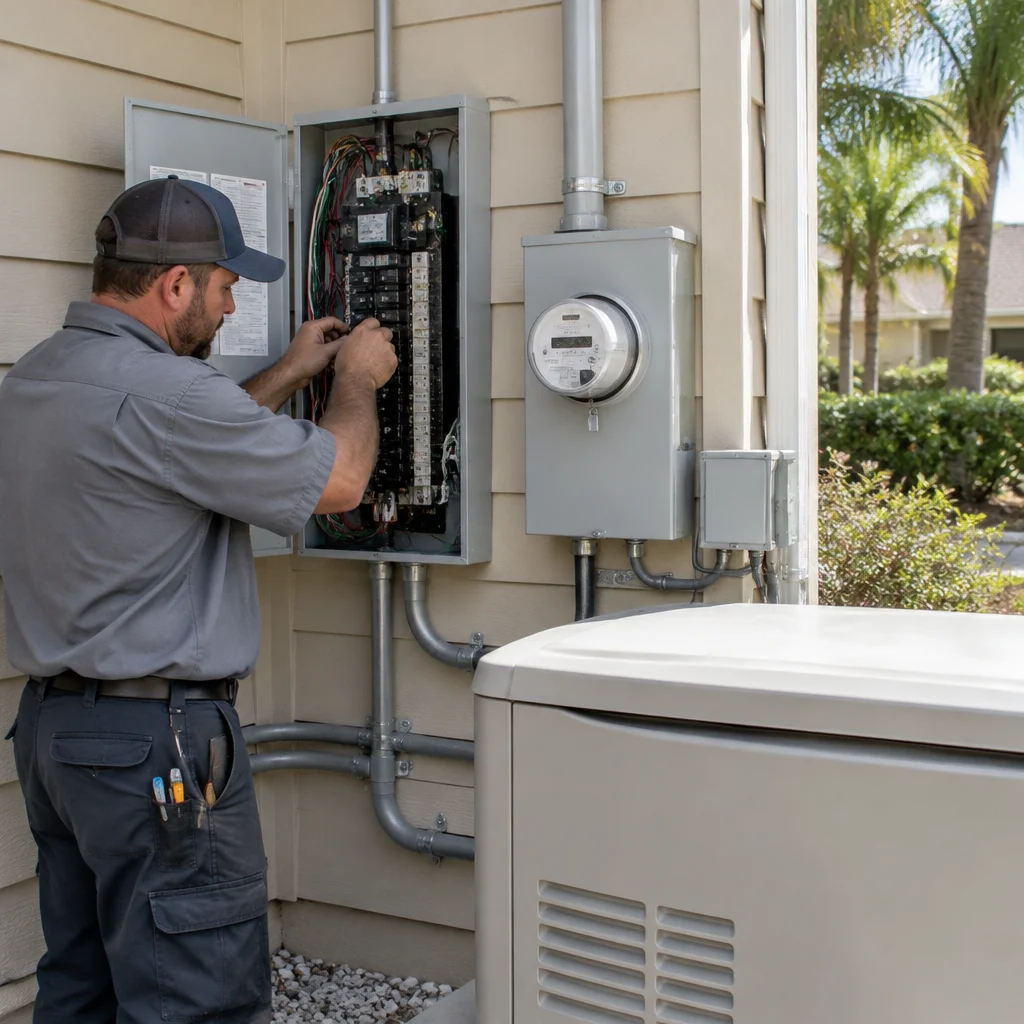
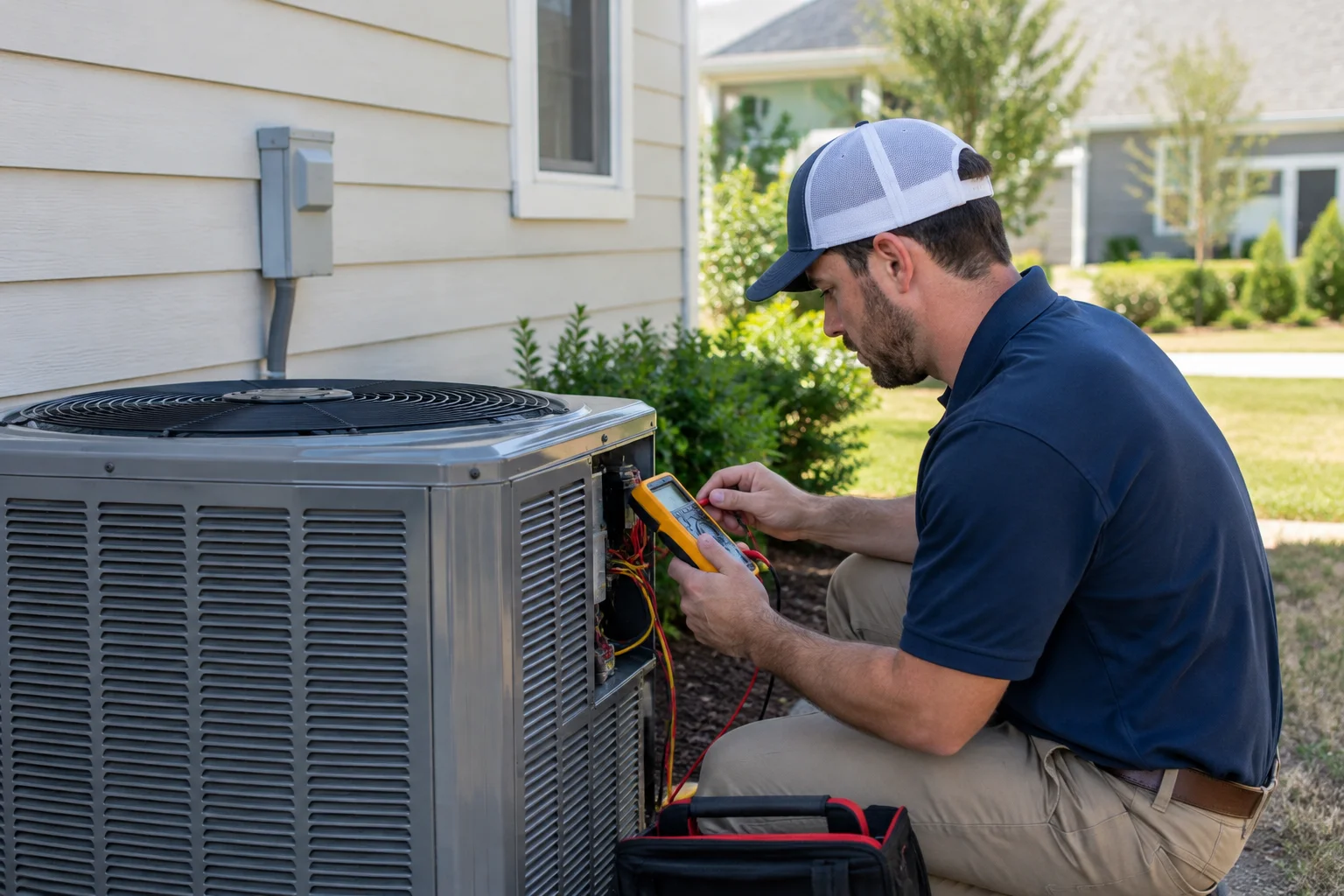
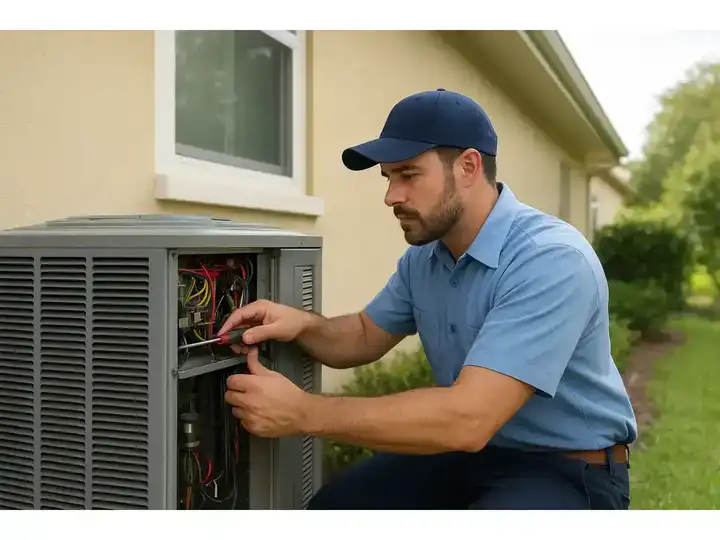
Technicians should inspect electrical connections, test capacitors, check refrigerant levels, clean coils, verify airflow, and confirm that the thermostat is working correctly. Drain lines should be cleared so condensation can move out of the system. If the property has older ductwork, the technician should also look for visible leaks or disconnected sections that waste cooled air.
Humidity control and thermostat settings
Because Parker homes battle moisture as much as heat, humidity control matters. Smart controls can help keep temperatures steady and reduce unnecessary cycling. If you are managing several properties, smart thermostats can make it easier to monitor settings, limit energy waste, and respond to tenant complaints faster. They can also help keep vacant homes from becoming too humid between visits.
Water heater and plumbing coordination
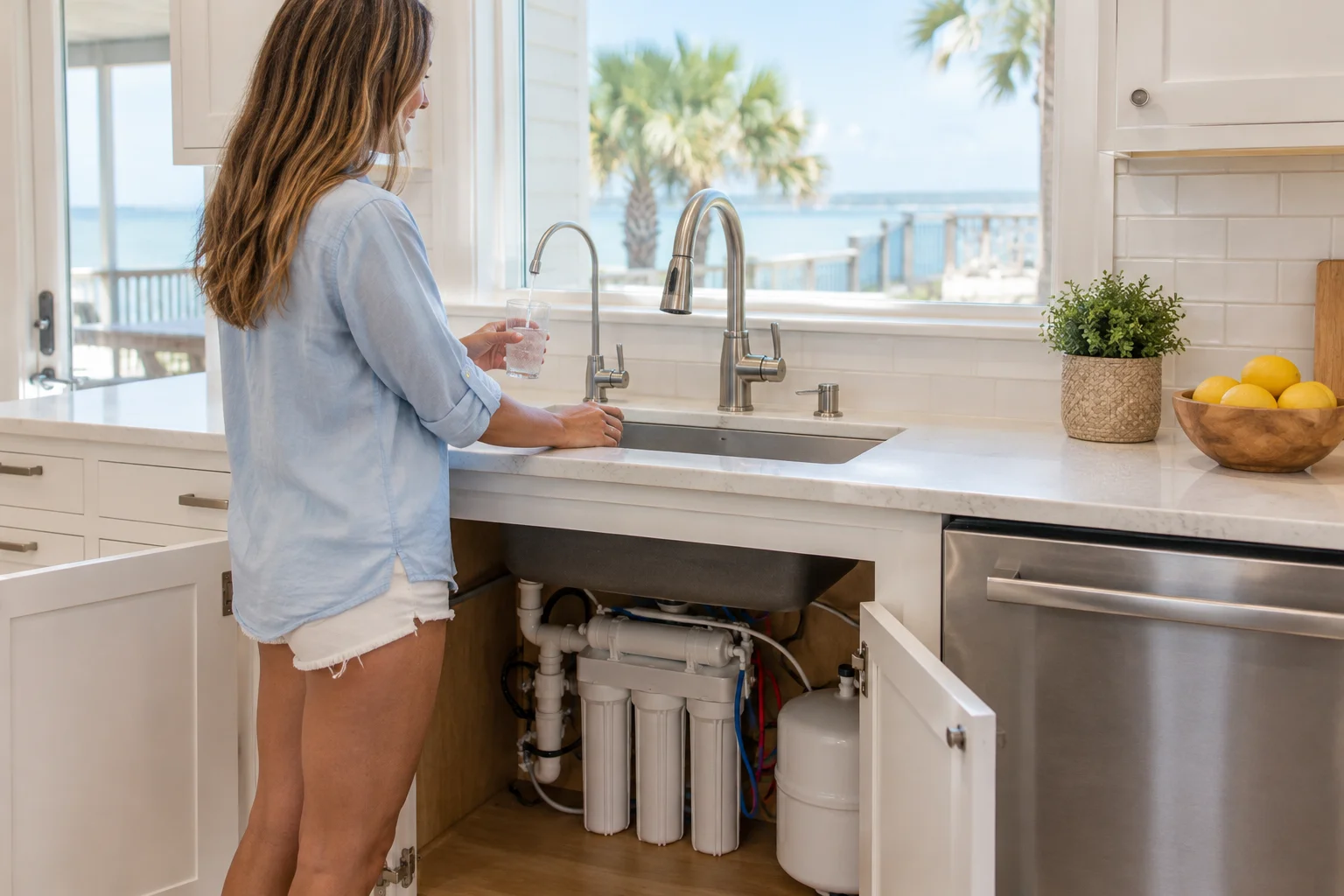
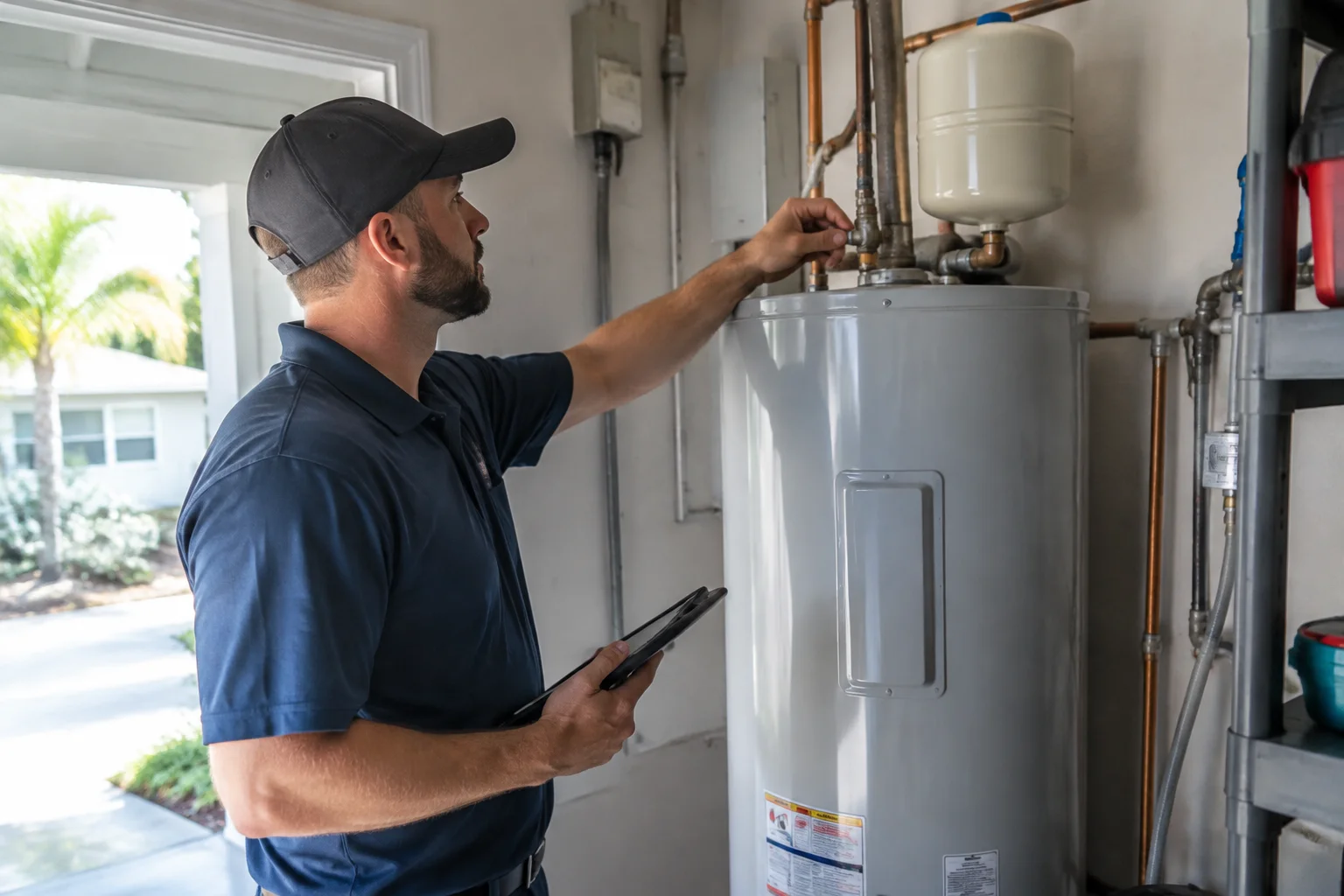
HVAC issues sometimes overlap with plumbing and water heating concerns, especially when leaks, drainage, or moisture are involved. If a property has recurring moisture around utility areas, it may be worth checking the nearby water heater and drain lines too. Related services like water heater services and tankless water heater services can support a more complete maintenance plan for managed homes.
Why local service matters in Bay County
HVAC work in Parker is not the same as HVAC work in a drier inland market. Local technicians understand how quickly salt air can affect outdoor components, how summer humidity changes system performance, and how storm season can complicate repairs. They also know the kinds of homes common in Bay County, from older coastal properties to rental units and small commercial buildings.
That local knowledge helps with both diagnosis and prevention. A technician familiar with Parker is more likely to spot a drain issue before it causes water damage, recognize corrosion on an outdoor unit, or recommend maintenance intervals that fit the area’s climate. Local response time also matters when a tenant calls after hours or a vacation guest arrives to a warm property.
For property owners comparing service options, local experience can be the difference between a quick fix and a repeat problem. A company that understands the region can recommend practical solutions that fit the home, the budget, and the weather.
How to reduce emergency repairs during peak cooling season
Peak cooling season is when HVAC systems are most likely to fail, and Parker summers can be unforgiving. A few habits can help lower risk between service visits.
First, change filters on a regular schedule. In occupied rentals, that may mean checking them monthly during heavy use. Second, keep the outdoor unit clear of grass, leaves, and debris. Third, make sure supply vents are open and unobstructed. Fourth, pay attention to tenant or guest reports about strange noises, weak airflow, or moisture around the unit. Small complaints often point to larger issues.
It also helps to schedule maintenance before the hottest stretch of the year. That gives technicians time to correct weak capacitors, dirty coils, or drainage problems before the system is pushed to its limit. For property managers balancing multiple units, this kind of planning can save time and reduce service interruptions.
When a repair is a better move than waiting
Some HVAC problems can wait for a scheduled visit. Others should be handled quickly. If the system will not cool, is leaking water, is making loud electrical noises, or is tripping breakers, it is time to call for service. Waiting can cause more damage and may leave tenants without safe indoor comfort.
It is also smart to act quickly when a property has repeated service calls for the same issue. Recurring repairs can signal that a component is nearing failure or that the system has a larger airflow or sizing problem. In managed properties, repeated breakdowns can become a tenant satisfaction issue and a budget problem at the same time.
If you are comparing long term repair costs with replacement options, it can help to review the system’s age, maintenance history, and energy performance. Articles like How Parker Homeowners Can Reduce the Risk of HVAC Financing Problems can also be useful when planning for larger equipment decisions.
Property managers and homeowners can benefit from a steadier plan
Whether you own one rental or manage several properties, HVAC care works best when it is consistent. A steady maintenance plan helps you document service history, catch patterns early, and keep systems running longer. It also makes tenant communication easier because you can answer concerns with a real plan instead of a guess.
For Parker property owners, that means fewer surprises during humid summer weeks, fewer water damage risks, and less stress when a home is occupied by guests or tenants. It also means the system has a better chance of lasting through the season without emergency repairs that could have been avoided with earlier attention.
If you want a more complete service strategy, A Superior Mechanical offers property management HVAC services in Parker, FL designed for rental homes, vacation properties, multi-unit buildings, and commercial spaces across Bay County. For property owners who also manage business spaces or mixed-use buildings, related reading like Keeping Parker Businesses Comfortable: A Smarter Approach to Commercial HVAC Maintenance at Home, Choosing Commercial HVAC Installation That Fits Parker, FL Buildings and Weather, and A Practical Look at Property Management HVAC Services for Local Property Owners in Sandestin, FL can offer more context on planning for Florida properties.
Find Property Management HVAC Services in Parker, FL
If you need Property Management HVAC Services in Parker, FL, visit our local service page or contact A Superior Mechanical today.
Map of Parker, FL
Frequently Asked Questions
How often should HVAC systems in Parker rental homes be serviced?
Most Parker properties benefit from HVAC maintenance at least twice a year, usually before the heavy cooling season and again before the weather shifts. Homes with high occupancy, pets, or older equipment may need more frequent filter checks and inspections.
What HVAC problems are most common in Parker, FL?
Humidity, salt air, and long cooling seasons often lead to clogged drain lines, dirty coils, refrigerant issues, thermostat problems, and outdoor unit corrosion. These issues can show up as weak cooling, water around the air handler, or rising energy bills.
Can smart thermostats help reduce HVAC repairs?
Yes. Smart thermostats can help keep temperatures steadier, reduce unnecessary cycling, and make it easier to monitor occupied or vacant properties. They do not replace maintenance, but they can support better system performance and lower wear over time.
Related Articles
- How Parker Homeowners Can Reduce the Risk of HVAC Financing Problems
- Keeping Parker Businesses Comfortable: A Smarter Approach to Commercial HVAC Maintenance at Home
- Choosing Commercial HVAC Installation That Fits Parker, FL Buildings and Weather
- A Practical Look at Property Management HVAC Services for Local Property Owners in Sandestin, FL
Photo Gallery