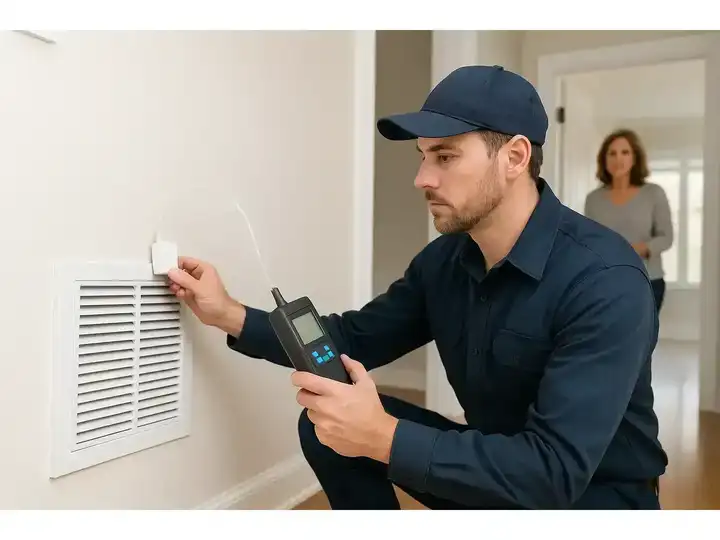
Seagrove Beach homes deal with a mix of coastal humidity, seasonal pollen, and steady HVAC use that can make indoor air harder to manage than many homeowners expect. Even well kept homes can develop air quality issues that are not obvious at first glance. That is why indoor air quality testing in Seagrove Beach, FL has become such a practical service for local homeowners, rental property owners, and anyone trying to keep a home comfortable through the changing seasons.
When indoor air feels stuffy, smells musty, or seems to trigger allergies more often than usual, the cause is not always simple. In Walton County, coastal weather can push moisture into homes, and that moisture can affect everything from ductwork to insulation to the air moving through your HVAC system. A targeted test can help identify what is happening and point toward the right fix instead of guessing.
Why Seagrove Beach homes face different air quality challenges
Seagrove Beach sits close to the Gulf, which means homes here are exposed to high humidity, salt air, and frequent weather shifts. Those conditions can strain cooling systems and create indoor air problems that are less common in drier inland areas. In older homes, small gaps in the building envelope can let in humid outdoor air. In newer homes, tighter construction can trap pollutants indoors if ventilation is not balanced well.
Seasonal changes matter too. Spring can bring pollen from trees and grasses across Walton County. Summer often brings long stretches of heat and humidity, which can make air conditioners run for hours at a time. Fall and winter may feel milder, but closed windows and reduced fresh air exchange can allow indoor contaminants to build up. A home can feel clean and still have poor air quality behind the scenes.
Problems homeowners often miss
Indoor air quality issues are easy to overlook because the symptoms often build slowly. A room may smell damp after rain, but the odor fades. A family member may notice more coughing or congestion, but blame it on seasonal allergies. A vacation rental may seem fine during a quick walkthrough, yet guests report discomfort after staying overnight.
Humidity that stays too high
High humidity is one of the biggest concerns in coastal homes. When indoor moisture levels stay elevated, it can make a house feel warmer than it is and create conditions where mold and dust mites thrive. It can also make wood floors, cabinets, and trim more vulnerable to damage over time.
Mold risk in hidden spaces
Mold does not always appear in open, easy to see areas. It can form inside ductwork, behind walls, around supply registers, in crawl spaces, or near air handlers if moisture is present. Indoor air quality testing can help identify conditions that support mold growth before the problem becomes larger and more expensive to address.
Allergens and fine particles
Pollen, dust, pet dander, and fine particles from everyday living can accumulate indoors. If filtration is weak or ducts are dirty, those particles can circulate through the home repeatedly. Homeowners often notice this most when windows stay closed and the HVAC system is doing most of the work.
VOCs from household products and building materials
Volatile organic compounds, or VOCs, can come from paints, cleaners, flooring, furniture, and other materials. In a home with limited ventilation, VOCs can linger longer than expected. Testing helps identify whether indoor air contains elevated levels that may be contributing to headaches, irritation, or a lingering chemical smell.
How indoor air quality testing works
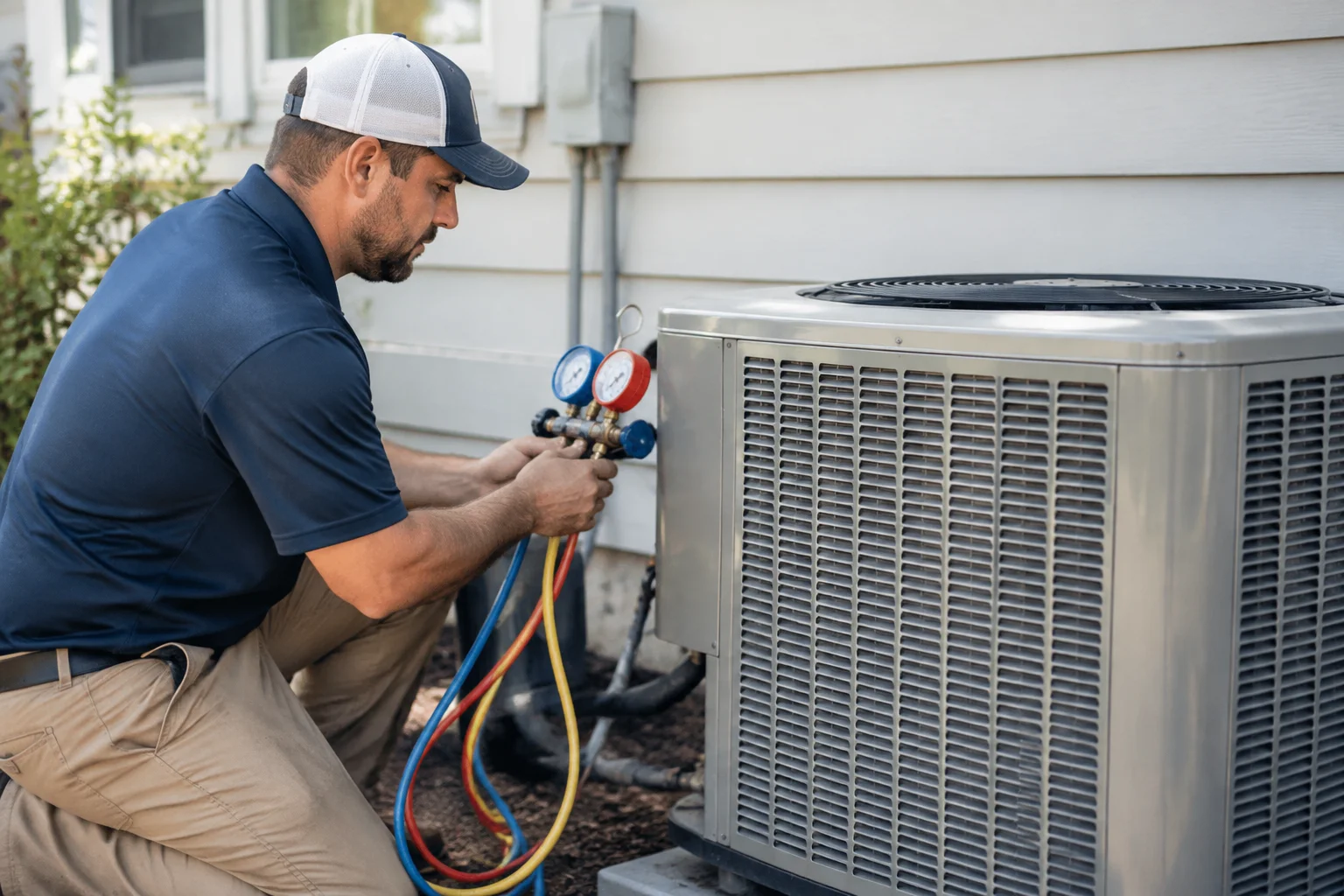
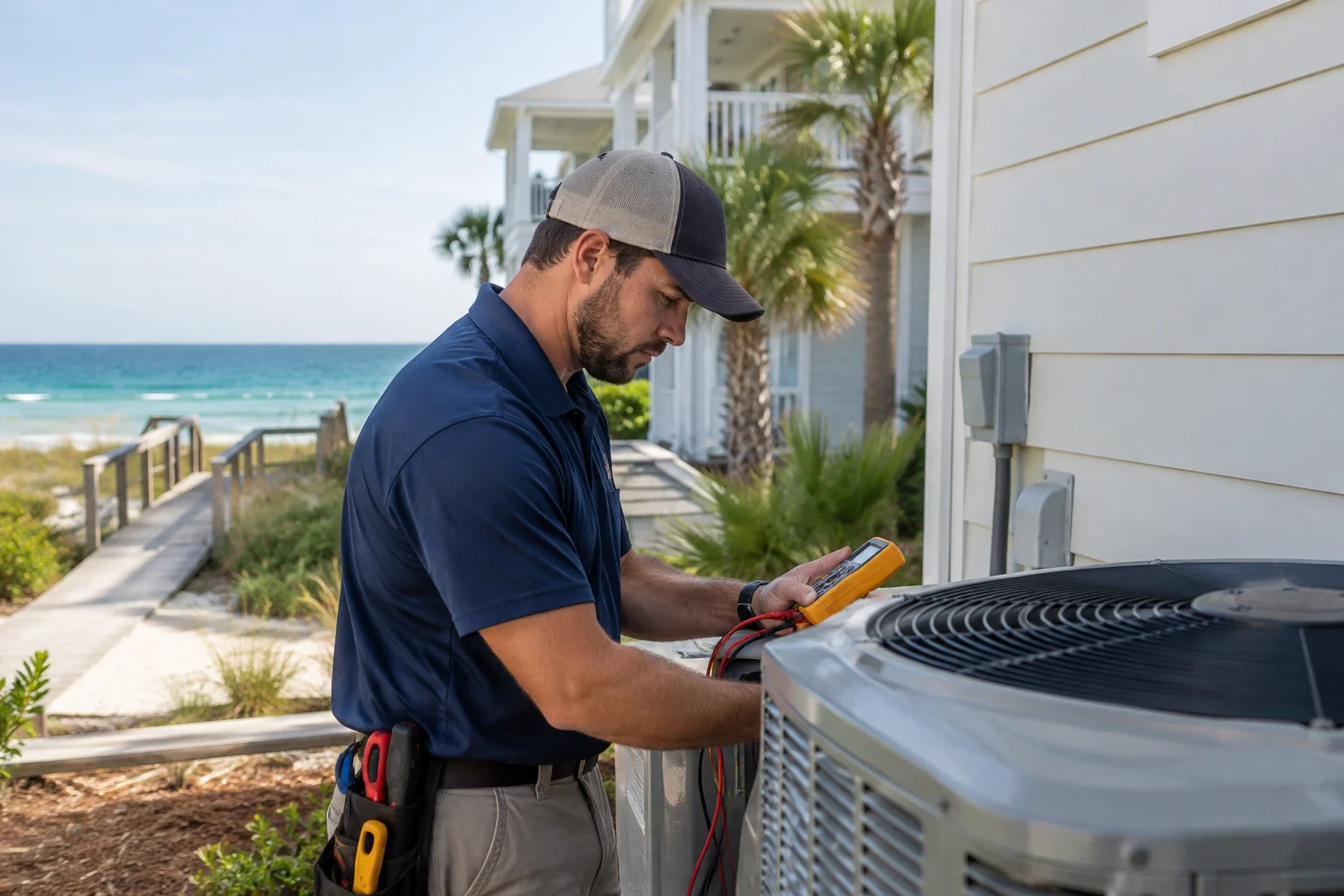
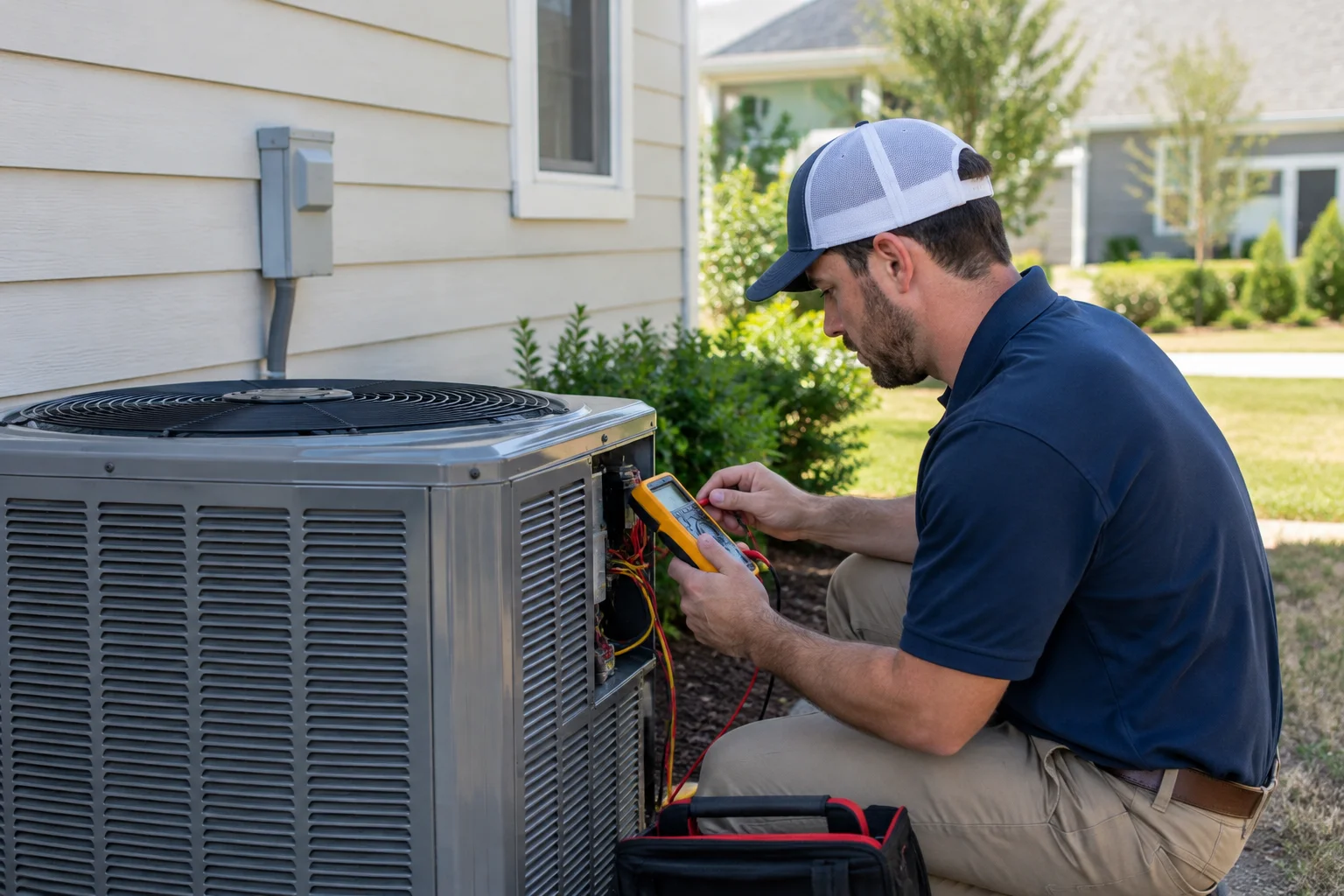
Indoor air quality testing is a practical process that looks at the conditions affecting the air you breathe inside the home. A technician may measure humidity, temperature, particulate levels, and other factors depending on the situation. In some cases, the test also looks for signs of mold risk, ventilation problems, or HVAC issues that could be making the air less healthy.
The goal is not just to collect numbers. It is to connect those results to the actual conditions in the home. For example, if one area of the house feels damp and another feels dry, the difference may point to airflow problems, duct leakage, or a dehumidification issue. If the air quality issue seems worse when the system runs, that can suggest a filter, duct, or blower concern.
For homeowners who want a deeper look at the service itself, Indoor Air Quality service can be a helpful next step alongside testing, especially when the concern is comfort, allergies, or long term prevention.
Why local service matters in Walton County
Air quality problems in Seagrove Beach are often tied to local building conditions, weather patterns, and the way coastal homes are used. A home near the beach may have different humidity control needs than a house farther inland. A vacation property may sit empty for stretches of time, which can allow moisture to linger if the HVAC system is not set correctly. A full time residence may have a different mix of cooking odors, pet dander, and daily occupancy related pollutants.
That is why working with a local HVAC company matters. A technician who understands Walton County homes is more likely to recognize the warning signs of coastal moisture, duct problems, and ventilation issues that can affect indoor air. Local experience also helps when recommending solutions that make sense for the home, not just generic fixes.
If you want to learn more about the area and the homes served here, visit the Seagrove Beach service area page or the broader Walton County service area page.
Common clues that testing may be worth scheduling
Some indoor air problems are obvious, while others show up as small annoyances that never fully go away. If you notice one or more of the following, testing is often a smart next step:
Persistent musty odors, especially after rain or when the AC starts up. Rooms that feel sticky even when the thermostat is set properly. Dust that returns quickly after cleaning. Allergy symptoms that improve when you leave the house. Condensation on windows or around vents. A system that seems to run constantly without making the home feel comfortable. Guests in a rental property reporting stuffiness, odors, or discomfort.
These issues do not always mean there is a major problem, but they do suggest the home may benefit from a closer look. In coastal homes, small moisture or airflow problems can build into larger concerns if they are ignored for too long.
Solutions that often follow a test
Once the source of the problem is clearer, the next step becomes much easier to plan. In some homes, the fix may be as simple as replacing a clogged filter with the right type and improving routine maintenance. In others, the solution may involve balancing airflow, sealing ducts, improving ventilation, or addressing excess humidity.
For homes that struggle with moisture, Whole Home Dehumidifiers can be a strong solution, especially in a climate like Seagrove Beach where humidity can stay high for long stretches. In homes with older duct systems or unexplained dust and odor issues, a Duct Inspection may reveal leaks, buildup, or damage that is affecting air circulation.
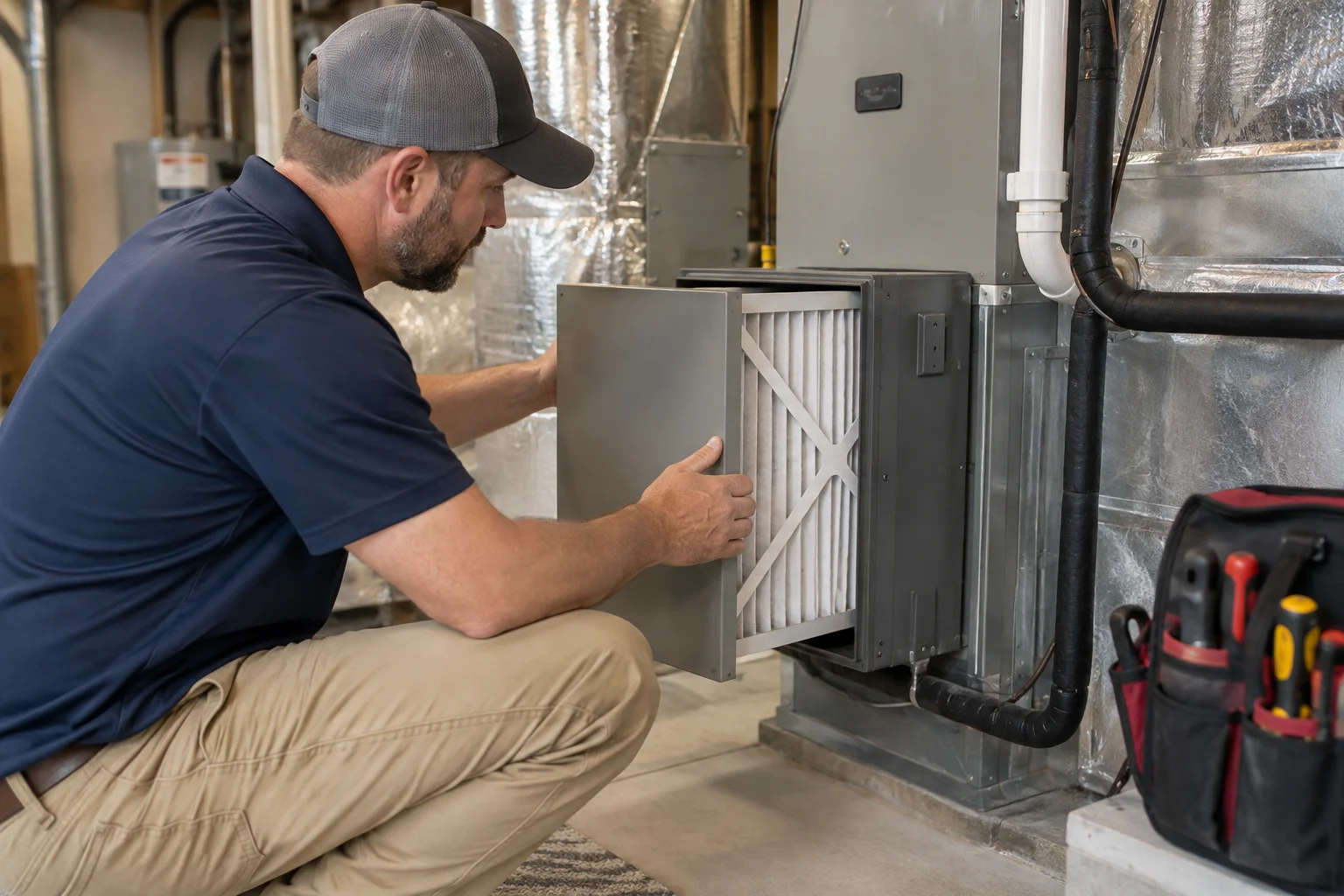
Maintenance also plays a major role. Homeowners who keep up with filter changes, coil cleaning, drain line checks, and system tune ups usually have an easier time keeping indoor air cleaner. For commercial properties or vacation rentals, regular service can be especially important because occupancy patterns and system usage can vary so much throughout the year. Businesses that rely on dependable comfort may also benefit from Commercial HVAC Maintenance to keep systems operating efficiently and reduce air quality complaints.
How to reduce air quality stress between tests
Testing gives you the facts, but everyday habits help protect the results. Keep indoor humidity in a healthy range, usually below 50 percent when possible. Use bathroom and kitchen exhaust fans during and after moisture producing activities. Replace filters on schedule and choose the correct filter rating for your system. Keep supply and return vents clear so air can move freely. If a room feels consistently damp or stagnant, do not ignore it.
It also helps to pay attention to how your home is used. In Seagrove Beach, many homes are second homes or rentals, which means they may sit unused for periods of time. Before a long vacancy, set the thermostat and humidity control properly so moisture does not build up. After a stretch of empty time, run the system and check for odors, condensation, or unusual dust before welcoming people back inside.
For homeowners who want a few more practical HVAC habits that support cleaner air, this related article offers useful ideas: Keeping Indoor Air Cleaner in Seagrove Beach Homes Starts With the Right HVAC Habits.
Air quality concerns in rentals and managed properties
Seagrove Beach has a strong mix of vacation homes, short term rentals, and managed properties. Those spaces often need extra attention because many people may use them in a single season, and each guest notices air quality differently. A property manager may not hear about a problem until a guest leaves a review, but by then the issue has already affected the stay.
Testing can help property owners and managers stay ahead of complaints related to odors, humidity, and comfort. It also supports better planning for maintenance and system upgrades. For managers handling multiple properties, a proactive approach can reduce emergency calls and help protect the home from moisture related damage. If you manage commercial or rental properties in the area, these related reads may also be helpful: Making Smarter HVAC Choices for Property Managers in Seagrove Beach and A Smarter Way to Approach Commercial HVAC Repair in Seagrove Beach, FL.
When to bring in a professional
Homeowners can monitor filters, humidity, and odors, but professional testing is the better choice when the problem keeps coming back or when you suspect mold, duct contamination, or ventilation trouble. A professional can connect the symptoms to actual measurements and recommend the most effective next step. That saves time and helps avoid spending money on fixes that do not address the real cause.
If you have noticed recurring moisture, unexplained smells, allergy flare ups, or uneven comfort from room to room, it may be time to schedule a closer look. A Superior Mechanical provides local support for homes across Seagrove Beach and Walton County, helping homeowners identify what is affecting their indoor air and how to improve it in a way that fits coastal conditions.
For homeowners comparing service options, starting with indoor air quality testing in Seagrove Beach, FL can provide a clear picture of what is happening inside the home and what should happen next.
Find Indoor Air Quality Testing in Seagrove Beach, FL
If you need Indoor Air Quality Testing in Seagrove Beach, FL, visit our local service page or contact A Superior Mechanical today.
Map of Seagrove Beach, FL
Frequently Asked Questions
Why is indoor air quality testing especially useful in Seagrove Beach homes?
Seagrove Beach homes deal with high humidity, salt air, and seasonal pollen. Those conditions can lead to moisture problems, mold risk, and poor airflow that are not always easy to spot without testing.
What does indoor air quality testing usually check for?
Depending on the home, testing may look at humidity, particulate levels, ventilation concerns, mold risk, and possible HVAC related issues. It helps identify what is affecting comfort and air cleanliness indoors.
Can high humidity really affect air quality in a coastal home?
Yes. When humidity stays too high, it can encourage mold growth, dust mites, and musty odors. It can also make the home feel warmer and less comfortable, even when the AC is running.
How often should a homeowner in Walton County consider testing?
There is no single schedule for every home, but testing is a good idea when odors, allergy symptoms, moisture, or comfort issues keep coming back. It is also useful after water intrusion or before buying a coastal property.
Related Articles
- A Smarter Way to Approach Commercial HVAC Repair in Seagrove Beach, FL
- Making Smarter HVAC Choices for Property Managers in Seagrove Beach
- Why Commercial HVAC Maintenance Matters More Than Ever for Year Round Comfort in Seagrove Beach, FL
- Keeping Indoor Air Cleaner in Seagrove Beach Homes Starts With the Right HVAC Habits
Photo Gallery