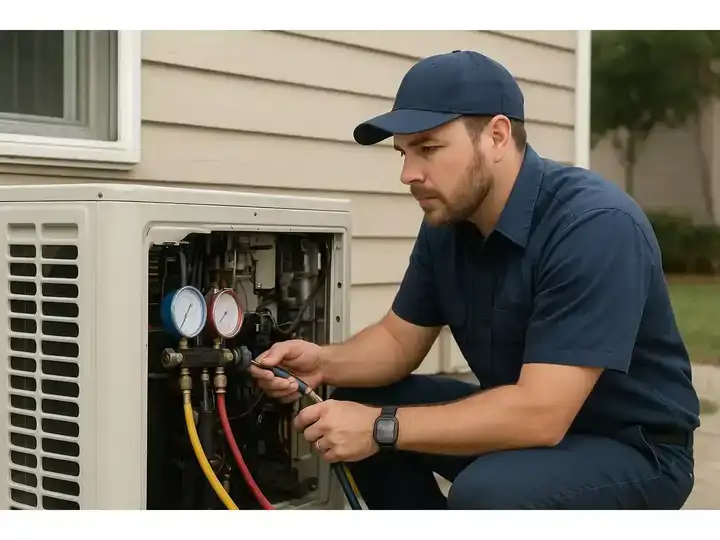
Callaway homeowners know how quickly indoor comfort can slip when the weather turns hot, humid, and salty. In Bay County, HVAC systems work hard for much of the year, and that is especially true for VRF multi-zone systems in Callaway, FL. These systems are built for flexible comfort, but they still need regular attention to stay efficient and reliable.
VRF, or variable refrigerant flow, systems are different from standard single-zone equipment. They allow one outdoor unit to support multiple indoor zones, which makes them a strong fit for homes with additions, rental properties, and properties with rooms that never seem to stay the same temperature. That flexibility is a big advantage, but it also means maintenance matters in a more detailed way. A small issue in one zone can affect the whole system if it goes unnoticed.
If you live in Callaway or anywhere in Bay County, a little preventive care can go a long way. Here is how to keep a VRF multi-zone system running the way it should, and how to spot the kind of problems that can drive up energy bills or lead to costly service calls.
Why VRF systems need a different kind of maintenance
VRF systems are designed to adjust output based on demand, which makes them efficient and comfortable. Instead of cycling on and off like some older systems, they modulate to match the cooling or heating needs of each zone. That is helpful in a place like Callaway, where some rooms may get direct sun while others stay shaded, and where humidity can make an already warm day feel heavier indoors.
Because the system is managing multiple zones, the maintenance checklist is broader. A problem with a sensor, drain line, refrigerant charge, or airflow in one area can affect performance in another. If a bedroom is too warm but the rest of the house feels fine, the issue may not be obvious without a trained eye.
That is one reason local service matters. A technician who works in Callaway regularly understands how coastal humidity, frequent cooling demand, and mixed property types across the area affect system performance. For homeowners comparing options, it helps to work with a team that knows the neighborhood and the climate, not just the equipment.
What Callaway’s climate does to VRF equipment
Callaway sits in a hot, humid part of Florida, and that climate creates several stress points for HVAC systems. Moisture is one of the biggest concerns. Humid air can increase condensation, and if drain lines are partially blocked, that moisture has nowhere to go. Over time, that can lead to water damage, odors, and mold growth around indoor units.
Outdoor units also deal with salt air, pollen, grass clippings, and storm debris. Even if the system is not directly on the coast, Bay County weather still brings plenty of airborne grime. Coils that collect dirt cannot transfer heat as efficiently, which can make the system run longer and use more energy.
In some Callaway homes, especially older houses and properties that have been updated over time, VRF systems may be tied to rooms with different insulation levels or leaky ductwork in connected sections. If the building envelope is not tight, the system has to work harder to maintain comfort. That is why services like Duct Sealing & Aeroseal Services can be a smart companion to HVAC maintenance when rooms never seem to stay balanced.
Maintenance habits that save money over time
Keep filters clean and on schedule
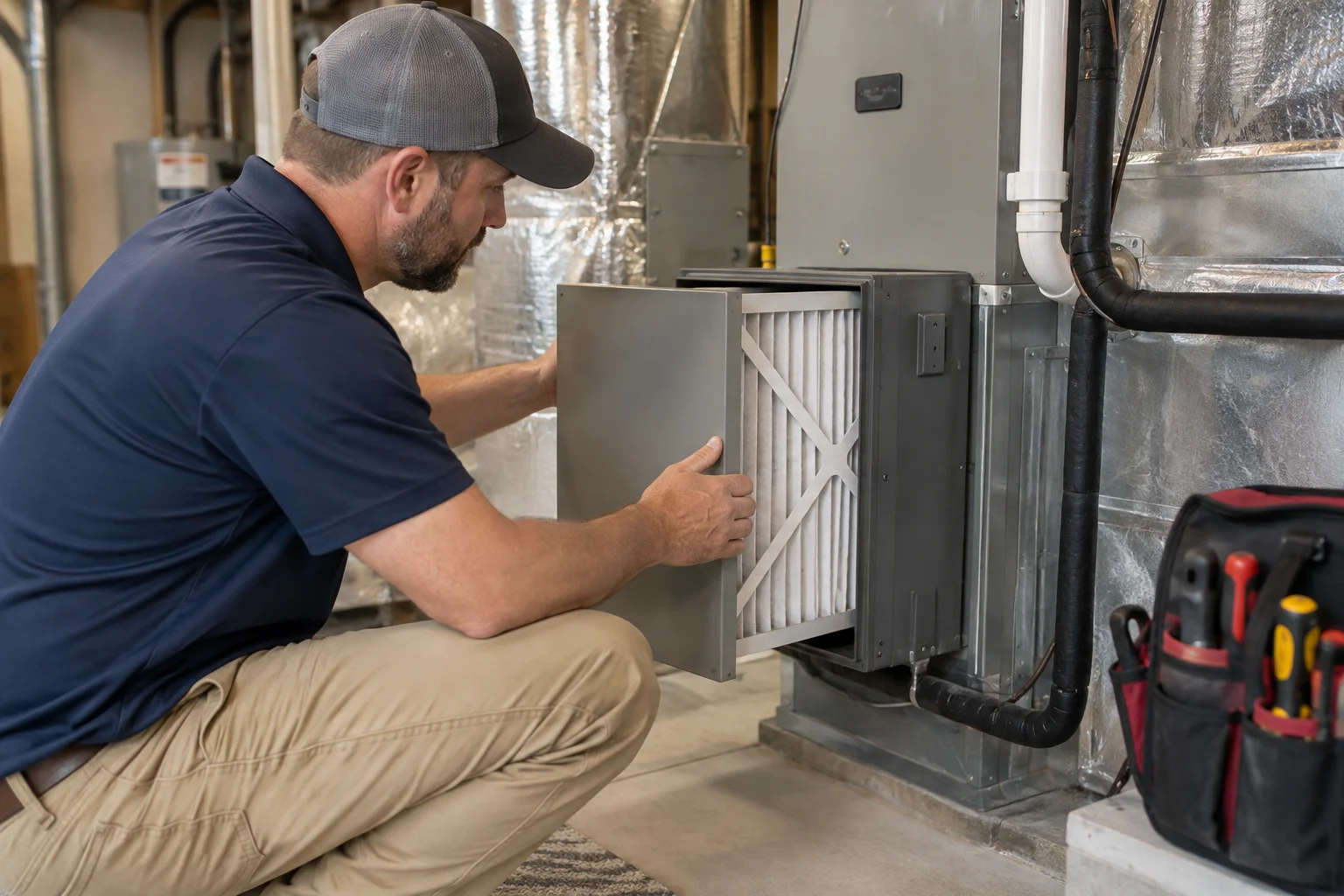
Dirty filters are one of the easiest problems to prevent. When filters clog, airflow drops and the system has to push harder to move air through each zone. That can create uneven temperatures, higher utility bills, and more wear on the equipment. In a humid climate like Callaway’s, filters can load up faster than many homeowners expect, especially in homes with pets or frequent window opening.
Check filters regularly and replace or clean them based on the manufacturer’s guidance. If you are unsure how often that should happen in your home, a local technician can help set a schedule based on your usage and indoor conditions.
Watch each indoor unit, not just the thermostat
With a multi-zone system, each room or zone should be checked for comfort, airflow, and noise. A single indoor unit that is weak, noisy, or leaking can point to a larger issue. If one zone is consistently warmer than the others, the problem could be a sensor, a refrigerant issue, a blocked coil, or even a control setting that has drifted out of sync.
It helps to walk through the home every so often and compare zones. Look for rooms that take too long to cool, vents that feel weak, or units that make new sounds. Catching those changes early can prevent bigger repair bills later.
Keep the outdoor unit clear
In Callaway, outdoor units can quickly collect leaves, grass, pine needles, and storm debris. Keep the area around the unit clear so air can move freely. Trim back shrubs, remove buildup around the base, and make sure the unit is not blocked by stored items.
If the outdoor coil is dirty, the system cannot reject heat efficiently. That can cause longer run times and added strain. A professional cleaning during routine maintenance is a good way to protect performance without risking damage to the coils.
Pay attention to drain lines and moisture
Humidity makes condensate management a big deal. If a drain line slows down or clogs, you may notice water around the indoor unit, a musty smell, or shutoff issues. In some homes, that moisture can even stain ceilings or damage drywall before anyone realizes what is happening.
Routine service should include a check of drain lines, drain pans, and any signs of standing water. This is especially important in homes with multiple indoor units, where one blocked drain can be easy to miss.
Signs the system is losing efficiency
A VRF system does not usually fail all at once. More often, it starts showing small changes that homeowners can notice if they know what to look for. The system may run longer than usual, but the rooms still feel uneven. Energy bills may creep up without a clear reason. You might hear short bursts of unusual noise, such as clicking, rattling, or hissing.
Another common sign is a zone that seems to respond slowly. If one room in the house always lags behind the others, the problem may be more than a comfort complaint. It could mean the system is compensating for low refrigerant, airflow imbalance, or a control issue.
For homeowners who also manage rental properties or multi-unit buildings, these small changes can show up as repeated tenant complaints. That is often the point where a broader maintenance plan makes sense. For property managers, the article How Property Management HVAC Systems in Callaway Change Over Time and What to Watch for Before Comfort Slips offers a useful look at how systems age under constant demand.
Why local service can prevent bigger repairs
VRF systems are precise, and that precision is part of what makes them efficient. It also means repairs should be handled by a technician who understands the equipment and the local conditions it operates in. A service call in Callaway is not just about swapping parts. It is about checking how the system is responding to humidity, zone demand, weather exposure, and the building itself.
That local knowledge can help catch problems sooner. For example, a technician familiar with Bay County homes may recognize that a certain room gets afternoon heat gain, or that a coastal-influenced outdoor unit needs more frequent cleaning. Those details matter when the goal is to keep energy use under control.
For businesses and larger properties, local expertise is even more important. A system serving offices, rental units, or mixed-use spaces needs reliable scheduling and consistent service. That is where Commercial HVAC Maintenance can support long-term performance and reduce the chance of unexpected downtime.
Maintenance tasks homeowners can handle and tasks to leave to a pro
There are a few things homeowners can safely do between service visits. Replace filters, keep vents open, clear debris from around the outdoor unit, and pay attention to changes in temperature or noise. You can also make sure furniture or curtains are not blocking airflow at indoor units.
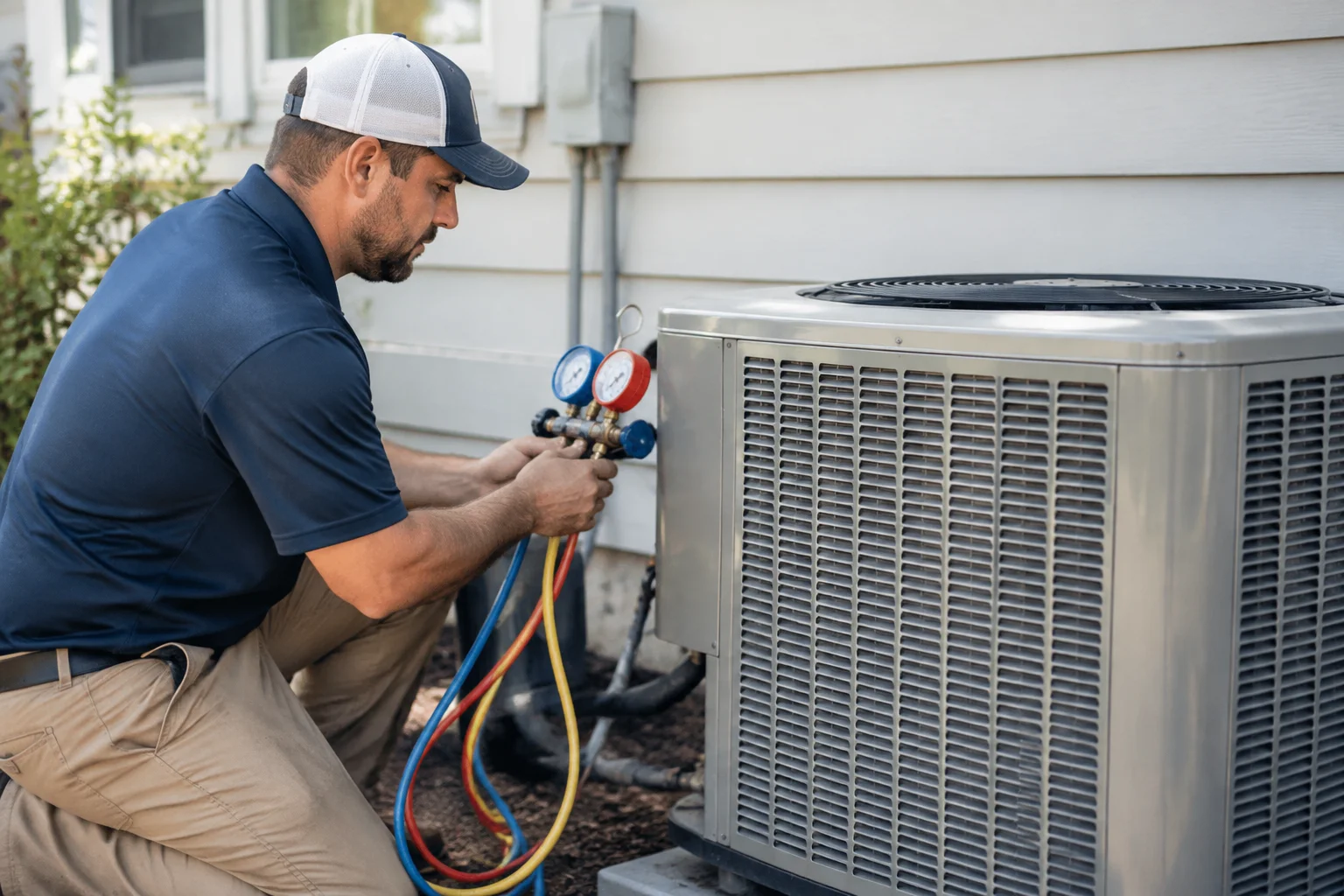
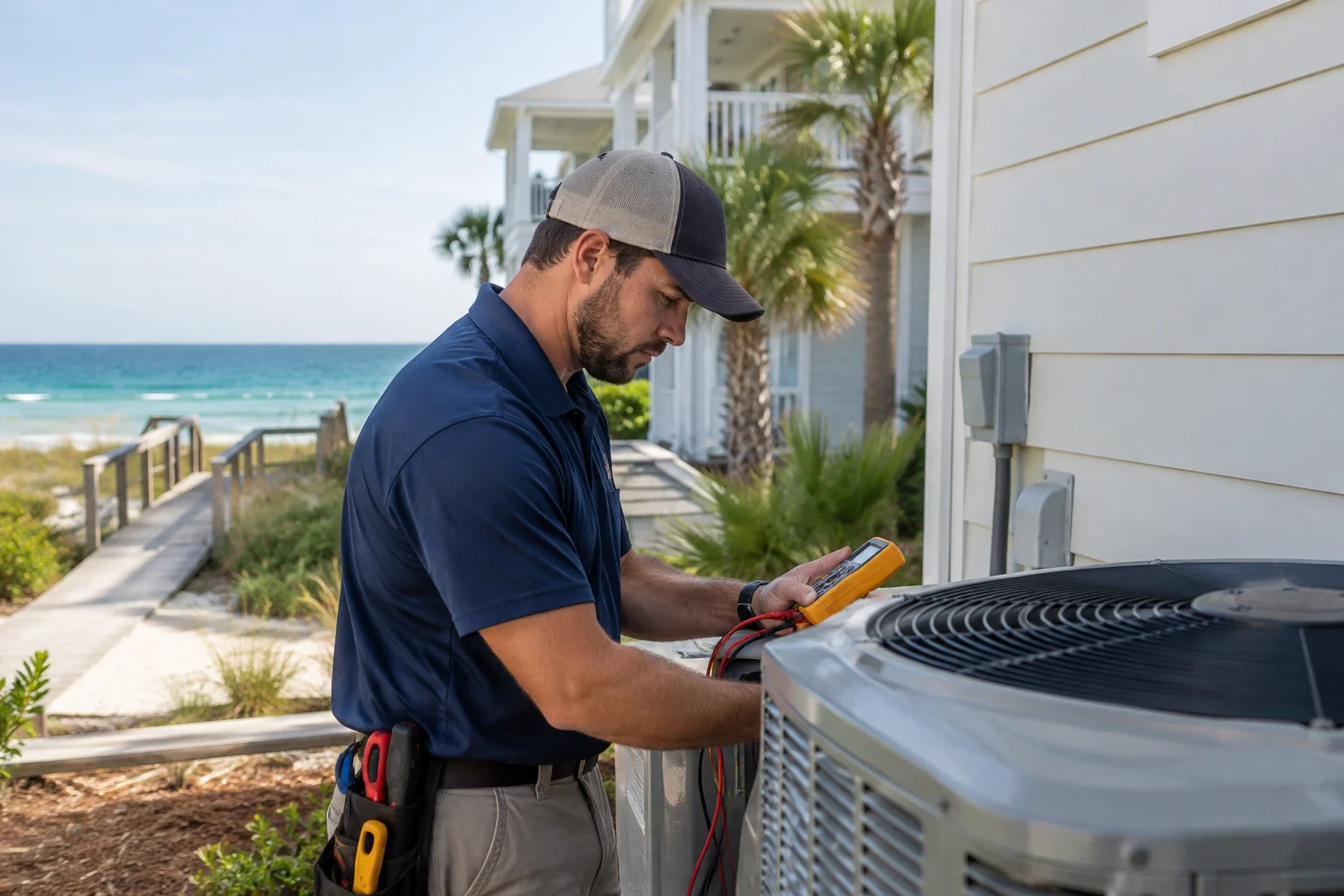
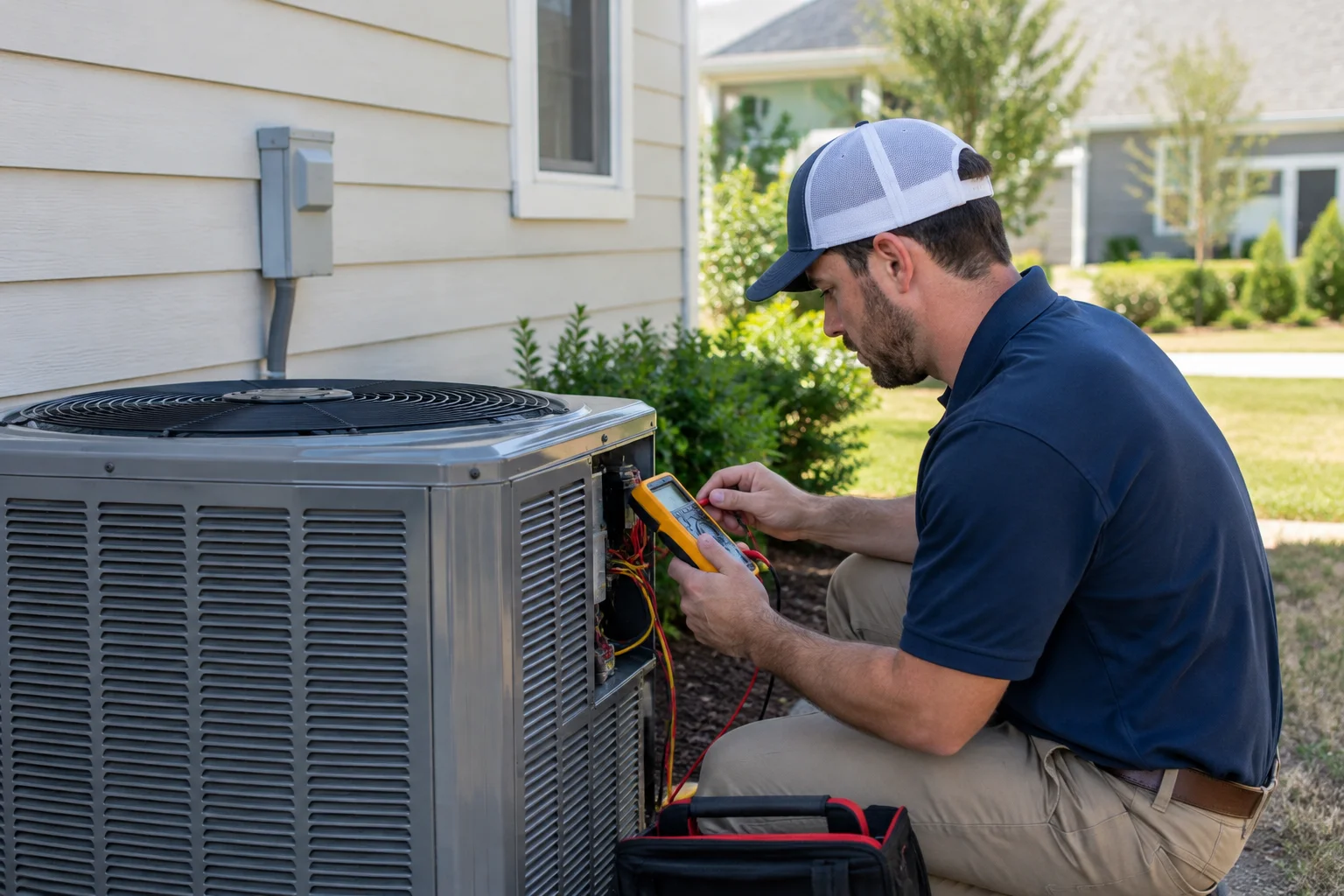
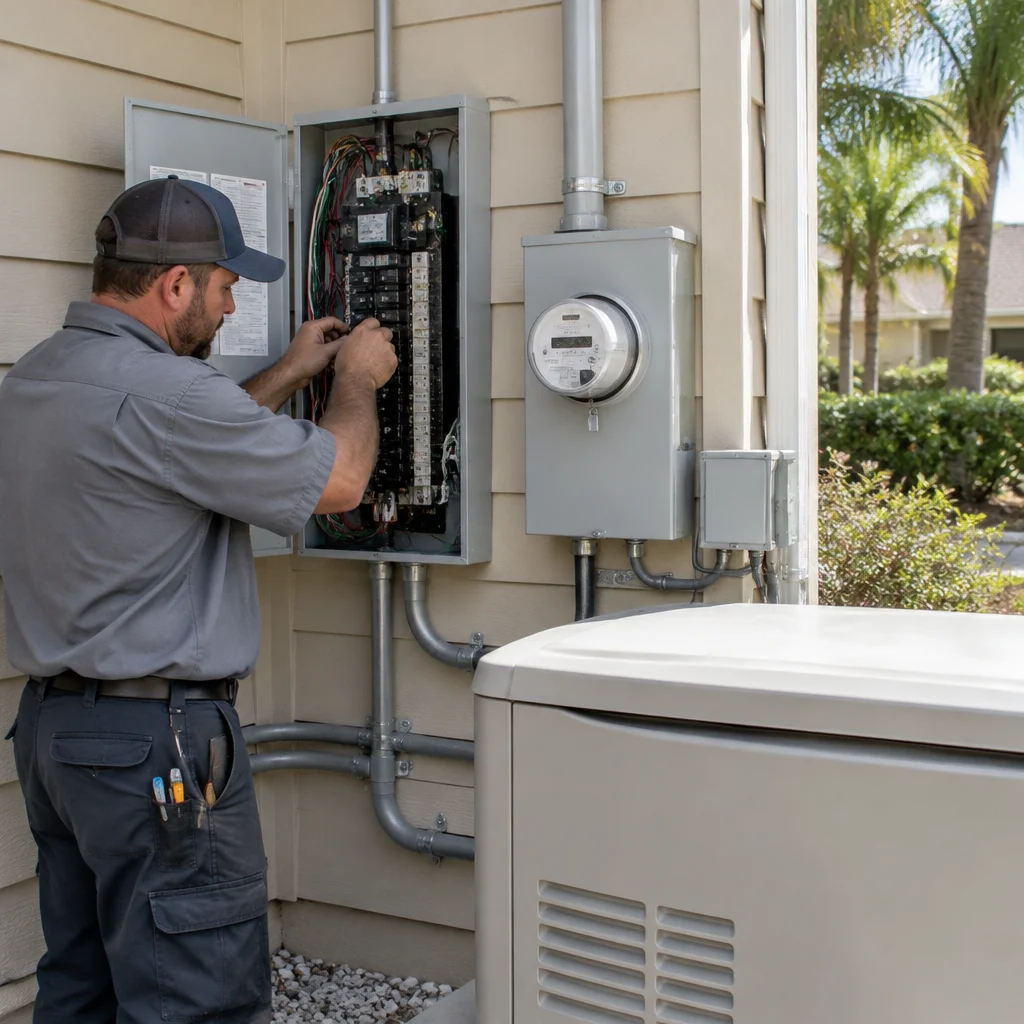
More technical work should stay with a professional. Refrigerant checks, electrical testing, coil cleaning, sensor calibration, and leak detection require the right tools and training. VRF systems are not the place to guess, especially when a small mistake can affect multiple zones at once.
If your system has started to struggle even after basic upkeep, a local HVAC technician can inspect the controls, refrigerant levels, and airflow balance. In some cases, the issue may be tied to the building itself. Homes with uneven temperature patterns or older additions may benefit from a broader comfort strategy, which can include Geothermal Energy Systems in some situations, depending on the property and long-term goals.
How to make VRF maintenance part of your yearly routine
The easiest way to protect a VRF system is to treat maintenance as a regular part of home care, not a response to a breakdown. In Callaway, that usually means checking filters more often during heavy cooling season, scheduling professional service before peak summer demand, and watching for moisture issues after storms or long humid stretches.
It also helps to keep a simple record of service dates, comfort complaints, and any repairs. That history makes it easier for a technician to spot patterns, especially if one zone keeps acting up. If your home has had recent renovations, added insulation, or new windows, mention that too. Changes to the building can affect how the VRF system performs.
For homeowners comparing service options in the area, the city page for Callaway is a helpful place to learn more about local support from A Superior Mechanical. When the system is sized and maintained correctly, VRF can deliver excellent comfort in Florida weather. When it is neglected, the same system can become expensive to run and frustrating to live with.
Small problems are easier to fix before they spread
A VRF multi-zone system gives Callaway homes a lot of control, but that control depends on steady maintenance. Clean filters, clear drains, healthy airflow, and timely inspections can prevent many of the issues that lead to high bills and uneven comfort. The sooner a problem is found, the less likely it is to spread across the rest of the system.
If your system has started to act differently, or if you want a maintenance plan that fits the way your home or property is used, A Superior Mechanical can help with service tailored to Callaway and the surrounding Bay County area. For homeowners who want to keep comfort steady through Florida’s heat and humidity, that local support makes a real difference.
Related local reading can also help you stay ahead of HVAC trouble, including Keeping Callaway Cool: Smart Air Conditioning Inspection Tips That Prevent Breakdowns, Keeping Small HVAC Issues Small in Callaway’s Commercial Spaces, and Sewer Repair and Maintenance in Callaway, FL: Common Problems and Solutions when you are looking at broader property upkeep.
Find VRF Multi-Zone Systems in Callaway, FL
If you need VRF Multi-Zone Systems in Callaway, FL, visit our local service page or contact A Superior Mechanical today.
Map of Callaway, FL
Frequently Asked Questions
How often should a VRF multi-zone system be serviced in Callaway, FL?
Most homes in Callaway benefit from professional VRF maintenance at least once a year, and sometimes twice a year if the system runs heavily through long cooling seasons. Filters and drains may need attention more often because of humidity and year-round use.
Why does one room in my home feel warmer than the others?
Uneven comfort can come from airflow problems, a dirty filter, a sensor issue, refrigerant imbalance, or building factors like sun exposure and air leaks. A VRF system is designed to handle multiple zones, but each zone still needs proper setup and maintenance.
Can I clean a VRF system myself?
You can safely replace or clean filters and keep the outdoor unit clear of debris. Coil cleaning, refrigerant work, electrical checks, and drain line repairs should be handled by a trained HVAC professional to avoid damage to the system.
Do VRF systems work well in Bay County’s humid climate?
Yes. VRF systems can perform very well in humid climates when they are properly designed, installed, and maintained. Regular service is important because moisture, salt air, and heavy cooling demand can all affect performance over time.
Related Articles
- How Property Management HVAC Systems in Callaway Change Over Time and What to Watch for Before Comfort Slips
- Keeping Small HVAC Issues Small in Callaway’s Commercial Spaces
- Sewer Repair and Maintenance in Callaway, FL: Common Problems and Solutions
- Keeping Callaway Cool: Smart Air Conditioning Inspection Tips That Prevent Breakdowns
Photo Gallery