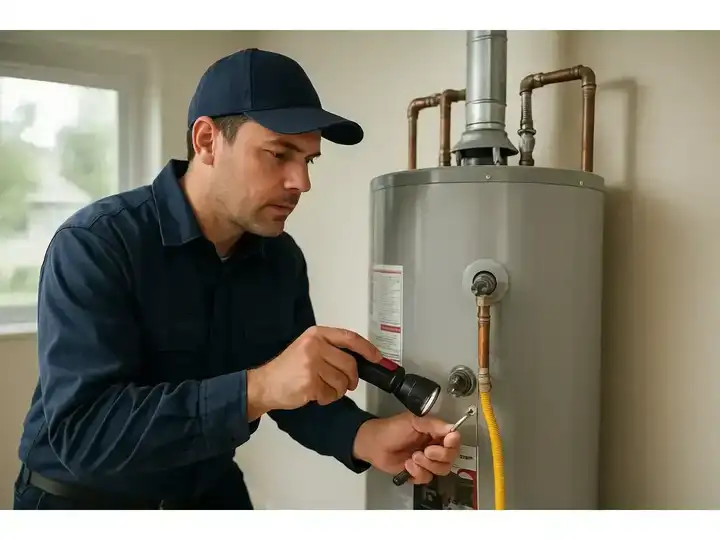
Hot water usually gets noticed only when it is gone. In Fort Walton Beach, that can happen faster than many homeowners expect. Between the coastal humidity, salt air, and year round demand on plumbing systems, water heaters in Okaloosa County homes work hard. Whether your system is in a garage, closet, attic, or utility room, small problems can build quietly until they turn into a full breakdown.
That is why planning ahead matters. A little attention to early warning signs can help you avoid water damage, surprise cold showers, and emergency calls at the worst possible time. If you are already noticing changes in performance, A Superior Mechanical offers water heater repair in Fort Walton Beach, FL for tank, tankless, gas, and electric systems. Homeowners can also learn more about the local service area on the Fort Walton Beach city page and the broader Okaloosa County service area.
Why water heaters wear differently in Fort Walton Beach
Water heaters in coastal Florida deal with a few local conditions that can shorten their useful life. Humidity encourages corrosion on metal components. Salt in the air can affect exposed parts, especially in garages or outdoor installations. Sediment can also collect inside tanks faster when the water supply carries minerals, which is common in many Florida communities. Over time, that buildup reduces efficiency and puts stress on the system.
Homes in Fort Walton Beach also tend to rely heavily on hot water throughout the year. Even if winter is mild, families still run dishwashers, showers, laundry, and cleaning routines every day. In rental properties and seasonal homes, water heaters can face long periods of heavy use followed by stretches of reduced activity, which can create its own maintenance issues. For homeowners comparing broader plumbing planning needs, Planning Plumbing Installation the Right Way in Fort Walton Beach Homes offers useful context for long term system care.
Problems homeowners should not brush off
Inconsistent water temperature
If the water goes from hot to lukewarm without warning, the heater may be struggling with a failing heating element, thermostat issue, sediment buildup, or burner problem. This is one of the most common complaints because it starts small. People often assume it is just a temporary dip in demand, but repeated temperature swings usually point to a repair need.
Rust colored water or metallic odor
Discolored hot water can suggest corrosion inside the tank or trouble with the anode rod. A metallic smell or taste is another clue that the interior of the heater may be breaking down. If the rust is only in hot water, the water heater is a likely source. If both hot and cold water show discoloration, the issue may involve the home’s pipes or supply lines, which can require broader plumbing inspection or water line services.
Strange noises from the tank
Popping, rumbling, or crackling sounds often mean sediment has settled at the bottom of a tank water heater. As the burner or element heats the water, trapped sediment causes noise and reduces efficiency. Left alone, that buildup can lead to overheating, more wear on the tank, and higher utility costs. In older Fort Walton Beach homes, this problem can show up sooner if the unit has not been flushed regularly.
Leaks around the unit
Any moisture near the base of the water heater should be taken seriously. Sometimes the source is a loose fitting, valve, or drain line. Other times the tank itself has started to fail. Because Florida homes often place water heaters in areas near finished floors, closets, or garages, even a small leak can create costly damage. A quick response can make the difference between a simple repair and a full replacement.
Weak hot water pressure
Low pressure at the hot water tap can point to sediment, valve issues, mineral buildup, or corrosion in the plumbing connected to the heater. If pressure drops only on hot water fixtures, the heater or nearby lines deserve attention. When the problem spreads through multiple fixtures, the issue may be larger than the appliance itself.
What usually causes these issues
Different water heater types fail in different ways, but several causes show up often in local service calls.
Sediment buildup: Minerals settle in the tank and reduce heating efficiency. This is especially common in tank water heaters that have not been flushed regularly.
Worn heating elements or burners: Electric systems can lose performance when elements fail. Gas units may have burner, pilot, or ignition issues that affect heating.
Corrosion: Humid air and age can wear down the tank, fittings, and valves. Once corrosion reaches the tank itself, repair options become limited.
Faulty thermostat: If the thermostat is inaccurate, the heater may produce water that is too hot, too cool, or inconsistent from one use to the next.
Pressure and valve problems: A failing temperature and pressure relief valve, expansion issue, or loose connection can create leaks or safety concerns.
Homeowners who want to understand how older plumbing components can age together may find How Fort Walton Beach Homes Age Out of Their Plumbing Fixtures helpful. Water heater problems often appear alongside aging valves, shutoffs, and supply connections.
Repair or replacement: how to think through the decision
Not every water heater issue means the unit needs to be replaced. Many repairs are practical and cost effective, especially if the heater is still within a reasonable age range and the tank is sound. A thermostat replacement, heating element swap, valve repair, or flush can restore performance and buy more time.
Replacement becomes more likely when the tank is leaking, the unit is heavily corroded, or repairs are starting to stack up. Age matters too. A standard tank water heater that is approaching the end of its service life may no longer be worth repeated fixes. Tankless systems can last longer, but they still need maintenance and occasional part replacement.
For some families, the decision also comes down to budget planning. If a larger repair or replacement is not in the monthly budget, it may help to look at Plumbing Financing in Fort Walton Beach, FL: Answers to Common Questions before making a final choice. That can make a necessary project easier to schedule without delaying important work.
Why local service matters in Fort Walton Beach
Working with a local plumbing company matters because water heater problems are not the same everywhere. A technician who regularly services Fort Walton Beach homes understands how coastal conditions affect equipment, what issues show up most often in the area, and how to spot signs that a problem is tied to aging plumbing rather than the appliance alone.
Local service also helps with timing. If your hot water fails during a busy week or right before guests arrive, you want a team that can respond quickly and work with the realities of the area. That is especially important for households that already manage AC demands, since summer heat and humidity put extra strain on home systems. Many homeowners who keep up with air conditioning maintenance also make better long term decisions about plumbing care because they are already thinking ahead about system reliability. Businesses that depend on steady comfort and daily operations may also need support from commercial HVAC repair and other service planning, especially in mixed use properties.
Simple maintenance that can extend water heater life
Homeowners can do a few basic things to help their water heater last longer and work more efficiently. These steps do not replace professional service, but they can reduce wear between visits.
Check for leaks: Look around the base, valves, and nearby plumbing for moisture or rust stains.
Listen for changes: New popping or rumbling sounds often mean sediment is building up.
Watch the temperature: If hot water becomes inconsistent, do not ignore it.
Schedule flushing when appropriate: Tank units often benefit from periodic flushing to remove sediment.
Keep the area clear: Good access helps with inspections, repairs, and faster emergency work.
Inspect nearby fixtures and lines: Corrosion or wear elsewhere in the plumbing can affect the heater too.
These habits are especially useful in Fort Walton Beach homes that have older plumbing or fixtures. Small maintenance steps can keep a problem small, which is often the difference between a manageable repair and a bigger disruption. For more practical advice on that approach, see Keeping Plumbing Problems Small in Fort Walton Beach Homes.
When a professional should take a look
Some issues are not worth waiting on. If your water heater is leaking, making loud noises, producing rusty water, tripping breakers, failing to heat at all, or showing signs of corrosion, it is time to call a licensed plumber. Gas water heaters should always be handled carefully if you suspect ignition problems, burner trouble, or a gas odor. Safety should come first.
Professional repair can also help if you are not sure whether the problem is in the heater, the fixtures, or the supply lines. A technician can test the system, identify the source of the issue, and recommend the most practical fix. That kind of assessment is especially useful in Okaloosa County homes where older plumbing, coastal wear, and high use all overlap.
For homeowners in Fort Walton Beach, a reliable hot water system is part of everyday comfort. Paying attention to early warning signs, scheduling maintenance, and using a local repair team can help you avoid bigger problems and plan ahead with more confidence.
Find Water Heater Repair in Fort Walton Beach, FL
If you need Water Heater Repair in Fort Walton Beach, FL, visit our local service page or contact A Superior Mechanical today.
Map of Fort Walton Beach, FL
Frequently Asked Questions
How long do water heaters usually last in Fort Walton Beach?
Many standard tank water heaters last about 8 to 12 years, though coastal conditions, water quality, and maintenance habits can affect that timeline. Tankless units often last longer with proper care.
Is rusty hot water always a water heater problem?
Not always, but it often points to corrosion inside the heater or nearby plumbing. If only hot water is rusty, the water heater is a likely source and should be inspected.
Can sediment buildup really make my water heater fail early?
Yes. Sediment makes the unit work harder, lowers efficiency, and can damage internal parts over time. Regular maintenance helps reduce that risk, especially in homes with heavy daily use.
Should I repair or replace a leaking water heater?
It depends on where the leak is coming from. A loose valve or fitting may be repairable, but a leaking tank usually means replacement is the safer option.
Related Articles
Photo Gallery