Reverse osmosis systems are a smart fit for many homes along 30A. They help remove sediment, dissolved solids, and other contaminants that can affect taste and water quality, which matters in a coastal area where homes deal with humidity, salt air, and varying water conditions. But a lot of homeowners focus only on the filter itself and overlook the rest of the system. That is where performance starts to slip.
For homeowners looking for dependable reverse osmosis systems in 30A, FL, the details matter. Installation, water pressure, membrane condition, drain line function, and local water quality all play a role in how well the system works day after day. A system that looks fine on paper can still underperform if those pieces are ignored.
Why RO systems behave differently in 30A homes
30A homes are not all built the same. Some are full time residences, some are vacation homes, and many are rental properties that sit empty for stretches of time. That affects water use patterns, maintenance schedules, and how often a reverse osmosis system cycles through fresh water. In a home that is used seasonally, water can sit in tanks and lines longer than it would in a busy household, which can change taste and create stale water issues if the system is not serviced regularly.
Coastal conditions also matter. Walton County’s humid climate can make under sink cabinets damp, which is not ideal for tubing, fittings, or storage tanks. If a leak starts slowly, it may go unnoticed until there is visible damage. That is one reason local service is so valuable. A team that works in 30A and across Walton County understands the environment these systems live in and can spot problems that a general check might miss.
The parts homeowners usually forget about
Water pressure and flow rate
Many people assume a reverse osmosis system is only about filtration, but pressure is just as important. If incoming pressure is too low, the system may produce water slowly or stop making enough water for daily use. If pressure is too high or inconsistent, it can wear on fittings and membranes. In some 30A homes, pressure issues show up because of plumbing layout, older fixtures, or other water service concerns that need attention from a plumber.
The storage tank
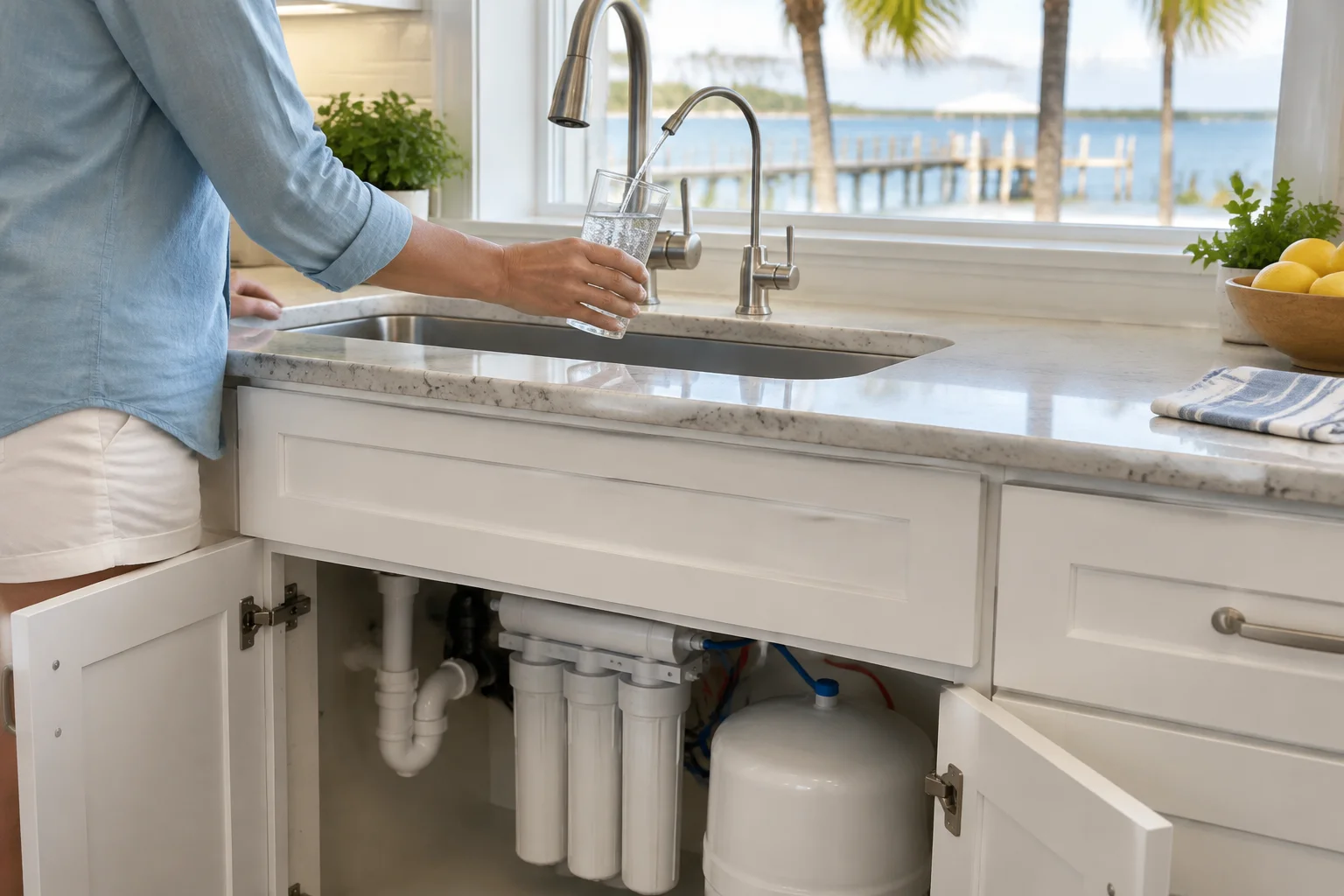
The tank is easy to ignore because it sits out of sight, but it affects how much filtered water is available and how the system delivers it. A tank with low air charge or internal wear can cause weak flow at the faucet, odd cycling, or a small amount of water available before pressure drops. Homeowners sometimes think the membrane is failing when the tank is actually the issue.
The drain line
Reverse osmosis systems send rejected water to the drain. If that line is partially blocked, kinked, or installed poorly, the system may not flush correctly. That can shorten membrane life and reduce water quality. In a coastal home, cabinet space is often tight, and a rushed install can leave drain tubing bent or stressed. That is why a proper setup matters as much as the system itself.
Prefilters and postfilters
These filters do a lot of the heavy lifting. Prefilters protect the membrane from sediment and chlorine, while postfilters help polish the taste before water reaches the tap. Homeowners often replace them too late, especially in rental properties where maintenance is spread out. A clogged prefilter can make the system work harder, which may lower output and increase wear.
Local water conditions can change how RO systems perform
Water quality in 30A can vary by neighborhood, source, and plumbing condition. Some homes may deal with more sediment, while others notice taste or odor changes after plumbing work, service interruptions, or seasonal changes in water use. In areas with older plumbing or long service runs, waterline condition can also affect what reaches the RO system. If supply lines are compromised, even a good filtration setup can struggle to perform consistently.
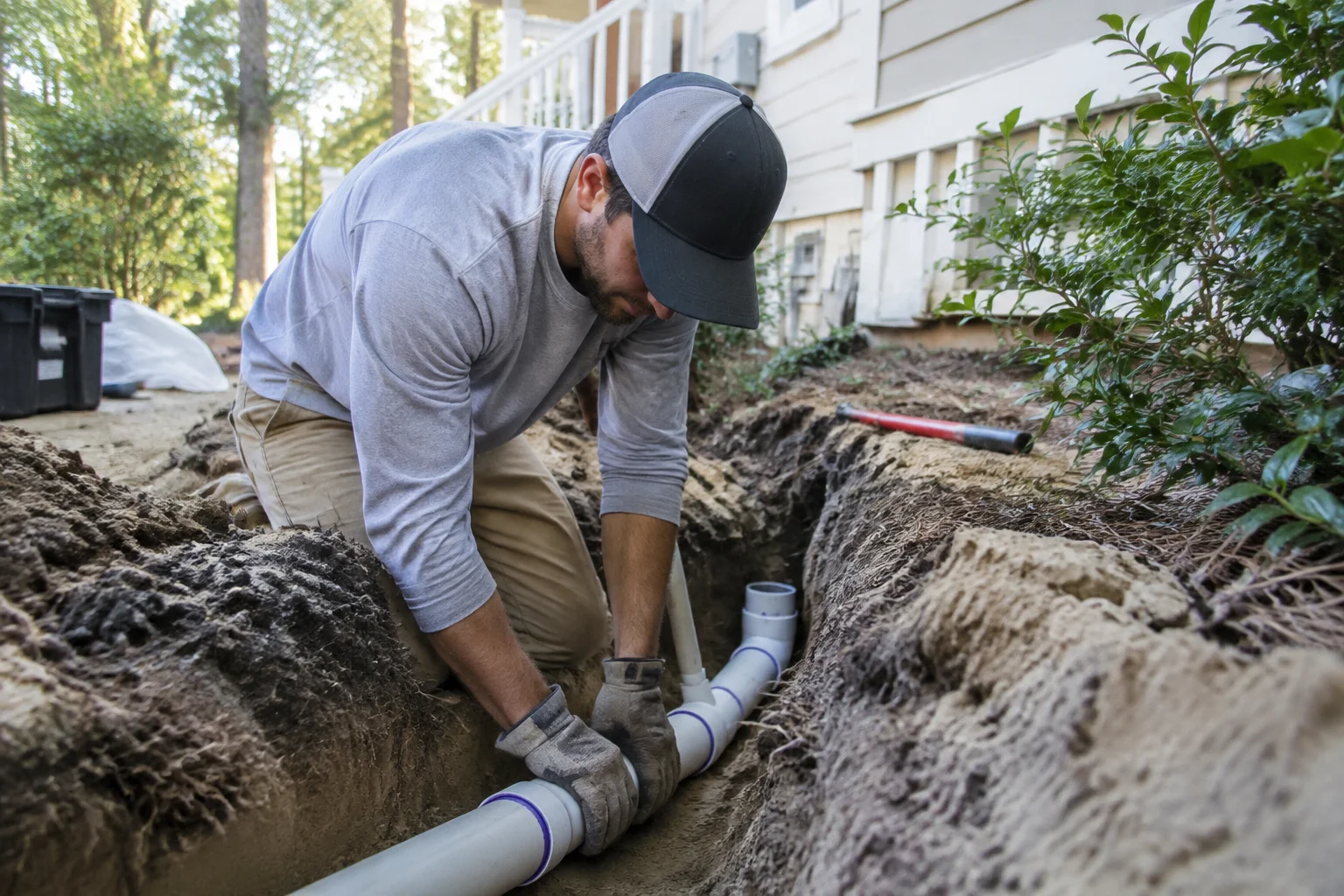
That is why homeowners dealing with water concerns often pair filtration work with other plumbing services. In some cases, a plumber may recommend waterline services or even waterline replacement if the incoming line is affecting pressure, flow, or water quality. If the issue is broader than drinking water taste, it can help to look at the whole system instead of just the RO unit.
How homeowners can tell something is off
Reverse osmosis systems usually give a few early clues before they fail outright. Water may taste flat, metallic, or slightly off. The faucet may slow down, or the tank may not refill as quickly as it used to. Some homeowners notice a buzzing, hissing, or cycling sound from the system. Others see a small leak under the sink or a damp cabinet floor. These issues can start small and stay hidden for weeks if the sink area is used infrequently, which is common in vacation properties.
If the system has not been serviced in a while, a change in water taste can also point to overdue filter replacement. In homes with heavy use, especially rentals, filters may need attention sooner than expected. A system that used to produce clear, clean water but now seems sluggish is usually asking for service, not a full replacement right away.
Simple maintenance that makes a real difference
Routine maintenance is the easiest way to keep a reverse osmosis system reliable. That usually includes replacing prefilters and postfilters on schedule, checking the membrane, inspecting the tank, and confirming that the drain line and faucet are working correctly. It also means looking for small leaks, loose fittings, or signs of cabinet moisture before they become bigger repairs.
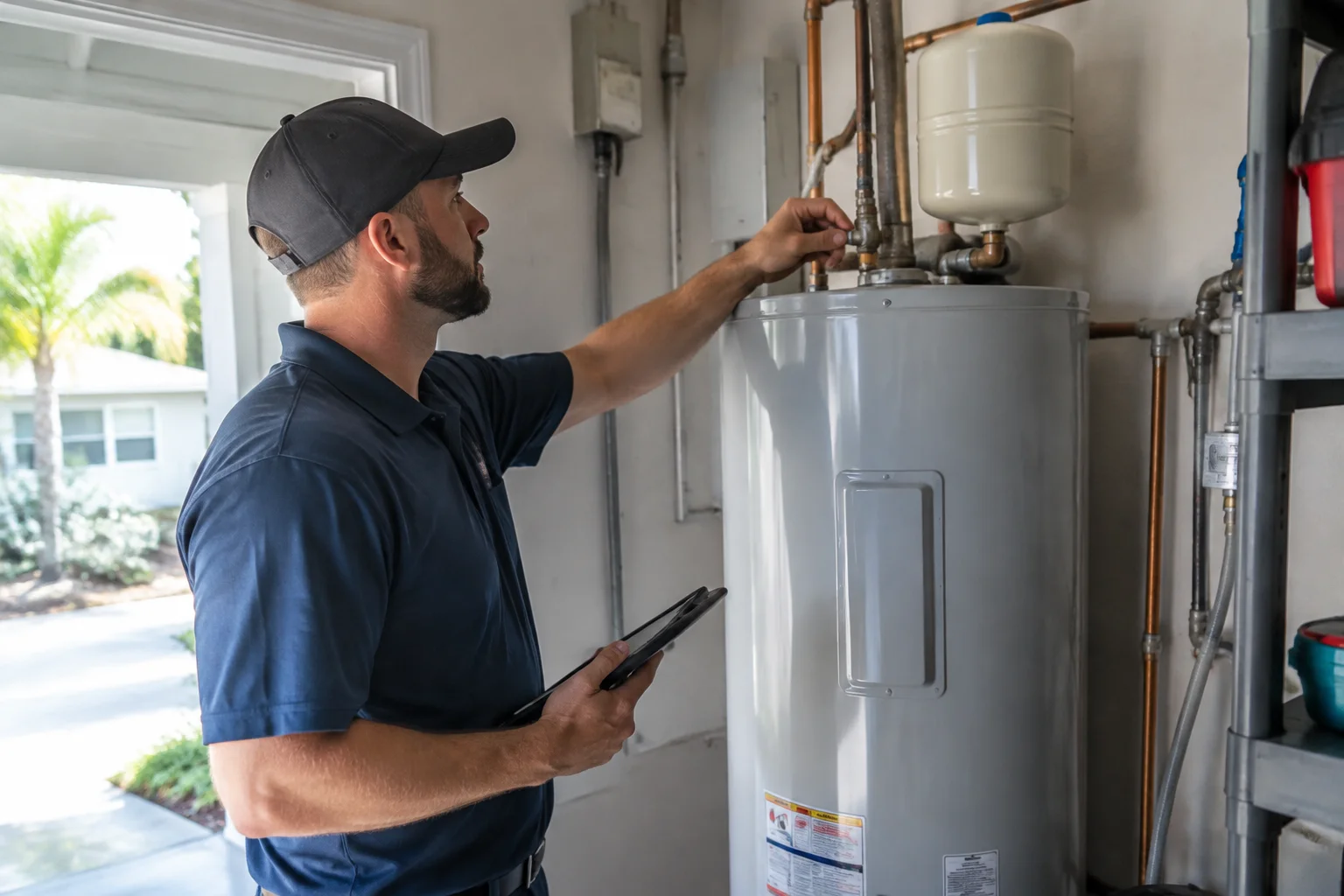
Homeowners in 30A often benefit from putting RO maintenance on the same calendar as other seasonal home care. If you already schedule an air conditioning inspection or water heater maintenance, it makes sense to check the water filtration system at the same time. That is especially true for second homes and vacation rentals, where small issues can go unnoticed between guest stays.
Installation details that affect long term reliability
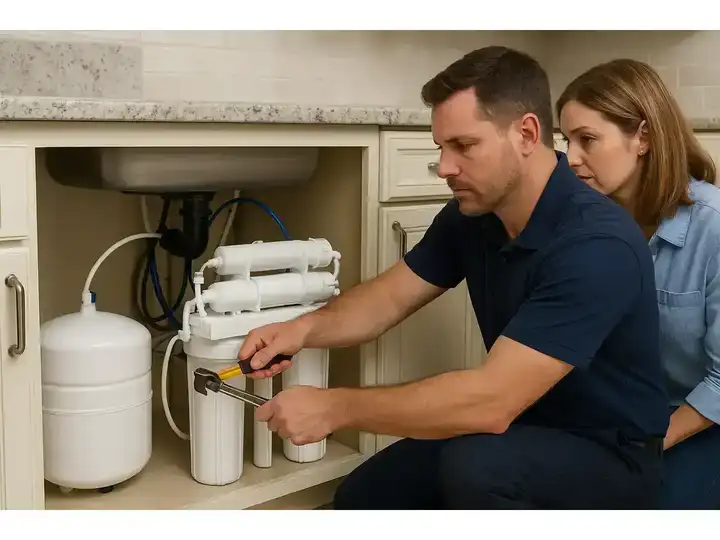
A reverse osmosis system can only perform as well as its installation. The location under the sink should allow enough room for the tank, filters, and tubing without sharp bends or strain on connections. The faucet should be mounted securely, and the drain connection should be set up correctly so wastewater can move freely. If the system is installed too close to heat, moisture, or stored cleaning supplies, it may wear out faster.
Proper installation also helps with service later. When a system is laid out cleanly, filter changes are easier, leak checks are faster, and troubleshooting takes less time. That matters in homes where space is limited and access under the sink is tight. Professional installation and service from A Superior Mechanical can help homeowners avoid the common mistakes that lead to poor flow, leaks, and premature wear.
Vacation rentals need a different level of attention
30A has a lot of rental properties, and reverse osmosis systems in those homes face a different pattern of use than a primary residence. Guests may use the faucet heavily for a few days, then the home may sit empty. That stop and start pattern can leave water sitting in the tank, which affects freshness. It also makes it harder to catch maintenance issues early unless someone is checking the system on a schedule.
For property owners, that means RO service should be part of the regular maintenance plan along with plumbing checks, HVAC service, and other property care. Homeowners who are already reading up on how to stay ahead of plumbing issues may also find it helpful to review How 30A Property Owners Can Stay Ahead of Plumbing Problems Before They Turn Costly. The same idea applies here: small service visits can prevent bigger disruptions later.
When to bring in a professional
Some RO tasks are straightforward, like changing a filter on schedule. But a professional is the better call when the system has low pressure, repeated leaks, cloudy water, unusual taste, noisy operation, or a tank that does not seem to hold enough water. If the home has older plumbing, recent waterline work, or other water quality concerns, a technician can help determine whether the problem is the RO unit or something upstream.
Local expertise also matters because the solution in 30A may be different from what works inland. Coastal homes can have tighter mechanical spaces, more humidity exposure, and more seasonal use. A plumber who works in the area regularly can recommend the right fix without overcomplicating it. That kind of local knowledge is part of why homeowners and property managers look for service within the community rather than treating RO work as a generic appliance repair.
How RO care fits into the bigger picture of home performance
Clean drinking water is one piece of a well running home. When water filtration is working properly, fixtures stay cleaner, drinking water tastes better, and the system is less likely to create nuisance leaks under the sink. That adds up in a place like 30A, where homeowners are often balancing coastal conditions, guest turnover, and the need to keep a property dependable year round.
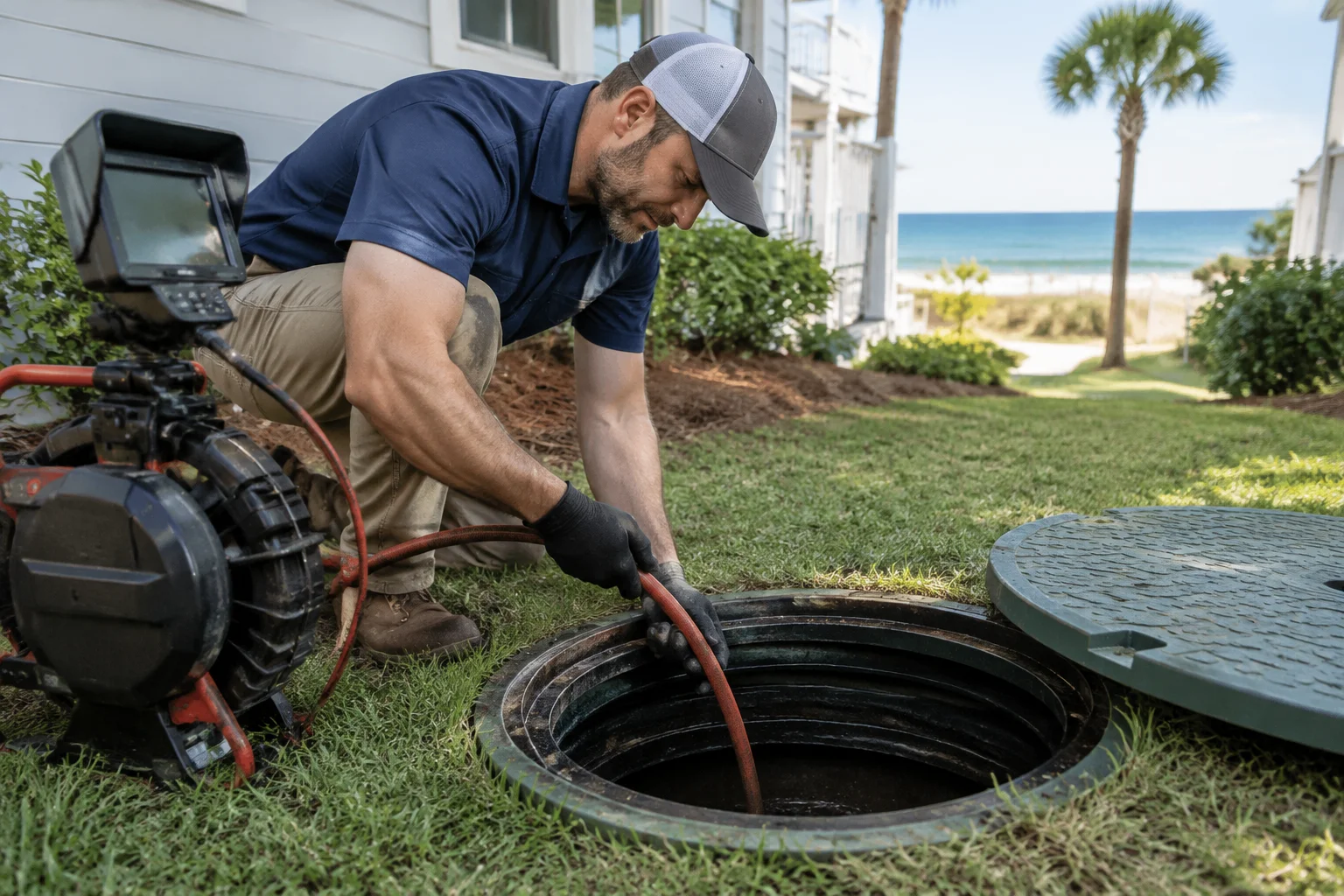
If you are already thinking about water quality and overall home performance, it can help to look at related systems too. A Practical Look at Clean Water Systems for Better Home Performance in 30A, FL covers how filtration fits into the bigger water picture, while How Sewer Camera Inspections Hold Up in 30A Homes and What Can Throw Them Off explains why plumbing conditions can influence the way a home performs overall.
For homeowners in 30A, the best reverse osmosis system is not just the one that filters well on day one. It is the one that stays reliable through humid summers, seasonal occupancy, and the everyday demands of a coastal home. That takes the right installation, regular maintenance, and service from a local plumbing team that understands how homes in this area are built and used.
Find Reverse Osmosis Systems in 30A, FL
If you need Reverse Osmosis Systems in 30A, FL, visit our local service page or contact A Superior Mechanical today.
Map of 30A, FL
Frequently Asked Questions
How often should reverse osmosis filters be changed in a 30A home?
Most systems need prefilters and postfilters replaced about every 6 to 12 months, but homes with heavy use or rental turnover may need service sooner. The membrane usually lasts longer, but it still needs periodic inspection.
Why does my reverse osmosis water taste different after the home sits empty?
Water can sit in the tank and lines during long periods of low use, which may affect freshness. A quick flush and filter check often helps, but recurring taste issues can point to maintenance needs or an installation problem.
Can low water pressure affect my reverse osmosis system?
Yes. Low pressure can slow production, reduce tank refill speed, and make the system seem weak even if the filters are still in decent shape. A plumber can check whether the issue is with the RO unit, the supply line, or the home’s plumbing.
Do vacation rentals need more RO maintenance than primary homes?
Often, yes. Rental properties may have heavy use in short bursts and then sit unused, which can affect water freshness and make maintenance issues harder to spot. Regular checkups help keep the system reliable for guests.
Related Articles
- How 30A Property Owners Can Stay Ahead of Plumbing Problems Before They Turn Costly
- Ductwork Services in 30A, FL: Common Problems and Solutions
- A Practical Look at Clean Water Systems for Better Home Performance in 30A, FL
- How Sewer Camera Inspections Hold Up in 30A Homes and What Can Throw Them Off
Photo Gallery